Objection from the Ḥanafīs
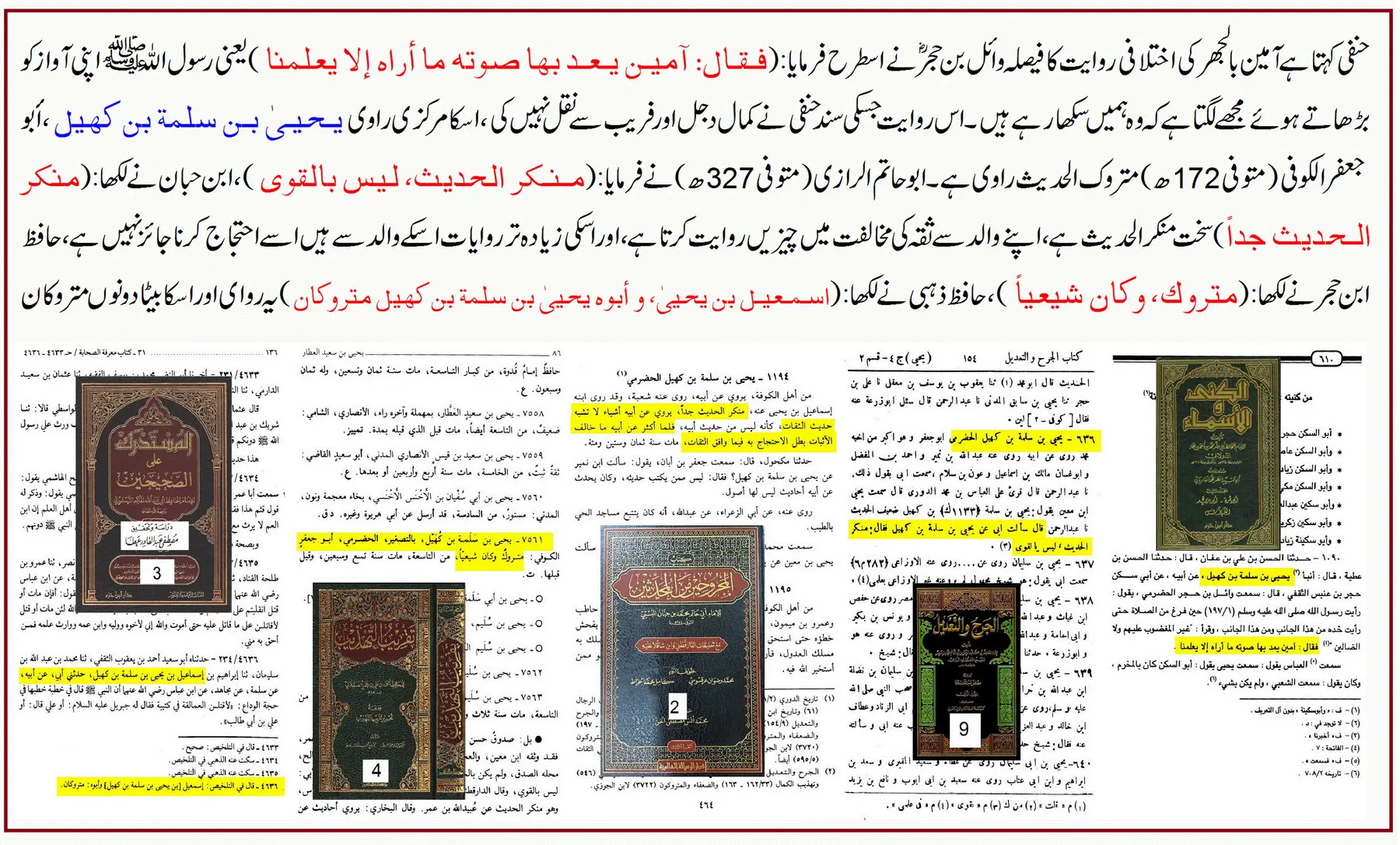
Some Ḥanafī scholars raise an objection to the famous marfūʿ narration in which it is said: “The mosque would shake due to the loud utterance of Āmīn.” They argue that the narration is weak because one of its narrators, Bishr bin Rāfiʿ, has been criticized by some muḥaddithīn. Based on this single narrator, they attempt to dismiss the entire narration and, consequently, the practice of loud Āmīn.
Response to This Objection
This reasoning is questionable for the following reasons:
① This matter is supported by several other authentic and sound narrations.
② Regarding Bishr bin Rāfiʿ, there are both criticisms and endorsements recorded from the scholars of ḥadīth; many imams have accepted his narrations.
③ A mild or debatable criticism of a narrator does not render all his narrations unacceptable in absolute terms.
The Primary Ḥadīth – Sunan Ibn Mājah
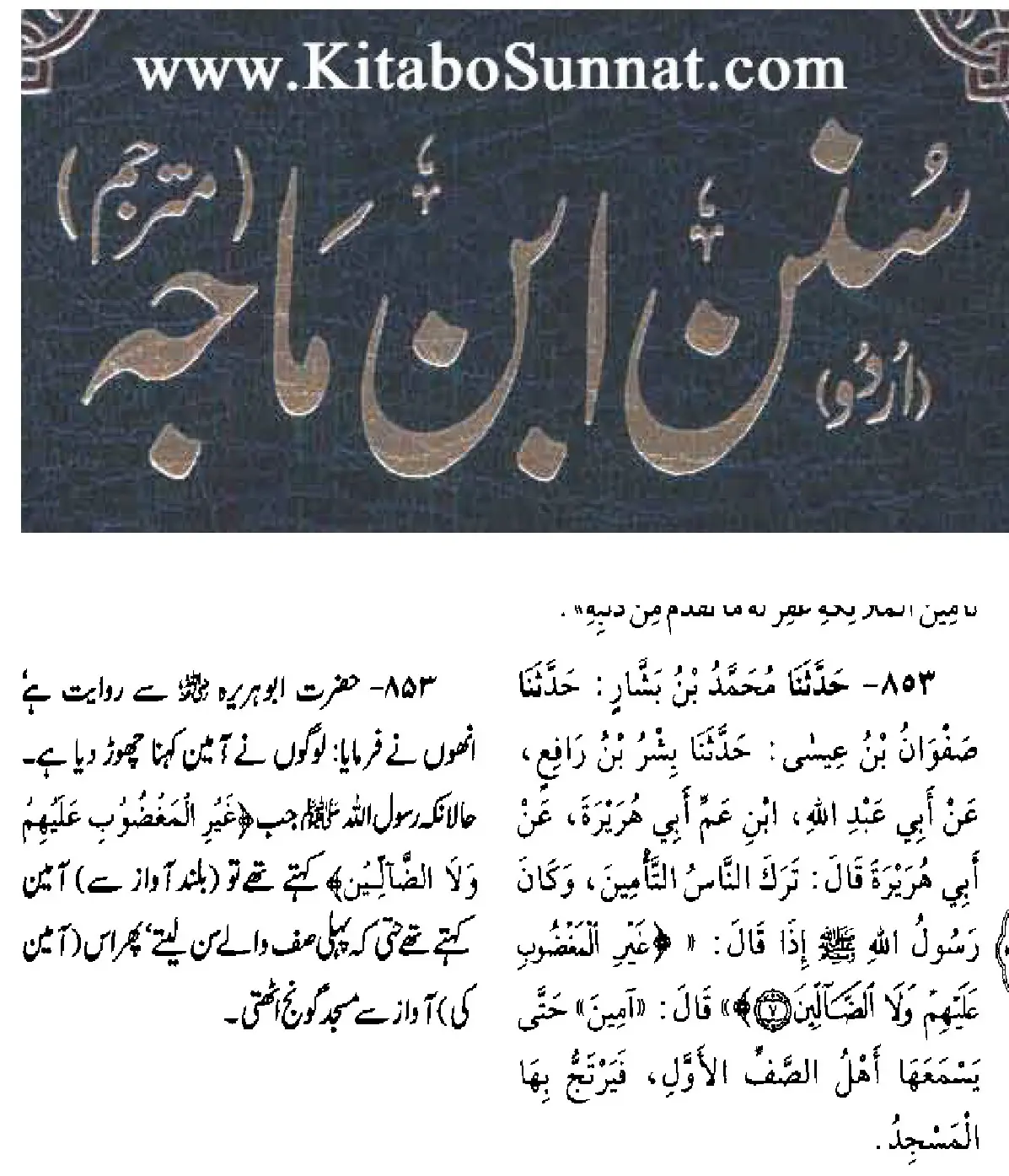
📖 Ḥadīth No. 853:
Arabic Text:
حَدَّثَنَا مُحَمَّدُ بْنُ بَشَّارٍ، قَالَ: حَدَّثَنَا صَفْوَانُ بْنُ عِيسَى، قَالَ: حَدَّثَنَا بِشْرُ بْنُ رَافِعٍ، عَنْ أَبِي عَبْدِ اللَّهِ ابْنِ عَمِّ أَبِي هُرَيْرَةَ، عَنْ أَبِي هُرَيْرَةَ، قَالَ: تَرَكَ النَّاسُ التَّأْمِينَ، وَكَانَ رَسُولُ اللَّهِ ﷺ إِذَا قَالَ: {غَيْرِ الْمَغْضُوبِ عَلَيْهِمْ وَلَا الضَّالِّينَ}، قَالَ: «آمِينَ» حَتَّى يَسْمَعَهَا أَهْلُ الصَّفِّ الْأَوَّلِ، فَيَرْتَجُّ بِهَا الْمَسْجِدُ
Translation:
It is narrated from Abū Hurayrah رضي الله عنه that he said: “The people have abandoned saying Āmīn. Verily, when the Messenger of Allah ﷺ would recite {غَيْرِ الْمَغْضُوبِ عَلَيْهِمْ وَلَا الضَّالِّينَ}, he would say Āmīn aloud such that those in the first row would hear him, and the mosque would resonate with the sound.”
Summary of the Ḥanafī Objection
They argue that this narration is rejected because Bishr bin Rāfiʿ is weak — even alleging he narrates fabricated reports. They cite scholars such as Imām al-Bukhārī, Aḥmad, Ibn Maʿīn, al-Nasāʾī, Ibn Ḥibbān, and Ibn ʿAbd al-Barr.
A Scholarly Examination of Bishr bin Rāfiʿ
The Ḥanafī objector declared the narration weak only because it contains a narrator named Bishr bin Rāfiʿ al-Ḥārithī, whereas a large group of muḥaddithīn accepted his narration and declared him thiqah (reliable) or at least “لا بأس به” (there is no harm in him). Here we present the statements of the muḥaddithīn about this narrator.
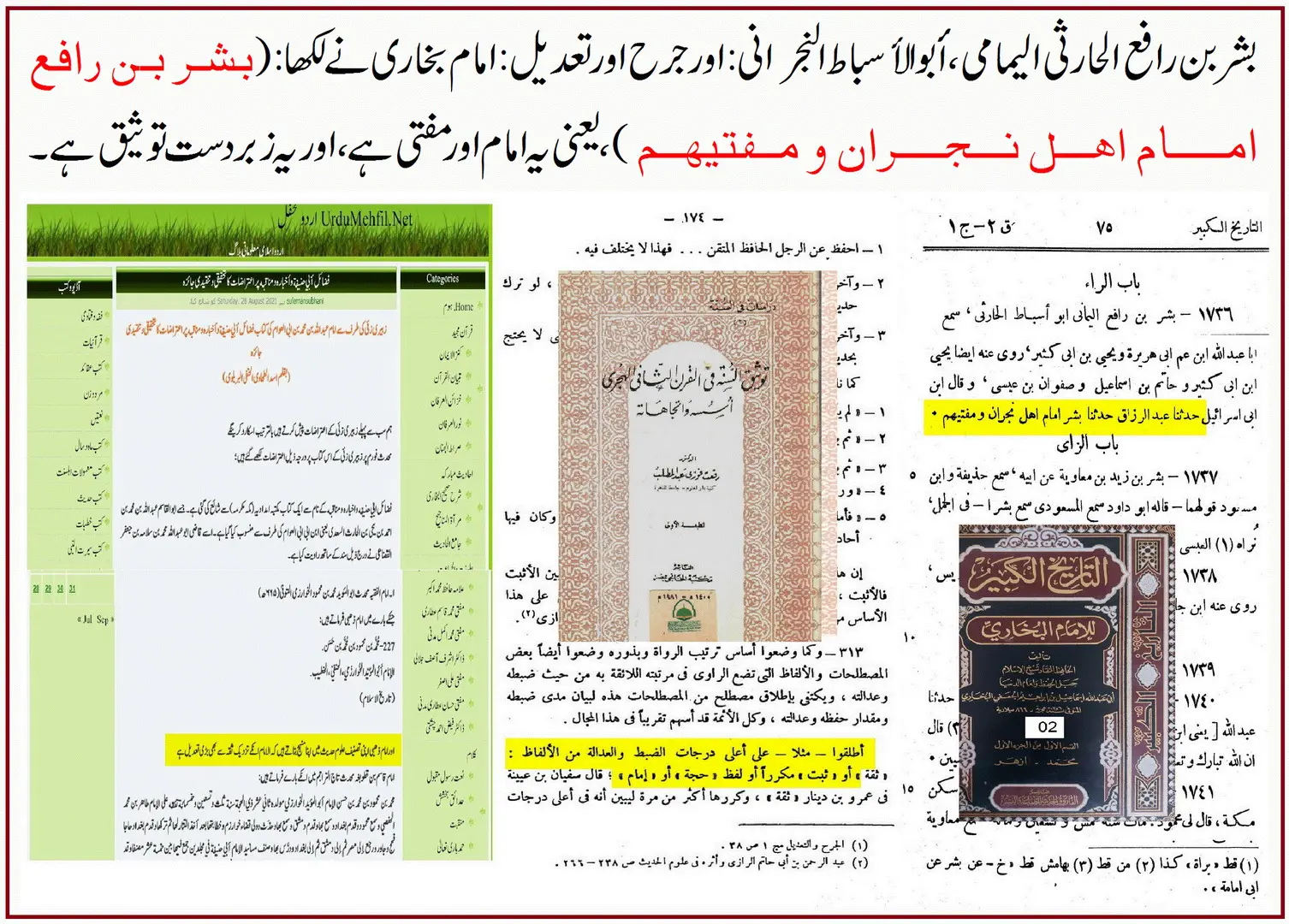
1. Imām al-Bukhārī رحمه الله
“بشر بْن رافع اليماني أبو أسباط الحارثي … وقال ابن أبي إسرائيل: حَدَّثَنَا عبد الرزاق حَدَّثَنَا بشر إمام أهل نجران ومفتيهم.”
“Bishr bin Rāfiʿ al-Yamānī Abū Asbāṭ al-Ḥārithī… Ibn Abī Isrāʾīl said: ʿAbd al-Razzāq narrated to us saying: Bishr was the Imām and Muftī of the people of Najrān.”
📚 [Al-Tārīkh al-Kabīr, no. 1736]
✔ The titles “Imām” and “Muftī” indicate strong endorsement, as acknowledged even by Ḥanafīs.
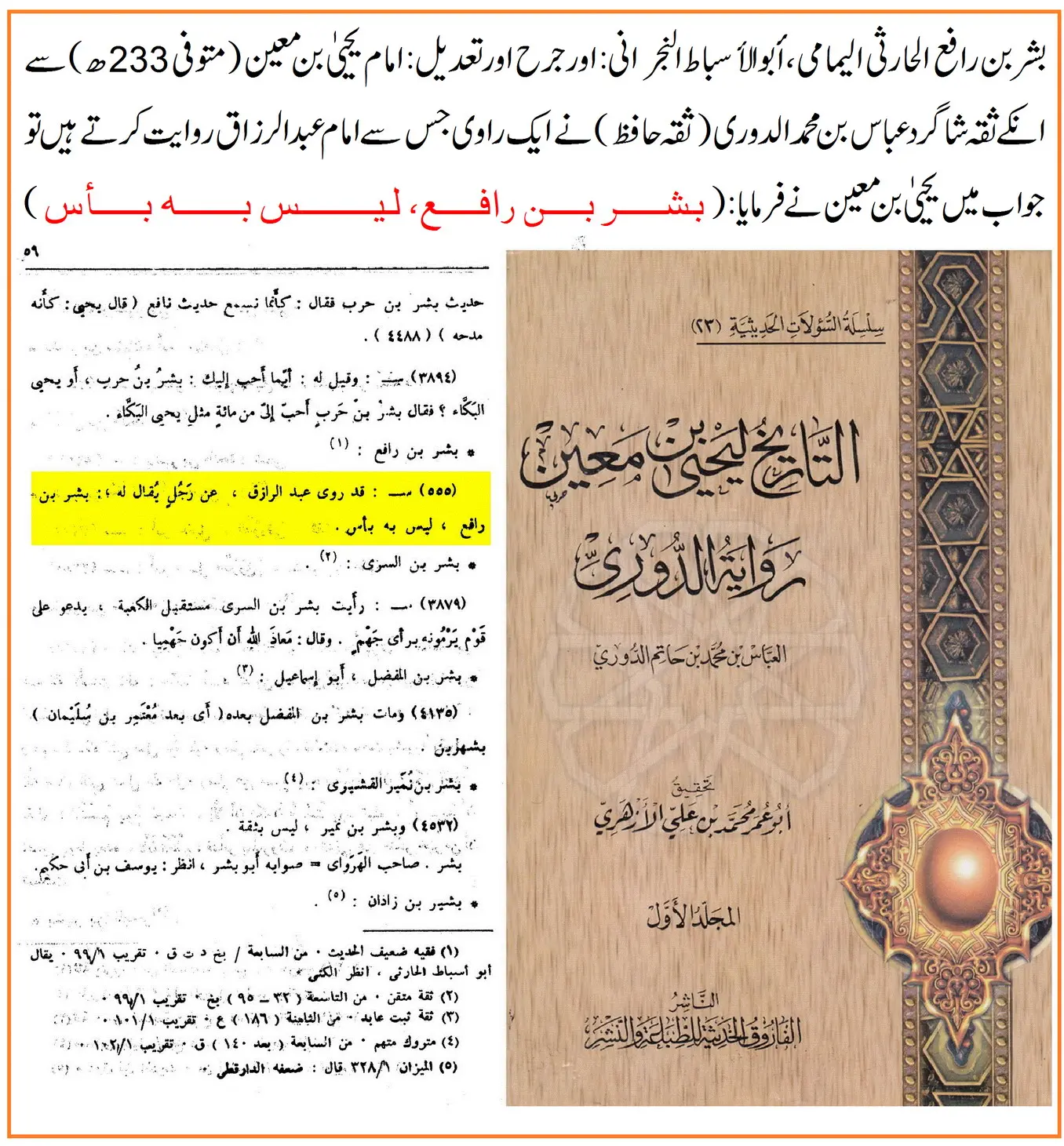
2. Imām Yaḥyá bin Maʿīn رحمه الله
“قد روى عبد الرزاق عن رجل يقال له بشر بن رافع ليس به بأس”
“ʿAbd al-Razzāq narrated from a man named Bishr bin Rāfiʿ – there is no harm in him.”
📚 [Tārīkh Ibn Maʿīn, Riwayah al-Dūrī, no. 555]
✔ The phrase “ليس به بأس” is used by the muḥaddithīn for a narrator who is at least ṣadūq (truthful) and acceptable as proof.
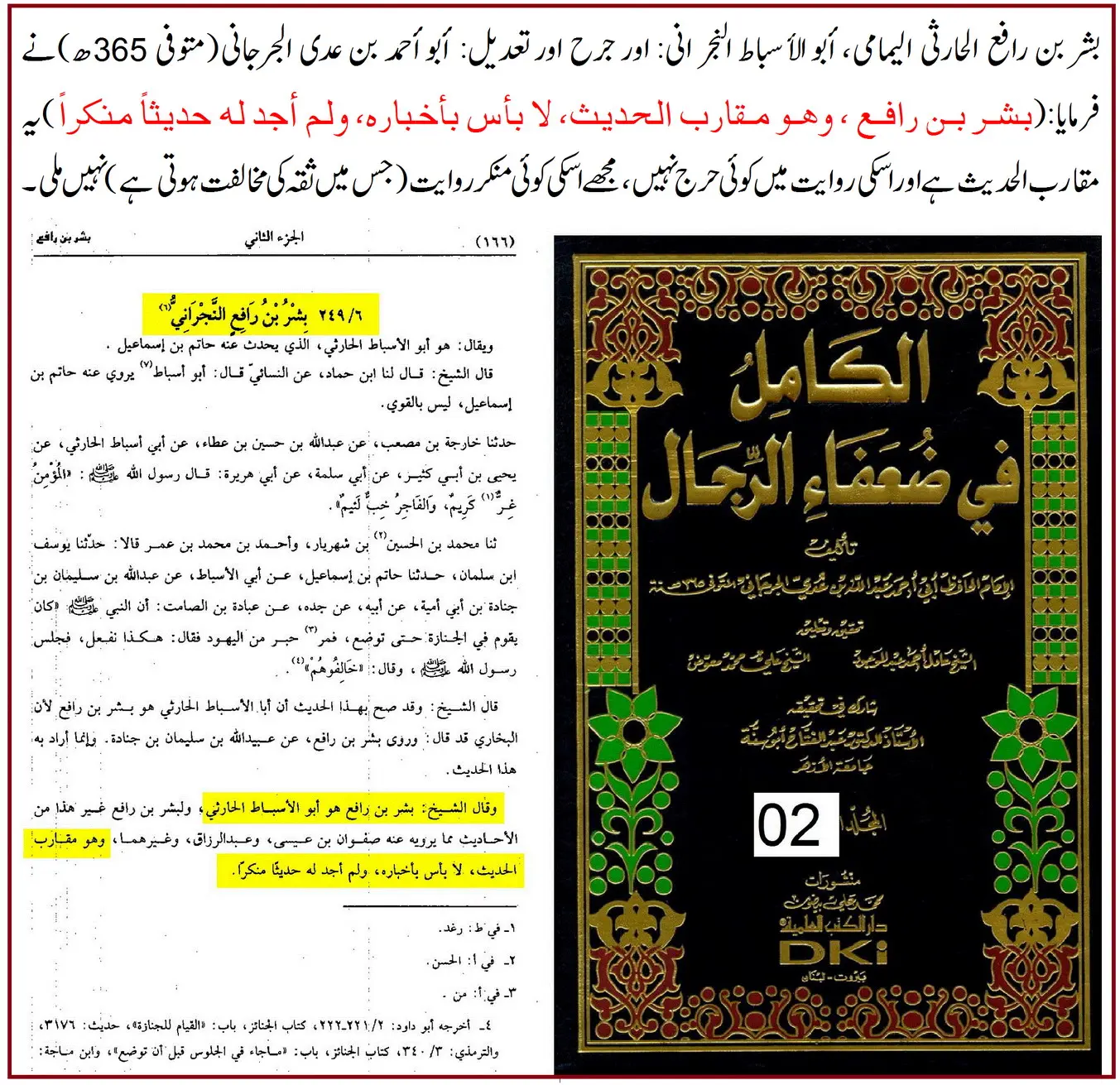
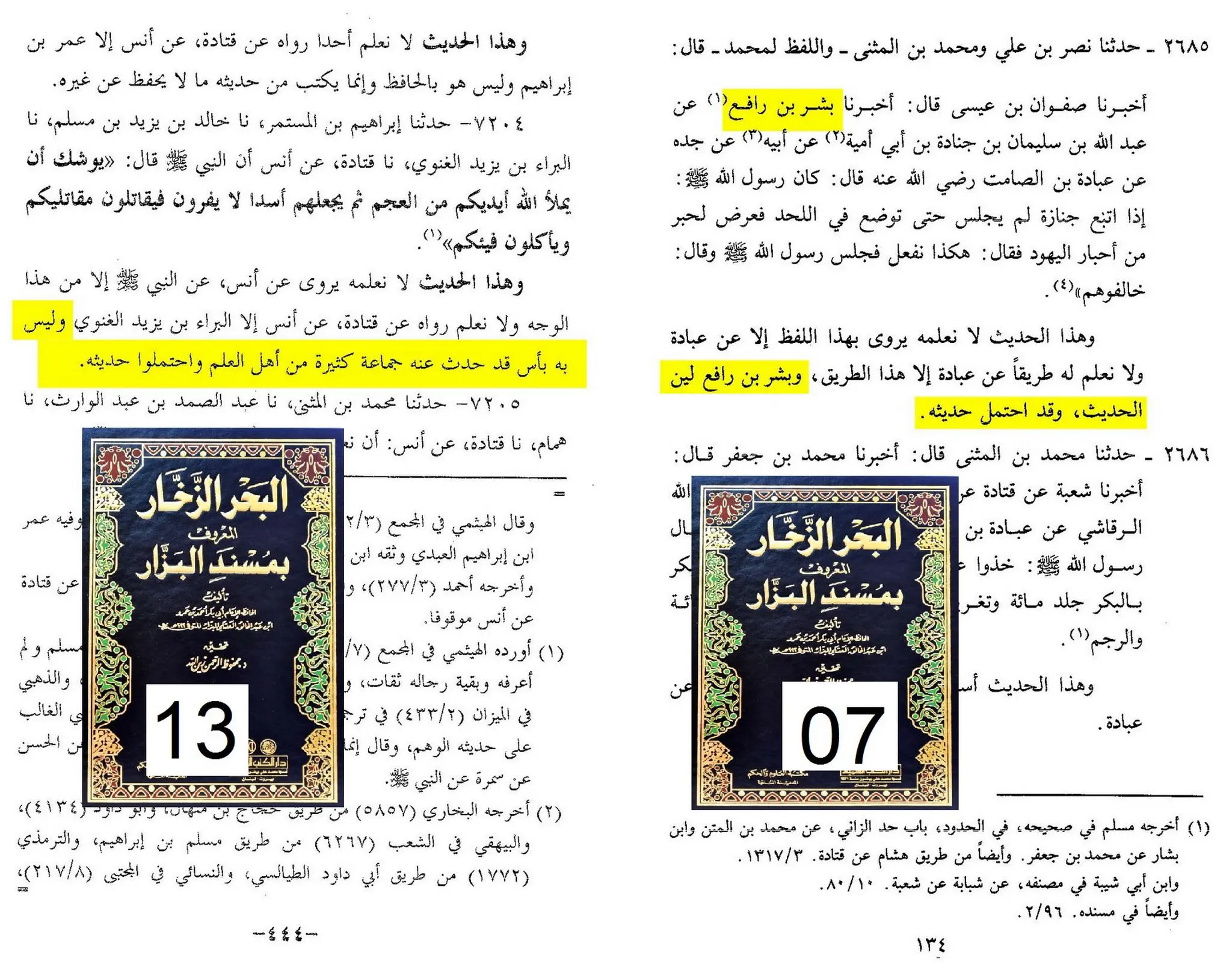
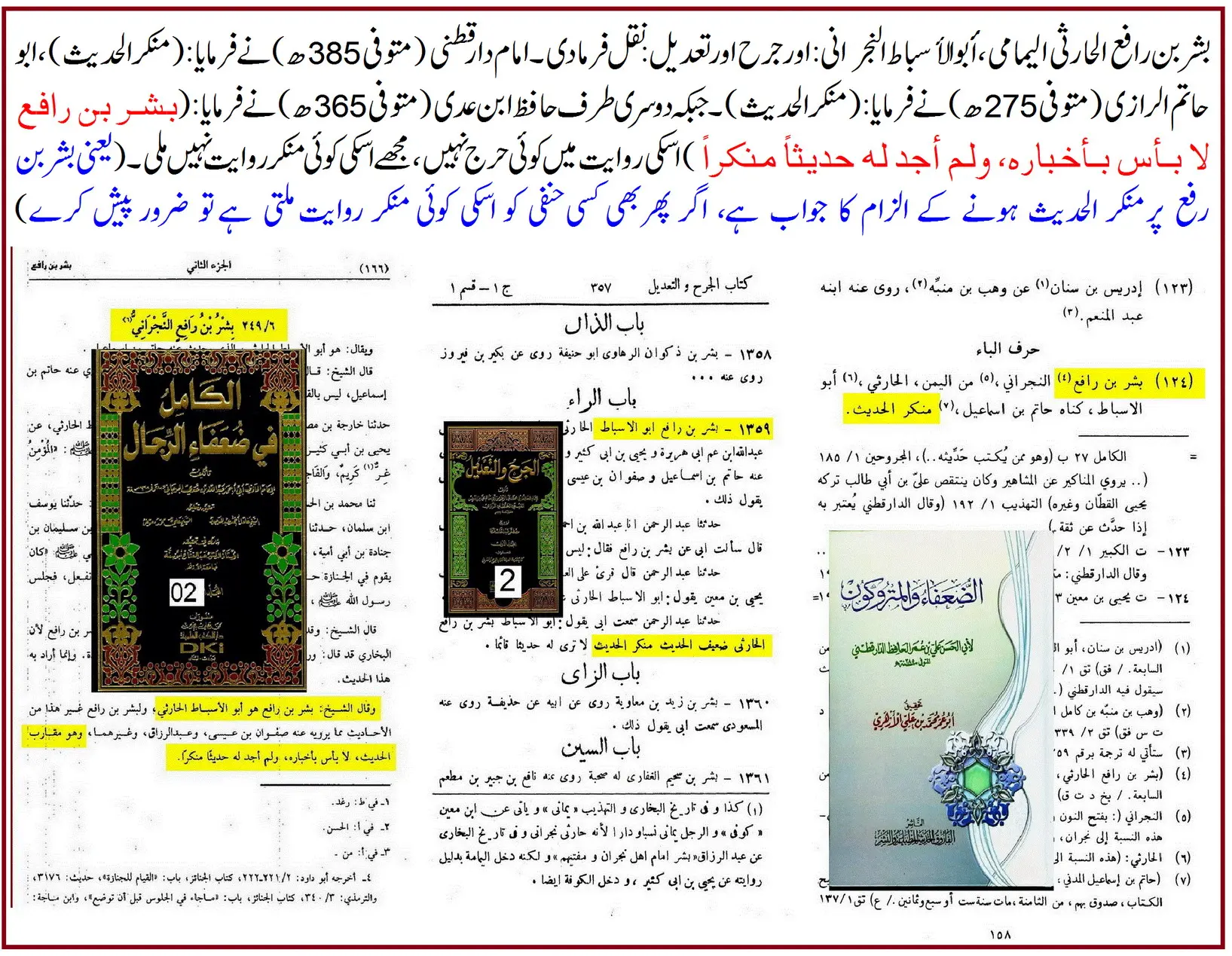
3. Abū Aḥmad Ibn ʿAdī al-Jurjānī رحمه الله
“بشر بن رافع … مقارب الحديث لا بأس بأخباره ولم أجد له حديثًا منكرا”
“Bishr bin Rāfiʿ – his ḥadīths are average (muqārib al-ḥadīth), there is no issue with his narrations, and I found no denounced ḥadīth from him.”
📚 [Al-Kāmil fī Ḍuʿafāʾ al-Rijāl, 2/249]
✔ The term “muqārib al-ḥadīth” shows his narrations are recognizable and acceptable, and absence of munkar reports is a positive indication.
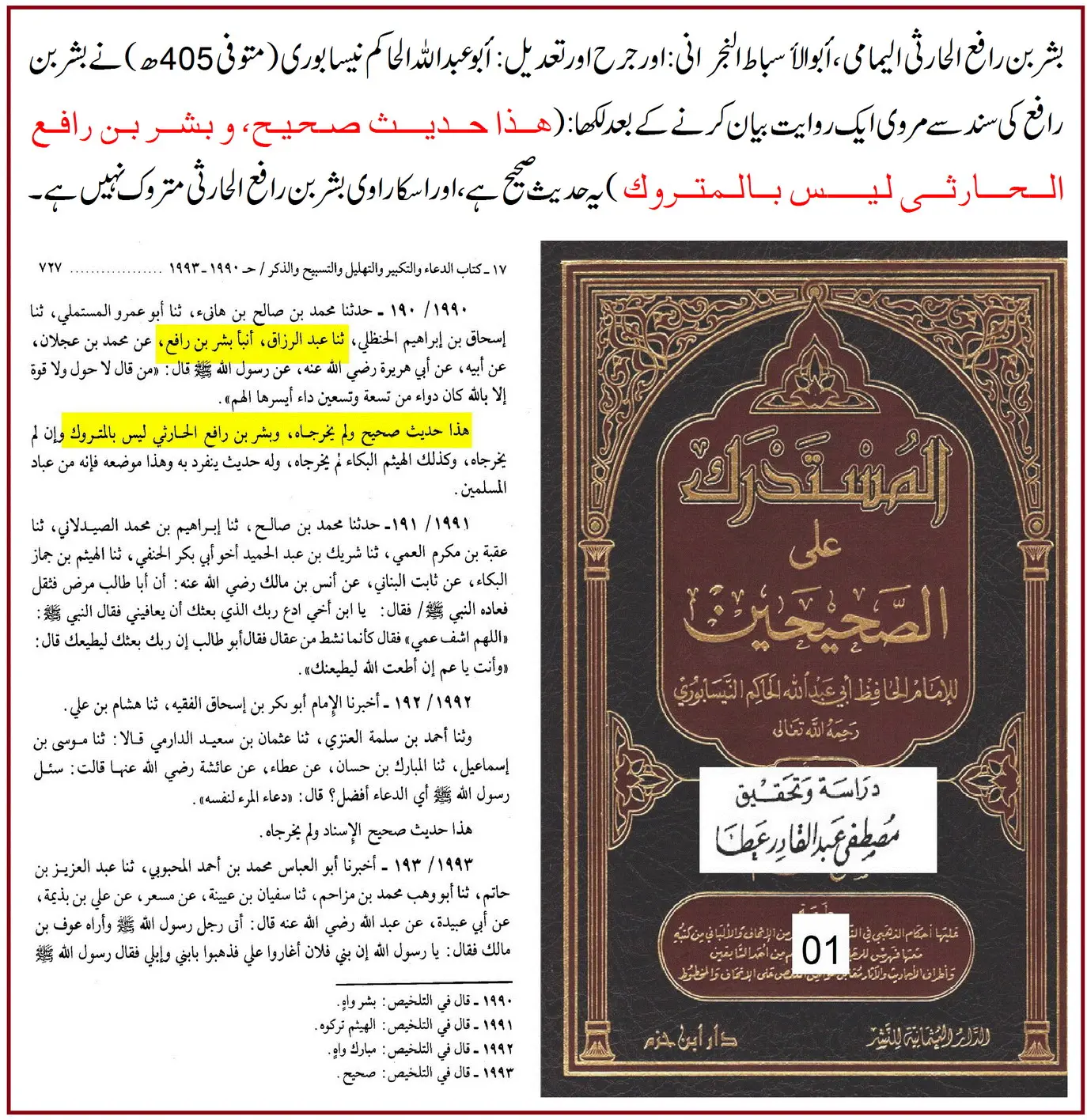
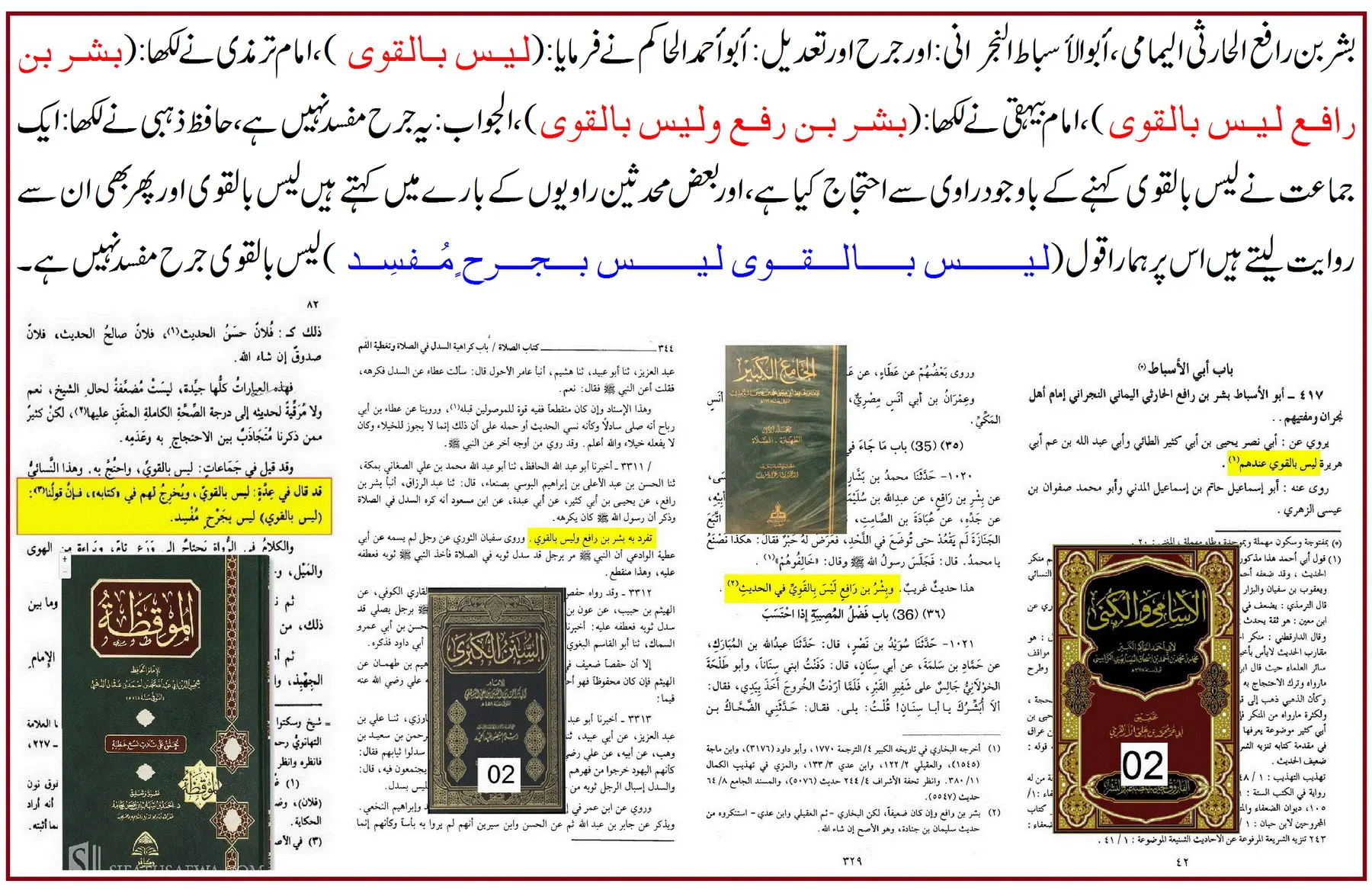
4. Imām al-Ḥākim al-Naysābūrī رحمه الله
“بشر بن رافع الحارثي ليس بالمتروك”
“Bishr bin Rāfiʿ al-Ḥārithī is not abandoned.”
📚 [Al-Mustadrak ʿala al-Ṣaḥīḥayn, 1/1990]
✔ “Not abandoned” implies his narrations are at least usable, especially when other scholars say “lā baʾs bihī”.
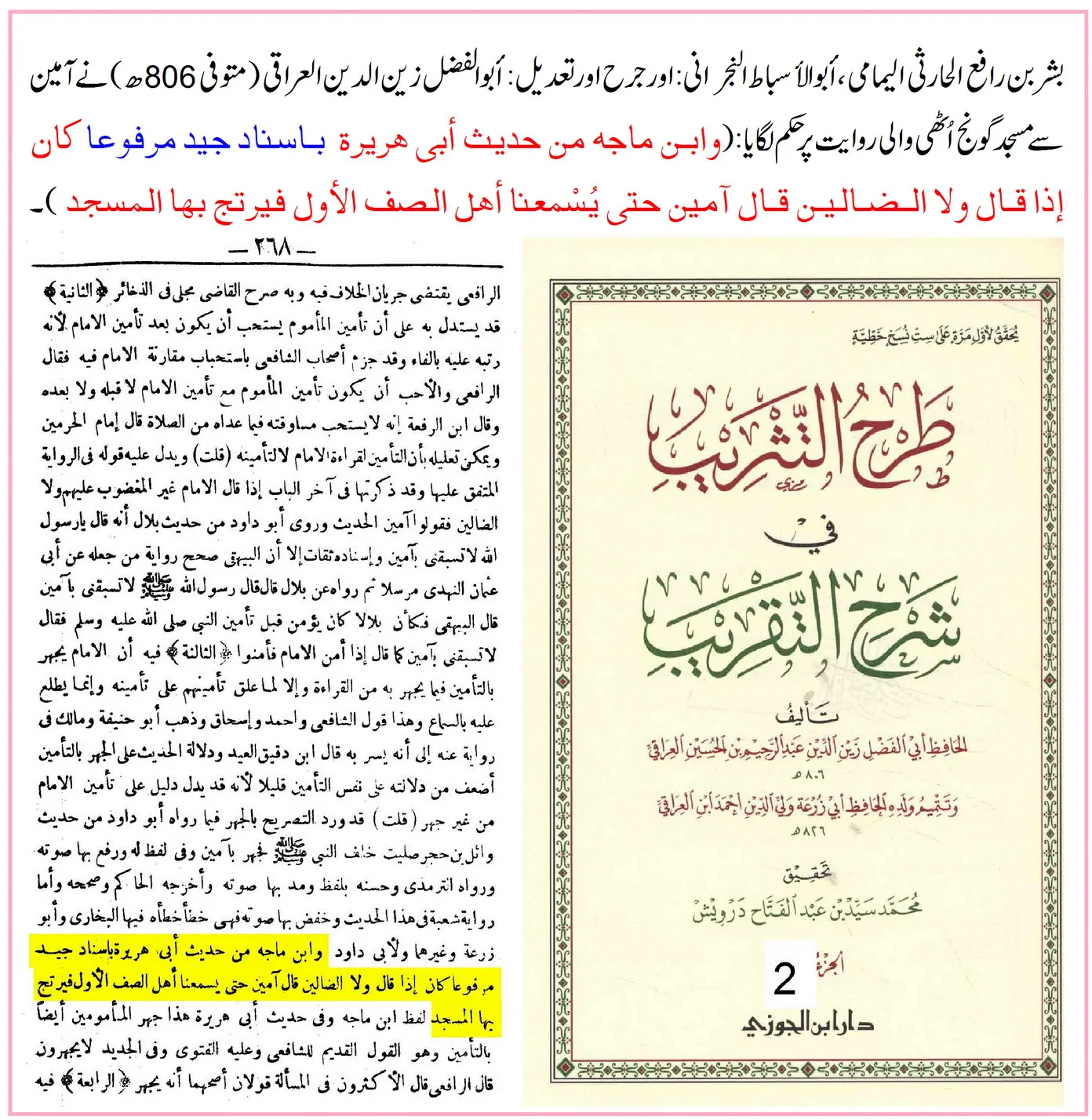
5. Imām al-ʿIrāqī رحمه الله on This Ḥadīth
“وابن ماجه من حديث أبي هريرة بإسناد جيد مرفوعًا: … حتى يسمعنا أهل الصف الأول فيرتج بها المسجد”
“Ibn Mājah narrates from Abū Hurayrah, as a marfūʿ ḥadīth, with a good isnād (bi isnād jayyid): …until the people in the first row would hear and the mosque would shake.”
📚 [Ṭarḥ al-Tathrīb fī Sharḥ al-Taqrīb]
✔ “Isnād jayyid” is a clear indication towards the level of ḥasan li-ghayrihi or ḥasan.
Negative Statements of the Muḥaddithīn and Their Scholarly Analysis
The Ḥanafī objector quoted criticisms of Bishr bin Rāfiʿ from some muḥaddithīn, such as Imām Aḥmad, Imām al-Nasāʾī, Ibn Ḥibbān and Ibn ʿAbd al-Barr. We now present the nature of these criticisms and a scholarly answer to them.
1. Imām Aḥmad’s Criticism
The critic mentions Aḥmad deemed him weak, but did not mention that other imams (al-Bukhārī, Ibn Maʿīn, Ibn ʿAdī, al-Ḥākim) declared him reliable. According to principles of al-Jarḥ wa al-Taʿdīl, an explained criticism must outweigh a majority’s acceptance to be given precedence — which is not the case here.
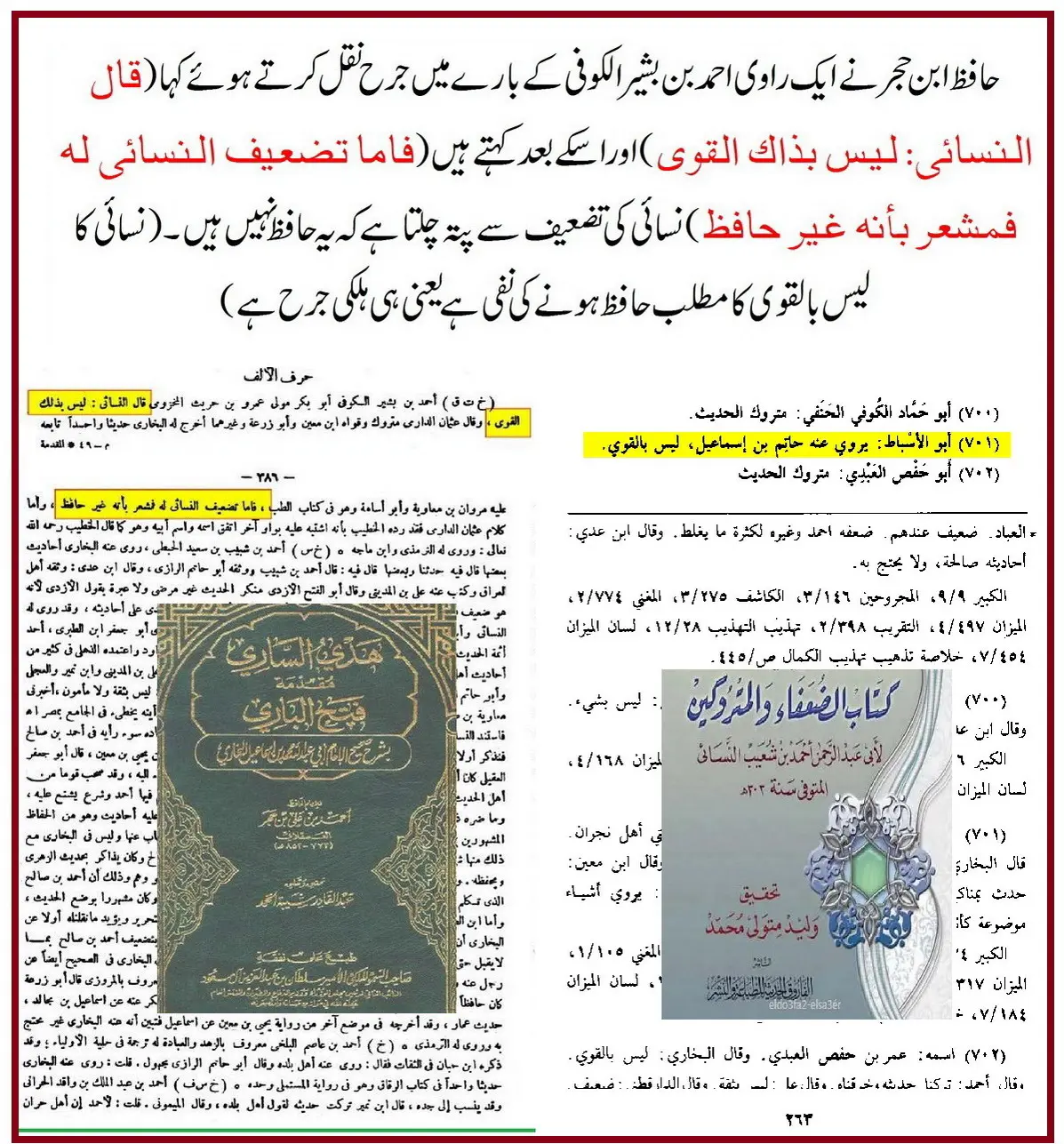
2. Imām al-Nasāʾī’s Statement: “ليس بالقوي“
“أبو الأسباط يروي عنه حاتم بن إسماعيل ليس بالقوي”
“Abū al-Asbāṭ; Ḥātim bin Ismāʿīl narrates from him; he is not strong.”
📚 [Al-Ḍuʿafāʾ wa al-Matrūkūn, no. 670]
✔ “ليس بالقوي” is not a destructive criticism (jarḥ mufsid); it is used only for weakness of memory or the level of precision (ḍabṭ), and despite such criticism the muḥaddithīn use such a narrator as proof.
Ḥāfiẓ Ibn Ḥajar رحمه الله says:
“قَالَ النَّسَائِيّ لَيْسَ بذلك الْقوي— فَأَما تَضْعِيف النَّسَائِيّ لَهُ فمشعر بِأَنَّهُ غير حَافظ”
The statement of Imām al-Nasāʾī shows that he is not a ḥāfiẓ, i.e. it negates his being a ḥāfiẓ, and this is a mild criticism.
📚 [Fatḥ al-Bārī Sharḥ Ṣaḥīḥ al-Bukhārī]
3. Ibn Ḥibbān’s Statement: “He narrates fabricated reports”
Ibn Ḥibbān is regarded as overly strict (mutashaddid) even by the Ḥanafīs themselves, and he even criticized giants like Imām Abū Ḥanīfah and Qāḍī Abū Yūsuf. Hence, his lone harsh critiques are not authoritative, especially when other imams have called this same narrator “لا بأس به” and “مقارب الحديث”.
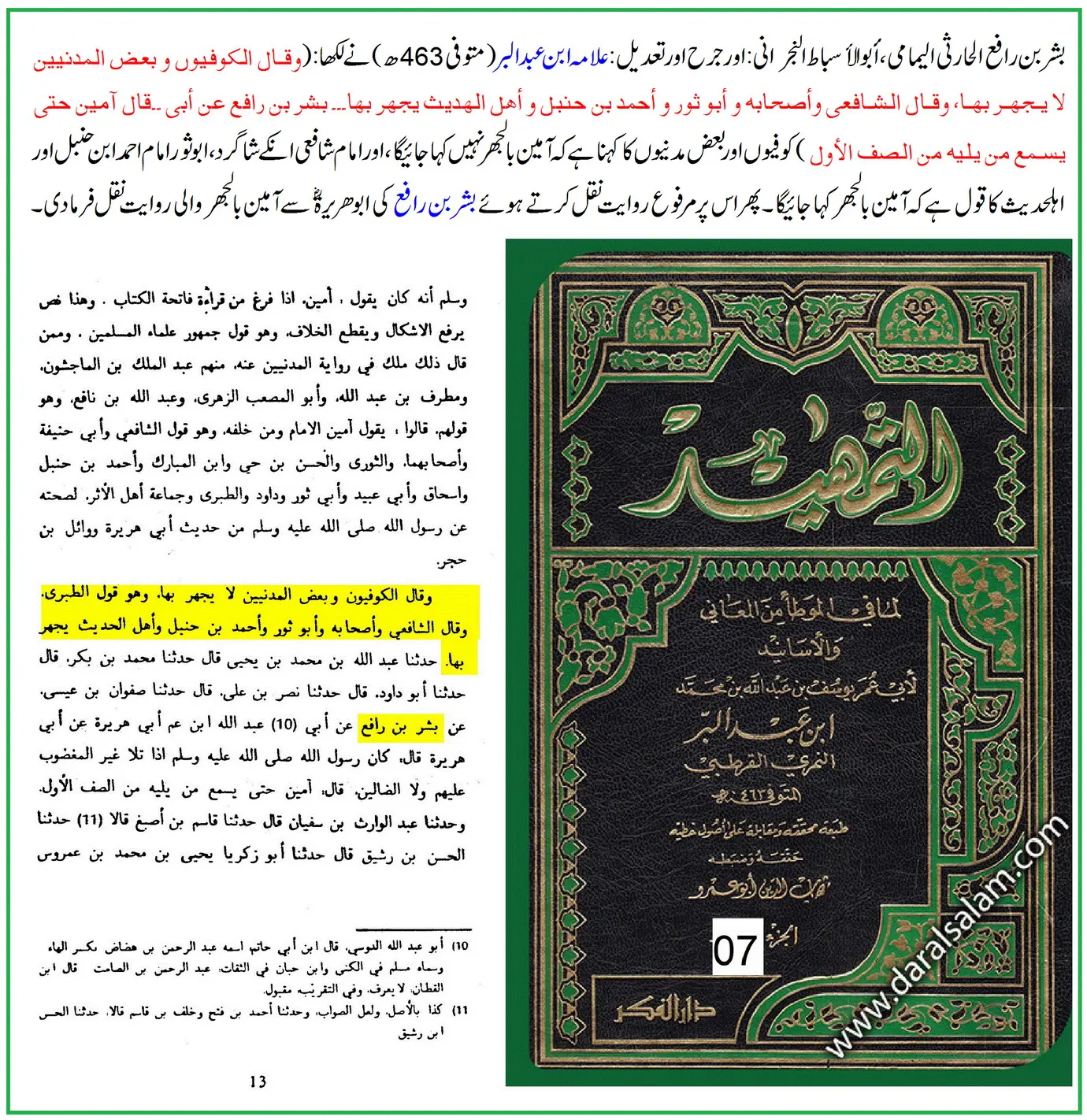
4. Ibn ʿAbd al-Barr’s Earlier and Later Position
The objector quoted this sentence of Ibn ʿAbd al-Barr: “The muḥaddithīn agree that his narration is to be rejected,” but this same Ibn ʿAbd al-Barr, in his book al-Tamhīd, quoted the narration of Bishr bin Rāfiʿ himself to establish loud Āmīn and used it as proof:
“وَقَالَ الْكُوفِيُّونَ وَبَعْضُ الْمَدَنِيِّينَ لَا يَجْهَرُ بِهَا وَهُوَ قَوْلُ الطَّبَرِيِّ وَقَالَ الشَّافِعِيُّ وَأَصْحَابُهُ وَأَبُو ثَوْرٍ وَأَحْمَدُ بْنُ حَنْبَلٍ وَأَهْلُ الْحَدِيثِ يُجْهَرُ بِهَا حَدَّثَنَا عَبْدُ اللَّهِ بْنُ مُحَمَّدِ بْنِ يَحْيَى قَالَ حَدَّثَنَا مُحَمَّدُ بْنُ بَكْرٍ قَالَ حَدَّثَنَا أَبُو دَاوُدَ قَالَ حَدَّثَنَا نَصْرُ بْنُ عَلِيٍّ قَالَ حَدَّثَنَا صَفْوَانُ بْنُ عِيسَى عَنْ بِشْرِ بْنِ رَافِعٍ عَنْ أَبِي عَبْدِ اللَّهِ ابْنِ عَمِّ أَبِي هُرَيْرَةَ عَنْ أَبِي هُرَيْرَةَ قَالَ كَانَ رَسُولُ اللَّهِ صَلَّى اللَّهُ عَلَيْهِ وسلم إذا تَلَا غَيْرِ الْمَغْضُوبِ عَلَيْهِمْ وَلَا الضَّالِّينَ قَالَ آمِينَ حَتَّى يَسْمَعَ مَنْ يَلِيهِ مِنَ الصَّفِّ الْأَوَّلِ”
The Kūfans and some Madinans say that Āmīn is not to be said aloud, whereas Imām al-Shāfiʿī and his companions, Imām Abū Thawr, Imām Aḥmad bin Ḥanbal and the Ahl al-Ḥadīth hold that Āmīn is to be said aloud; and Ibn ʿAbd al-Barr quoted for this a narration from the narrator Bishr bin Rāfiʿ and used it as proof against the Kūfans.
📚 [Al-Tamhīd li-mā fī al-Muwaṭṭaʾ min al-Maʿānī wa al-Asānīd]
✔ If he considered Bishr unreliable, he would not use his narration in argumentation.
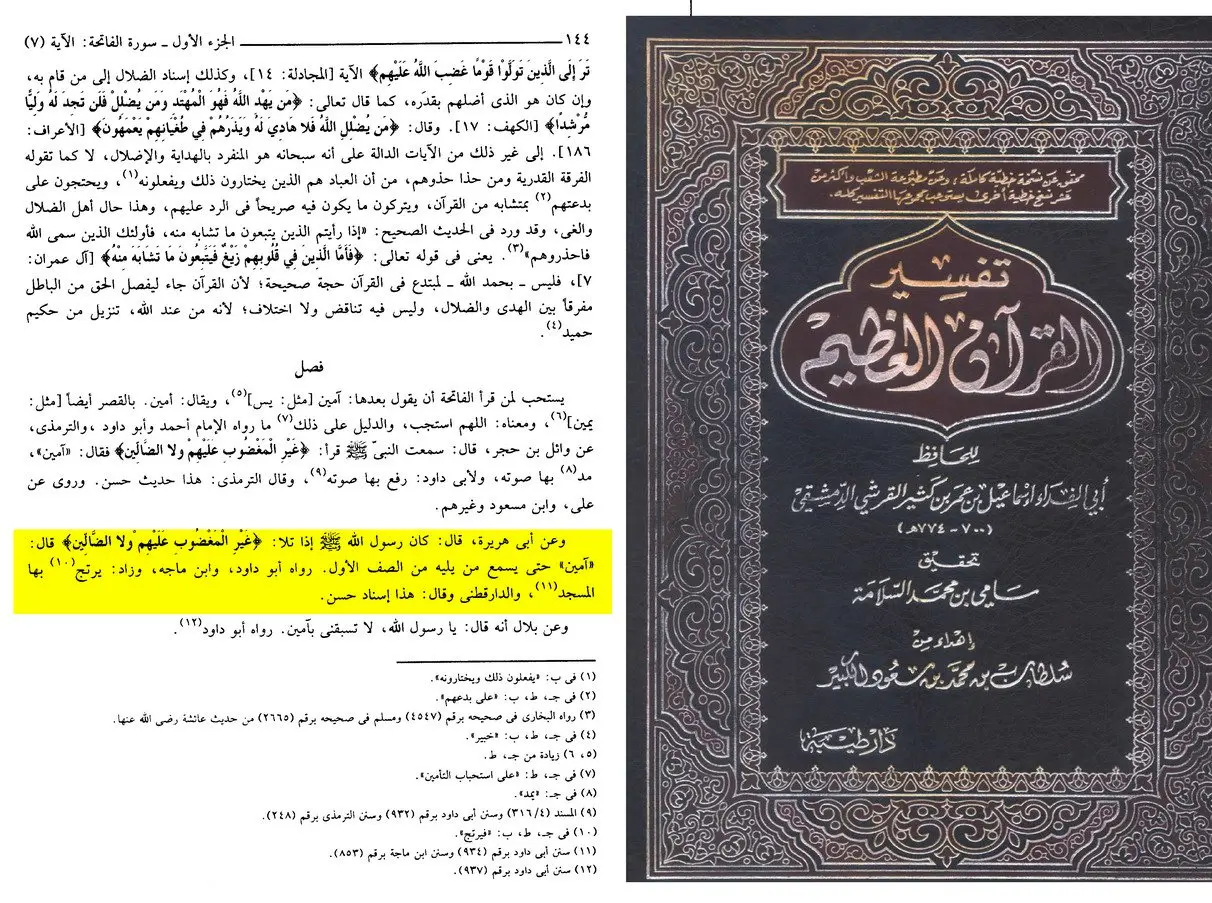
5. Imām al-Dāraquṭnī رحمه الله
Regarding the loud Āmīn narration: “This isnād is ḥasan (good).”
📚 [Tafsīr Ibn Kathīr, commentary on loud Āmīn]
✔ Imām al-Dāraquṭnī called the chain of the loud Āmīn narration “ḥasan”, which is clear proof that it is fit to be used as evidence.
Other Supporting Evidence
“Loud Āmīn” is not established only by the narration of Bishr bin Rāfiʿ; rather, there are several supporting witnesses (shawāhid) that strengthen it, some of them with authentic chains.
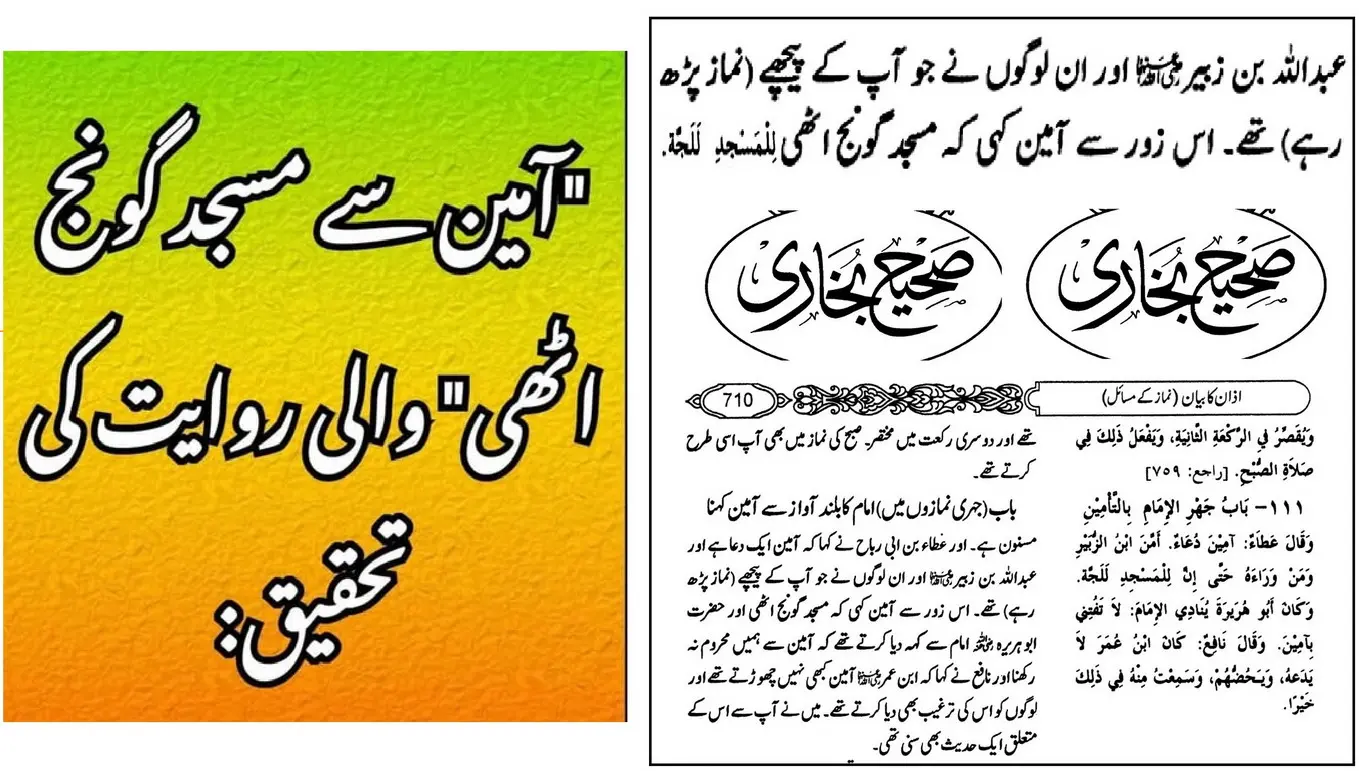
1. The Athar of Ibn al-Zubayr رضي الله عنه in Ṣaḥīḥ al-Bukhārī
“وقال عطاء: آمين دعاء. أمَّن ابن الزبير ومن وراءه حتى إن للمسجد لَلَجَّةً”
ʿAṭāʾ bin Abī Rabāḥ said: “Āmīn is a supplication. Ibn al-Zubayr and those behind him used to say it so loudly that the mosque would shake.”
📚 [Ṣaḥīḥ al-Bukhārī, Book of Adhān]
✔ Imām al-Bukhārī narrates it with decisive wording, indicating authenticity.
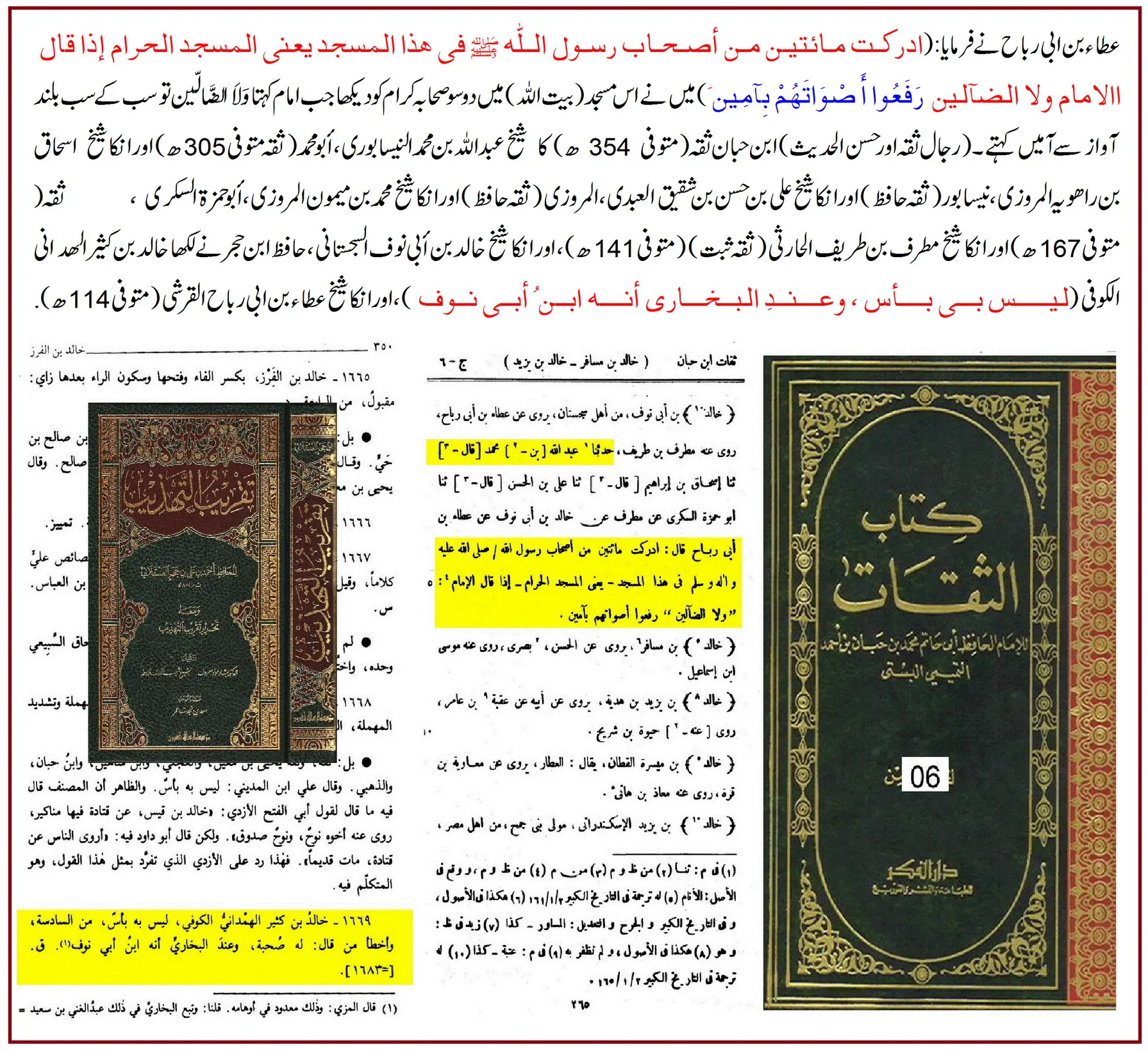
2. Athar of ʿAṭāʾ bin Abī Rabāḥ رحمه الله – The Practice of Two Hundred Companions
“أدركت مائتين من أصحاب رسول الله ﷺ في هذا المسجد – يعني المسجد الحرام – إذا قال الإمام ولا الضالين رفعوا أصواتهم بآمين”
“I found 200 Companions of the Prophet ﷺ in the Sacred Mosque. When the imām recited {وَلَا الضَّالِّينَ}, they would say Āmīn aloud.”
📚 [Al-Thiqāt of Ibn Ḥibbān]
✔ The chain is ṣaḥīḥ; all its narrators are thiqah: Isḥāq bin Rāhawayh, ʿAlī bin al-Ḥasan al-ʿAbdī, Abū Ḥamzah al-Sukkarī, Muṭarrif bin Ṭarīf, Khālid bin Abī Nawf, ʿAṭāʾ bin Abī Rabāḥ.
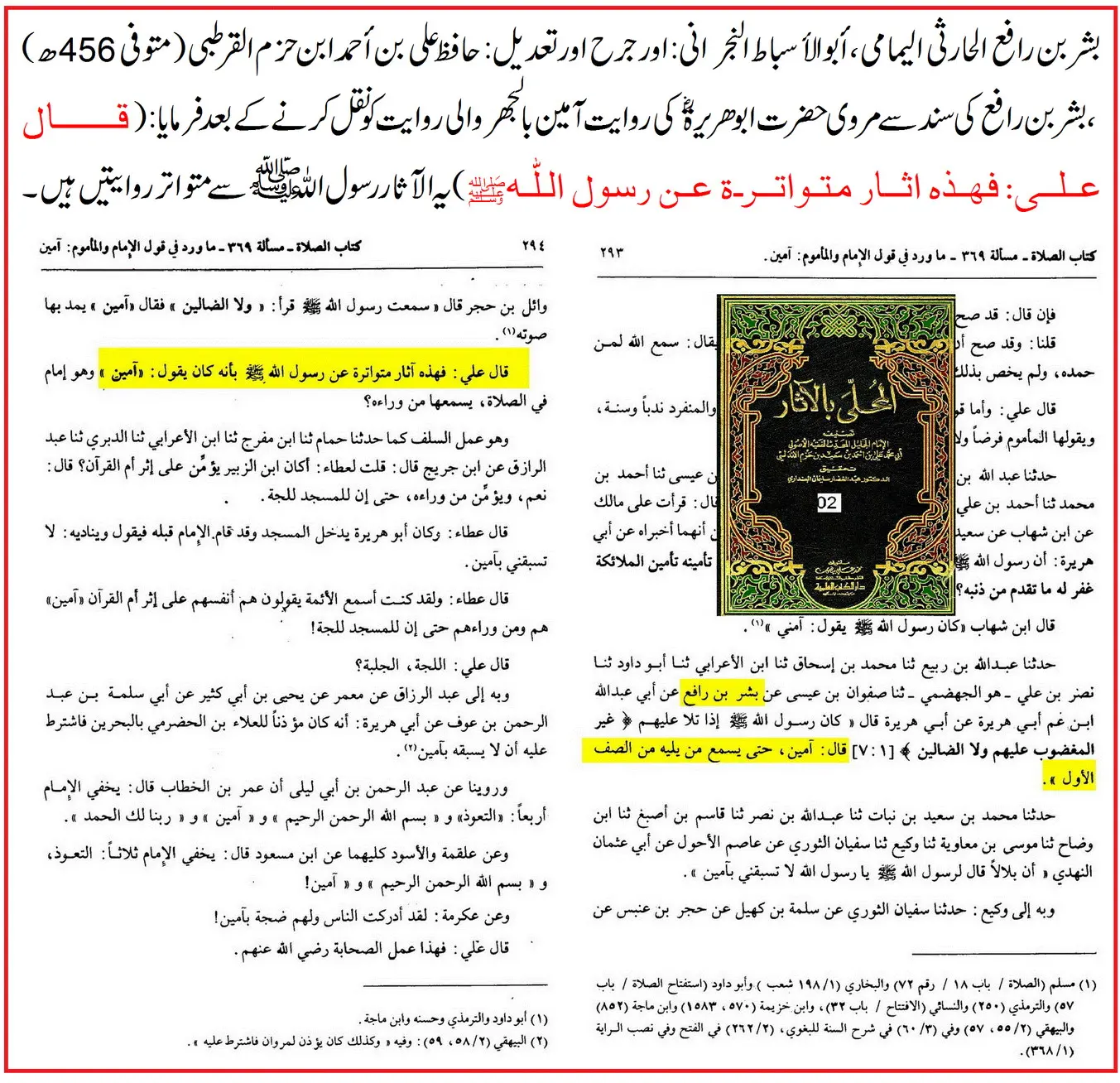
3. Ḥāfiẓ Ibn Ḥazm’s Verdict
Ḥāfiẓ Ibn Ḥazm رحمه الله, after quoting several chains including the narration of Bishr bin Rāfiʿ, said:
“فهذه آثار متواترة عن رسول الله ﷺ بأنه كان يقول آمين وهو إمام في الصلاة، يسمعها من وراءه”
“These āthār are mutawātir (mass transmitted) from the Messenger of Allah ﷺ – that he would say Āmīn as an imām and those behind him would hear it.”
📚 [Al-Muḥallā bi al-Āthār]
4. Imām al-Dāraquṭnī Again
“هذا إسناد حسن”
“This (loud Āmīn) narration has a ḥasan chain.”
📚 [Tafsīr Ibn Kathīr, after the loud Āmīn narration]
All these evidences make clear that the practice of loud Āmīn does not depend on a single narrator alone; rather it is established through many routes and through the continuous practice (tawātur ʿamalī) of the Companions.
✅ Conclusion
From this thorough analysis, the following is evident:
① The original narration (Sunan Ibn Mājah 853) is narrated from Abū Hurayrah رضي الله عنه, and Bishr bin Rāfiʿ is one of its narrators.
② The narrator Bishr bin Rāfiʿ has both criticism and praise recorded about him; al-Bukhārī, Ibn Maʿīn, Abū Aḥmad Ibn ʿAdī, al-Ḥākim and others accepted his narration, and Imām al-ʿIrāqī called this very narration “بإسناد جيد”.
③ Mild criticisms such as “ليس بالقوي” do not invalidate a narrator absolutely, and scholars have used his narrations in evidence.
④ Ibn ʿAbd al-Barr himself used the narration in argument against the Kufan opinion, confirming its value.
⑤ The act of loudly saying Āmīn is not based on this narration alone; it is established by mass practice of the Companions and multiple ḥadīths.
⑥ Scholars such as Ibn Ḥazm considered it mutawātir, and al-Dāraquṭnī authenticated its isnād as ḥasan.
📌 Conclusion: Rejecting the narration in which the mosque resounded with loud Āmīn merely on the basis of a mild or non-destructive criticism of one narrator is not correct, because this practice is established by many supporting evidences, the continuous practice of the Companions, and the statements of the majority of the Ahl al-Ḥadīth and jurists.
Scans of Important References