
The Messenger of Allah ﷺ would raise his hands when beginning the prayer, when going into ruku, and when raising his head from ruku, and when rising from two rak’ahs, performing rafa’ al-yadayn. There is no proof of its abandonment. The evidences are as follows:
Proof No. ①
❀ Sayyiduna Abdullah bin Umar (may Allah be pleased with them both) narrated:
ان رسول الله صلى الله عليه وسلم كان يرفع يديه حذو منكبيه، إذا افتتح الصلاة وإذا كبر للركوع وإذا رفع راسه من الركوع رفعهما، كذلك ايضا، وقال: سمع الله لمن حمده ربنا ولك الحمد، وكان لا يفعل ذلك في السجود .
“Verily, the Messenger of Allah ﷺ, when he began the prayer, raised his hands up to his shoulders; when he said Allahu Akbar for ruku, and when he raised his head from ruku, he would do rafa’ al-yadayn in the same way, and he would say سمع الله لمن حمده ربنا ولك الحمد; he did not perform rafa’ al-yadayn between the two prostrations.”
Practice of the narrator:
◈ Sulayman al-Shaybani said:
رأيت سالم بن عبد الله اذا افتتح الصّلاة رفع يديه، فلمّا ركع رفع يديه، فلمّا رفع رأسه رفع يديه، فسألته، فقال : رأيت أبى يفعله، فقال : رأيت رسول الله صلى الله عليه وسلم يفعله .
“I saw Salim bin Abdullah bin Umar, the Tabi’i (may Allah have mercy on him), when he began the prayer he performed rafa’ al-yadayn; when he went into ruku he performed rafa’ al-yadayn, and when he raised his head from ruku he performed rafa’ al-yadayn. I asked him about this, and he (may Allah have mercy on him) said: I saw my father (Sayyiduna Abdullah bin Umar, may Allah be pleased with them both) doing this, and he said that he had seen the Messenger of Allah ﷺ doing this.”
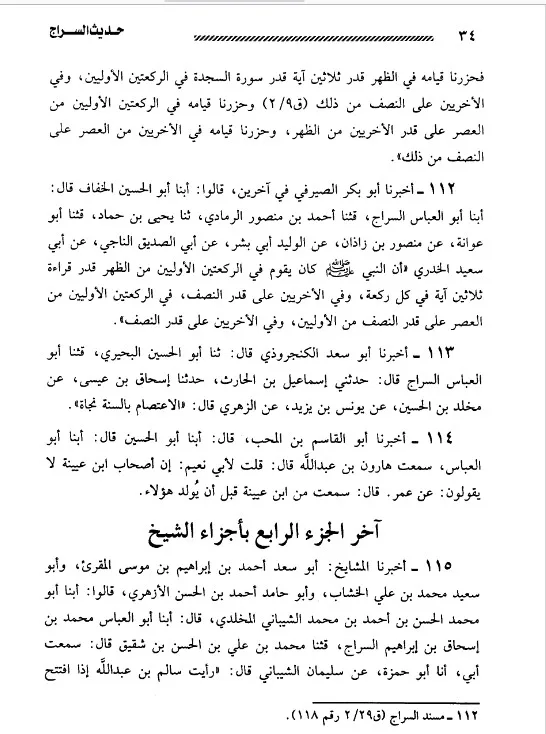
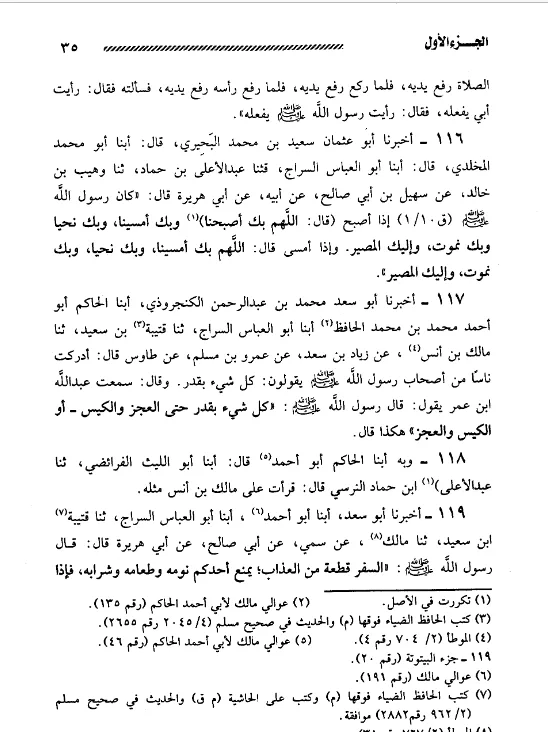
◈ Subhan Allah! What a beautiful proof: the Messenger of Allah ﷺ continued performing rafa’ al-yadayn until his death. The narrator of the hadith, Sayyiduna Abdullah bin Umar (may Allah be pleased with them both), observed the rafa’ al-yadayn of the Messenger of Allah ﷺ and himself also performed rafa’ al-yadayn. Even his son Salim, who is a Tabi’i, is observing his rafa’ al-yadayn and is himself performing rafa’ al-yadayn. If rafa’ al-yadayn had been abrogated, then how would Sayyiduna Abdullah bin Umar (may Allah be pleased with them both), the Companion of the Messenger ﷺ who narrated the hadith and who prayed behind the Prophet ﷺ, not come to know of this abrogation, and how did the Hanafis come to know of it hundreds of years later?
⟐ Jinab Rashid Ahmad Gangohi Deobandi writes:
“One who, out of love for the Sunnah, performs audible Amin and rafa’ al-yadayn without quarrel or corruption, I do not consider him bad.”
“O Allah! O Creator of the earth and the heavens, You know that we perform rafa’ al-yadayn and audible Amin solely out of love for the Sunnah of Your beloved Muhammad, the Messenger of Allah ﷺ!”
Proof No. ②
❀ Sayyiduna Malik bin Huwayrith (may Allah be pleased with him) stayed with the Prophet ﷺ for twenty days. When he was about to return, the Prophet ﷺ instructed him: صلّوا كما رأيتموني أصلّي “Pray as you have seen me praying.”
Practice of the narrator:
◈ Abu Qilabah, the Tabi’i (may Allah have mercy on him), narrated:
أنه راى مالك بن الحويرث إذا صلى كبر ورفع يديه، وإذا أراد أن يركع رفع يديه، وإذا رفع راسه من الركوع رفع يديه، وحدث أن رسول الله صلى الله عليه وسلم صنع هكذا .
“He saw Sayyiduna Malik bin Huwayrith (may Allah be pleased with him) praying; when he prayed he said Allahu Akbar and performed rafa’ al-yadayn, when he went into ruku and when he raised his head from ruku he performed rafa’ al-yadayn, and he explained that the Messenger of Allah ﷺ used to do likewise.”
◈ The Companion Sayyiduna Malik bin Huwayrith (may Allah be pleased with him), after the death of the Prophet ﷺ, performs rafa’ al-yadayn in accordance with his command, and explains that the practice of the Prophet ﷺ was also this. It is thereby established that the Prophet ﷺ continued performing rafa’ al-yadayn until his death.
Proof No. ③
❀ أنه راى النبي صلى الله عليه وسلم، رفع يديه حين دخل في الصلاة كبر، وصف همام حيال اذنيه، ثم التحف بثوبه، ثم وضع يده اليمنى على اليسرى، فلما اراد ان يركع، اخرج يديه من الثوب، ثم رفعهما، ثم كبر فركع، فلما قال: سمع الله لمن حمده، رفع يديه، فلما سجد، سجد بين كفيه .
Sayyiduna Wa’il bin Hujr (may Allah be pleased with him) narrated that he saw the Messenger of Allah ﷺ: when he entered the prayer he performed rafa’ al-yadayn and said Allahu Akbar, then he wrapped himself in the cloth, placing his blessed right hand upon his blessed left hand; when he intended to go into ruku he brought his two hands out of the cloth, then performed rafa’ al-yadayn and said Allahu Akbar; when (after ruku) he said سمع الله لمن حمده, he performed rafa’ al-yadayn; and he made sujud between his palms.
◈ It should be noted that Sayyiduna Wa’il bin Hujr (may Allah be pleased with him) came to the Prophet ﷺ in the 9th year of Hijrah.
◈ After a period, he came again in the winter season and observed rafa’ al-yadayn.
Proof No. ④
❀ عن رسول الله صلى الله عليه وسلم، انه كان إذا قام إلى الصلاة المكتوبة كبر ورفع يديه حذو منكبيه، ويصنع مثل ذلك إذا قضى قراءته واراد ان يركع، ويصنعه إذا رفع من الركوع، ولا يرفع يديه في شيء من صلاته وهو قاعد وإذا قام من السجدتين رفع يديه كذلك وكبر .
Sayyiduna Ali bin Abi Talib (may Allah be pleased with him) narrates that when the Messenger of Allah ﷺ stood for an obligatory prayer, he said Allahu Akbar and raised his hands up to his shoulders, and likewise, when he completed the recitation and intended to go into ruku, he performed rafa’ al-yadayn, and he also performed rafa’ al-yadayn when rising from ruku. The Prophet ﷺ did not perform rafa’ al-yadayn while sitting in the prayer; when rising from two rak’ahs he also performed rafa’ al-yadayn and said Allahu Akbar.”
◈ Imam al-Tirmidhi (may Allah have mercy on him) called this hadith “hasan sahih”, and Imam Ibn Khuzaymah (may Allah have mercy on him)
◈ Narrator of the hadith, Sulaiman bin Dawud al-Hashimi (may Allah have mercy on him), says:
هذا عندنا مثل حديث الزّ هري عن سالم عن أبيه
“In our view, this is like the hadith which al-Zuhri narrates from Salim, from his father, Sayyiduna Abdullah bin Umar (may Allah be pleased with them both).”
◈ Its narrator Abdul Rahman bin Abi al-Zinad is “thiqah” according to the majority, as:
◈ Hafiz Ibn Hajar (may Allah have mercy on him) writes:
وهو ثقة عند الجمهور، وتكلّم فيه بعضهم بما لا يقدح فيه .
“He is thiqah according to the majority; some have spoken about him with criticism that does not undermine him.”
◈ “In Medina his hadith was “sahih”, and in Iraq it was “mudtarib”; the criticism of him is to be understood in that light, and this narration is Madani.” والحمد لله !
Proof No. ⑤
❀ Abu al-Zubair (may Allah be pleased with him) says:
أن جابر بن عبد الله كان إذا افتتح الصلاة رفع يديه، وإذا ركع، وإذا رفع راسه من الركوع فعل مثل ذلك، ويقول: رايت رسول الله صلى الله عليه وسلم فعل مثل ذلك .
“Sayyiduna Jabir bin Abdullah al-Ansari (may Allah be pleased with him), when he began the prayer, would raise his hands; when he bowed and when he raised his head from bowing, he would do the same, and he would say: I saw the Messenger of Allah ﷺ doing the same.”
◈ Abu al-Zubair Muhammad bin Muslim bin Tadrus, a Tabi’i, has explicitly stated hearing (from Jabir) in “Musnad al-Siraj
“.
◈ Now consider: after the passing of the Prophet ﷺ, a Tabi’i is seeing the Companion Jabir (may Allah be pleased with him) raising his hands, and the Companion is stating the Prophet’s ﷺ practice to him. If the Prophet ﷺ had abandoned it, why did the Companions continue to act upon it after his death?
Proof No. ⑥
❀ Sayyiduna Abu Musa al-Ash’ari (may Allah be pleased with him) says:
هل أريكم صلاة رسول الله صلى الله عليه وسلم ؟ فكبّر ورفع يديه، ثمّ كبّر ورفع يديه للرّكوع، ثمّ قال : سمع الله لمن حمده، ثم قال: هكذا فاصنعوا ولا يرفع بين السجدتين .
“Shall I not show you the prayer of the Messenger of Allah ﷺ? He (may Allah be pleased with him) said Allahu Akbar and raised his hands, then said Allahu Akbar and raised his hands for bowing, then said Sami’Allahu liman hamidah and raised his hands, then said: Do likewise! He did not raise his hands between the two prostrations.”
◈ Hafiz Ibn Hajar (may Allah have mercy on him) says:
ورجاله ثقات “The narrators of this hadith are thiqah.”
◈ The claim of “some people” that “show raising of hands in 9 places and its negation in 18 places” is “baatil and mardud” (false and rejected) by this hadith, because Sayyiduna Abu Musa al-Ash’ari (may Allah be pleased with him) was raising his hands after the passing of the Prophet ﷺ, declaring the prayer with raising of hands to be the prayer of the Messenger of Allah ﷺ, and commanding us to raise our hands too. The Companions raised their hands where they had seen the Prophet ﷺ raising them, and did not where they had not seen it.
Proof No. ⑦
◈ Imam al-Tirmidhi (may Allah have mercy on him) called this hadith “hasan sahih”.
◈ Imam Ibn Khuzaimah
, Imam Ibn al-Jarud
, and Imam Ibn Hibban
declared this hadith “sahih”.
◈ Hafiz al-Khattabi
declared this hadith “sahih”.
◈ Hafiz al-Nawawi (may Allah have mercy on him) also called it “sahih”.
◈ Hafiz Ibn al-Qayyim al-Jawziyyah (may Allah have mercy on him) writes:
حديث أبى حميد هذا حديث صحيح متلقّي بالقبول، لا علّة له، وقد أعله قوم بما برأه الله أئمة الحديث منه، ونحن نذكر ما علّلوا به، ثمّ نبيّن فساد تعليلهم وبطلانه بعون الله . . . .
“This hadith is sahih; the Ummah has accepted it in terms of authenticity and practice. There is no defect in it. Yes, a group (the Hanafis) have declared it defective with a defect from which Allah has cleared the Imams of hadith. We will mention the defects they stated, then, with the help and success of Allah, we will show their corruption and falsity.”
◈ Imam Muhammad bin Yahya al-Dhuhli Abu Abdullah al-Naysaburi (may Allah have mercy on him) (d. 258 AH) says:
“Whoever hears this hadith and then does not raise his hands before ruku’ and after raising his head (from ruku’), his prayer is deficient.”
Proof No. ⑧
Husain bin Abdul Rahman says: we went to Ibrahim al-Nakha’i, and Amr bin Murrah said: we prayed in the mosque of the Hadramis, and Alqamah bin Wa’il narrated from his father that he saw the Messenger of Allah ﷺ: [يرفع يديه حين يفتتح الصلاة، وإذا ركع، وإذا سجد]
The Prophet ﷺ, at the beginning of the prayer and when going into ruku’, and when prostrating, would raise his hands.
Ibrahim al-Nakha’i said: In my opinion, your father saw the Messenger of Allah ﷺ only on that one day, so he memorised this from him; Abdullah did not memorise it. Then Ibrahim al-Nakha’i said: raising of the hands is only at the beginning of the prayer.
Commentary:
This hadith is a strong proof for raising the hands at the beginning of the prayer, when going into ruku’, and when raising the head from ruku’. Its meaning is that the Prophet ﷺ, when he began the prayer, when he intended to go into ruku’, and when (in standing after ruku’) he intended to prostrate, would raise his hands, because the hadith of Sayyiduna Wa’il bin Hujr (may Allah be pleased with him) in Sahih Muslim
regarding the proof of raising the hands clarifies the meaning and purpose of this hadith. It mentions raising the hands after ruku’.
The statement of Imam Ibrahim al-Nakha’i (may Allah have mercy on him):
At the end of this narration there is a comment by Imam Ibrahim al-Nakha’i (may Allah have mercy on him), but that comment carries no weight in the world of evidences, because mutawatir ahadith and the reports of the Companions and Tabi’in go against it.
Proof No. ⑨
Sayyiduna Anas bin Malik (may Allah be pleased with him) narrates: [إن النبي صلى الله عليه وسلم كان يرفع يديه في الركوع والسجود]
The Prophet ﷺ used to raise his hands in ruku and sujud.
Commentary:
① This hadith has no connection with raising the hands in sujud. Rather, it is evidence for raising the hands when going into ruku and when rising from ruku. Its meaning and translation is:
The Prophet ﷺ used to raise his hands at ruku (before going into ruku) and at sujud (after standing from ruku, before going into sujud).
This narration is also reported with the same chain in these words: [رأيت رسول الله صلى الله عليه وسلم يرفع يديه إذا افتتح الصلاة، وإذا ركع، وإذا رفع رأسه من الركوع]
I saw the Messenger of Allah ﷺ raising his hands when he began the prayer, when going into ruku, and when raising his head from ruku.
Ahadith explain one another.
Proof No. ⑩
Sayyiduna Abu Hurairah (may Allah be pleased with him) narrates:
[كان رسول الله صلى الله عليه وسلم إذا كبر للصلاة جعل يديه حذو منكبيه، وإذا ركع فعل مثل ذلك، وإذا رفع للسجود فعل مثل ذلك، وإذا قام من الركعتين فعل مثل ذلك]
When the Messenger of Allah ﷺ said Allahu Akbar for the prayer, he would raise his two hands up to the level of his shoulders; when he went into ruku he would do the same; when he rose (from ruku) to go into sujud he would do the same; and when he rose from two rak’ahs he would raise his hands in the same way.
Commentary:
This hadith is strong evidence for raising the hands when beginning the prayer, going into ruku, rising from ruku, and raising the hands on rising from two rak’ahs. ولله الحمد!
Explanation of the hadith:
① Hafiz al-Nawawi (may Allah have mercy on him), explaining the meaning of رفع للسجود, writes: [يعني، رفع رأسه من الركوع]
That is, he used to raise his hands when raising his head from ruku.
② Hafiz Ibn Hajar (may Allah have mercy on him) writes: [وإذا ركع، وإذا رفع للسجود، وهو مفسر للرواية الأولى التي فيها: وإذا سجد، وأن المراد بها: وإذا رفع من الركوع للسجود]
وإذا ركع، وإذا رفع للسجود This hadith explains the first narration, which mentions raising the hands when going into sujud. What is meant by it is: when he raised (his head) from ruku for sujud.
Proof No. ⑪
❀ Imam Abu Isma’il Muhammad bin Isma’il al-Sulami (may Allah have mercy on him) says that he prayed behind Abu Nu’man Muhammad bin Fadl (may Allah have mercy on him), and he raised his hands when beginning the prayer, when going into ruku, and when rising from ruku. I asked him about this, and he said: I prayed behind Imam Hammad bin Zayd (may Allah have mercy on him), and he raised his hands when beginning the prayer, when going into ruku and when rising from ruku. I asked him about this, and he said: I prayed behind Imam Ayyub Sakhtiyani (may Allah have mercy on him), and he would raise his hands when beginning the prayer, when going into ruku and when rising from ruku. I asked, and he said: I prayed behind Imam Ata bin Abi Rabah, and he would raise his hands when beginning the prayer, when going into ruku and when rising from ruku. When I asked Imam Ata bin Abi Rabah (may Allah have mercy on him) about this, he said: I prayed behind (the Companion of the Prophet) Sayyiduna Abdullah bin Zubair (may Allah be pleased with him), and he would raise his hands when beginning the prayer, when going into ruku and when rising from ruku. Imam Ata bin Abi Rabah (may Allah have mercy on him) says: I asked Sayyiduna Abdullah bin Zubair (may Allah be pleased with him) about raising the hands, and he said: I prayed behind (my maternal grandfather) Sayyiduna Abu Bakr al-Siddiq (may Allah be pleased with him), and he would raise his hands when beginning the prayer, when going into ruku and when rising from ruku. And (the first caliph) Sayyiduna Abu Bakr al-Siddiq (may Allah be pleased with him) said: I prayed behind the Messenger of Allah ﷺ, and he would raise his hands when beginning the prayer, when going into ruku and when rising from ruku.
◈ Imam al-Bayhaqi (may Allah have mercy on him) himself says:
رواته ثقات . “The narrators of this hadith are trustworthy (thiqah).”
◈ Hafiz al-Dhahabi (may Allah have mercy on him)
and Hafiz Ibn Hajar (may Allah have mercy on him) have declared the narrators of this hadith to be “thiqah”.
Dear readers!
If we reflect on this golden link, it is established that the Companions and the great Tabi’in continued to raise their hands after the death of the Prophet ﷺ. May Allah, the Lord of Honour, grant us the tawfiq to adopt this sunnah… آمين ياربّ العالمين !
Warning:
◄ The trustworthy Imam Abu Ja’far Ahmad bin Ishaq bin Bahlul al-Baghdadi (may Allah have mercy on him) (d. 318) narrates:
“I was upon the madhhab of the Iraqis, and I saw the Messenger of Allah ﷺ in a dream praying, and I saw that he ﷺ raised his hands at the first takbir, and when going into ruku and when rising from ruku.”
To those whose madhhab is based on the dreams of elders: are they ready to adopt the Prophetic practice seen in the dream of this trustworthy Imam?
Conclusion:
Raising the hands (rafe’ al-yadain) is a mutawatir sunnah of the Messenger of Allah ﷺ, whose abandonment or abrogation is not established by any sahih hadith; rather, the Ummah has continued to act upon it.