In this research article, we examine a well-known objection that some Ḥanafī scholars attribute to Imām Mālik رحمه الله.
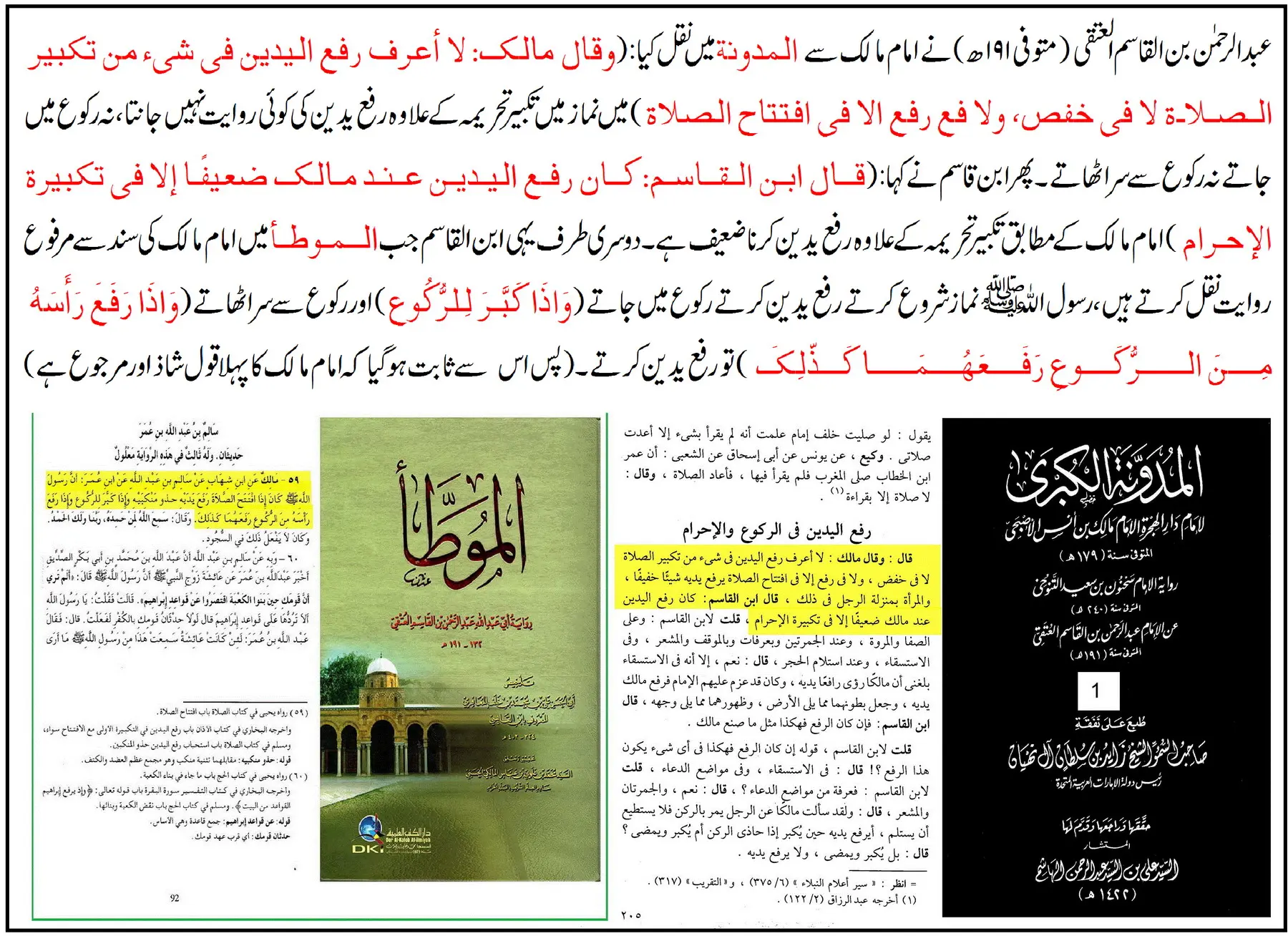
They claim that according to Imām Mālik, raising the hands (Rafʿ al-Yadayn) while going into rukūʿ and while rising from rukūʿ is makrūh and contrary to what is preferable (khilāf al-awlā). As evidence, they present a narration from al-Mudawwanah al-Kubrā.
However, the reality is that this narration is a solitary and irregular (shādh) report transmitted by Imām Mālik’s well-known student Ibn al-Qāsim al-ʿUtaqī, whereas Imām Mālik’s other reliable and eminent students (Ibn Wahb, Ashhab, Ismāʿīl ibn Abī Uways) have transmitted the exact opposite, affirming Rafʿ al-Yadayn from Imām Mālik.
The purpose of this research is to clarify that:
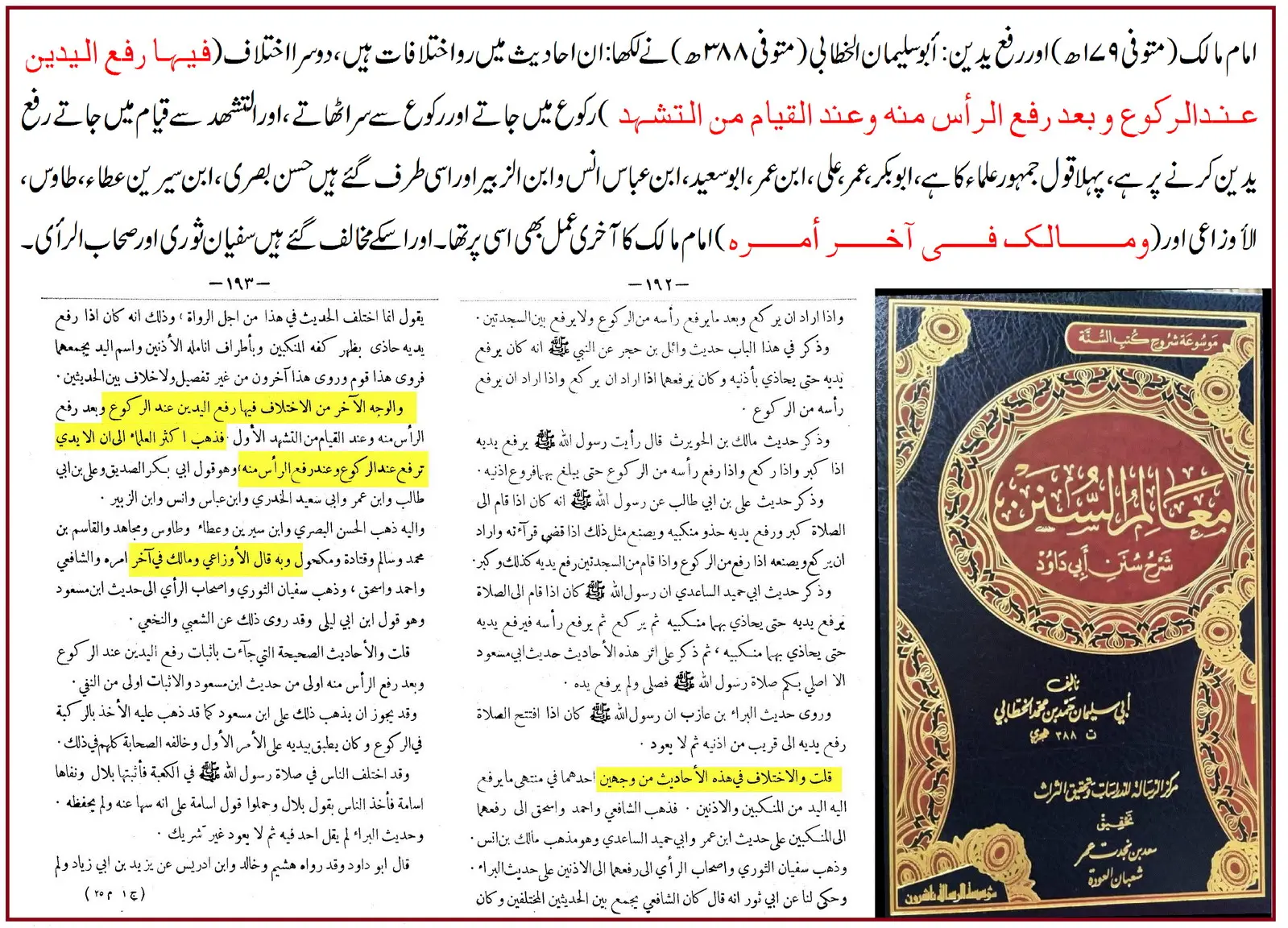
✔ Imām Mālik’s practice and final opinion affirm Rafʿ al-Yadayn.
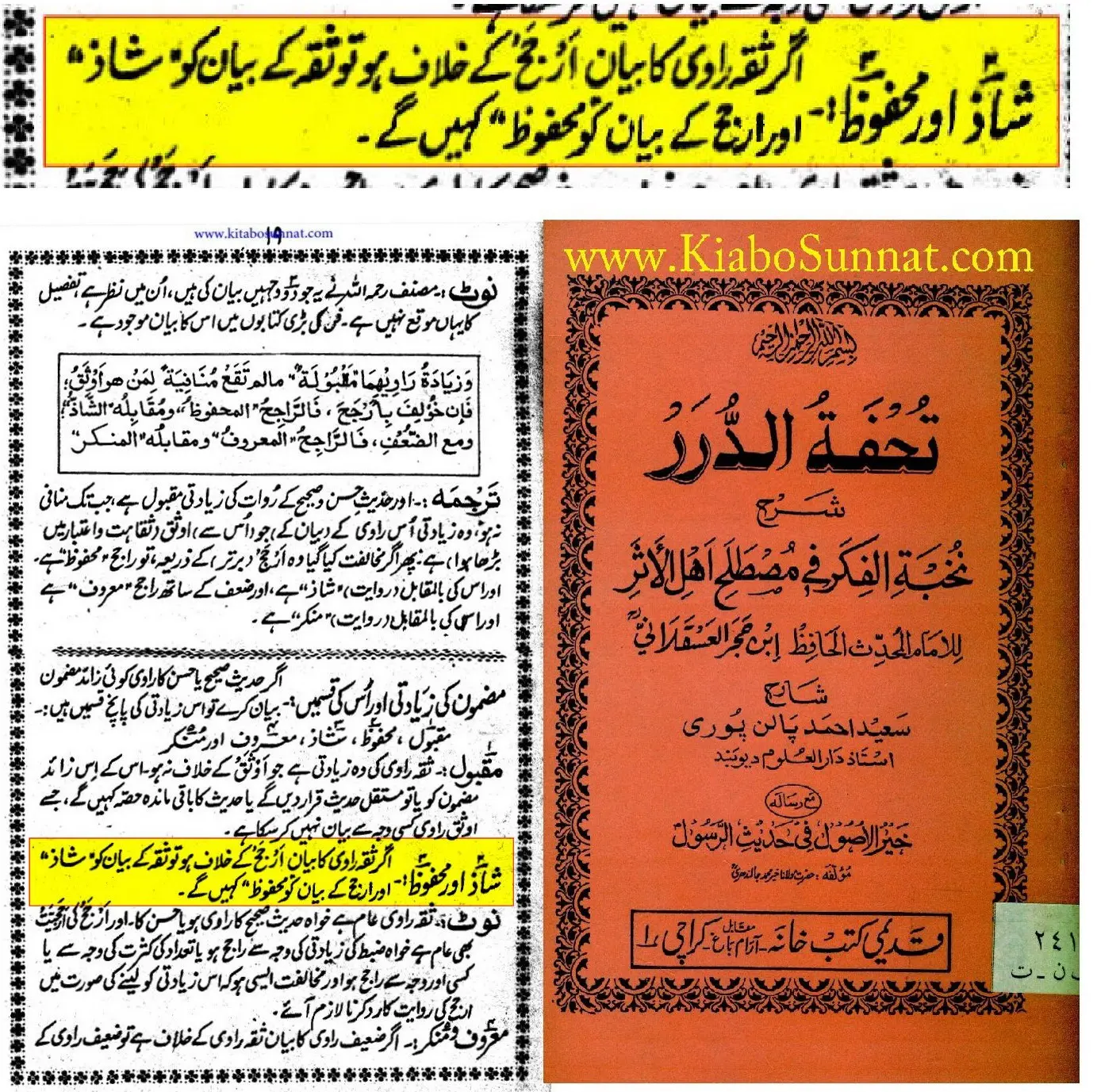
✔ Ibn al-Qāsim’s narration is shādh and rejected according to the majority of ḥadīth scholars and principles of ḥadīth.
✔ If Ibn al-Qāsim’s narration were accepted as correct, it would render the aḥādīth of Imām Mālik’s own Muwaṭṭaʾ weak, which is utterly false and rejected.
❖ The Objection (Narration from al-Mudawwanah al-Kubrā)
قال الإمام مالك:
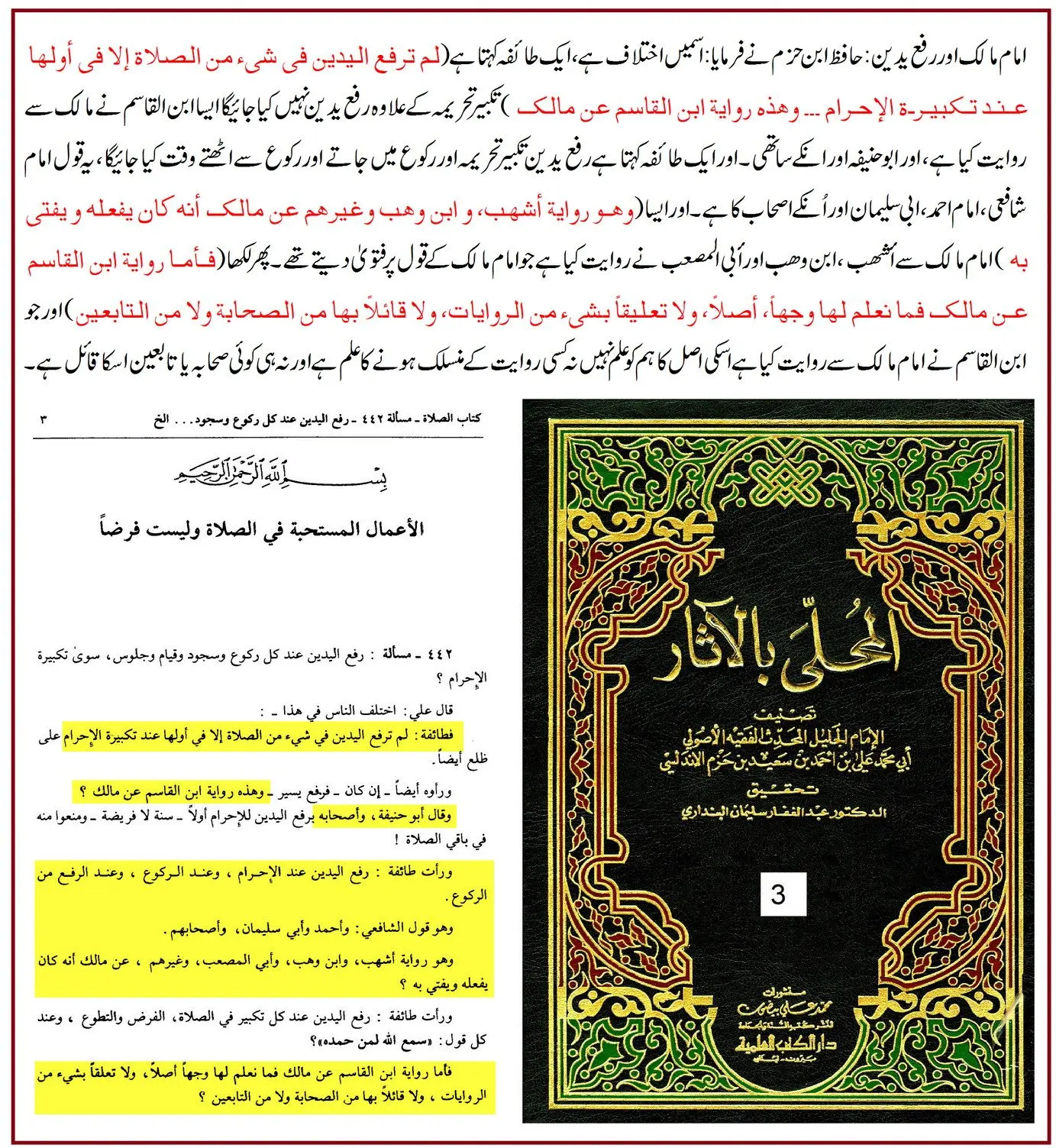
«لا أعرف رفع اليدين في شيء من تكبير الصلاة، لا في خفض ولا في رفع إلا في افتتاح الصلاة، يرفع يديه شيئا خفيفا، والمرأة في ذلك بمنزلة الرجل».
قال ابن القاسم:
«كان رفع اليدين ضعيفا إلا في تكبيرة الإحرام».
Translation:
Imām Mālik said:
“I do not recognize raising the hands in any of the takbīrs of prayer—neither when going down nor when rising—except in the opening takbīr, and even then one raises the hands lightly. In this regard, women are the same as men.”
Ibn al-Qāsim said:
“Raising the hands is weak except in the opening takbīr.”
📌 Ḥanafī Argument:
By presenting this narration, they argue that Imām Mālik also considered Rafʿ al-Yadayn in rukūʿ to be “weak,” and therefore, according to the Mālikīs as well, this practice is makrūh.
Affirmation of Rafʿ al-Yadayn from Imām Mālik’s Reliable Students
Now let us examine what Imām Mālik’s reliable and eminent students transmitted from him regarding Rafʿ al-Yadayn. These reports are established with sound chains, and comparison clearly shows that Ibn al-Qāsim’s narration is shādh and rejected.
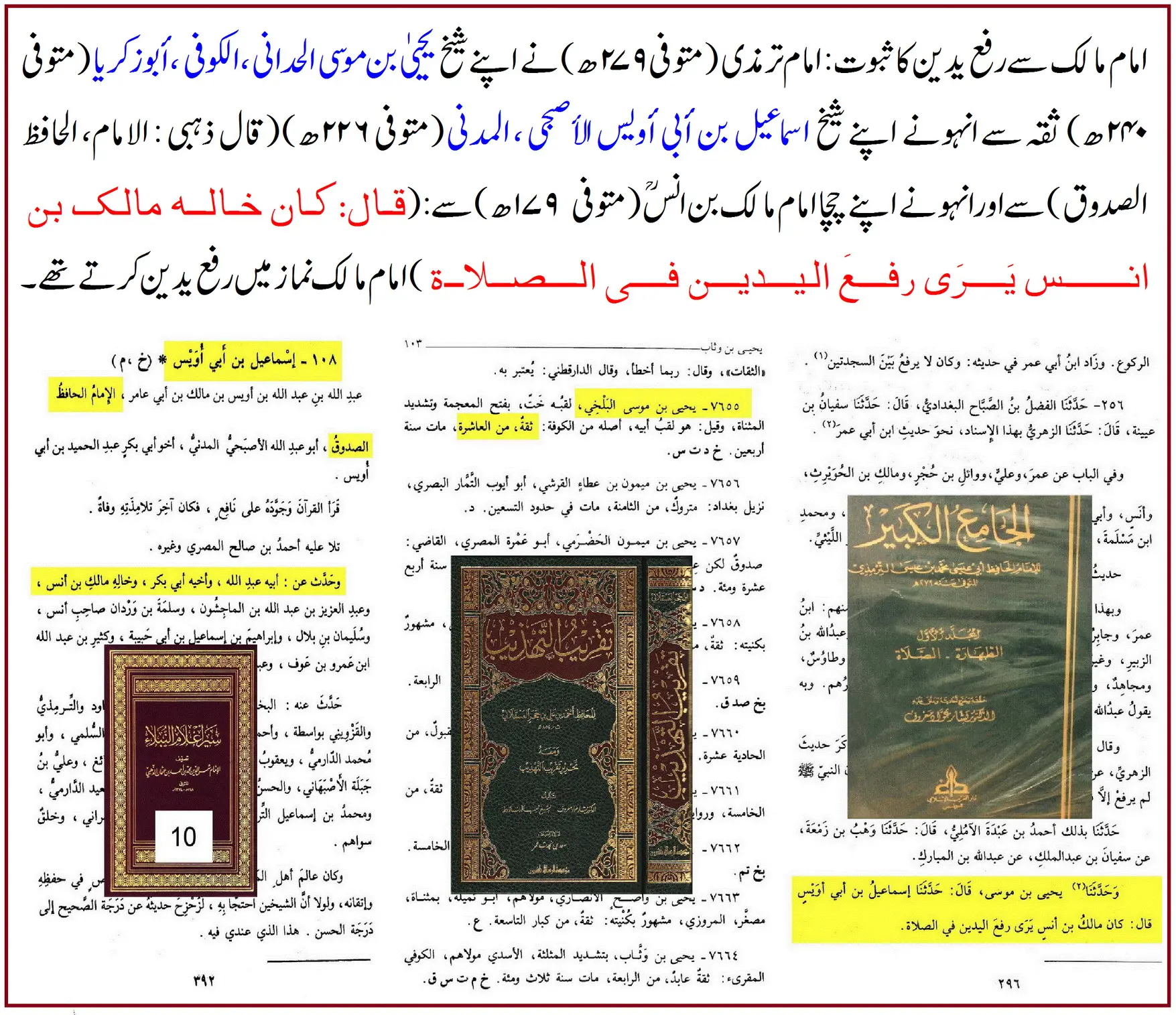
① Ismāʿīl ibn Abī Uways al-Aṣbaḥī (Nephew and Student of Imām Mālik)
وحَدَّثَنَا يَحْيَى بْنُ مُوسَى، قَالَ: حَدَّثَنَا إِسْمَاعِيلُ بْنُ أَبِي أُوَيْسٍ، قَالَ: كَانَ مَالِكُ بْنُ أَنَسٍ يَرَى رَفْعَ الْيَدَيْنِ فِي الصَّلاَةِ.
Translation:
Ismāʿīl ibn Abī Uways said: “Mālik ibn Anas used to raise his hands in prayer.”
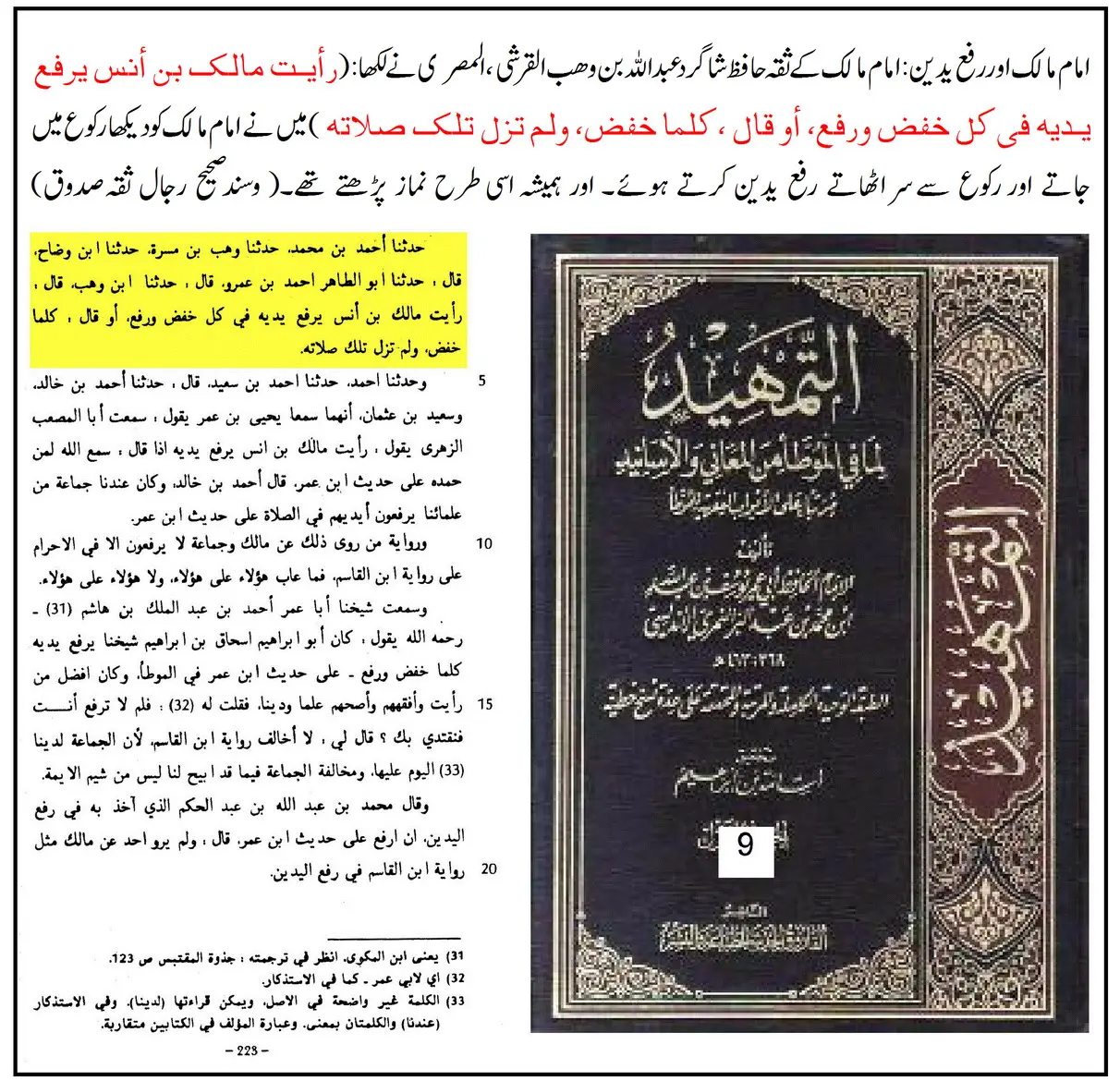
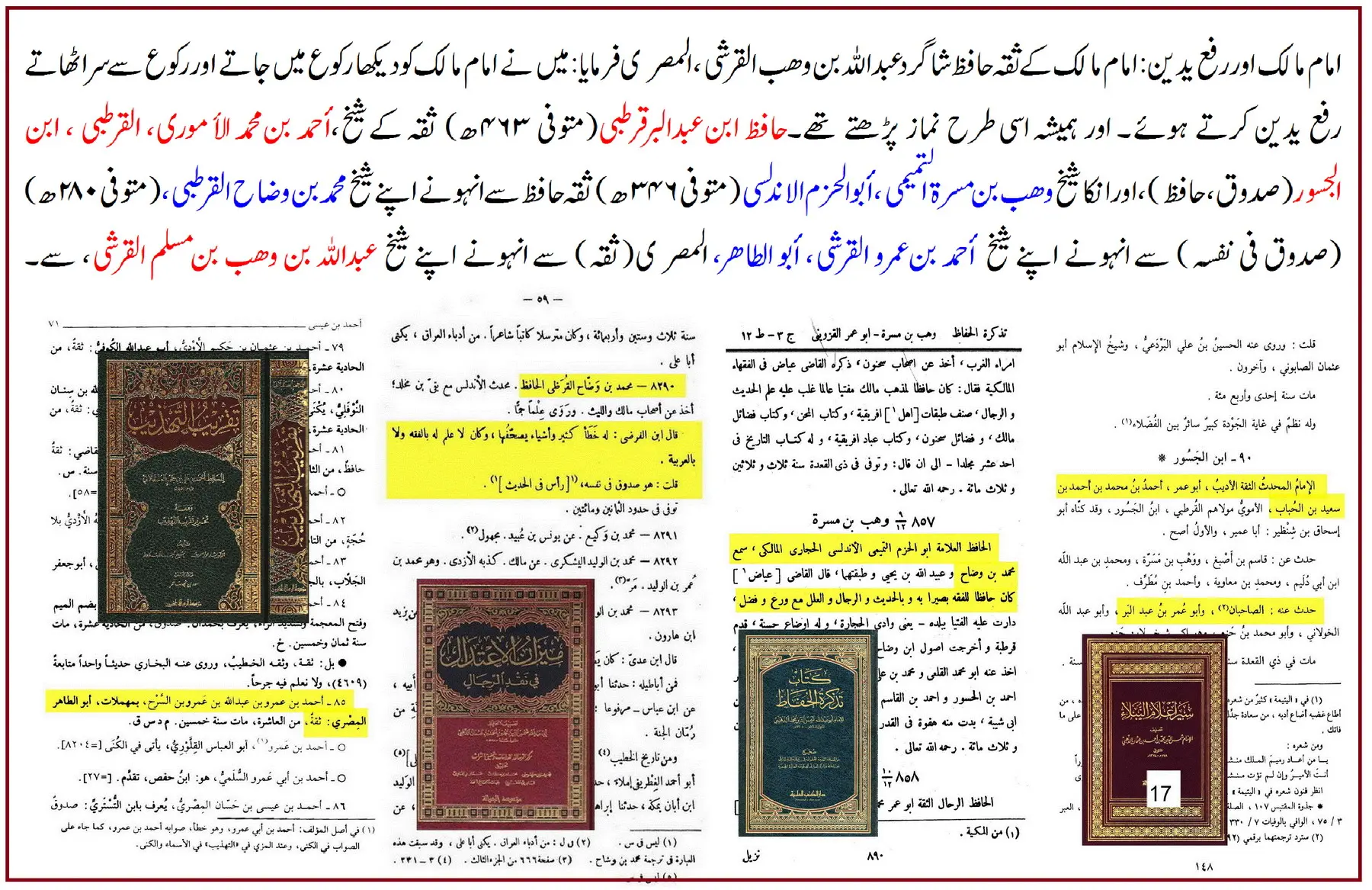
② ʿAbdullāh ibn Wahb al-Qurashī al-Miṣrī (Eminent Student)
قال ابن وهب:
«رَأَيْتُ مَالِكَ بْنَ أَنَسٍ يَرْفَعُ يَدَيْهِ فِي كُلِّ خَفْضٍ وَرَفْعٍ، أَوْ قَالَ: كُلَّمَا خَفَضَ، وَلَمْ تَزَلْ تِلْكَ صِفَتُهُ حَتَّى مَاتَ».
Translation:
Ibn Wahb said: “I saw Mālik ibn Anas raising his hands whenever he went into rukūʿ and whenever he rose from it, and this remained his practice until he passed away.”
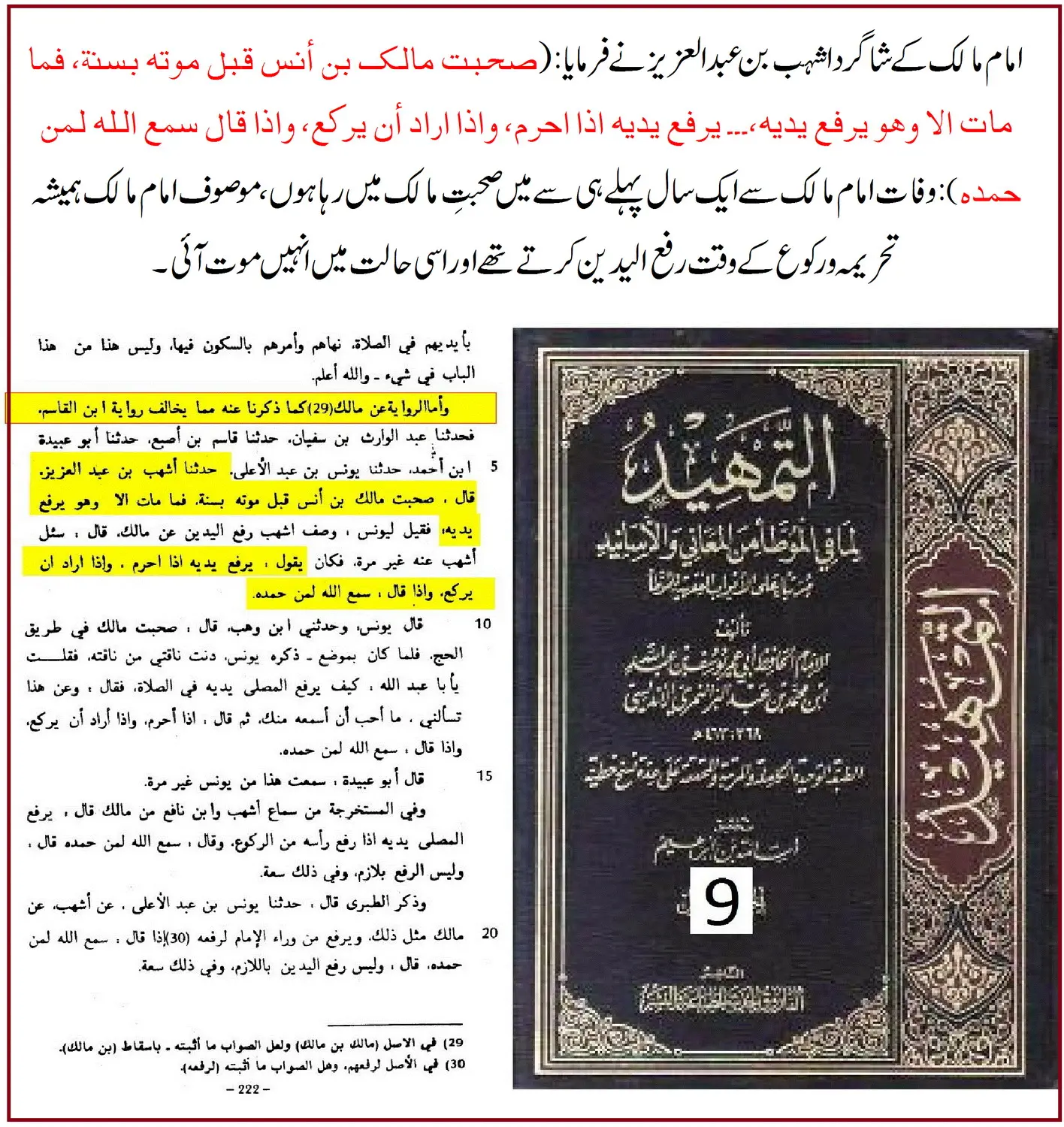
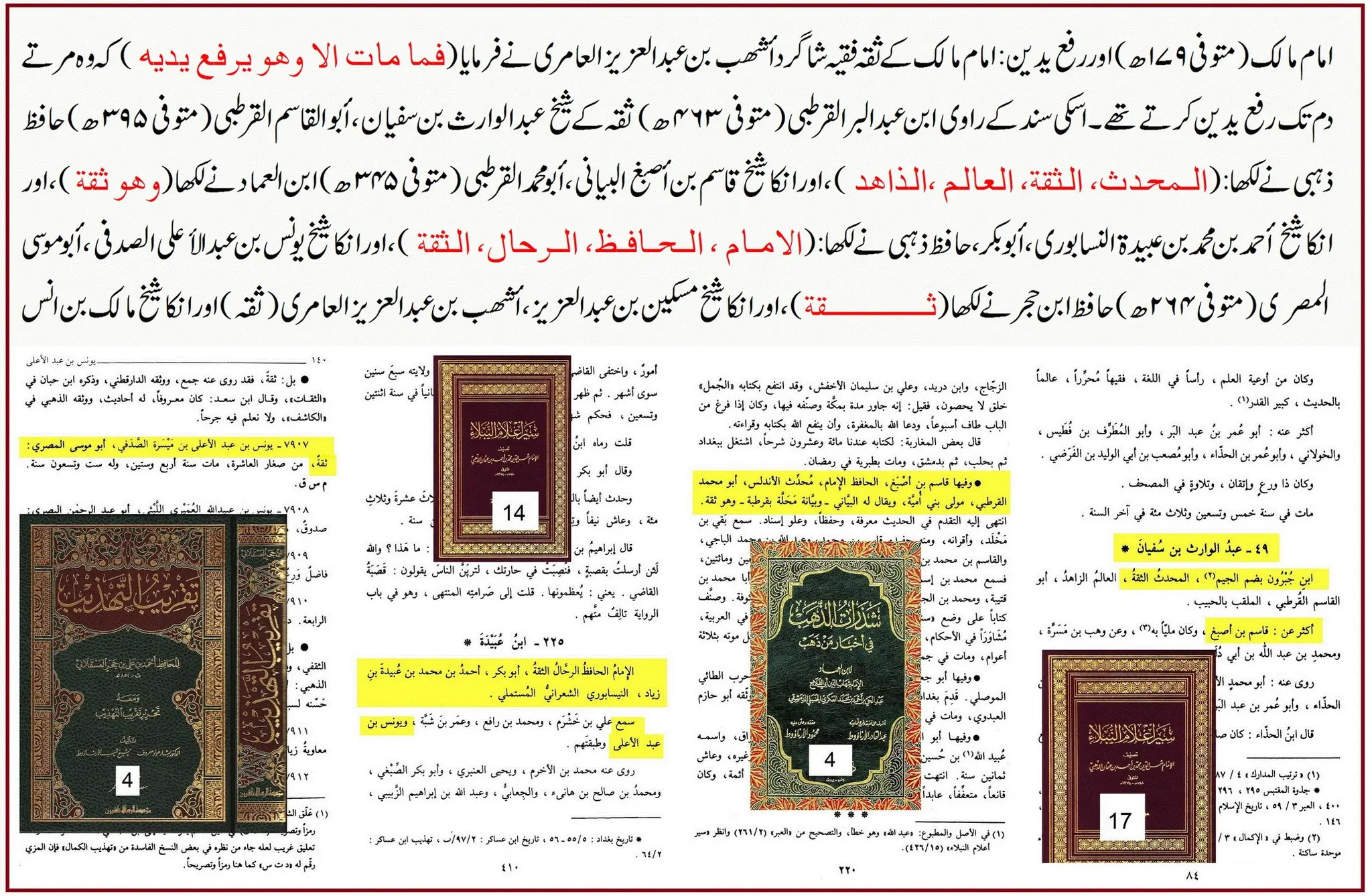
③ Ashhab ibn ʿAbd al-ʿAzīz al-Miṣrī (Reliable Student)
قال أشهب:
«صَحِبْتُ مَالِكًا قَبْلَ مَوْتِهِ بِسَنَةٍ، فَمَا مَاتَ إِلَّا وَهُوَ يَرْفَعُ يَدَيْهِ عِنْدَ الإِحْرَامِ، وَإِذَا أَرَادَ أَنْ يَرْكَعَ، وَإِذَا قَالَ سَمِعَ اللهُ لِمَنْ حَمِدَهُ».
Translation:
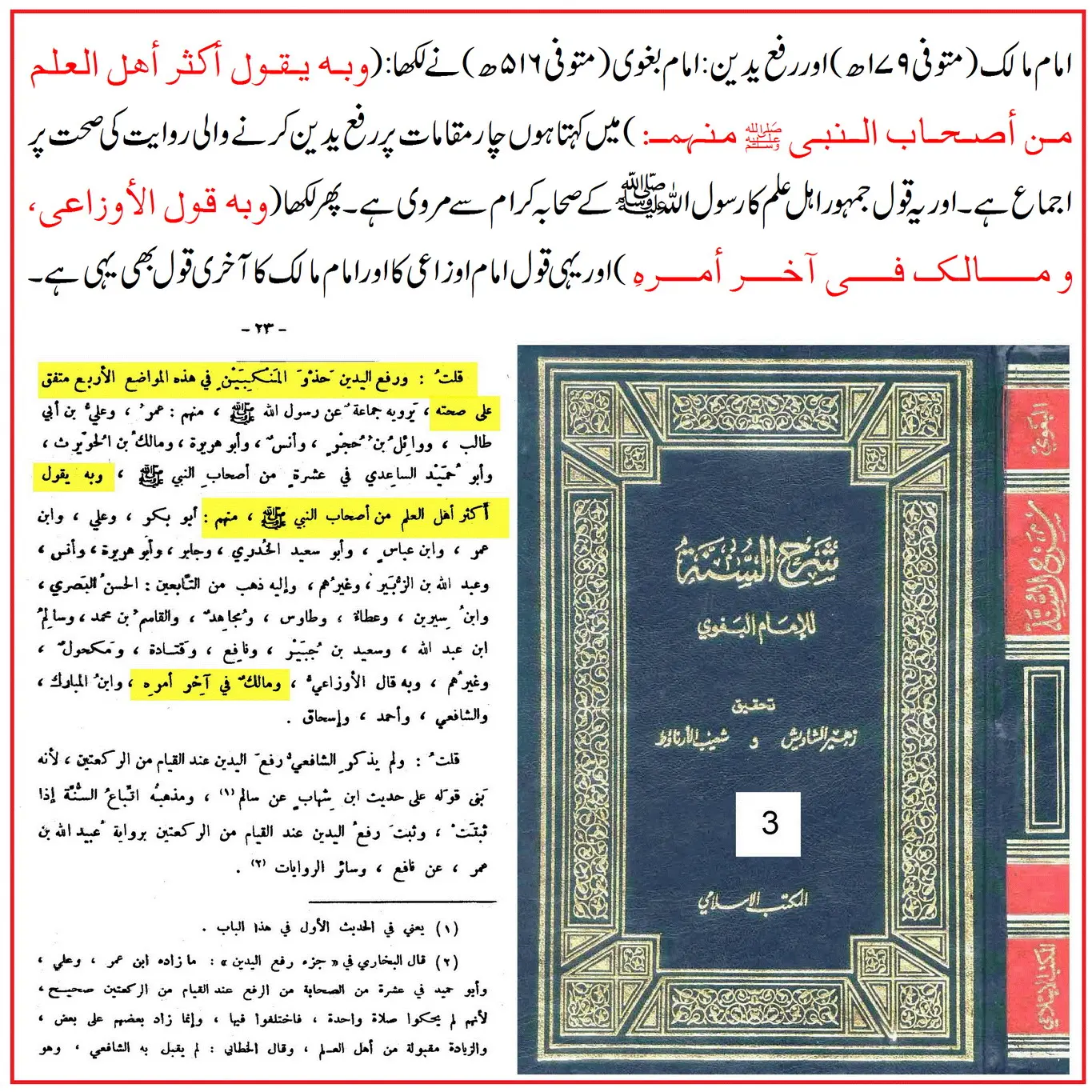
Ashhab said: “I accompanied Mālik for a year before his death, and he did not pass away except that he raised his hands at the opening takbīr, when going into rukūʿ, and when saying ‘Samiʿa Allāhu liman ḥamidah.’”
🔎 From the testimony of these three reliable students, it is absolutely clear that Imām Mālik’s final practice and verdict affirmed Rafʿ al-Yadayn, and Ibn al-Qāsim’s negating narration is shādh.
Testimony of Imams and Ḥadīth Scholars: Imām Mālik’s Final Practice Was Rafʿ al-Yadayn
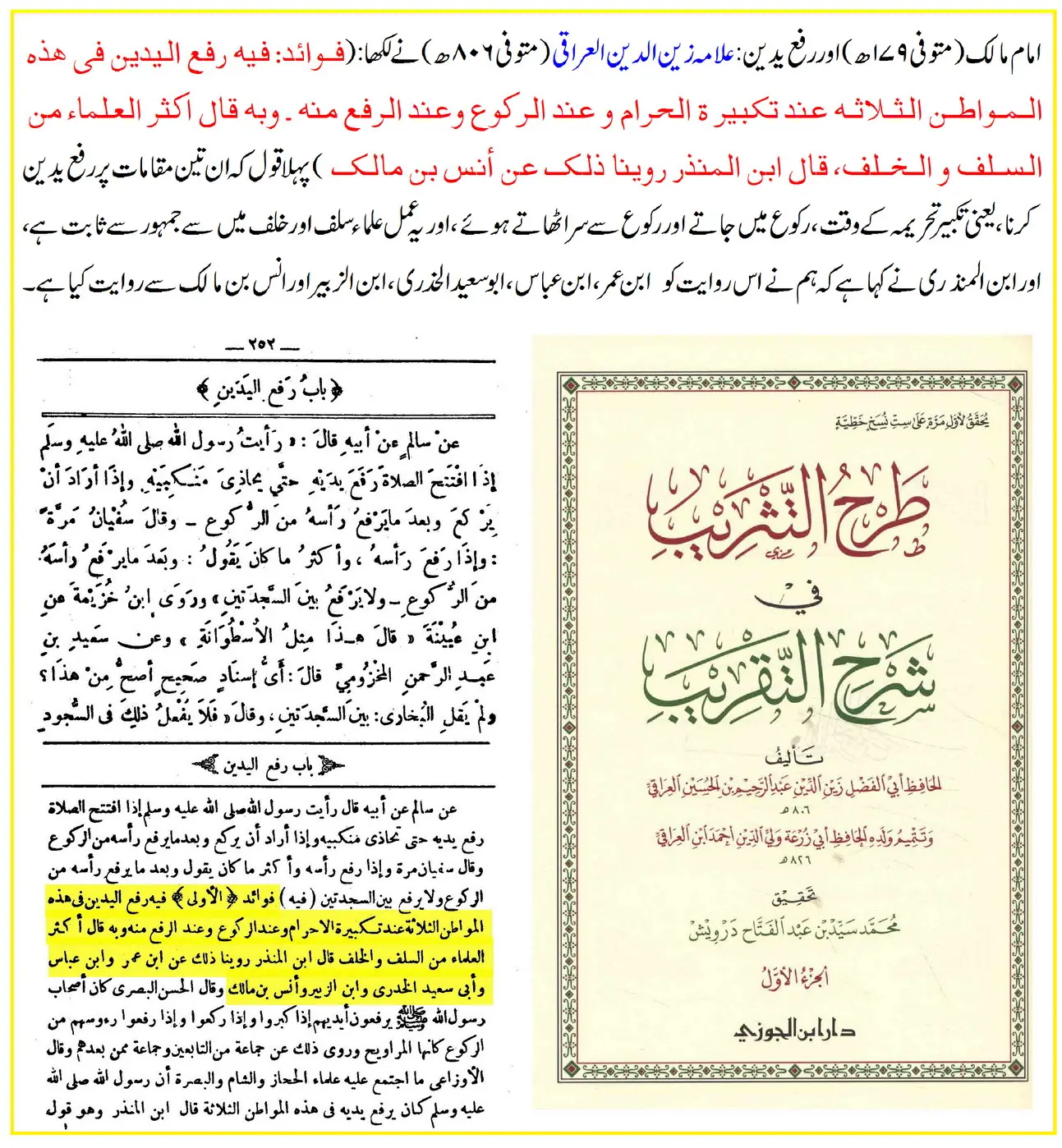
Besides the eminent students of Imām Mālik, many ḥadīth scholars and jurists have also clearly written that Imām Mālik continued to perform Rafʿ al-Yadayn until his death, and that this was his verdict.
① Ibn ʿAbd al-Barr al-Mālikī (d. 463 AH)
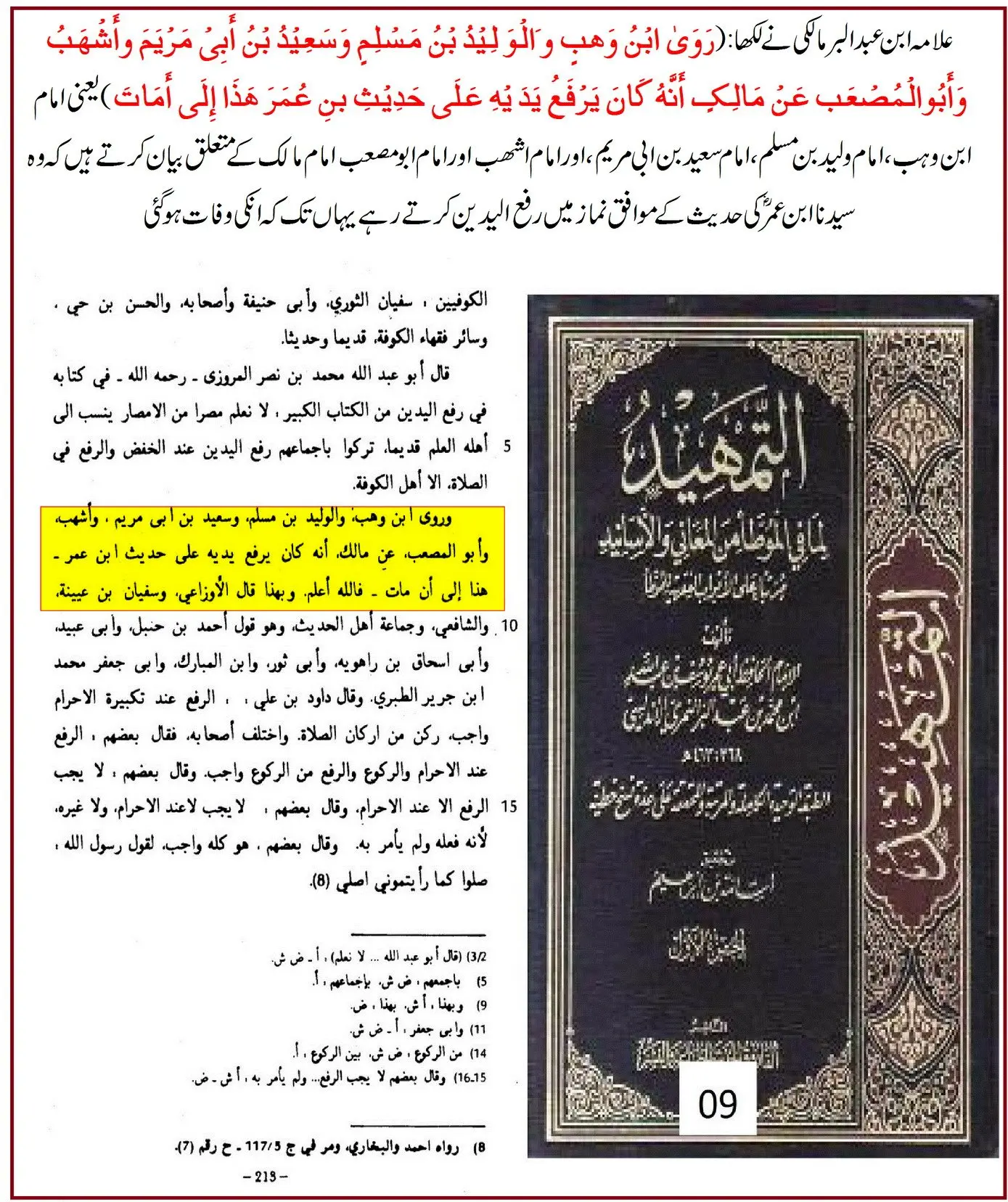
وَرَوَى ابْنُ وَهْبٍ وَالْوَلِيدُ بْنُ مُسْلِمٍ وَسَعِيدُ بْنُ أَبِي مَرْيَمَ وَأَشْهَبُ وَأَبُو الْمُصْعَبِ عَنْ مَالِكٍ أَنَّهُ كَانَ يَرْفَعُ يَدَيْهِ عَلَى حَدِيثِ ابْنِ عُمَرَ هَذَا إِلَى أَنْ مَاتَ، فَاللَّهُ أَعْلَمُ.
Translation:
Ibn Wahb, al-Walīd ibn Muslim, Saʿīd ibn Abī Maryam, Ashhab, and Abū al-Muṣʿab all narrated from Mālik that he continued to raise his hands according to the ḥadīth of Ibn ʿUmar until his death.
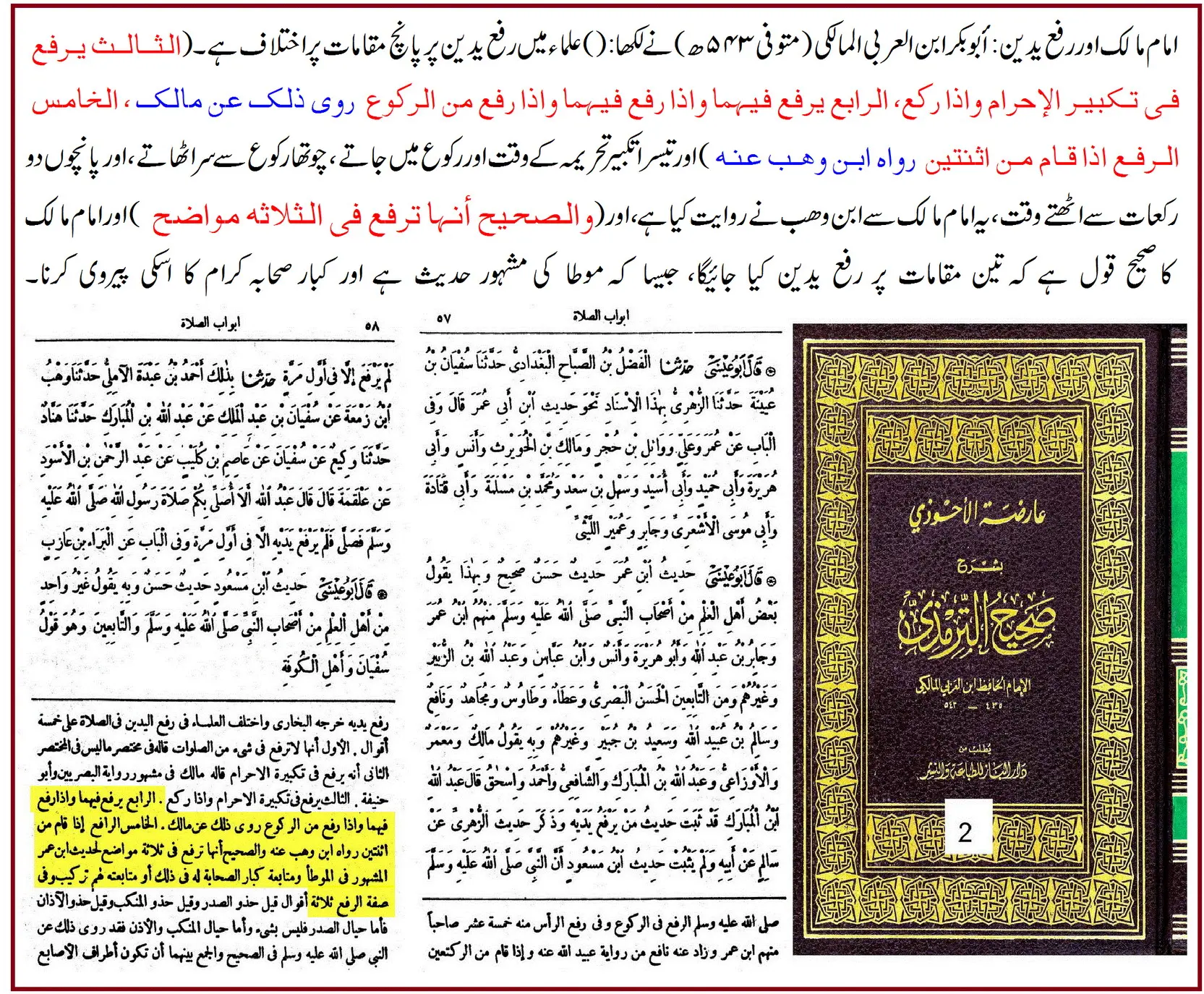
② Abū Bakr ibn al-ʿArabī al-Mālikī (d. 543 AH)
والصحيح أنها ترفع في ثلاثة مواضع لحديث ابن عمر المشهور في الموطأ، ومتابعة كبار الصحابة له في ذلك…
Translation:
The correct view is that the hands are raised in three places: at the opening takbīr, when going into rukūʿ, and when rising from it—based on the famous ḥadīth of Ibn ʿUmar in the Muwaṭṭaʾ. This is Imām Mālik’s correct position, and the senior Companions acted upon it.
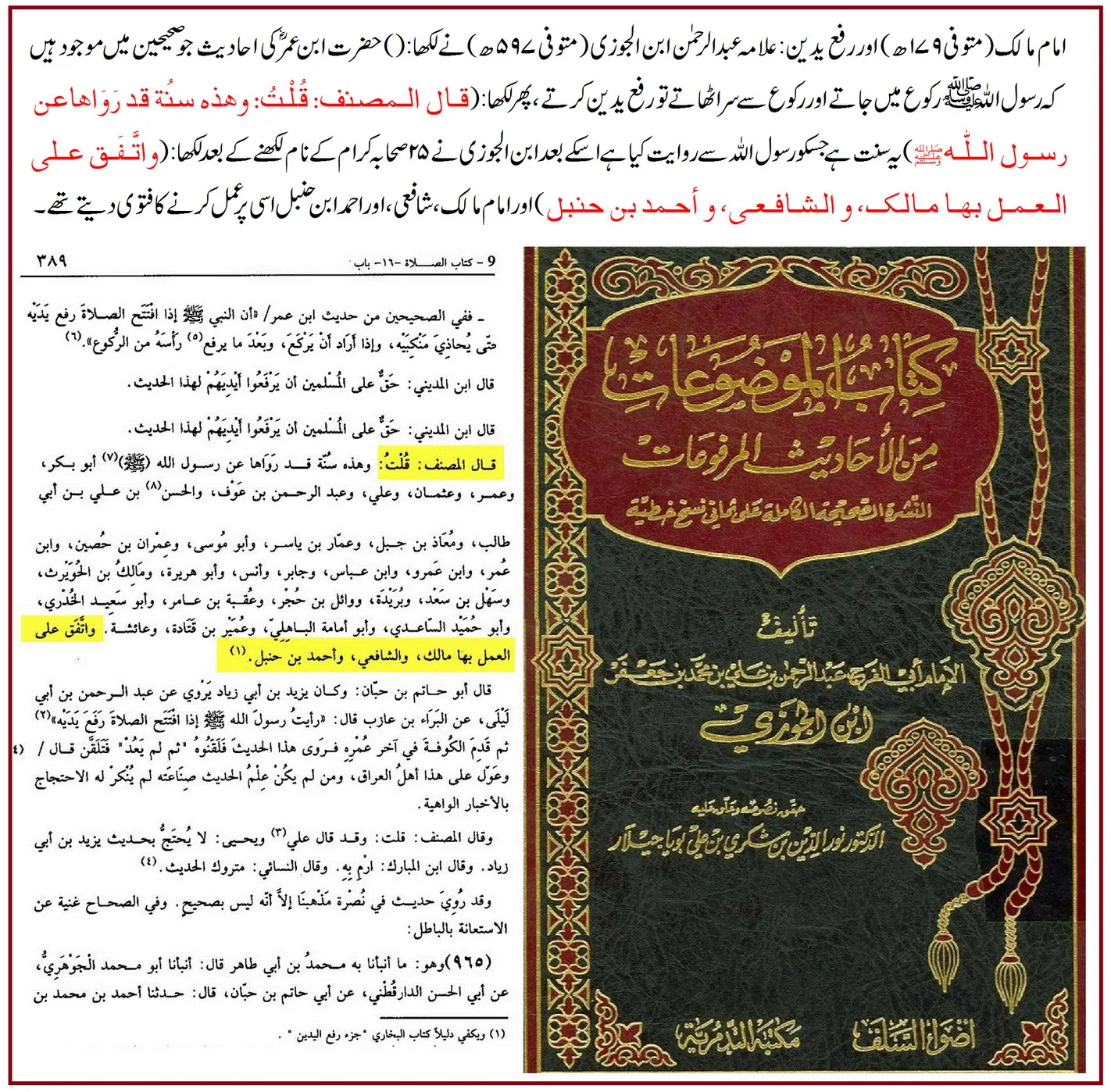
③ Ibn al-Jawzī (d. 597 AH)
واتَّفَقَ على الْعَمَلِ بِهَا مَالِكٌ وَالشَّافِعِيُّ وَأَحْمَدُ بْنُ حَنْبَل.
Translation:
Mālik, al-Shāfiʿī, and Aḥmad ibn Ḥanbal all agreed upon acting upon this Sunnah (Rafʿ al-Yadayn).
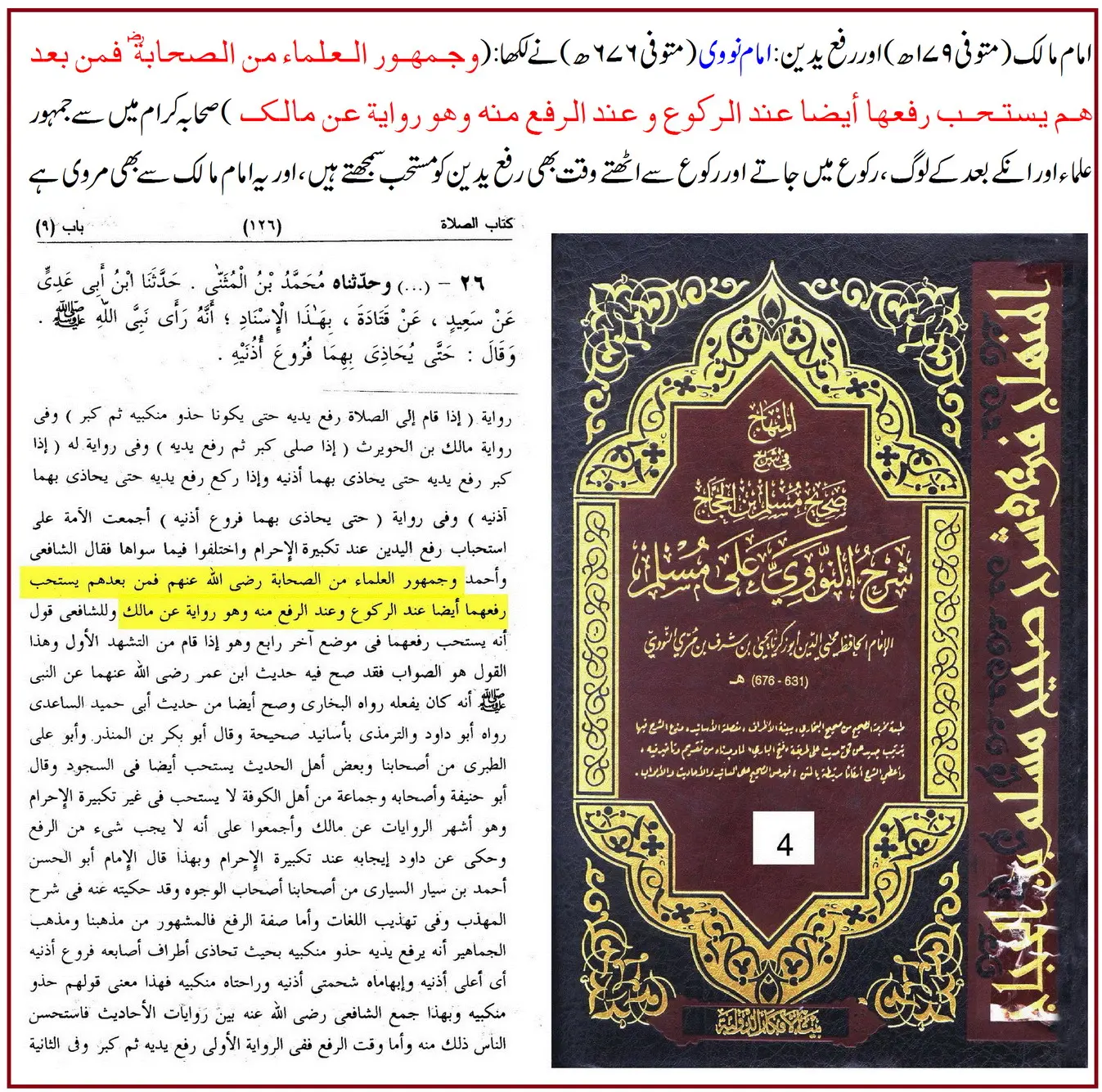
④ Imām al-Nawawī (d. 676 AH)
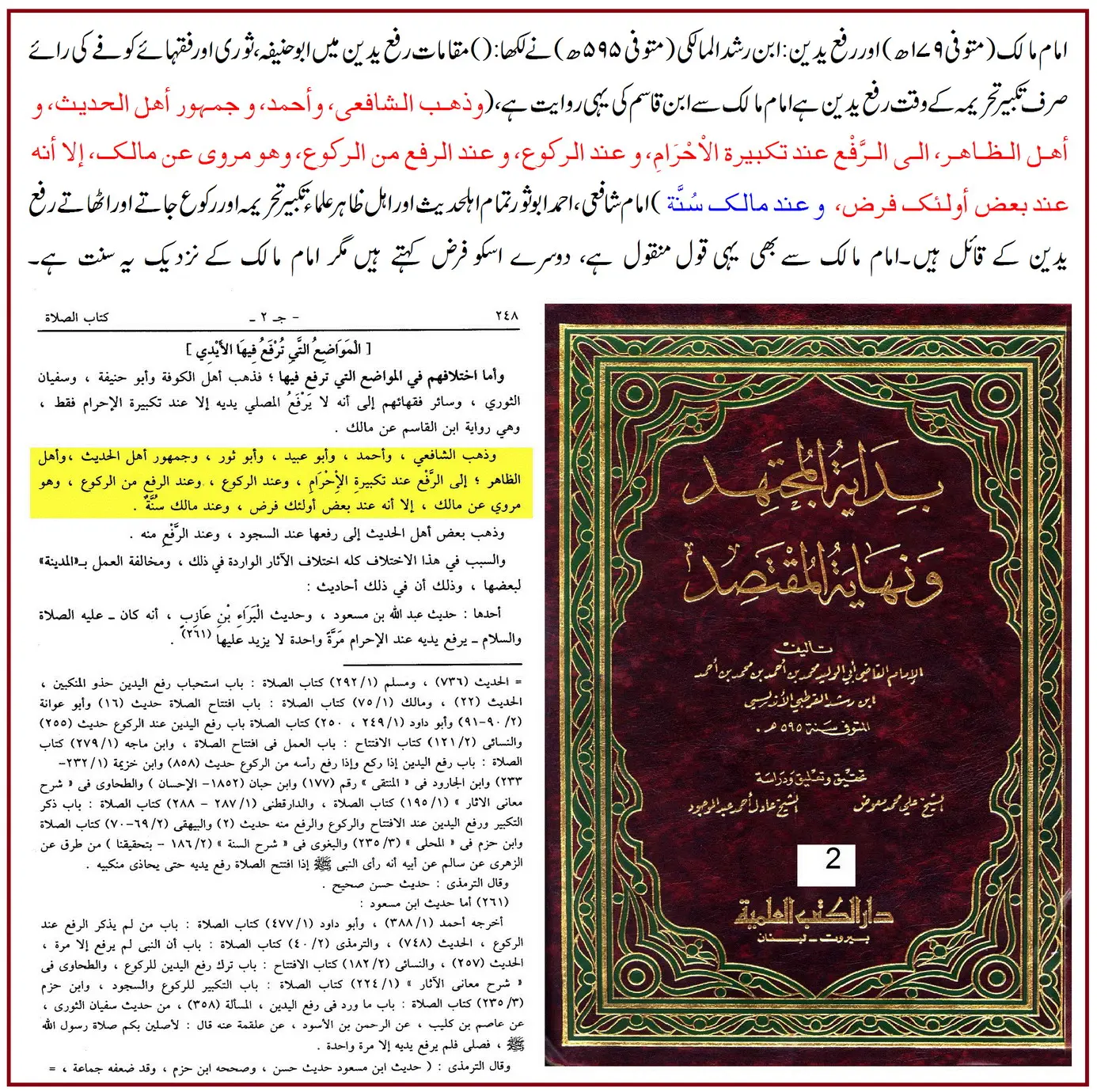
وجمهور العلماء من الصحابة رضي الله عنهم فمن بَعْدَهمْ يُسْتَحَبُّ رَفْعُهُمَا أَيْضًا عِنْدَ الرُّكُوعِ وَعِنْدَ الرَّفْعِ مِنْهُ، وَهُوَ رِوَايَةٌ عَنْ مَالِكٍ.
Translation:
The majority of scholars from the Companions and those after them hold that raising the hands when going into rukūʿ and rising from it is recommended, and this is also narrated from Mālik.
🔎 From these texts it is clear that Imām Mālik’s final practice, and the unanimous statement of his students, is that he used to perform Rafʿ al-Yadayn and gave verdicts accordingly.
The Status of Imām Mālik’s Muwaṭṭaʾ and the Irregularity of Ibn al-Qāsim’s Narration
To assess the solitary narration of Ibn al-Qāsim attributed to Imām Mālik, it is first necessary to understand the status and rank of Imām Mālik’s Muwaṭṭaʾ.
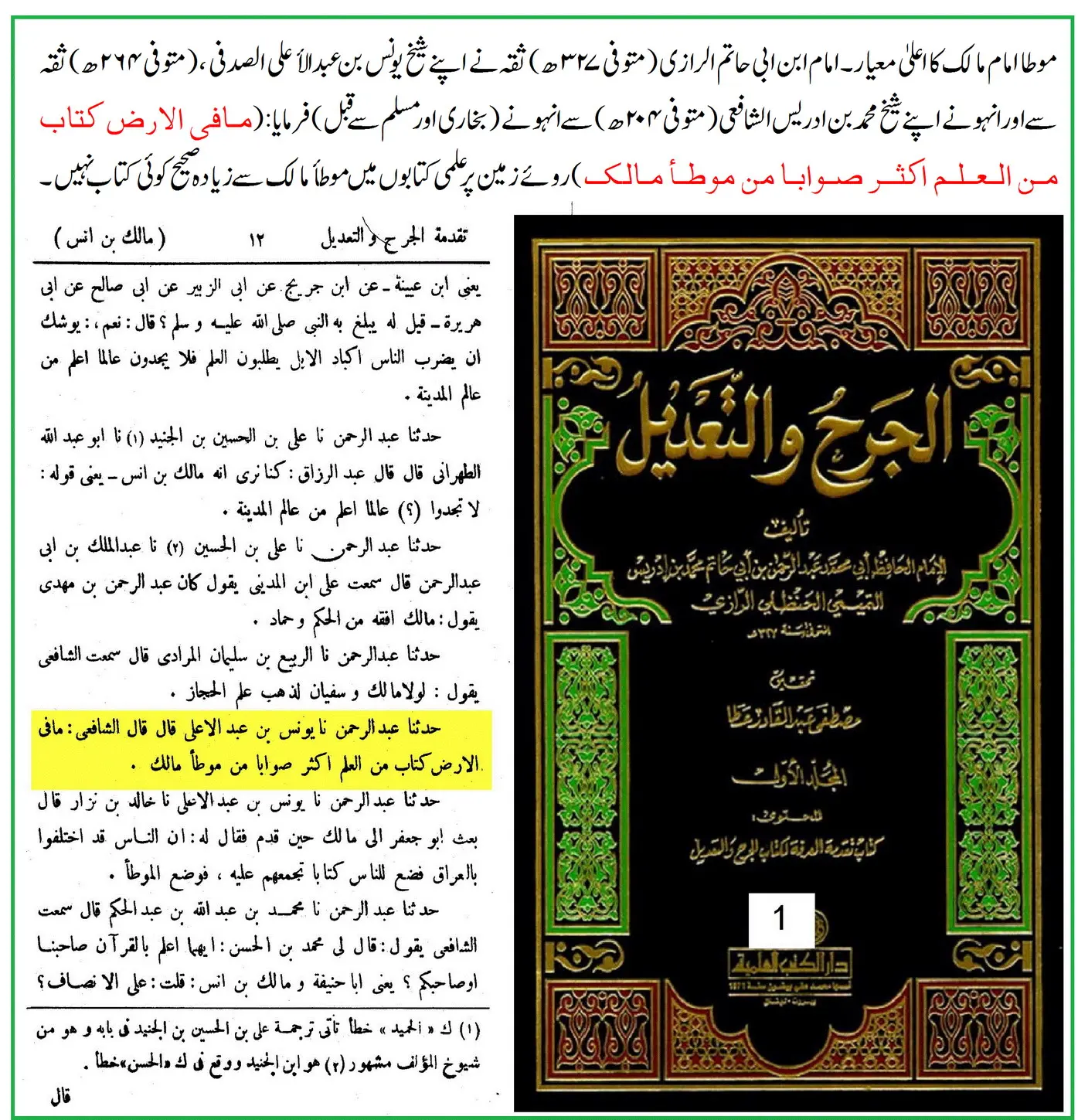
① Imām al-Shāfiʿī (d. 204 AH)
ما في الأرض كتابٌ بعد كتاب الله أصحّ من موطأ مالك.
Translation:
There is no book on earth more authentic after the Book of Allah than the Muwaṭṭaʾ of Mālik.
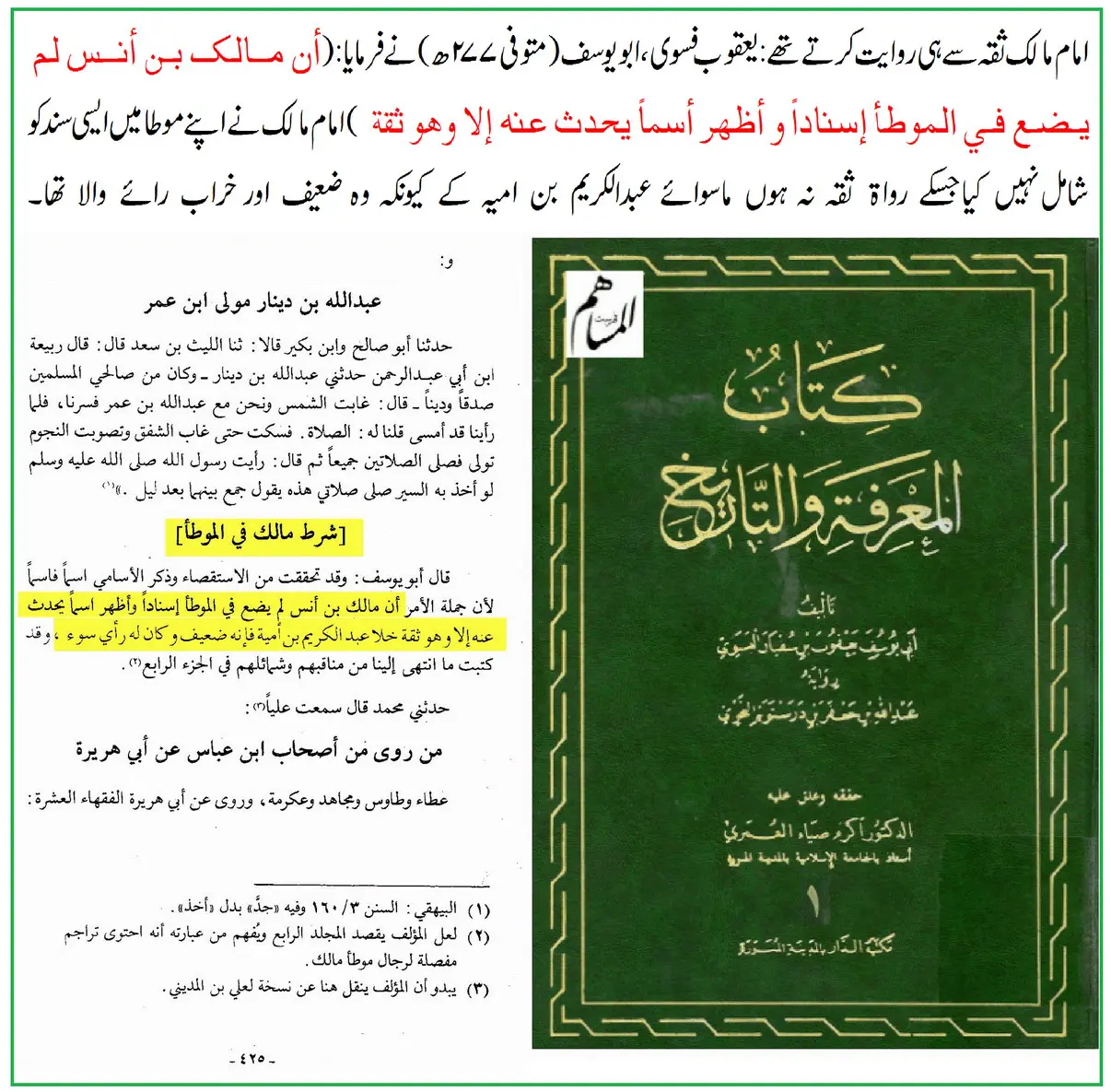
② Yaʿqūb al-Fasawī (d. 277 AH)
إن مالك بن أنس لم يضع في الموطأ إسنادًا إلا وهو ثقة.
Translation:
Mālik ibn Anas did not include any chain in the Muwaṭṭaʾ except that its narrators were trustworthy.
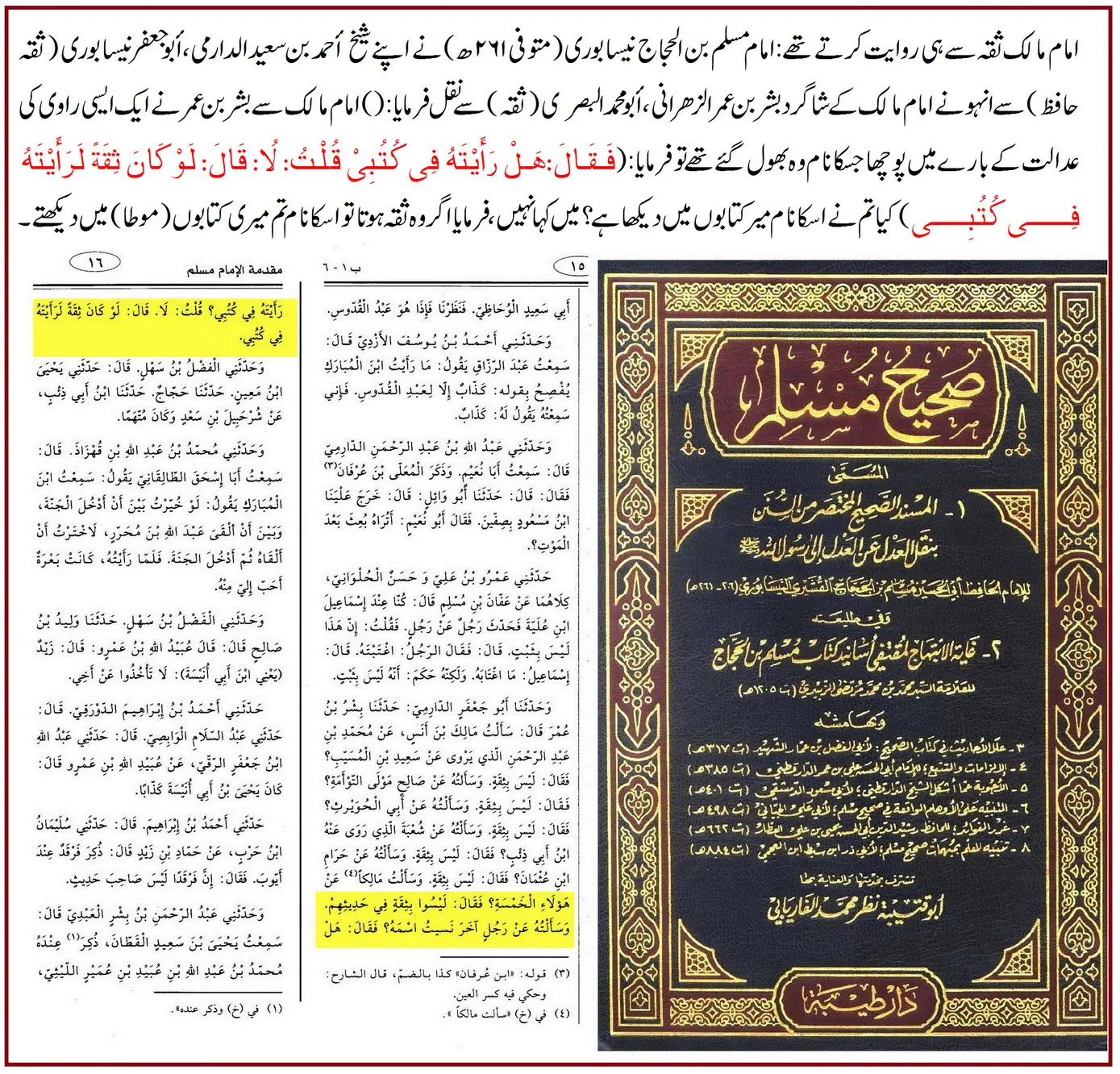
③ Imām Muslim ibn al-Ḥajjāj (d. 261 AH)
قَالَ مَالِكٌ: هَلْ رَأَيْتَهُ فِي كُتُبِي؟ قُلْتُ: لَا. قَالَ: لَوْ كَانَ ثِقَةً لَرَأَيْتَهُ فِي كُتُبِي.
Translation:
Mālik said: “Have you seen him (that narrator) in my books?” I said: “No.” He said: “If he were trustworthy, you would have seen him in my books.”
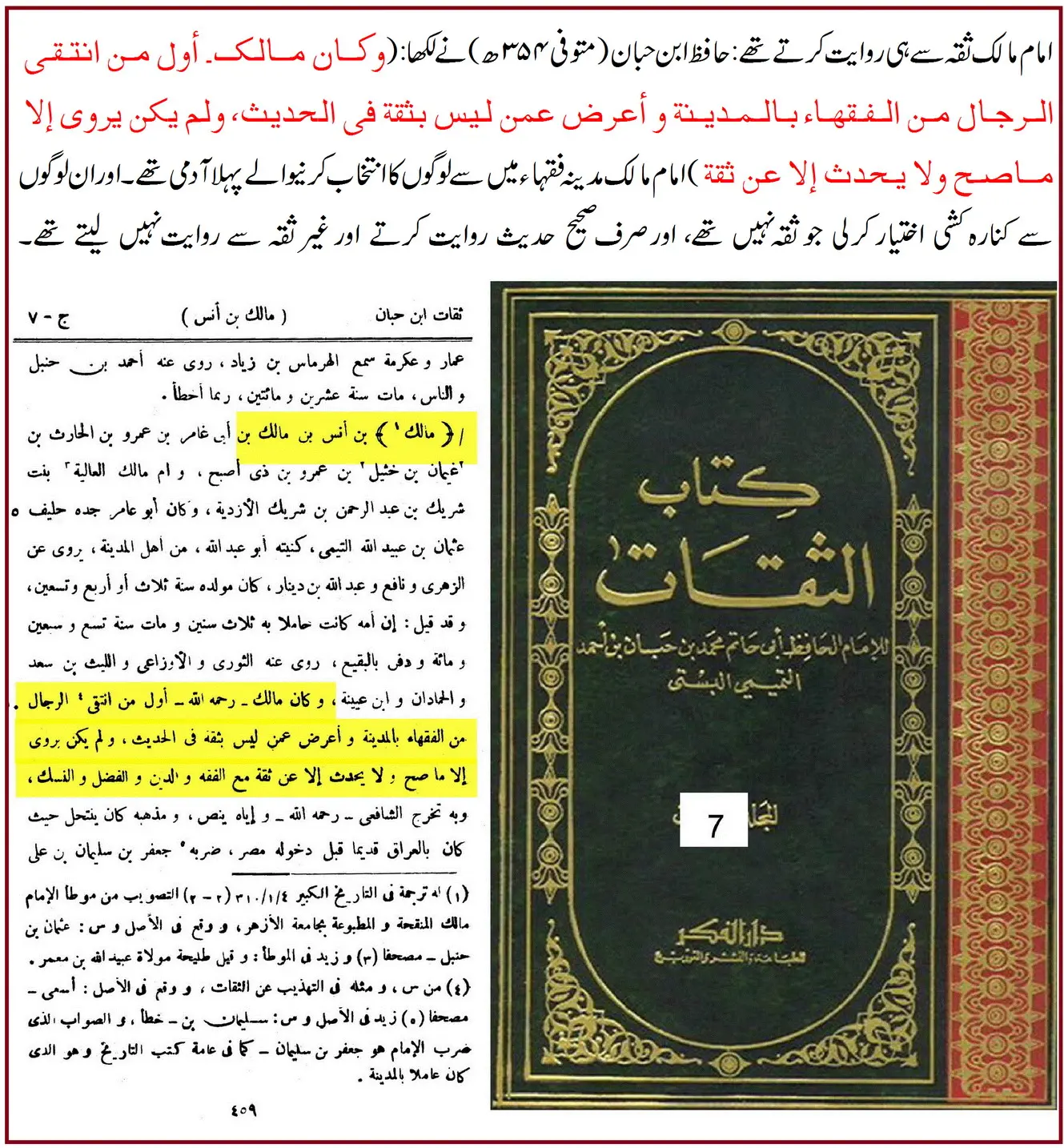
④ Ibn Ḥibbān (d. 354 AH)
وكان مالك رحمه الله أول من انتقى الرجال بالمدينة وأعرض عمن ليس بثقة، ولم يكن يروي إلا ما صح.
Translation:
Mālik was the first jurist in Madinah to be selective about narrators, and he abandoned narrating from those who were not trustworthy; he narrated only authentic aḥādīth.
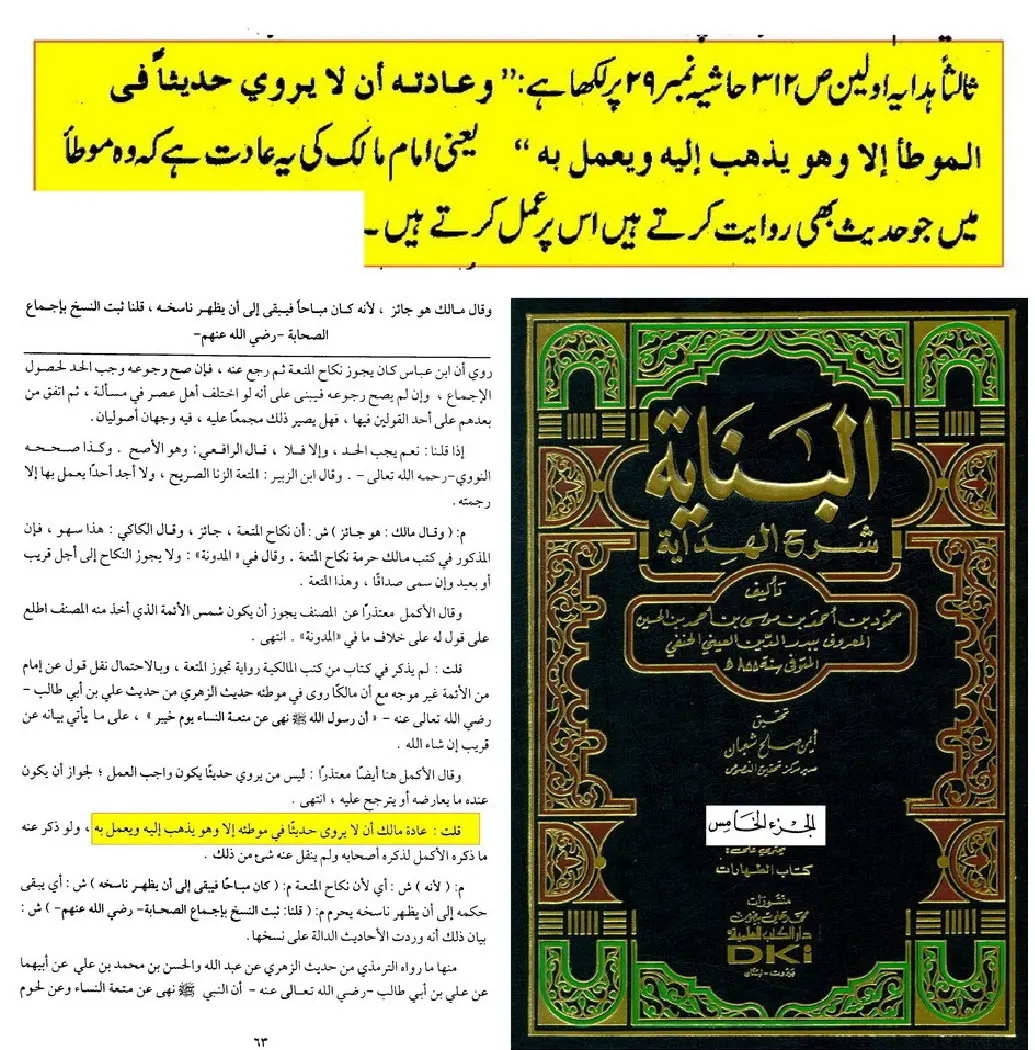
⑤ al-ʿAynī al-Ḥanafī (d. 855 AH)
عادة مالك أن لا يروي حديثًا في موطئه إلا وهو يعمل به.
Translation:
Mālik’s habit was that he only narrated in the Muwaṭṭaʾ what he himself practiced.
🔎 Conclusion:
✔ If Ibn al-Qāsim’s narration in the Mudawwanah were accepted as correct, it would mean that Imām Mālik recorded weak aḥādīth in his own book, the Muwaṭṭaʾ—whereas Imām Mālik’s own explicit statements contradict this.
✔ Therefore, according to the principles of ḥadīth, Ibn al-Qāsim’s narration is shādh and rejected, because the authentic narrations of the reliable and eminent students, and Imām Mālik’s own practice, contradict it.
Comparative Status of Ibn al-Qāsim and Ibn Wahb
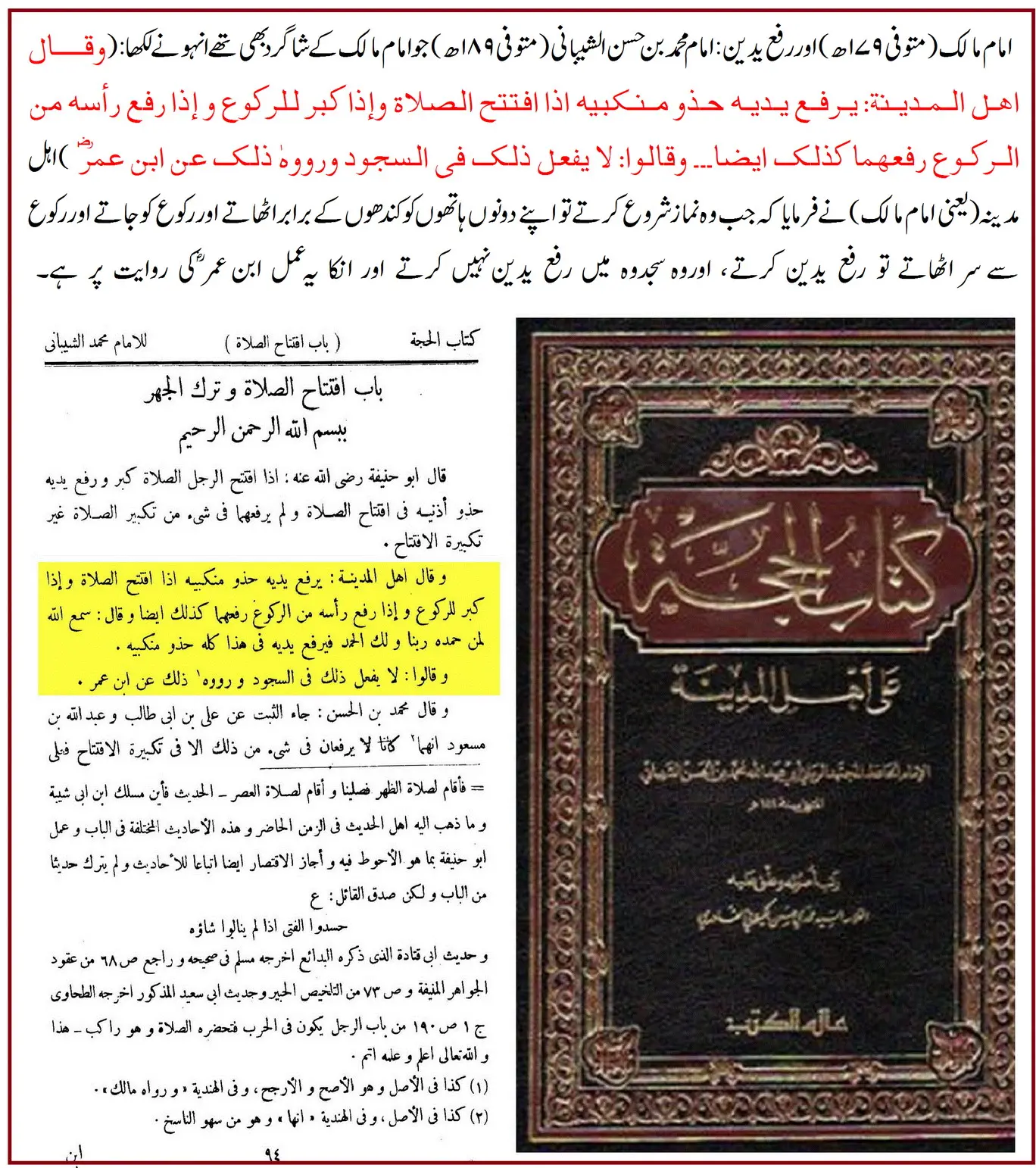
Ibn al-Qāsim and Ibn Wahb were both students of Imām Mālik, but the ḥadīth scholars have stated a clear difference between their ranks.
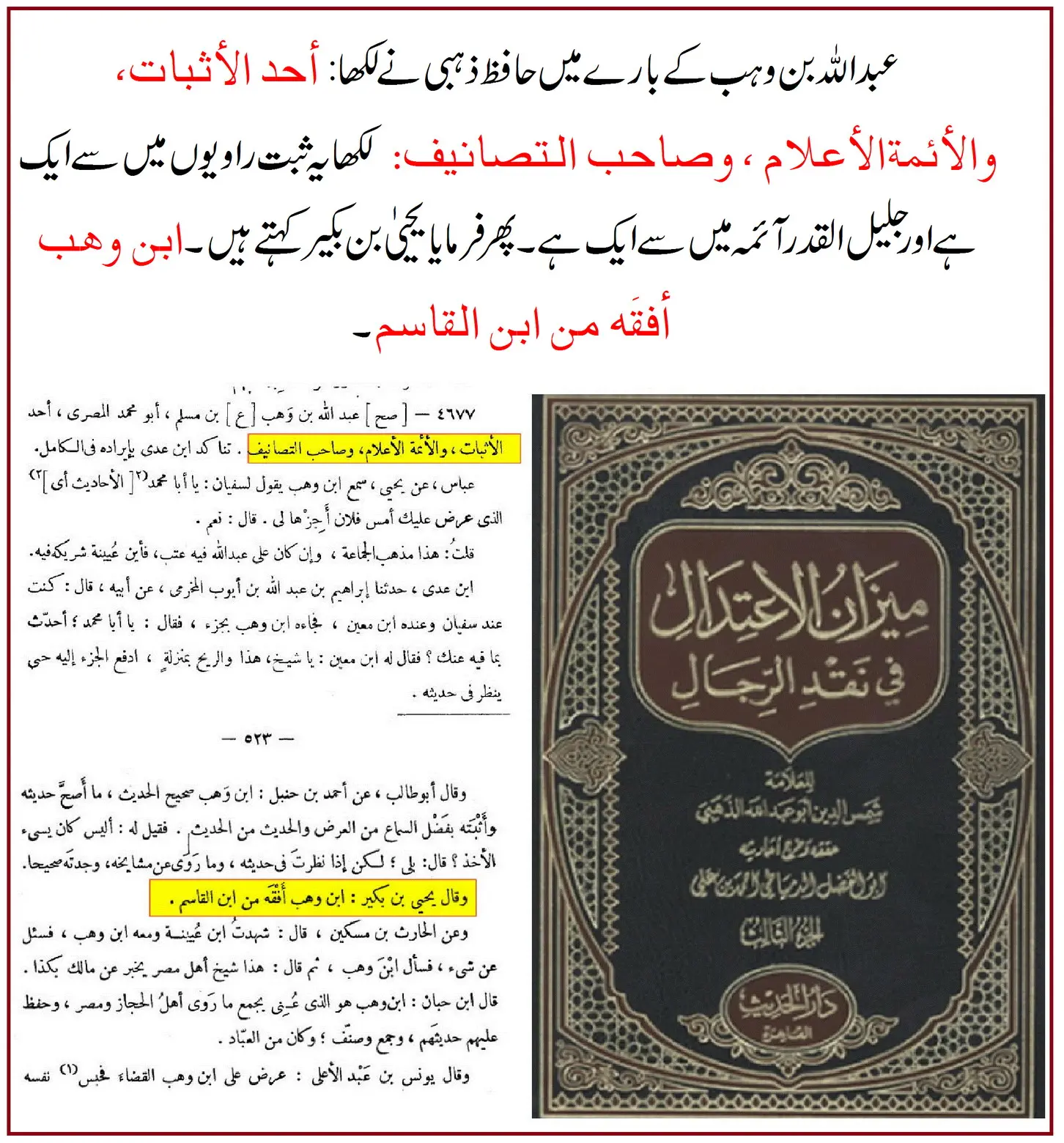
① al-Dhahabī (d. 748 AH)
وقال يحيى بن بكير: ابن وهب أفقه من ابن القاسم.
Translation:
Yaḥyā ibn Bukayr said: “Ibn Wahb was more knowledgeable than Ibn al-Qāsim.”
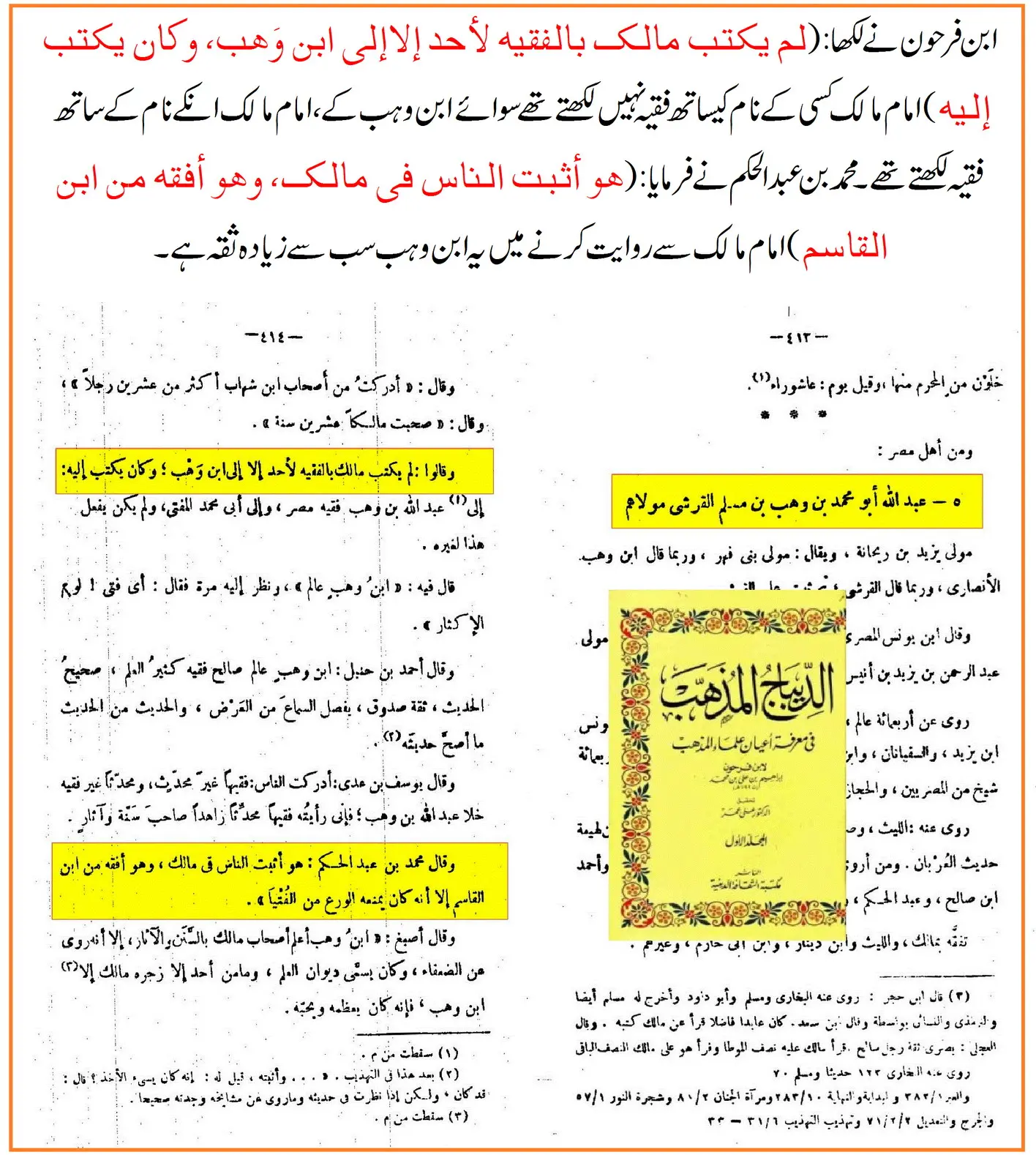
② Ibn Farḥūn (d. 799 AH)
وقال محمد بن عبد الحكم: هو أثبت الناس في مالك، وهو أفقه من ابن القاسم، إلا أنه كان يمنعه الورع من الفتيا.
Translation:
Muḥammad ibn ʿAbd al-Ḥakam said: Ibn Wahb was the most reliable of people in transmitting from Mālik, and he was more learned in fiqh than Ibn al-Qāsim; however, his scrupulousness (waraʿ) prevented him from issuing fatwas.
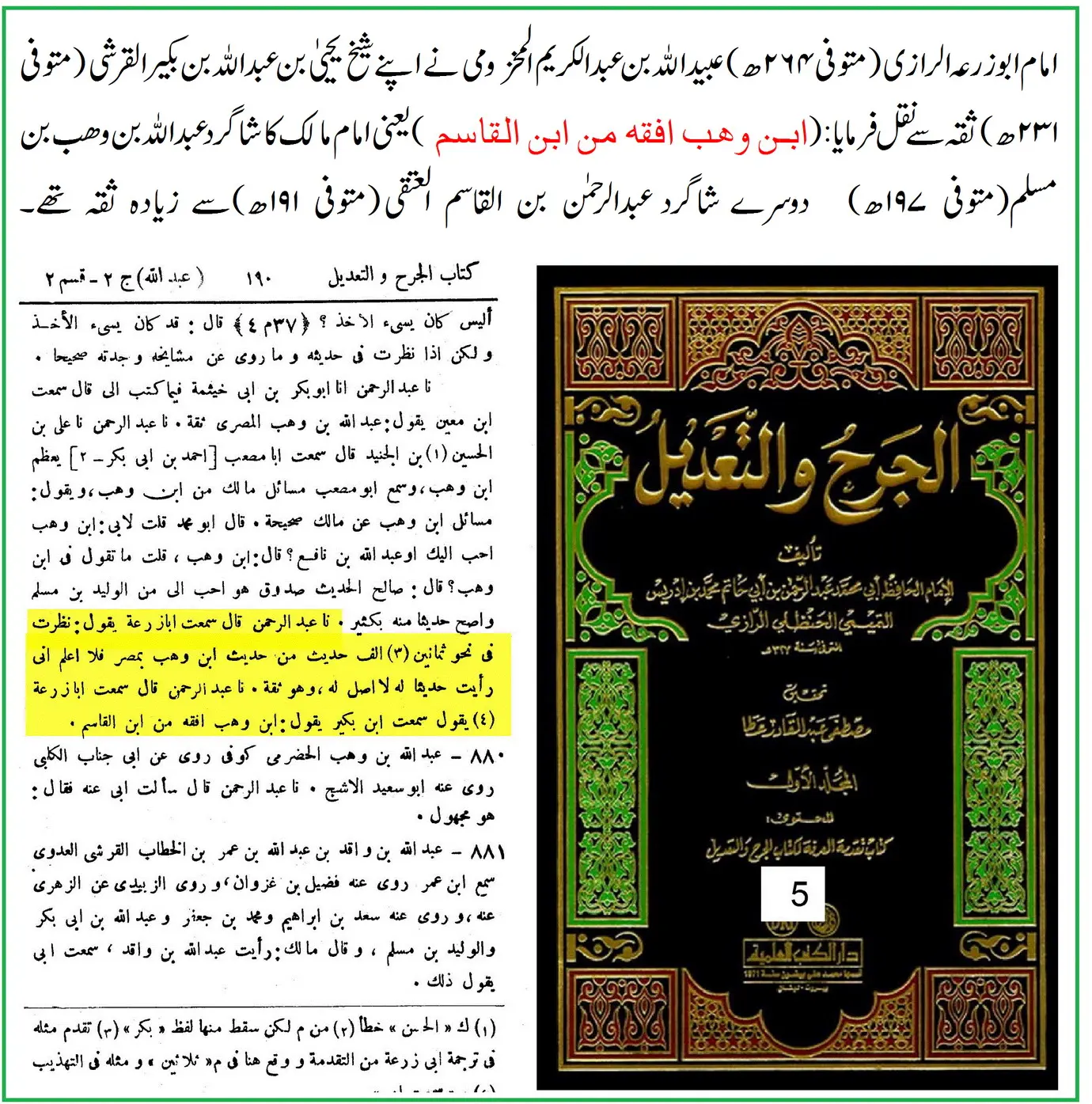
③ Abū Zurʿah al-Rāzī (d. 264 AH)
سمعت ابن بكير يقول: ابن وهب أفقه من ابن القاسم.
Translation:
Ibn Bukayr said: “Ibn Wahb was more learned in fiqh than Ibn al-Qāsim.”
Final Summary
✔ Authentic narrations from Imām Mālik’s eminent students (Ibn Wahb, Ashhab, Ibn Abī Uways) affirm Rafʿ al-Yadayn.
✔ Ibn al-Qāsim’s solitary narration contradicts them and is therefore shādh and rejected.
✔ According to the principles of ḥadīth, the report of the more reliable narrator (Ibn Wahb) outweighs the solitary report of Ibn al-Qāsim.
✔ Consequently, Imām Mālik’s final practice and verdict were to raise the hands when going into and rising from rukūʿ.
Scans of Important References