❖ Compiled by: Abu Hamzah Salafi
❀ Claim of the Deobandi Circle and the Referenced Report
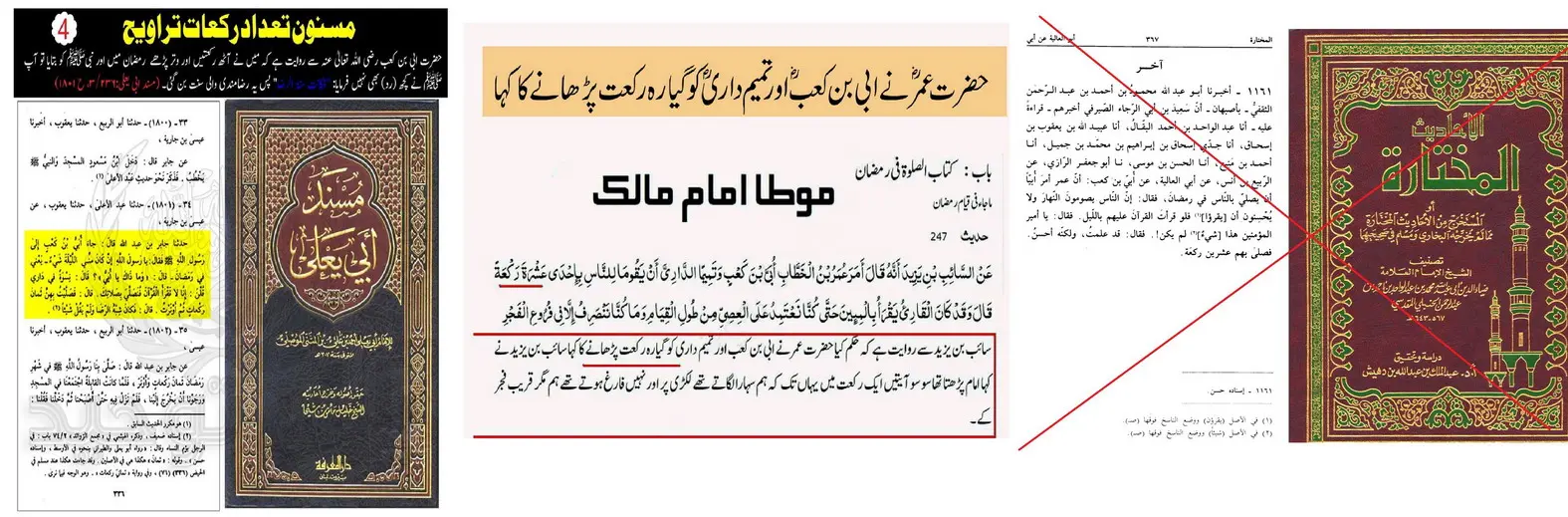
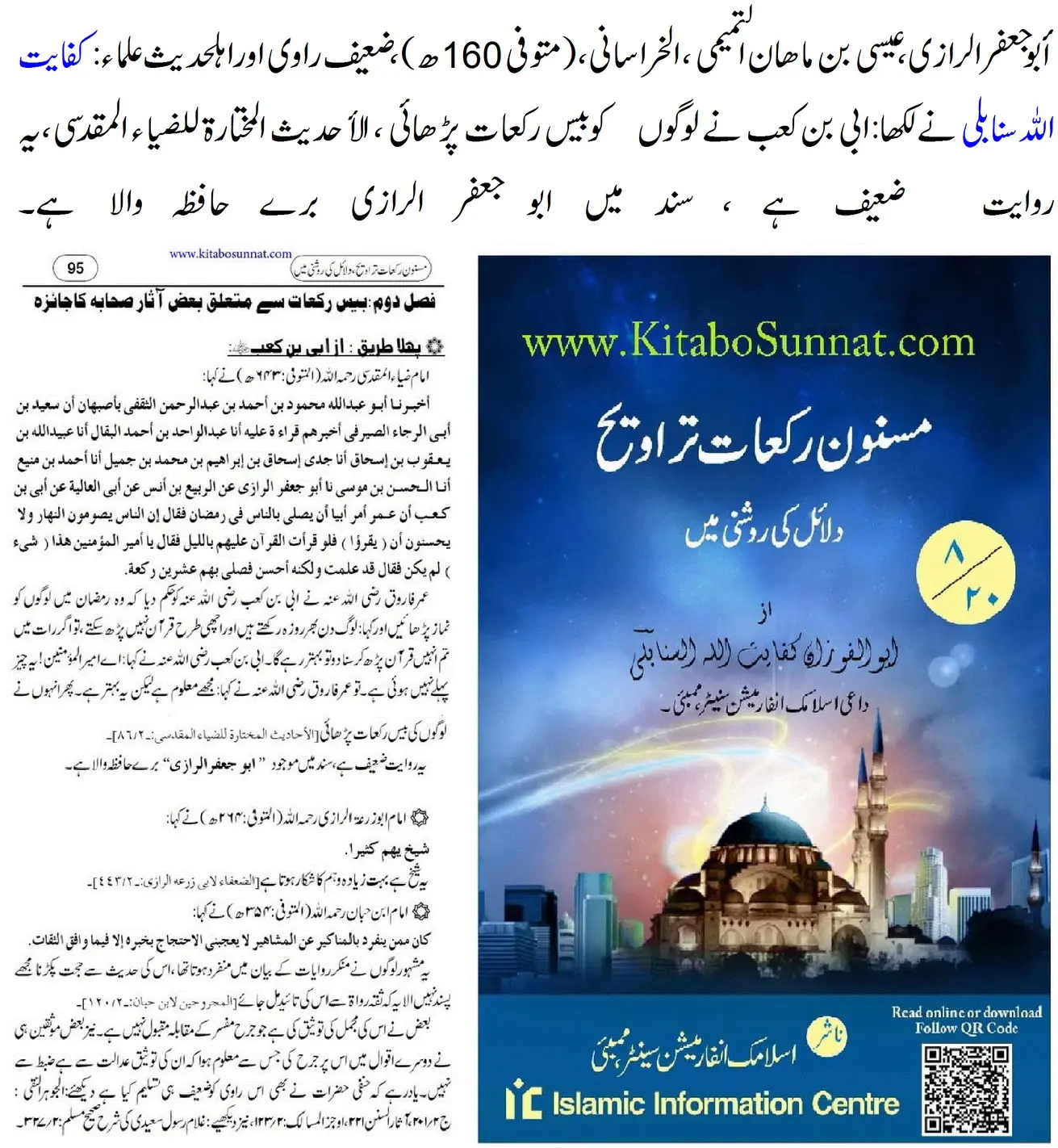
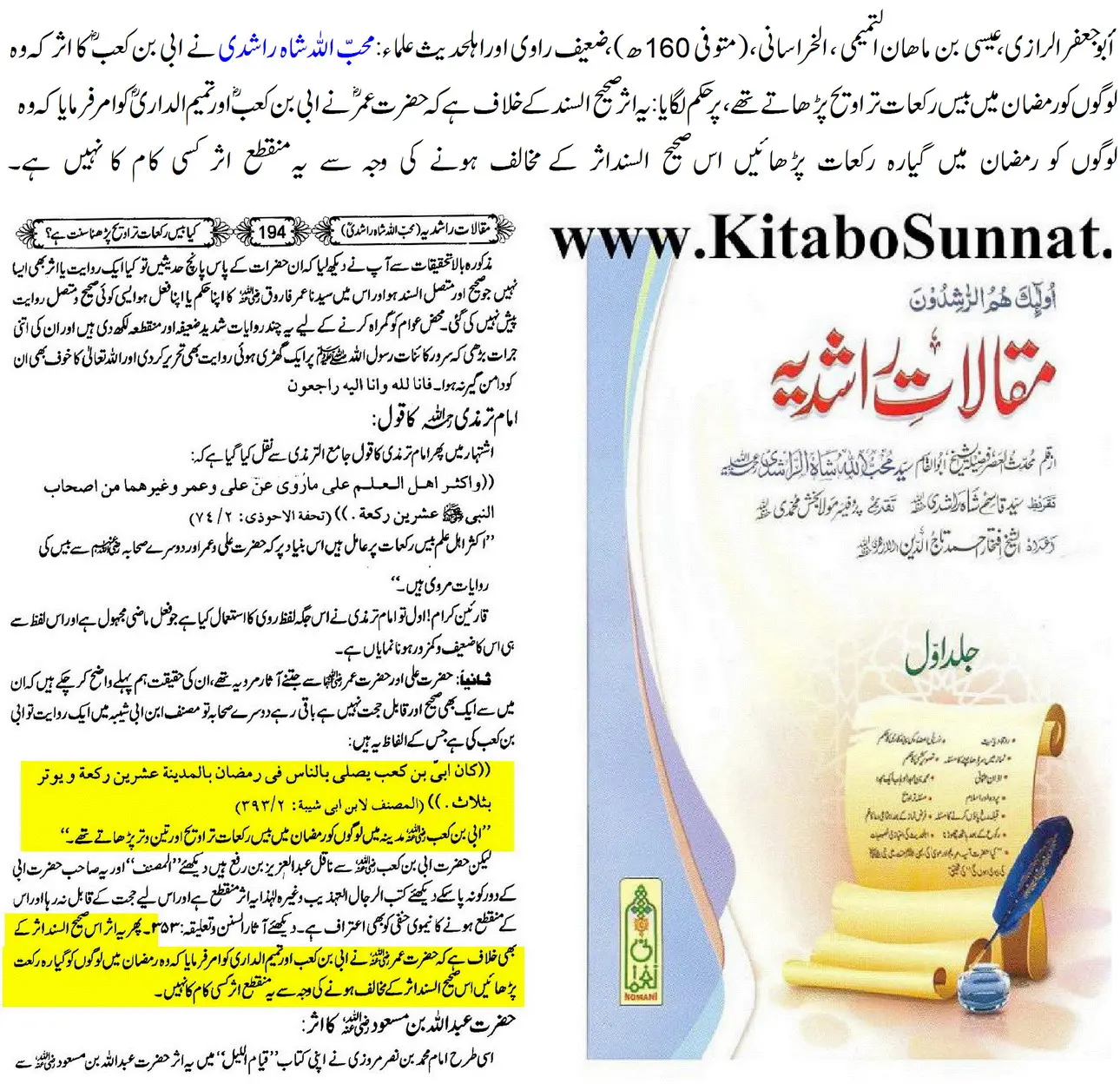
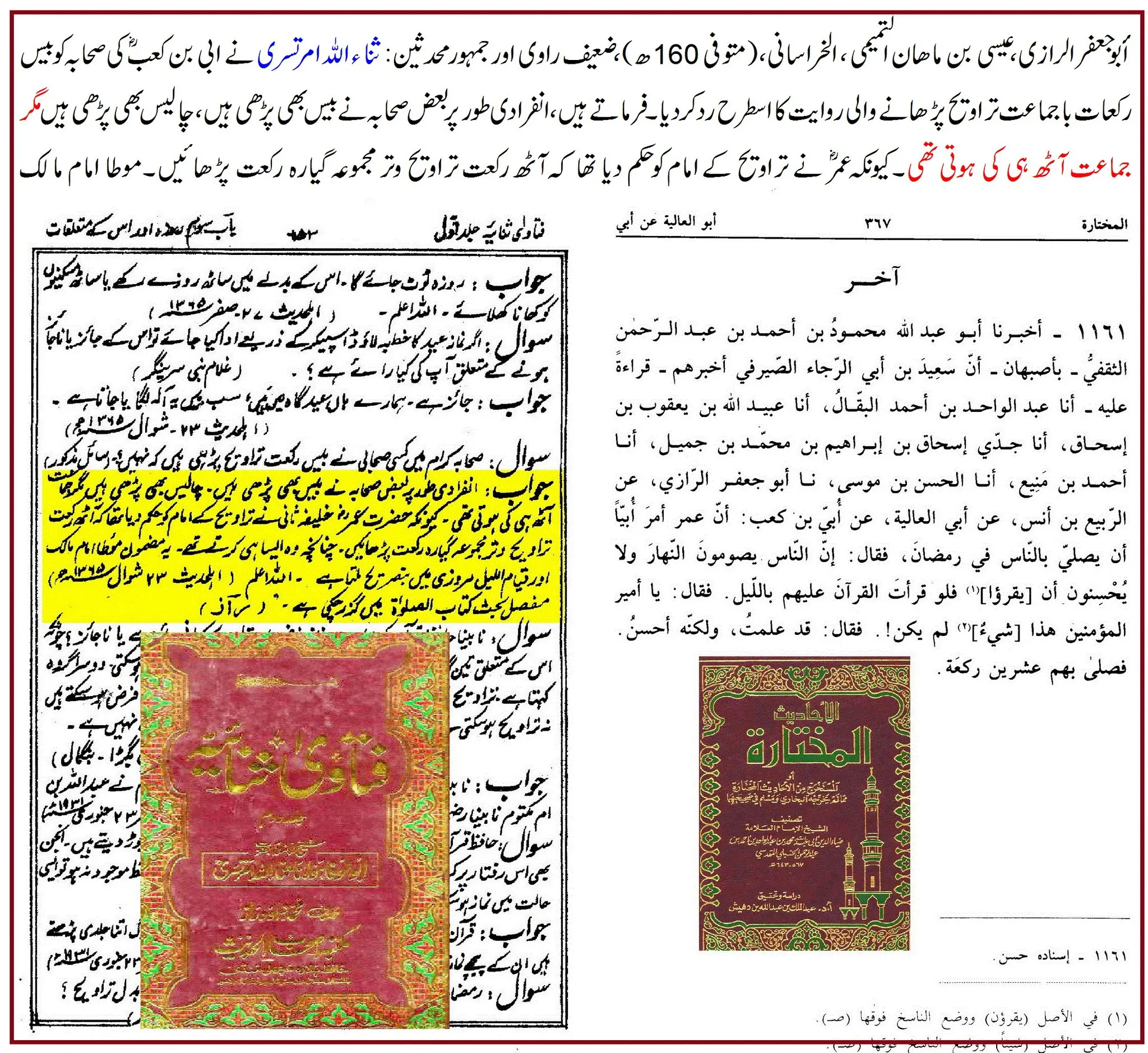
These days, some individuals from the Deobandi school assert that under the order of ʿUmar ibn al-Khaṭṭāb رضي الله عنه, the noble companion Ubayy ibn Kaʿb رضي الله عنه led twenty rakʿahs of Tarawih in congregation during the month of Ramaḍān. To support this claim, a narration from the book "Al-Aḥādīth al-Mukhtārah" by Imām Ḍiyāʾ al-Dīn al-Maqdisī رحمه الله is often circulated. Based on this narration, it is claimed that Imām al-Maqdisī classified it as ṣaḥīḥ (authentic) or ḥasan (sound).
However, our position is as follows:
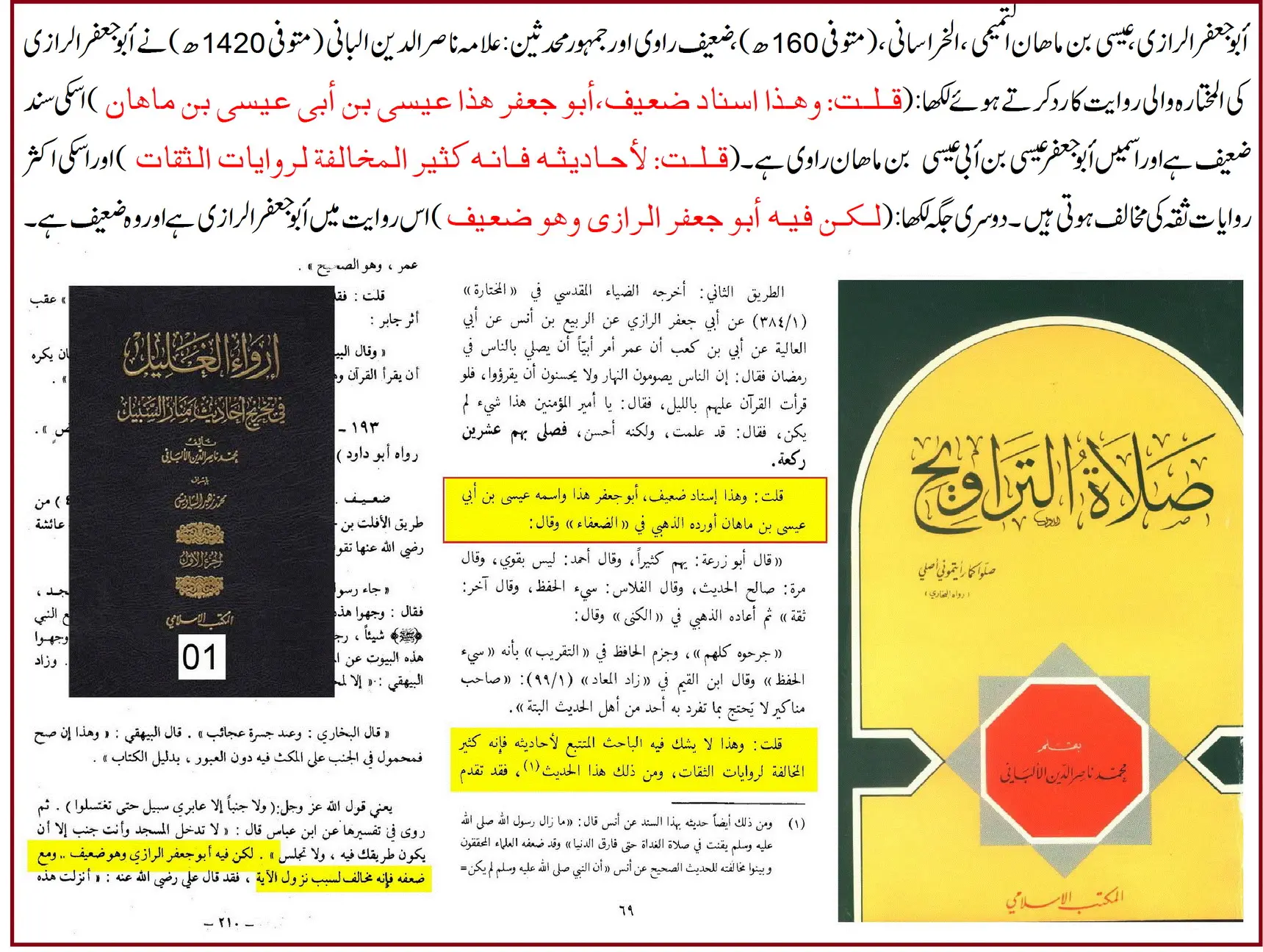
① The central narrator of this narration is Abū Jaʿfar al-Rāzī (ʿĪsā ibn Māhān), who is weak in ḥadīth.
② Several eminent scholars of ḥadīth have made strong criticisms of him, which renders the narration unacceptable.
③ The book "Al-Mukhtārah" by Imām al-Maqdisī رحمه الله contains some weak, rejected, and even fabricated narrations, hence merely citing a narration from this book does not imply it is authentic.
Let us now examine this matter in detail to uncover the reality.
❀ The Narration Presented by the Deobandi School
Narrated by: Imām Ḍiyāʾ al-Dīn Abū ʿAbdillāh Muḥammad ibn ʿAbd al-Wāḥid al-Maqdisī رحمه الله (d. 643 AH)
Source: Al-Aḥādīth al-Mukhtārah, Vol. 3, Pg. 367, Ḥadīth No. 1161
Translation of the Narration:
Ubayy ibn Kaʿb رضي الله عنه said:
ʿUmar ibn al-Khaṭṭāb رضي الله عنه ordered me to lead the people in prayer (Tarawih) during Ramaḍān. ʿUmar said: “People fast during the day but are not good at reciting (Qur'an); if you recite to them at night, it would be better.” I said, “O Commander of the Believers! This way (completing the Qur’an during Tarawih) was not practiced before.” ʿUmar replied: “I know, but it is good.” So Ubayy ibn Kaʿb led the people in twenty rakʿahs of Tarawih prayer.
Some individuals from the Deobandi school and researcher ʿAbdullāh ibn Duhaysh have declared this narration to be ḥasan (sound).
❀ Scholarly Evaluation of the Chain (Isnād)
This narration contains a narrator named:
Abū Jaʿfar al-Rāzī (ʿĪsā ibn Māhān al-Rāzī)
He has been severely criticized by the majority of scholars, and described as:
- Weak
- Poor memory
- Error-prone
Hence, narrations from him are not reliable.
❖ Selected Scholarly Criticisms on Abū Jaʿfar al-Rāzī
Here are twenty-one scholarly statements that highlight the weakness of Abū Jaʿfar al-Rāzī:
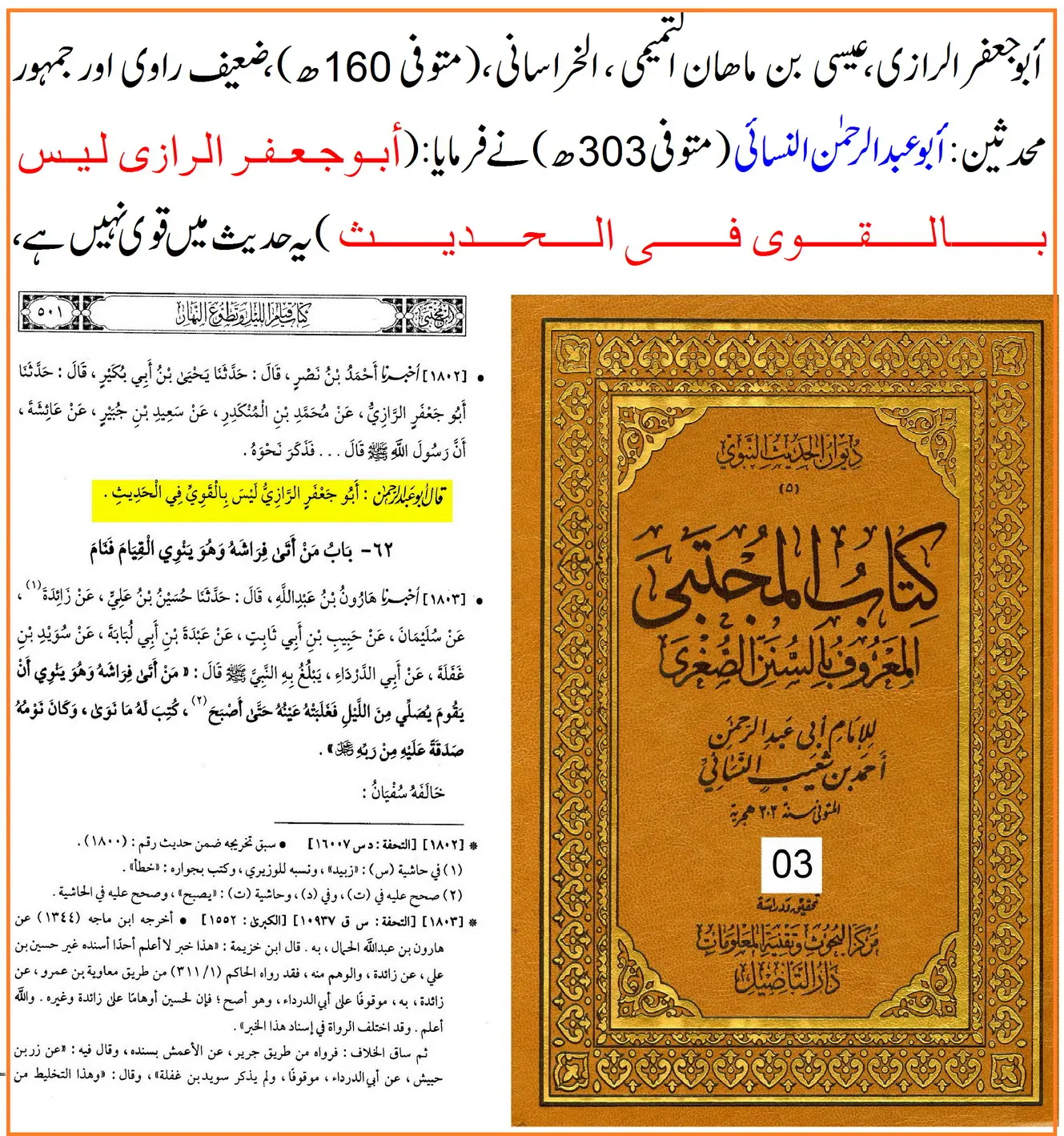
① Imām al-Nasāʾī (d. 303 AH):
"Abū Jaʿfar al-Rāzī is not strong in ḥadīth."
[Ref: Al-Sunan al-Ṣughrā li-Nasāʾī, Ḥadīth No. 1786]
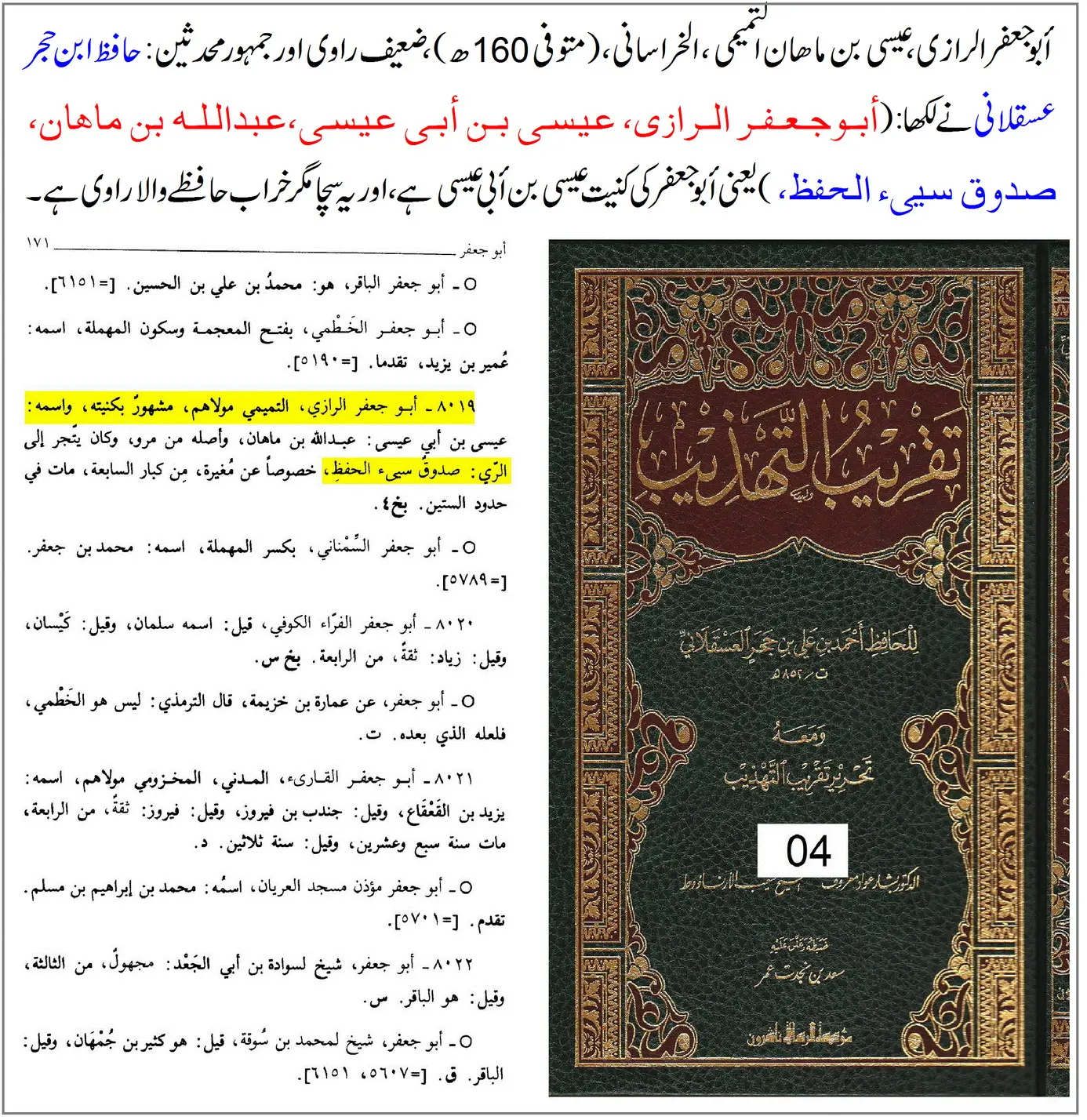
② Ḥāfiẓ Ibn Ḥajar al-ʿAsqalānī (d. 852 AH):
"He is truthful but has poor memory, especially when narrating from Mughīrah."
[Ref: Taqrīb al-Tahdhīb: 8019]
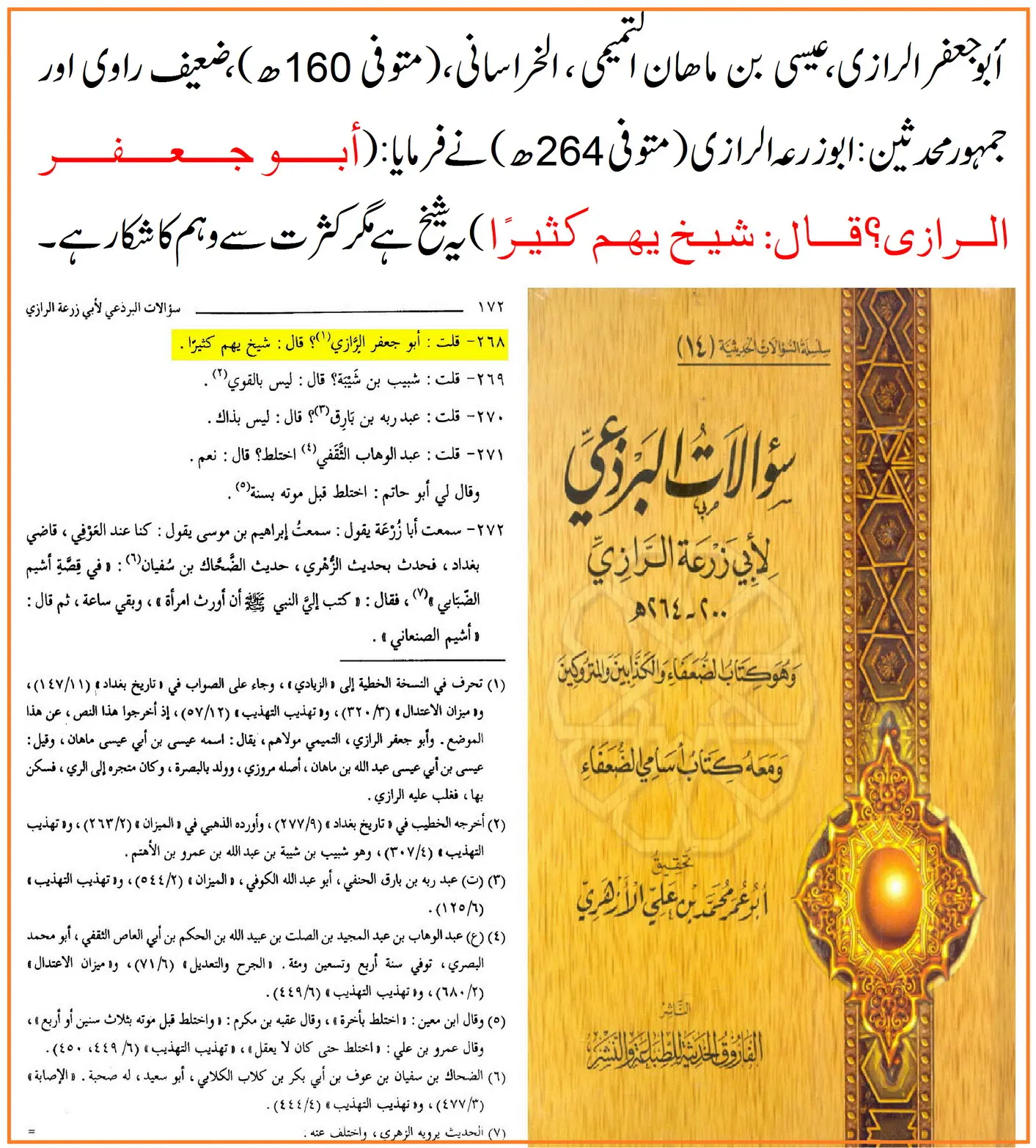
③ Imām Abū Zurʿah al-Rāzī (d. 264 AH):
"A shaykh who frequently errs."
[Ref: Suʾālāt al-Bardhaʿī li-Abī Zurʿah, No. 268]
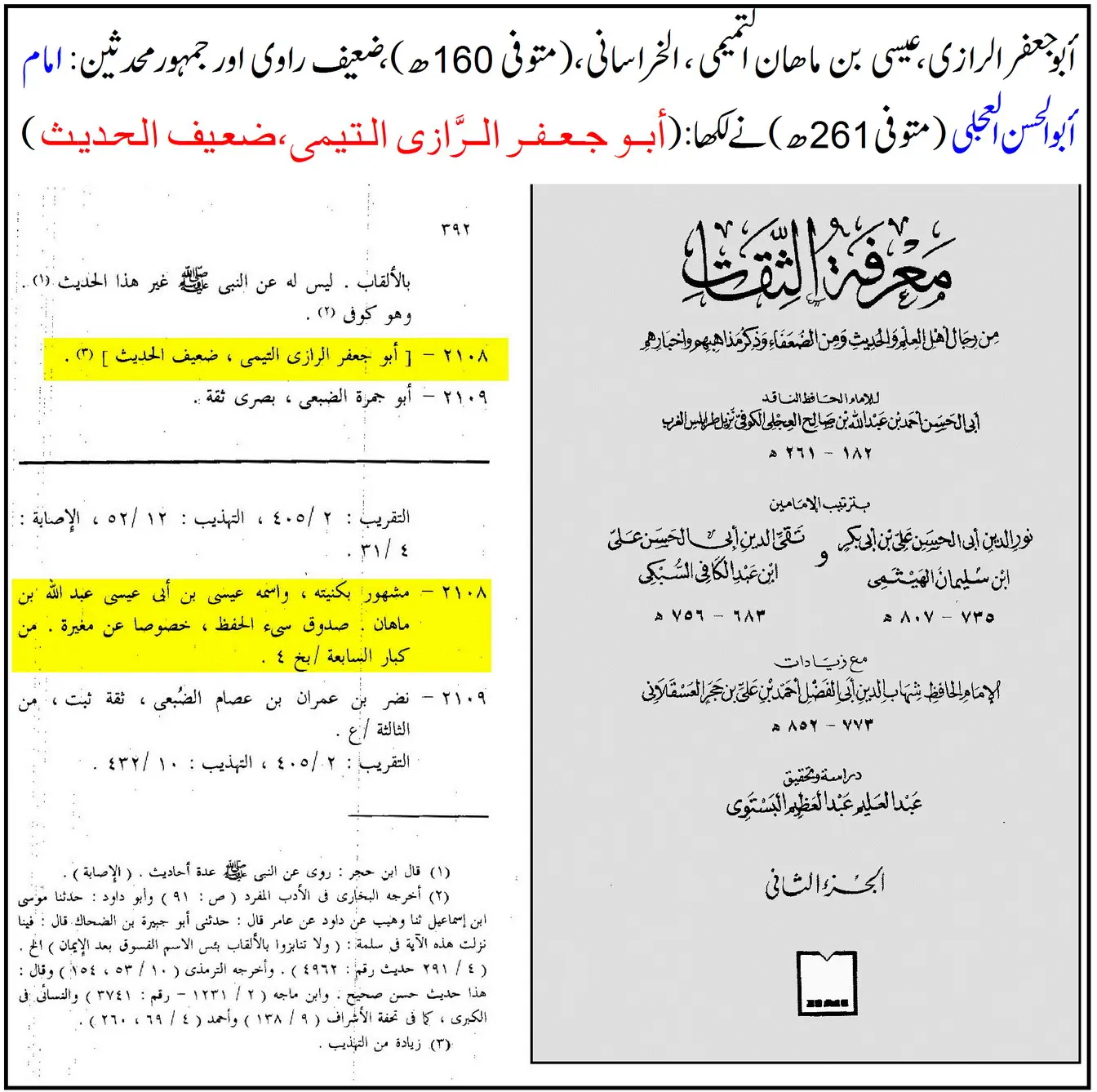
④ Imām al-ʿAjlī (d. 261 AH):
"Weak in ḥadīth."
[Ref: Maʿrifat al-Thiqāt, No. 2108]
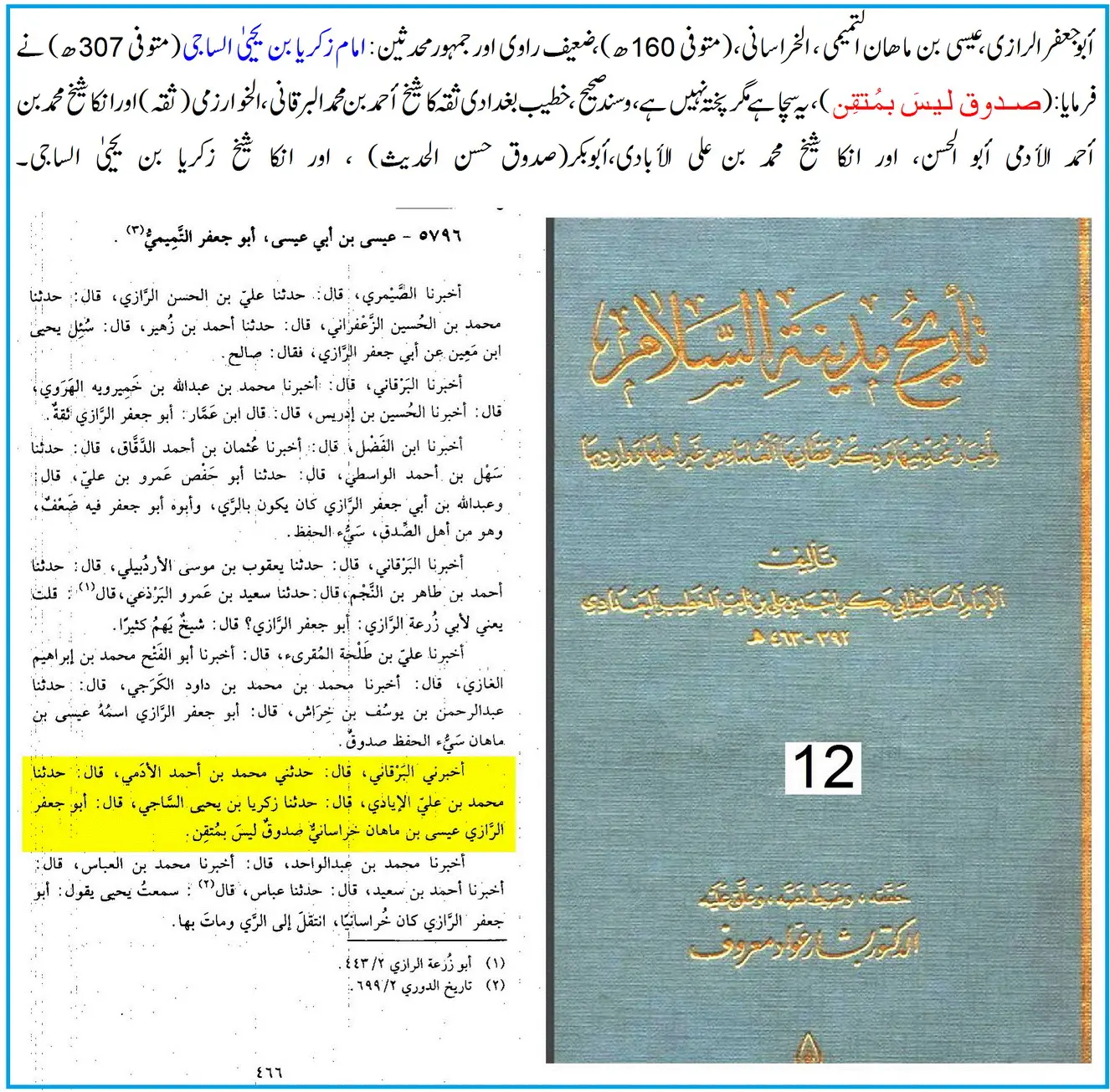
⑤ Imām al-Sājī (d. 307 AH):
"Truthful but not precise."
[Ref: Tārīkh Baghdād]
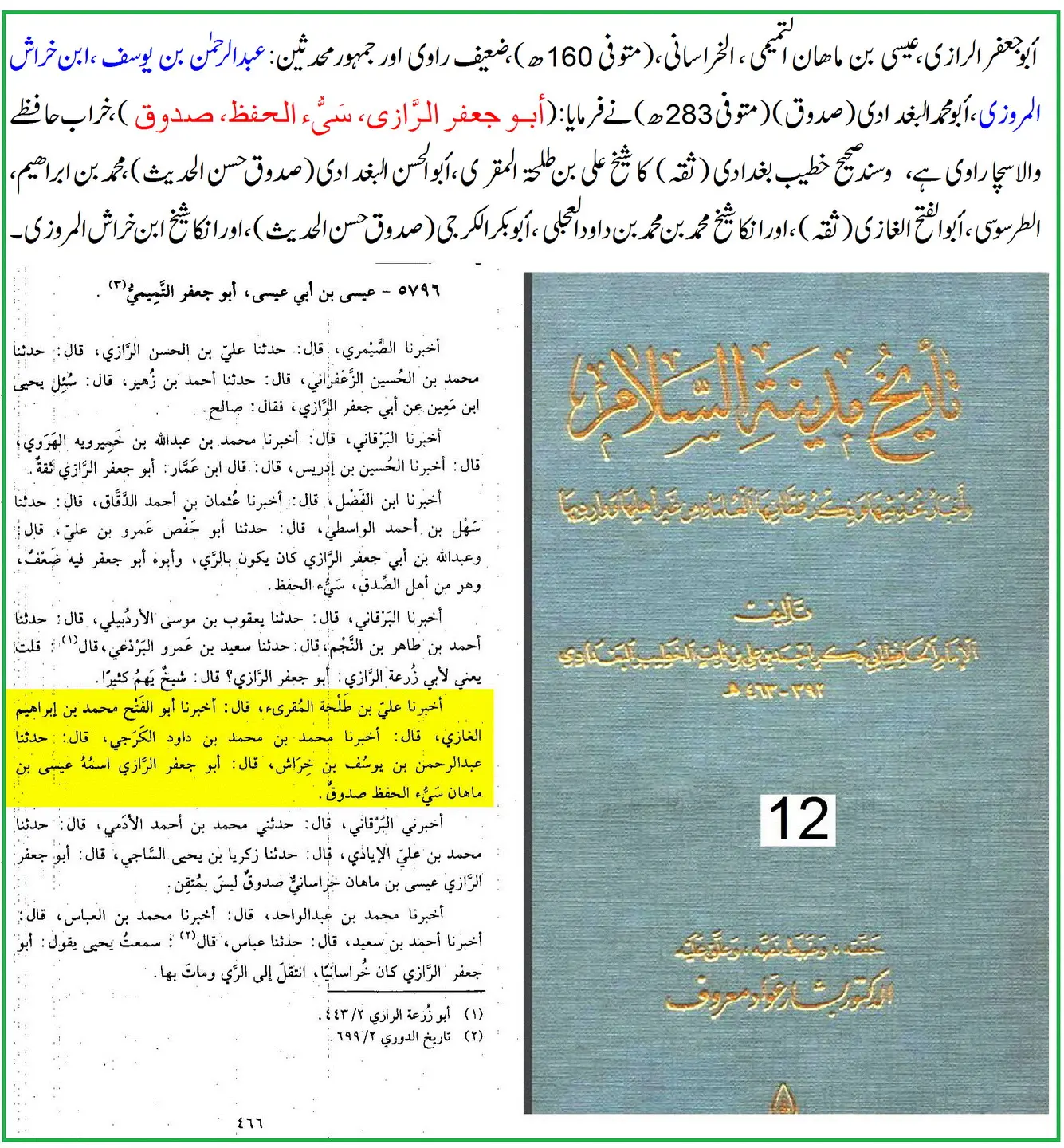
⑥ Imām Ibn Khirāsh (d. 283 AH):
"Truthful but very poor in memory."
[Ref: Tārīkh Baghdād]
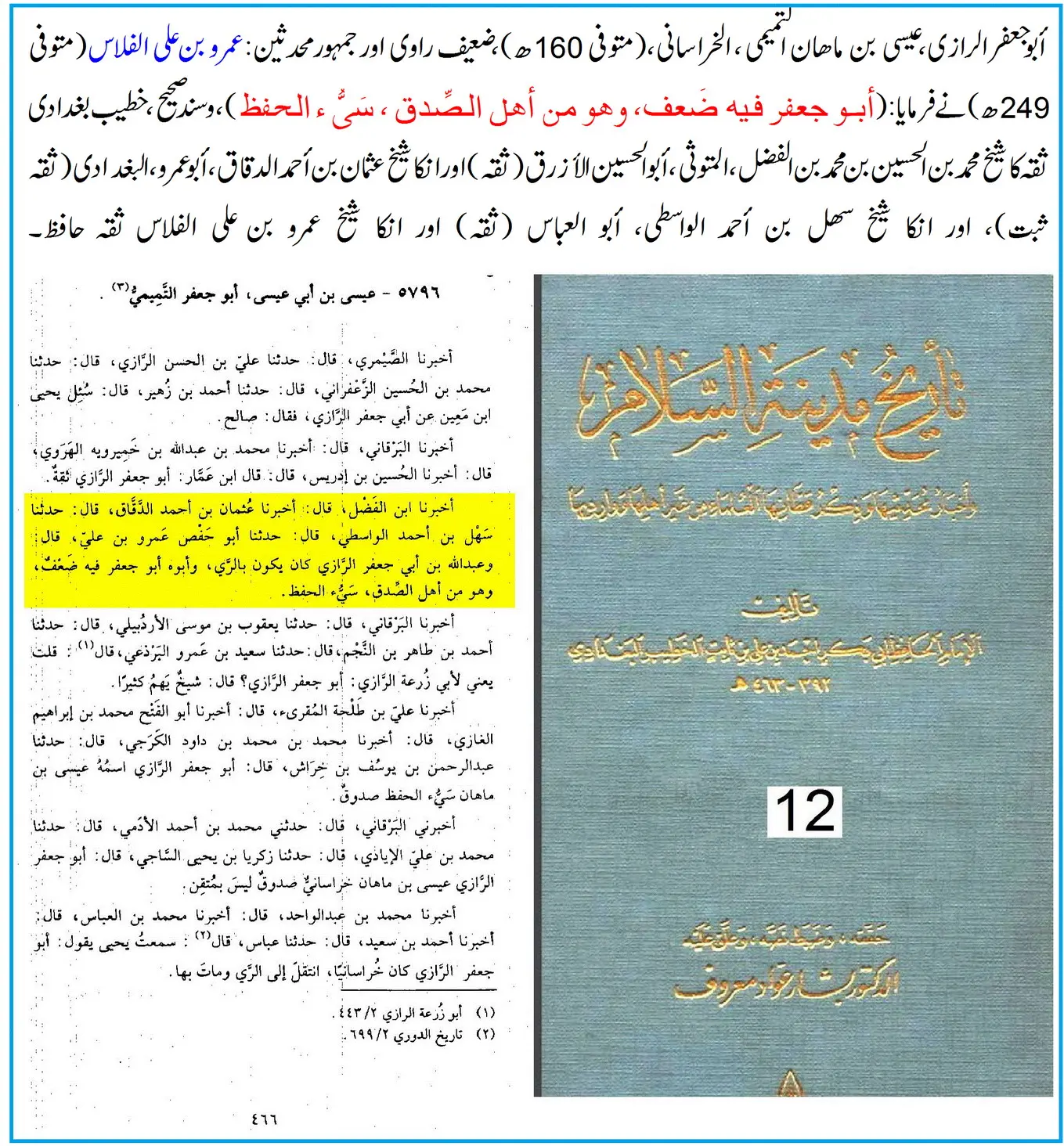
⑦ Imām ʿAmr ibn ʿAlī al-Fallās (d. 249 AH):
"He is weak, though truthful, with poor memory."
[Ref: Tārīkh Baghdād]
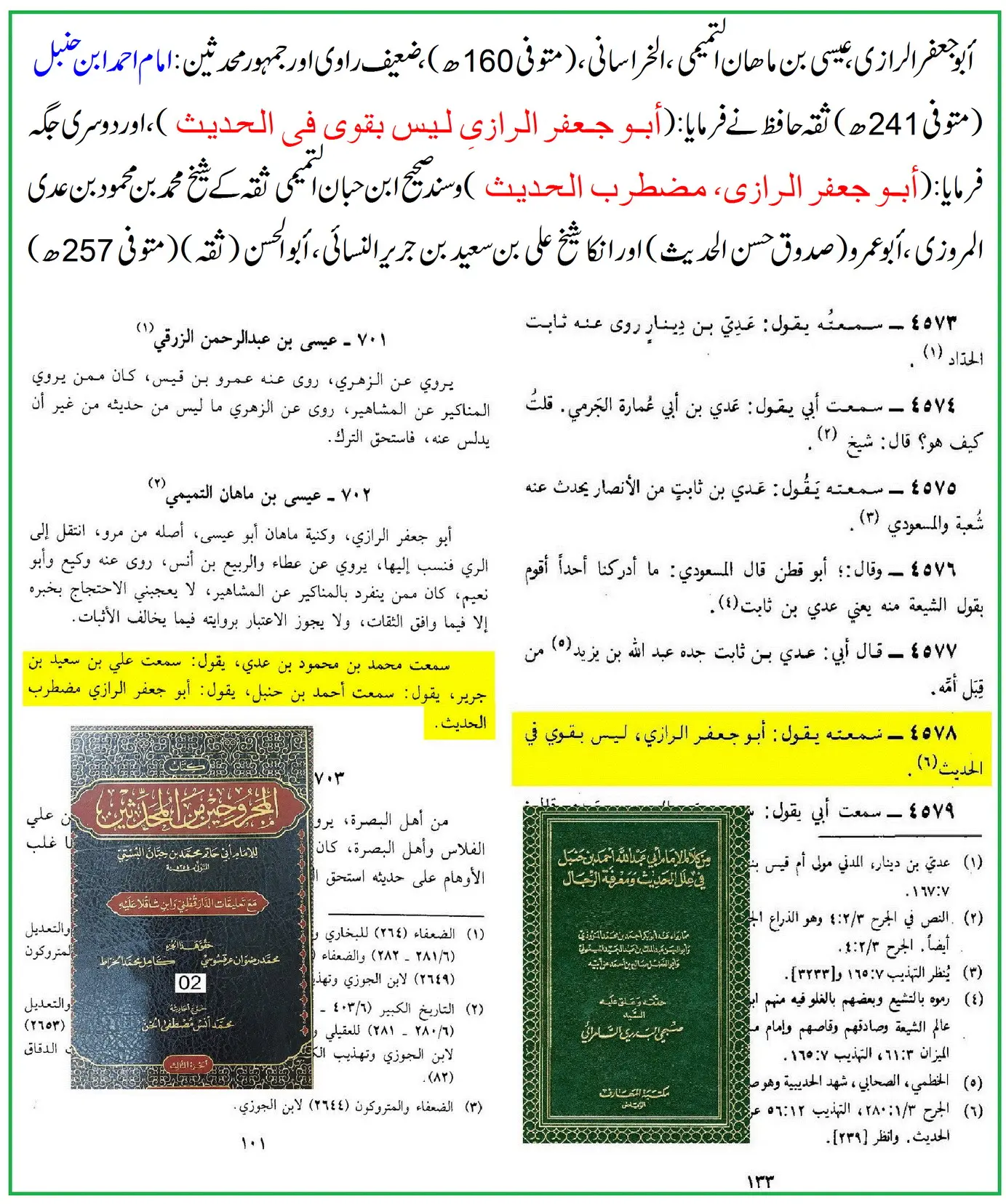
⑧ Imām Aḥmad ibn Ḥanbal (d. 241 AH):
"Not strong in ḥadīth, his narrations are confused."
[Ref: Al-ʿIlal wa Maʿrifat al-Rijāl]
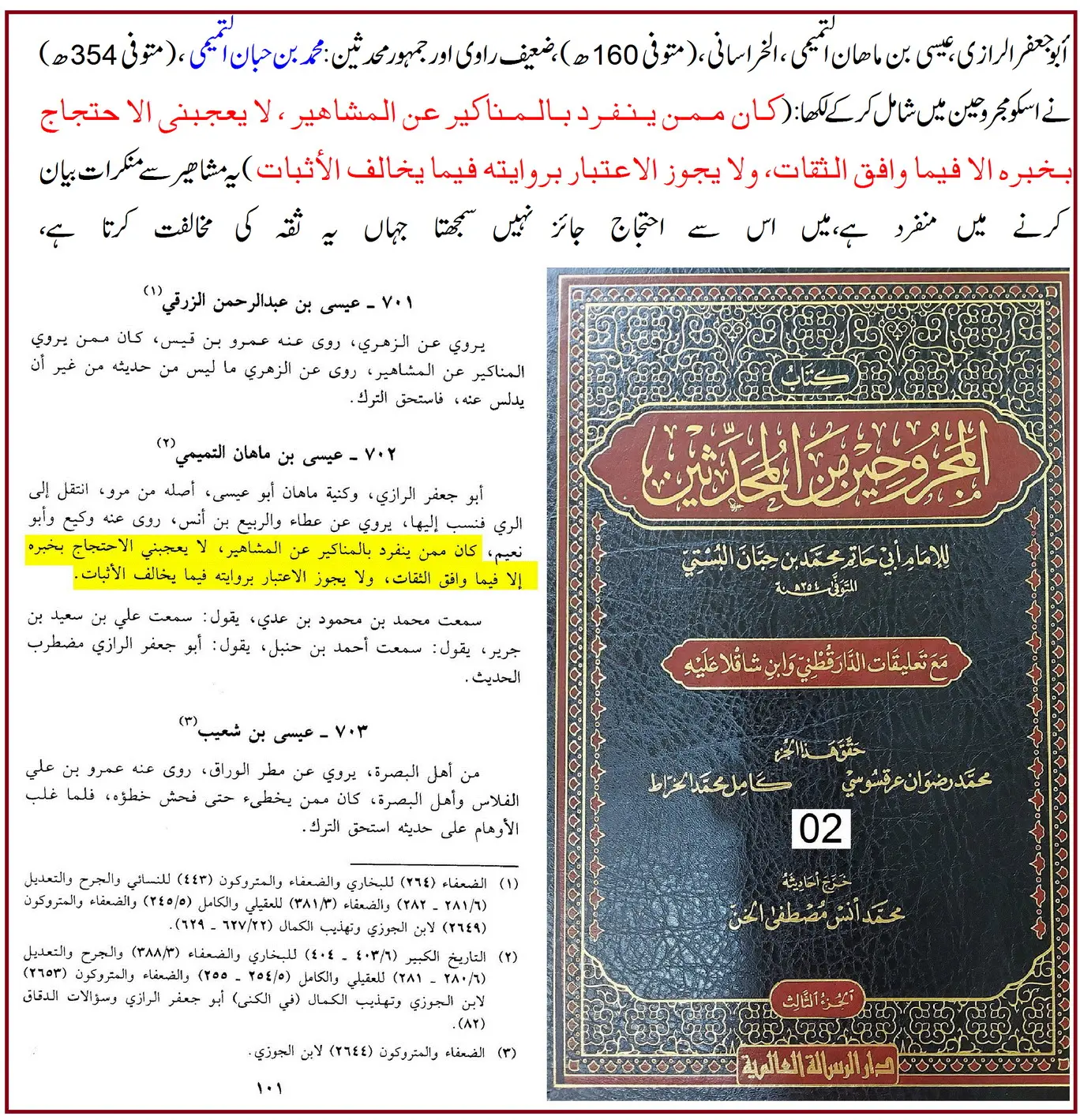
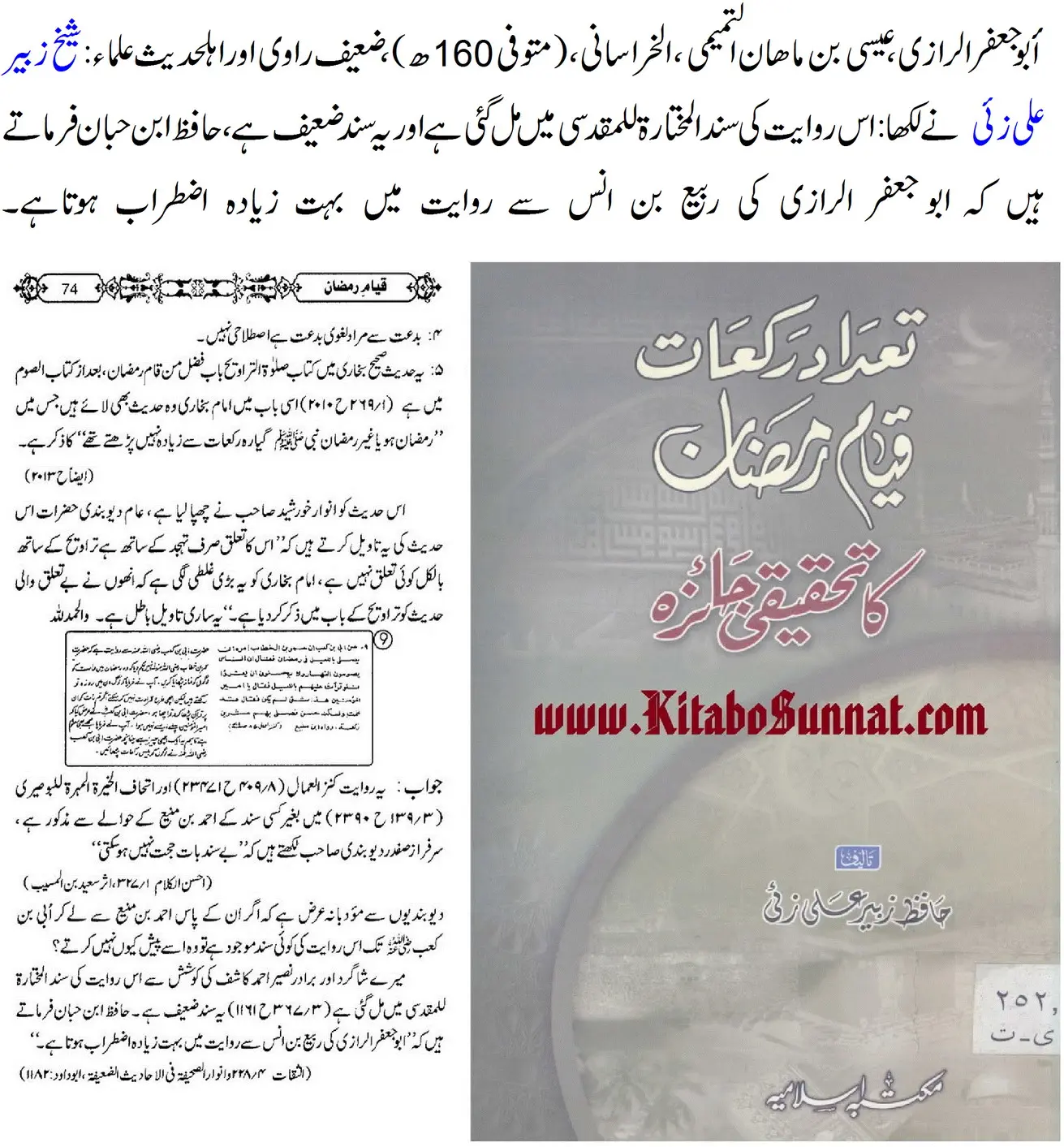
⑨ Imām Ibn Ḥibbān (d. 354 AH):
"He reports strange narrations from famous narrators. I do not consider his narrations valid unless supported by reliable narrators."
[Ref: Al-Majrūḥīn, No. 706]
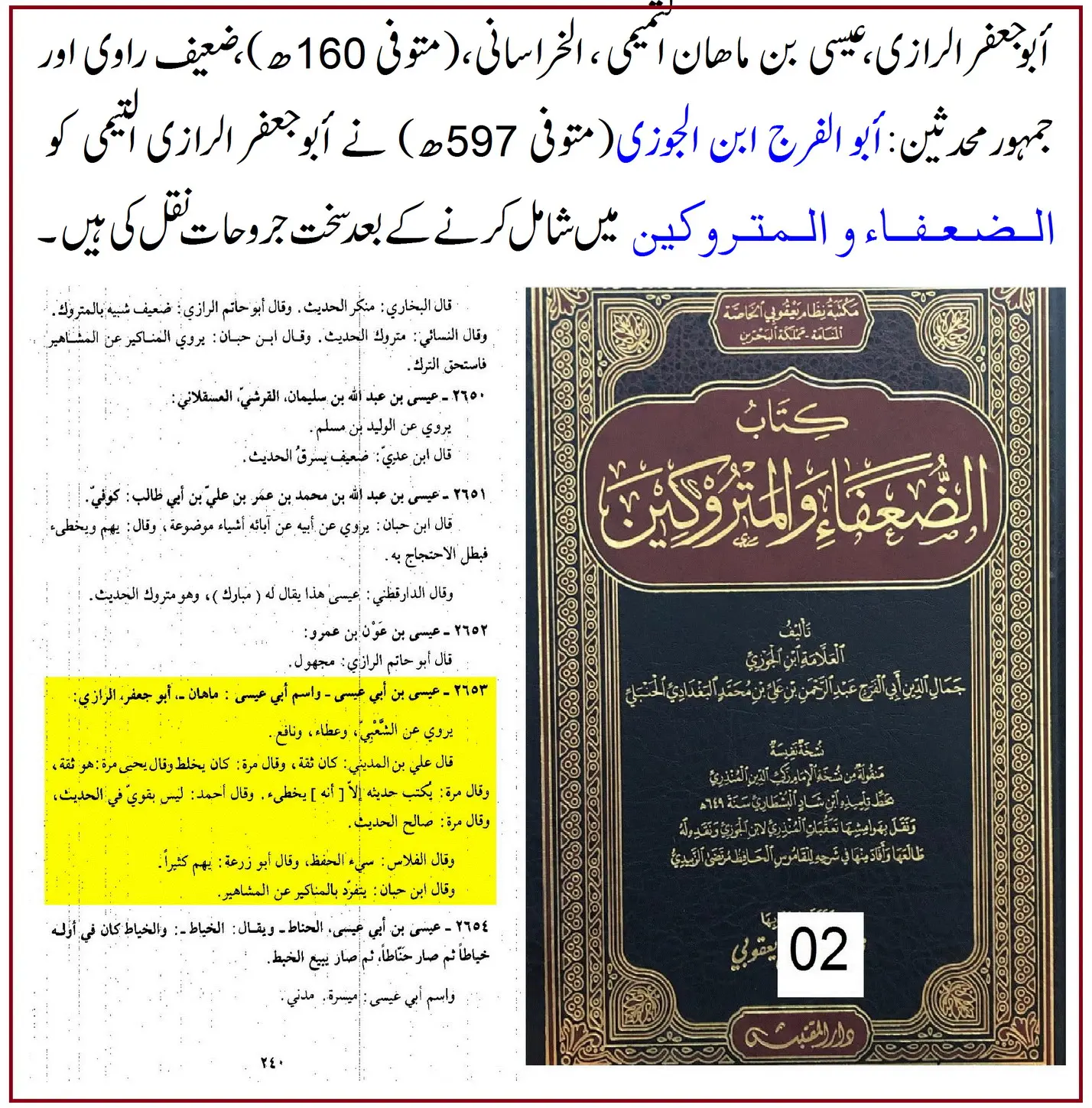
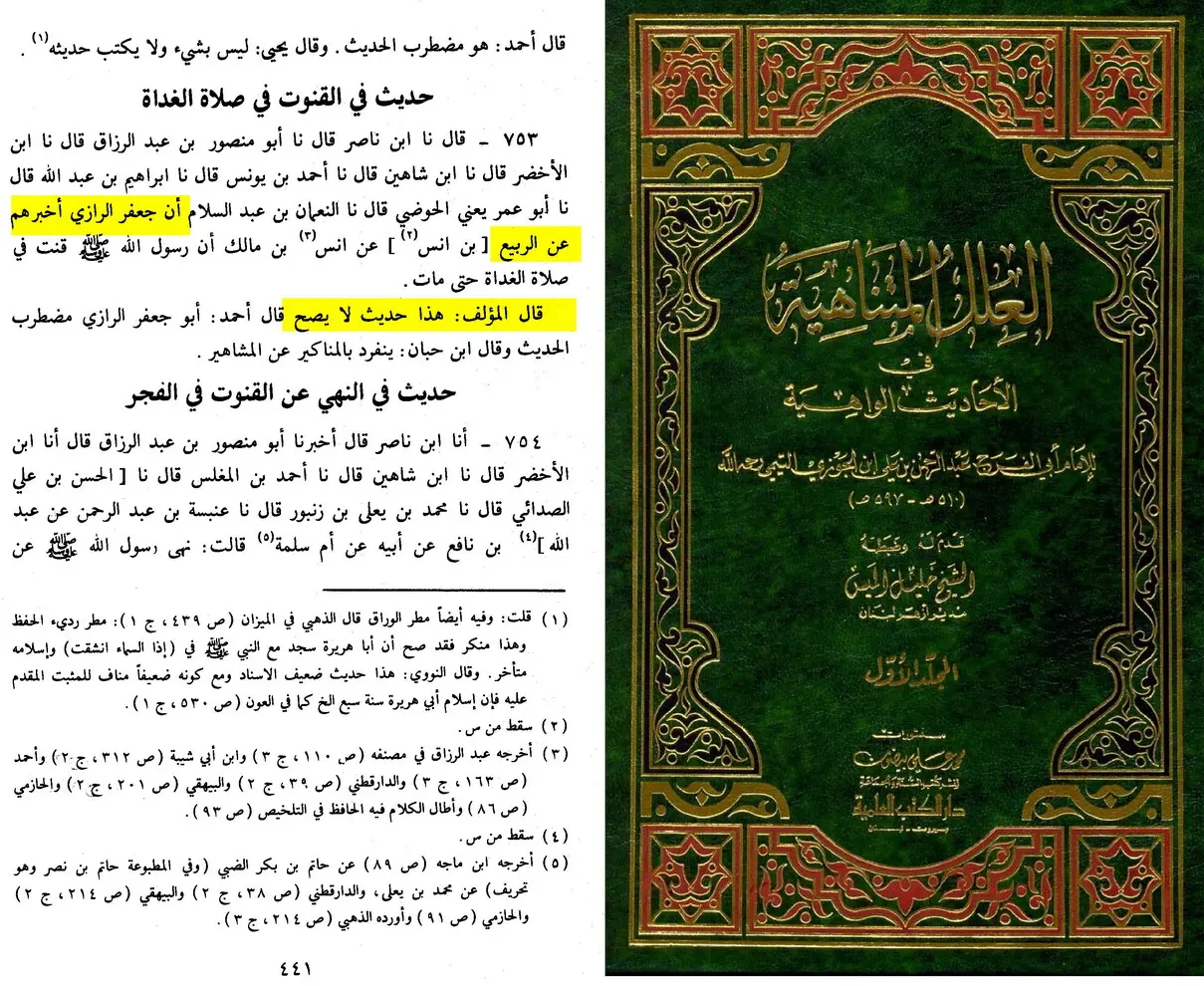
⑩ Ibn al-Jawzī (d. 594 AH):
"He is confused in ḥadīth and narrates many rejected reports."
[Ref: Al-ʿIlal al-Mutanāhiyah, No. 1338]
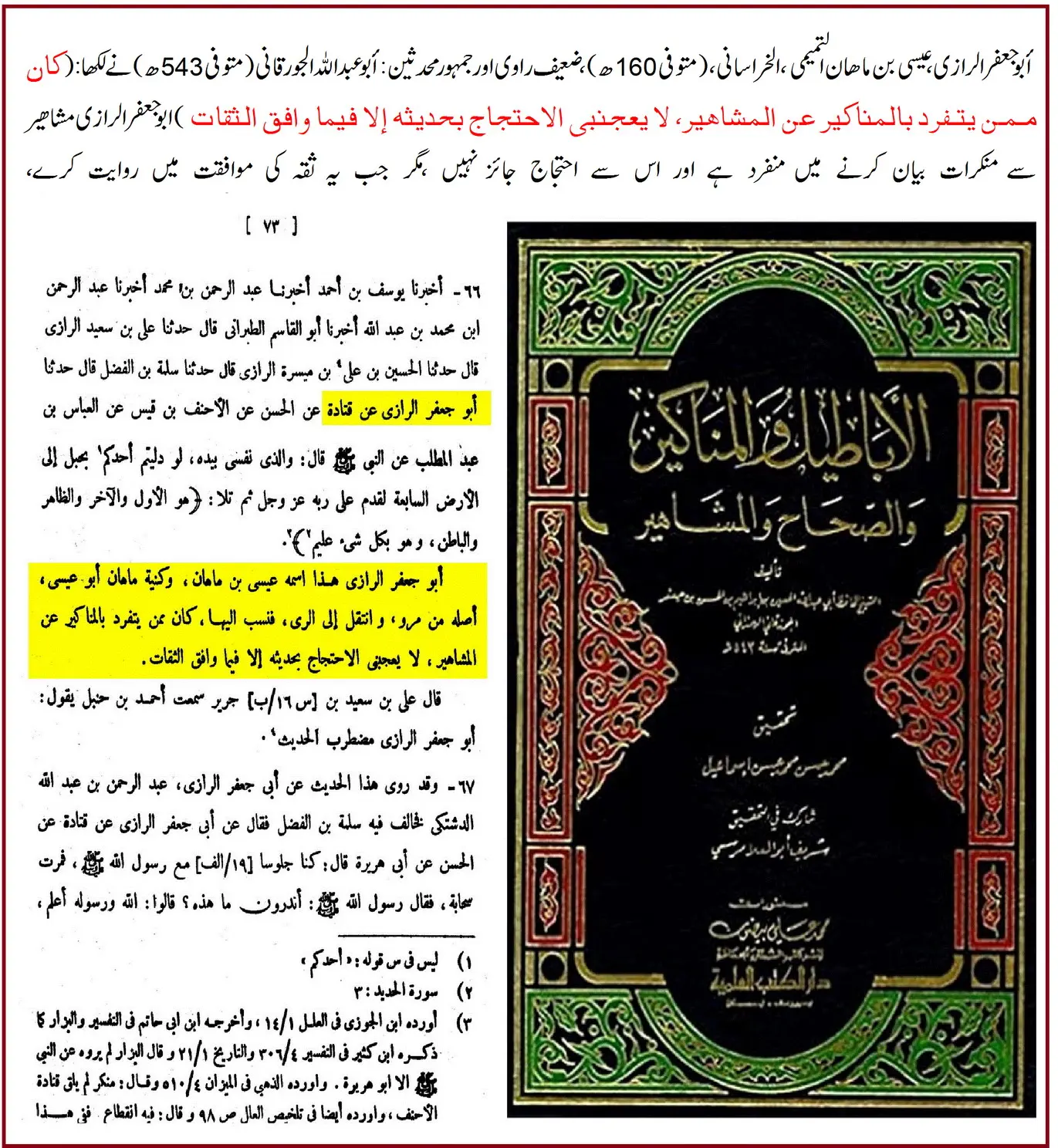
⑪ Imām al-Jawraqānī (d. 543 AH):
"Narrates strange things from well-known narrators. His narrations are not accepted unless supported."
[Ref: Al-Abāṭīl wal-Manākīr]
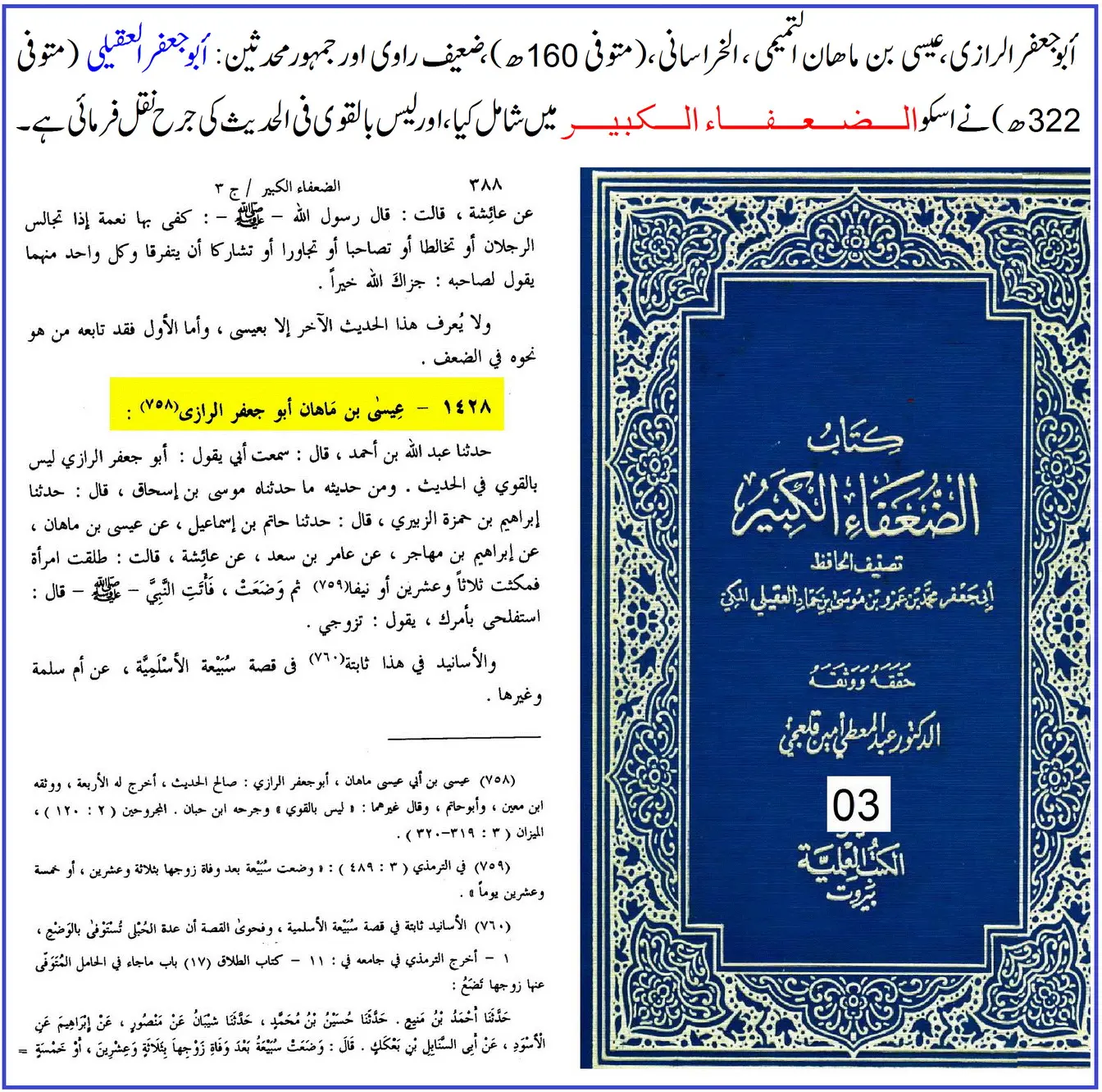
⑫ Imām al-ʿAqīlī (d. 322 AH):
"Not strong in ḥadīth."
[Ref: Al-Ḍuʿafāʾ al-Kabīr, No. 1428]
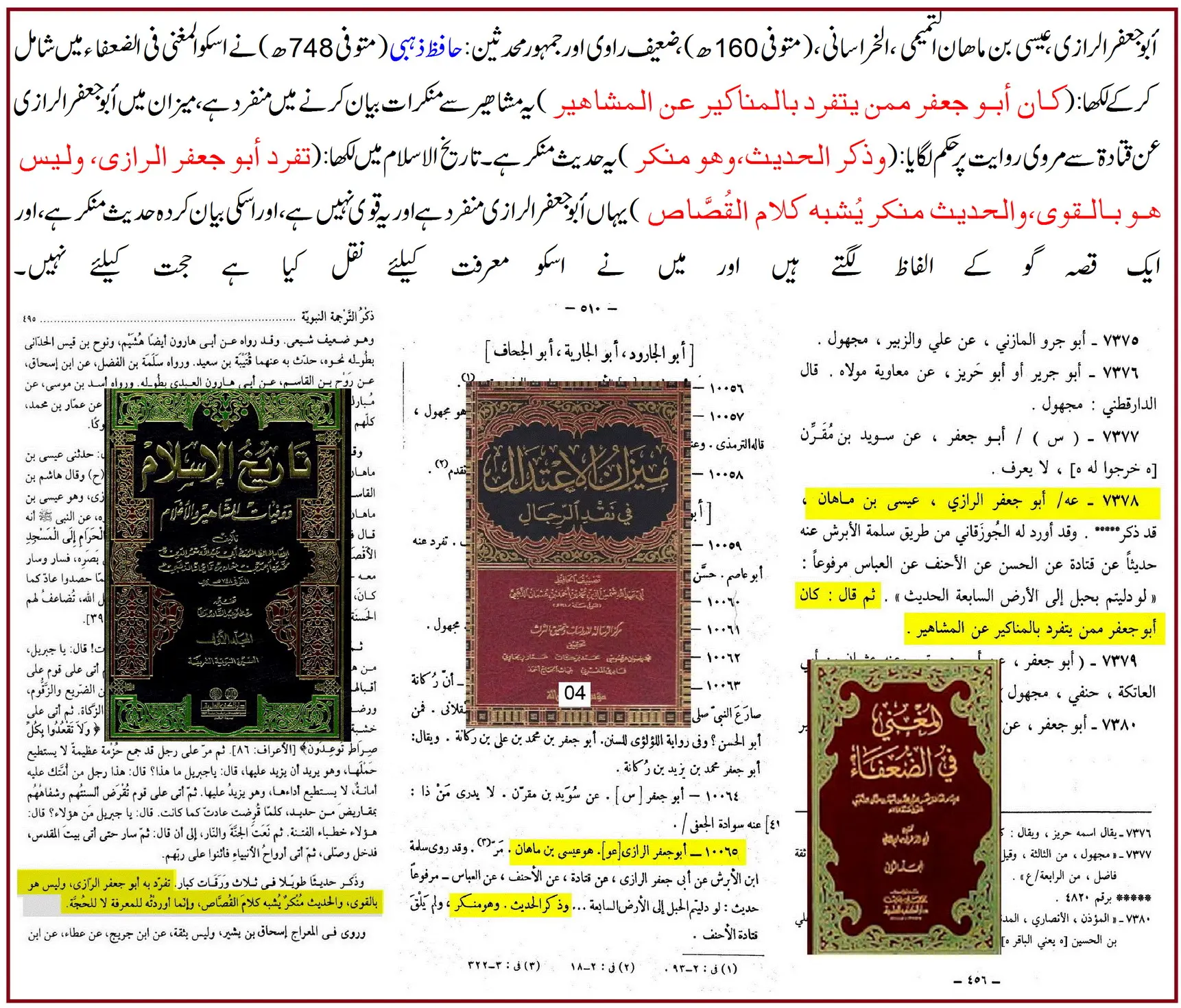
⑬ Ḥāfiẓ al-Dhahabī (d. 748 AH):
"Not strong, and his unique reports are considered munkar."
[Ref: Mīzān al-Iʿtidāl]
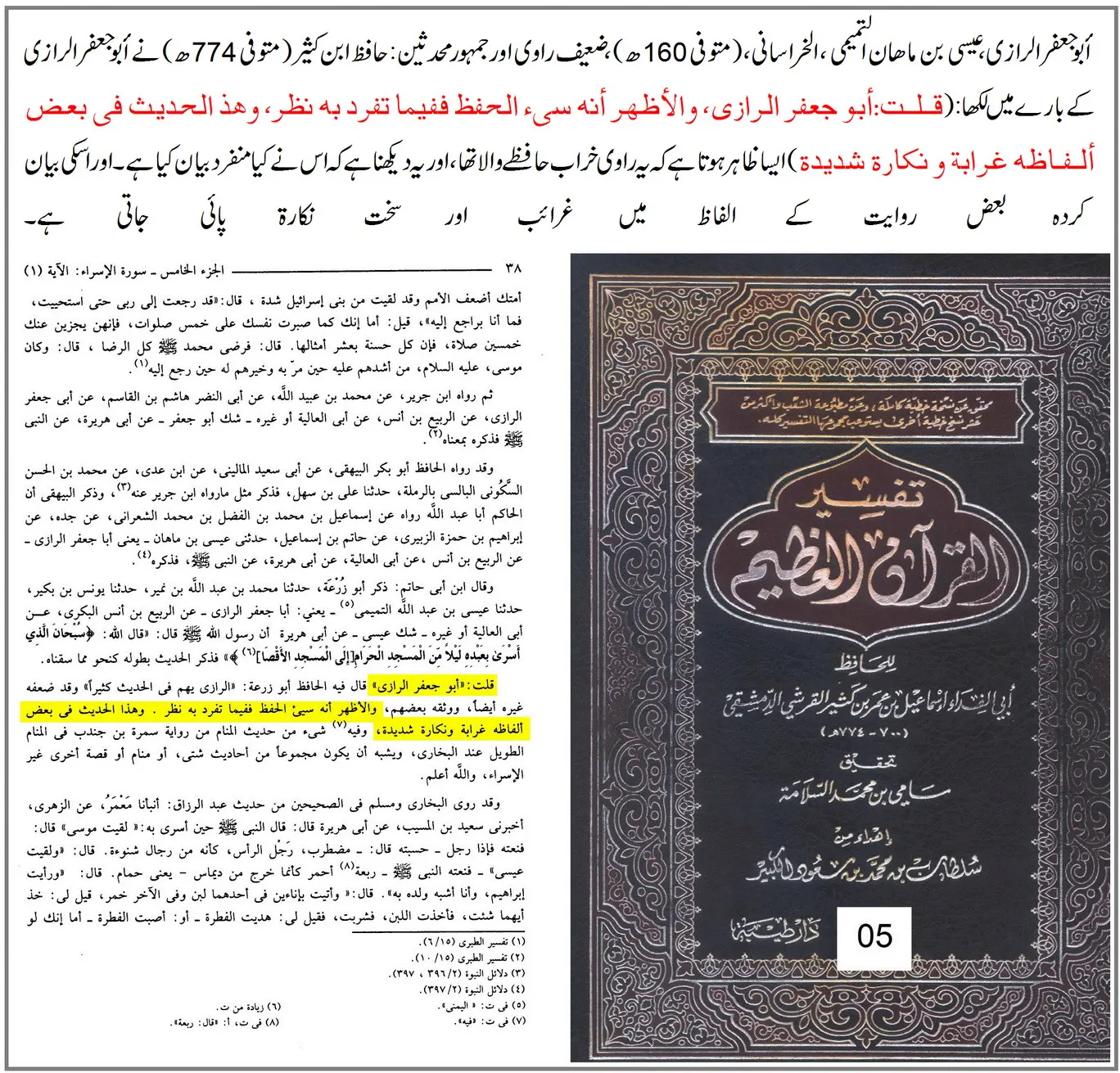
⑭ Ibn Kathīr (d. 774 AH):
"Apparently, he has poor memory. His unique narrations are odd and severely rejected."
[Ref: Tafsīr Ibn Kathīr]
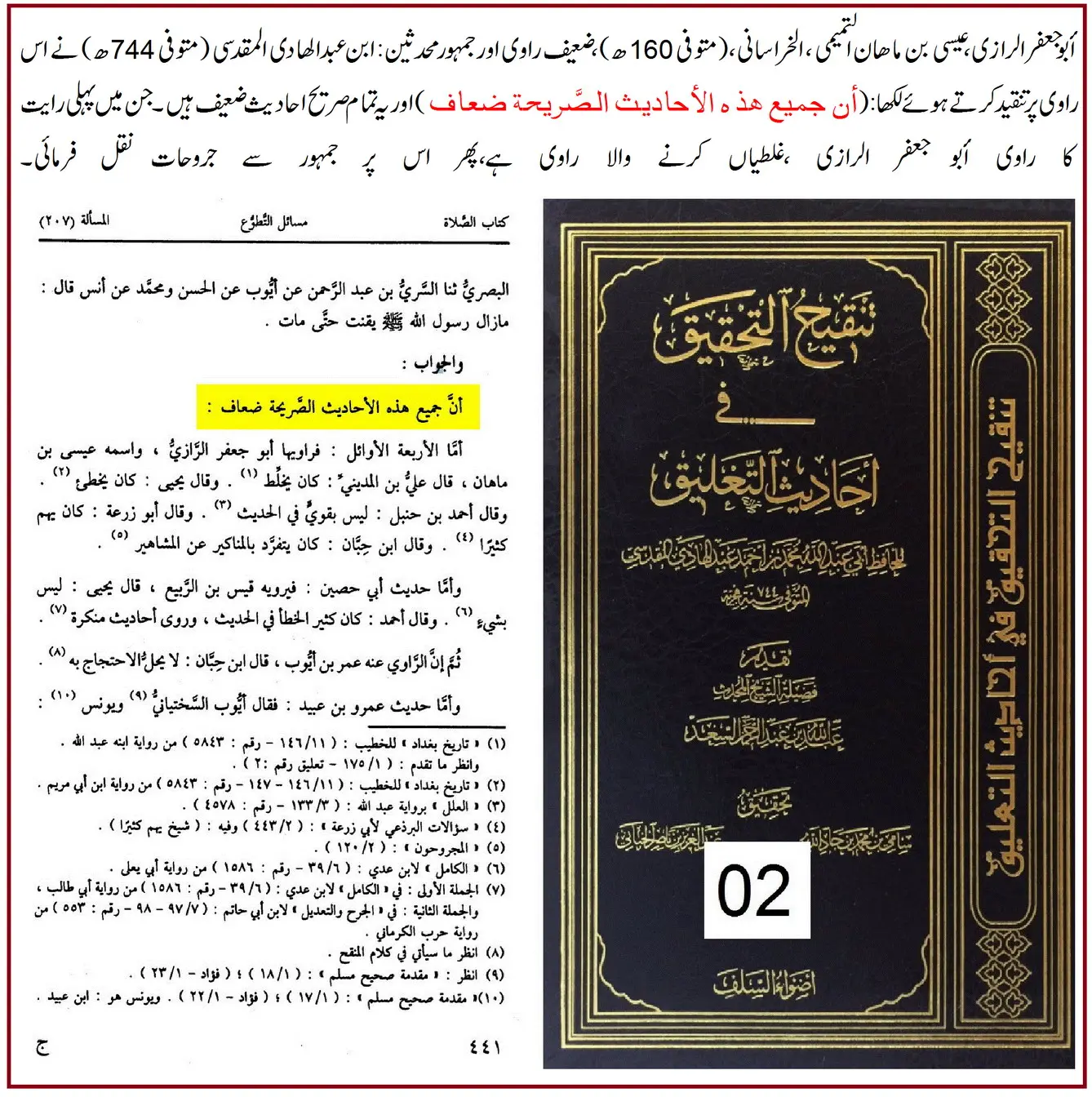
⑮ Ibn ʿAbd al-Hādī al-Maqdisī (d. 744 AH):
"These narrations are weak; Abū Jaʿfar al-Rāzī would confuse and err."
[Ref: Tanqīḥ al-Taḥqīq]
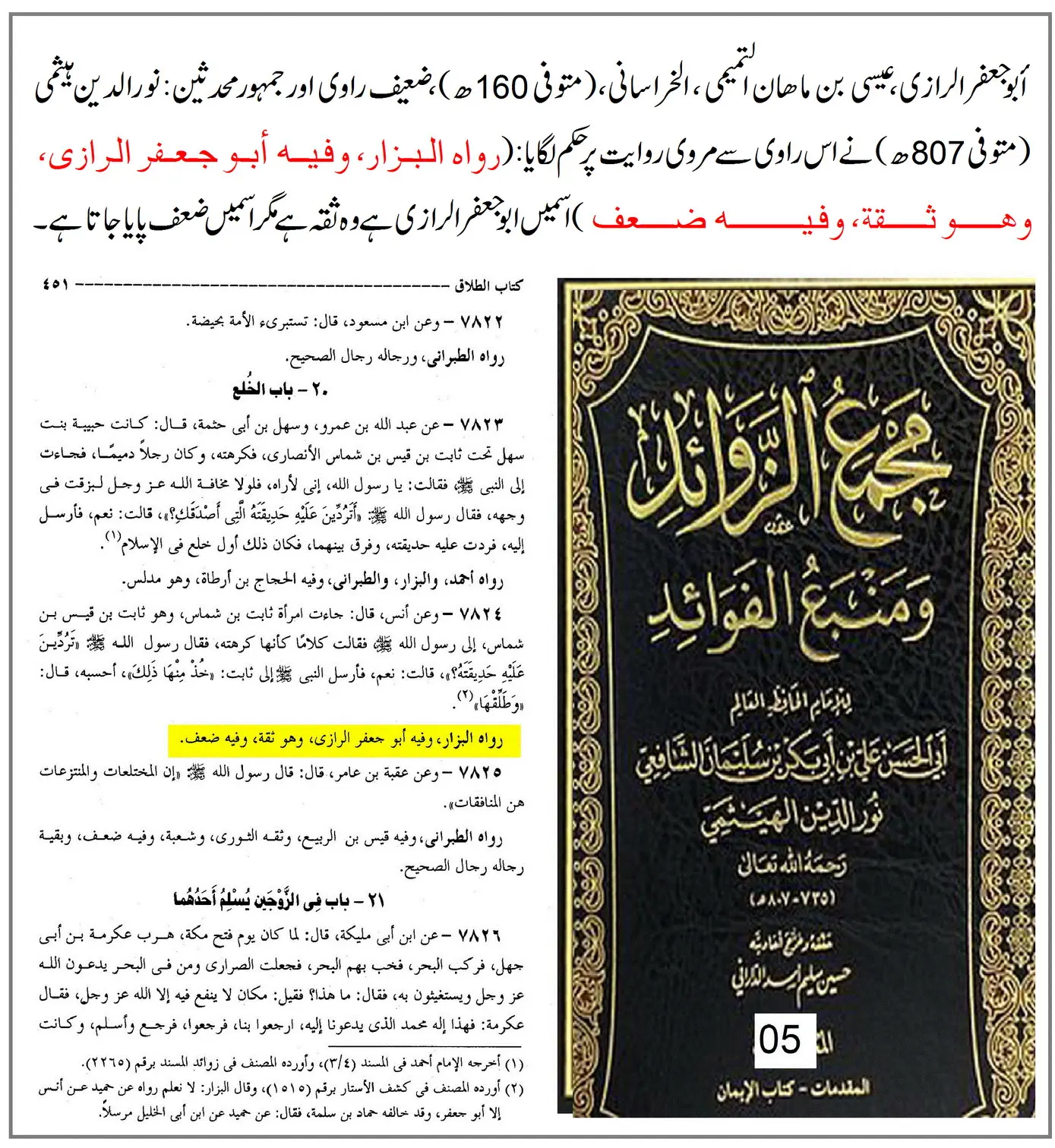
⑯ Nūr al-Dīn al-Haythamī (d. 807 AH):
"He is trustworthy but also weak."
[Ref: Majmaʿ al-Zawāʾid]
⑰ Ḥāfiẓ Ibn Ḥajar (d. 852 AH) again:
"Truthful but with poor memory."
[Ref: Taqrīb al-Tahdhīb]
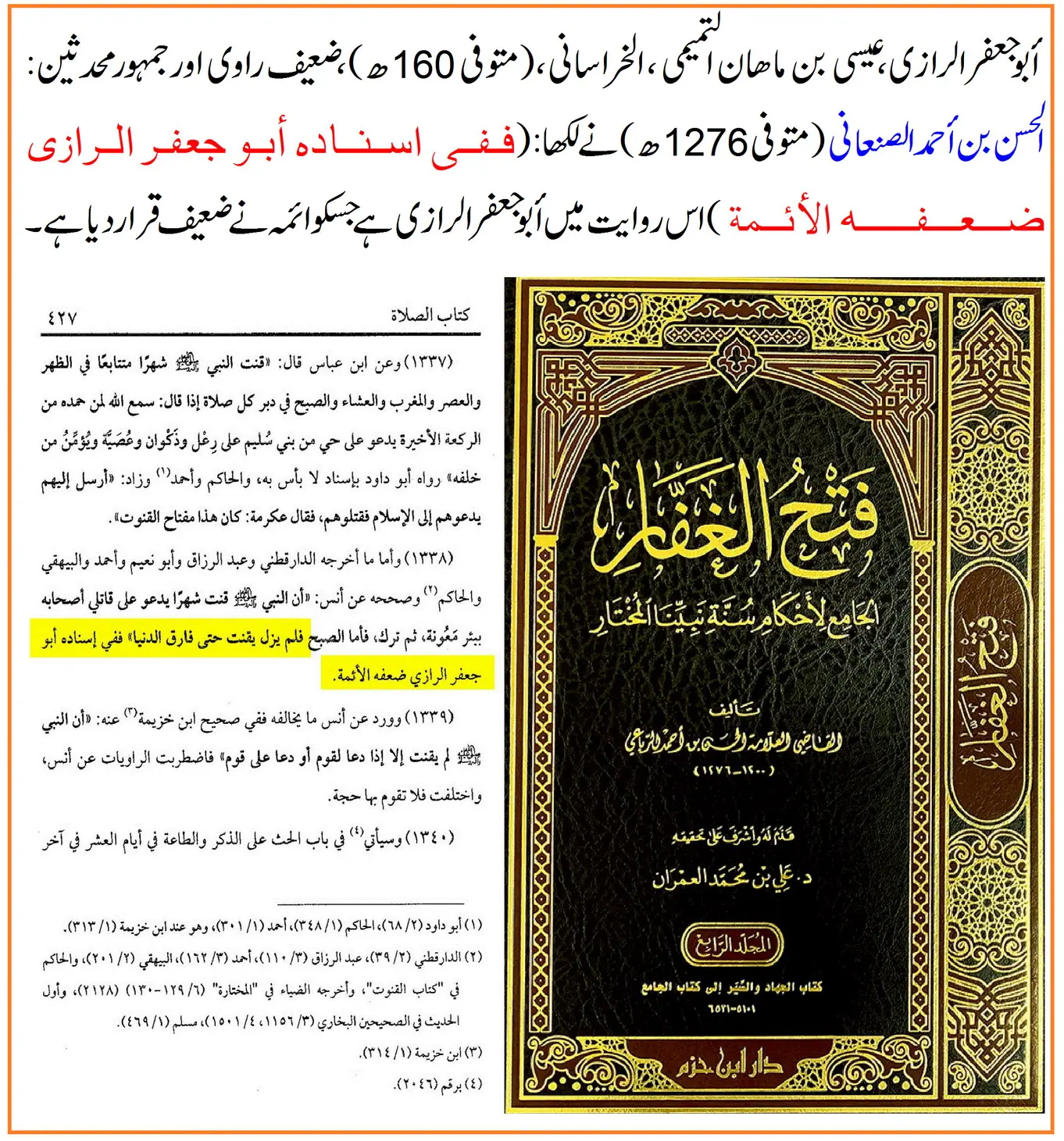
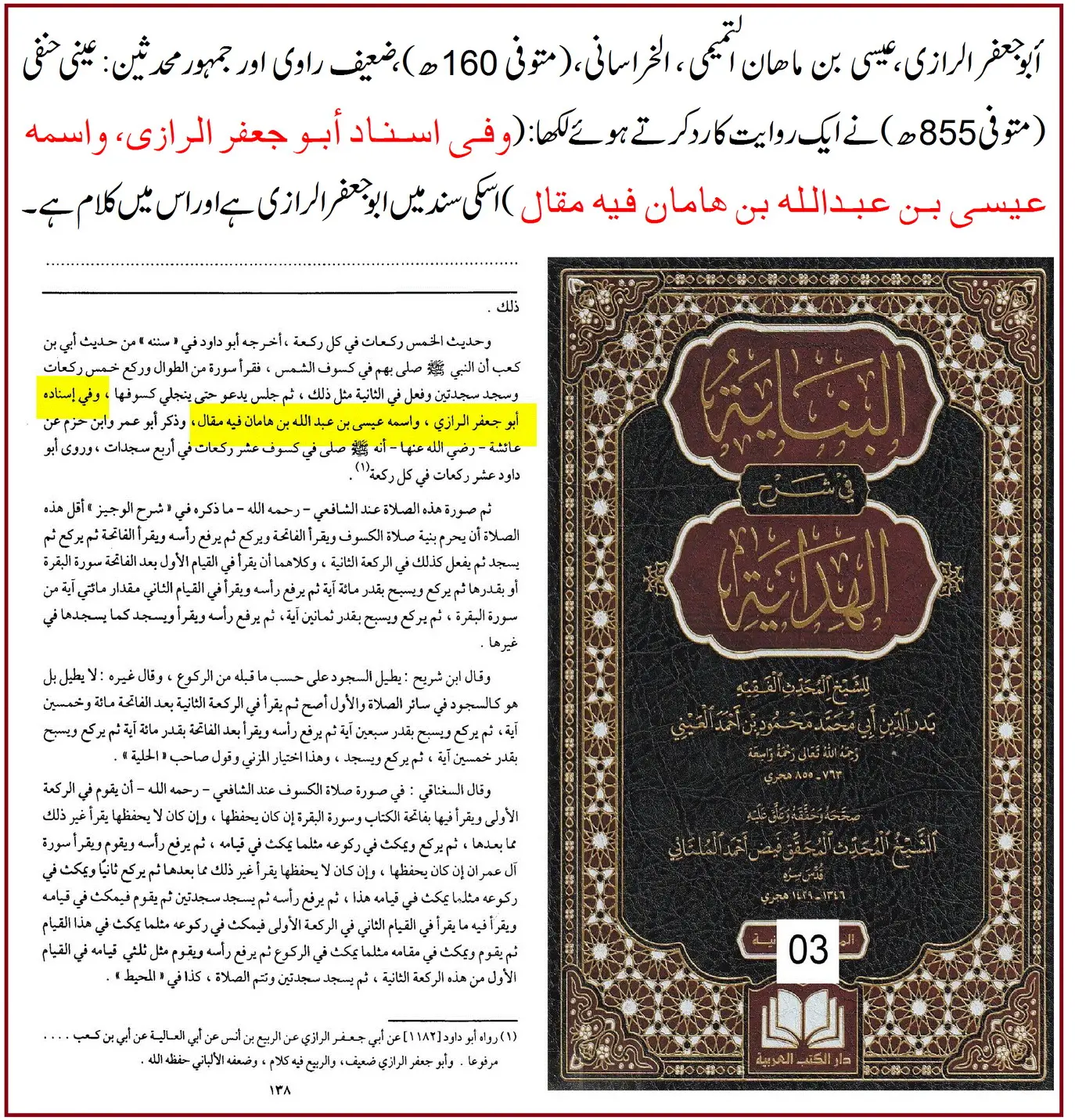
⑱ ʿAllāmah ʿAynī al-Ḥanafī (d. 855 AH):
"There is criticism on Abū Jaʿfar al-Rāzī."
[Ref: Al-Bināyah Sharḥ al-Hidāyah]
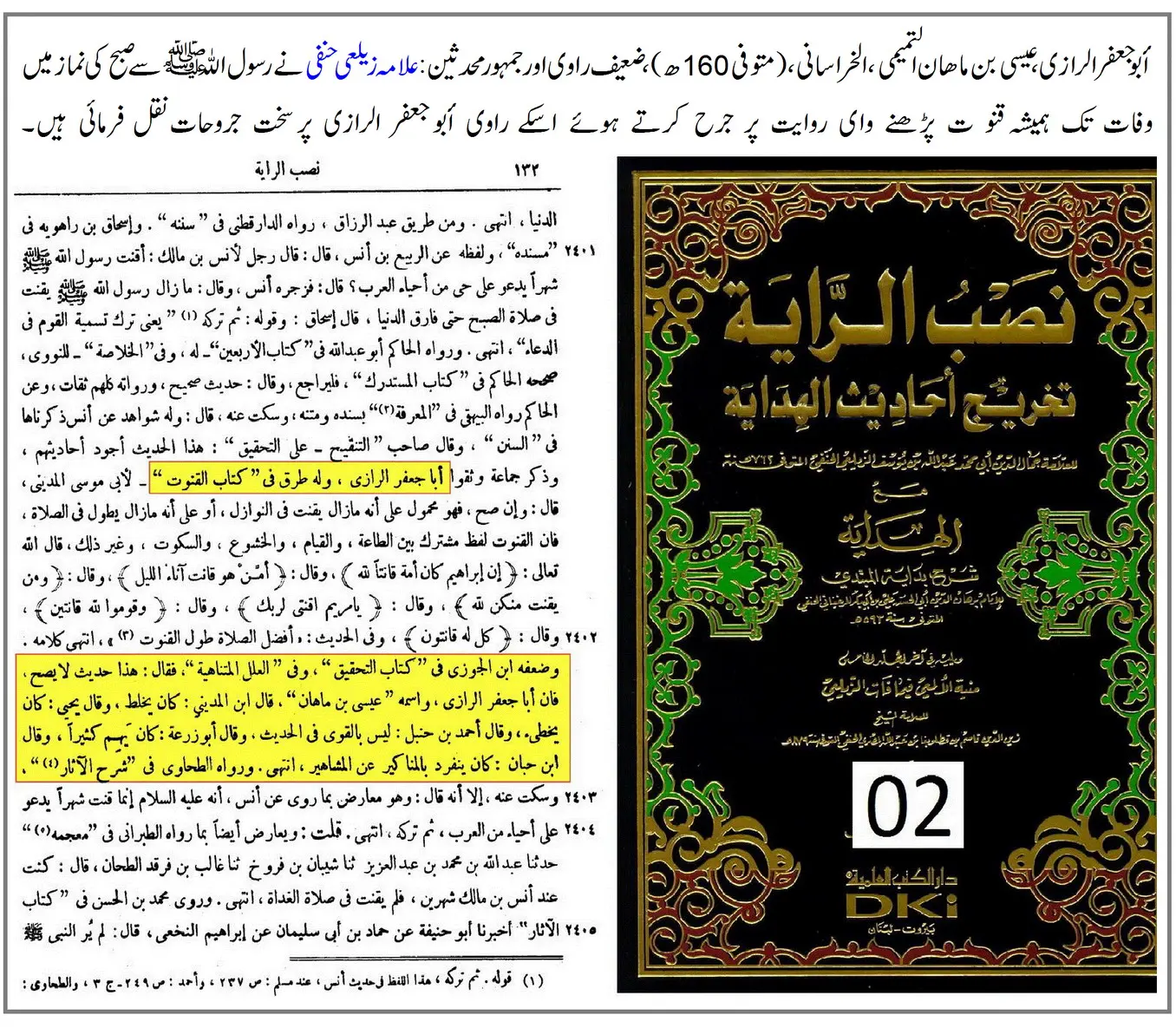
⑲ ʿAllāmah Zaylaʿī al-Ḥanafī (d. 762 AH):
"He is weak, not strong, and confused in narrations."
[Ref: Naṣb al-Rāyah]
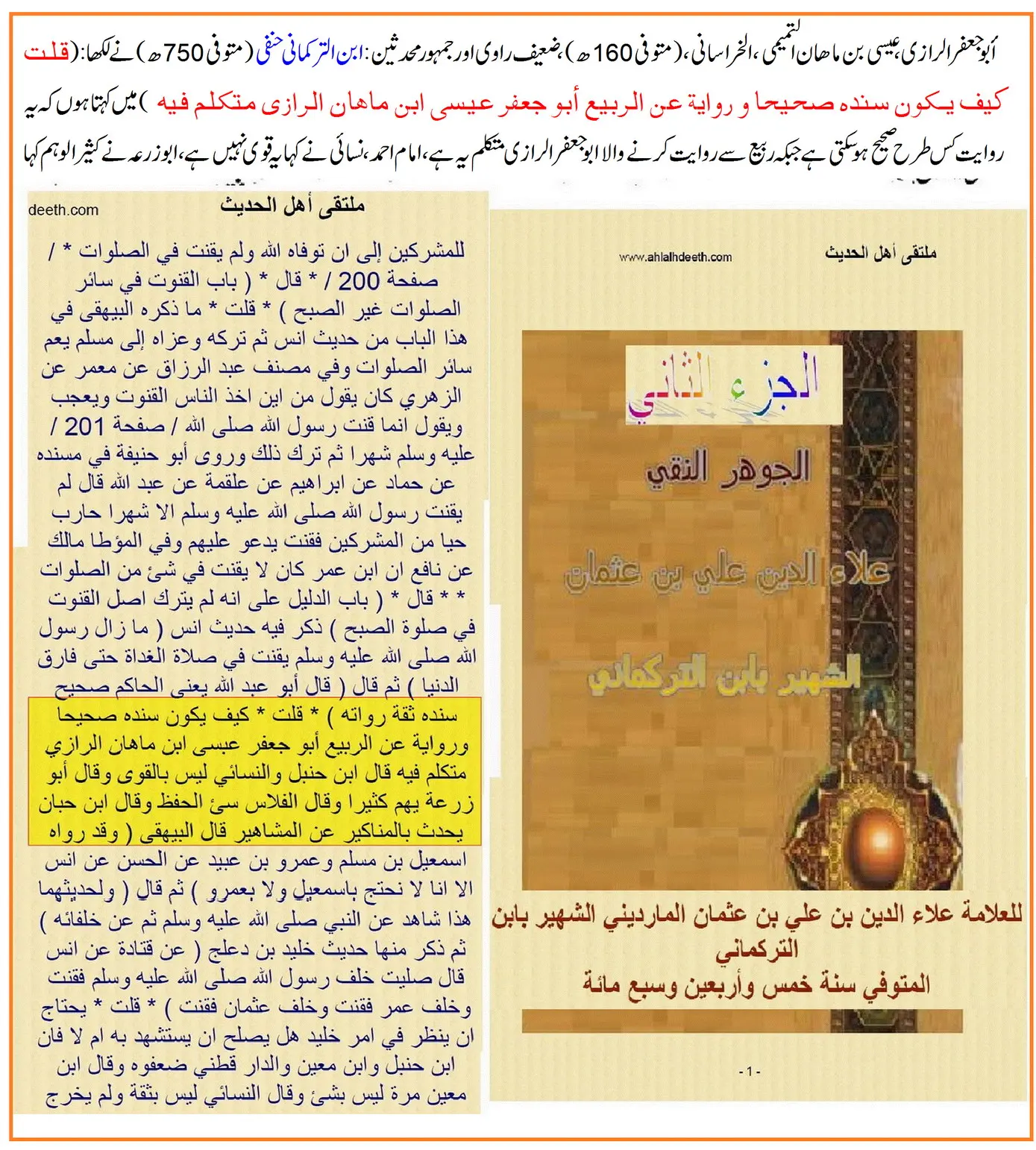
⑳ Ibn Turkumānī al-Ḥanafī (d. 750 AH):
"He errs often, has poor memory, and is not strong."
[Ref: Al-Jawhar al-Naqī]
㉑ Ibn al-Jawzī (repeated):
"He is confused in ḥadīth and narrates munkar reports."
[Ref: Al-Ḍuʿafāʾ wal-Matrūkūn]
 Conclusion
It is abundantly clear from the above scholarly analysis that Abū Jaʿfar al-Rāzī has been harshly criticized by the leading scholars of ḥadīth, and is described as:
- Poor memory
- Error-prone
- Confused in narrations
- Narrator of munkar (rejected) reports
Thus, the **narration attributed to Ubayy ibn Kaʿb رضي الله عنه about leading twenty rakʿahs of Tarawih in congregation under the command of ʿUmar رضي الله عنه is not reliable, but weak (ḍaʿīf) and munkar.