The Claim: “Mercy Descends When the Righteous Are Mentioned” – A Critical Analysis
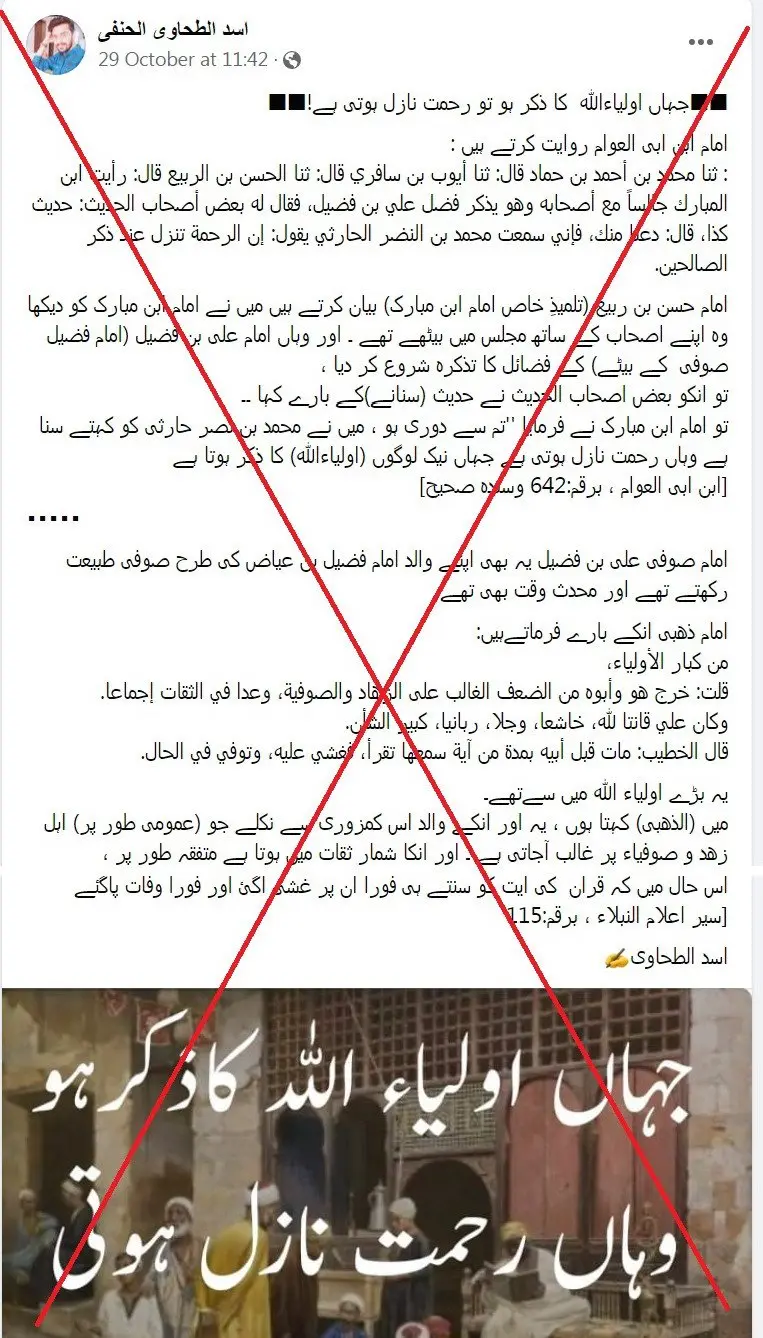
Compiled by: Abū Ḥamzah SalafīThe Ḥanafī scholars present a narration stating that when the righteous are mentioned, mercy descends. Based on this narration, they adopt the position that instead of narrating aḥādīth, it is superior to mention the virtues and merits of saints and righteous individuals, because mercy descends at their mention.
However, when the sources and chain of transmission of this narration are examined carefully, it becomes clear that it is not authentically established. The leading scholars of ḥadīth have declared it fabricated or at the very least unreliable.
The Evidence Presented by the Ḥanafīs
The Ḥanafīs present a narration attributed to Ibn al-Mubārak رحمه الله:Arabic Text
قال الحسن بن الربيع: رأيت ابن المبارك جالساً مع أصحابه وهو يذكر فضل علي بن فضيل، فقال له بعض أصحاب الحديث: حديث كذا؟ فقال: دعنا منك، فإني سمعت محمد بن النضر الحارثي يقول: عند ذكر الصالحين تنزل الرحمة.Translation
Al-Ḥasan ibn al-Rabīʿ said: I saw ʿAbdullāh ibn al-Mubārak sitting with his companions while he was mentioning the virtues of ʿAlī ibn Fuḍayl. During that time, one of the people of ḥadīth said to him, “Narrate a ḥadīth.” Ibn al-Mubārak replied, “Leave me be, for I heard Muḥammad ibn al-Naḍr al-Ḥārithī say: ‘When the righteous are mentioned, mercy descends.’”The Ḥanafīs claim that this narration is authentic and proves that mercy descends upon mentioning saints and righteous individuals; therefore, it is superior to narrate their merits rather than aḥādīth.
Research Analysis of the Narration
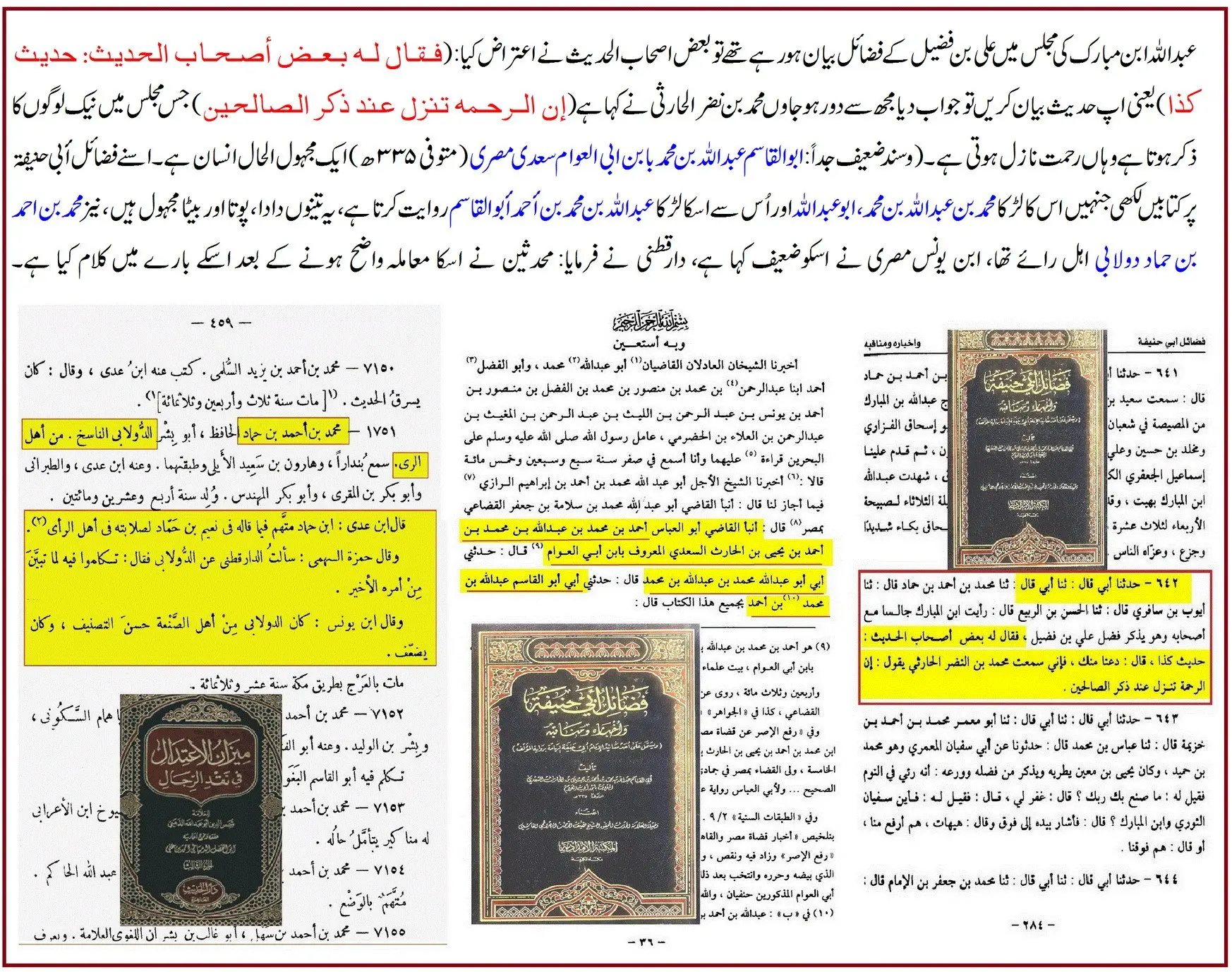
① First Chain (Faḍā’il Abī Ḥanīfah wa Akhbārihi wa Manāqibih)
This narration is taken from the book Faḍā’il Abī Ḥanīfah wa Akhbārihi wa Manāqibih by Ibn Abī al-ʿAwwām.Narrators in This Chain
◈ ʿAbdullāh ibn Muḥammad ibn Aḥmad ibn Yaḥyā (Ibn Abī al-ʿAwwām): Majhūl al-ḥāl◈ His son Muḥammad ibn ʿAbdullāh: Majhūl al-ḥāl
◈ His grandson Aḥmad ibn Muḥammad al-Qāḍī: Majhūl
◈ Abū Bishr al-Dawlābī: Ḍaʿīf (weak)
 Conclusion
The chain consists of unknown narrators along with one weak narrator. Therefore, the narration is rejected.② Second Chain (Karāmāt al-Awliyā’ by al-Lālikā’ī)
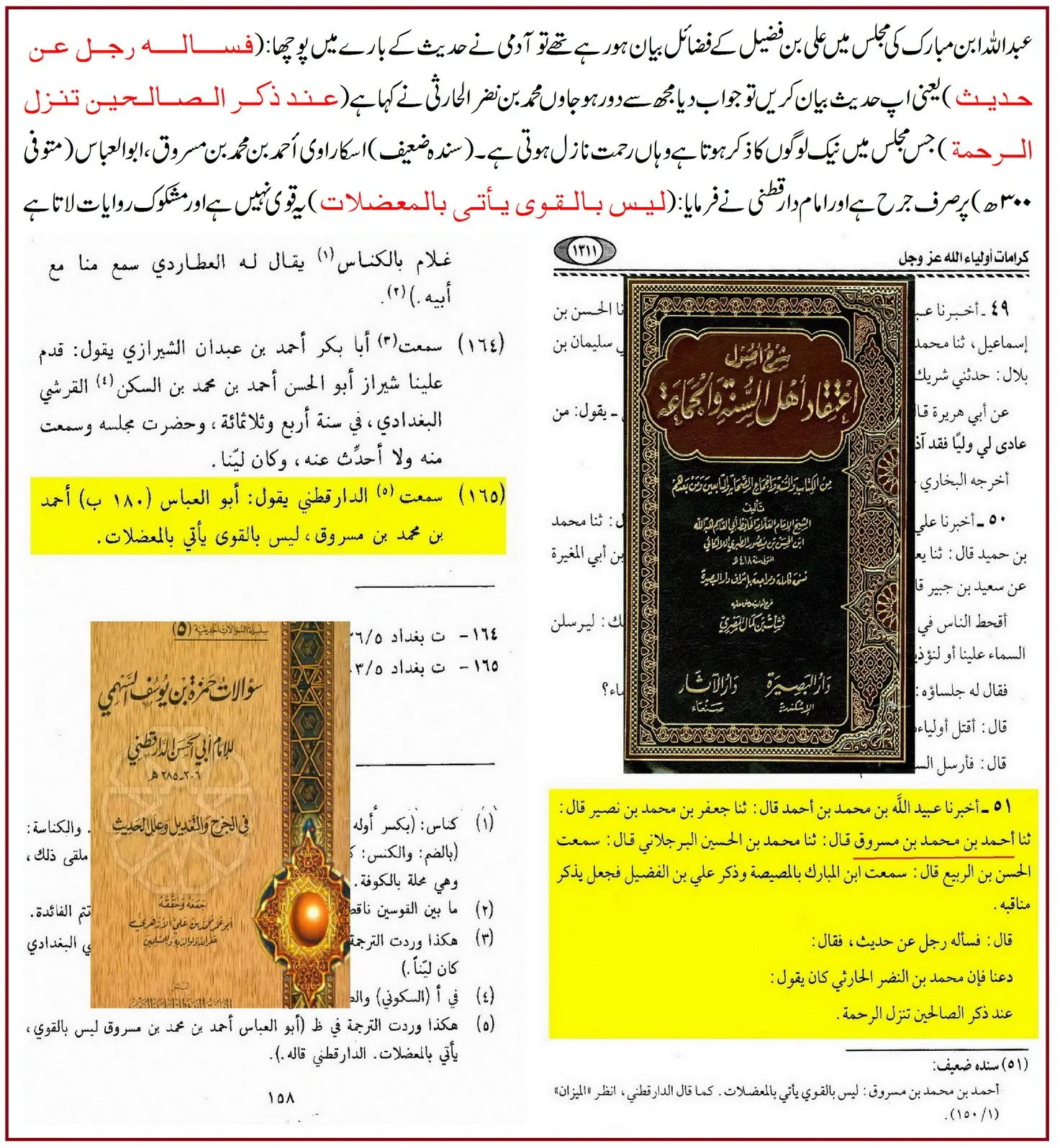
In this chain, a narrator named Aḥmad ibn Muḥammad ibn Masrūq is present. Regarding him, Imām al-Dāraquṭnī said:ليس بالقوي، يأتي بالمعضلات
“He is not strong; he brings problematic and dubious narrations.”

Reference: Su’ālāt Ḥamzah ibn Yūsuf al-Sahmī
Conclusion
Weakness is also present in this chain.③ Explicit Verdict of the Scholars
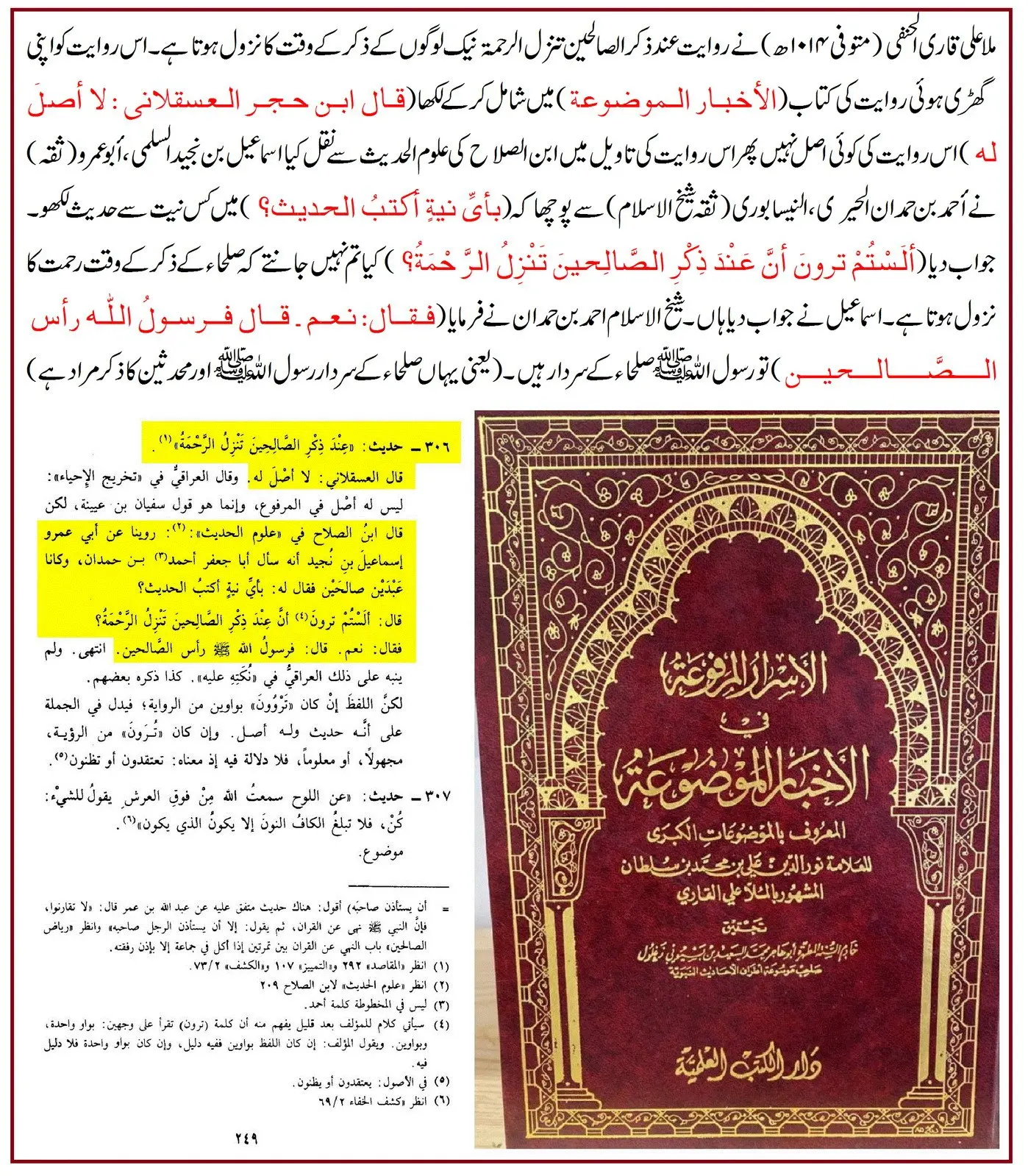
Mullā ʿAlī al-Qārī al-Ḥanafī declared this narration fabricated in his book: Al-Asrār al-Marfuʿah fī al-Akhbār al-MawḍūʿahHe quoted Ḥāfiẓ Ibn Ḥajar al-ʿAsqalānī رحمه الله as saying:
لا أصل له
“It has no basis.”
Mullā ʿAlī al-Qārī then attempted an interpretation, stating that even if the narration were accepted, it would primarily refer to mentioning the Messenger of Allah ﷺ and narrating his aḥādīth, as he is the foremost of the righteous.
④ Another Statement of Muḥammad ibn al-Naḍr al-Ḥārithī
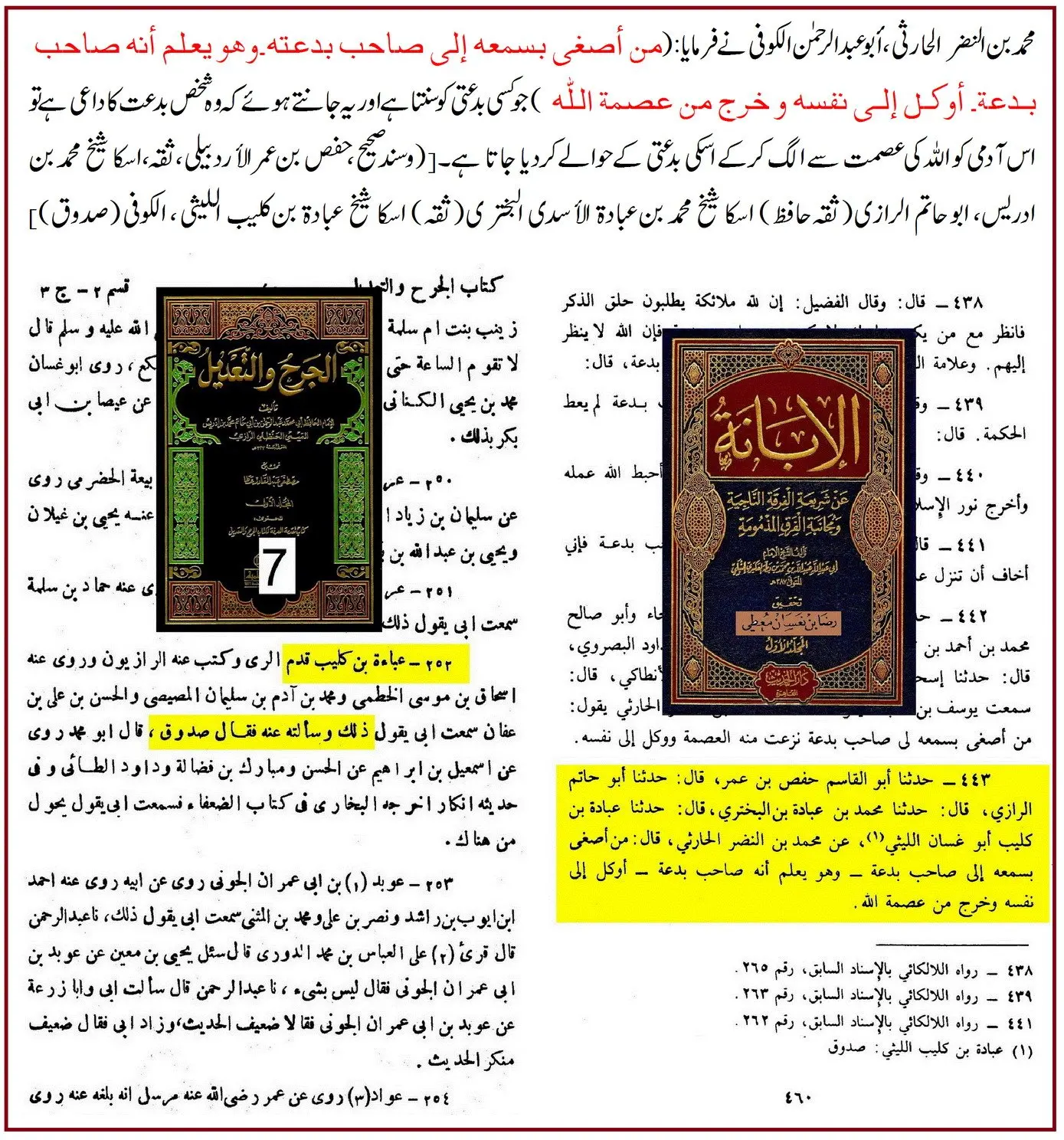
It is also authentically reported from the same Muḥammad ibn al-Naḍr al-Ḥārithī:من أصغى بسمعه إلى صاحب بدعة … وُكِل إلى نفسه وخرج من عصمة الله
Reference: Al-Ibānah al-Kubrā by Ibn Baṭṭah
Translation
“Whoever attentively listens to a person of innovation, knowing that he is an innovator, Allah entrusts him to himself and removes him from His protection.” Conclusion
Muḥammad ibn al-Naḍr al-Ḥārithī himself teaches avoidance of innovators. Therefore, presenting an innovated and unauthenticated narration in his name is a clear contradiction.Summary
① The narration stating that mercy descends when the righteous are mentioned is not authentically established. It contains unknown and weak narrators.② Leading ḥadīth scholars such as Ibn Ḥajar and Mullā ʿAlī al-Qārī declared it baseless and fabricated.
③ Even if interpreted, it would apply foremost to the mention of the Messenger of Allah ﷺ and the narration of his ḥadīth, not to later self-proclaimed saints or grave custodians.
④ Muḥammad ibn al-Naḍr al-Ḥārithī himself warned against sitting with innovators, making the use of this narration by innovators contradictory to his own stance.
 Final Statement
According to Ahl al-Ḥadīth, matters of religion are established only through authentically transmitted narrations. To prefer the mention of saints over the narration of authentic aḥādīth based upon an unauthenticated or fabricated report is contrary to both the principles of Sharīʿah and the principles of ḥadīth.