
This excerpt is taken from the book Proof of Twenty Rak‘ahs of Tarāwīḥ in the Mirror of Reality, authored by Shaykh Riḍā’ullāh ʿAbdul-Karīm Madanī, written as a response to the booklet of Muftī Shabbīr Aḥmad Qāsmī.
Muftī Qāsmī’s statement that non-Muqallidīn take pride in the unique opinions of Ibn Taymiyyah reflects his inner resentment. His indirect reference is to the issue of three divorces, regarding which they misleadingly propagate that this view is among the unique opinions of Ibn Taymiyyah and his student Ibn al-Qayyim, adopted by the Ahl al-Ḥadīth. In reality, this is nothing but deceptive propaganda, completely detached from the truth.
Muftī Qāsmī has attempted to portray ʿAllāmah Ibn Taymiyyah as an ally of his own position by quoting an incomplete passage, creating the impression that Ibn Taymiyyah’s stance is identical to that of the Deobandīs. In truth, there is a vast difference between the two.
The Deobandīs consider twenty rak‘ahs compulsory and binding, viewing any increase or decrease as erroneous and contrary to consensus. In contrast, ʿAllāmah Ibn Taymiyyah mentions three opinions in his Fatāwā:
① twenty rak‘ahs
② thirty-six or forty rak‘ahs
③ eight rak‘ahs
And at the conclusion he states:
والصواب أن ذلك جميعه حسن
“The correct view is that all of these are good.”
Where is this breadth, and where is the rigidity and narrow-mindedness that has become the hallmark of Deobandism?
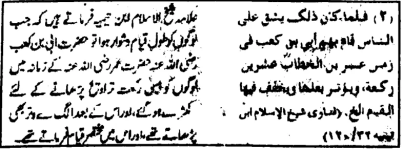
Muftī Qāsmī presented a truncated quotation. Now observe the original text from Majmūʿ al-Fatāwā:
وكان النبي ﷺ قيامه بالليل هو وتره، يصلي بالليل في رمضان وغير رمضان إحدى عشرة ركعة أو ثلاث عشرة ركعة، لكن كان يصلّيها طوالاً. فلما كان ذلك يشق على الناس، قام بهم أُبيّ بن كعب في زمن عمر بن الخطاب عشرين ركعة، يوتر بعدها، ويخفف فيها القيام، فكان تضعيف العدد عوضاً عن طول القيام. وكان بعض السلف يقوم بأربعين ركعة فيكون قيامها أخف، ويوتر بعدها بثلاث. وكان بعضهم يقوم بست وثلاثين ركعة ويوتر بعدها.
① The Messenger of Allah ﷺ prayed eleven or thirteen rak‘ahs.
② His standing was very long and demanding; later generations replaced long standing with increased rak‘ahs for ease.
③ The claim of consensus on twenty rak‘ahs is false, because thirty-six and forty rak‘ahs were also practiced.
④ The increase in rak‘ahs was not for greater reward, but for ease and convenience.
Thus, the accusation that Ahl al-Ḥadīth pray eight rak‘ahs merely for ease is baseless.
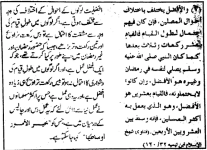
Ibn Taymiyyah further explains:
If the question is which is superior—eight, twenty, or forty rak‘ahs—the answer depends on the ability of the worshippers. If they can endure long standing, then ten rak‘ahs of Tarāwīḥ with three witr is superior, as practiced by the Prophet ﷺ. If they cannot endure long standing, then twenty rak‘ahs is preferable, as practiced by many Muslims. If one prays forty, fewer, or more than that, all are permissible, and none is disliked. This has been stated by multiple Imams, including Imām Aḥmad.
◈ Ibn Taymiyyah allows eight to forty rak‘ahs.
◈ Deobandīs rigidly insist on twenty only.
◈ Ibn Taymiyyah explicitly affirms that the Prophet ﷺ prayed eleven or thirteen.
Therefore, Ibn Taymiyyah supports the Ahl al-Ḥadīth position, not the Deobandī stance.
◈ The practice of the Messenger ﷺ
◈ His congregational Tarāwīḥ of eight rak‘ahs
◈ The practice of the Companions
◈ The era of Abū Bakr رضي الله عنه
◈ The instruction of ʿUmar رضي الله عنه to pray eight rak‘ahs
Once the practice of the Prophet ﷺ is established, abandoning it in favor of later customs is misguidance.
Meaning:
The Sunnah of Qiyām Ramaḍān is eleven rak‘ahs with witr, practiced by the Prophet ﷺ. Twenty rak‘ahs are recommended, not Sunnah of the Prophet ﷺ.
This view is shared by:
◈ Ibn Nujaym
◈ Mullā ʿAlī al-Qārī
◈ al-Ṭaḥṭāwī
◈ Ibn ʿĀbidīn and other senior Ḥanafī scholars
◈ Twenty rak‘ahs are permissible and recommended, not Sunnah
◈ Claiming twenty as Sunnah is a recent innovation
The insistence on twenty and condemnation of eight contradicts the Sunnah and the statements of the Salaf themselves.
ʿAllāmah Ibn Taymiyyah and Twenty Rak‘ahs of Tarāwīḥ
The Helplessness of Muftī Shabbīr Aḥmad Deobandī
Muftī Shabbīr Aḥmad Qāsmī of Madrasah Shāhī stated:“The non-Muqallidīn regard the unique opinions (tafar-rudāt) of Shaykh al-Islām Ibn Taymiyyah as a matter of pride for themselves.”
Response
At times, the Deobandīs raise their eyebrows and hurl curses; yet when they perceive support for their stance, they do not hesitate to bestow upon a Ṣūfī the exalted title of Shaykh al-Islām. And when the situation changes, they label the same personality as excluded from Ahl al-Sunnah, rebellious, and erring. Those who have experienced their opportunism understand it well, but those unfamiliar with the inconsistency of their dress, turban, speech, and conduct are repeatedly deceived.Muftī Qāsmī’s statement that non-Muqallidīn take pride in the unique opinions of Ibn Taymiyyah reflects his inner resentment. His indirect reference is to the issue of three divorces, regarding which they misleadingly propagate that this view is among the unique opinions of Ibn Taymiyyah and his student Ibn al-Qayyim, adopted by the Ahl al-Ḥadīth. In reality, this is nothing but deceptive propaganda, completely detached from the truth.
Muftī Qāsmī has attempted to portray ʿAllāmah Ibn Taymiyyah as an ally of his own position by quoting an incomplete passage, creating the impression that Ibn Taymiyyah’s stance is identical to that of the Deobandīs. In truth, there is a vast difference between the two.
The Deobandīs consider twenty rak‘ahs compulsory and binding, viewing any increase or decrease as erroneous and contrary to consensus. In contrast, ʿAllāmah Ibn Taymiyyah mentions three opinions in his Fatāwā:
① twenty rak‘ahs
② thirty-six or forty rak‘ahs
③ eight rak‘ahs
And at the conclusion he states:
والصواب أن ذلك جميعه حسن
“The correct view is that all of these are good.”
Reference: Majmūʿ al-Fatāwā: 23/112
Where is this breadth, and where is the rigidity and narrow-mindedness that has become the hallmark of Deobandism?
The Complete Statement of Ibn Taymiyyah
Muftī Qāsmī presented a truncated quotation. Now observe the original text from Majmūʿ al-Fatāwā:
وكان النبي ﷺ قيامه بالليل هو وتره، يصلي بالليل في رمضان وغير رمضان إحدى عشرة ركعة أو ثلاث عشرة ركعة، لكن كان يصلّيها طوالاً. فلما كان ذلك يشق على الناس، قام بهم أُبيّ بن كعب في زمن عمر بن الخطاب عشرين ركعة، يوتر بعدها، ويخفف فيها القيام، فكان تضعيف العدد عوضاً عن طول القيام. وكان بعض السلف يقوم بأربعين ركعة فيكون قيامها أخف، ويوتر بعدها بثلاث. وكان بعضهم يقوم بست وثلاثين ركعة ويوتر بعدها.
Reference: Majmūʿ al-Fatāwā: 23/120
Meaning
The Messenger of Allah ﷺ used to pray at night—whether in Ramaḍān or outside it—eleven or thirteen rak‘ahs, but he would perform them with very long standing. When this long standing became difficult for people, during the era of ʿUmar ibn al-Khaṭṭāb, Ubayy ibn Kaʿb led them in twenty rak‘ahs, followed by witr, shortening the standing. Thus, increasing the number of rak‘ahs was a substitute for long standing. Some of the Salaf prayed forty rak‘ahs with lighter standing, followed by three witr, while others prayed thirty-six rak‘ahs, followed by witr.Clarifications from Ibn Taymiyyah’s Statement
From this passage, four matters are explicitly established:① The Messenger of Allah ﷺ prayed eleven or thirteen rak‘ahs.
② His standing was very long and demanding; later generations replaced long standing with increased rak‘ahs for ease.
③ The claim of consensus on twenty rak‘ahs is false, because thirty-six and forty rak‘ahs were also practiced.
④ The increase in rak‘ahs was not for greater reward, but for ease and convenience.
Thus, the accusation that Ahl al-Ḥadīth pray eight rak‘ahs merely for ease is baseless.
Another Statement of Ibn Taymiyyah
Ibn Taymiyyah further explains:
If the question is which is superior—eight, twenty, or forty rak‘ahs—the answer depends on the ability of the worshippers. If they can endure long standing, then ten rak‘ahs of Tarāwīḥ with three witr is superior, as practiced by the Prophet ﷺ. If they cannot endure long standing, then twenty rak‘ahs is preferable, as practiced by many Muslims. If one prays forty, fewer, or more than that, all are permissible, and none is disliked. This has been stated by multiple Imams, including Imām Aḥmad.
Difference Between Ibn Taymiyyah and the Deobandī Position
The difference is clear:◈ Ibn Taymiyyah allows eight to forty rak‘ahs.
◈ Deobandīs rigidly insist on twenty only.
◈ Ibn Taymiyyah explicitly affirms that the Prophet ﷺ prayed eleven or thirteen.
Therefore, Ibn Taymiyyah supports the Ahl al-Ḥadīth position, not the Deobandī stance.
Muftī Qāsmī’s Question: “Eight Rak‘ahs Are Not Proven from the Salaf”
Muftī Qāsmī asks:“After the era of ʿUmar رضي الله عنه, which Companions or Salaf prayed eight rak‘ahs of Tarāwīḥ in congregation in the mosque?”
Response
Why should we pursue such futile enumeration? We have seen:◈ The practice of the Messenger ﷺ
◈ His congregational Tarāwīḥ of eight rak‘ahs
◈ The practice of the Companions
◈ The era of Abū Bakr رضي الله عنه
◈ The instruction of ʿUmar رضي الله عنه to pray eight rak‘ahs
Once the practice of the Prophet ﷺ is established, abandoning it in favor of later customs is misguidance.
Was Twenty Rak‘ahs Ever Called the Sunnah of the Prophet ﷺ?
Never. This false claim emerged only in recent times.Imām Ibn al-Humām al-Ḥanafī (681 AH) states:
فتحصل من هذا كله أن قيام رمضان سنة إحدى عشرة ركعة بالوتر في جماعة فعله ﷺ… فتكون العشرون مستحبة
Reference: Fatḥ al-Qadīr: 1/486
Meaning:
The Sunnah of Qiyām Ramaḍān is eleven rak‘ahs with witr, practiced by the Prophet ﷺ. Twenty rak‘ahs are recommended, not Sunnah of the Prophet ﷺ.
This view is shared by:
◈ Ibn Nujaym
◈ Mullā ʿAlī al-Qārī
◈ al-Ṭaḥṭāwī
◈ Ibn ʿĀbidīn and other senior Ḥanafī scholars
Conclusion
◈ Eight rak‘ahs with witr are Sunnah of the Prophet ﷺ◈ Twenty rak‘ahs are permissible and recommended, not Sunnah
◈ Claiming twenty as Sunnah is a recent innovation
The insistence on twenty and condemnation of eight contradicts the Sunnah and the statements of the Salaf themselves.
وائے ناکامی! متاعِ کارواں جاتا رہا
کارواں کے دل سے احساسِ زیاں جاتا رہا
Iqbal

