


This excerpt is taken from the book Nūr al-ʿAynayn fī Ithbāt Rafʿ al-Yadayn ʿinda al-Rukūʿ wa Baʿdahu fī al-Ṣalāh by the Muḥaddith of the era, Ḥāfiẓ Zubayr ʿAlī Zaʾī رحمه الله.
عن ابن أبى ليلى عن نافع عن ابن عمر (رفعه قال ترفع الأيدي فى سبعة مواطن: عند افتتاح الصلوة واستقبال البيت والصفا والمروة والوقفين والجمرتين
Translation:
It is reported from Ibn Abī Laylā, from Nāfiʿ, from Ibn ʿUmar (marfūʿ) that he said:
“The hands are raised at seven occasions: at the beginning of the prayer, when facing the House (Kaʿbah), at Ṣafā and Marwah, at the two standing places (ʿArafah and Muzdalifah), and at the two Jamrahs.”
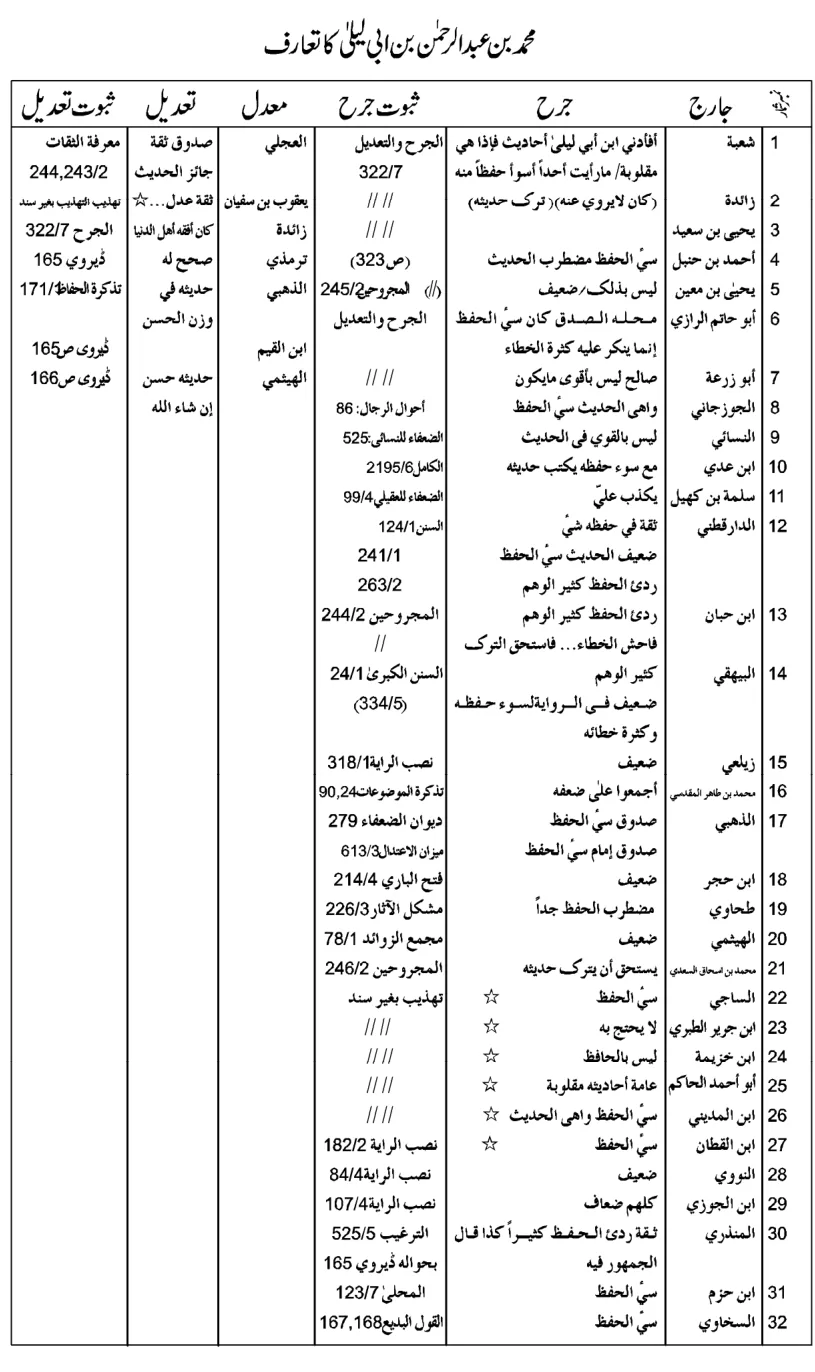
From the statements of the scholars of ḥadīth, it is known that a very large majority of scholars have declared Muḥammad bin Abī Laylā to be weak in memory and excessive in errors. According to Imām al-Bayhaqī, he committed many mistakes; therefore, the authentication of a few scholars regarding him is rejected.
As for some scholars declaring him a faqīh, this is not evidence of reliability.
Zāʾidah declared him a faqīh and then abandoned his ḥadīth.
The statements of al-Dhahabī and al-Haythamī contradict one another and are therefore disregarded.
Those who authenticated him did so in terms of his personal integrity, meaning that he was personally truthful, but due to poor memory and frequent errors and mistakes, he was declared weak.
① Ṭaḥāwī said:
Arabic Text:
مضطرب الحفظ جدا
Translation:
“Extremely unstable in memory.”
② Zaylaʿī said:
Arabic Text:
ضعيف
Translation:
“Weak.”
③ Ibn al-Turkumānī said:
Arabic Text:
ابن أبى ليلى متكلم فيه
Translation:
“Ibn Abī Laylā is spoken against (criticized).”
④ al-Nīmawī said:
Arabic Text:
ليس بالقوي
Translation:
“Not strong.”
⑤ Khalīl Aḥmad Sahāranpūrī al-Deobandī said:
Arabic Text:
كثير الوهم
Translation:
“Excessive in errors.”
⑥ Anwar Shāh Kashmīrī al-Deobandī said regarding Muḥammad bin Abī Laylā:
Arabic Text:
فهو ضعيف عندي كما ذهب إليه الجمهور
Translation:
“He is weak according to me, just as the majority have held.”
⑦ Muḥammad Yūsuf Banūrī al-Deobandī also declared Muḥammad bin Abī Laylā weak according to the majority.
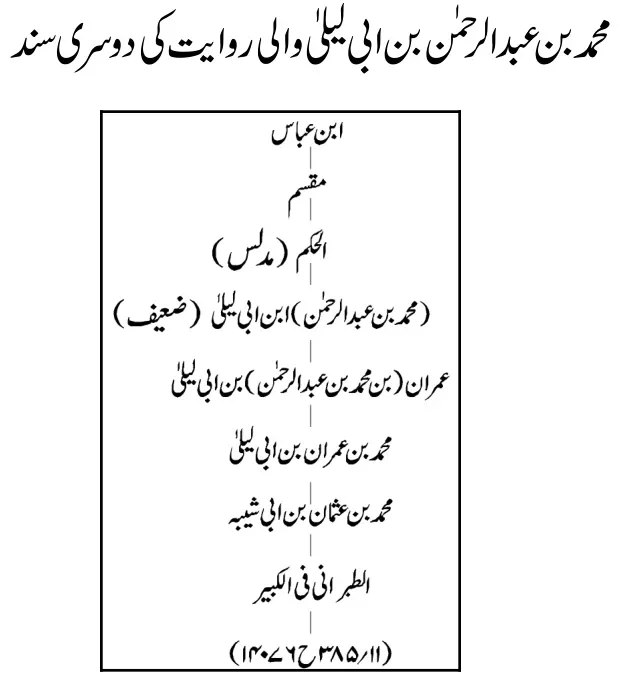
It has been narrated mawqūfan by Muḥammad bin Faḍīl bin Ghazwān from Muḥammad bin ʿAbd al-Raḥmān bin Abī Laylā (who is weak).
Some narrators reported the wording “tarfaʿ al-aydi”.
✔ In summary:
This narration is weak—whether reported as marfūʿ or mawqūf, and whether with the wording “lā tarfaʿ” or “tarfaʿ”—all of its versions are weak.
If the specification of these occasions is established by other narrations, then the specification of Rafʿ al-Yadayn at rukūʿ and upon rising from it is established by mutawātir narrations found in the Ṣaḥīḥayn and elsewhere.
Authentic and mutawātir narrations from Sayyidunā Ibn ʿUmar رضي الله عنه himself firmly establish Rafʿ al-Yadayn. Therefore, the inference of some people from this false narration is itself false.
There is not a single authentic and explicit ḥadīth (according to the majority) that proves prohibition, abrogation, or abandonment of Rafʿ al-Yadayn before and after rukūʿ.
The narrations presented by those who oppose Rafʿ al-Yadayn are either weak or general and ambiguous, and they themselves cannot escape the implications of these narrations.
◈ The Narration of “Tarfaʿ al-Aydī”
Arabic Text:عن ابن أبى ليلى عن نافع عن ابن عمر (رفعه قال
ترفع الأيدي فى سبعة مواطن: عند افتتاح الصلوة واستقبال البيت والصفا والمروة والوقفين والجمرتين
Reference: Naṣb al-Rāyah 1/391
Translation:
It is reported from Ibn Abī Laylā, from Nāfiʿ, from Ibn ʿUmar (marfūʿ) that he said:
“The hands are raised at seven occasions: at the beginning of the prayer, when facing the House (Kaʿbah), at Ṣafā and Marwah, at the two standing places (ʿArafah and Muzdalifah), and at the two Jamrahs.”
Reference: Against Rafʿ al-Yadayn, book by Dīrwī Ṣāḥib, p. 68
Answer
This narration is weak, because its narrator Muḥammad bin ʿAbd al-Raḥmān bin Abī Laylā is considered weak by the majority of the muḥaddithīn.From the statements of the scholars of ḥadīth, it is known that a very large majority of scholars have declared Muḥammad bin Abī Laylā to be weak in memory and excessive in errors. According to Imām al-Bayhaqī, he committed many mistakes; therefore, the authentication of a few scholars regarding him is rejected.
As for some scholars declaring him a faqīh, this is not evidence of reliability.
Zāʾidah declared him a faqīh and then abandoned his ḥadīth.
The statements of al-Dhahabī and al-Haythamī contradict one another and are therefore disregarded.
Those who authenticated him did so in terms of his personal integrity, meaning that he was personally truthful, but due to poor memory and frequent errors and mistakes, he was declared weak.
Muḥammad bin Abī Laylā According to Ḥanafīs and Non–Ahl al-Ḥadīth Scholars
Muḥammad bin Abī Laylā has also been criticized by Ḥanafī and non–Ahl al-Ḥadīth scholars:① Ṭaḥāwī said:
Arabic Text:
مضطرب الحفظ جدا
Translation:
“Extremely unstable in memory.”
Reference: Mushkil al-Āthār 3/226
② Zaylaʿī said:
Arabic Text:
ضعيف
Translation:
“Weak.”
Reference: Naṣb al-Rāyah 1/318
③ Ibn al-Turkumānī said:
Arabic Text:
ابن أبى ليلى متكلم فيه
Translation:
“Ibn Abī Laylā is spoken against (criticized).”
Reference: al-Jawhar al-Naqī 7/347
④ al-Nīmawī said:
Arabic Text:
ليس بالقوي
Translation:
“Not strong.”
Reference: Āthār al-Sunan, marginal note on ḥadīth 32
⑤ Khalīl Aḥmad Sahāranpūrī al-Deobandī said:
Arabic Text:
كثير الوهم
Translation:
“Excessive in errors.”
Reference: Badhl al-Juhūd 3/37
⑥ Anwar Shāh Kashmīrī al-Deobandī said regarding Muḥammad bin Abī Laylā:
Arabic Text:
فهو ضعيف عندي كما ذهب إليه الجمهور
Translation:
“He is weak according to me, just as the majority have held.”
Reference: Fayḍ al-Bārī 3/168
⑦ Muḥammad Yūsuf Banūrī al-Deobandī also declared Muḥammad bin Abī Laylā weak according to the majority.
Reference: Maʿārif al-Sunan 5/290
It has been narrated mawqūfan by Muḥammad bin Faḍīl bin Ghazwān from Muḥammad bin ʿAbd al-Raḥmān bin Abī Laylā (who is weak).
Reference: Muṣannaf Ibn Abī Shaybah 4/96, ḥadīth 15747
Some narrators reported the wording “tarfaʿ al-aydi”.
✔ In summary:
This narration is weak—whether reported as marfūʿ or mawqūf, and whether with the wording “lā tarfaʿ” or “tarfaʿ”—all of its versions are weak.
Discussion on the Text
If raising the hands were restricted only to these seven occasions, then why do those who oppose Rafʿ al-Yadayn raise their hands during qunūt, the two ʿEids, and supplication?If the specification of these occasions is established by other narrations, then the specification of Rafʿ al-Yadayn at rukūʿ and upon rising from it is established by mutawātir narrations found in the Ṣaḥīḥayn and elsewhere.
Authentic and mutawātir narrations from Sayyidunā Ibn ʿUmar رضي الله عنه himself firmly establish Rafʿ al-Yadayn. Therefore, the inference of some people from this false narration is itself false.
 Important Note
There is not a single authentic and explicit ḥadīth (according to the majority) that proves prohibition, abrogation, or abandonment of Rafʿ al-Yadayn before and after rukūʿ.The narrations presented by those who oppose Rafʿ al-Yadayn are either weak or general and ambiguous, and they themselves cannot escape the implications of these narrations.

