
✍ Compiled by: Abu Hamzah Salafi
This article provides a scholarly investigation of a narration found in al-Muʿjam al-Awsaṭ by Imām al-Ṭabarānī, which is often cited by proponents of Ṣūfī doctrines such as ʿAbd ʿAlī Qādrī as a proof of the Ṣūfī belief in al-Abdāl (the spiritual substitutes).
The wording of the narration is as follows:
"The earth will never be void of forty men who are like the friend of Allah (Ibrāhīm عليه السلام). Through them, rain is sent down, and through them, help is given. When one of them dies, Allah replaces him with another."
However, this narration is weak (ḍaʿīf) due to multiple issues in both its chain (isnād) and content (matn).
This article will:
❀ Present scholarly evaluations of each narrator in the chain.
❀ Explain the defects (ʿilal) in the narration in detail.
❀ Provide Arabic quotations with English translations and proper referencing.
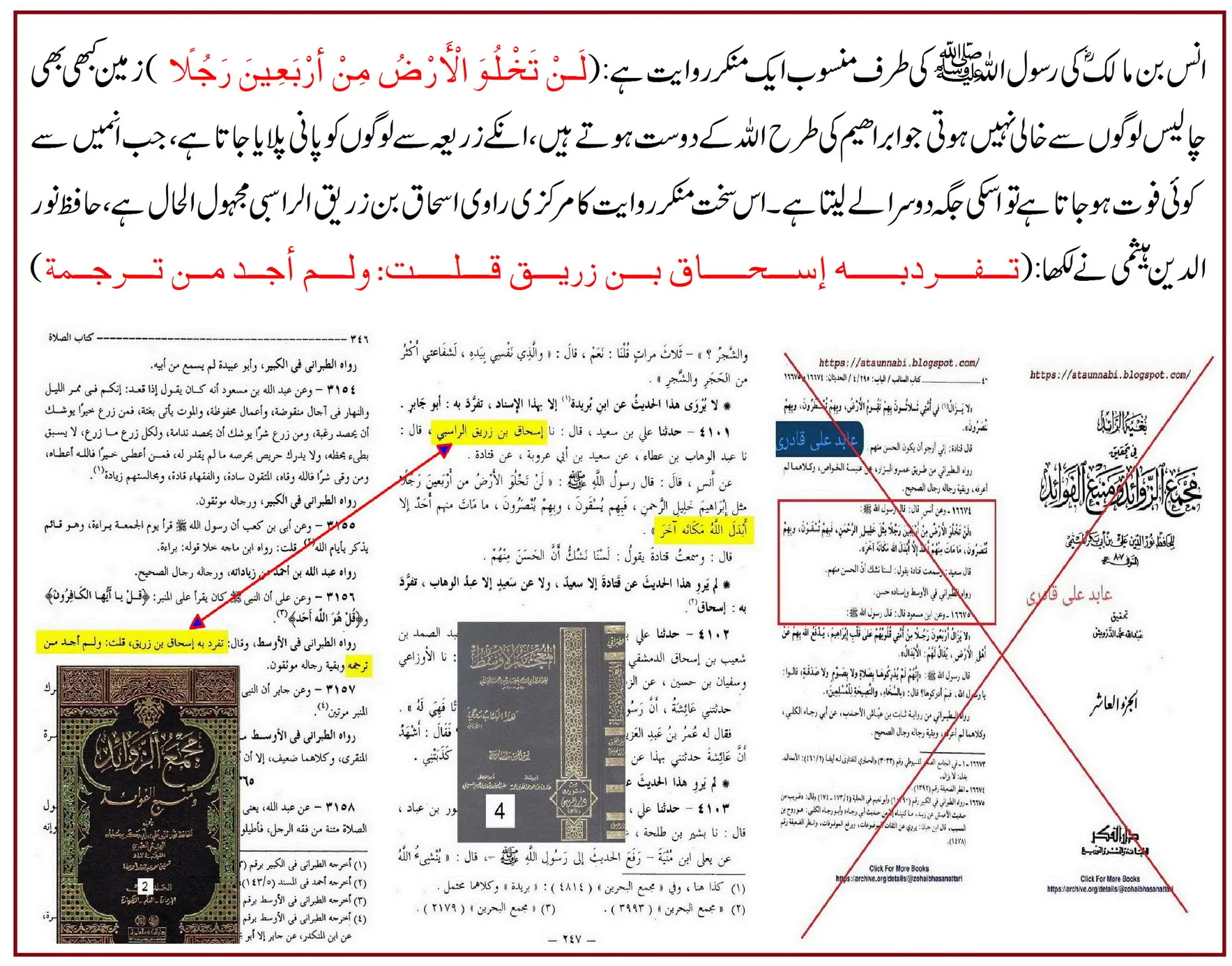
حَدَّثَنَا عَلِيُّ بْنُ سَعِيدٍ، قَالَ: نَا إِسْحَاقُ بْنُ زُرَيْقٍ الرَّاسِبِيُّ، قَالَ: نَا عَبْدُ الْوَهَّابِ بْنُ عَطَاءٍ، عَنْ سَعِيدِ بْنِ أَبِي عَرُوبَةَ، عَنْ قَتَادَةَ، عَنْ أَنَسٍ…
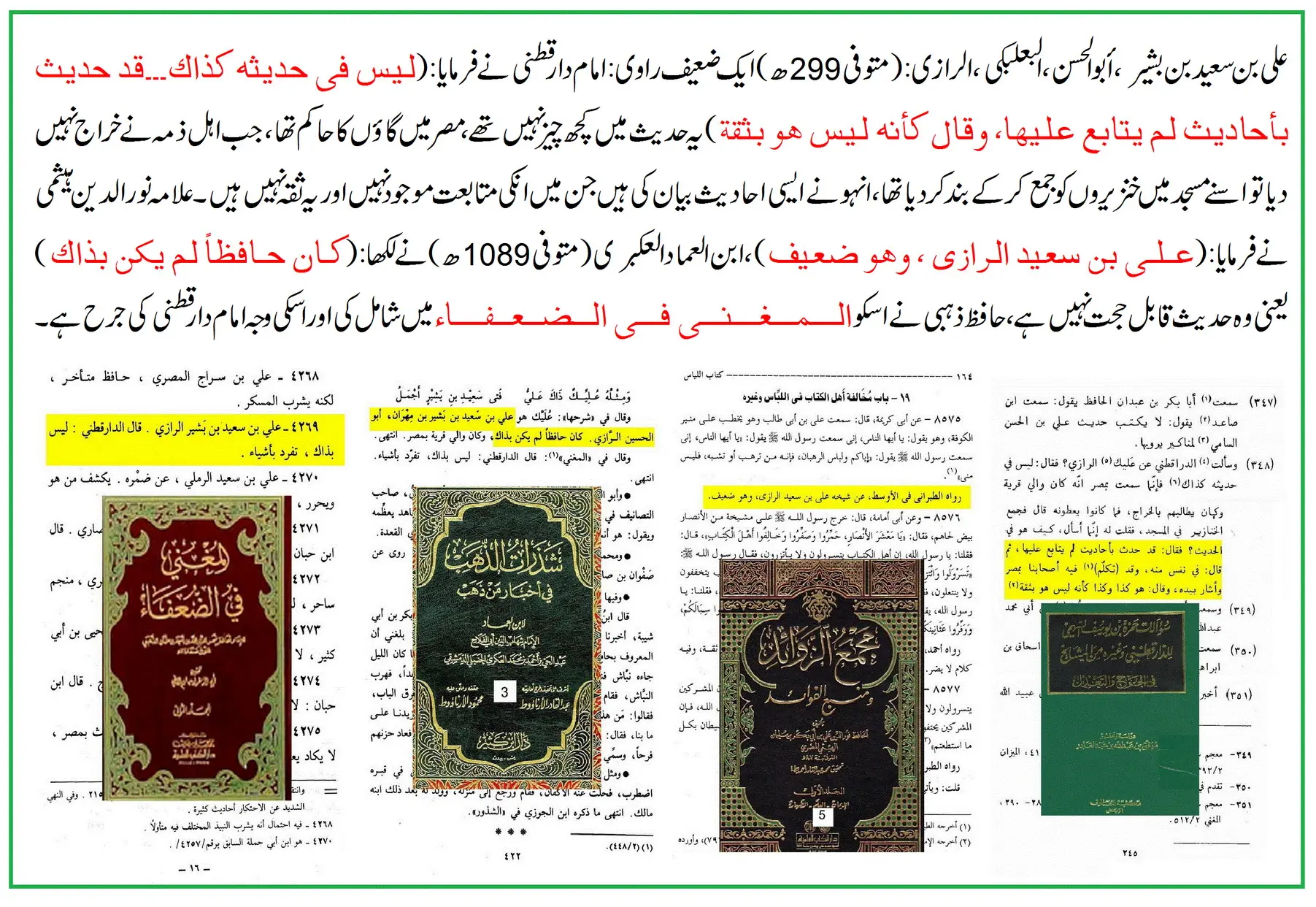
❖ Imām al-Dāraqutnī:
"He is not strong in his ḥadīth… he narrated things in which no one followed him… he is not considered reliable."
 Suʾālāt Ḥamzah ibn Yūsuf al-Sahmī, no. 348
❖ al-Haythamī:
"Ṭabarānī narrated it in al-Awsaṭ from his shaykh ʿAlī ibn Saʿīd al-Rāzī — and he is weak."
Majmaʿ al-Zawāʾid, vol. 8
❖ Ibn al-ʿImād al-Ḥanbalī:
"He was a ḥāfiẓ, but not reliable… he narrated isolated reports."
Shadharāt al-Dhahab
❖ al-Dhahabī:
"ʿAlī ibn Saʿīd al-Rāzī… al-Dāraqutnī said: 'He is not strong and narrated unique reports.'"
al-Mughnī fī al-Ḍuʿafāʾ, no. 4269
❖ al-Haythamī:
"Narrated solely by Isḥāq ibn Zurayq. I did not find anyone who provided a biographical entry for him. The rest of the narrators are trustworthy."
Majmaʿ al-Zawāʾid, 2/… no. 3156
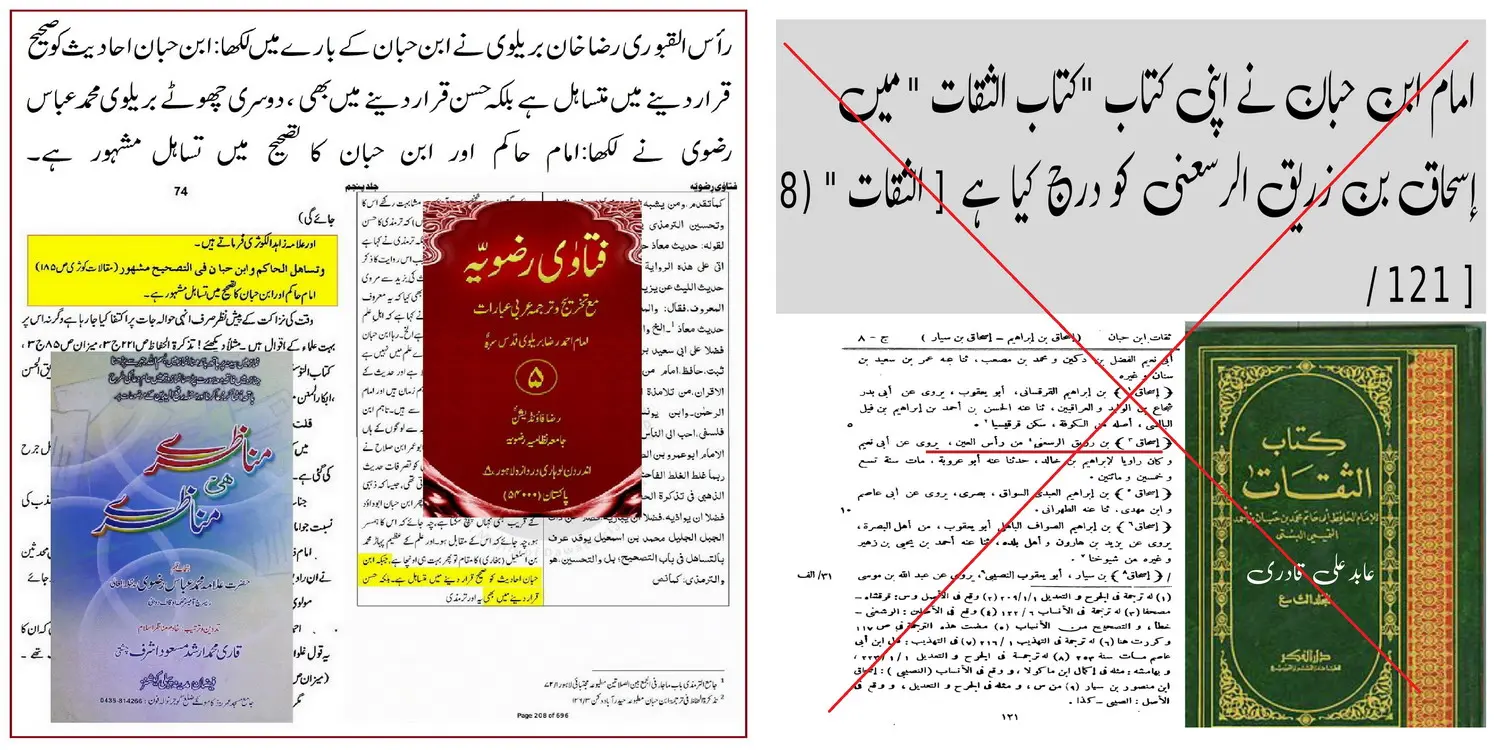
Some claim he is reliable because Ibn Ḥibbān mentioned him in al-Thiqāt, but this requires clarification:
◈ al-Dhahabī:
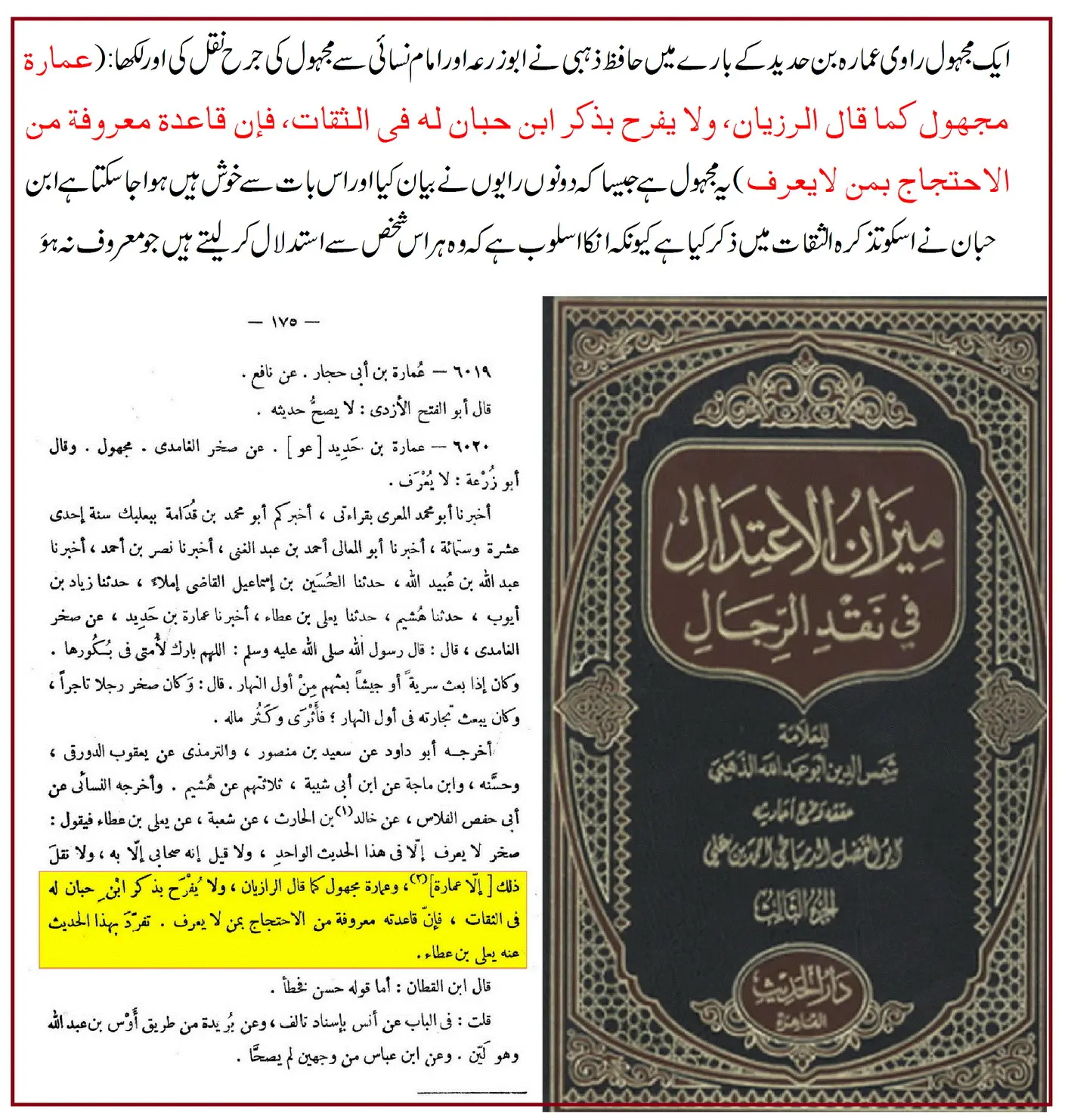
"One should not rejoice at Ibn Ḥibbān’s inclusion in al-Thiqāt, as his methodology is known — he often accepts narrators who are unknown."
Mīzān al-Iʿtidāl, no. 6020
◈ Aḥmad Riḍā Khān Barelwī:
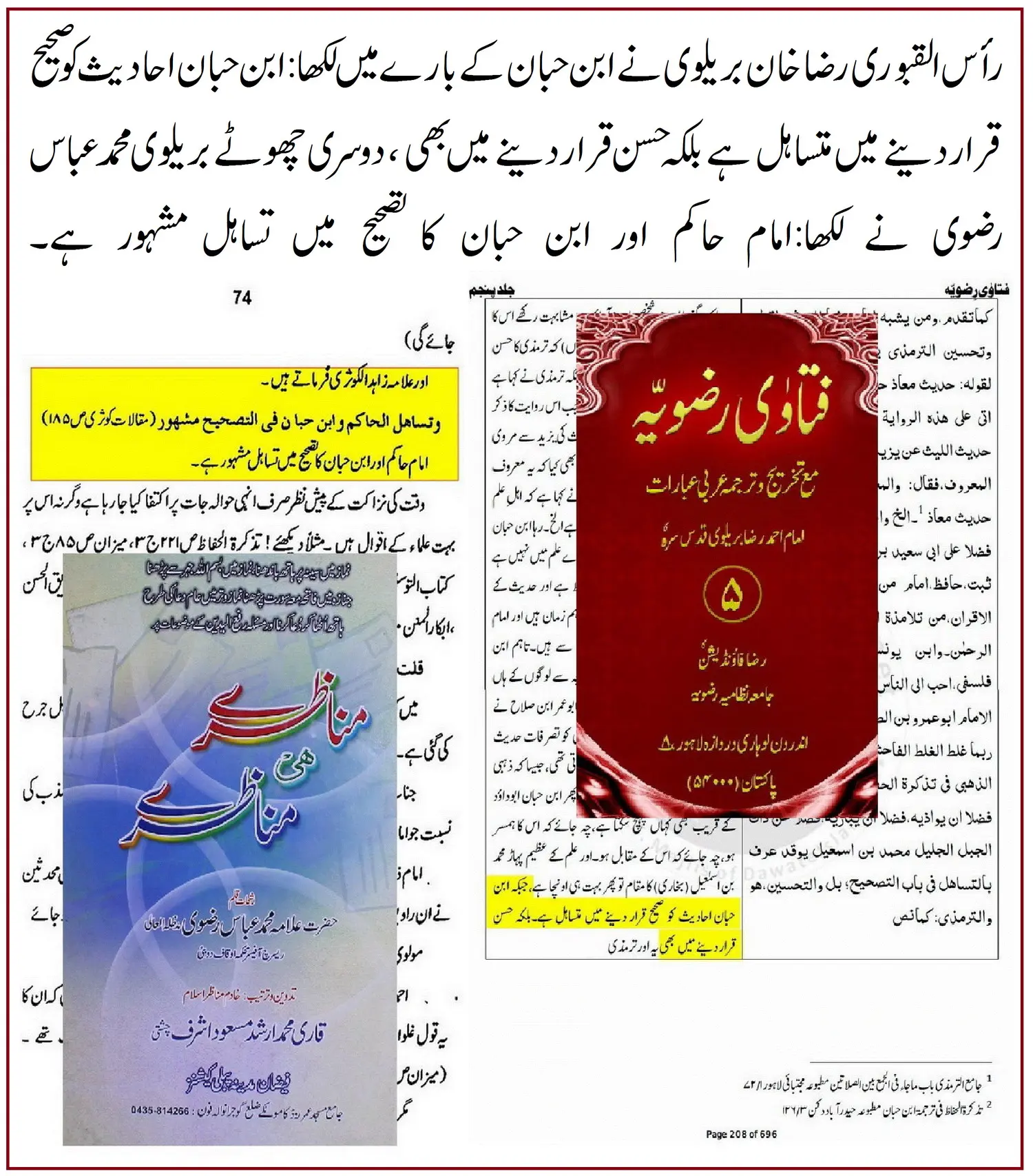
"Ibn Ḥibbān was lenient in grading ḥadīth — even in declaring them ḥasan."
Fatāwā Riḍawiyyah
◈ Muḥammad ʿAbbās Riḍwī:
"It is well known that Imām al-Ḥākim and Ibn Ḥibbān were lenient in authenticating ḥadīth."
(From Barelwī sources)
❖ al-Albānī:
"It is only narrated by Isḥāq ibn Zurayq al-Rāsibī, whose biography I could not locate in any of the books of narrators. Also, his shaykh ʿAlī ibn Saʿīd is weak."
Silsilat al-Aḥādīth al-Ḍaʿīfah, no. 4341
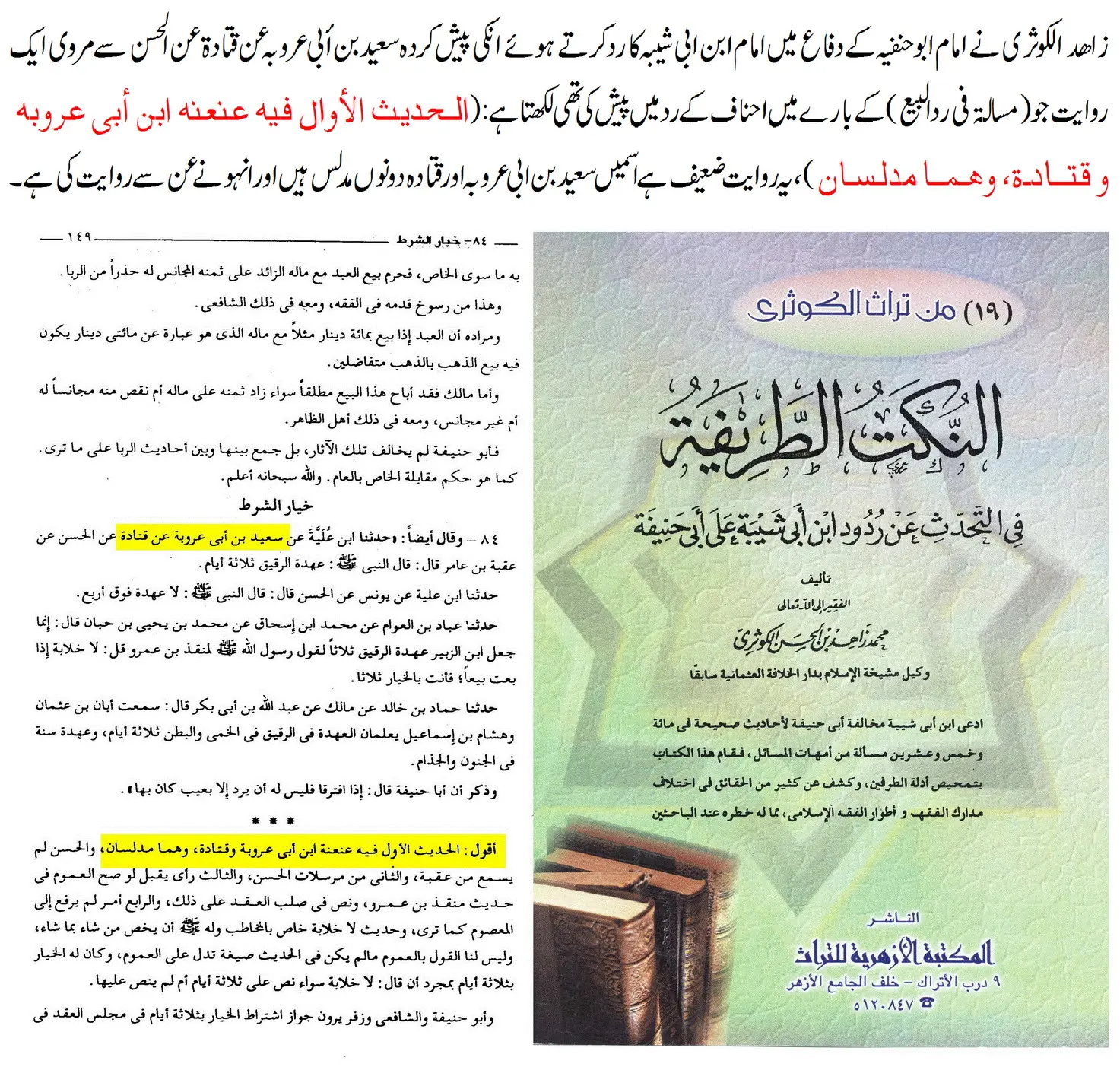
❖ Zāhid al-Kawtharī:
"In this narration, both Ibn Abī ʿArūbah and Qatādah transmit using ʿanʿanah — and both are mudallis."
al-Nukat al-Ṭarīfah
❖ Mullā ʿAlī al-Qārī al-Ḥanafī:
"Qatādah narrated using ʿanʿanah, and he was accused of tadlīs. Therefore, his ʿanʿanah is not accepted."
Mirqāt al-Mafātīḥ Sharḥ Mishkāt al-Maṣābīḥ
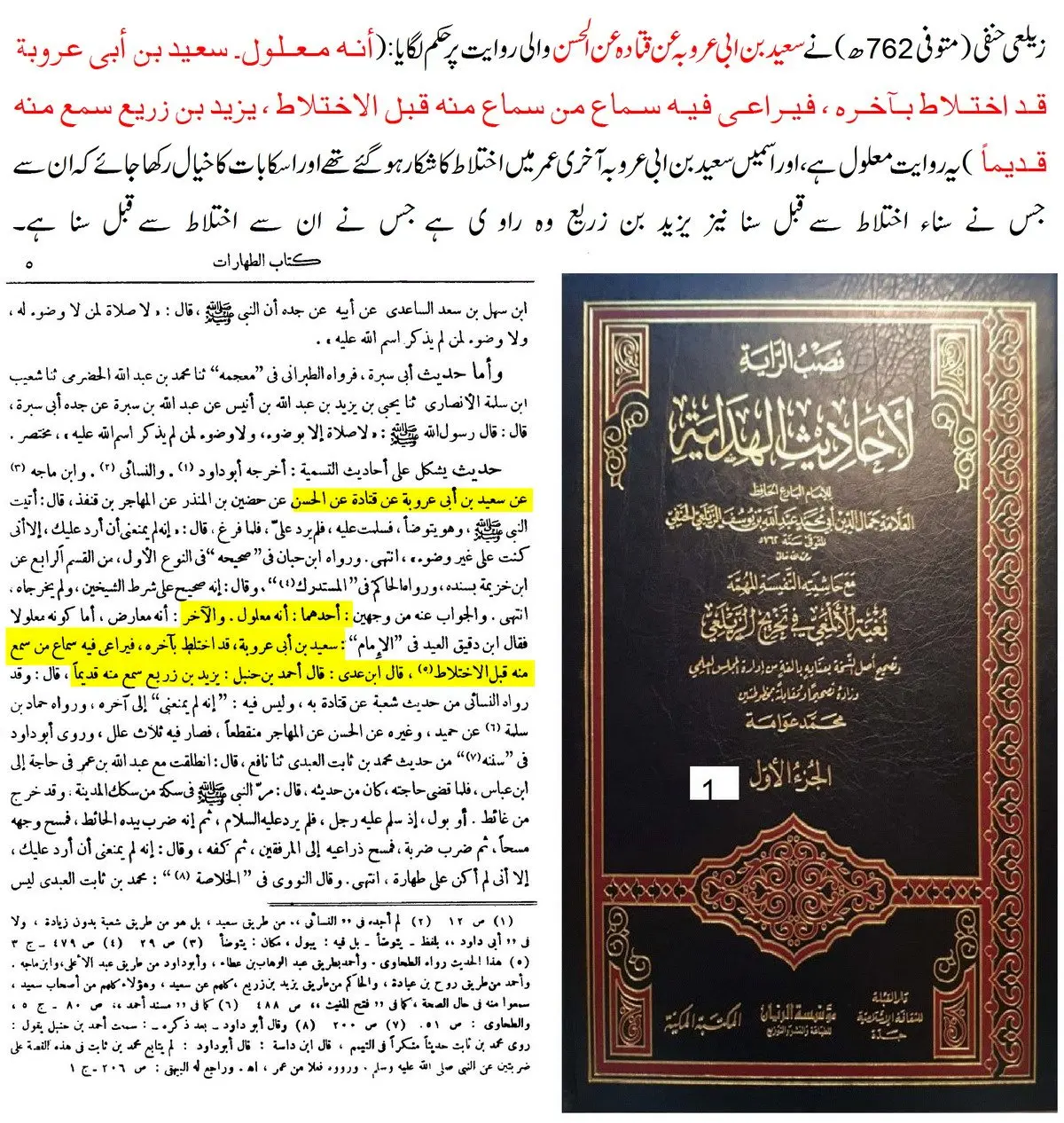
❖ Imām al-Zaylaʿī:
"Saʿīd ibn Abī ʿArūbah experienced ikhtiṭāṭ (confusion) later in life; thus, it is essential to determine if the narration occurred before or after the confusion."
Naṣb al-Rāyah li-Aḥādīth al-Hidāyah
❖ Ghulām Muṣṭafā Nūrī (Barelwī):
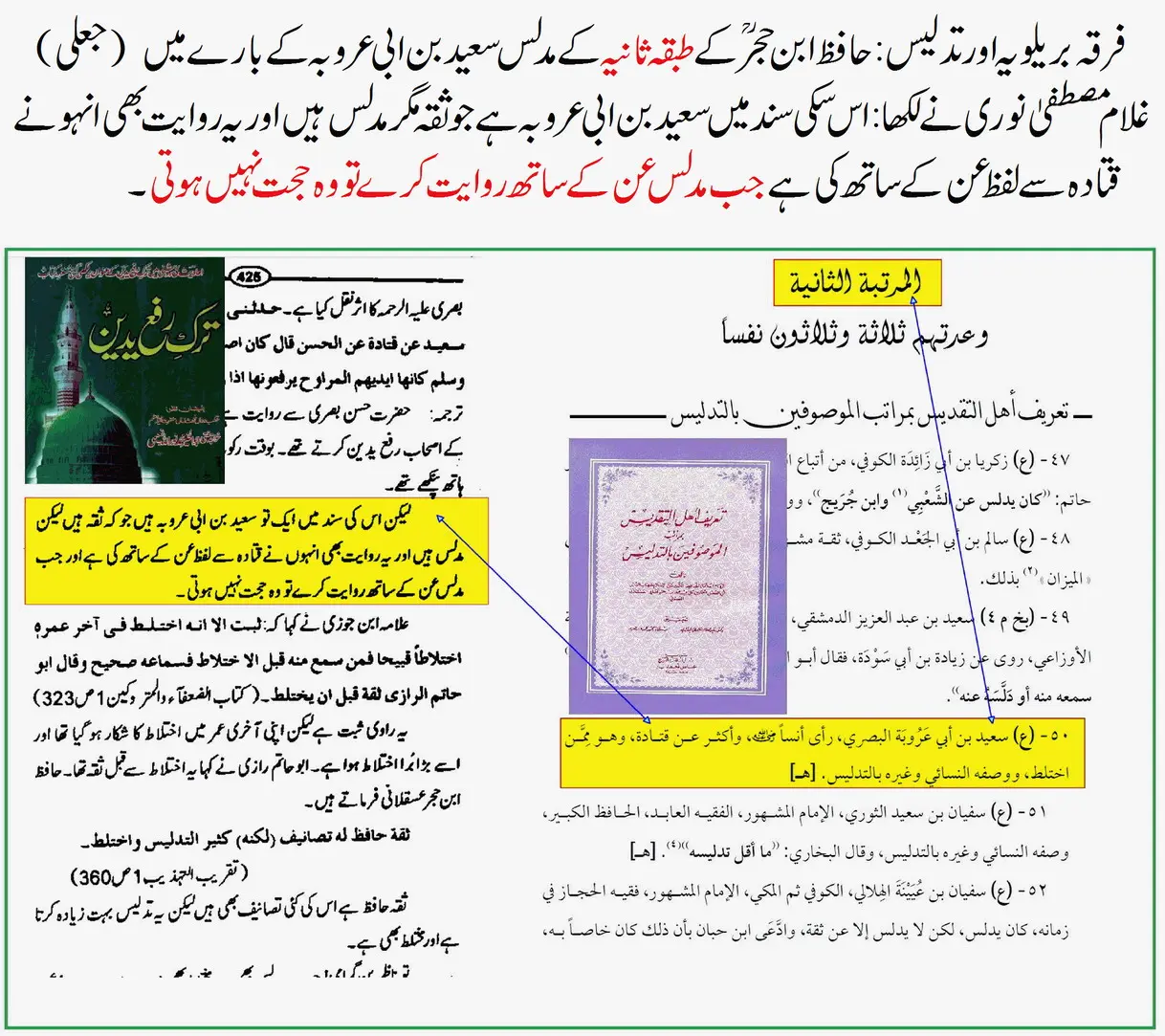
"Saʿīd ibn Abī ʿArūbah is trustworthy but a mudallis, and in this narration he uses the term ʿan from Qatādah. When a mudallis uses ʿan, the narration is not acceptable."
(Barelwī source)
Furthermore:
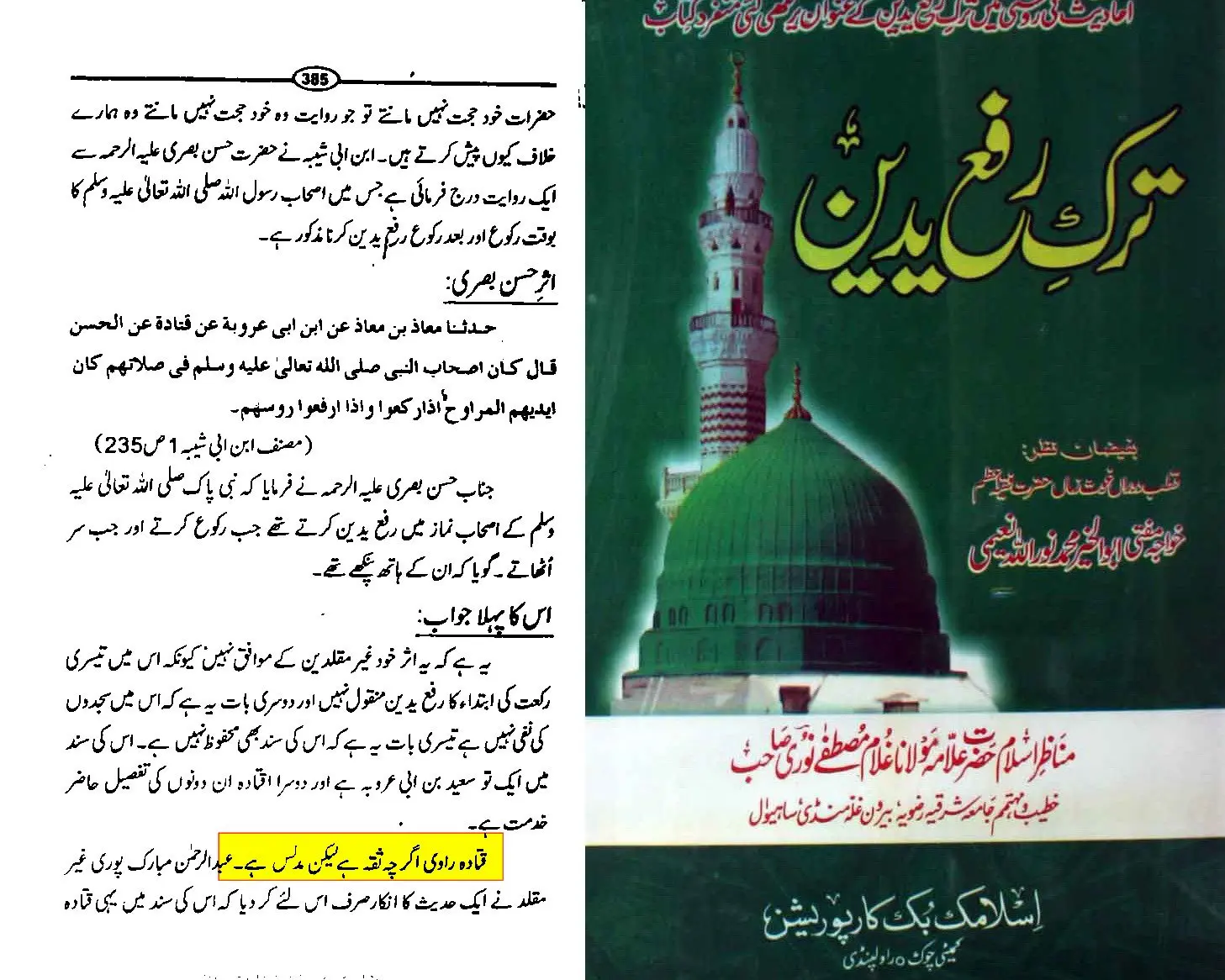
❖ Qatādah ibn Diʿāmah al-Sadūsī is also mudallis, even though trustworthy (thiqah).
"Qatādah, although trustworthy, was a mudallis."
(Cited from Barelwī sources)
① First flaw: ʿAlī ibn Saʿīd al-Rāzī is weak (ḍaʿīf), and this is agreed upon by al-Dāraqutnī, al-Haythamī, al-Dhahabī, and others.
② Second flaw: Isḥāq ibn Zurayq is unknown (majhūl al-ḥāl), with no biography found; being mentioned by Ibn Ḥibbān does not make him reliable.
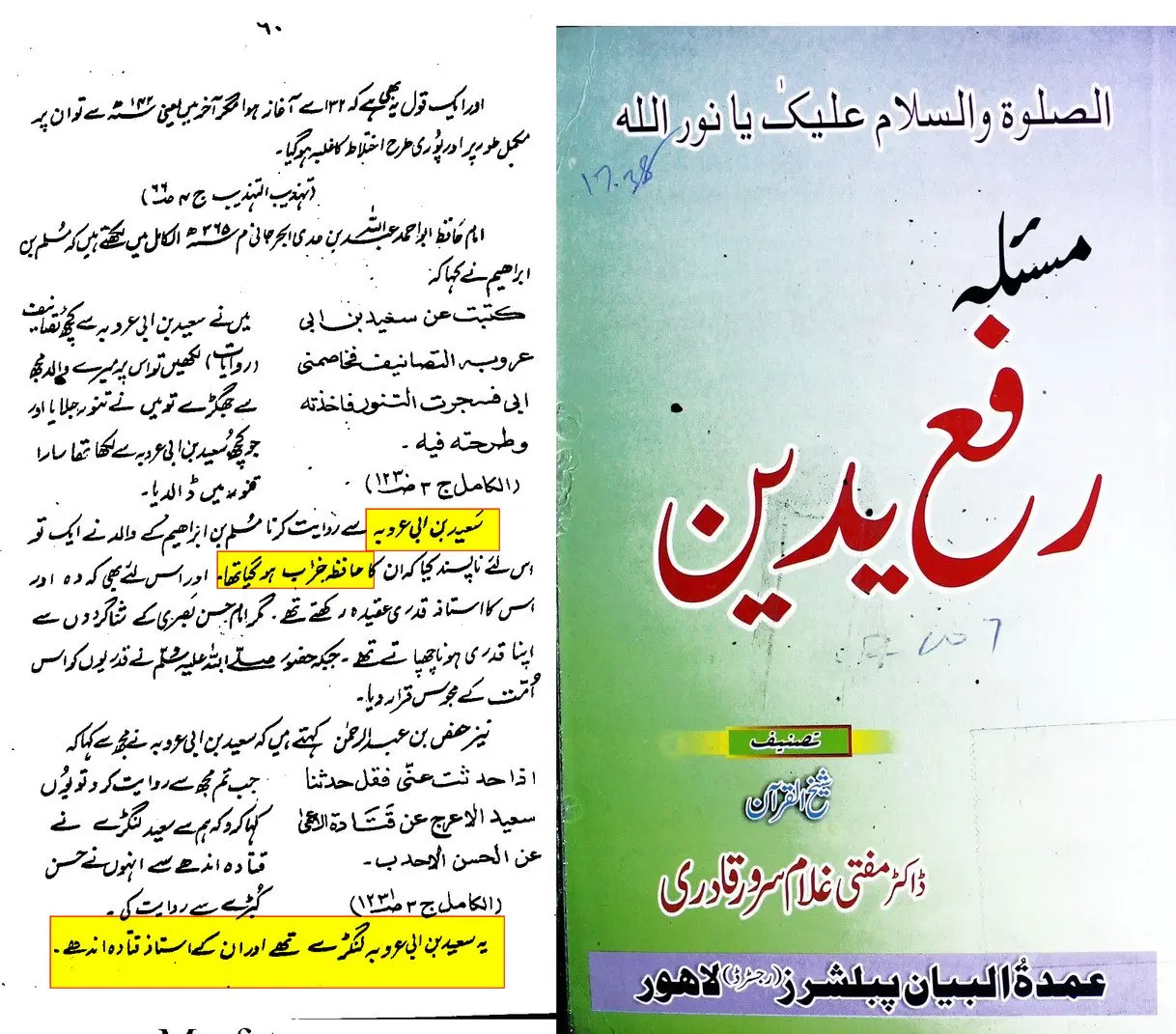
③ Third flaw: Both Saʿīd ibn Abī ʿArūbah and Qatādah are mudallis, and the narration comes via ʿanʿanah. Saʿīd also suffered ikhtiṭāṭ (confusion in old age).
④ These flaws have been acknowledged by major ḥadīth scholars including al-Albānī, al-Kawtharī, al-Zaylaʿī, and Mullā ʿAlī al-Qārī, as well as acknowledged by Barelwī scholars themselves.
⑤ Thus, using this narration to support the Ṣūfī doctrine of al-Abdāl violates sound hadith methodology.
❀ The narration is severely weak due to multiple critical flaws.
❀ Its chain contains a weak narrator, a majhūl narrator, and two mudallis narrators — one of whom is also confused in later life.
❀ Leading ḥadīth critics have declared the chain and content unreliable.
❀ Even scholars from the opposing school (Barelwīs) acknowledge these flaws.
❀ Therefore, the narration is not suitable for use as evidence, especially in matters of belief (ʿaqīdah).


❖ Introduction
This article provides a scholarly investigation of a narration found in al-Muʿjam al-Awsaṭ by Imām al-Ṭabarānī, which is often cited by proponents of Ṣūfī doctrines such as ʿAbd ʿAlī Qādrī as a proof of the Ṣūfī belief in al-Abdāl (the spiritual substitutes).
The wording of the narration is as follows:
"The earth will never be void of forty men who are like the friend of Allah (Ibrāhīm عليه السلام). Through them, rain is sent down, and through them, help is given. When one of them dies, Allah replaces him with another."
However, this narration is weak (ḍaʿīf) due to multiple issues in both its chain (isnād) and content (matn).
This article will:
❀ Present scholarly evaluations of each narrator in the chain.
❀ Explain the defects (ʿilal) in the narration in detail.
❀ Provide Arabic quotations with English translations and proper referencing.
 Primary Reference of the Narration
al-Muʿjam al-Awsaṭ by al-Ṭabarānī (Hadith no. 4101):
حَدَّثَنَا عَلِيُّ بْنُ سَعِيدٍ، قَالَ: نَا إِسْحَاقُ بْنُ زُرَيْقٍ الرَّاسِبِيُّ، قَالَ: نَا عَبْدُ الْوَهَّابِ بْنُ عَطَاءٍ، عَنْ سَعِيدِ بْنِ أَبِي عَرُوبَةَ، عَنْ قَتَادَةَ، عَنْ أَنَسٍ…
 Detailed Analysis of the Chain (Isnād)
① ʿAlī ibn Saʿīd al-Rāzī – Weak (ḍaʿīf)
❖ Imām al-Dāraqutnī:
"He is not strong in his ḥadīth… he narrated things in which no one followed him… he is not considered reliable."
Suʾālāt Ḥamzah ibn Yūsuf al-Sahmī, no. 348❖ al-Haythamī:
"Ṭabarānī narrated it in al-Awsaṭ from his shaykh ʿAlī ibn Saʿīd al-Rāzī — and he is weak."
Majmaʿ al-Zawāʾid, vol. 8❖ Ibn al-ʿImād al-Ḥanbalī:
"He was a ḥāfiẓ, but not reliable… he narrated isolated reports."
Shadharāt al-Dhahab❖ al-Dhahabī:
"ʿAlī ibn Saʿīd al-Rāzī… al-Dāraqutnī said: 'He is not strong and narrated unique reports.'"
al-Mughnī fī al-Ḍuʿafāʾ, no. 4269② Isḥāq ibn Zurayq al-Rāsibī – Majhūl al-ḥāl (unknown condition)
❖ al-Haythamī:
"Narrated solely by Isḥāq ibn Zurayq. I did not find anyone who provided a biographical entry for him. The rest of the narrators are trustworthy."
Majmaʿ al-Zawāʾid, 2/… no. 3156Some claim he is reliable because Ibn Ḥibbān mentioned him in al-Thiqāt, but this requires clarification:
◈ al-Dhahabī:
"One should not rejoice at Ibn Ḥibbān’s inclusion in al-Thiqāt, as his methodology is known — he often accepts narrators who are unknown."
Mīzān al-Iʿtidāl, no. 6020◈ Aḥmad Riḍā Khān Barelwī:
"Ibn Ḥibbān was lenient in grading ḥadīth — even in declaring them ḥasan."
Fatāwā Riḍawiyyah◈ Muḥammad ʿAbbās Riḍwī:
"It is well known that Imām al-Ḥākim and Ibn Ḥibbān were lenient in authenticating ḥadīth."
(From Barelwī sources)❖ al-Albānī:
"It is only narrated by Isḥāq ibn Zurayq al-Rāsibī, whose biography I could not locate in any of the books of narrators. Also, his shaykh ʿAlī ibn Saʿīd is weak."
Silsilat al-Aḥādīth al-Ḍaʿīfah, no. 4341③ Saʿīd ibn Abī ʿArūbah & Qatādah ibn Diʿāmah – Both are Mudallis (practiced ambiguous transmission)
❖ Zāhid al-Kawtharī:
"In this narration, both Ibn Abī ʿArūbah and Qatādah transmit using ʿanʿanah — and both are mudallis."
al-Nukat al-Ṭarīfah❖ Mullā ʿAlī al-Qārī al-Ḥanafī:
"Qatādah narrated using ʿanʿanah, and he was accused of tadlīs. Therefore, his ʿanʿanah is not accepted."
Mirqāt al-Mafātīḥ Sharḥ Mishkāt al-Maṣābīḥ❖ Imām al-Zaylaʿī:
"Saʿīd ibn Abī ʿArūbah experienced ikhtiṭāṭ (confusion) later in life; thus, it is essential to determine if the narration occurred before or after the confusion."
Naṣb al-Rāyah li-Aḥādīth al-Hidāyah❖ Ghulām Muṣṭafā Nūrī (Barelwī):
"Saʿīd ibn Abī ʿArūbah is trustworthy but a mudallis, and in this narration he uses the term ʿan from Qatādah. When a mudallis uses ʿan, the narration is not acceptable."
(Barelwī source)Furthermore:
❖ Qatādah ibn Diʿāmah al-Sadūsī is also mudallis, even though trustworthy (thiqah).
"Qatādah, although trustworthy, was a mudallis."
(Cited from Barelwī sources)✿ Summary of Findings
① First flaw: ʿAlī ibn Saʿīd al-Rāzī is weak (ḍaʿīf), and this is agreed upon by al-Dāraqutnī, al-Haythamī, al-Dhahabī, and others.
② Second flaw: Isḥāq ibn Zurayq is unknown (majhūl al-ḥāl), with no biography found; being mentioned by Ibn Ḥibbān does not make him reliable.
③ Third flaw: Both Saʿīd ibn Abī ʿArūbah and Qatādah are mudallis, and the narration comes via ʿanʿanah. Saʿīd also suffered ikhtiṭāṭ (confusion in old age).
④ These flaws have been acknowledged by major ḥadīth scholars including al-Albānī, al-Kawtharī, al-Zaylaʿī, and Mullā ʿAlī al-Qārī, as well as acknowledged by Barelwī scholars themselves.
⑤ Thus, using this narration to support the Ṣūfī doctrine of al-Abdāl violates sound hadith methodology.
 Conclusion
❀ The narration is severely weak due to multiple critical flaws.
❀ Its chain contains a weak narrator, a majhūl narrator, and two mudallis narrators — one of whom is also confused in later life.
❀ Leading ḥadīth critics have declared the chain and content unreliable.
❀ Even scholars from the opposing school (Barelwīs) acknowledge these flaws.
❀ Therefore, the narration is not suitable for use as evidence, especially in matters of belief (ʿaqīdah).
