
✍ Compiled by: Abu Hamzah Salafi
This article is a scholarly examination of a statement attributed to ʿAbdullāh ibn ʿAbbās رضي الله عنهما, which claims:
“There are seven earths, and in every earth is a Prophet like your Prophet ﷺ, an Adam like your Adam, a Nūḥ like your Nūḥ, an Ibrāhīm like your Ibrāhīm, and a ʿĪsā like your ʿĪsā.”
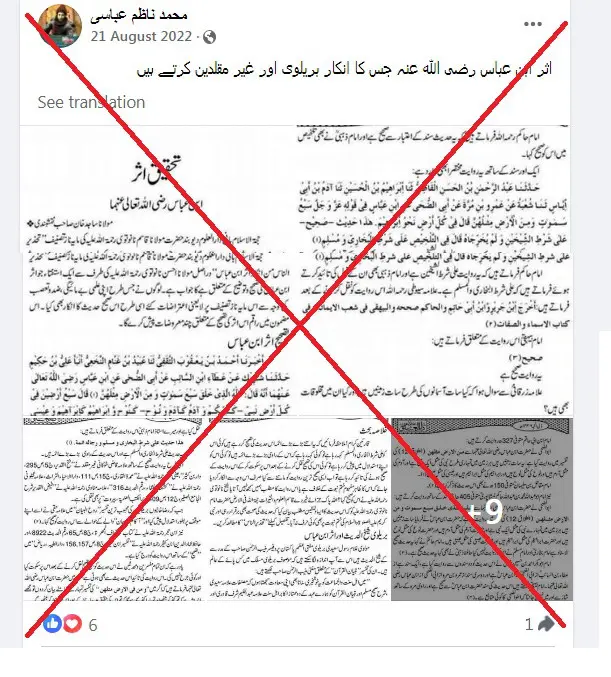
A Deobandi researcher, Muḥammad Nāẓim ʿAbbāsī, attempted to present this narration as credible and usable in argument, despite the fact that both its chains and text have been criticized by scholars of ḥadīth.
In this article, we will:
❀ Analyze both chains of transmission in detail.
❀ Present the criticism of the narrators by major ḥadīth scholars.
❀ Highlight the scholarly criticism of the content of the narration.
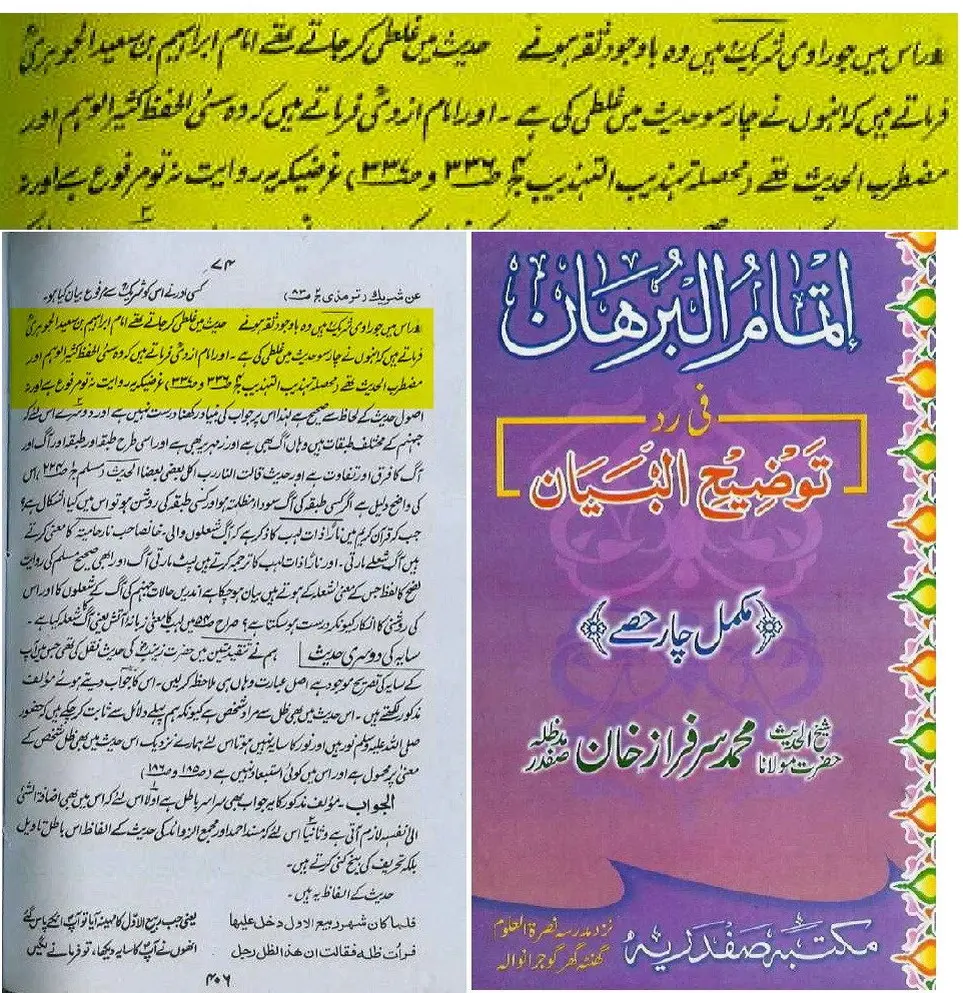
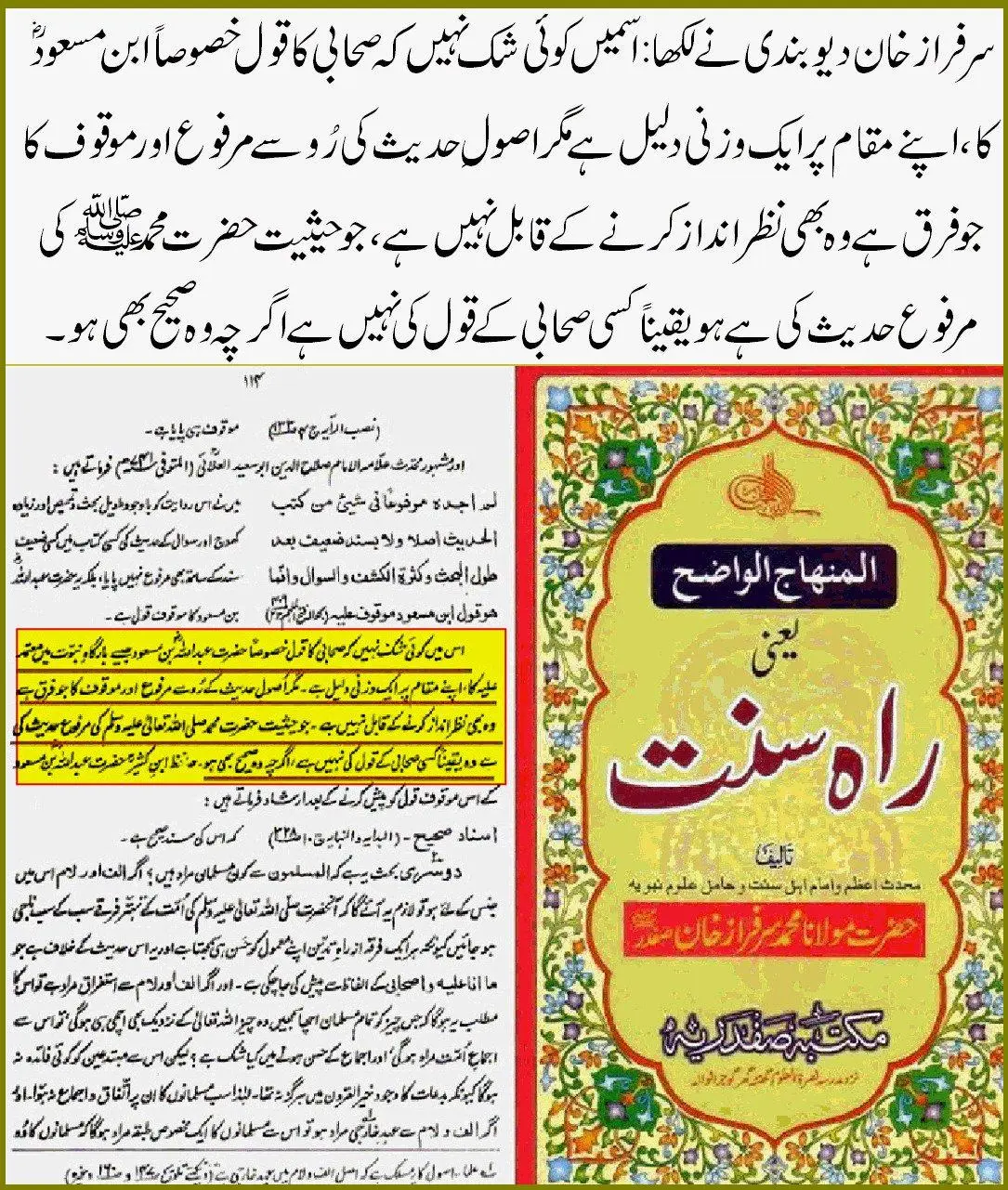
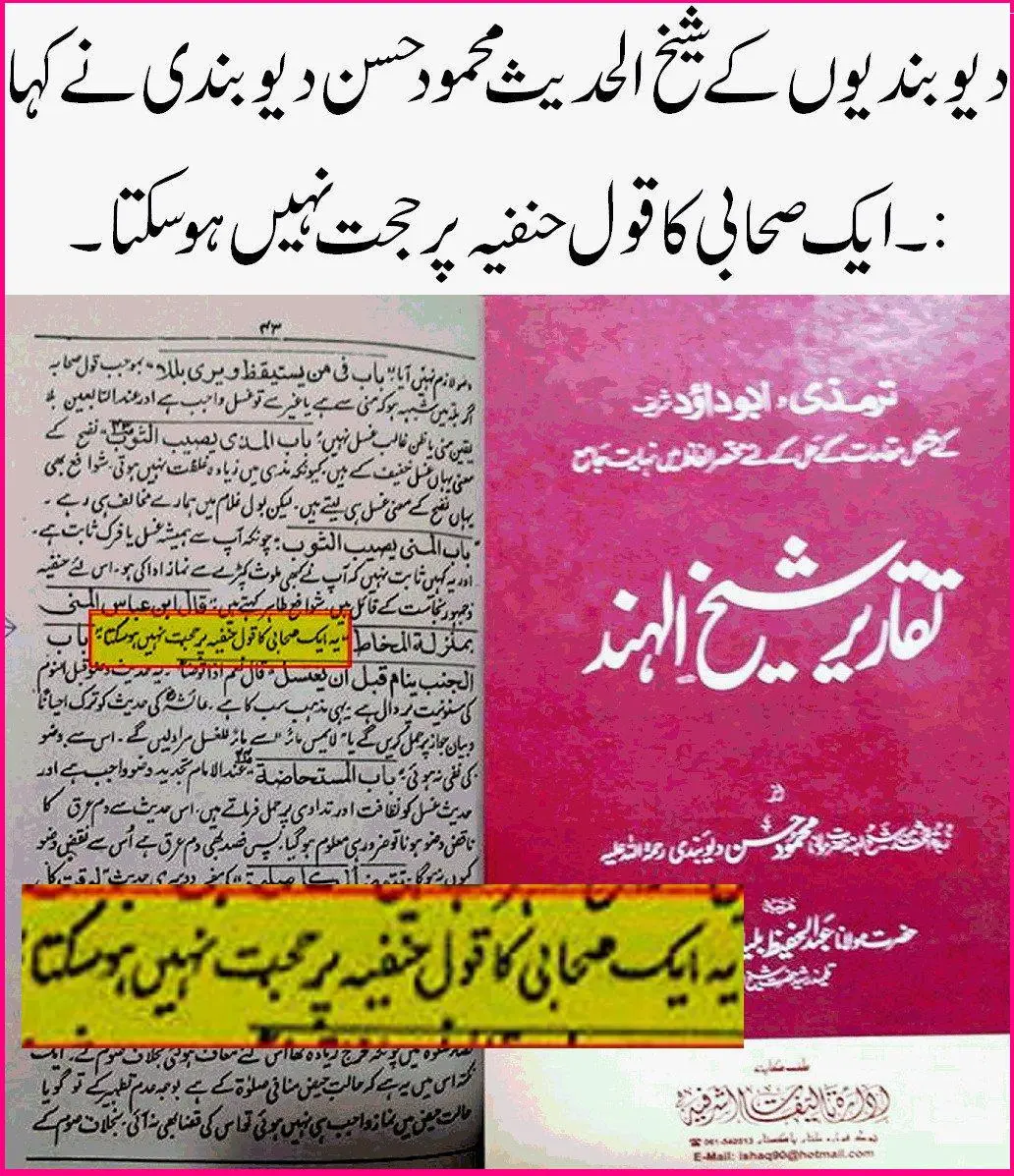
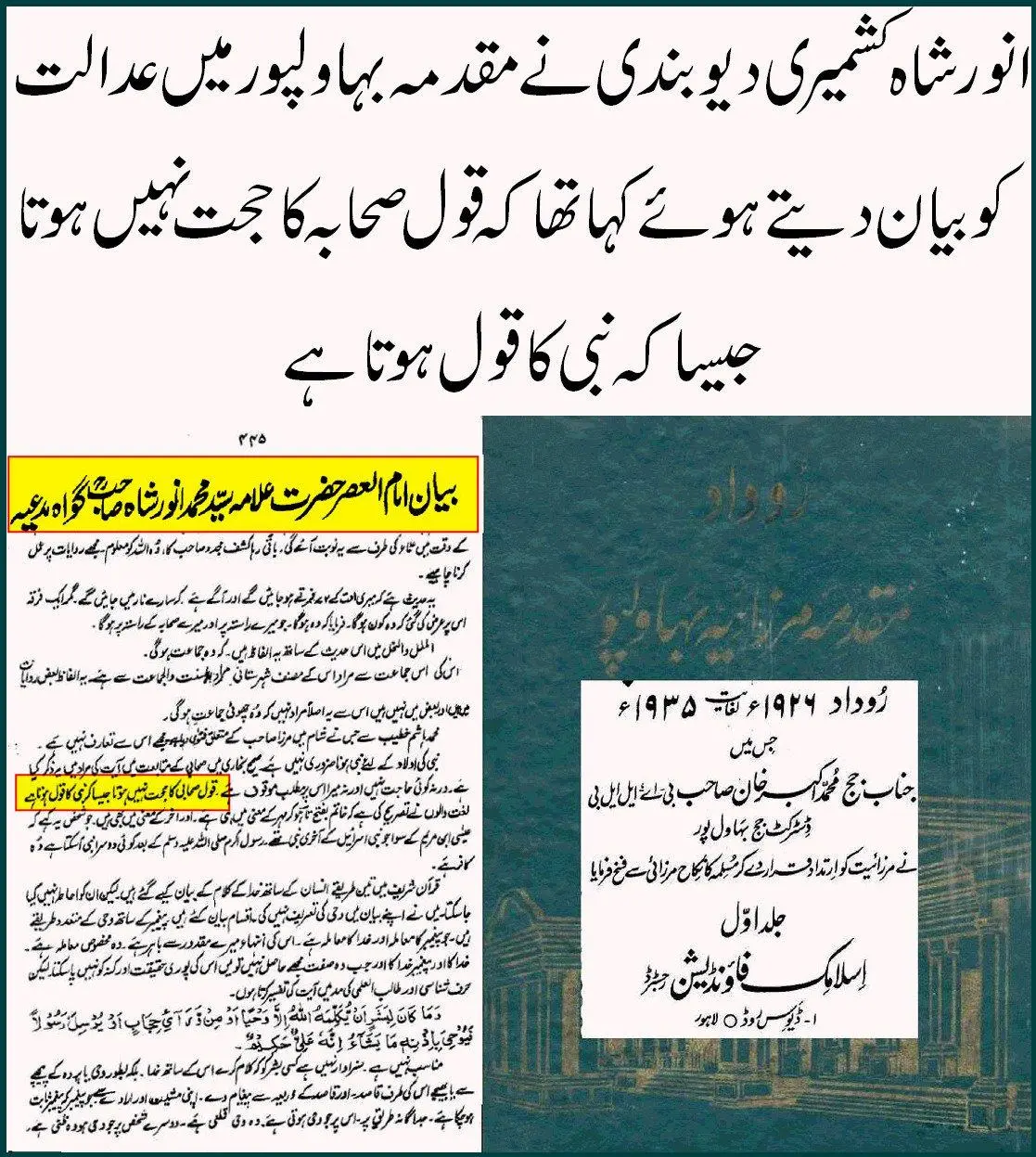
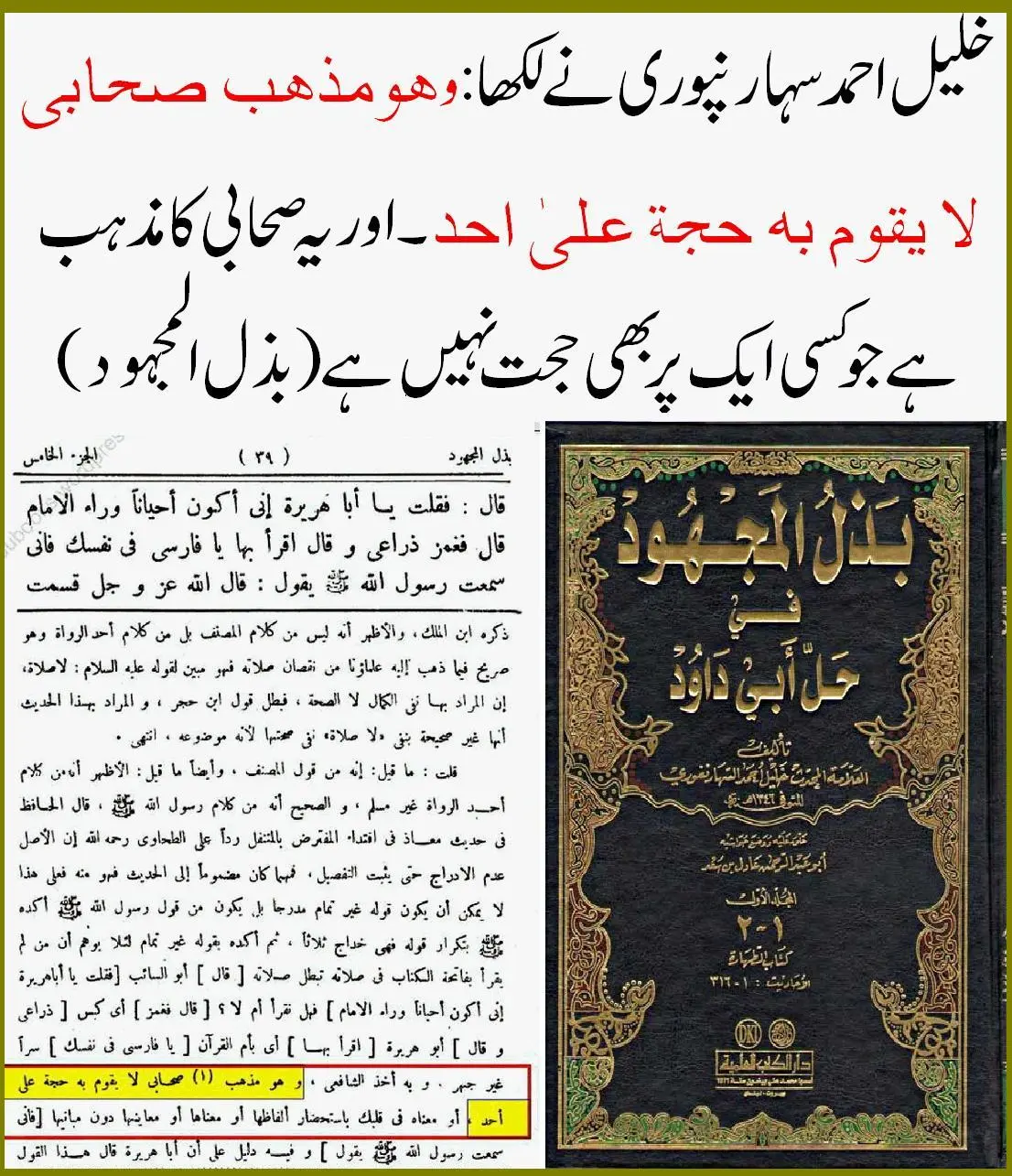
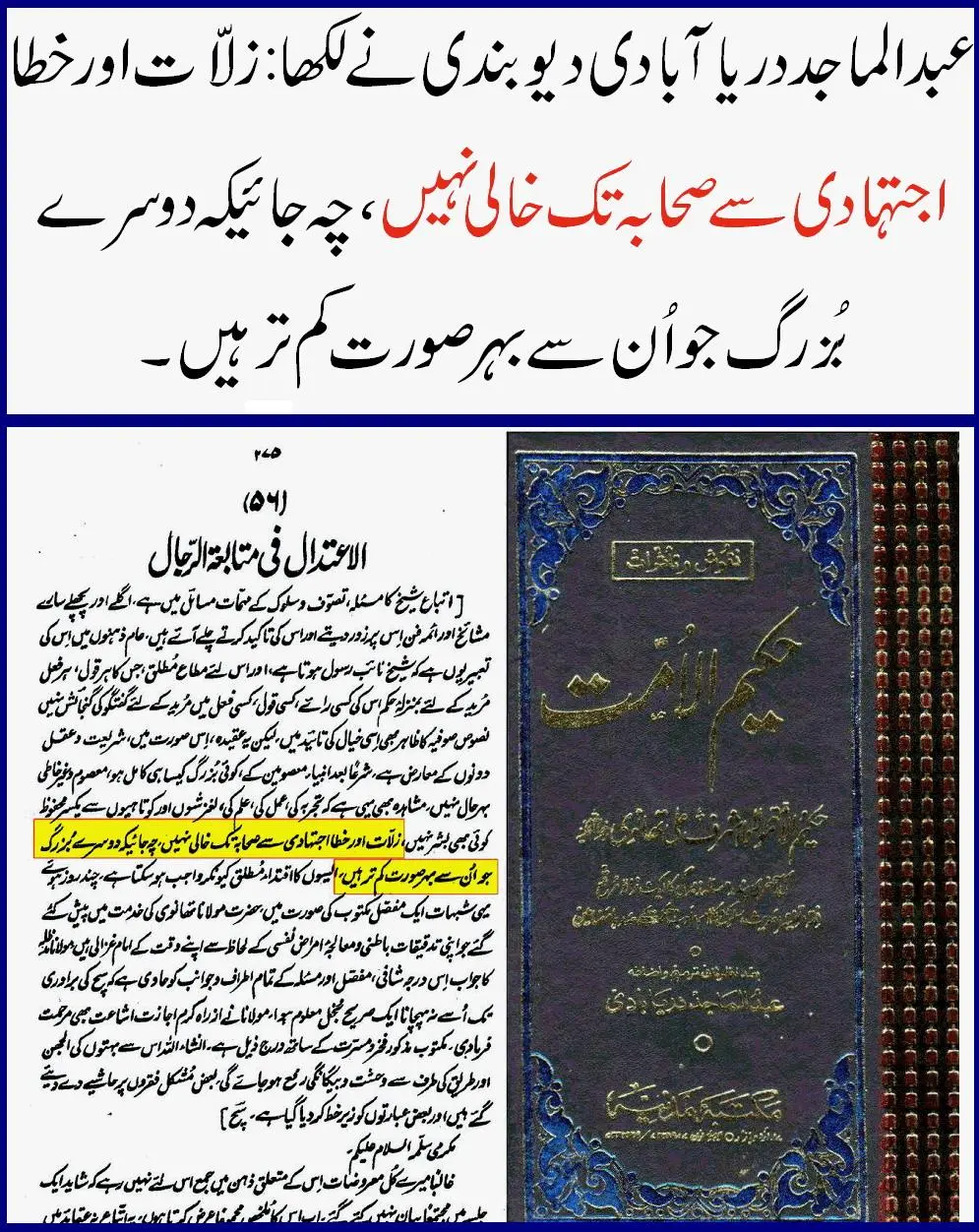
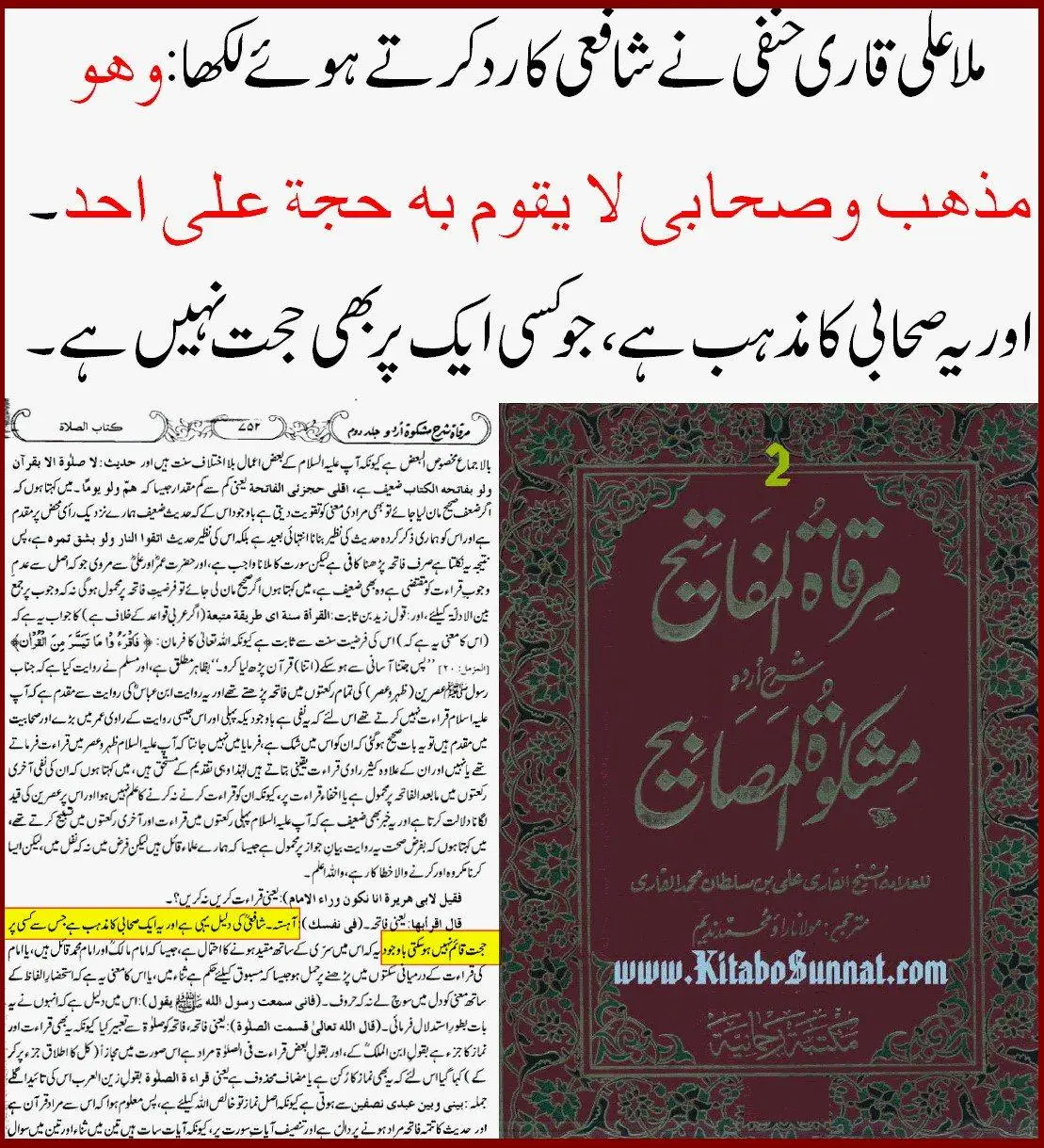
❀ Cite the statements of Deobandi scholars on the ḥujjiyyah (authority) of a Companion’s statement.
Chain:
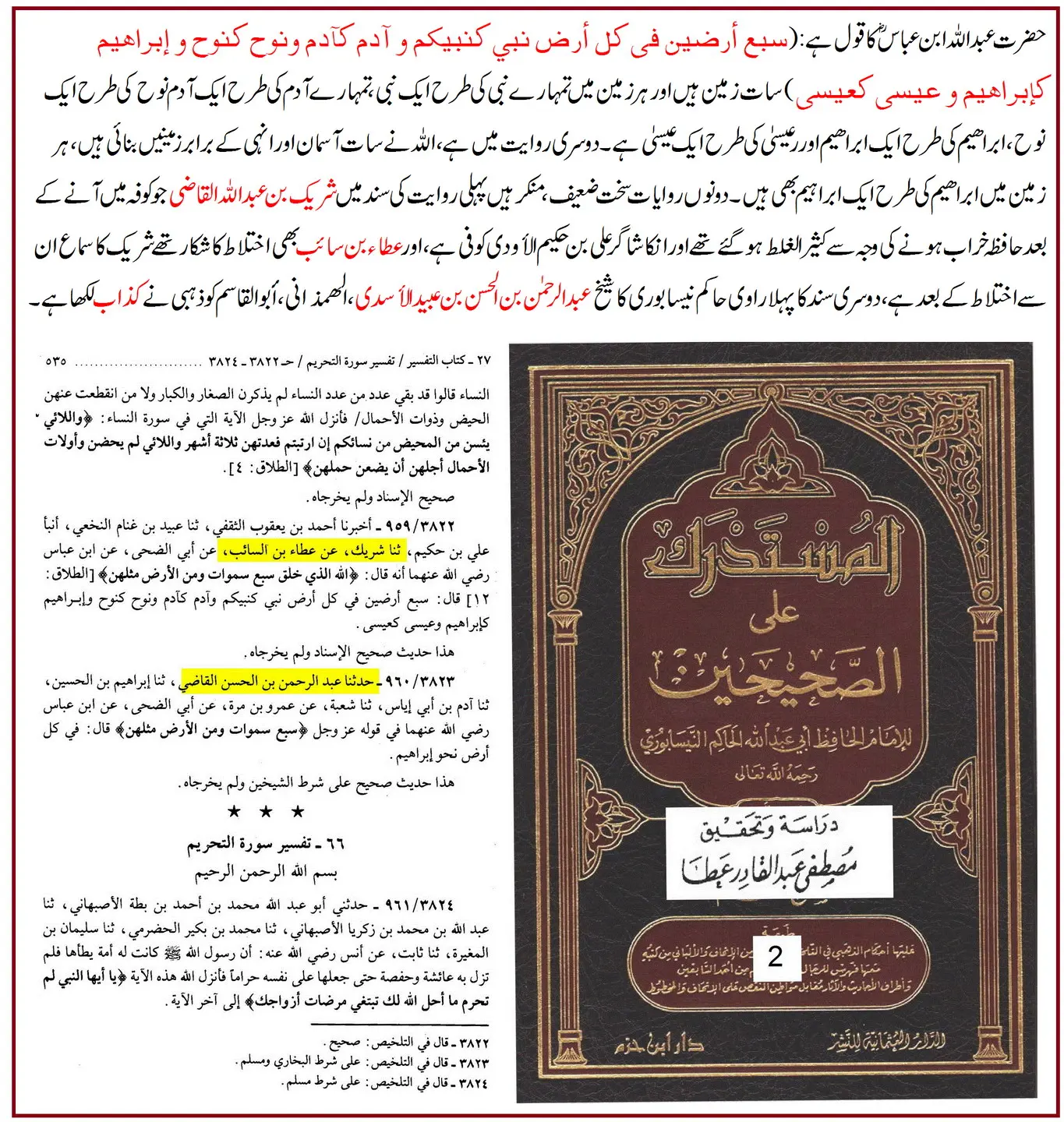
أَخْبَرَنَا أَحْمَدُ بْنُ يَعْقُوبَ الثَّقَفِيُّ، ثنا عُبَيْدُ بْنُ غَنَّامٍ النَّخَعِيُّ، أَنْبَأَ عَلِيُّ بْنُ حَكِيمٍ، ثنا شَرِيكٌ، عَنْ عَطَاءِ بْنِ السَّائِبِ، عَنْ أَبِي الضُّحَى، عَنِ ابْنِ عَبَّاسٍ…
Issues in the Chain:
Scholarly Comments:
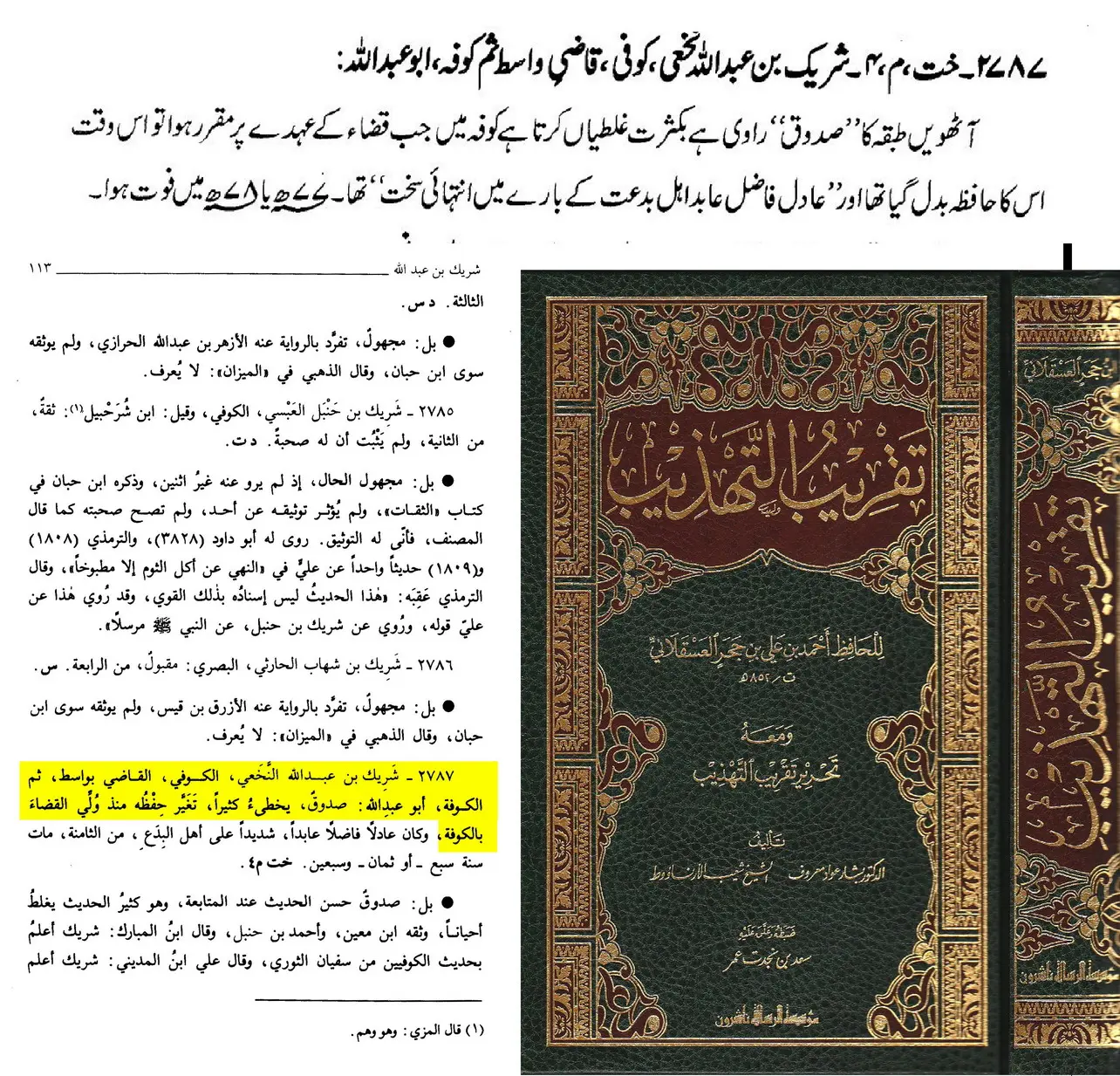
◈ Ibn Ḥajar al-ʿAsqalānī:
"Ṣadūq, makes many mistakes; his memory declined after he was appointed as a judge in Kūfah."
 Taqrīb al-Tahdhīb
◈ Shuʿayb al-Arnāʾūṭ:
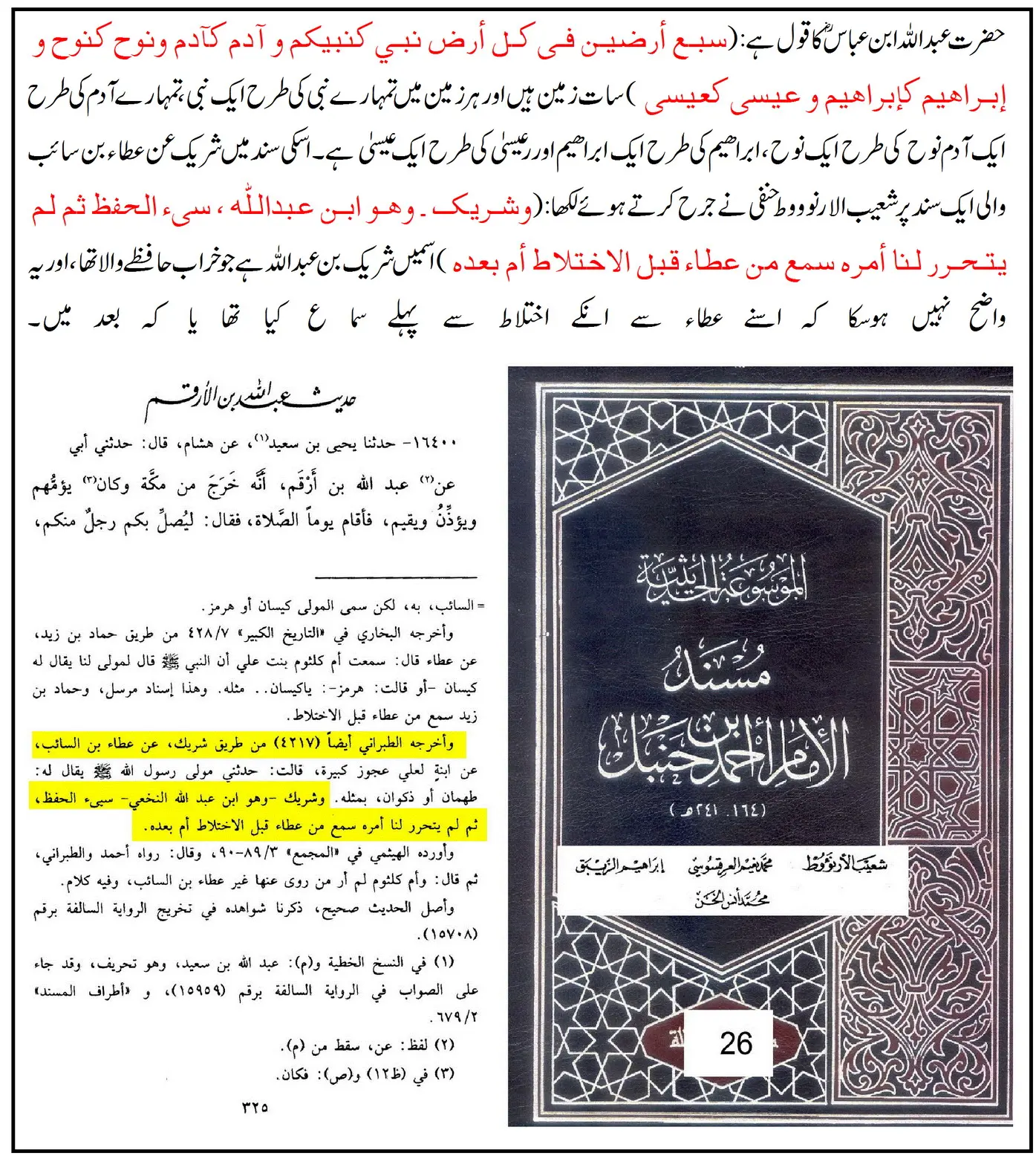
"Shurayk had weak memory, and we are uncertain whether he heard from ʿAṭāʾ before or after his ikhtiṭāṭ."
Musnad Aḥmad, ḥadīth no. 16400
◈ al-Haythamī:
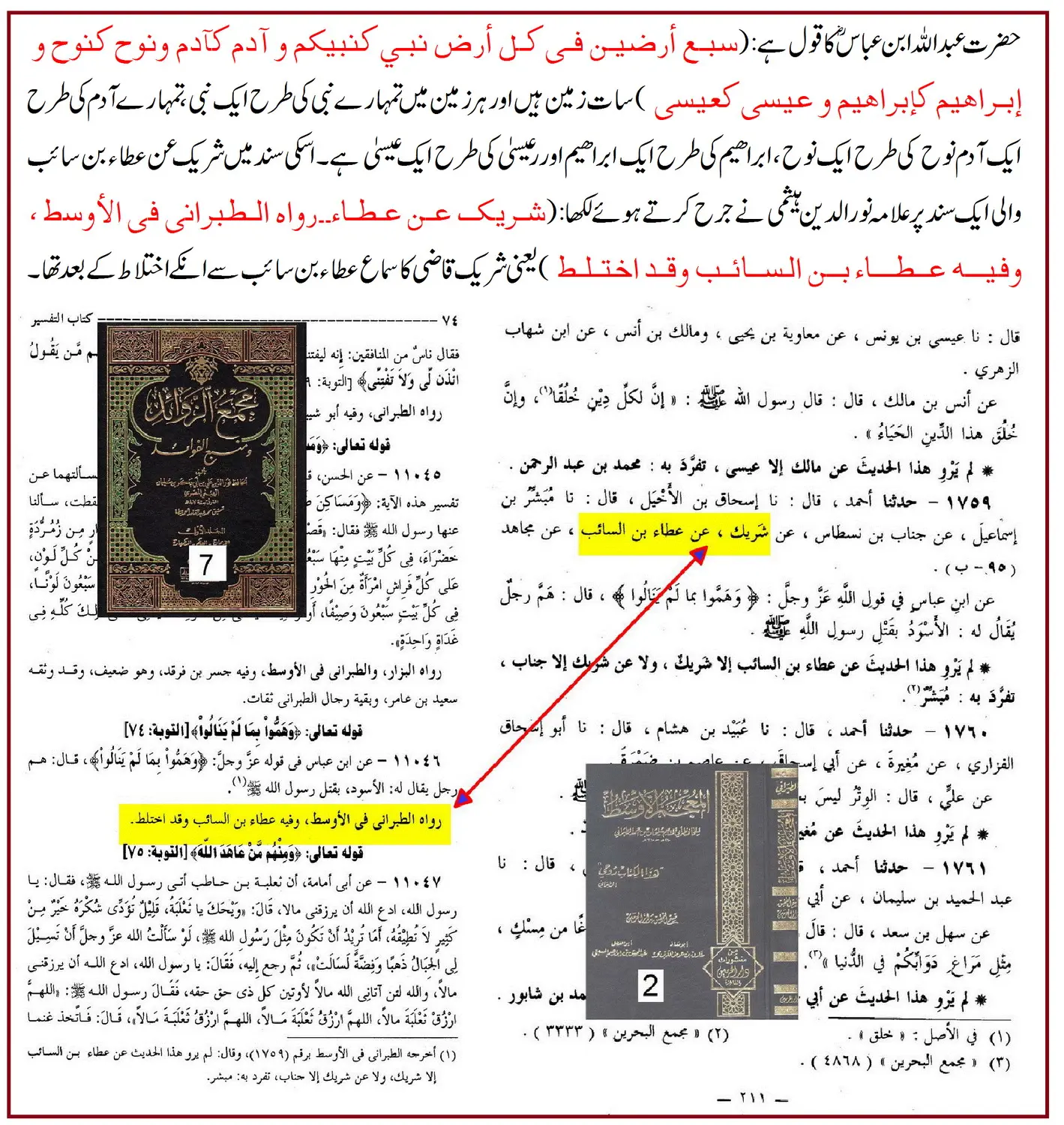
"In the chain is ʿAṭāʾ ibn al-Sāʾib, who suffered from ikhtiṭāṭ."
Majmaʿ al-Zawāʾid
Chain:
حَدَّثَنَا عَبْدُ الرَّحْمَنِ بْنُ الْحَسَنِ الْقَاضِي، ثنا إِبْرَاهِيمُ بْنُ الْحُسَيْنِ… عن أبي الضُّحى، عن ابن عباس…
Key Issue:
Scholarly Criticism:
◈ al-Dhahabī:
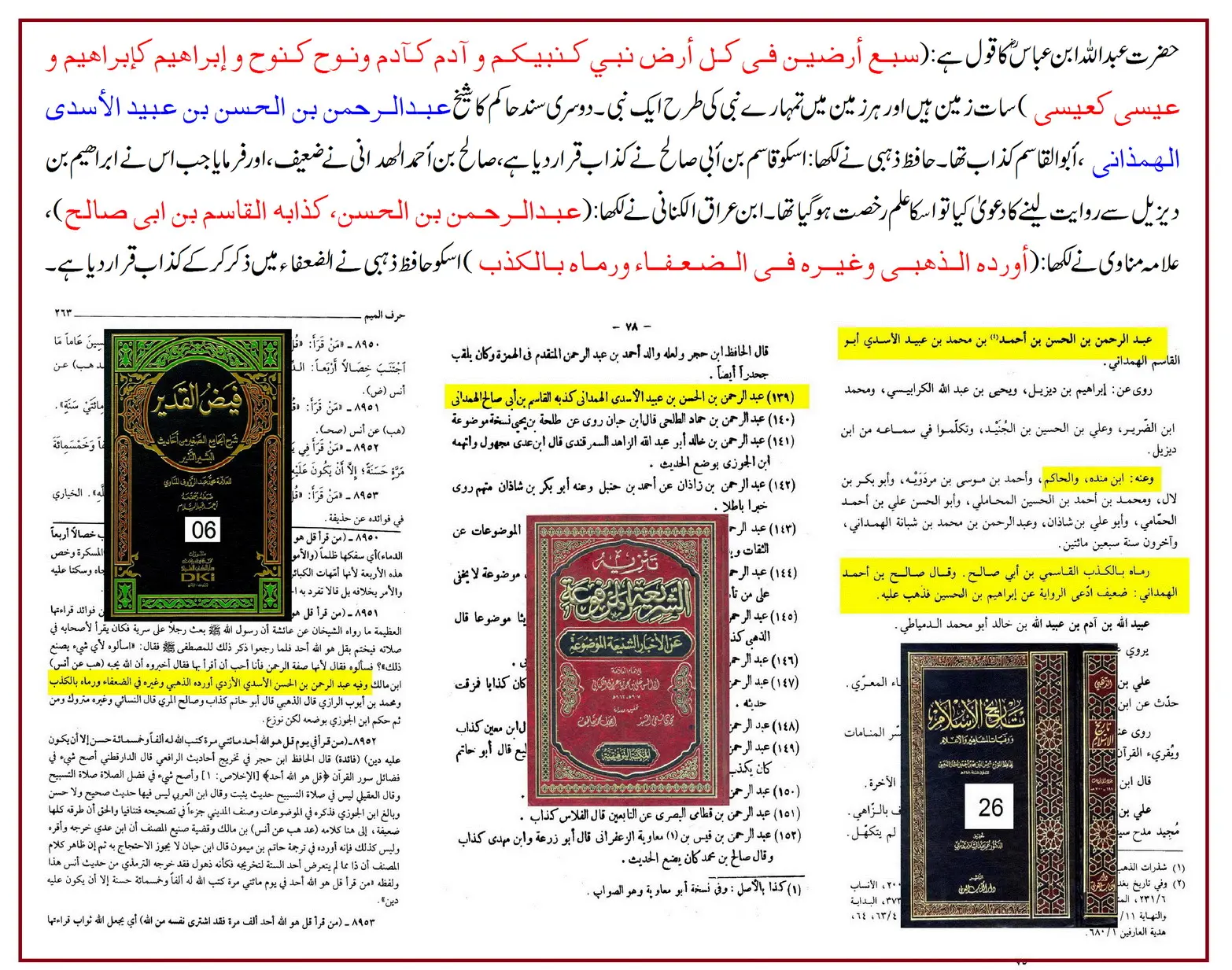
"Qāsim ibn Abī Ṣāliḥ accused him of lying. Ṣāliḥ ibn Aḥmad al-Hamadhānī said he was weak."
Tārīkh al-Islām
◈ Ibn ʿIrāq al-Kinānī:
"ʿAbd al-Raḥmān ibn al-Ḥasan… was declared a liar by Qāsim ibn Abī Ṣāliḥ."
Tanzīh al-Sharīʿah
◈ al-Manāwī:
"He was listed among weak narrators by al-Dhahabī and others and was accused of lying."
Fayḍ al-Qadīr
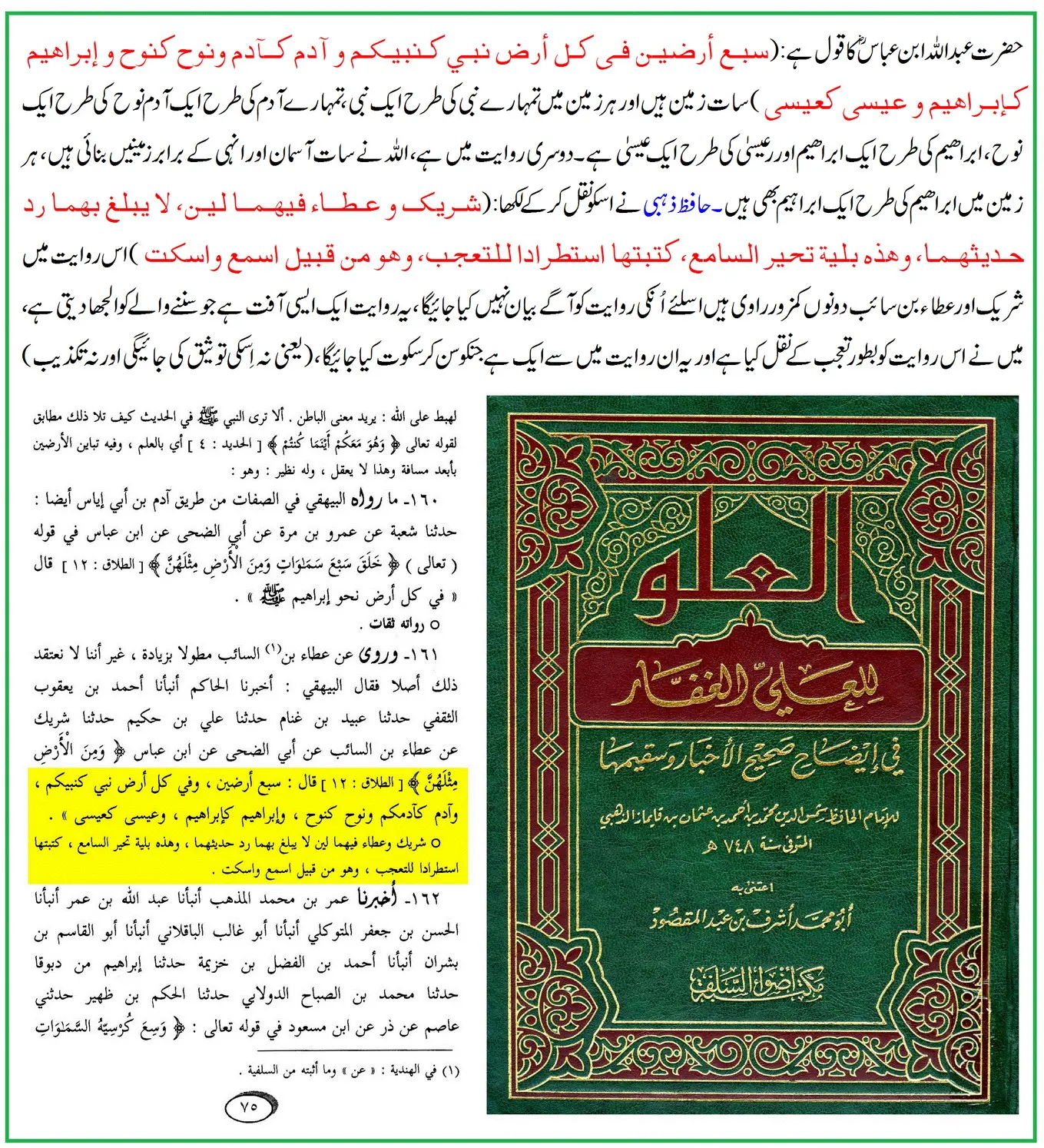
"This is a bewildering calamity for the listener. I recorded it out of astonishment. Such reports should be met with: 'Hear and remain silent.'"
al-ʿUlū lil-ʿAliyy al-Ghaffār
"Even if this narration is authentically attributed, it should be understood as coming from Isrāʾīliyyāt (Judaic traditions), and Allah knows best."
al-Bidāyah wa al-Nihāyah
"If its attribution is authentic, it is still to be seen as taken from Isrāʾīliyyāt. Such narrations are rejected unless proven with an authentic chain to an infallible authority."
al-Maqāṣid al-Ḥasanah
"Its chain is authentic but the content is extremely anomalous. An authentic chain does not imply the authenticity of the text. Therefore, it is weak."
al-Sīrah al-Ḥalabiyyah (Insān al-ʿUyūn)
"Attributed to Ibn ʿAbbās, but through the narration of al-Wāqidī — a known liar. There is no doubt this narration is fabricated."
al-Baḥr al-Muḥīṭ fī al-Tafsīr
❀ The first chain is unreliable due to ikhtiṭāṭ and weakness in Shurayk and ʿAṭāʾ ibn al-Sāʾib.
❀ The second chain is entirely invalidated by the kadhb (lying) of ʿAbd al-Raḥmān ibn al-Ḥasan.
❀ The content of the narration has been rejected or severely criticized by leading scholars such as al-Dhahabī, Ibn Kathīr, al-Sakhāwī, al-Bayhaqī, al-Ḥalabī, and Abū Ḥayyān.
❀ Therefore, using this narration as evidence is baseless and contradicts the methodology of the ḥadīth scholars.
❖ Introduction
This article is a scholarly examination of a statement attributed to ʿAbdullāh ibn ʿAbbās رضي الله عنهما, which claims:
“There are seven earths, and in every earth is a Prophet like your Prophet ﷺ, an Adam like your Adam, a Nūḥ like your Nūḥ, an Ibrāhīm like your Ibrāhīm, and a ʿĪsā like your ʿĪsā.”
A Deobandi researcher, Muḥammad Nāẓim ʿAbbāsī, attempted to present this narration as credible and usable in argument, despite the fact that both its chains and text have been criticized by scholars of ḥadīth.
In this article, we will:
❀ Analyze both chains of transmission in detail.
❀ Present the criticism of the narrators by major ḥadīth scholars.
❀ Highlight the scholarly criticism of the content of the narration.
❀ Cite the statements of Deobandi scholars on the ḥujjiyyah (authority) of a Companion’s statement.
 Analysis of the Two Chains in
① First Chain (
Chain:
أَخْبَرَنَا أَحْمَدُ بْنُ يَعْقُوبَ الثَّقَفِيُّ، ثنا عُبَيْدُ بْنُ غَنَّامٍ النَّخَعِيُّ، أَنْبَأَ عَلِيُّ بْنُ حَكِيمٍ، ثنا شَرِيكٌ، عَنْ عَطَاءِ بْنِ السَّائِبِ، عَنْ أَبِي الضُّحَى، عَنِ ابْنِ عَبَّاسٍ…
Issues in the Chain:
- Shurayk ibn ʿAbdullāh al-Nakhaʿī and ʿAṭāʾ ibn al-Sāʾib have both been criticized due to confusion and weak memory.
- Shurayk's memory deteriorated after becoming a judge, and ʿAṭāʾ suffered from confirmed ikhtiṭāṭ (confusion in later years).
- There is doubt as to whether Shurayk heard from ʿAṭāʾ before or after his ikhtiṭāṭ.
Scholarly Comments:
◈ Ibn Ḥajar al-ʿAsqalānī:
"Ṣadūq, makes many mistakes; his memory declined after he was appointed as a judge in Kūfah."
Taqrīb al-Tahdhīb◈ Shuʿayb al-Arnāʾūṭ:
"Shurayk had weak memory, and we are uncertain whether he heard from ʿAṭāʾ before or after his ikhtiṭāṭ."
Musnad Aḥmad, ḥadīth no. 16400◈ al-Haythamī:
"In the chain is ʿAṭāʾ ibn al-Sāʾib, who suffered from ikhtiṭāṭ."
Majmaʿ al-Zawāʾid② Second Chain (
Chain:
حَدَّثَنَا عَبْدُ الرَّحْمَنِ بْنُ الْحَسَنِ الْقَاضِي، ثنا إِبْرَاهِيمُ بْنُ الْحُسَيْنِ… عن أبي الضُّحى، عن ابن عباس…
Key Issue:
- The main narrator, ʿAbd al-Raḥmān ibn al-Ḥasan al-Qāḍī, has been accused of lying and extreme weakness.
Scholarly Criticism:
◈ al-Dhahabī:
"Qāsim ibn Abī Ṣāliḥ accused him of lying. Ṣāliḥ ibn Aḥmad al-Hamadhānī said he was weak."
Tārīkh al-Islām◈ Ibn ʿIrāq al-Kinānī:
"ʿAbd al-Raḥmān ibn al-Ḥasan… was declared a liar by Qāsim ibn Abī Ṣāliḥ."
Tanzīh al-Sharīʿah◈ al-Manāwī:
"He was listed among weak narrators by al-Dhahabī and others and was accused of lying."
Fayḍ al-Qadīr Criticism of the Text of the Narration
③ al-Dhahabī:
"This is a bewildering calamity for the listener. I recorded it out of astonishment. Such reports should be met with: 'Hear and remain silent.'"
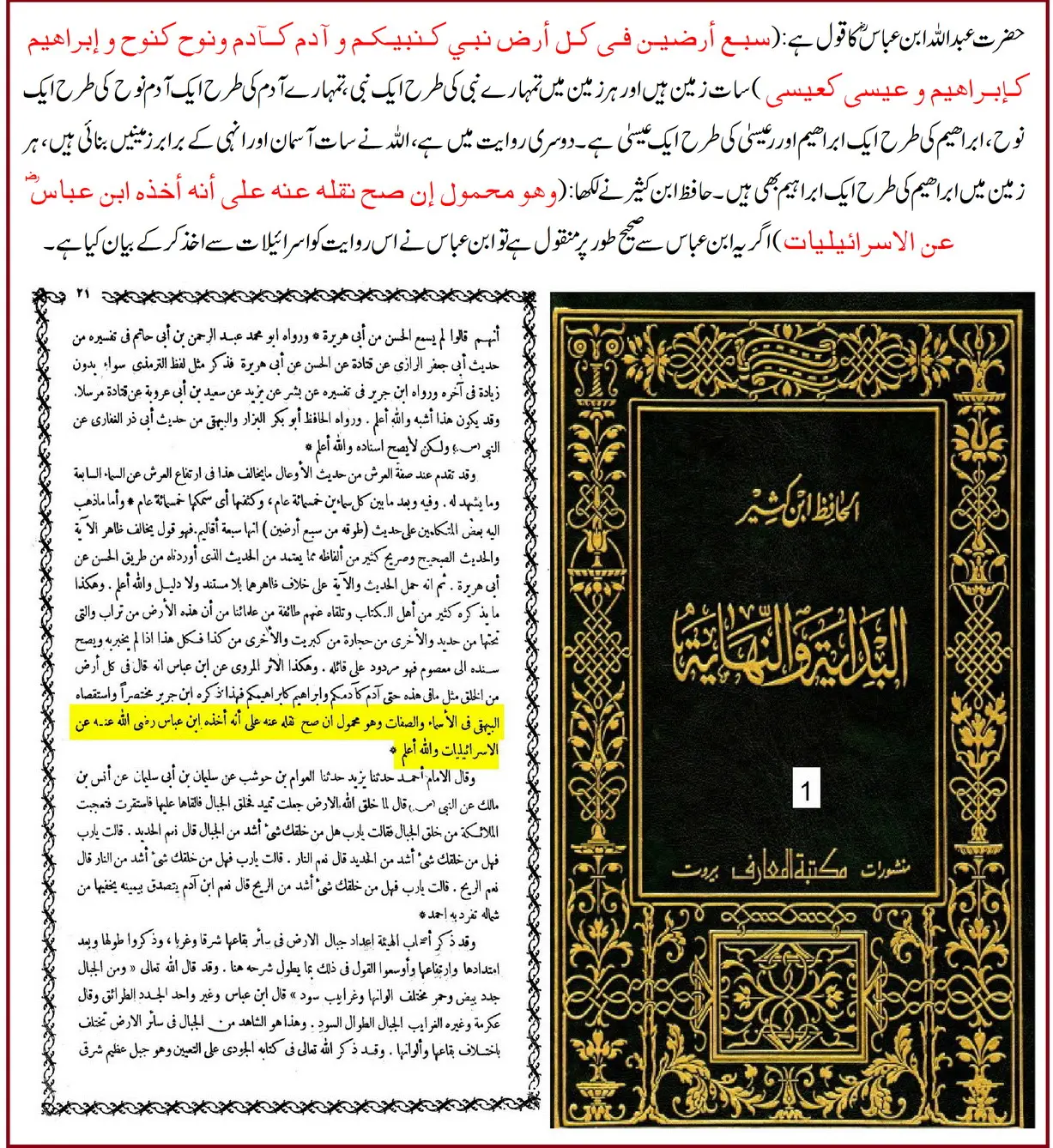
al-ʿUlū lil-ʿAliyy al-Ghaffār④ Ibn Kathīr:
"Even if this narration is authentically attributed, it should be understood as coming from Isrāʾīliyyāt (Judaic traditions), and Allah knows best."
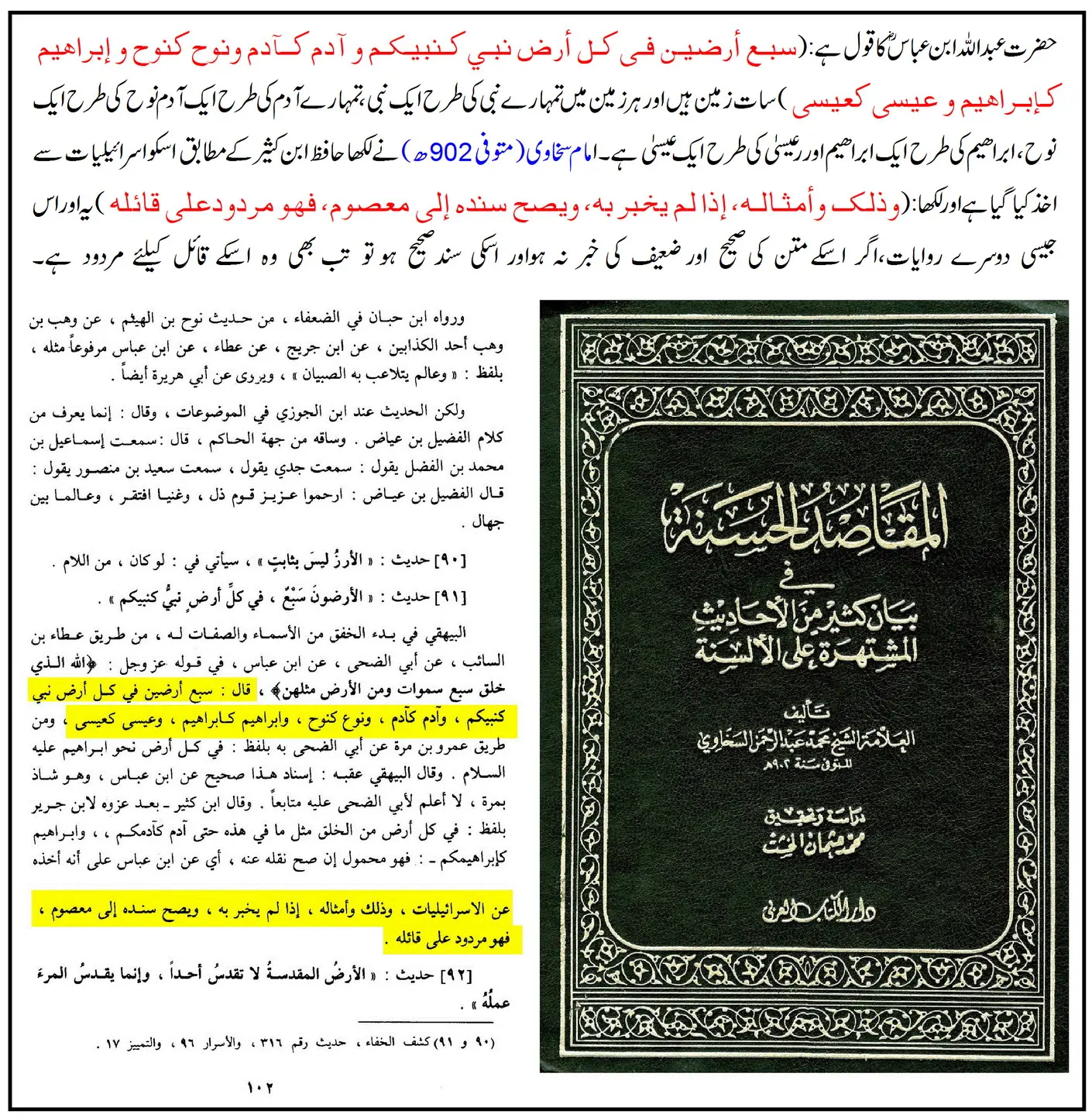
al-Bidāyah wa al-Nihāyah⑤ al-Sakhāwī:
"If its attribution is authentic, it is still to be seen as taken from Isrāʾīliyyāt. Such narrations are rejected unless proven with an authentic chain to an infallible authority."
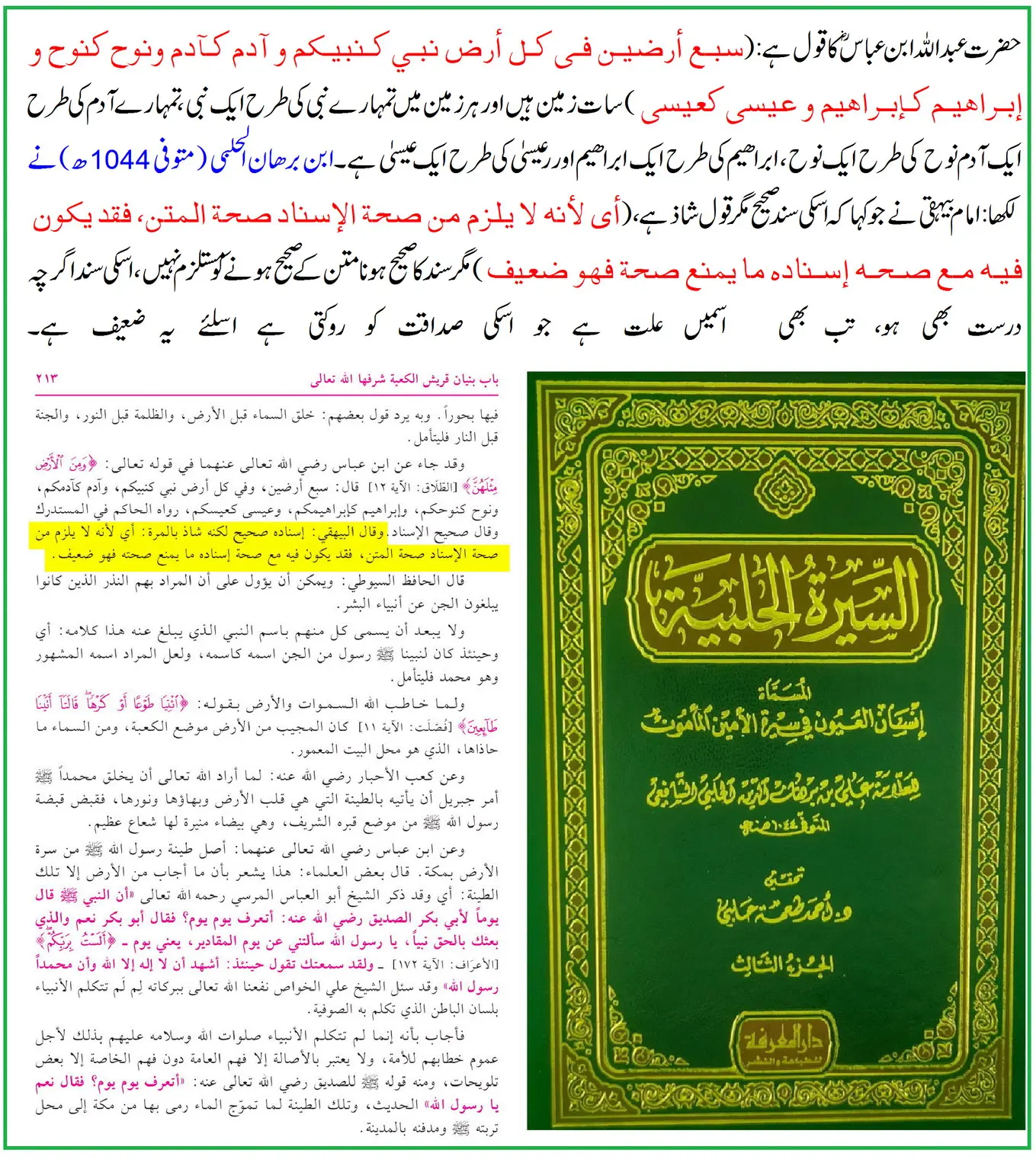
al-Maqāṣid al-Ḥasanah⑥ Ibn Burhān al-Ḥalabī, quoting al-Bayhaqī:
"Its chain is authentic but the content is extremely anomalous. An authentic chain does not imply the authenticity of the text. Therefore, it is weak."
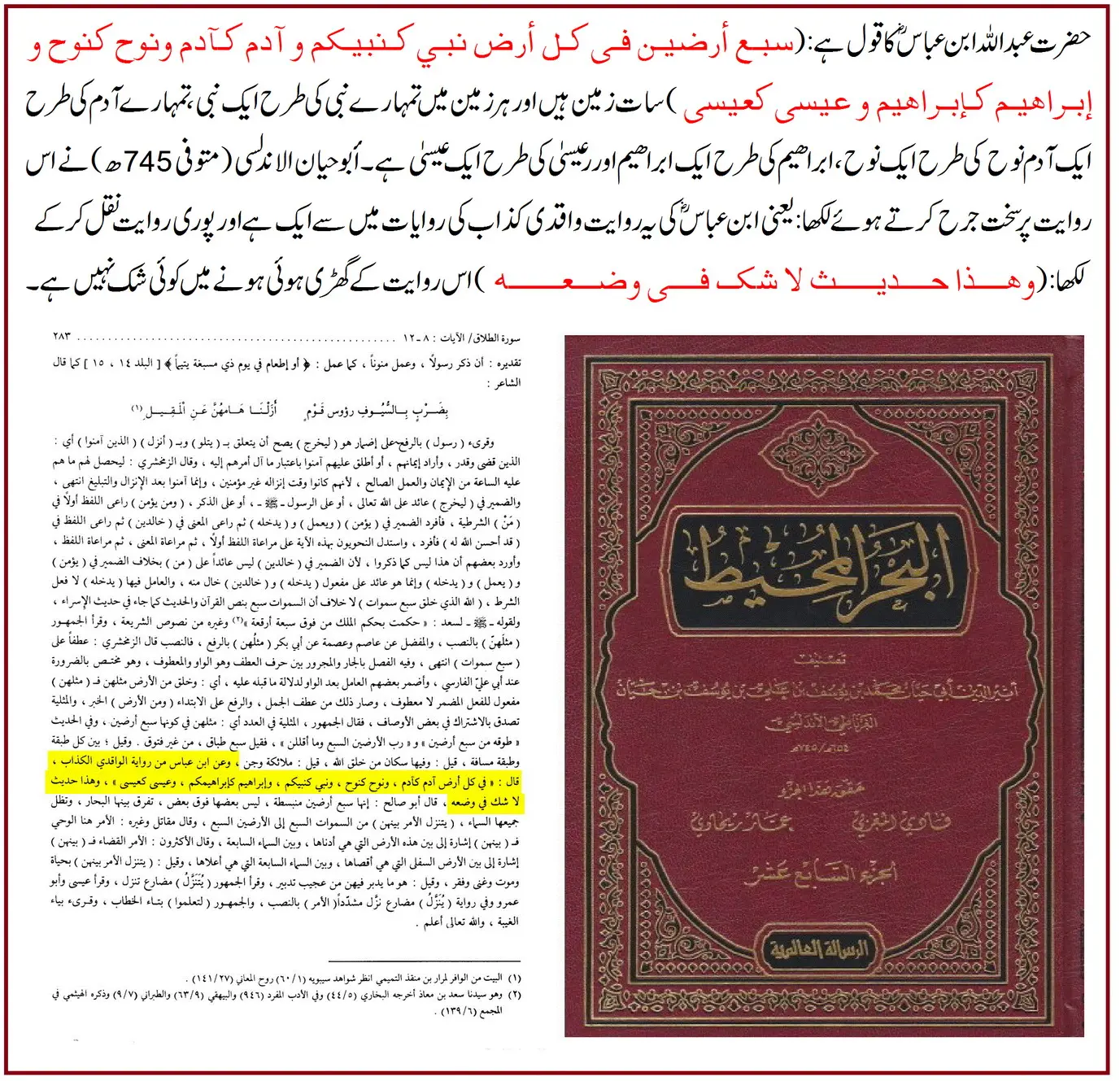
al-Sīrah al-Ḥalabiyyah (Insān al-ʿUyūn)⑦ Abū Ḥayyān al-Andalusī:
"Attributed to Ibn ʿAbbās, but through the narration of al-Wāqidī — a known liar. There is no doubt this narration is fabricated."
al-Baḥr al-Muḥīṭ fī al-Tafsīr✿ Summary and Conclusion
❀ The first chain is unreliable due to ikhtiṭāṭ and weakness in Shurayk and ʿAṭāʾ ibn al-Sāʾib.
❀ The second chain is entirely invalidated by the kadhb (lying) of ʿAbd al-Raḥmān ibn al-Ḥasan.
❀ The content of the narration has been rejected or severely criticized by leading scholars such as al-Dhahabī, Ibn Kathīr, al-Sakhāwī, al-Bayhaqī, al-Ḥalabī, and Abū Ḥayyān.
❀ Therefore, using this narration as evidence is baseless and contradicts the methodology of the ḥadīth scholars.
