Refutation of Declaring the Verses of Divine Attributes as Mutashābih
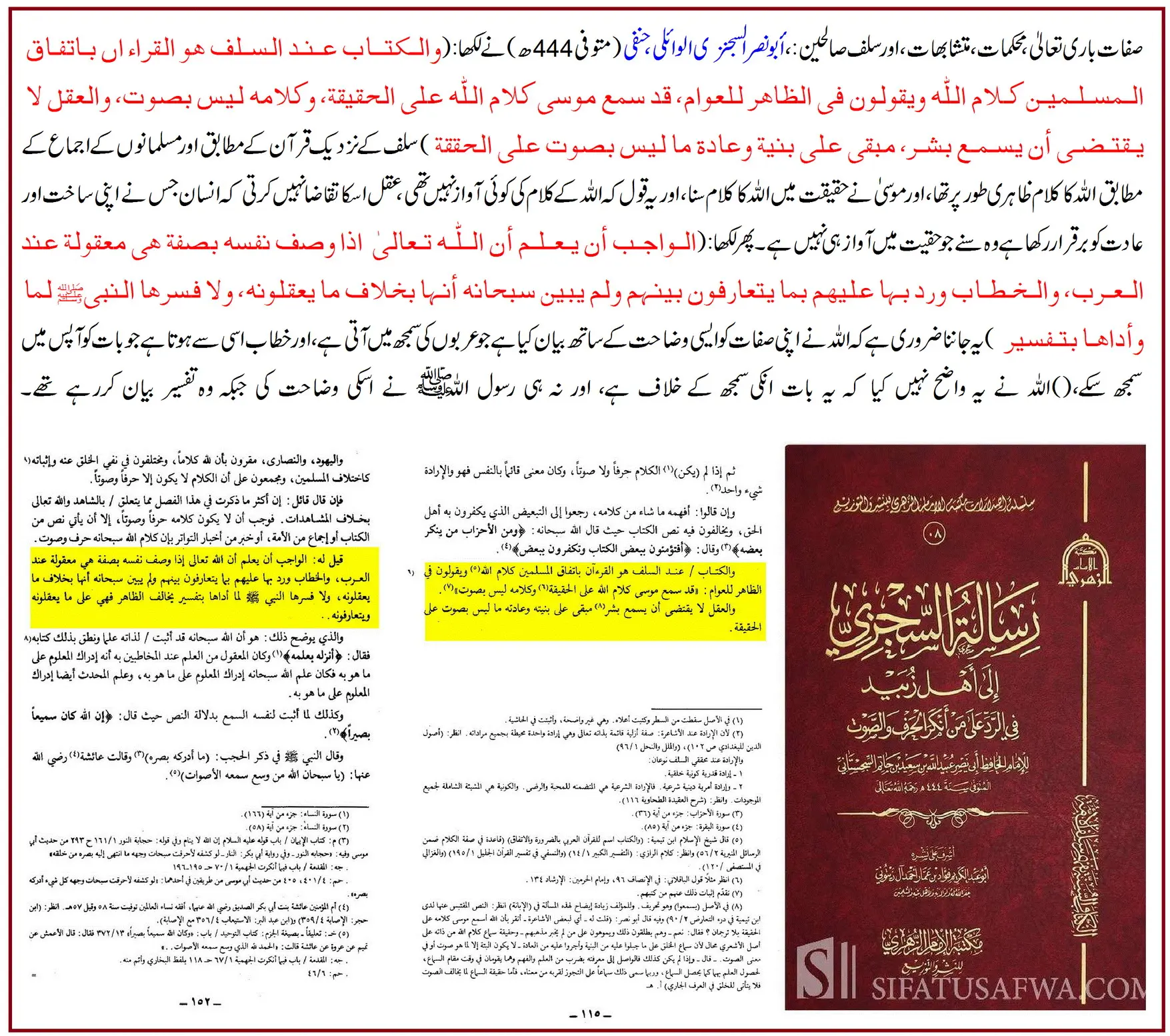
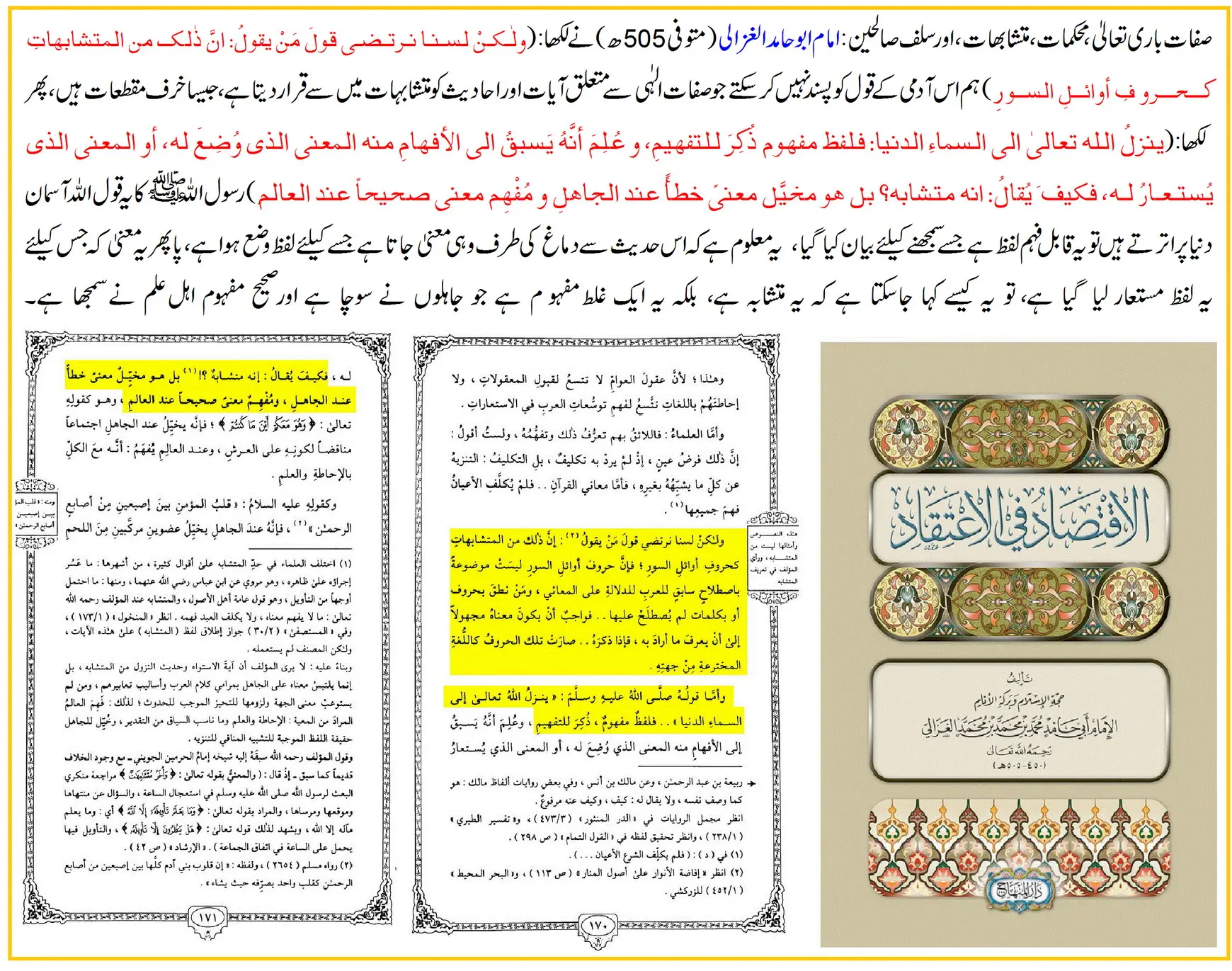
Compiled by: Abu Hamzah SalafiThe purpose of this article is to clarify that declaring the Qur’ānic verses concerning the Attributes of Allah as mutashābih (ambiguous) is a Jahmī and innovated methodology. The Salaf al-Ṣāliḥīn and the majority of ḥadīth scholars regarded these verses as muḥkam (clear and decisive), and affirming them upon their apparent meaning is the way of Ahl al-Sunnah wa al-Jamāʿah.
A misguided Deobandi raised the following objections:
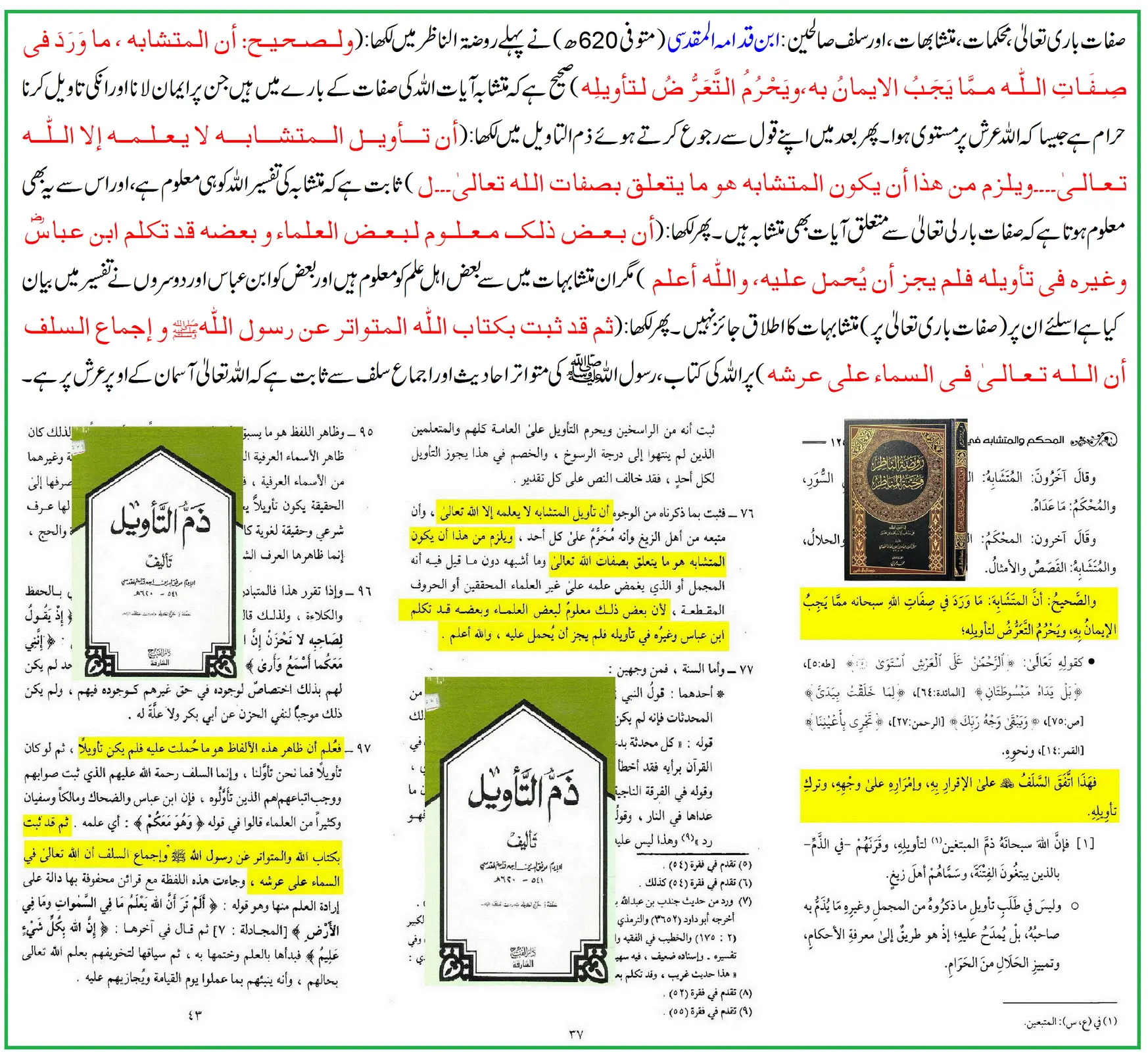
① He declared the verse الرَّحْمَنُ عَلَى الْعَرْشِ اسْتَوَى as mutashābih (whereas it is not established from the Salaf that this verse is ambiguous).
② He claimed: “Taking the apparent meaning from Qur’ānic verses leads to tribulation.” (In reality, this is an accusation of causing tribulation against the Salaf, as they believed in the apparent meaning.)
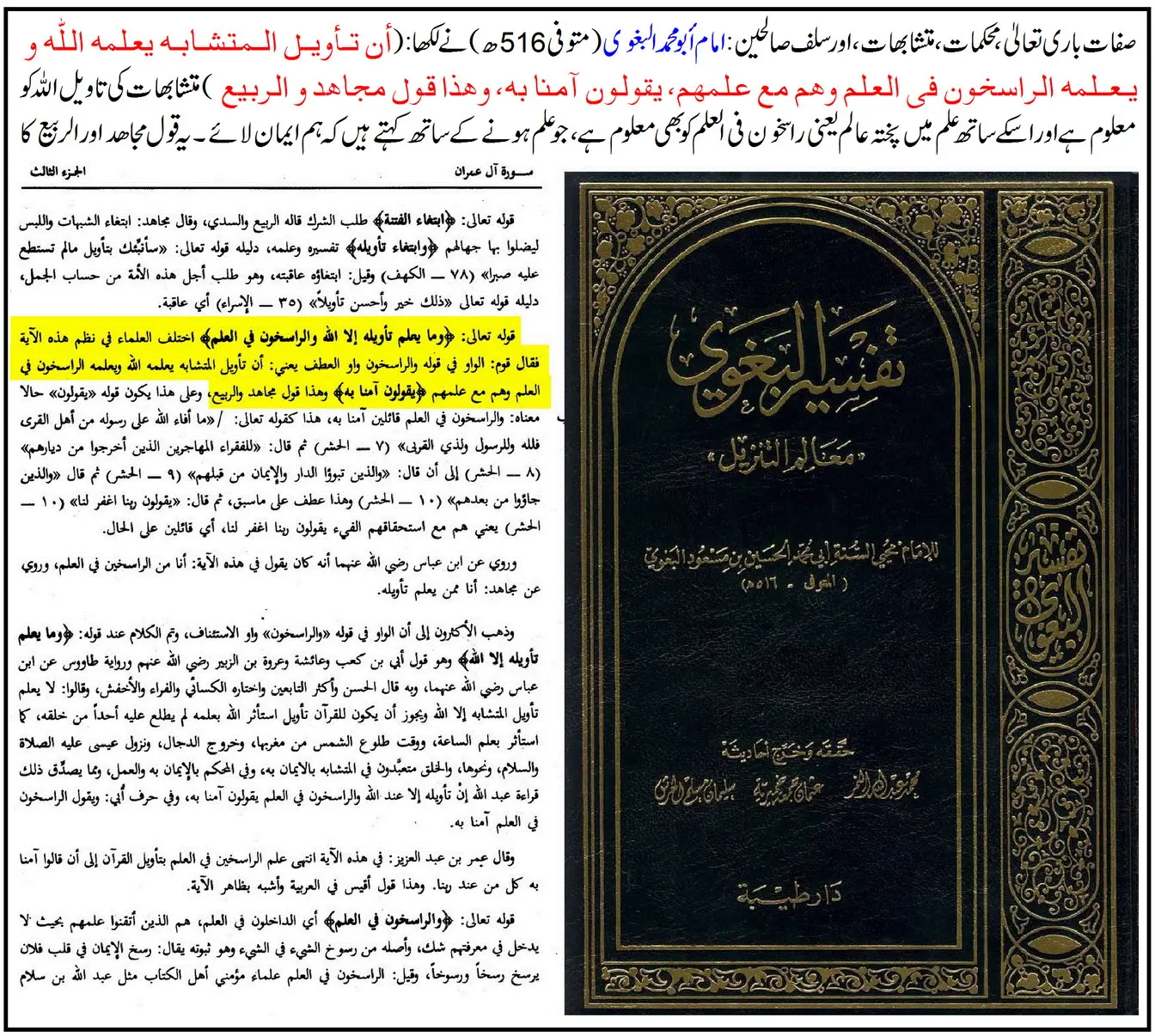
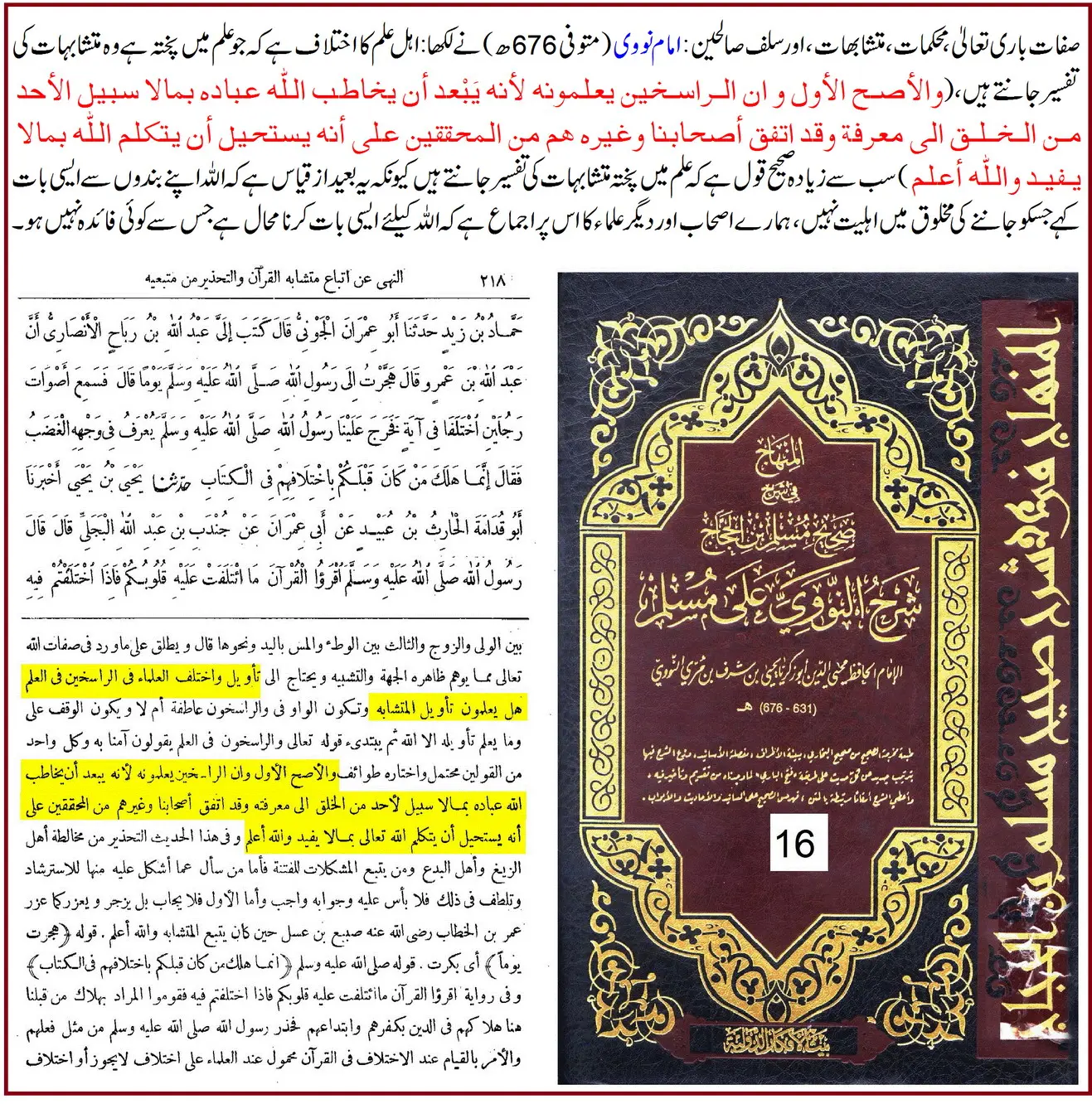
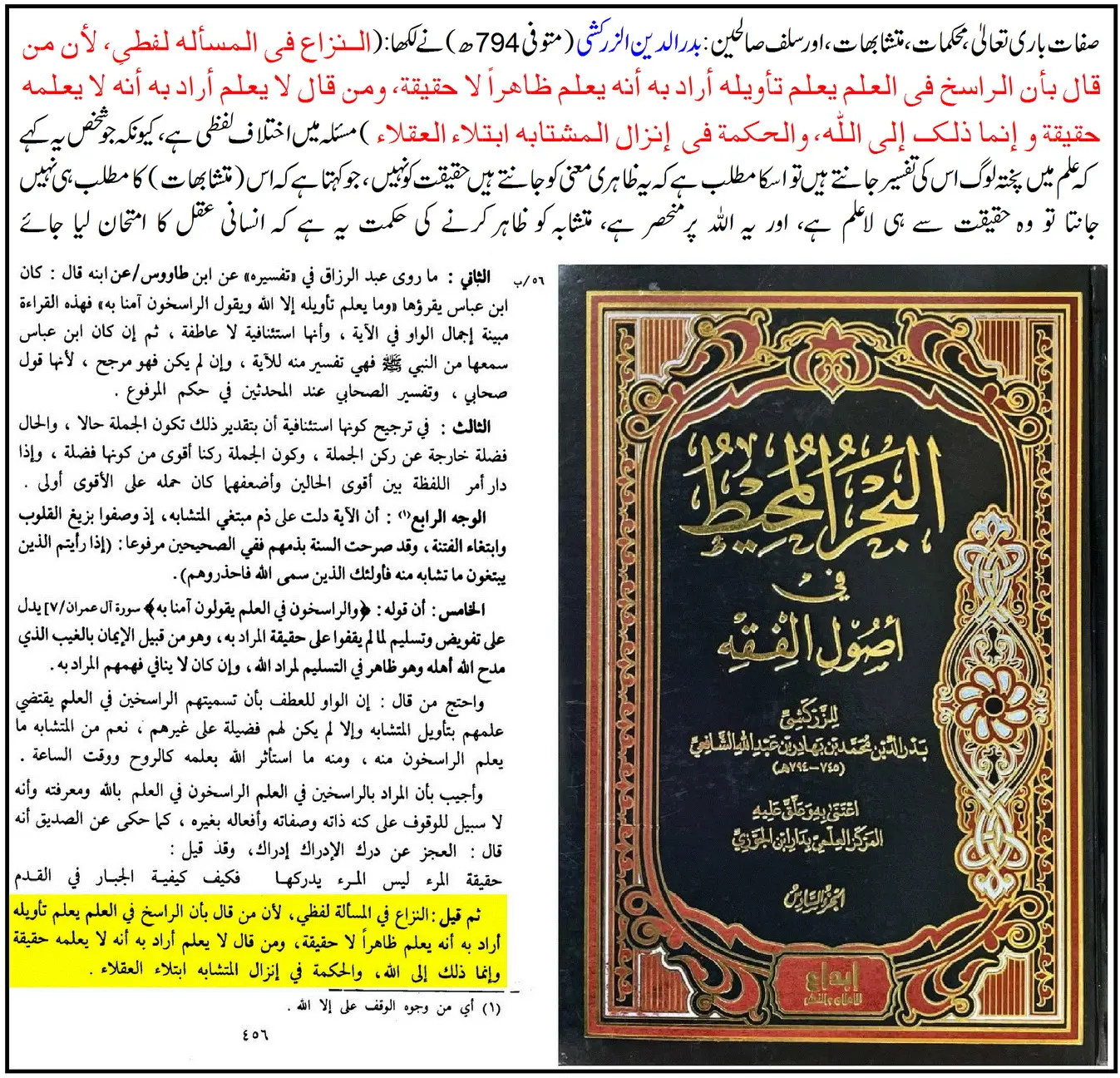
③ He asserted that the true meaning of the mutashābihāt is known only to Allah (while the majority of ḥadīth scholars stated that the firmly grounded in knowledge also know its interpretation).
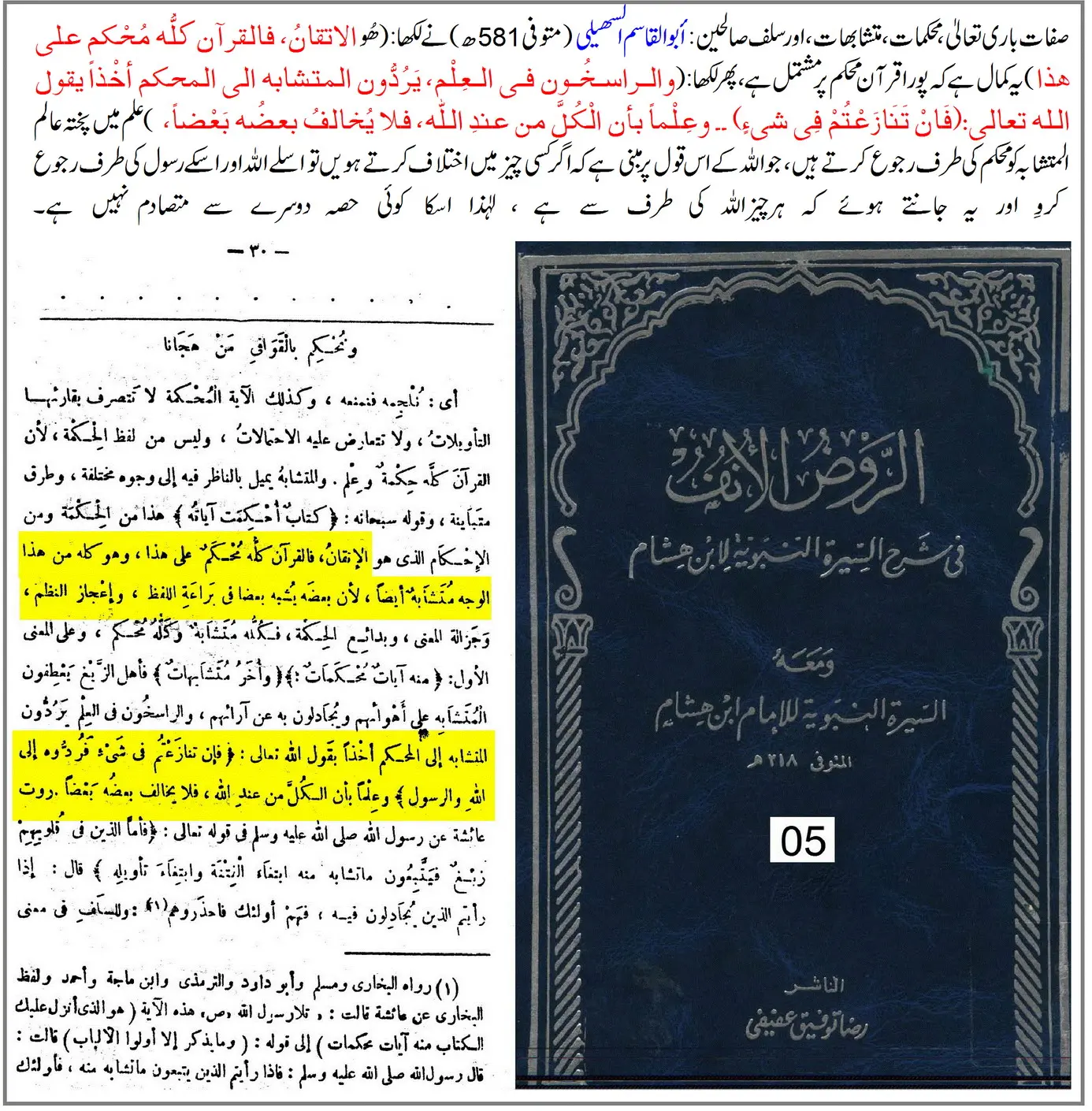
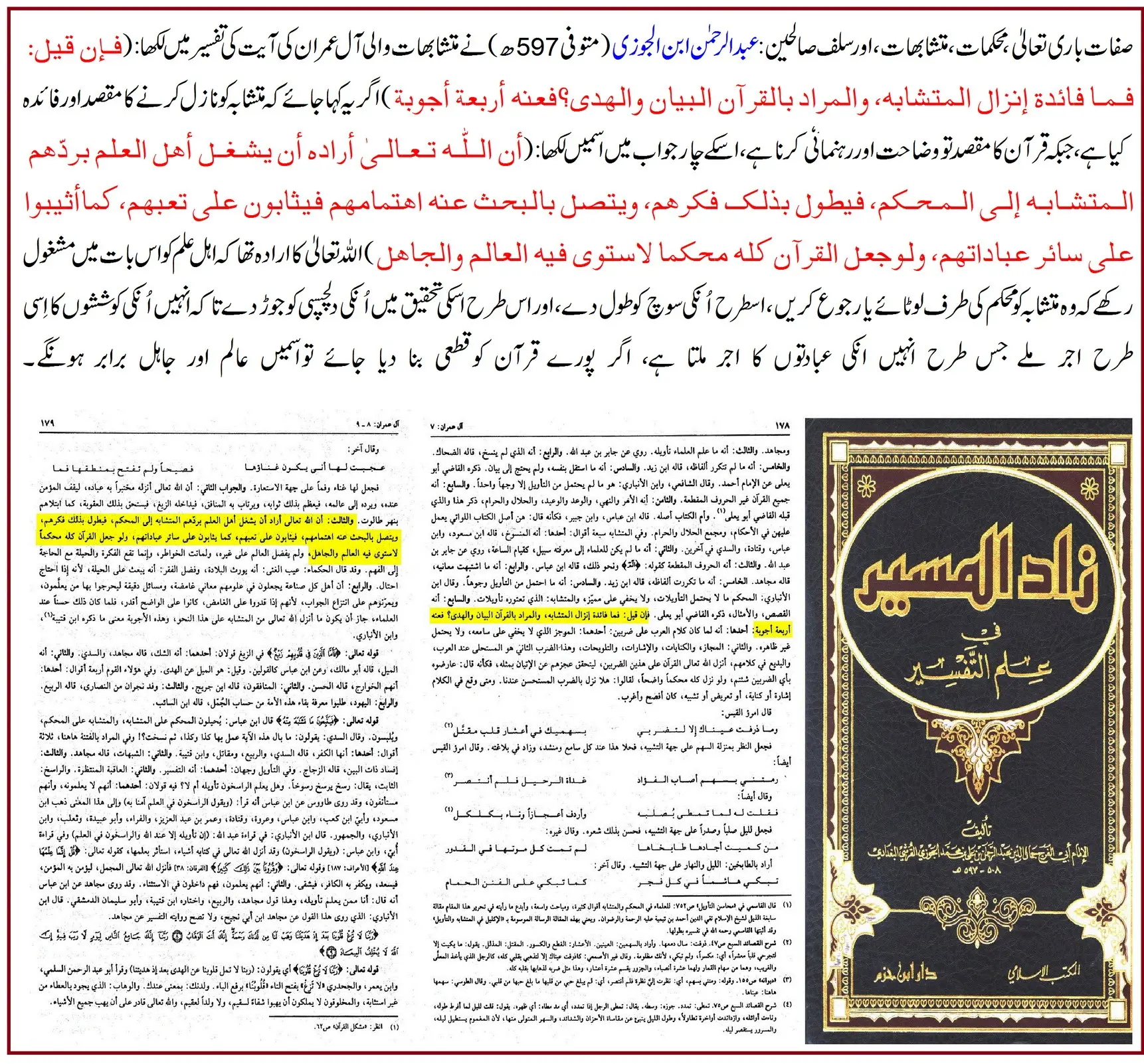
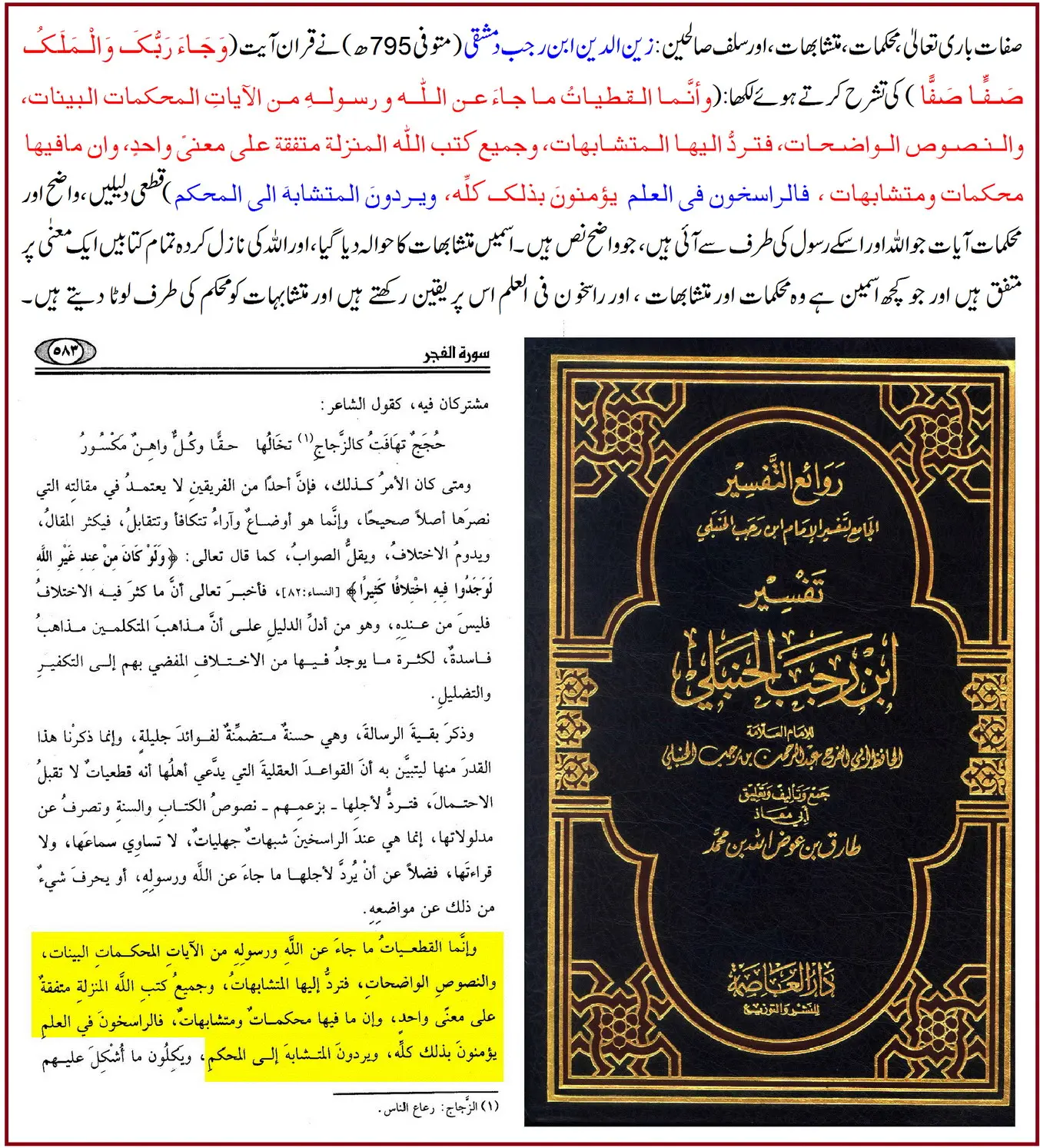
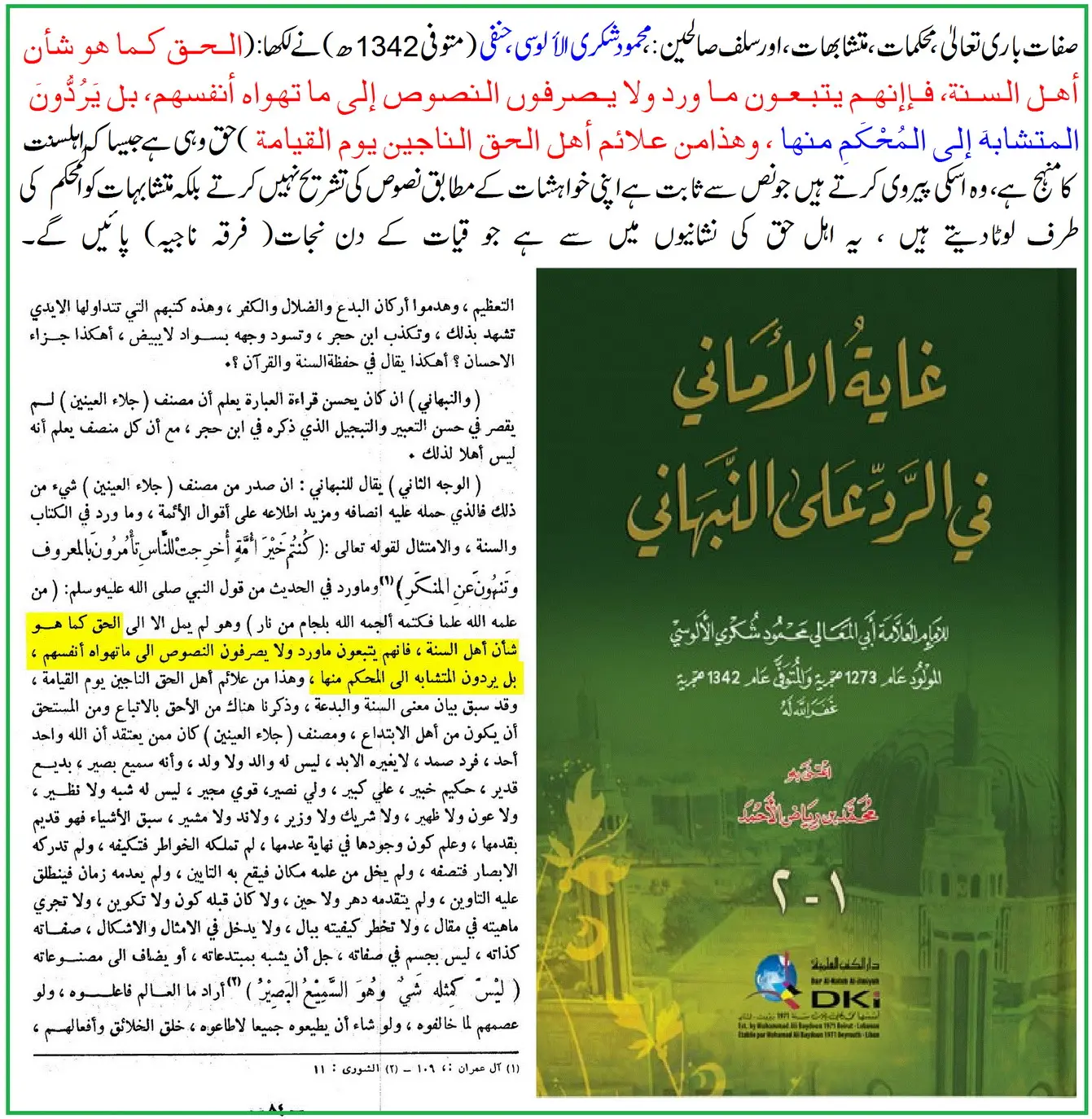
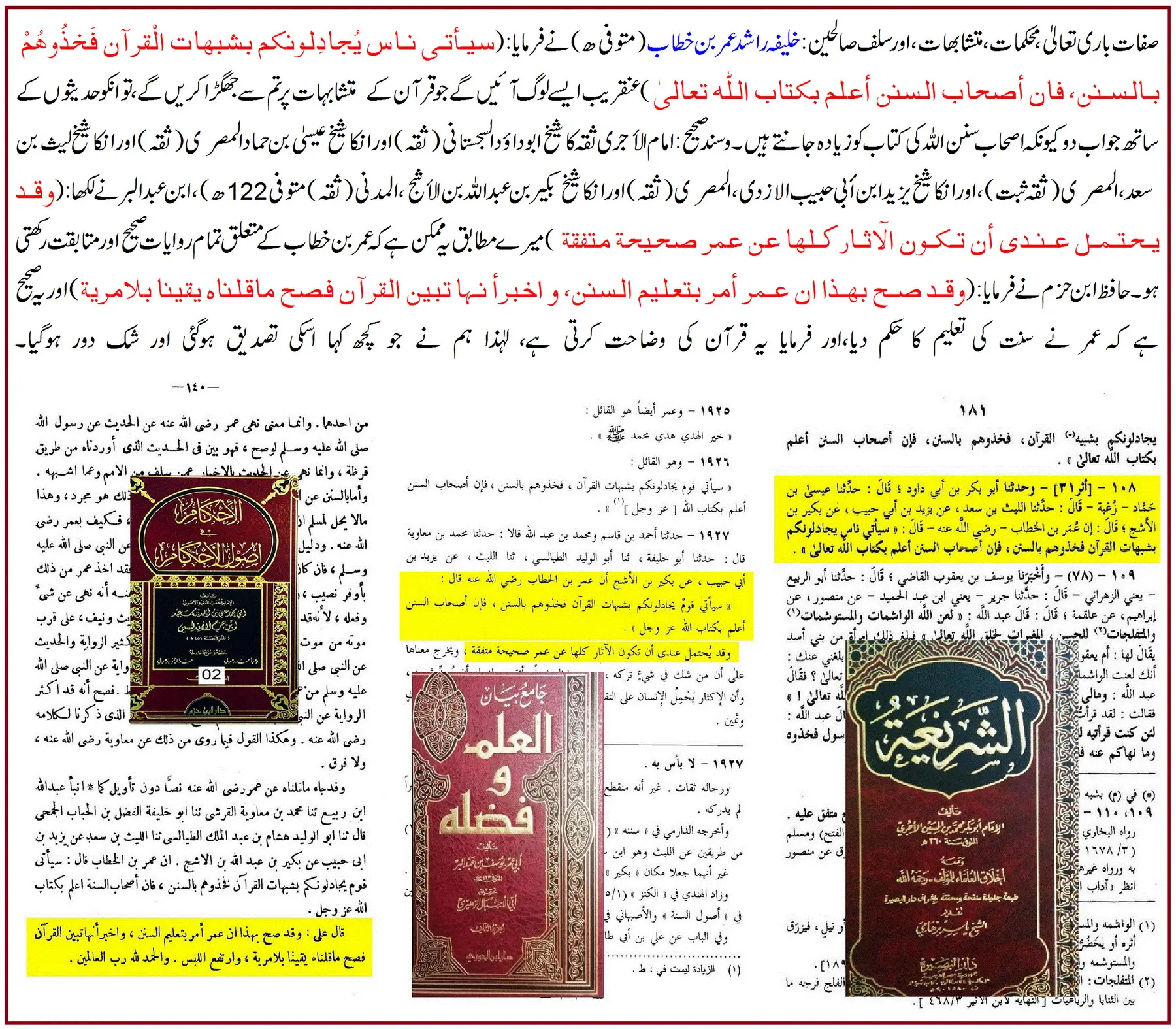
④ He said that following the mutashābihāt indicates deviation of the heart (whereas this description truly applies to the Khawārij, Jahmiyyah, and Murji’ah who fabricate meanings according to their desires, while the Salaf referred the mutashābih back to the muḥkam).
Therefore, we shall now present statements from the Salaf and the scholars of ḥadīth demonstrating that these verses are muḥkam and clear, and that they establish the Attributes of Allah.
Statements of the Salaf
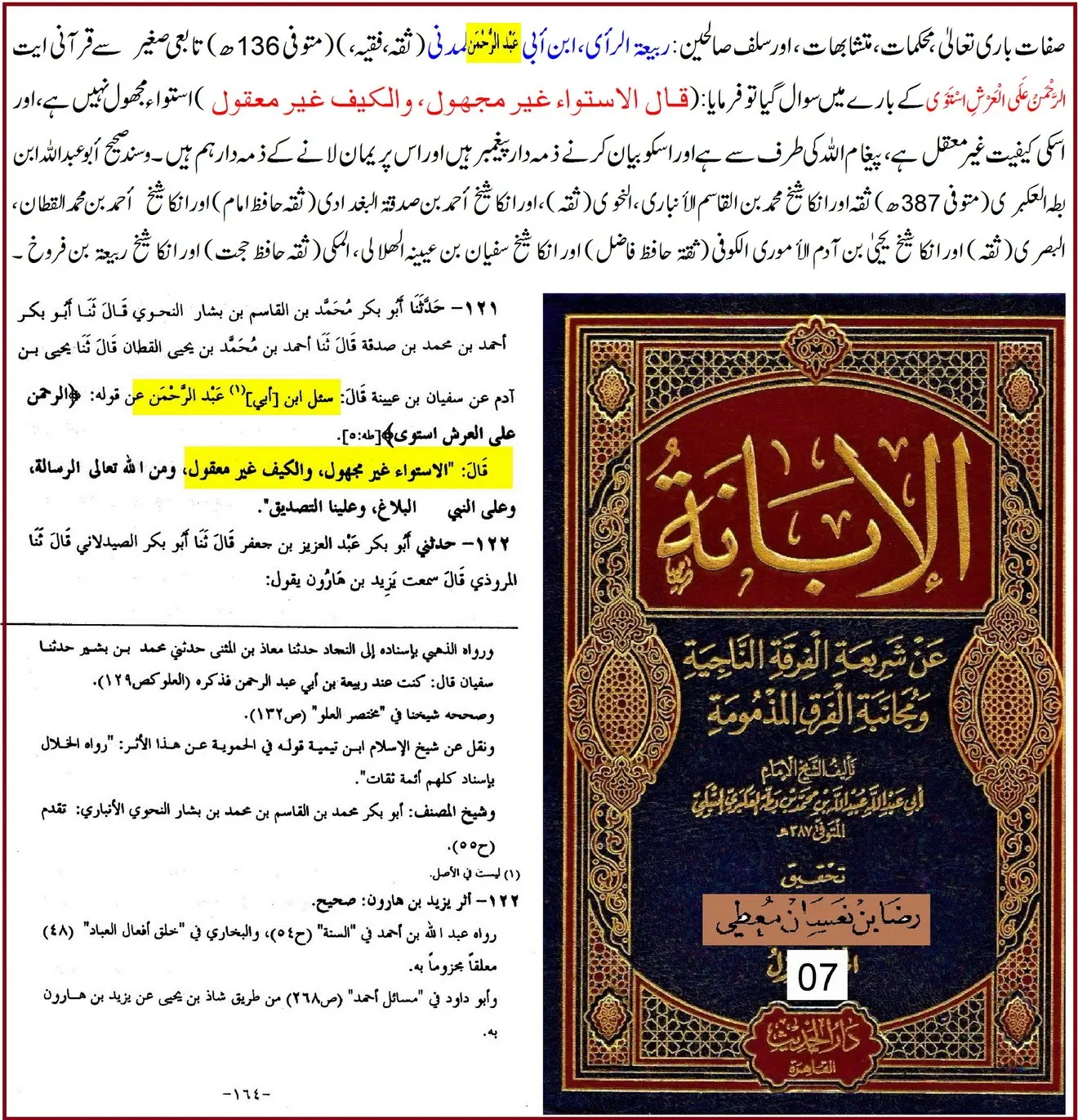
① Rabīʿah al-Ra’y (d. 136H)
Regarding the verse:الرَّحْمَنُ عَلَى الْعَرْشِ اسْتَوَى
He said:
"الِاسْتِوَاءُ غَيْرُ مَجْهُولٍ، وَالْكَيْفُ غَيْرُ مَعْقُولٍ، وَمِنَ اللَّهِ تَعَالَى الرِّسَالَةُ، وَعَلَى النَّبِيِّ الْبَلَاغُ، وَعَلَيْنَا التَّصْدِيقُ”
Reference: al-Ibānah al-Kubrā by Ibn Baṭṭah
 Translation: Istiwā’ is not unknown, its modality is incomprehensible. The message is from Allah, the duty of conveying is upon the Prophet, and upon us is to affirm it.
 Authentic chain.
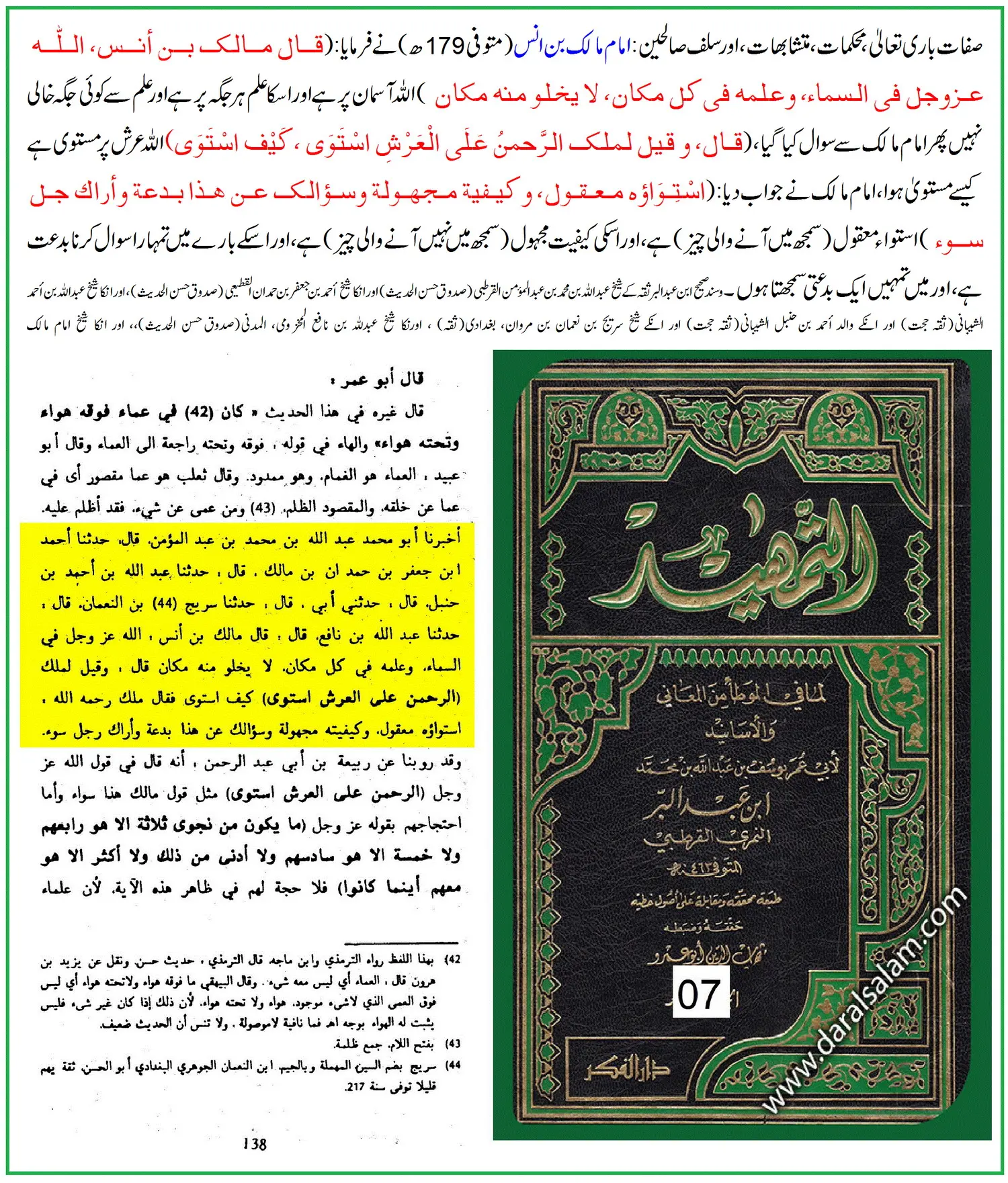
② Imām Mālik ibn Anas (d. 179H)
When asked about the verse:الرَّحْمَنُ عَلَى الْعَرْشِ اسْتَوَى – “How did He rise over?”
He replied:
"الاستواء معلوم، والكيف مجهول، والسؤال عنه بدعة، وأراك رجل سوء”
Reference: al-Tamhīd
Translation: Istiwā’ is known, its modality is unknown, asking about it is an innovation, and I consider you an evil man.The Salaf’s Position on Muḥkam and Mutashābih
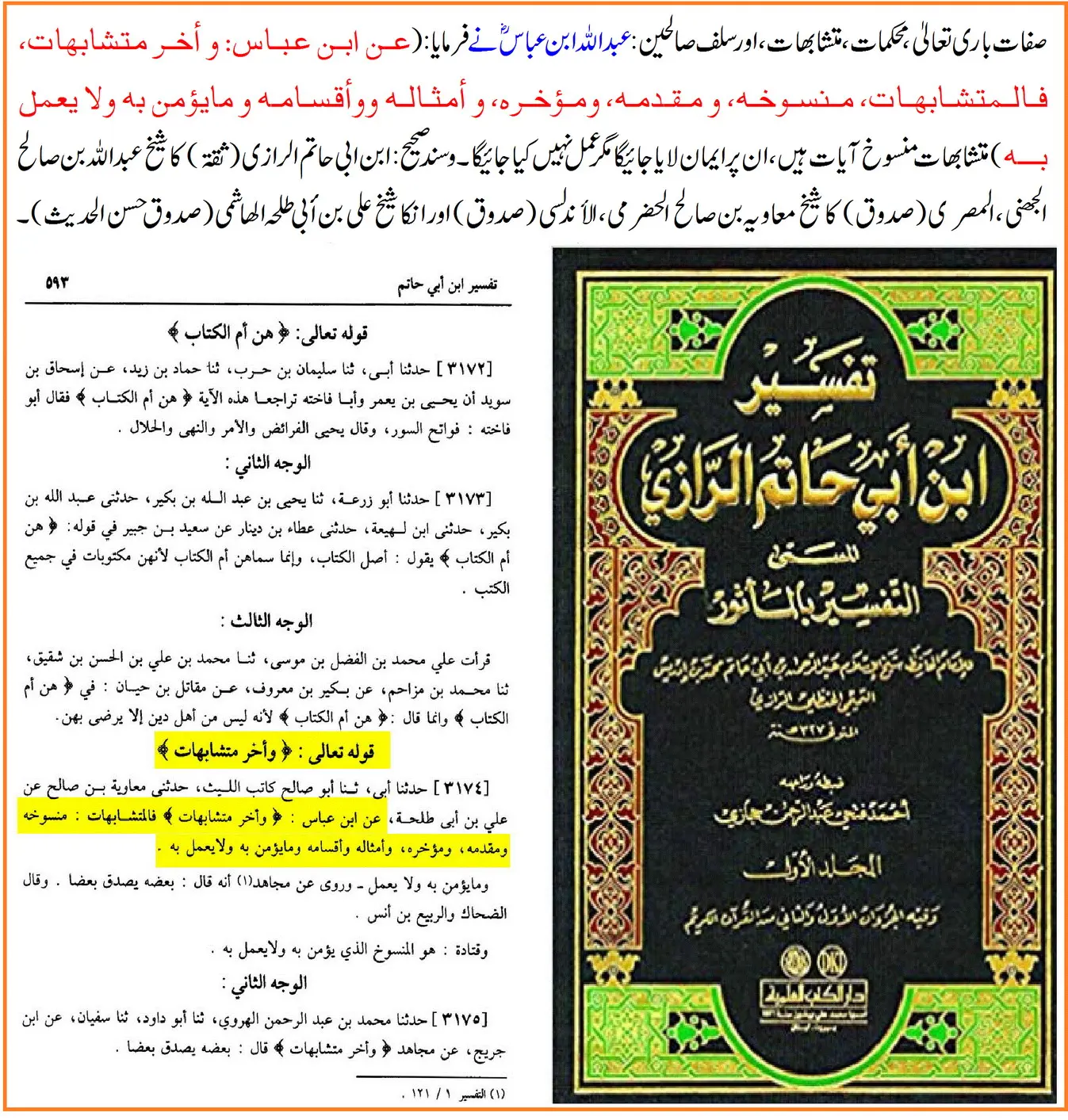
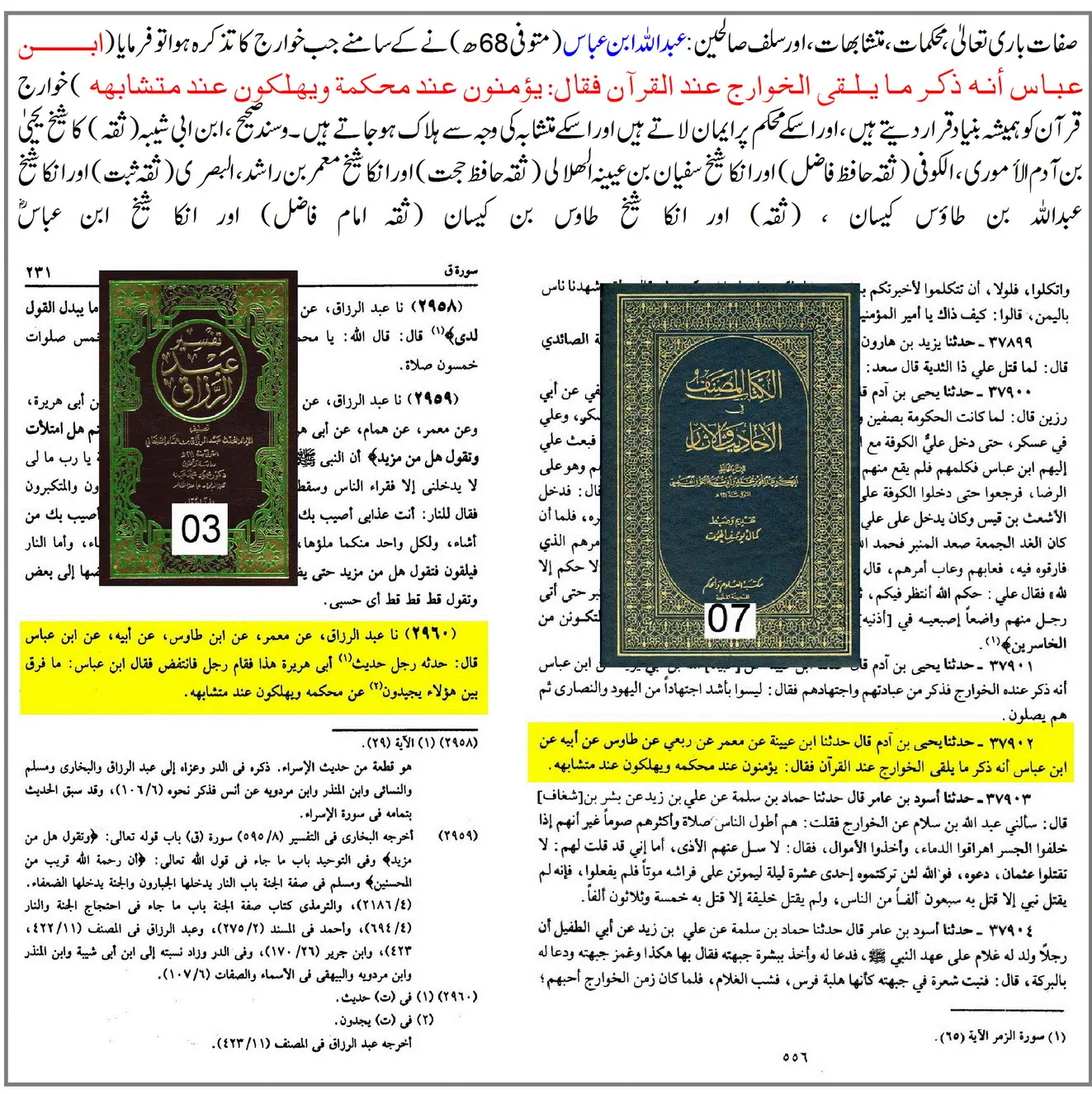
③ ʿAbdullāh ibn ʿAbbās رضي الله عنهما
"المتشابهات منسوخه ومقدمه ومؤخره وأمثاله وأقسامه، وما يؤمن به ولا يعمل به”
Reference: Tafsīr Ibn Abī Ḥātim
Translation: The mutashābihāt are the abrogated verses and similar categories—believed in but not acted upon. Authentic chain.④ Nabīṭ ibn Sharīṭ (Tābiʿī)
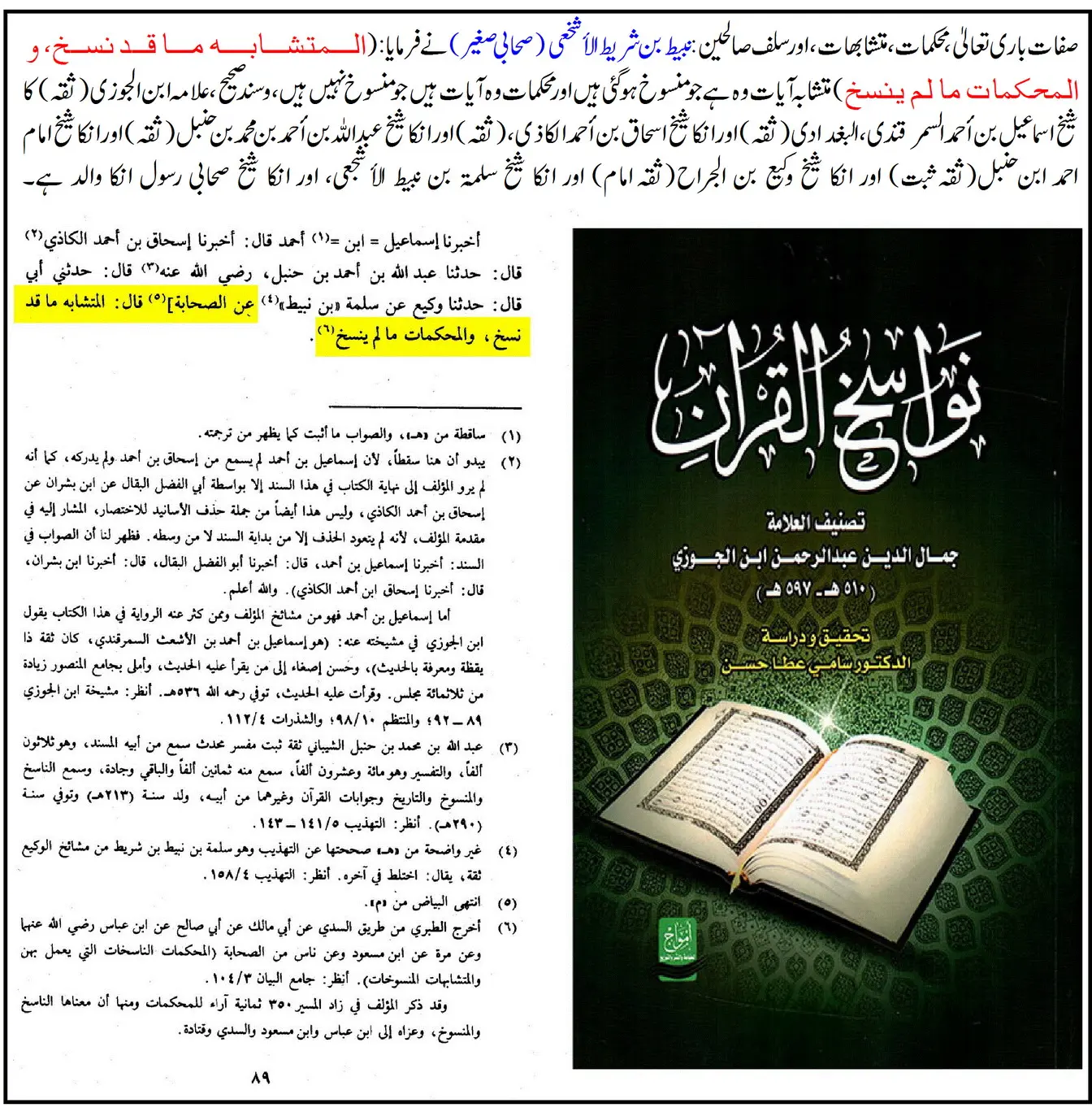
"المتشابه ما قد نُسِخ، والمحكم ما لم يُنسخ”
Reference: Nawāsikh al-Qur’ān by Ibn al-Jawzī
Translation: The mutashābih is that which has been abrogated, and the muḥkam is that which has not been abrogated. Authentic chain.⑤ al-Ḍaḥḥāk ibn Muzāḥim (d. 102H)
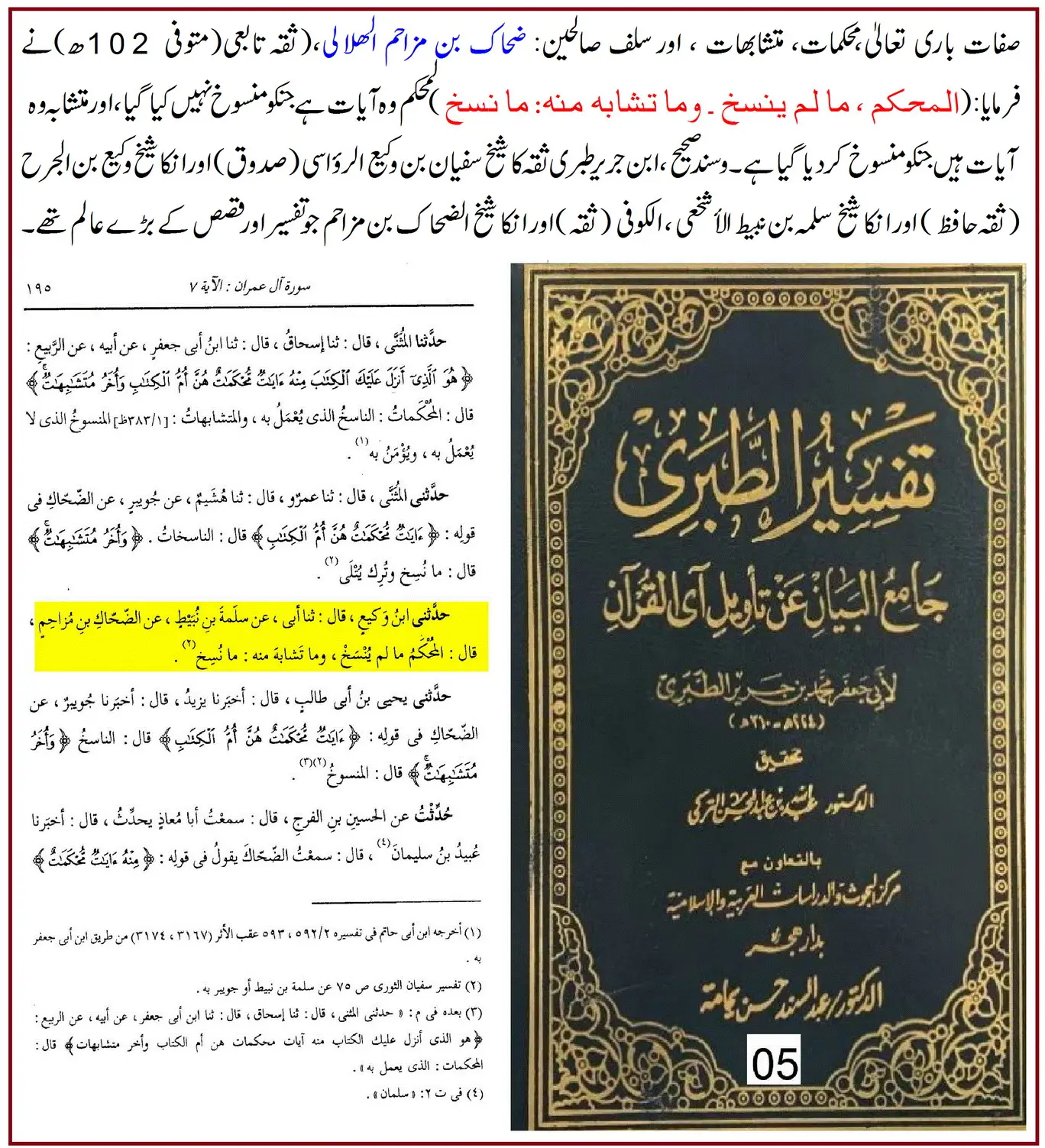
"المحكم ما لم يُنسخ، والمتشابه ما نُسخ”
Reference: Jāmiʿ al-Bayān by al-Ṭabarī
Translation: The muḥkam are those not abrogated; the mutashābih are those abrogated.⑥ Qatādah ibn Diʿāmah (d. 117H)
Regarding:{هُنَّ أُمُّ الْكِتَابِ}
He said:
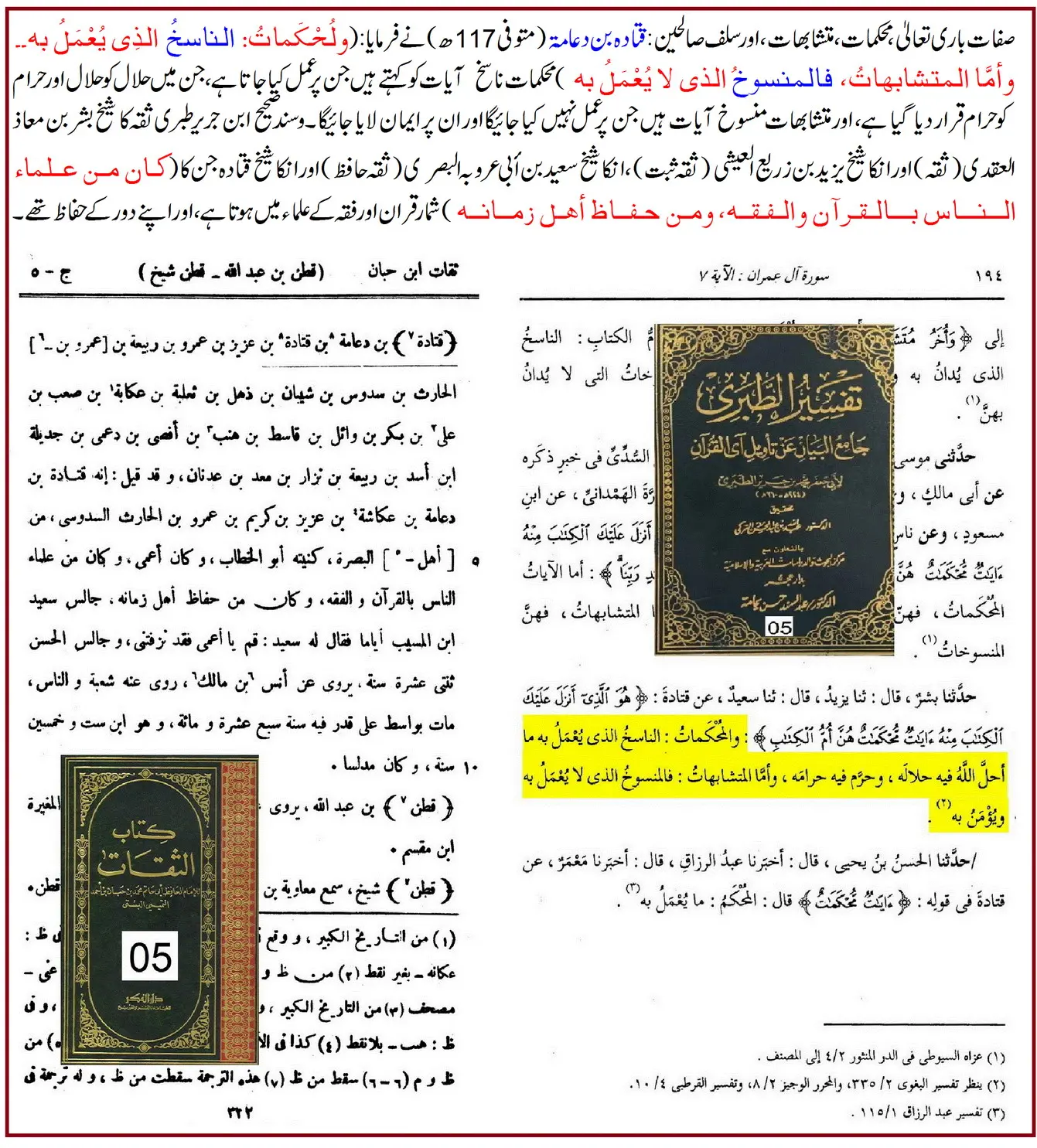
"المحكمات الناسخ الذي يعمل به، وأما المتشابهات فالمنسوخ الذي لا يعمل به ويؤمن”
Reference: Jāmiʿ al-Bayān
Translation: The muḥkamāt are the abrogating verses acted upon. The mutashābihāt are the abrogated verses believed in but not acted upon. Authentic chain.⑦ Muqātil ibn Ḥayyān (d. 149H)
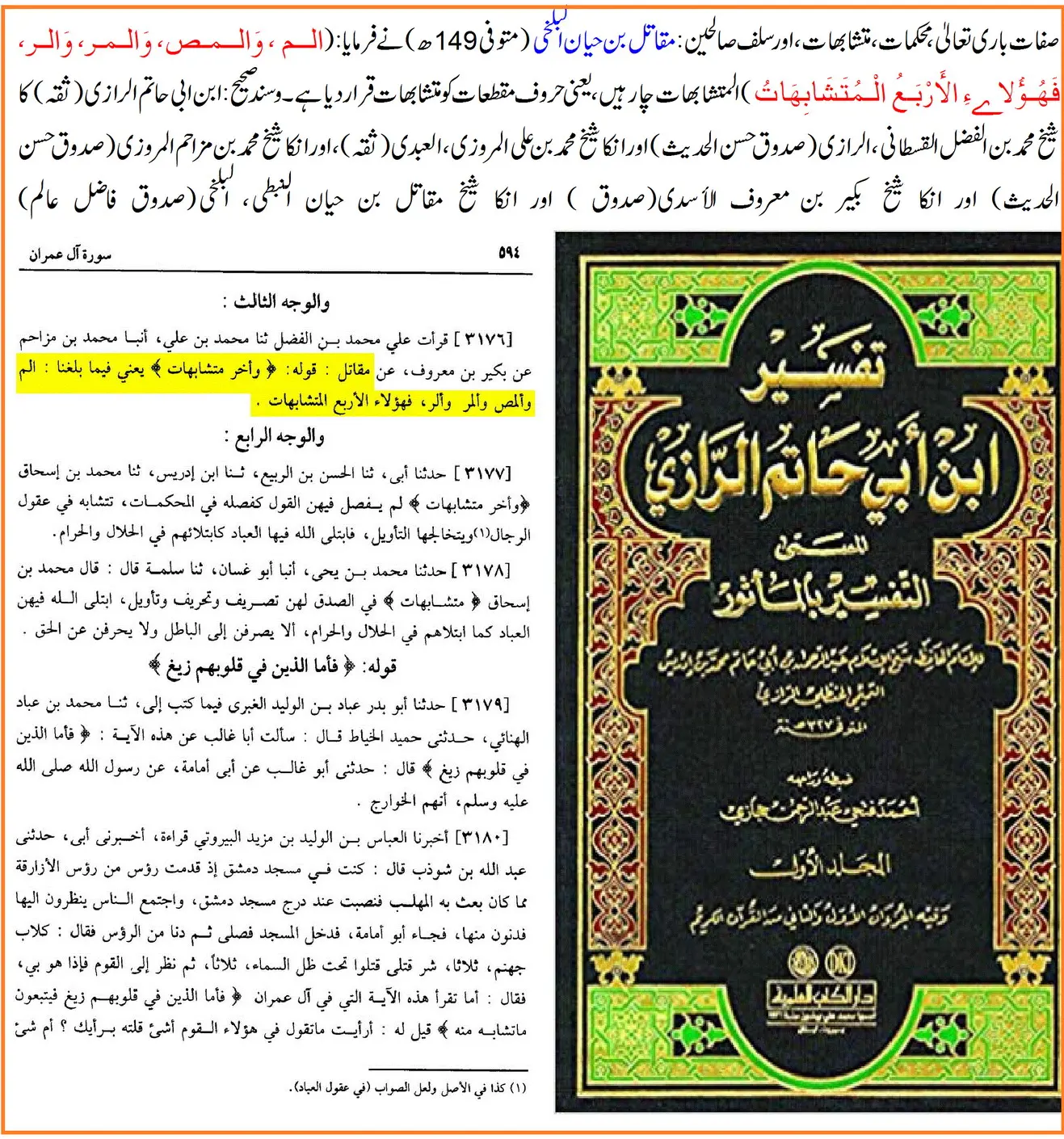
"المتشابهات: الم والمص والمر والر”
Reference: Tafsīr Ibn Abī Ḥātim
Translation: The mutashābihāt are the disjointed letters such as: “Alif Lām Mīm,” “Alif Lām Mīm Ṣād,” “Alif Lām Mīm Rā,” “Alif Lām Rā.” Authentic chain.Methodology of Referring Mutashābih to Muḥkam
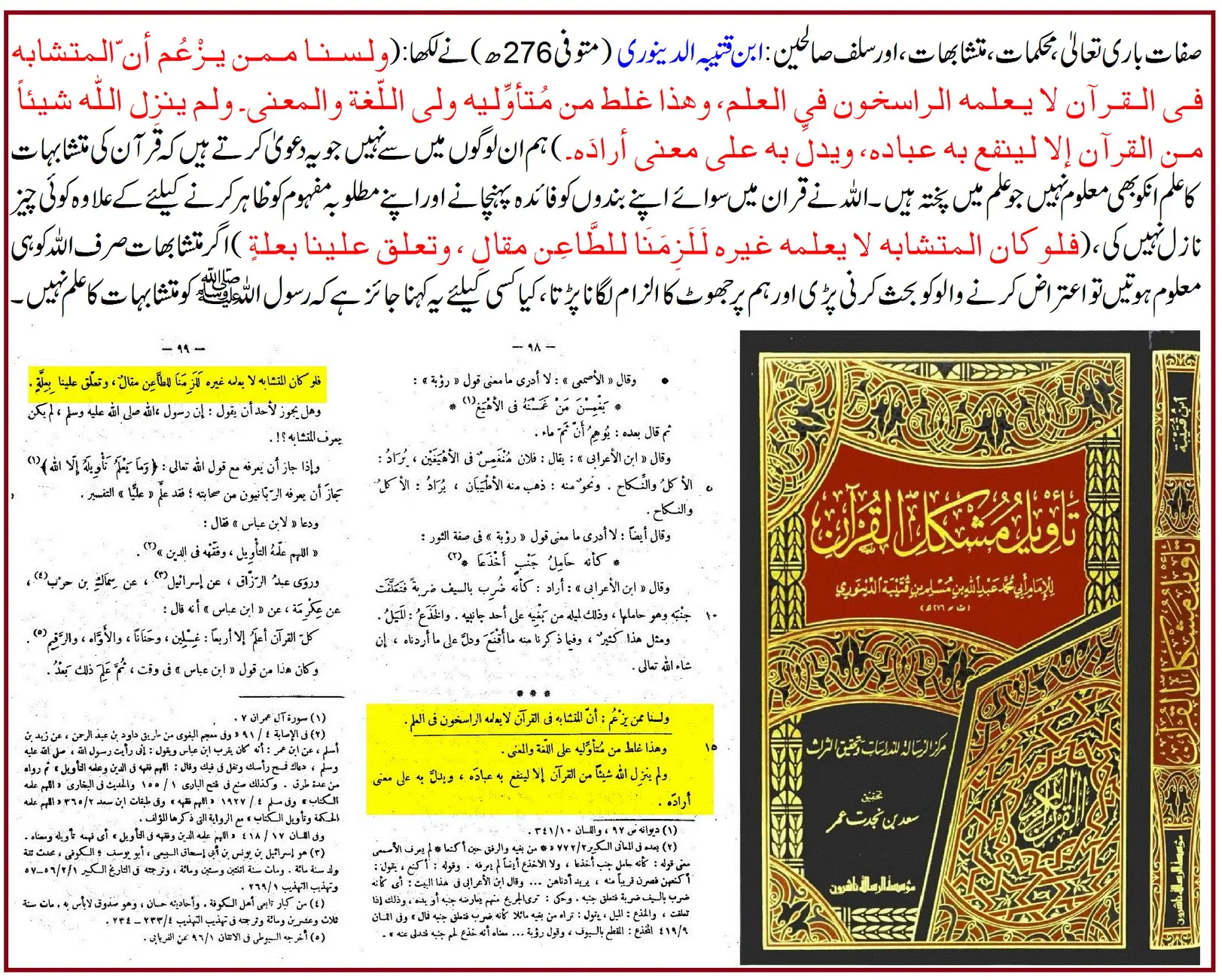
⑧ Ibn Qutaybah (d. 276H)
"ولسنا ممن يزعم أن المتشابه في القرآن لا يعلمه الراسخون في العلم”
Reference: Ta’wīl Mushkil al-Qur’ān
Translation: We are not among those who claim that the mutashābih in the Qur’an is not known to the firmly grounded in knowledge. Allah revealed the Qur’an for benefit; had its meaning been known only to Allah, opponents could claim it is without benefit.⑨ Imām al-Tirmidhī (d. 279H)
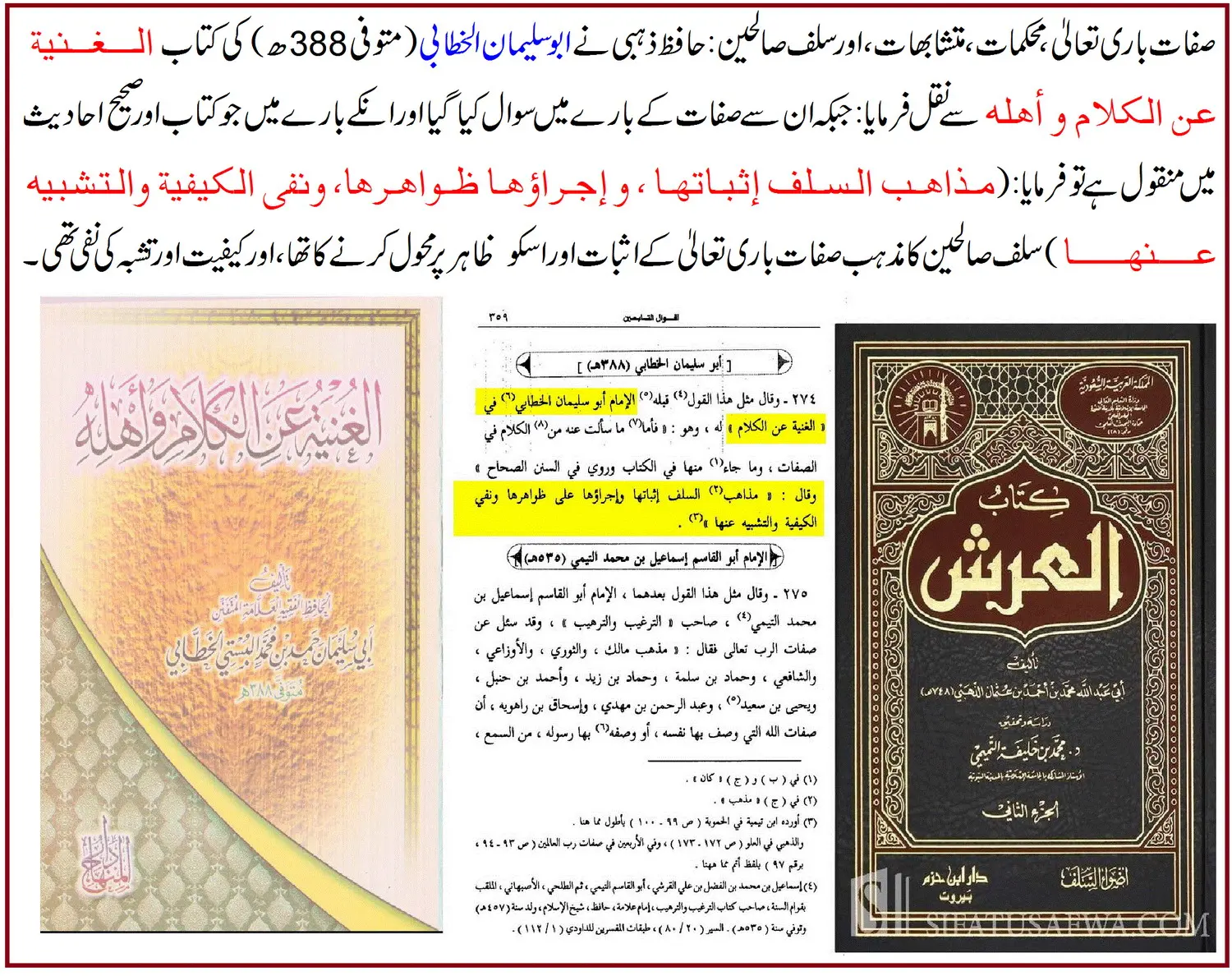
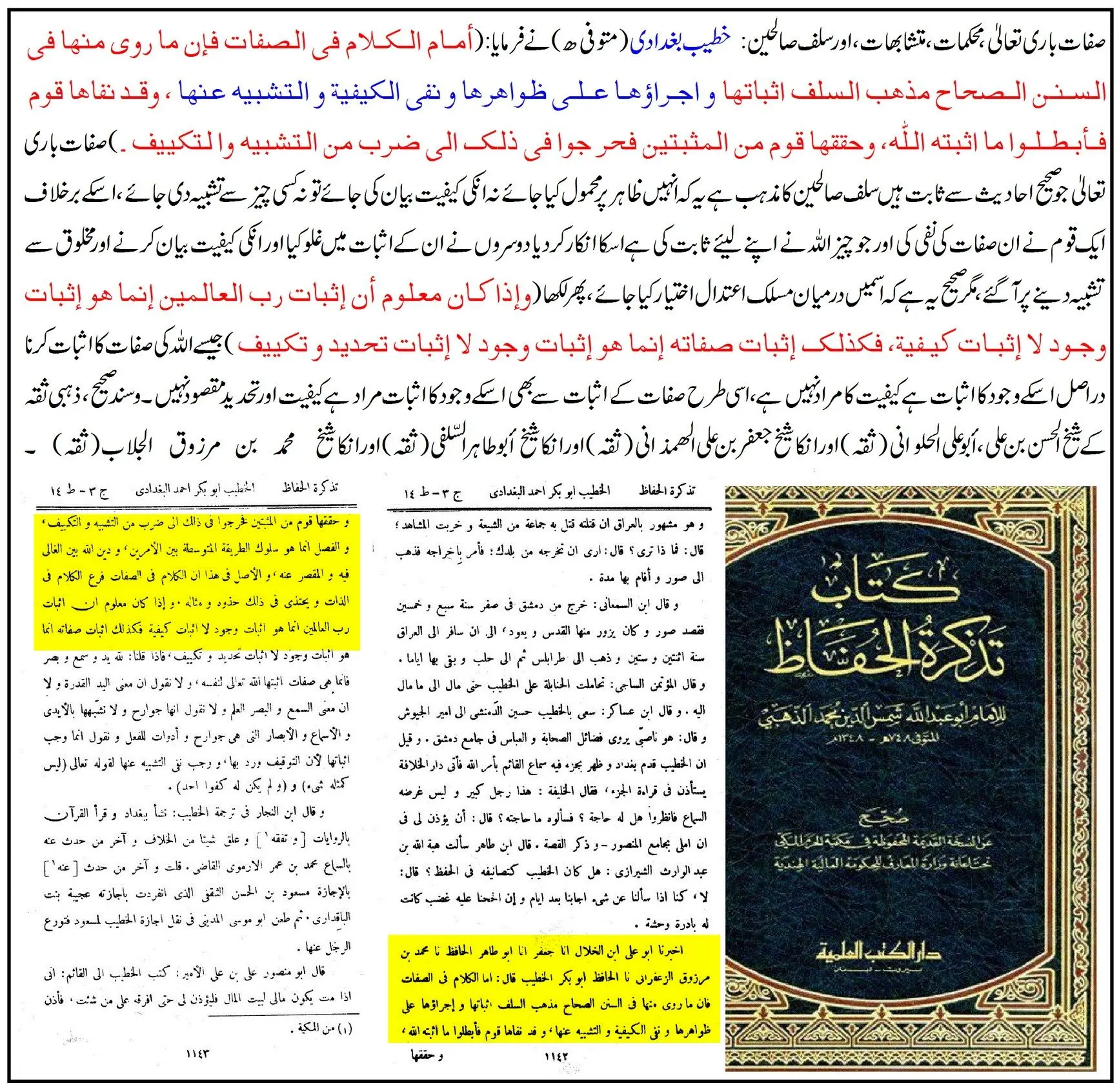
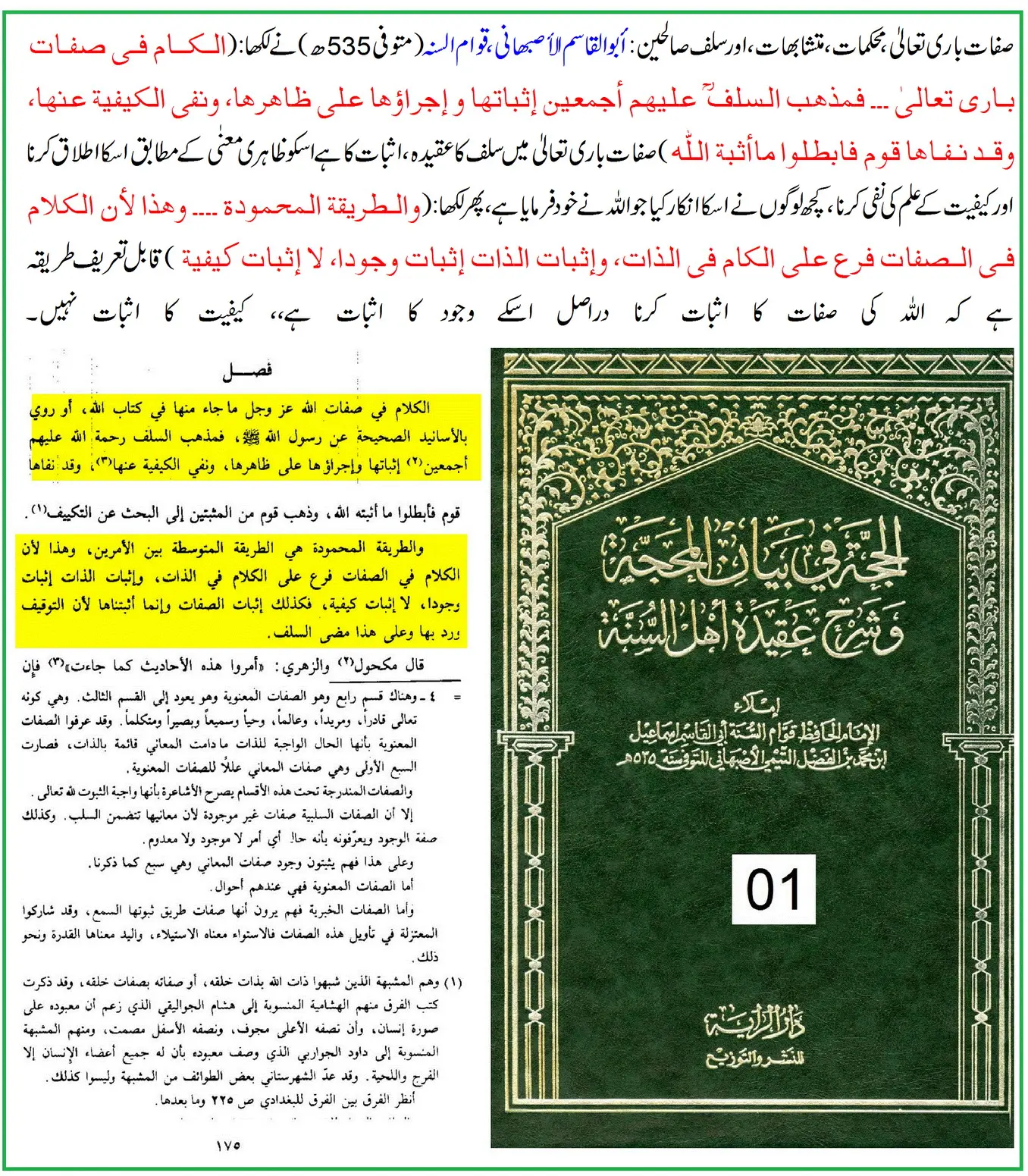
"مذهب السلف إثباتها وإجراؤها على ظواهرها، ونفي الكيفية والتشبيه عنها”
Reference: Sunan al-Tirmidhī
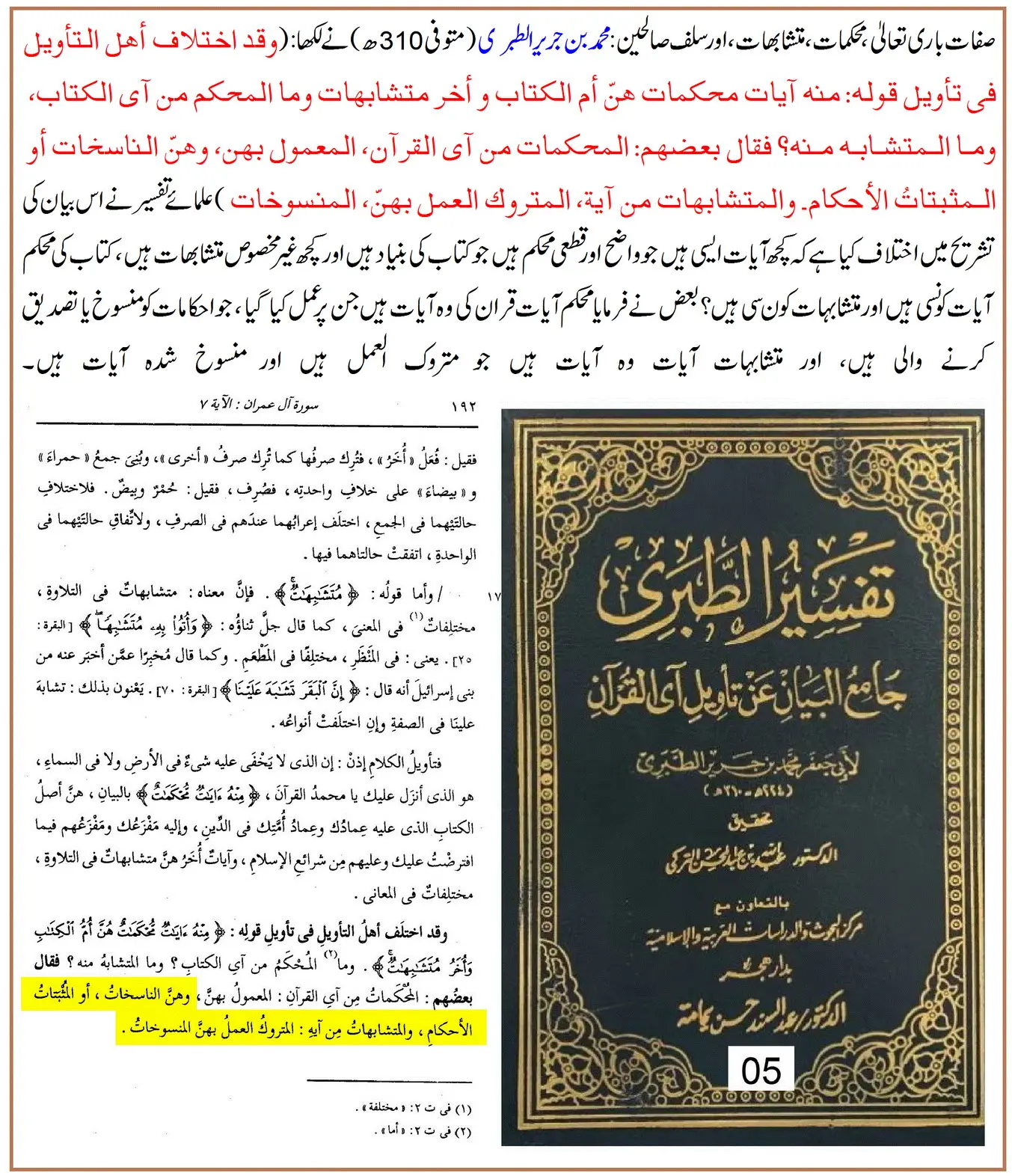
Translation: The methodology of the Salaf was to affirm these attributes, apply them upon their apparent meanings, and negate modality and resemblance.⑩ Imām al-Ṭabarī (d. 310H)
"المحكمات: الناسخات أو المثبتات للأحكام. والمتشابهات: المنسوخات”
Reference: Jāmiʿ al-Bayān
Translation: The muḥkamāt are abrogating or decisive legal verses; the mutashābihāt are abrogated ones.Later Scholars on Divine Attributes
✔ Ibn Taymiyyah (d. 728H)
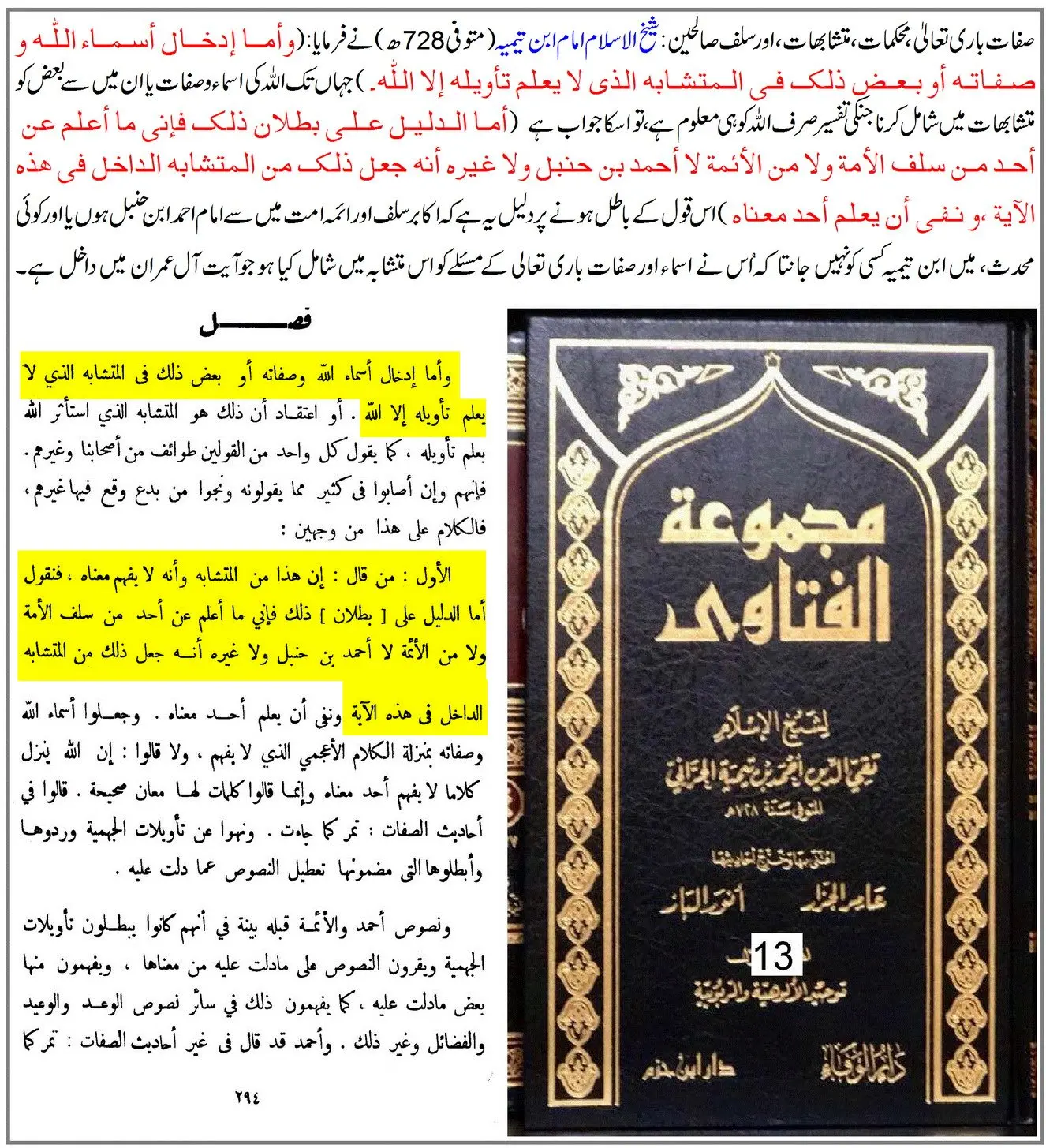
"أما إدخال أسماء الله وصفاته… في المتشابه… فما أعلم أحدا من السلف جعله من المتشابه.”
Reference: Majmūʿ al-Fatāwā
Translation: As for including Allah’s Names and Attributes among the mutashābih, I do not know of any from the Salaf who considered them so.✔ Ibn Kathīr (d. 774H)
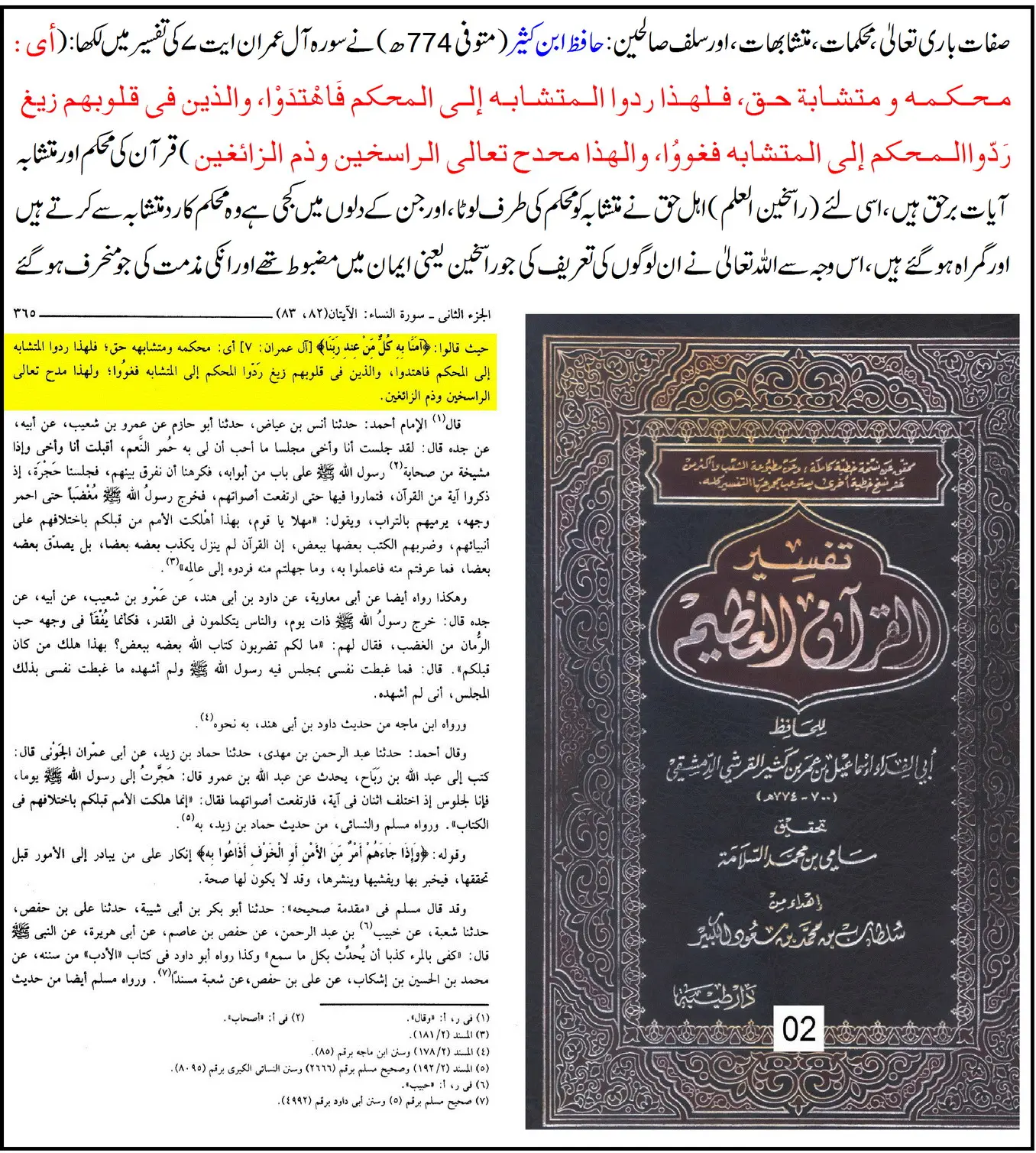
"الراسخون في العلم ردوا المتشابه إلى المحكم فاهتدوا…”
Reference: Tafsīr al-Qur’ān al-ʿAẓīm
Translation: The firmly grounded in knowledge referred the mutashābih to the muḥkam and were guided, while those with deviation referred the muḥkam to the mutashābih and went astray.✔ Ibn Qayyim al-Jawziyyah (d. 751H)
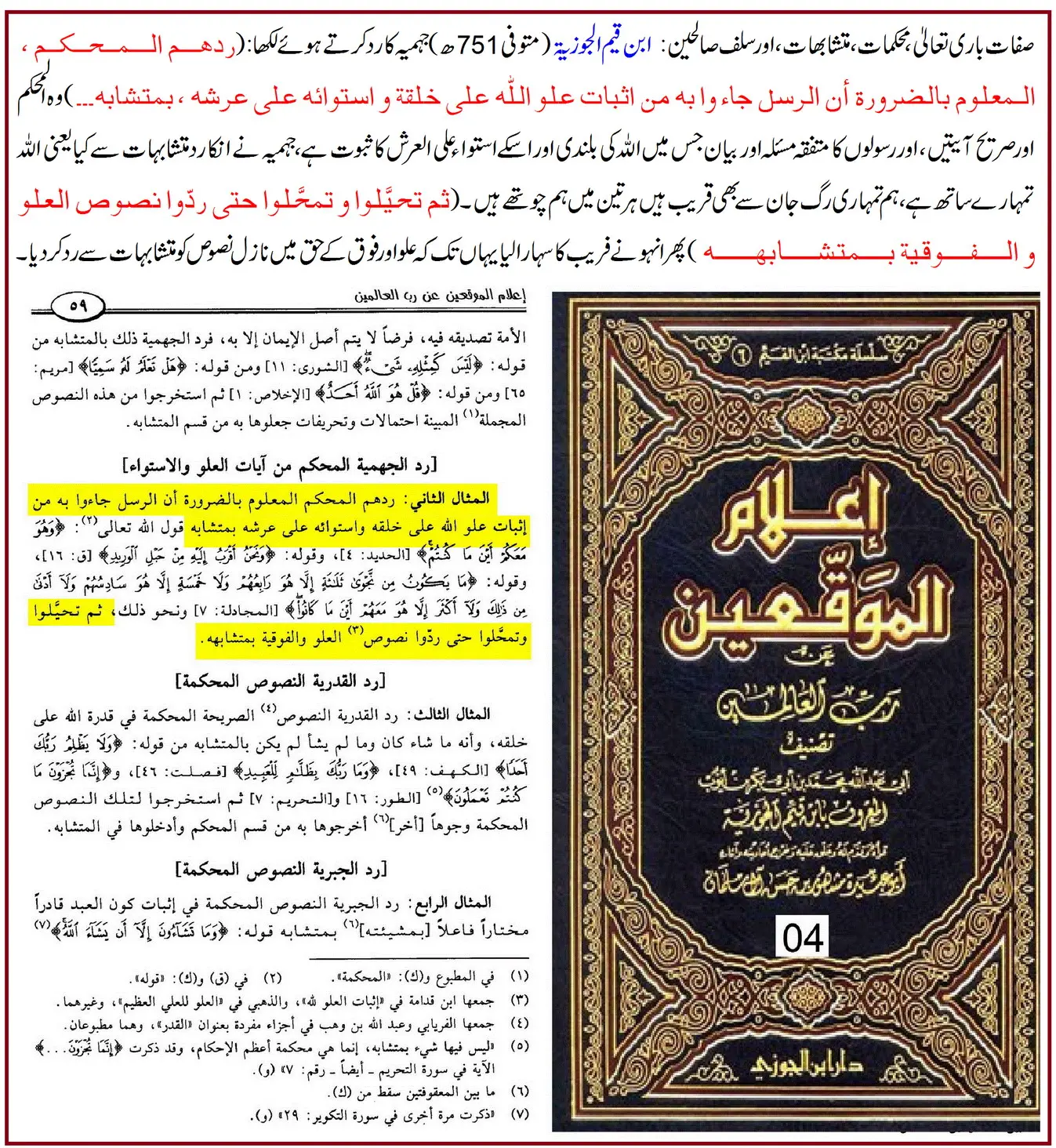
"رَدُّهُمْ الْمُحْكَمَ… مِنْ إثْبَاتِ عُلُوِّ اللَّهِ…”
Reference: Iʿlām al-Muwaqqiʿīn
Translation: The Jahmiyyah rejected the decisive texts affirming Allah’s Highness and Istiwā’ by misusing ambiguous verses such as: {وَهُوَ مَعَكُمْ أَيْنَ مَا كُنْتُمْ}.Methodology of Ahl al-Sunnah
◈ Affirmation of the Attributes
All attributes mentioned in the Qur’an and Sunnah (such as Istiwā’, Nuzūl, Hand, Face, etc.) are affirmed upon their apparent meaning.◈ Negation of Modality
Their how is unknown to us. This is Tafwīḍ of the modality—not the meaning.◈ Relationship of Muḥkam and Mutashābih
① The muḥkam verses are the foundation.② The mutashābih are referred back to the muḥkam.
③ The scholars know their correct interpretation as clarified by Ibn ʿAbbās and the majority of exegetes.
◈ The Way of the Khawārij and Muʿtazilah
They declared the attributes ambiguous and either rejected them or distorted their meanings—contrary to the way of the Salaf. Conclusion
Declaring the clear verses of Divine Attributes as mutashābih, rejecting them, or distorting them is the way of the Khawārij, Muʿtazilah, and Jahmiyyah.The methodology of Ahl al-Sunnah wa al-Jamāʿah is:
✔ To affirm the attributes upon their apparent meaning.
✔ To accept their established meanings.
✔ To consign the modality to Allah.
This is the path of the saved sect — Ahl al-Ḥadīth and Ahl al-Sunnah wa al-Jamāʿah.