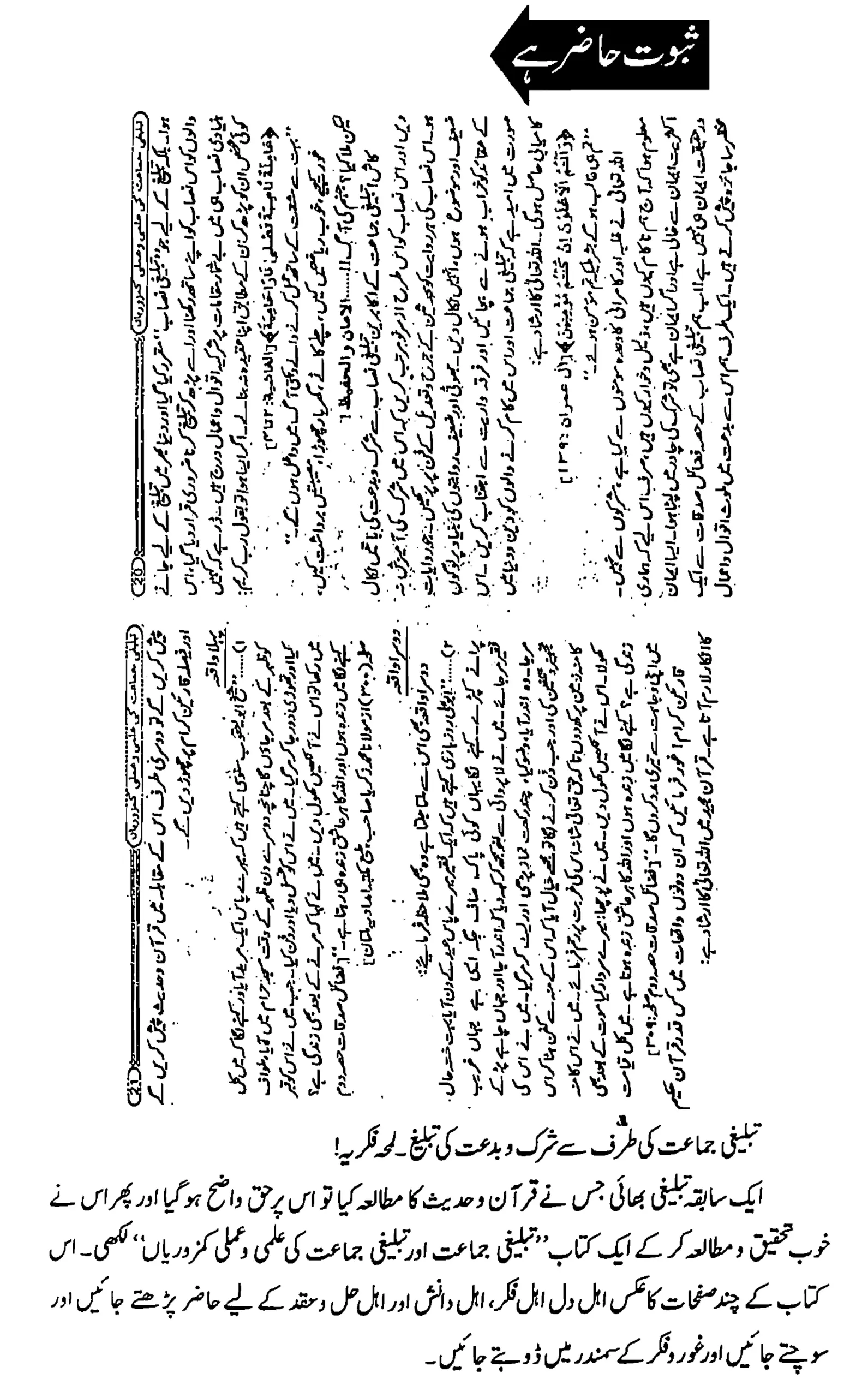
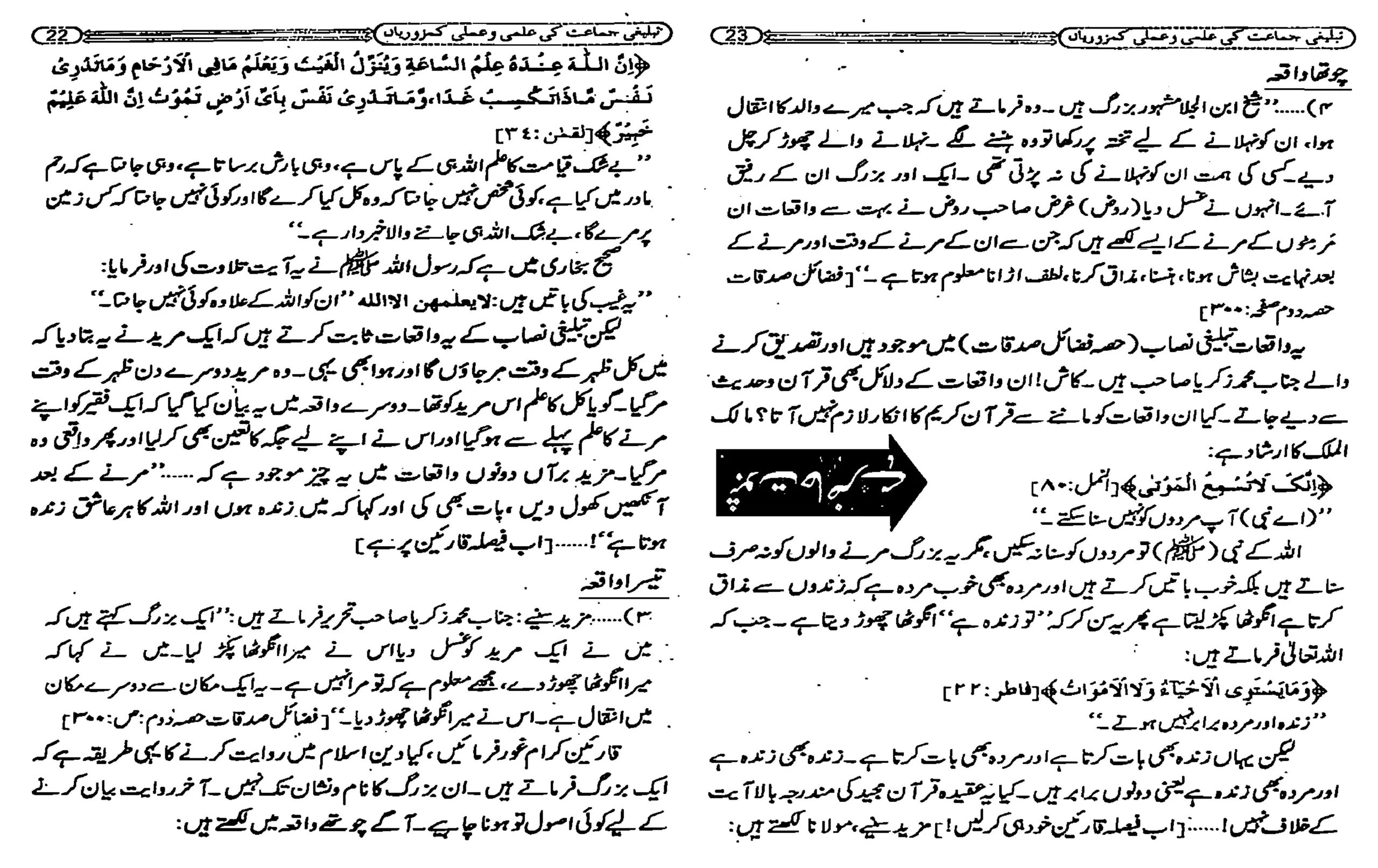
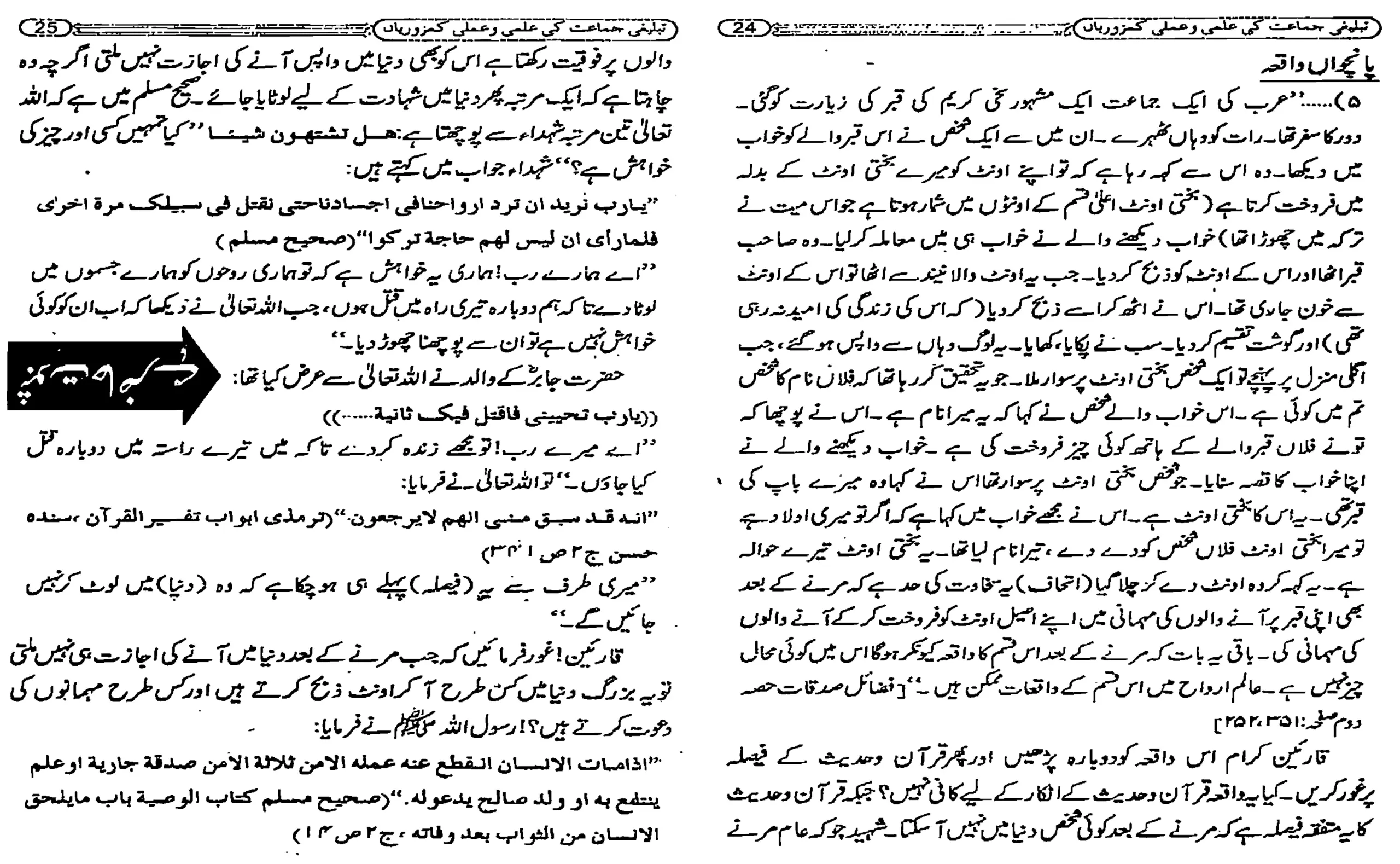
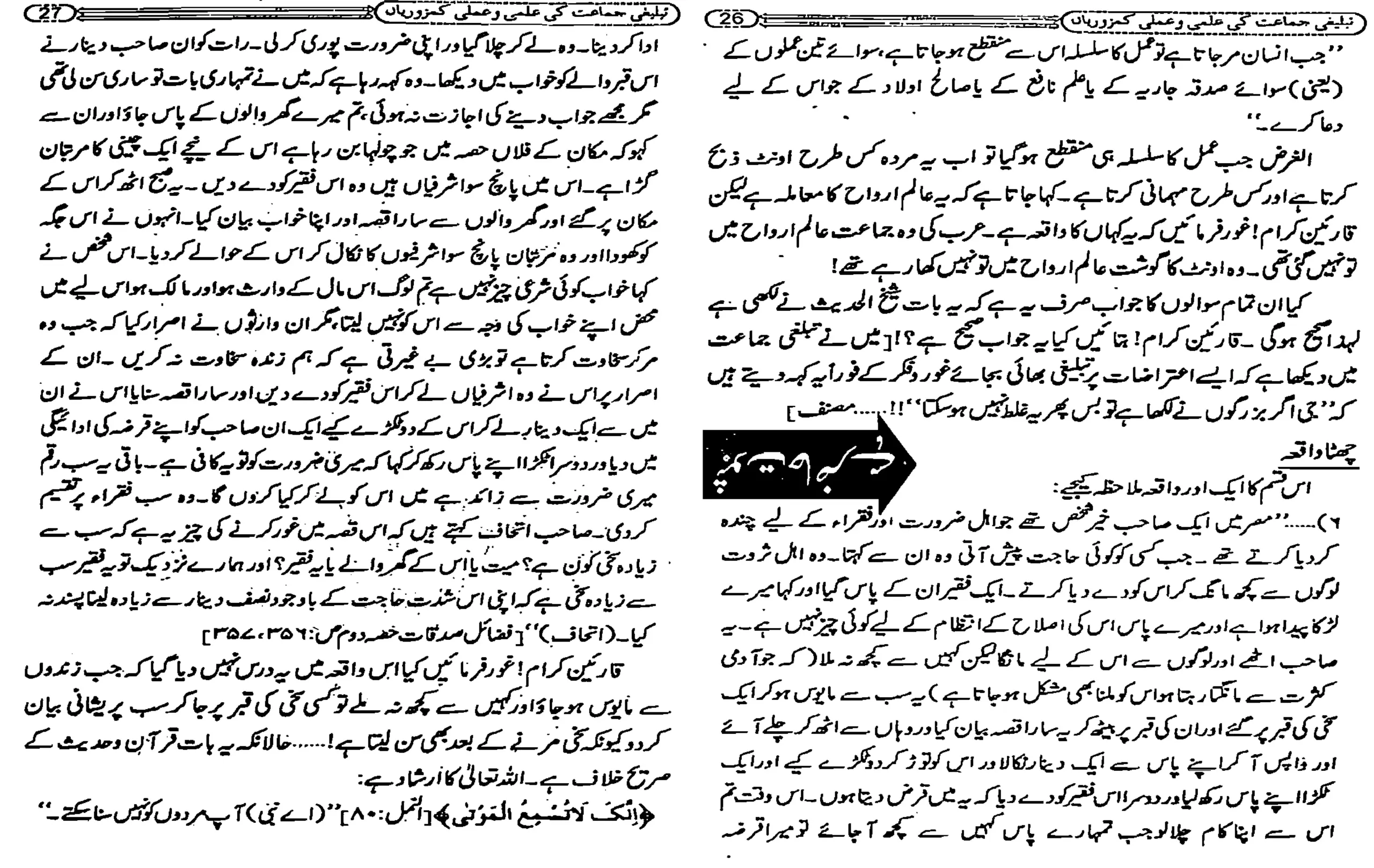
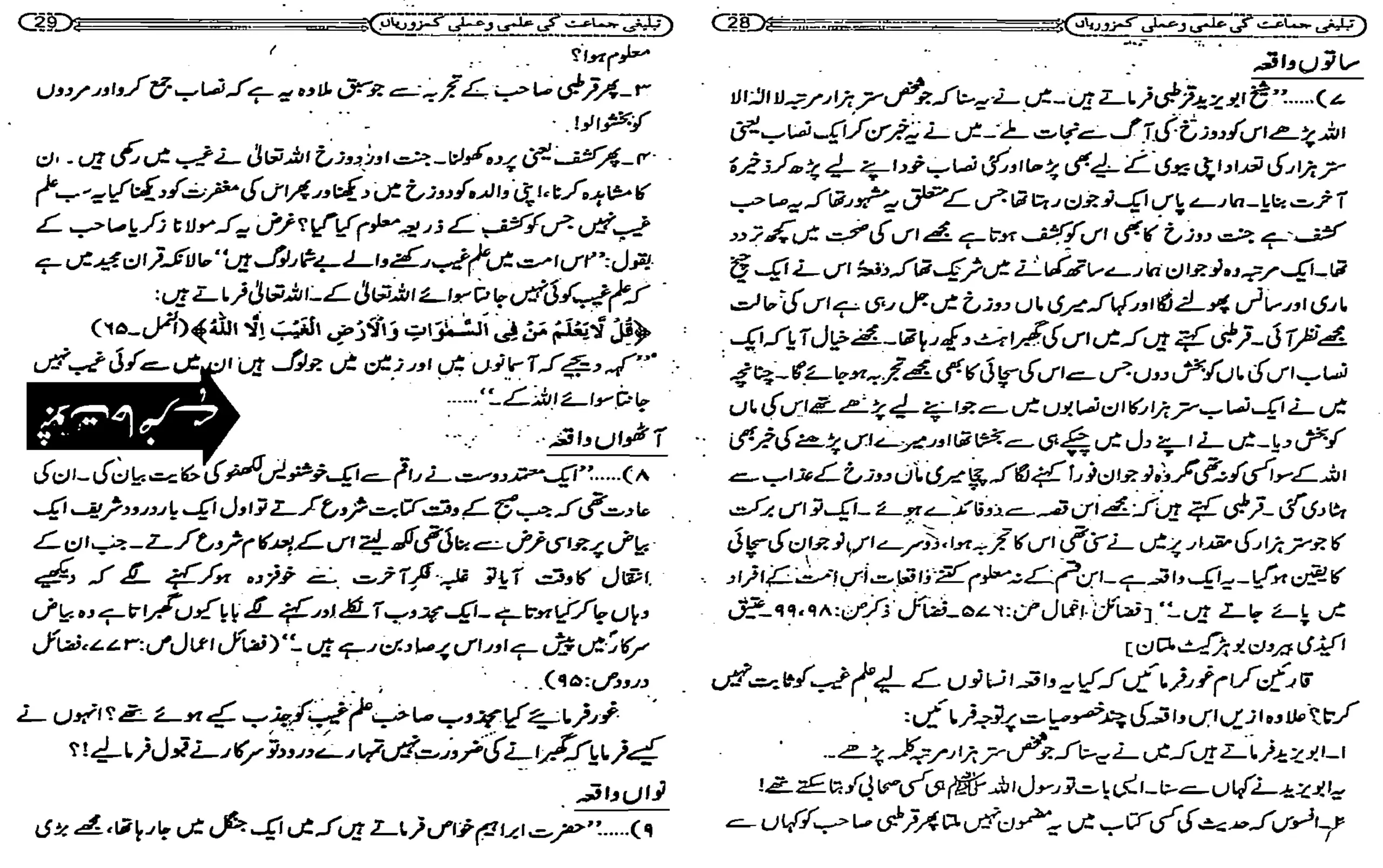
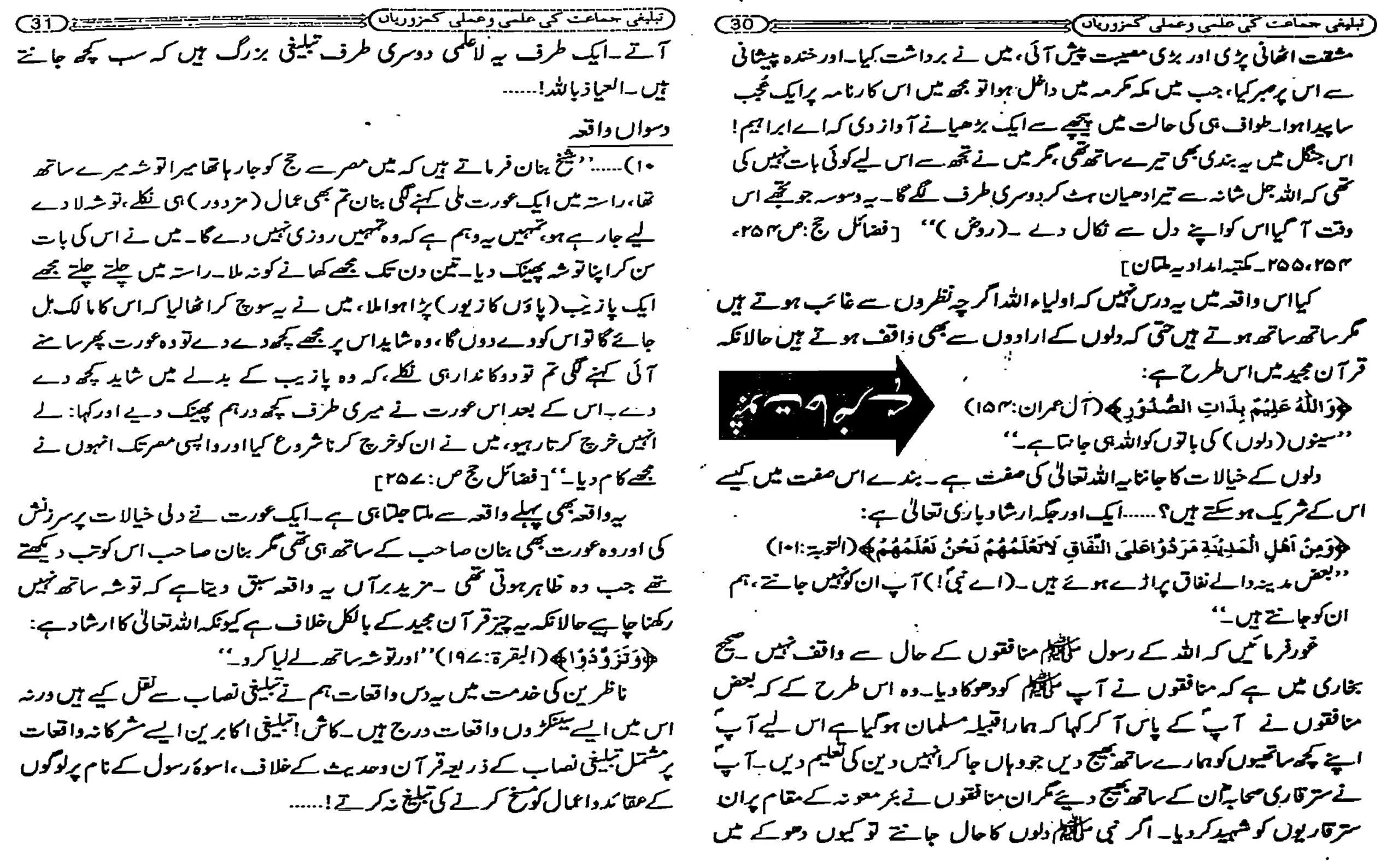
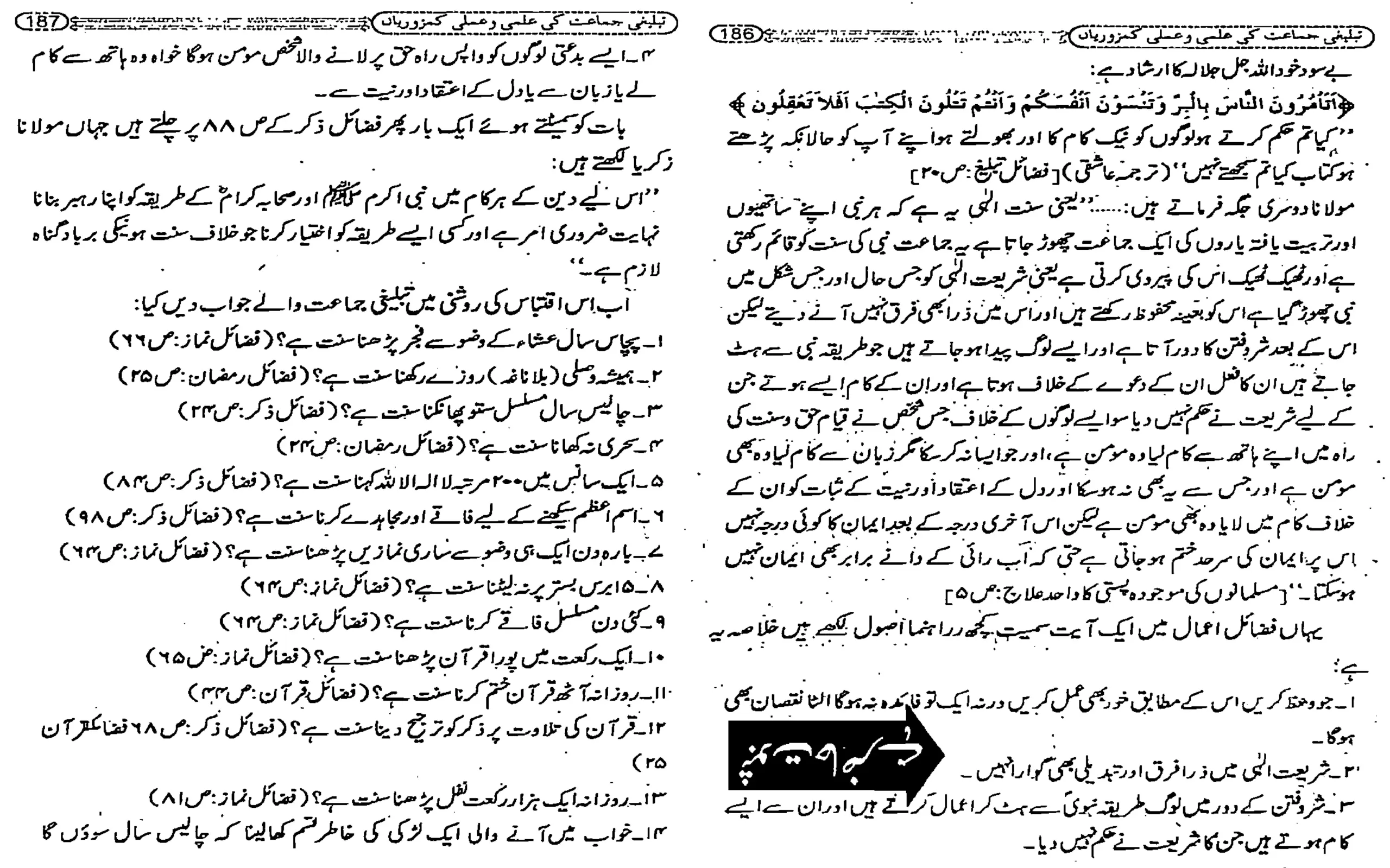
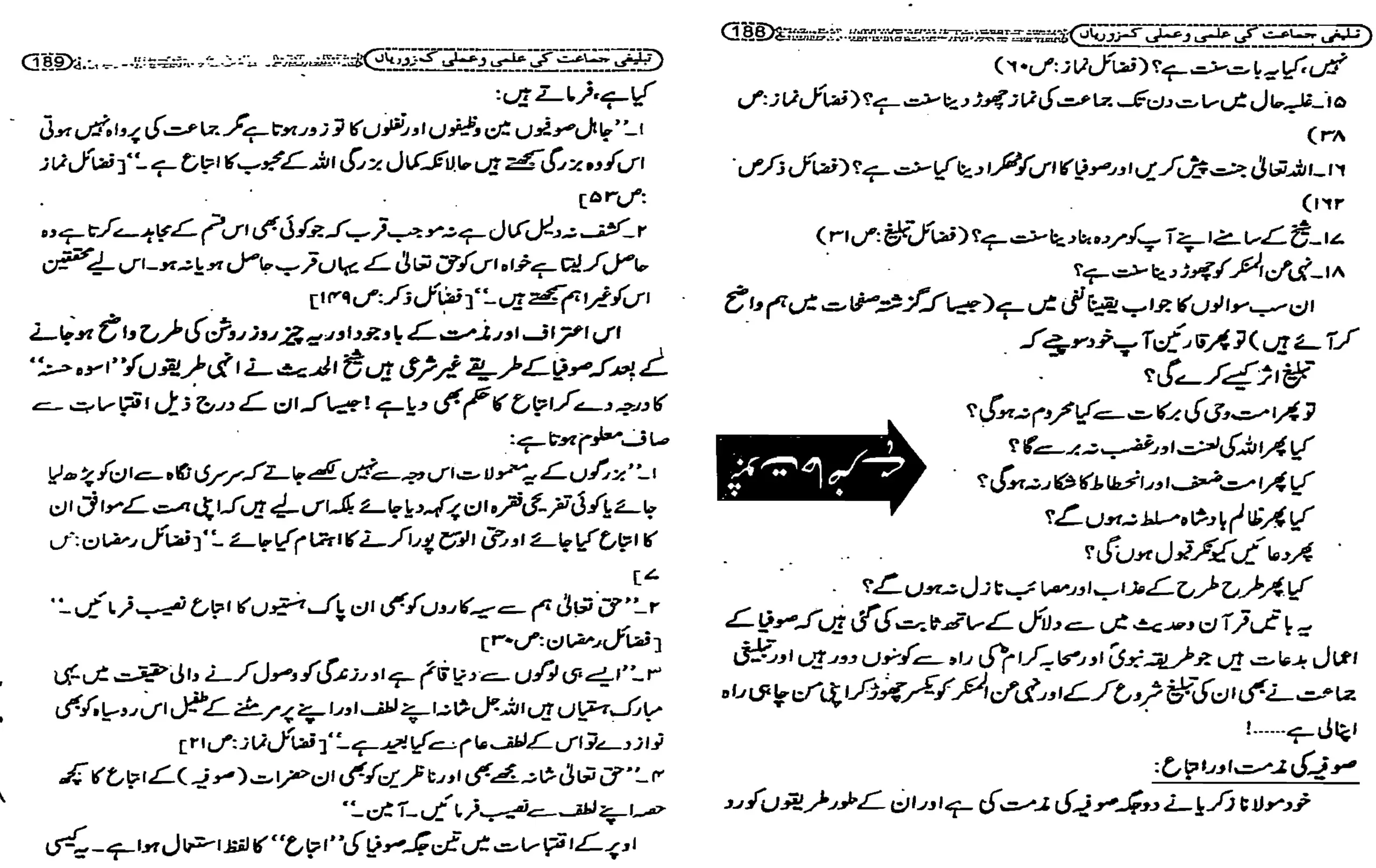
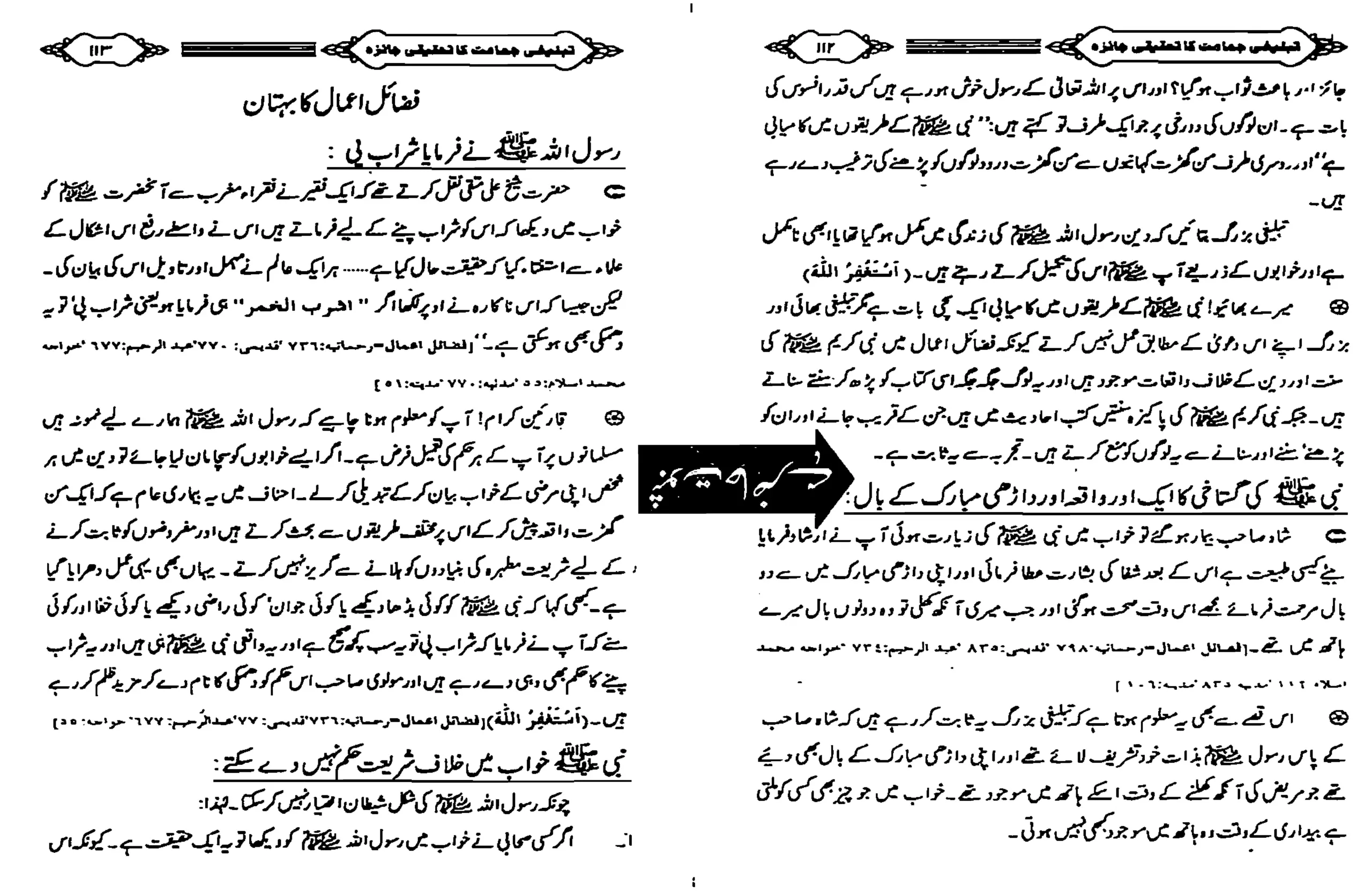
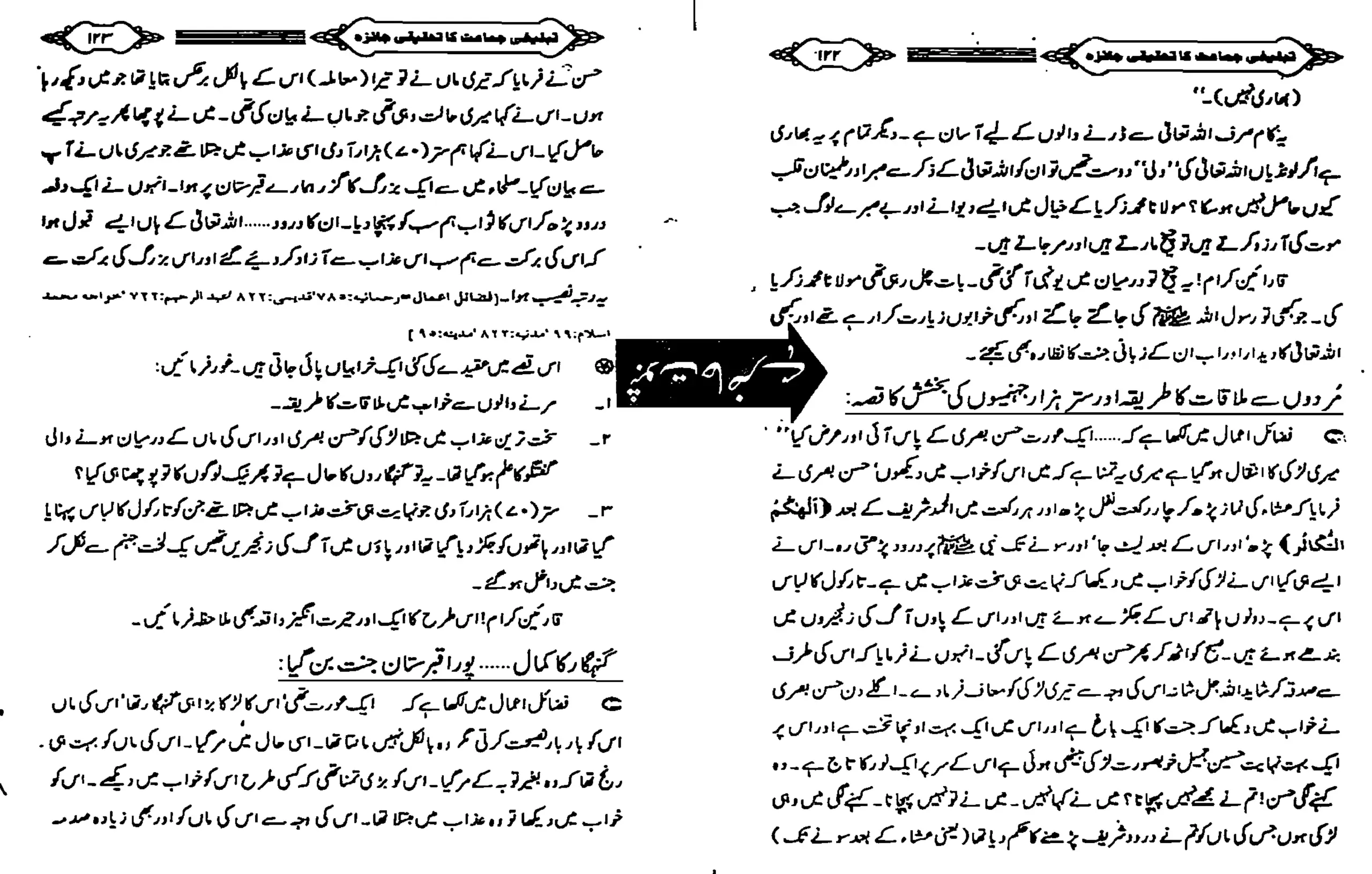
This excerpt is taken from Sheikh Irshad Ullah Maan's book In Search of Truth.
[1] Encouragement of open polytheism and disbelief. Encouragement of worship of others besides Allah,
[1] The Quran says calling upon others besides Allah is polytheism:
See:
Reference: (An-Nisa 40-41, 63 to 66), (Al-A'raf: 189 to 198) especially (194), (Yunus 66), (Ar-Ra'd: 14 to 21), (An-Naml: 53, 54, 86), (Al-Qasas: 6 to 64), (Al-Kahf: 52), (Ar-Rum: 11 to 40), (Saba: 22), (Fatir: 1 to 26, 33 to 41)
[2] The Quran says calling upon others besides Allah is disbelief,
See:
Reference: (Al-A'raf: 37 to 41), (Ar-Ra'd: 14 to 21), (Bani Isra'il: 67 to 69), (Al-Mu'min: 116, 117), (Fatir: 33 to 41), (Az-Zumar: 8 to 16), (Al-Mu'min: 12 to 14, 73 to 76)
[3] Calling upon others besides Allah is their worship.
Quranic verdicts:
Reference: (Al-An'am: 56), (Yunus: 104 to 107), (Hud: 101), (An-Naml: 1 to 23), (Al-Kahf: 14, 15), (Maryam: 48 to 50), (Al-Ahqaf: 2 to 6), (Ash-Shu'ara: 213), (An-Naml: 62), (Al-Mu'minun: 116, 117)
Commentary:
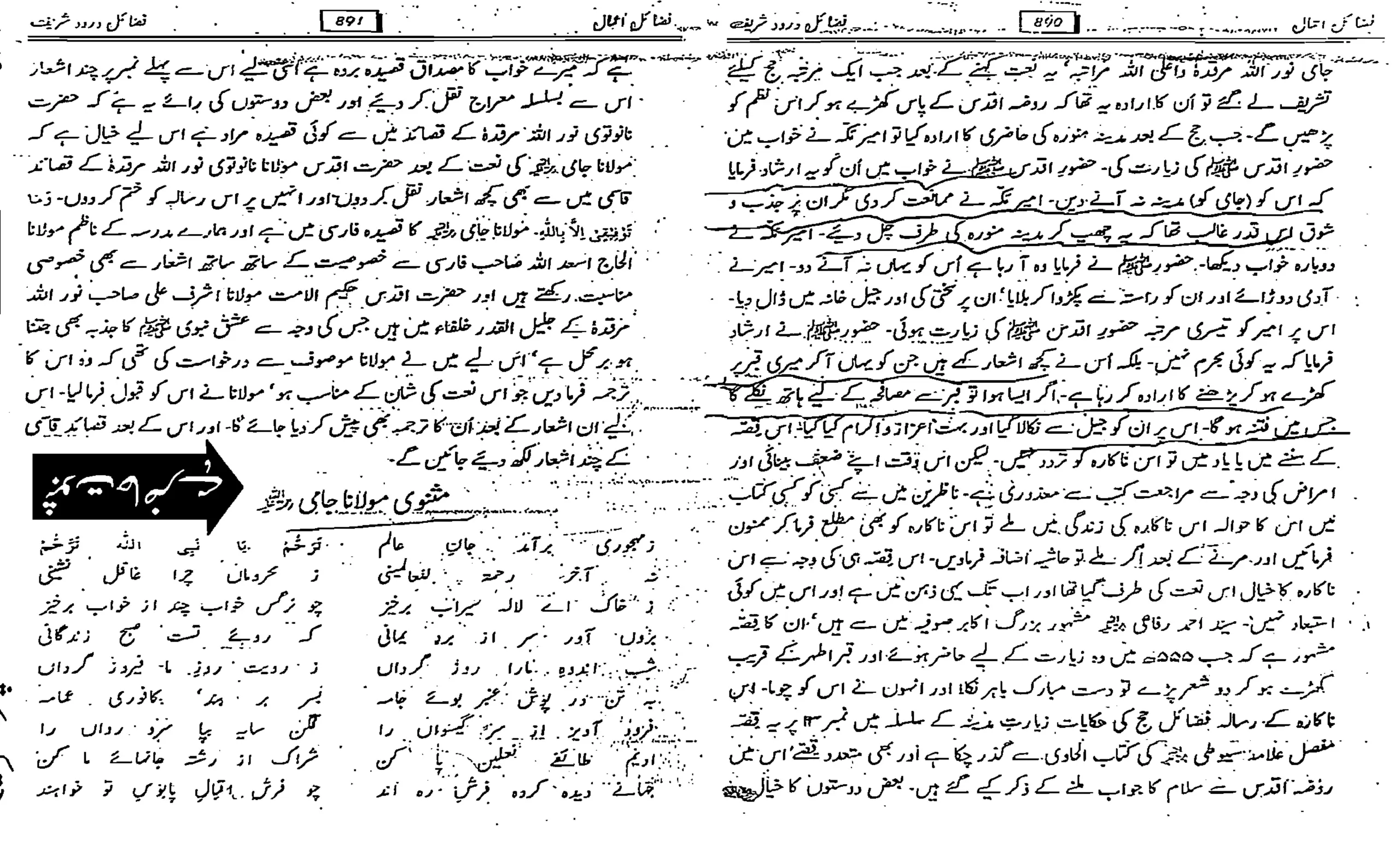
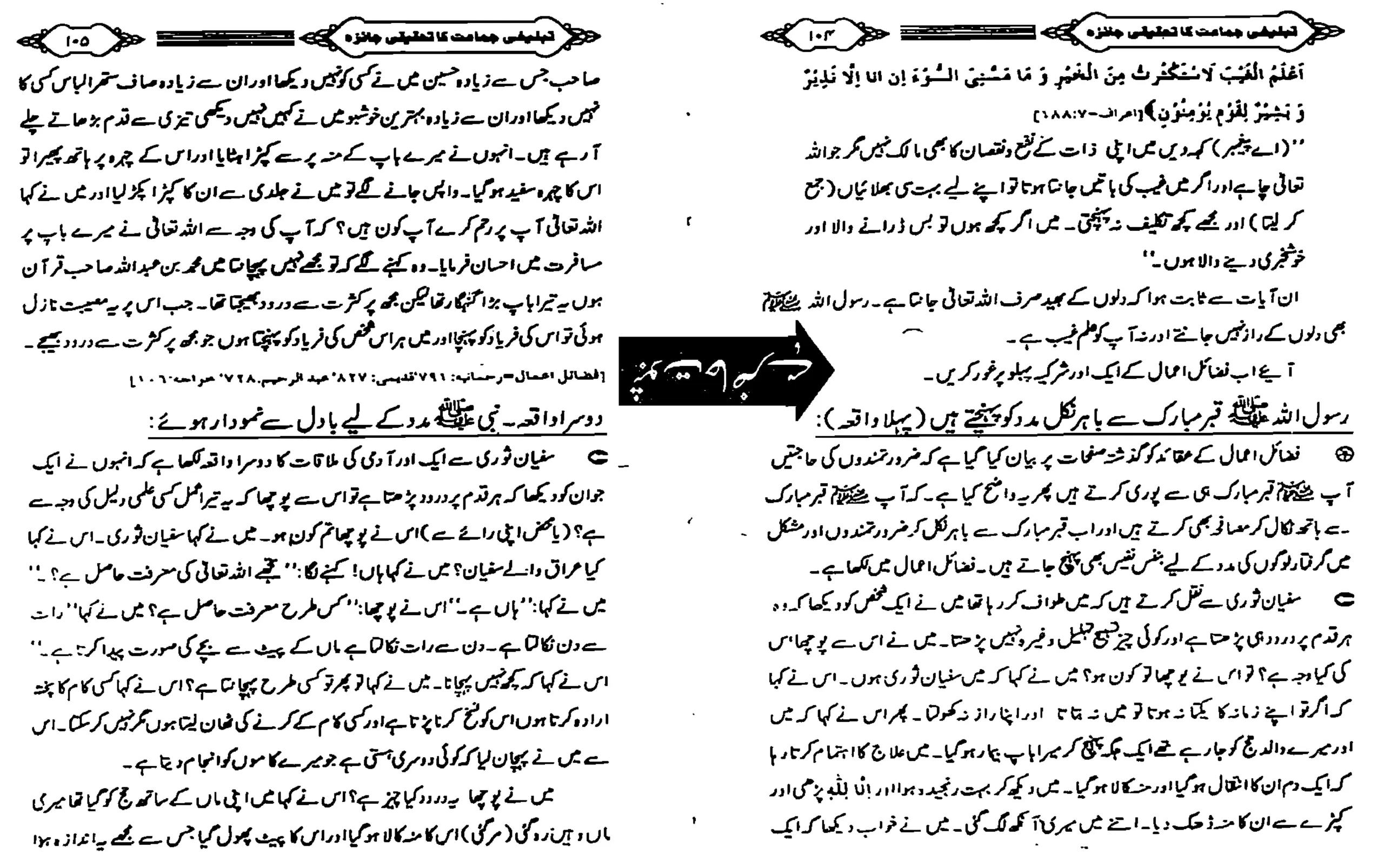
It has been proven that one who calls upon anyone other than Allah is a polytheist, a disbeliever. He is certainly worshipping someone other than Allah. However, in Faza'il al-A'mal, a naat has been written referencing Masnavi of Maulana Jami, openly encouraging calling upon the Messenger of Allah ﷺ, which is worship of someone other than Allah. In this way, these people have deviated from the Kalima because the meaning of the Kalima is that no one is to be worshipped except Allah. It is mentioned in Bukhari that the Companions stopped saying ایہا النبی at the time of your death and instead started saying السلام علی النبی.
Reference: (Bukhari: Hadith Number: 1202)
And it is written on page 805 of Faza'il al-A'mal that after the death of the Messenger of Allah ﷺ, he is in the highest place in Paradise, and the Quran states that those who call you from outside the chamber are foolish, and Allah Almighty said at that place that these fools should have waited for you to come out of your chamber.
Reference: (Al-Hujurat: 5,4)
And when you came to them, they should have spoken to you respectfully. Those who called you from outside the chamber are considered foolish according to the Quran, and you yourself can judge the intellect of those who call you from the earth while you are in their Paradise, even though Paradise is millions of miles away beneath the Throne from the earth. Also see:
Reference: Faza'il al-A'mal: pp. 875, 877
Remember that the virtues of Sahih Bukhari and Sahih Muslim are repeatedly mentioned in Faza'il al-A'mal, and both these books have been called and accepted as Sahihain. See:
Reference: Faza'il al-A'mal: pp. 737, 735, 727, 529
التحیات
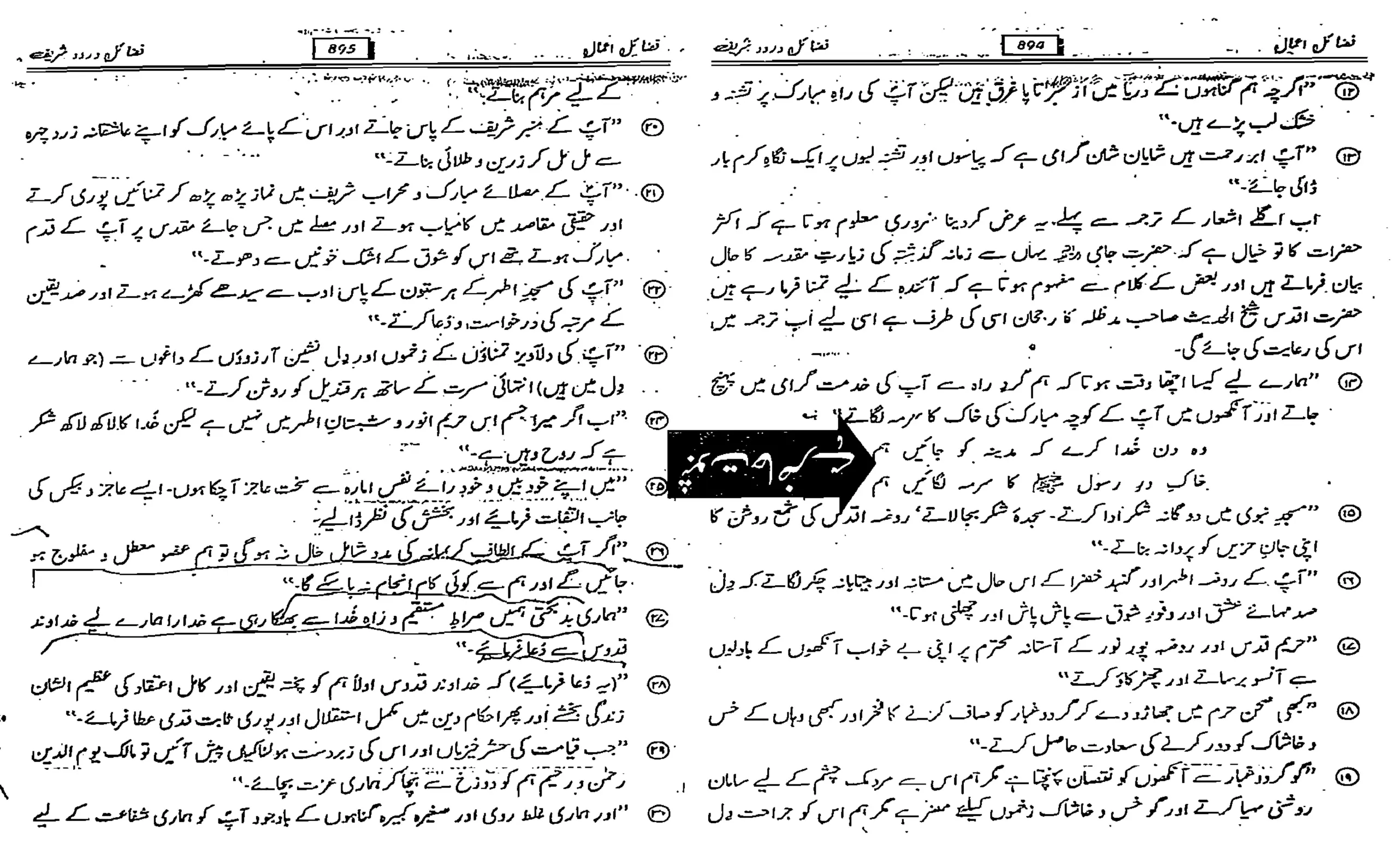
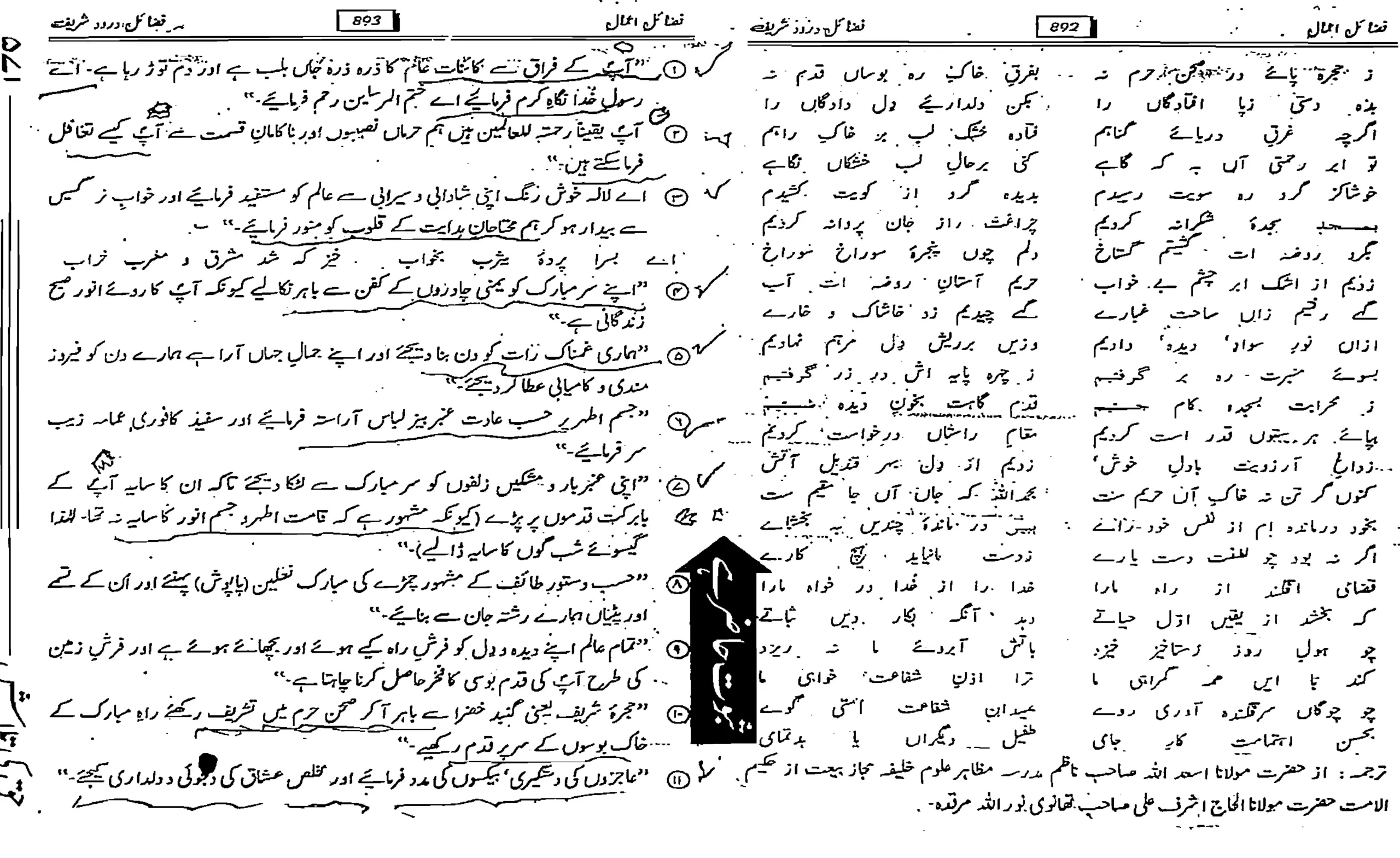
[1] The Prophet Muhammad ﷺ did not have a shadow.
Reference: Fazail-e-Amaal: p.893, Chapter on the Virtues of Salutations upon the Prophet
Commentary:
Whereas it is established from the Quran that everything in the earth and the heavens has a shadow.
Reference: (Ar-Ra'd:15), (An-Nahl:48)
[2] The famous story of Imam Azam (may Allah be pleased with him)
That when the water of ablution was falling, he would perceive which sin was being washed away in it, such as adultery, alcohol, etc.
Reference: (Fazail-e-Amaal: p.379, 723)
Commentary:
And in the Quran it is stated: And there are some hypocrites around you and some of the people of Medina who are persistent in hypocrisy. You do not know them, but We know them well; We will punish them twice. Meaning, hypocrites performed ablution, prayed, traveled with the Prophet ﷺ, attended his gatherings, while he had no knowledge that they were hypocrites. That is, Imam Azam was outwitted by the Prophet ﷺ, and even thinking this is not free from the fear of disbelief.
Reference: (Fazail-e-Amaal: p.737)
[3]The faith-shaking claim in Fazail-e-Amaal that a person used to see God.
Commentary:
Even a common Muslim knows that no one in the world has ever claimed to see Allah Almighty with their own eyes, and the claim of seeing Allah the Generous is completely against the Quran and Hadith. Prophet Musa (peace be upon him) did not see Allah in this world.
Reference: (Al-A'raf:143)
No one in this world can see Allah.
Reference: (Al-An'am:103)
In Sahih Bukhari, Sayyida Aisha Siddiqah (may Allah be pleased with her) narrates that whoever says the Messenger of Allah ﷺ saw Allah on the night of Isra and Mi'raj is a liar. And in
Reference: Ain al-Hidayah
it is stated that whoever claims to have seen Allah is a liar and misguided.
Reference: (Ain al-Hidayah: p.48, Volume 2)
[4]Wherever the propagation of religion is mentioned in the Quran and Hadith:
There, the command to enjoin good and forbid evil is given, but the Tablighi Jamaat members only enjoin good and do not forbid evil at all.
Comment:
The above-mentioned attitude of the Tablighi Jamaat members is completely against the Holy Quran, and Allah Almighty has warned of severe punishment in the Quran for those who act in this manner. Allah Almighty has said in the Quran: Do you believe in part of the Book and disbelieve in another part? Then what is the recompense of those who do so among you except disgrace in worldly life, and on the Day of Resurrection they will be sent to the severest punishment.
Reference: (Al-Baqarah:85)
General Comment:
The Quran states that no one knows the unseen in the heavens and the earth except Allah.
Reference: (An-Naml: 65)
The famous Hanafi fiqh book Ain al-Hidayah states: Whoever claims that the Prophet ﷺ knows the unseen is a disbeliever.
Reference: (Introduction to Ain al-Hidayah: p59)
(1)And in the famous books of Hanafi jurisprudence, it is written that if a person marries a woman and says that we make Allah and His Messenger witnesses, then he will become a disbeliever. The reason written for this is that the person considered the Messenger of Allah ﷺ to be the Knower of the unseen, whereas knowledge of the unseen is exclusive to Allah Almighty.
Reference: (Durr-e-Mukhtar: Vol 2, p.14)
(2)In the Quran it is (قُلۡ کُلٌّ مِّنۡ عِنۡدِ اللّٰہِ) (Say: All is from Allah).
Reference: (An-Nisa: 78)
Reference: (Tafseer Kanz-ul-Iman, Surah An-Nisa Ayah 78, Tafseer Naeem-ud-Din Muradabadi p. 203),
Whether it is increase or decrease, famine or abundance, distress or comfort, ease or hardship, victory or defeat, in reality all of this is from Allah.Commentary:
Imam Azam (RA) said in the book Al-Wasiyyah: Then they acknowledge that all good and evil fate is from Allah Almighty. As Allah Almighty says (قُلۡ کُلٌّ مِّنۡ عِنۡدِ اللّٰہِ) meaning say, O Muhammad! That everything is from Allah Almighty (i.e., all good and evil), and whoever thinks that good or evil comes from anyone else, then he has become a disbeliever in Allah Almighty and his monotheism is invalid, provided that he had monotheism.
Reference: (Muqaddimah Ain al-Hidayah: p.10)
(3) Explanation of the Quran is forbidden without mastery of fifteen sciences.
Reference: (Fazail-e-Amaal: 293)
Comment:
This claim and theory of his is against the Quranic text
Reference: (Al-Qamar: 17, 22, 32, 40)
in which Allah Almighty said that We have made the Quran easy to understand.(4) The deeds of the living are presented on behalf of the dead.
Reference: (Iman Shikan Da'wa, Fazail-e-Amaal: 389)
Comment:
This is explicitly against the Quran and Hadith in which it is stated that every person's deeds are presented before Allah.
Reference: (Fazail-e-Amaal: p.519)
Any action that is not according to the Sunnah is rejected (unacceptable) in the sight of Allah, and an innovator has no connection with the Muslim Ummah. Sayyida Aisha (may Allah be pleased with her) narrates: The Messenger of Allah ﷺ said: Whoever does a deed in the religion which is not based on the Shariah, then that deed is rejected.
Reference: (Bukhari, Muslim)
In another narration: Whoever does a deed for which we have no command, then it is rejected.
Reference: (Bukhari, Muslim)
Meaning it is vain and rejected, one should avoid it and never act upon it. These three ahadith (the reference of the third hadith will come later) encompass all innovations and new things that people have introduced into the religion, and the second hadith is even clearer than the first. These three ahadith have completely dismantled the entire structure of the innovators, and their seemingly beautiful house has been destroyed because the new deeds they introduced in the religion are all rejected by these ahadith.
The third hadith mentioned is as follows: It concerns Sayyidina Ali (may Allah be pleased with him), Sayyidina Abdullah bin Umar (may Allah be pleased with both of them), and Sayyidina Uthman bin Maz'oon (may Allah be pleased with him) who came to the wives of the Messenger of Allah ﷺ and the mothers of the Ummah and inquired about his worship. When they were informed, they considered their own worship insufficient and said: "Where are we and where is the Messenger of Allah ﷺ! We are sinners." One of them said: "I will pray all night throughout my life." Another said: "I will always fast." The third said: "I will keep away from women all my life." At that moment, the Messenger of Allah ﷺ came and said: "I fast and I break my fast; I pray at night and I sleep; and I marry women. Whoever dislikes my way is not from me."
Reference: (Bukhari and Muslim)
Remember, just as the personality of the Prophet is superior and exalted above all elders and Imams, similarly, his teaching ،،سنت،، method is also superior and exalted above all methods on earth, and the words of the Prophet are superior to all words.
Every believer should adopt the way of the Prophet ﷺ, follow his sayings and actions, obey his commands, and avoid what he has prohibited. In happiness, grief, distress, hardship, and ease, in every condition, one should follow the way of the Prophet ﷺ.
Reference: (Fazail-e-Amaal: p.230, 270, 271, 226, 28)
Half of the time of day and night should be spent on religion and the other half on worldly matters.
Reference: (Fazail-e-Amaal: p.257)
Keeping the above facts in mind, think a little about what relation those who perform the deeds mentioned in Fazail-e-Amaal have with the Ummah of Muhammad, whose list is given on the following pages and their number is 18, and Imam Abu Hanifa (RA) is also included because, according to Maulana Zakariya, he also prayed Fajr with the ablution of Isha for 50 years.
Reference: (Fazail-e-Amaal: p.443)
Preach, definitely preach, but preach based on Tawheed, preach based on Sunnah. Command good and forbid evil, preach according to the Quran. Preach according to authentic Hadith. For this, it is necessary that the members of the Tablighi Jamaat learn the Quran and authentic Hadith before going out to preach. But it has been observed that the members of the Tablighi Jamaat are unfamiliar with the teachings of the Quran and Hadith, so who knows what they are preaching!?