


Compiled by: Abu Hamza Salafi
The purpose of this article is to clarify that certain scholarly admonitions and partial criticisms (known in the science of Hadith as "Istidraak/Ta'aqub") on Imam Muhammad ibn Ismail al-Bukhari, may Allah have mercy on him, do not negate Imam Bukhari's leadership, trustworthiness, or the fundamental authenticity of Sahih al-Bukhari. Some individuals try to give a wrong impression by misinterpreting these scholarly admonitions, suggesting as if the Imams have outright rejected "Sahih al-Bukhari"; whereas the reality is that most discussions by Ibn Abi Hatim, Khateeb Baghdadi, and others in Imam Bukhari's "Al-Tarikh al-Kabir" pertain to technical matters such as the identification/distinction of certain narrators, and Imam Darqutni's Istidraak are essentially on a few specific hadiths and chains of narration for which alternative routes exist, or Darqutni himself has retracted some of his earlier criticisms in certain places.
Text of the Objection
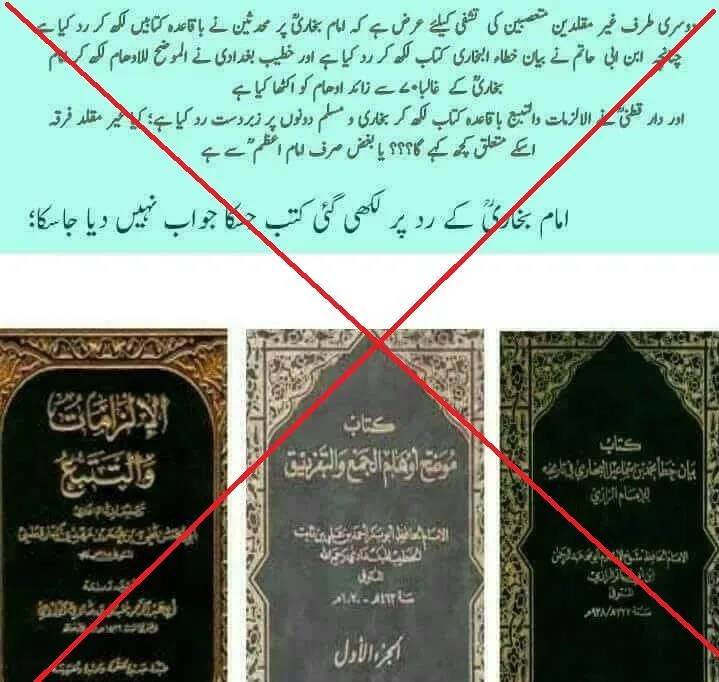
A biased Hanafi writer objected to Imam Bukhari by writing:
“Ibn Abi Hatim wrote a book called Bayan Khata al-Bukhari to refute him, Khateeb Baghdadi collected Imam Bukhari’s errors in Al-Muwadhah al-Lawham, and Darqutni strongly refuted Bukhari and Muslim in Al-Ilzamat wa al-Tatabbu’… so what is the answer to this?”
Brief explanation:
This objection tries to draw a big conclusion by just listing “book titles,” whereas to understand the reality it is necessary to see: (1) On which book is the criticism? (2) What is the nature of the criticism? (3) Does that criticism affect the true intended meaning of Sahih Bukhari or not?
Fundamental point: Partial admonitions of the Imams do not invalidate the Imam’s Imamate
In the science of Hadith, great Imams (such as Bukhari, Muslim, Abu Hatim, Abu Zur'ah, Darqutni, Khateeb, Ibn Hajar, etc.) engage in scholarly discussions on each other's annotations. This approach is "scholarly research," not an "absolute rejection." Therefore, if a caution is issued regarding a certain determination of an Imam or an aspect of a chain of narration, it does not necessarily mean that the Imam has become unreliable, or that his original book (especially the Sahihayn) has become invalid.
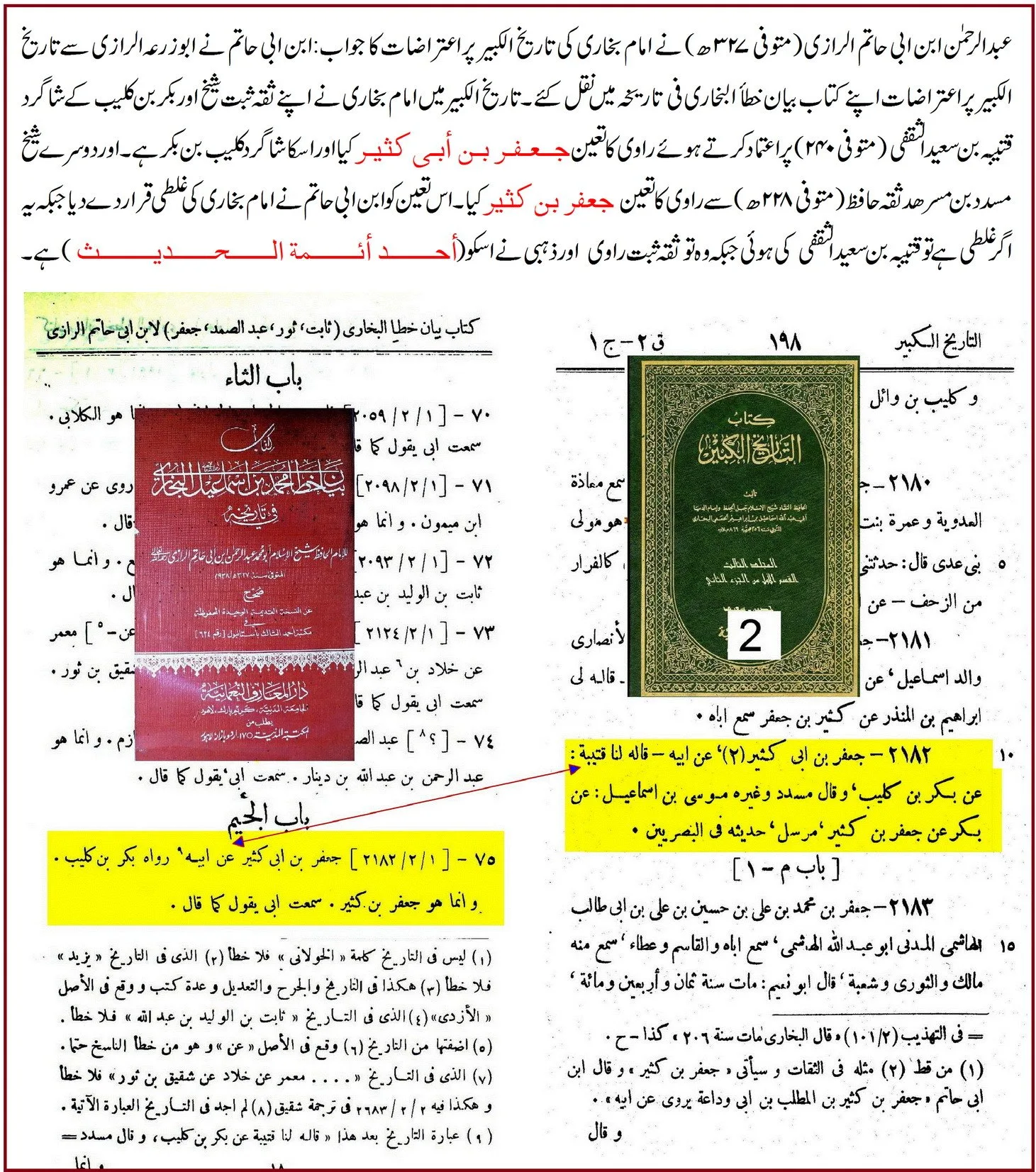
① Example: Ja'far bin Abi Kathir / Ja'far bin Kathir
Ibn Abi Hatim wrote:
75 -[1 / 2 / 2182] جعفر بن ابى كثير عن ابيه (9) رواه بكر بن كليب.
وانما هو جعفر بن كثير.سمعت ابى يقول كما قال (بيان خطأ محمد بن إسماعيل البخاري في تاريخه)
Translation:
Ibn Abi Hatim narrated in "Al-Tarikh" a phrase of Imam Bukhari that "Ja'far bin Abi Kathir 'an Abiyyah" and said: originally it is "Ja'far bin Kathir." He heard this from his father (Abu Hatim).
Reference: Clarification of the Error of Muhammad bin Ismail Al-Bukhari in His History
Answer (according to Imam Bukhari's phrase):
2182-جَعْفَر بْن أَبِي كثير (2) عَنْ أَبِيه - قاله لنا قتيبة: عَنْ بكر بْن كليب، وَقَالَ مسدد وغيره مُوسَى بْن إِسْمَاعِيل: عَنْ بكر عَنْ جَعْفَر بْن كثير، مرسل، حديثه في الْبَصْرِيّين. (التاريخ الكبير)
Translation:
Imam Bukhari clarified that in the chain of his Sheikh Qutaybah, “Ja'far bin Abi Kathir” appeared, while in the other chain (Musaddad etc./Musa bin Ismail), “Ja'far bin Kathir” appeared. That is, Imam Bukhari mentioned both narrations and also pointed towards the reality.
Reference: Al-Tarikh Al-Kabir by Bukhari
Conclusion:
This matter is more related to the “difference in chains” and “transmission by the sheikhs” than Imam Bukhari’s “error,” and Imam Bukhari himself clarified the matter by explaining the difference in chains.
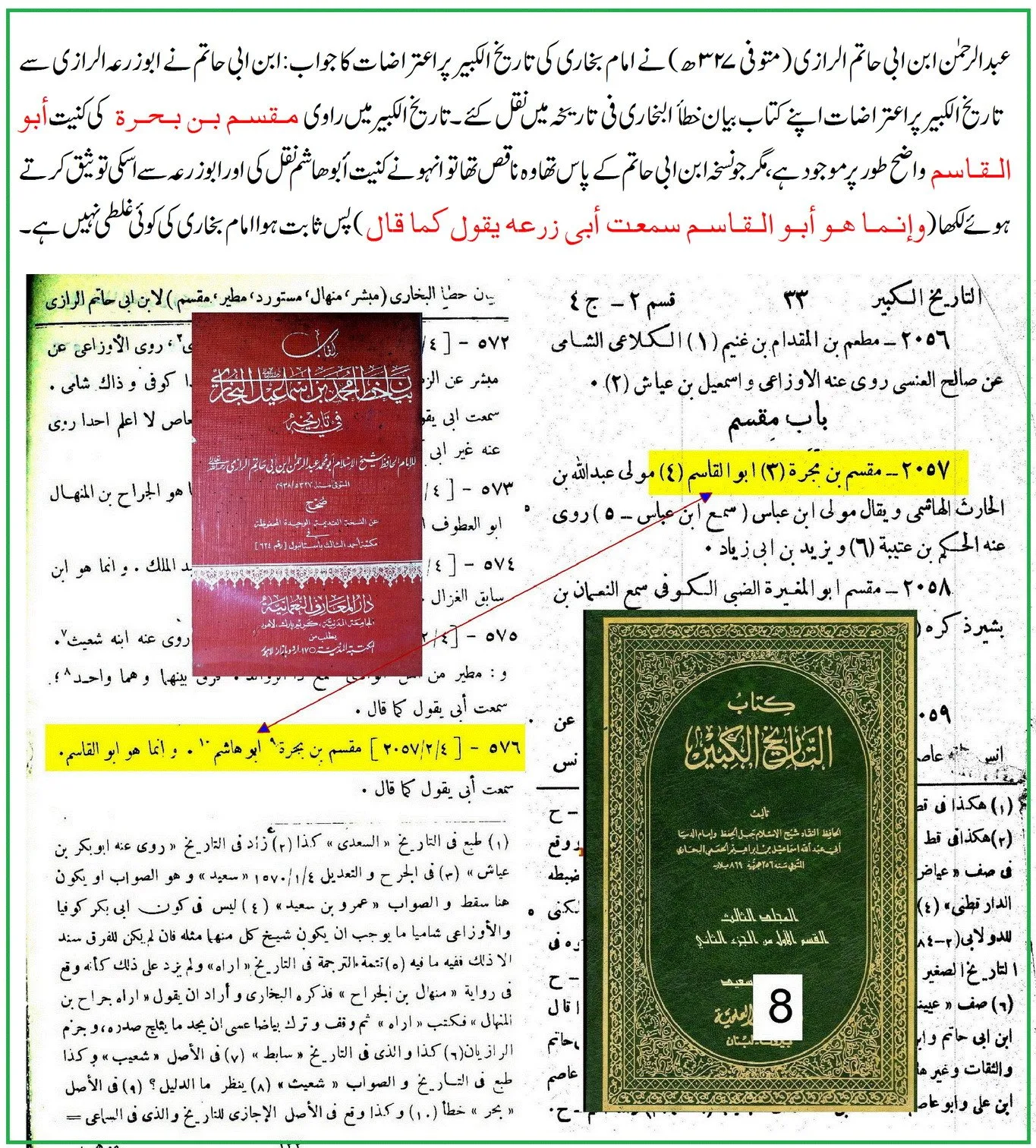
② Example: The Kunya of Muqsim bin Bajrah
Ibn Abi Hatim wrote:
576 -[4 / 2 / 2057] مقسم بن بجرة أبو هاشم .وانما هو أبو القاسم. (بيان خطأ محمد بن إسماعيل البخاري في تاريخه)
Translation:
He said that Imam Bukhari wrote “Abu Hashim,” whereas the correct one is “Abu al-Qasim.”
Reference: Bayan Khata Muhammad bin Ismail al-Bukhari fi Tarikhihi
Answer (Text from Al-Tarikh Al-Kabir):
2057- مِقسَم بن بُجَرة، أَبو القاسم، مَولَى عَبد اللهِ بْن الحارث، الهاشِمِيُّ، ويُقال: مَولَى ابْن عَبّاس.سَمِعَ ابْن عَبّاس. رَوَى عَنه: الحَكَم بْن عُتَيبَة، ويَزِيد بْن أَبي زِياد. (التاريخ الكبيرللبخاری)
Translation:
Imam Bukhari clearly wrote “Abu al-Qasim,” and also mentioned the lineage and transmission etc.
Reference: Al-Tarikh Al-Kabir by Bukhari
Conclusion:
This objection arose due to the defective/incorrectly transmitted manuscript of “Al-Tarikh Al-Kabir”; in the original text, Imam Bukhari’s statement is correct.
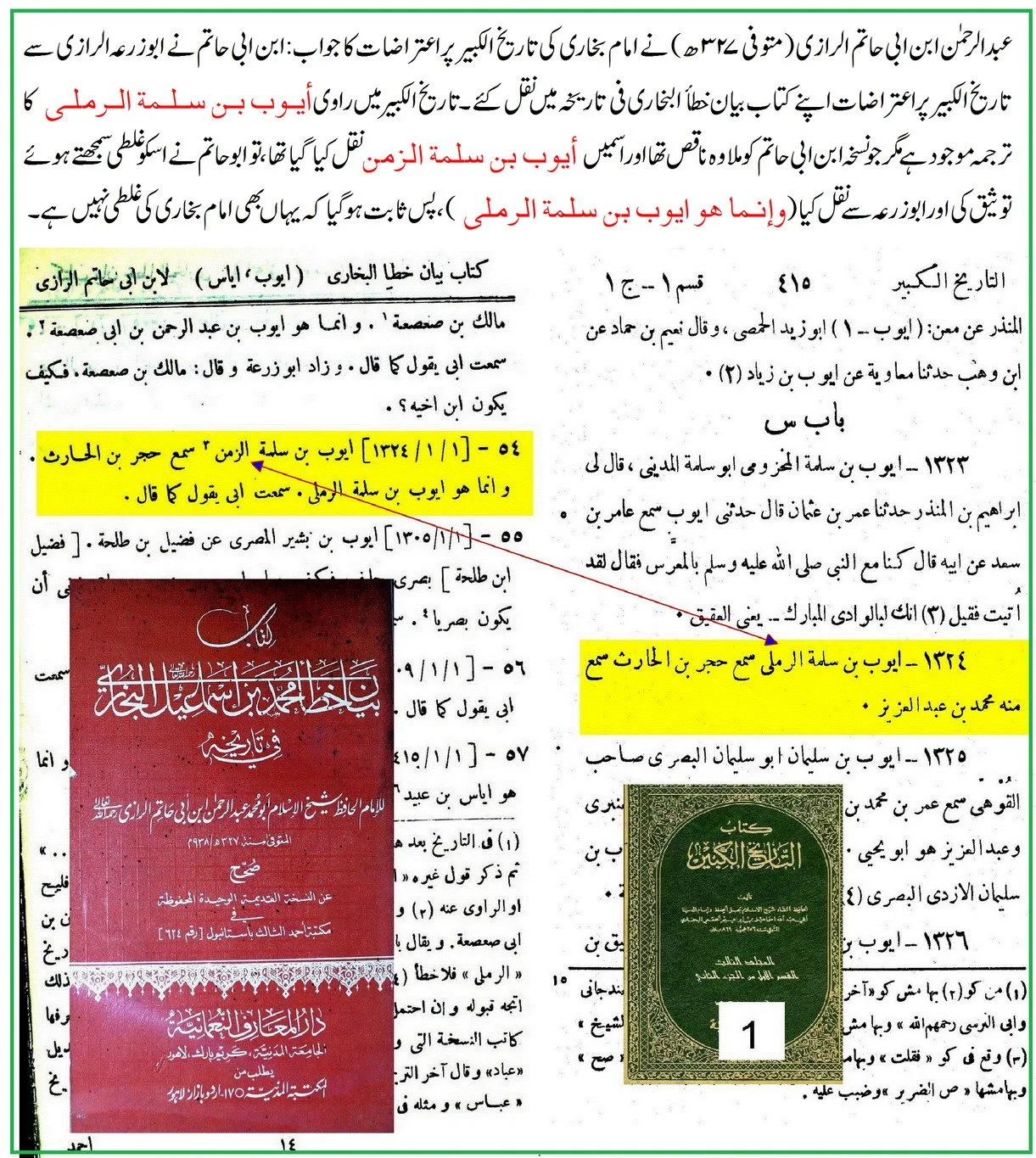
③ Example: Ayyub bin Salmah “Al-Ramli”
Ibn Abi Hatim wrote:
54 -[1 / 1 / 1324] ايوب بن سلمة الزمن (3) سمع حجر بن الحارث.
وانما هو ايوب بن سلمة الرملي.سمعت ابى يقول كما قال.(بيان خطأ البخاري)
Translation:
He read “al-Zaman” and said that the correct is “al-Ramli.”
Reference: Statement of the error of Muhammad ibn Ismail al-Bukhari in his history
Answer (Al-Tarikh al-Kabir):
1324 - أيوب بْن سلمة الرملي سَمِعَ حجر بْن الحارث سَمِعَ منه مُحَمَّد بْن عَبْد العزيز (التاريخ الكبير)
Translation:
In Imam Bukhari’s book, this narrator is indeed “al-Ramli.”
Reference: Al-Tarikh al-Kabir by al-Bukhari
Conclusion:
Here too, the original text is in favor of Imam Bukhari; the objection arose due to a transmission/copying error.
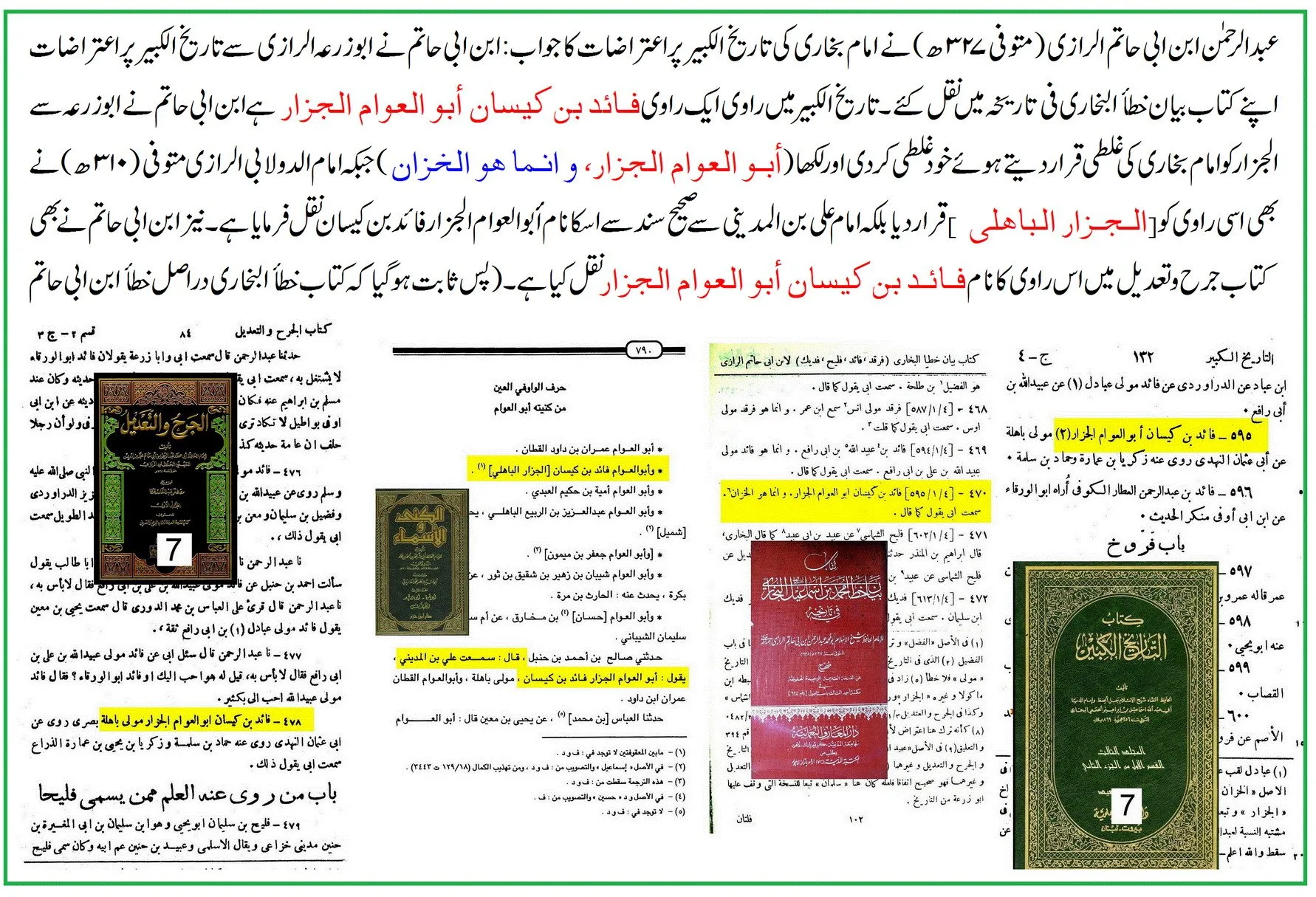
④ Example: Fa’id ibn Kaysan “al-Jazzar / al-Khazzan”
Ibn Abi Hatim wrote:
470 -[4 / 1 / 595] فائد بن كيسان أبو العوام الجزار.
وانما هو الخزان . سمعت ابى يقول كما قال..(بيان خطأ البخاري)
Translation:
He corrected “al-Jazzar” to “al-Khazzan.”
Reference: Statement of the error of Muhammad ibn Ismail al-Bukhari in his history
Answer (Al-Dulabi’s narration):
مَنْ كُنْيَتُهُ أَبُو الْعَوَّامِ أَبُو الْعَوَّامِ عِمْرَانُ بْنُ دَاوُدَ الْقَطَّانُ. وَأَبُو الْعَوَّامِ فَائِدُ بْنُ كَيْسَانَ الجَزَّارُ الْبَاهِلِيُّ.(الكنى والأسماء للدولابي متوفی 310ھ ه )
Translation:
Al-Dulabi explicitly called “Abu al-Awwam Fa’id ibn Kaysan” as “al-Jazzar al-Bahili.”
Reference: Al-Kuna wa al-Asma’ by al-Dulabi
Furthermore, Ibn Abi Hatim himself wrote the same in “Al-Jarh wa al-Ta’dil”:
478 - فائد بن كيسان أبو العوام الجزار مولى باهلة بصرى روى عن أبي عثمان النهدي روى عنه حماد بن سلمة وزكريا بن يحيى بن عمارة الذراع سمعت أبي يقول ذلك.(الجرح والتعديل ابن أبي حاتم)
Translation:
Fa’id ibn Kaysan Abu al-Awwam “al-Jazzar” Mawla Bahila… (this is the kunya and title mentioned).
Reference: Al-Jarh wa al-Ta’dil by Ibn Abi Hatim
Conclusion:
In this example, “al-Jazzar” is also supported by other sources, and Ibn Abi Hatim himself adopted the same elsewhere.
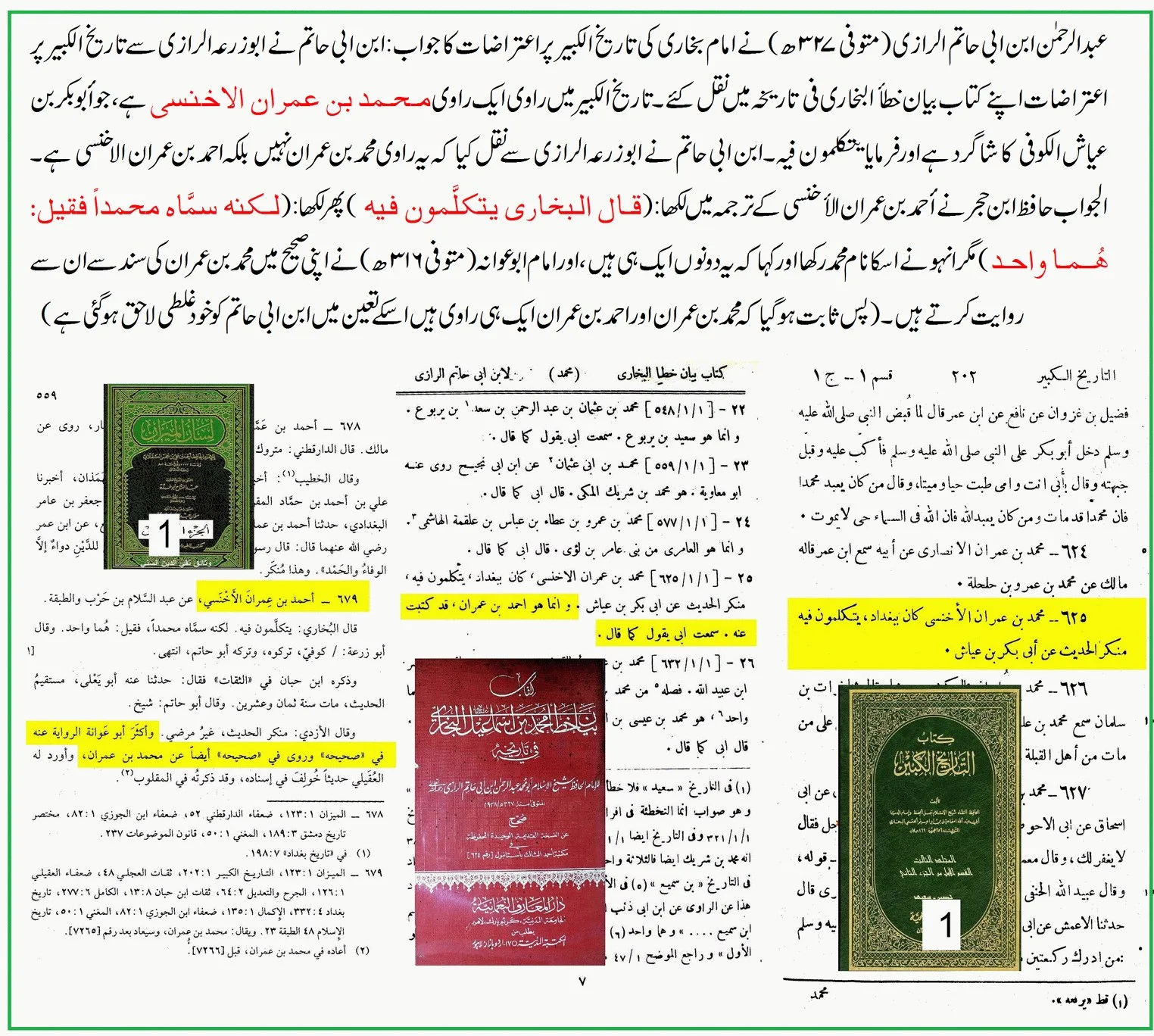
⑤ Example: Muhammad ibn Imran al-Akhnasi / Ahmad ibn Imran
Ibn Abi Hatim wrote:
25 -[1 / 1 / 625] محمد بن عمران الاخنسى، كان ببغداد، يتكلمون فيه، منكر الحديث عن ابى بكر بن عياش.وانما هو احمد بن عمران، قد كتبت عنه.سمعت ابى يقول كما قال.(بيان خطأ البخاري)
They said that "Muhammad bin Imran Al-Akhansi" is actually "Ahmad bin Imran," and he has also written to him.
Reference: Statement on the Error of Muhammad bin Ismail Al-Bukhari in His History
Explanation by Hafiz Ibn Hajar:
1078 - "محمد" بن عمران الأخنسي بن أبي بكر بن عياش قال البخاري منكر الحديث يتكلمون فيه كان ببغداد كذا سماه البخاري وهو أحمد بن عمران(لسان الميزان)
[739] "أحمد" بن عمران الأخنسي عن عبد السلام بن حرب والطبقة قال البخاري يتكلمون فيه لكنه سماه محمدا فقيل هما واحد---- وأكثر أبو عوانة الرواية عنه في صحيحه أيضا عن محمد بن عمران ---(لسان الميزان)
Translation:
Ibn Hajar clarified that Bukhari called him "Muhammad," whereas he is actually "Ahmad bin Imran," and both could be the same person. Moreover, Abu Awana narrated more traditions from him under the name "Muhammad bin Imran" in his Sahih.
Reference: Lisan al-Mizan
Conclusion:
This discussion is a technical debate about "Determining Names," where it is possible for a narrator to have two names or titles. It is not correct to use this as a weapon to undermine the authenticity of Sahih Bukhari.
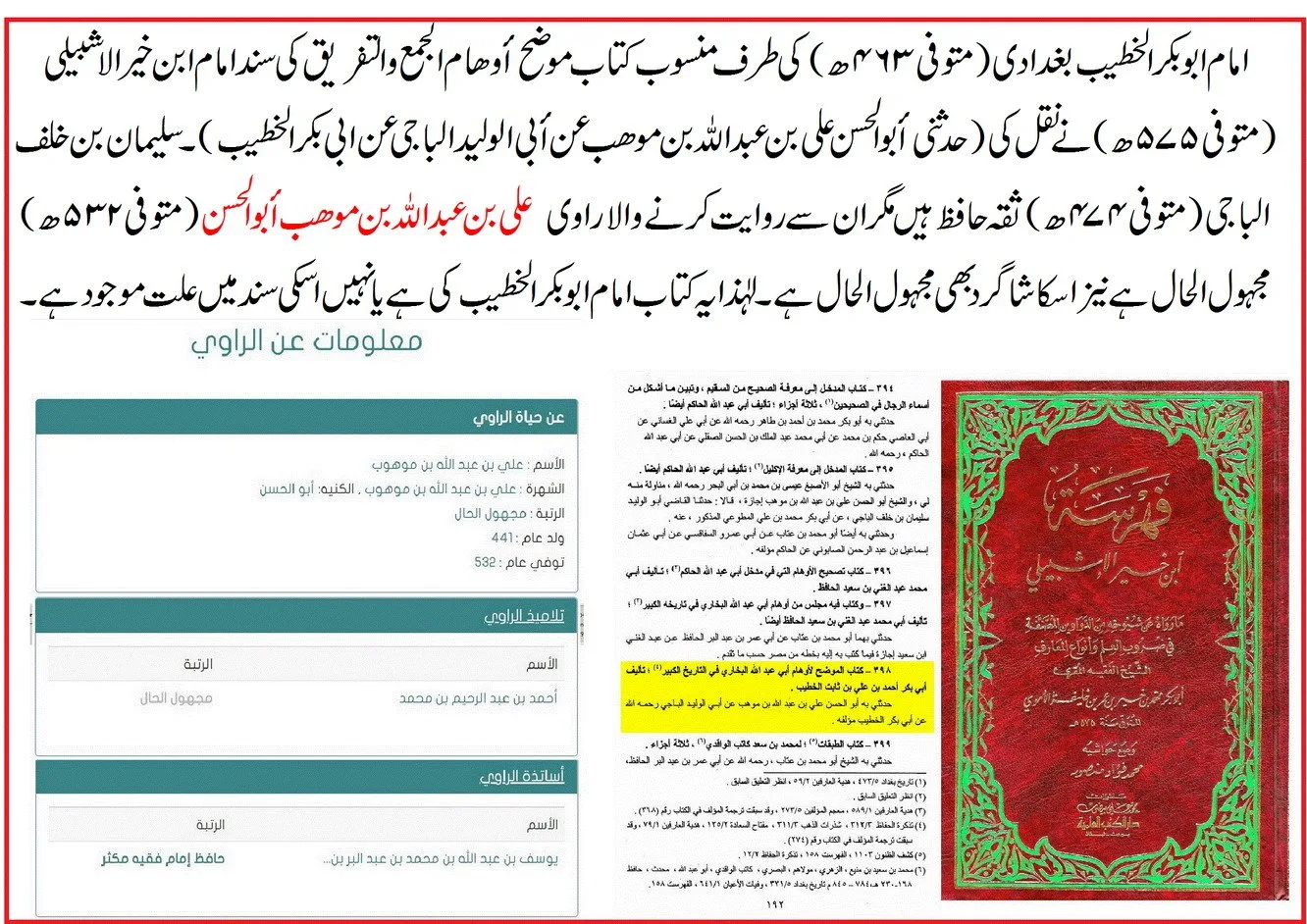
“Clarification of the Illusions of Combining and Separating” Attributed to Khateeb Baghdadi: The Main Point and Khateeb’s Own Commentary
In the chapter on the attribution of this book, the scholars of research have mentioned it cautiously because the chain of narration includes this narrator: علي بن عبد الله بن موهوب (whose status is under discussion). Nevertheless, in the same book, Khateeb Baghdadi’s fundamental commentary is present:
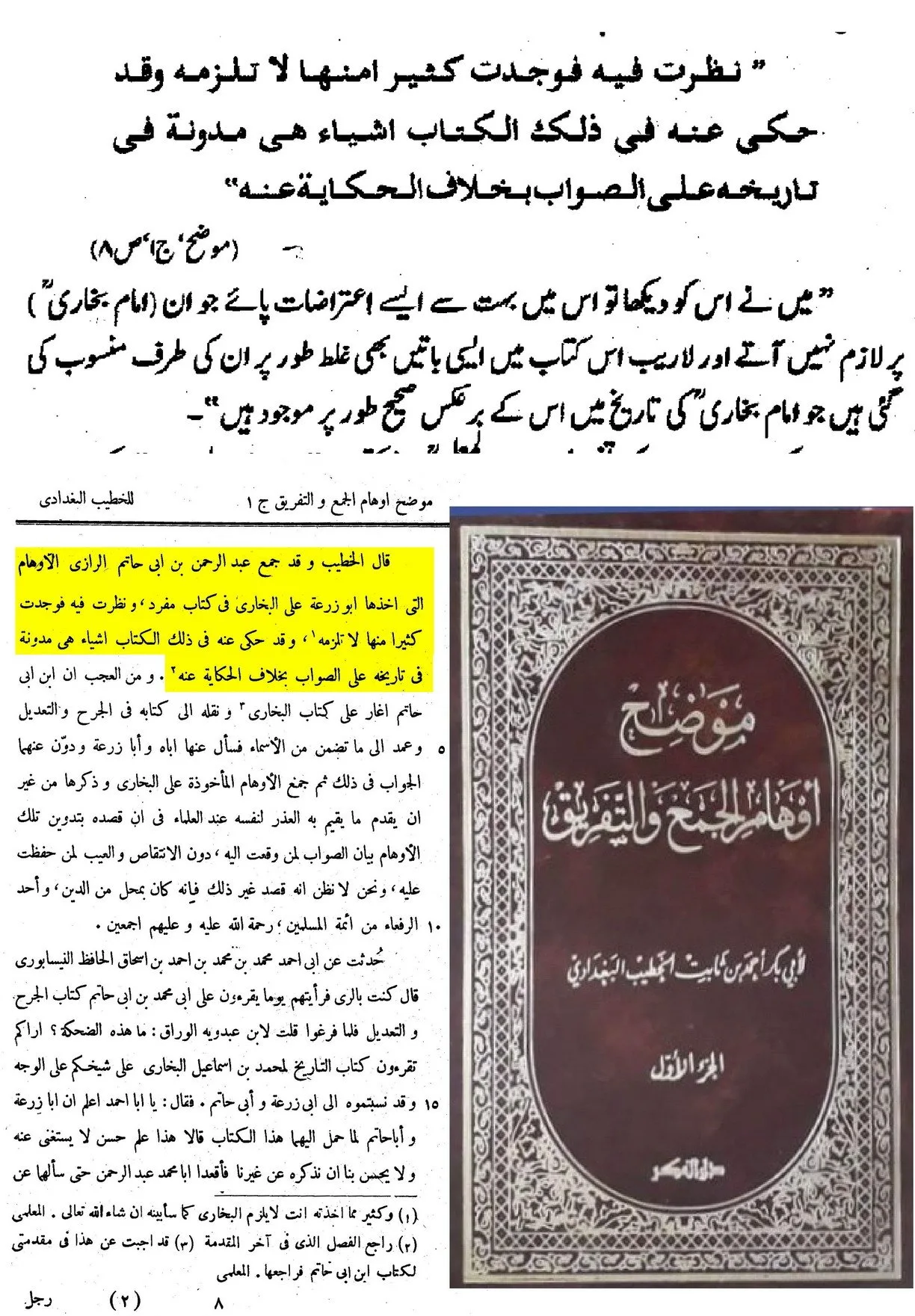
قَالَ الْخَطِيب وَقد جمع عبد الرَّحْمَن بن أبي حَاتِم الرَّازِيّ الأوهام الَّتِي أَخذهَا أَبُو زرْعَة على البُخَارِيّ فِي كتاب مُفْرد وَنظرت فِيهِ فَوجدت كثيرا مِنْهَا لَا تلْزمهُ وَقد حكى عَنهُ فِي ذَلِك الْكتاب أَشْيَاء هِيَ مدونة فِي تَارِيخه على الصَّوَاب بِخِلَاف الْحِكَايَة عَنهُ
Translation:
The preacher said: Abdul Rahman bin Abi Hatim collected from Abu Zur'ah and compiled them into a separate book called "Awhaam" of Bukhari. When I saw it, I found many things in it that are not applicable to Bukhari, and in this book, some things were attributed to Bukhari which are correctly recorded against him in Bukhari's "Al-Tarikh."
Reference: Muwadhah Awhaam al-Jam' wal-Tafreeq
Conclusion:
This is the testimony of Al-Khatib Al-Baghdadi himself that many things collected by Ibn Abi Hatim do not apply to Imam Bukhari, and some attributions are contrary to the original book.
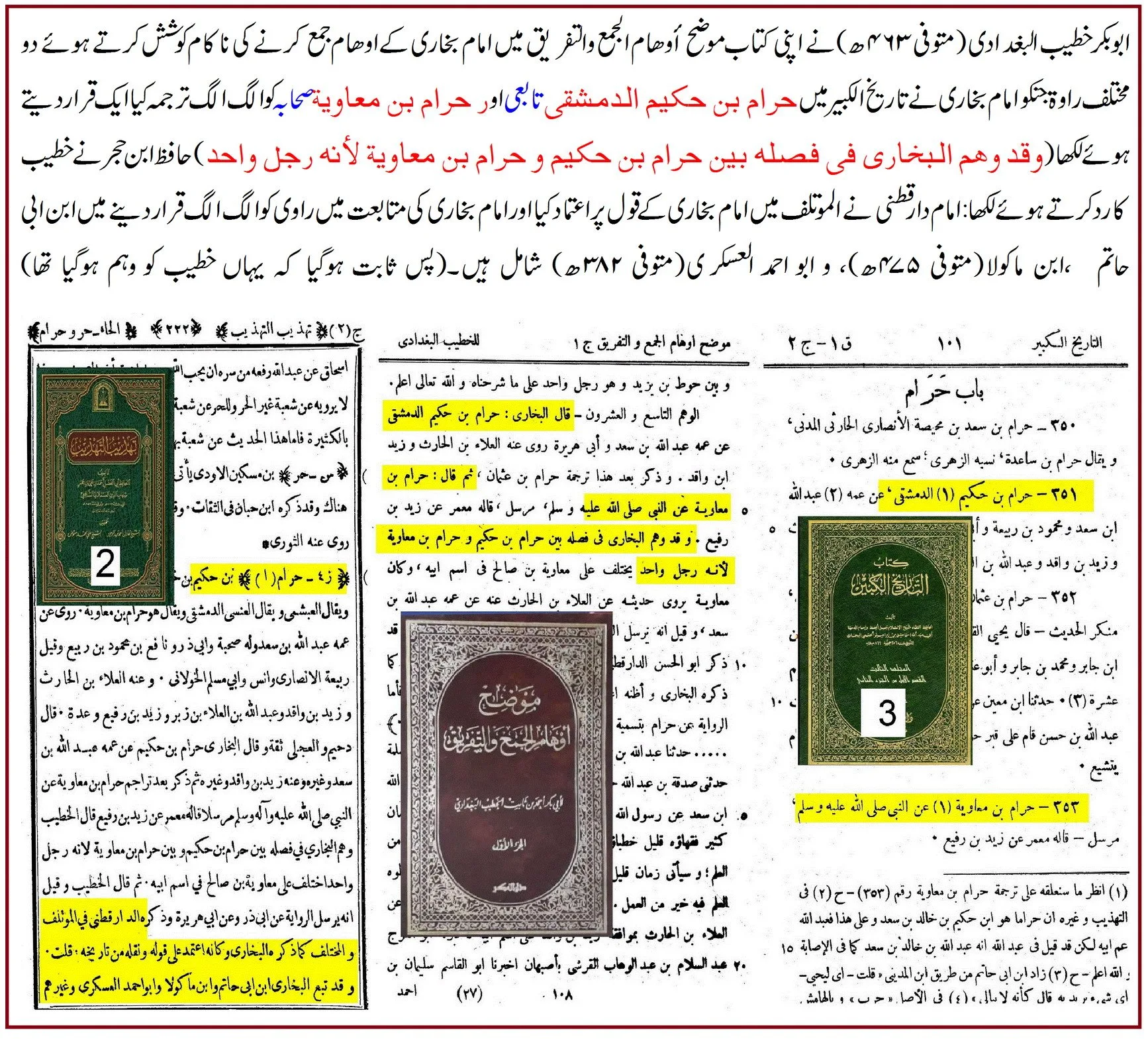
① Haram bin Hakeem and Haram bin Muawiyah
It is narrated from Al-Khatib:
الْوَهم التَّاسِع وَالْعشْرُونَ---وَقد وهم البُخَارِيّ فِي فَصله بَين حرَام بن حَكِيم وَحرَام بن مُعَاوِيَة لِأَنَّهُ رجل وَاحِ
Translation:
It was claimed that Bukhari was mistaken in thinking that "Haram bin Hakeem" and "Haram bin Muawiyah" are two different people, whereas they are the same person.
Reference: Muwadhah Awhaam al-Jam' wal-Tafreeq
Explanation of Hafiz Ibn Hajar:
411- "- حرام بن حكيم بن خالد بن سعد بن الحكم الأنصاري ويقال العبشمي ويقال العنسي الدمشقي ويقال هو حرام بن معاوية روى-----وذكره الدارقطني في المؤتلف والمختلف كما ذكره البخاري وكأنه اعتمد على قوله ونقله من تاريخه قلت وقد تبع البخاري بن أبي حاتم وابن ماكولا وأبو أحمد العسكري وغيرهم وفي الثقات لابن حبان حرام بن حكيم المذكور في التابعين وذكر أبو موسى المدني حرام بن معاوية في الصحابة
Ibn Hajar stated that Al-Daraqutni also mentioned in "Al-Mu'talif wal Mukhtalif" similarly to Bukhari; Ibn Abi Hatim, Ibn Makula, Abu Ahmad Al-Askari, etc., also followed Bukhari. Ibn Hibban counted Haram bin Hakim among the Tabi‘in, and Abu Musa Al-Madani counted Haram bin Muawiyah among the Companions.
Reference: Tahdhib al-Tahdhib
Conclusion:
In this example, multiple Imams have supported Imam Bukhari's distinction.
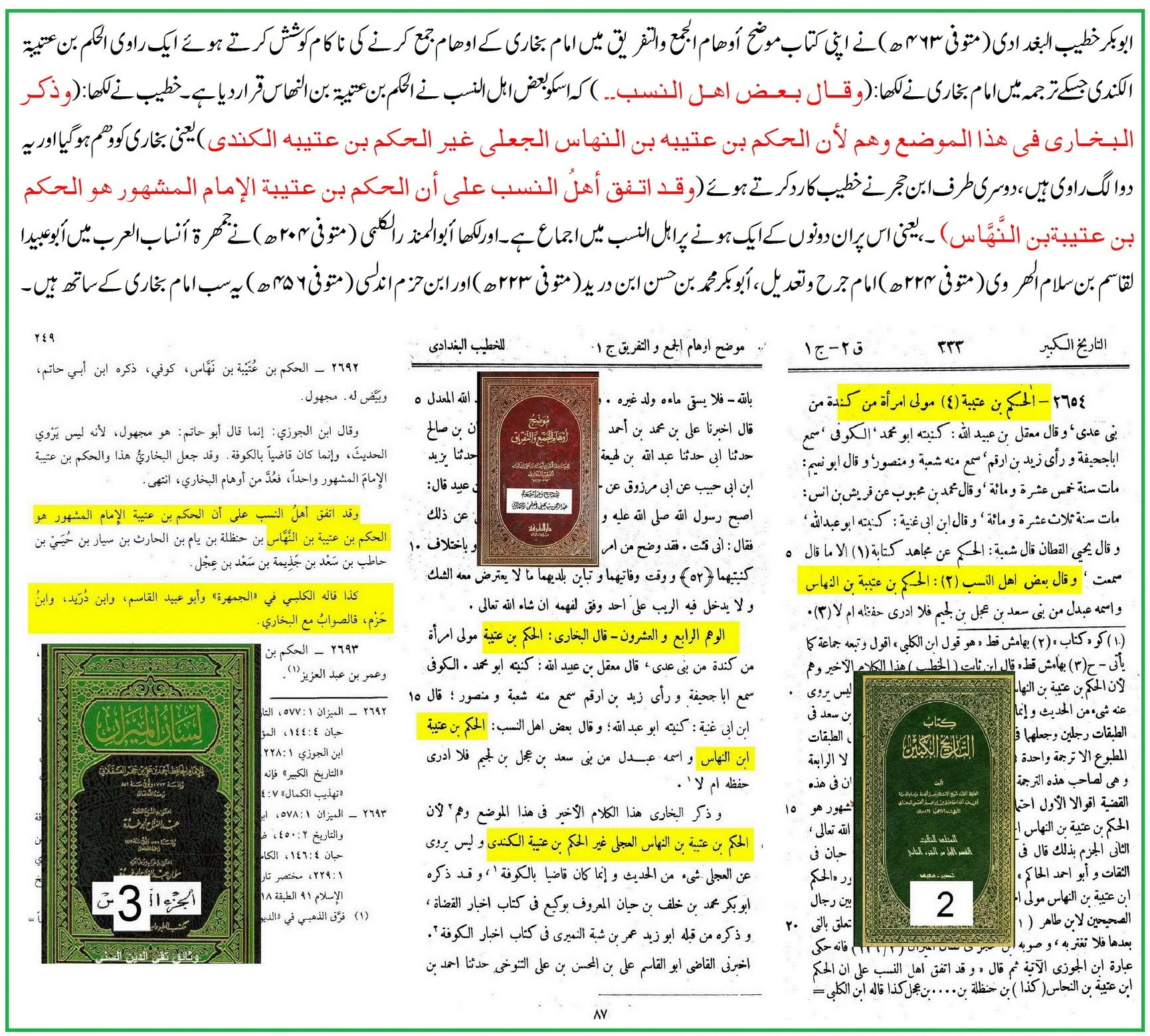
② Al-Hakam bin Utaybah bin Al-Nahhas
Imam Bukhari's statement:
2654- الحَكَم بن عُتَيبة، الكُوفي.------وَقَالَ بعضُ أهل النَّسَب: الحَكَم بْن عُتَيبة بْن النهاس، واسمه عَبدل(التاريخ الكبير.للبخاری)
Translation:
Imam Bukhari said that according to some genealogists, "Al-Hakam bin Utaybah" is also called "bin Al-Nahhas."
Reference: Al-Tarikh Al-Kabir lil-Bukhari
Narration attributed to Al-Khatib:
الْوَهم الرَّابِع وَالْعشْرُونَ---وَذكر البُخَارِيّ هَذَا الْكَلَام الْأَخير فِي هَذَا الْموضع وهم لِأَن الحكم بن عتيبة بن النهاس الْعجلِيّ غير الحكم بن عتيبة الْكِنْدِيّ
Translation:
It was claimed that "bin Al-Nahhas Al-Ajli" and "Al-Hakam bin Utaybah Al-Kindi" are two different individuals.
Reference: Muwaddah Awham al-Jam‘ wal-Tafriq
Explanation by Hafiz Ibn Hajar:
[1370] "الحكم" بن عتيبة بن النحاس كوفي----- وقد اتفق أهل النسب على أن الحكم بن عتيبة بن النحاس ---كذا قاله الكلبي في الجمهرة وأبو عبيد القاسم وابن دريد وابن حزم فالصواب مع البخاري.(لسان الميزان)
Translation:
Ibn Hajar wrote that genealogists agree that "Al-Hakam bin Utaybah bin Al-Nahhas" is the same person, and Kalbi, Abu Ubaid, Ibn Duraid, and Ibn Hazm, etc., have confirmed this; therefore, Imam Bukhari's view is correct.
Reference: Lisan al-Mizan
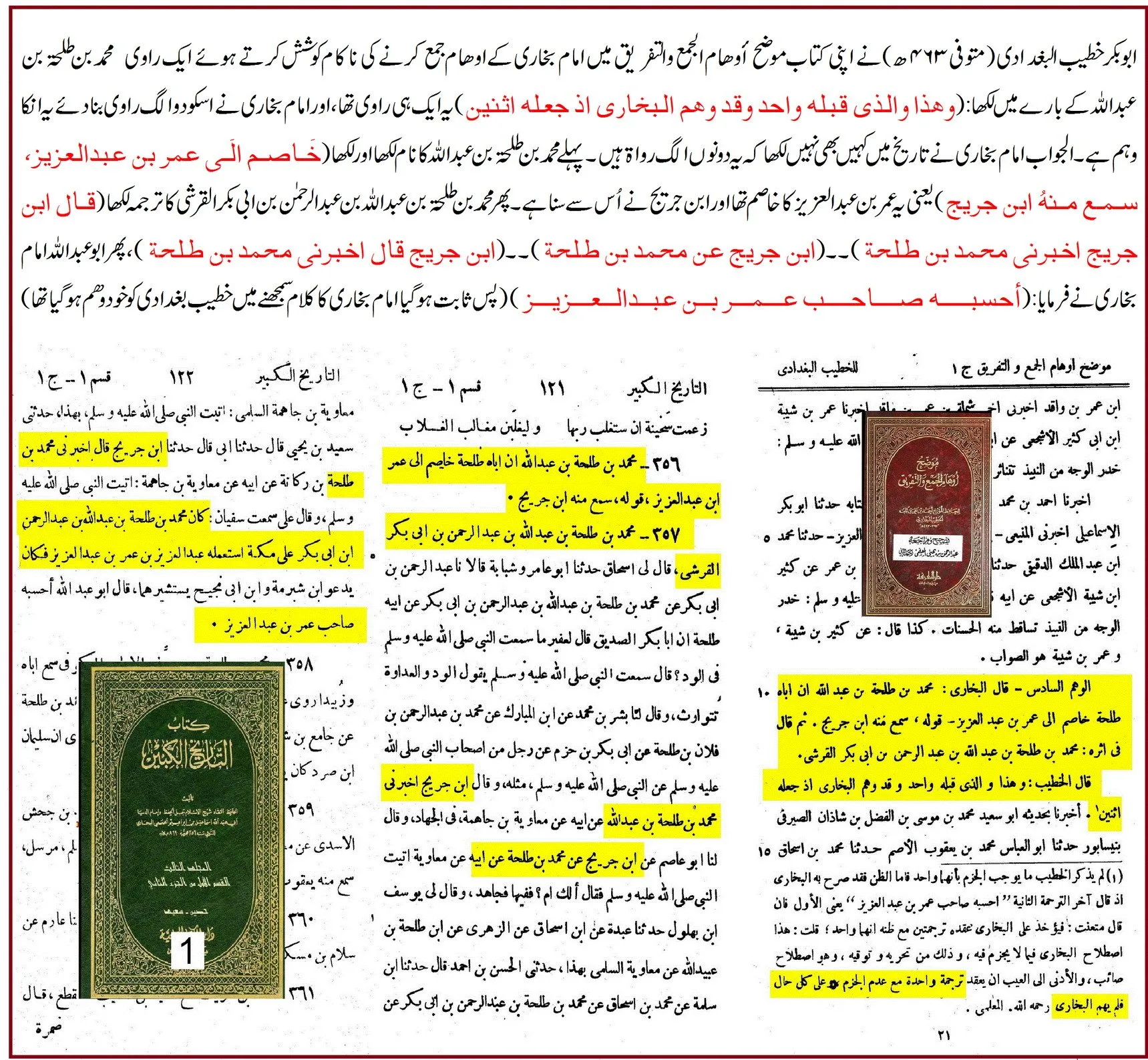
③ Muhammad bin Talha bin Abdullah
Reported from Al-Khatib:
الْوَیهم السَّادِس---قَالَ البُخَارِيّ مُحَمَّد بن طَلْحَة بن عبد الله -----قَالَ الْخَطِيب وَهَذَا وَالَّذِي قبله وَاحِد وَقد وهم البُخَارِيّ إِذْ جعله اثْنَيْنِ
Translation:
It is said that this is the same narrator, but Bukhari made them two.
Reference: Muwadhah Awham al-Jam' wa al-Tafreeq
Imam Bukhari's statements:
356- مُحَمد بْن طَلحَة بْن عَبد اللهِ.
أن أباه طَلحَة خاصم إلى عُمَر بْن عَبد العزيز، قَولَهُ، سَمِعَ منه ابن جُرَيج.(التاريخ الكبير.للبخاری)
357- مُحَمد بْن طَلحَة بْن عَبد اللهِِ بْن عَبد الرَّحمَن بْن أَبي بَكر، القُرَشِيُّ.
قَالَ لِي إِسحاق: حدَّثنا أَبو عَامِرٍ، وشَبابَة، قَالَا:----قَالَ أَبو عَبد اللهِ: أحسبه صاحب عُمَر بْن عَبد العزيز.(التاريخ الكبير.للبخاری)
Translation:
Imam Bukhari mentioned "Muhammad bin Talha bin Abdullah" in one place, and in another place, he mentioned the full name "Muhammad bin Talha bin Abdullah bin Abdur Rahman bin Abi Bakr Al-Qurashi," and finally gave an indication that he could be a contemporary or companion of Umar bin Abdul Aziz. Imam Bukhari did not necessarily say that both are the same or that both are definitely different; rather, he recorded both entries with detailed information.
Reference: Al-Tarikh al-Kabir lil-Bukhari
Conclusion:
The claim that "Bukhari made them two" is questionable here, because Imam Bukhari mentioned detailed context in both places, and a decisive claim without strong evidence from Al-Khatib is weak.
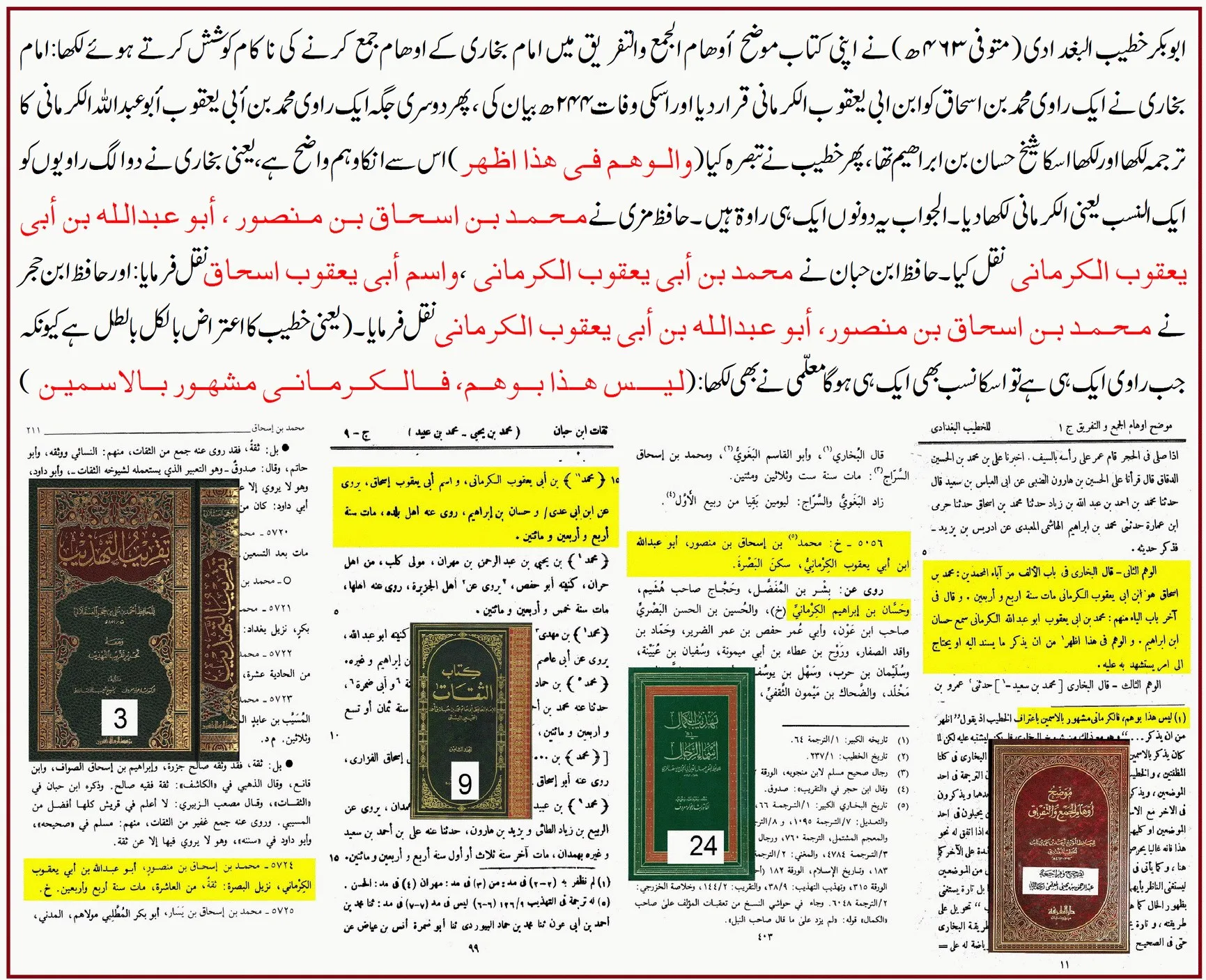
④ Al-Kurmani Narrator: Muhammad bin Ishaq / Muhammad bin Abi Ya'qub
Reported from Al-Khatib:
الْوَهم الثَّانِي--البُخَارِيّ فِي بَاب الْألف من آبَاء المُحَمَّدين مُحَمَّد بن إِسْحَاق هُوَ ابْن أبي يَعْقُوب الْكرْمَانِي---وَقَالَ فِي آخر بَاب الْيَاء مِنْهُم مُحَمَّد بن أبي يَعْقُوب أَبُو عبد الله الْكرْمَانِي سمع حسان بن إِبْرَاهِيم وَالوهم فِي هَذَا أظهر من أَن يذكر
Translation:
It is said that Bukhari considered two different individuals as one.
Reference: Muwadhah Awham al-Jam' wa al-Tafreeq
Answer (Statements of the Imams):
5056 - خ: مُحَمَّد بن إِسْحَاق بن مَنْصُور، أَبُو عَبْدِ اللَّهِ بْن أَبي يعقوب الكرماني ، سكن البصرة.(تهذيب الكمال)
15400 - مُحَمَّد بن أبي يَعْقُوب الْكرْمَانِي وَاسم أبي يَعْقُوب إِسْحَاق يرْوى وَحسان بن إِبْرَاهِيم(الثقات لابن حبان)
5724- محمد ابن إسحاق ابن منصور أبو عبد الله ابن أبي يعقوب الكرماني نزيل البصرة ثقة من العاشرة مات سنة أربع وأربعين خ(تقريب التهذيب)
Translation:
Imam Muzi wrote his name as “Muhammad bin Ishaq bin Mansur… Ibn Abi Yaqub al-Kurmani.” Ibn Hibban clarified that in “Muhammad bin Abi Yaqub al-Kurmani,” the name of “Abu Yaqub” is Ishaq. Ibn Hajar declared him “Thiqah” (trustworthy). This difference in names is a matter of the same narrator’s nickname/reputation differing, not necessarily two separate individuals.
Reference: Tahdhib al-Kamal — Al-Thiqat by Ibn Hibban — Taqreeb al-Tahdhib
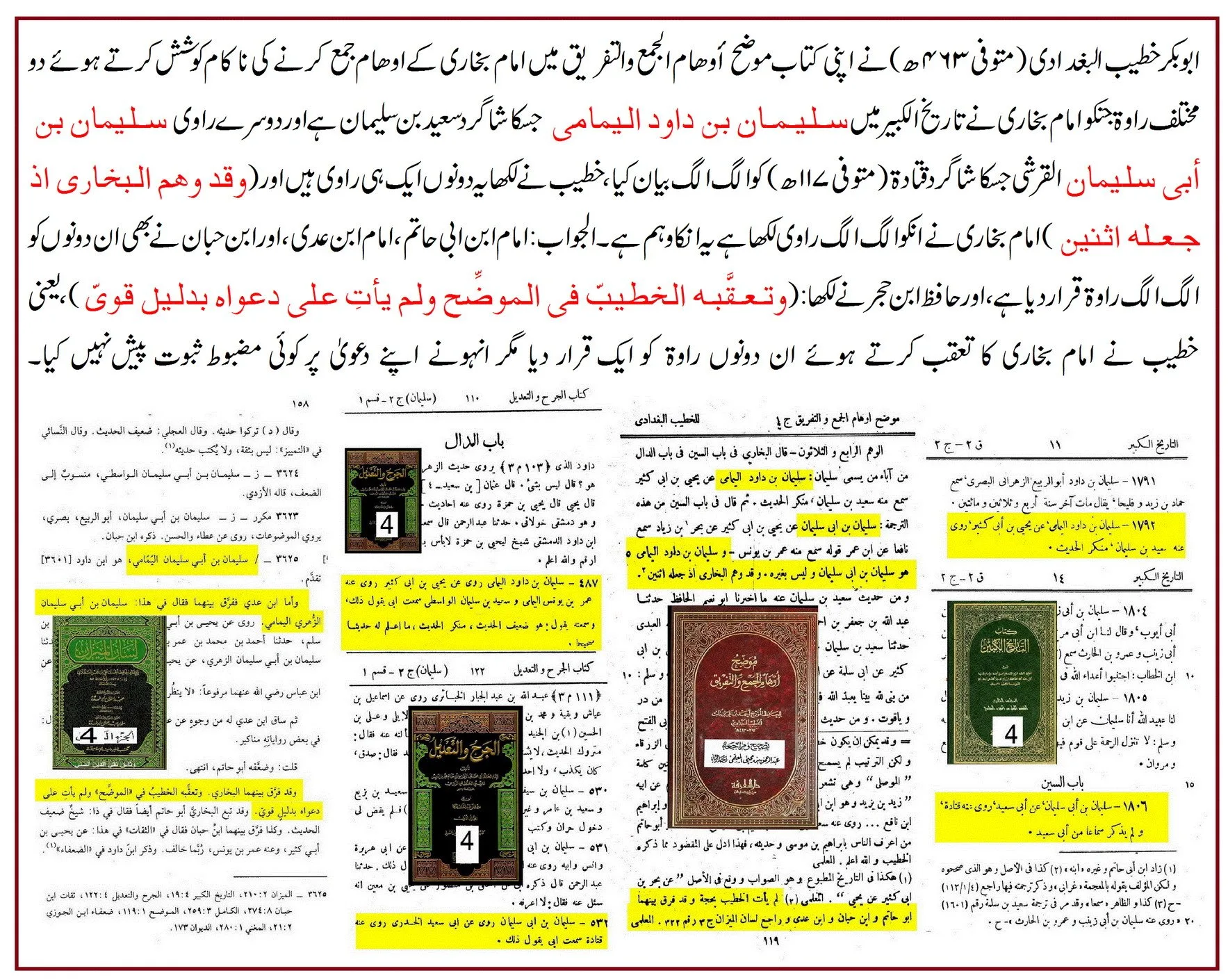
⑤ Sulaiman bin Dawood al-Yamami / Sulaiman bin Abi Sulaiman
Reported from Al-Khatib:
الْوَهم الرَّابِع وَالثَّلَاثُونَ----سليمَان بن دَاوُد اليمامي هُوَ سُلَيْمَان بن أبي سُلَيْمَان وَلَيْسَ بِغَيْرِهِ وَقد وهم البُخَارِيّ إِذْ جعله اثْنَيْنِ
Translation:
It is said that these two are the same narrator; Bukhari counted them as two.
Reference: Muwaddah Awham al-Jam’ wal-Tafreeq
Explanation by Hafiz Ibn Hajar:
[322] "سليمان" ابن أبي سليمان اليمامي هو بن داود تقدم وأما ابن عدي ففرق بينهما فقال في هذا سليمان ابن أبي سليمان الزهري ------ وفرق بينهما البخاري وتعقبه الخطيب في الموضح ولم يأت على دعواه بدليل قوى (لسان المیزان)
Translation:
Ibn Hajar wrote that Bukhari differentiated between the two; Al-Khatib followed up but did not present strong evidence for his claim. Ibn ‘Adi also differentiated between them.
Reference: Lisan al-Mizan
Furthermore, Ibn Abi Hatim also mentioned both separately:
487 - سليمان بن داود اليمامي روى عن0۔----532 - سليمان بن أبي سليمان روى عن أبي سعيد الخدري (الجرح والتعديل ابن أبي حاتم)
Ibn Abi Hatim mentioned separate translations of "Sulaiman bin Dawood Al-Yamami" and "Sulaiman bin Abi Sulaiman."
Reference: Al-Jarh wa al-Ta'dil by Ibn Abi Hatim
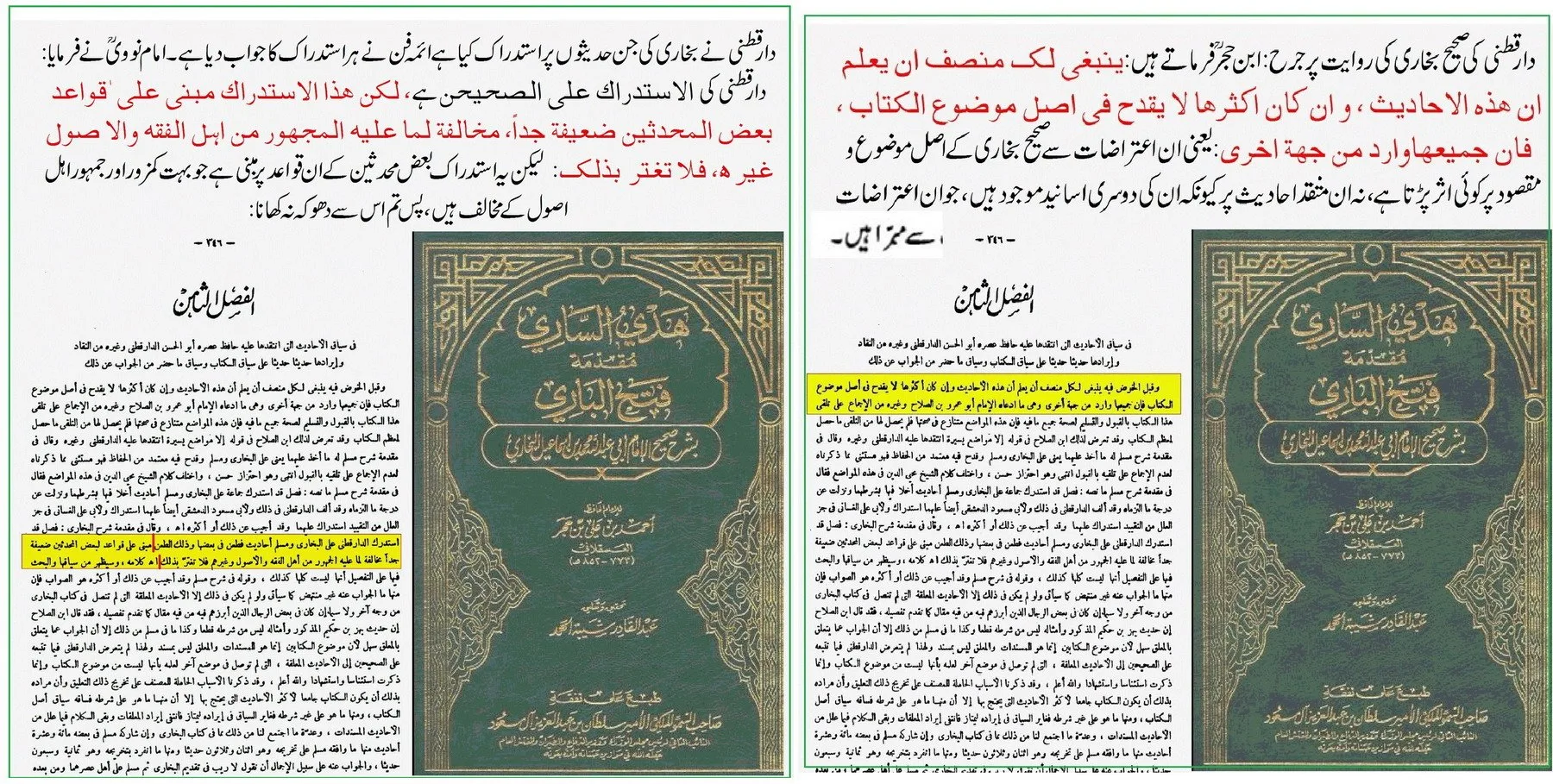
Imam Al-Daraqutni criticized some hadiths in the two Sahihs in "Al-Tatabbuʿ/Al-Ilzamāt." Regarding this criticism, Hafiz Ibn Hajar stated a fundamental point as follows:
الْفَصْل الثَّامِن فِي سِيَاق الْأَحَادِيث الَّتِي انتقدها عَلَيْهِ حَافظ عصره أَبُو الْحسن الدَّارَقُطْنِيّ وَغَيره من النقاد وإيرادها حَدِيثا حَدِيثا)---- وَقيل الْخَوْض فِيهِ يَنْبَغِي لكل منصف أَن يعلم أَن هَذِه الْأَحَادِيث وَإِن كَانَ أَكْثَرهَا لَا يقْدَح فِي أصل مَوْضُوع الْكتاب فَإِن جَمِيعهَا وَارِد من جِهَة أُخْرَى
Translation:
Ibn Hajar explained that Al-Daraqutni and other critics criticized certain hadiths, but a fair person should know that most of these do not undermine the original intent of Sahih Bukhari, and these narrations have also been transmitted through other chains/ways.
Reference: Hadi al-Sari, Introduction to Fath al-Bari
And Imam Nawawi also commented on such types of observations:
قد استدرك الدَّارَقُطْنِيّ على البُخَارِيّ وَمُسلم أَحَادِيث فطعن فِي بَعْضهَا وَذَلِكَ الطعْن مَبْنِيّ على قَوَاعِد لبَعض الْمُحدثين ضَعِيفَة جدا مُخَالفَة لما عَلَيْهِ الْجُمْهُور من أهل الْفِقْه وَالْأُصُول وَغَيرهم فَلَا تغتر بذلك
Translation:
Al-Daraqutni made some observations on certain hadiths in Bukhari and Muslim, but this criticism is based on some rules of certain hadith scholars which are very weak and contrary to the consensus of the scholars of jurisprudence and principles, so one should not be deceived by it.
Reference: Hadi al-Sari, Introduction to Fath al-Bari (quoting Nawawi)
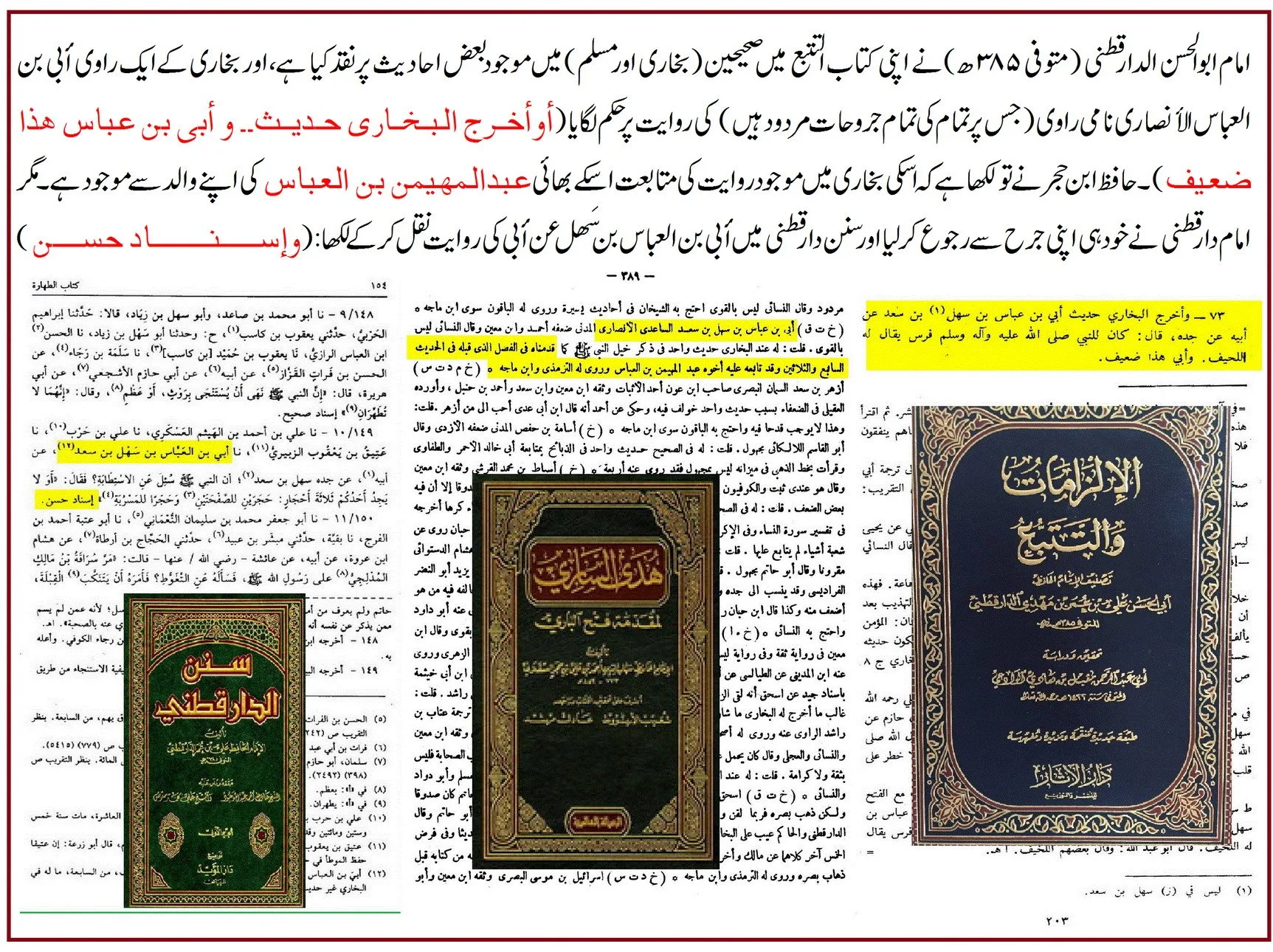
① Darqutni's Criticism on "Abi bin Abbas," Then Calling the Chains Hasan in His Sunan
Darqutni wrote:
73 - وأخرج البخاري حديث أبي بن عباس بن سهل بن سعد عن أبيه عن جده، قال: كان للنبي (صلى الله عليه وسلم) فرس يقال له اللحيف. وأبي هذا ضعيف
Translation:
Darqutni said that Bukhari narrated a hadith from "Abi bin Abbas," and called "Abi" weak.
Reference: Al-Ilzamat wal-Tatabu' lil-Darqutni
Explanation by Hafiz Ibn Hajar:
له عند البخاري حديث واحد تابعه عليه أخوه عبد المهيمن بن العباس وروى له الترمذي وابن ماجة(هدي الساري مقدمة فتح الباري)
Translation:
Ibn Hajar wrote that Bukhari has only one narration from him, and it also follows his brother Abdul-Muhymin; also Tirmidhi and Ibn Majah have narrated from him.
Reference: Hadi al-Sari, Introduction to Fath al-Bari
Furthermore, Darqutni himself gave this ruling on the narration of the same narrator in his Sunan:
153 - نا عَلِيُّ بْنُ أَحْمَدَ بْنِ الْهَيْثَمِ الْعَسْكَرِيُّ , نا عَلِيُّ بْنُ حَرْبٍ , نا عَتِيقُ بْنُ يَعْقُوبَ الزُّبَيْرِيُّ , نا أُبَيُّ بْنُ الْعَبَّاسِ بْنِ سَهْلِ بْنِ سَعْدٍ , عَنْ أَبِيهِ , ------. إِسْنَادٌ حَسَنٌ
Translation:
Darqutni narrated the hadith of "Ubayy bin al-Abbas" in his Sunan and said: "The chains are Hasan."
Reference: Sunan al-Darqutni
Conclusion:
This example shows that in some places, after Darqutni's initial criticism, a better ruling is found elsewhere from him, and the foundation of Sahih Bukhari is not shaken by this.
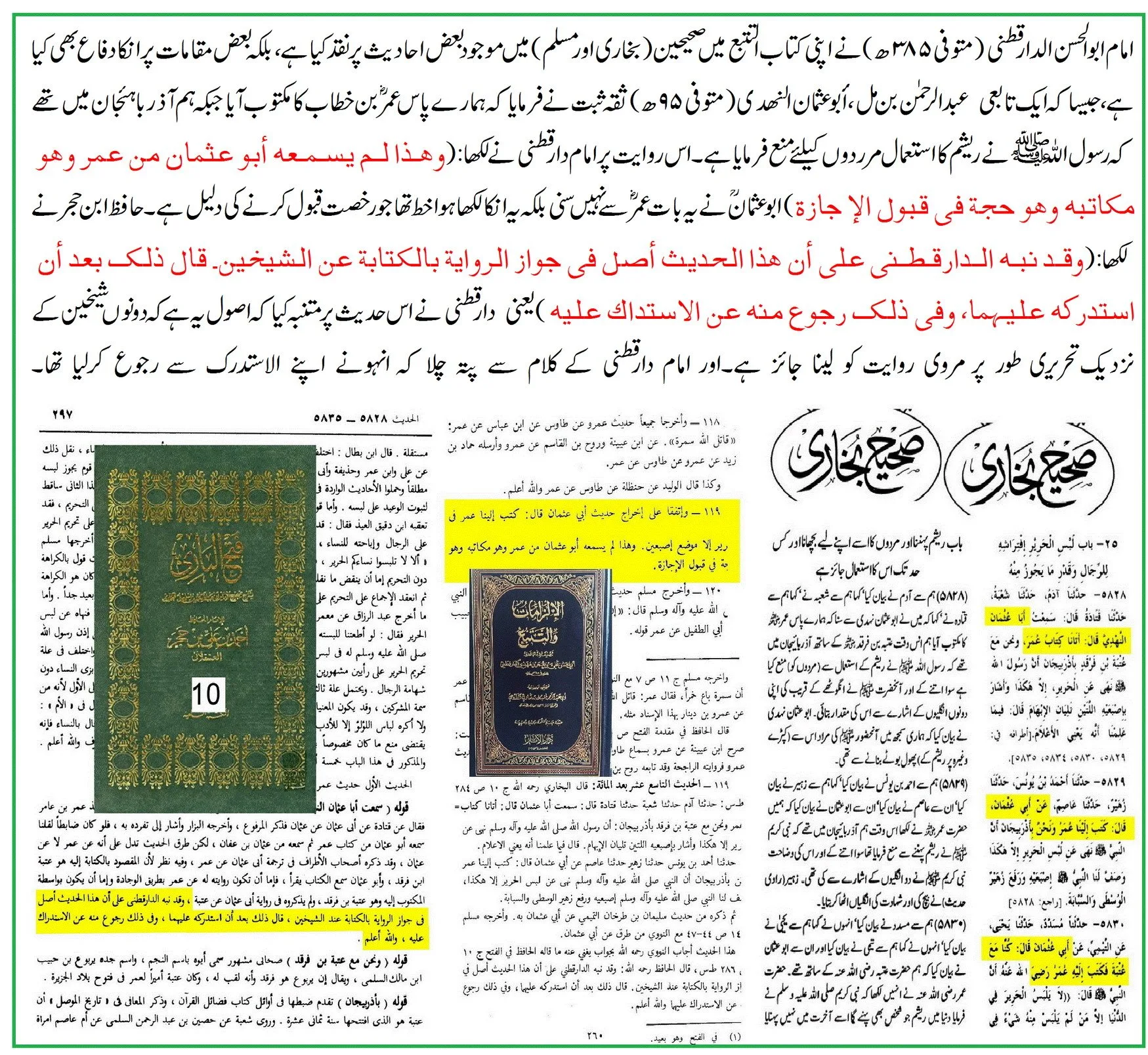
② Narration of Abu Uthman Nahdi: The Origin of the Permissibility of Written Narration
Darqutni wrote:
119- وإتفقا على إخرج حديث أبي عثمان قال: كتب إلينا عمر في الحرير إلا موضع إصبعين. وهذا لم يسمعه أبو عثمان من عمر وهو مكاتبه وهو حجة في قبول الإجازة.
Translation:
Both Bukhari and Muslim have narrated Abu Uthman’s hadith: “Umar wrote to us about silk…” Abu Uthman did not hear this directly from Umar, rather it is a letter (maktubah), and this is proof of the acceptance of “Ijazah/Kitabah” (authorization/writing).
Reference: Al-Ilzamat wal-Tatabbu’ lil-Daraqutni
Explanation by Hafiz Ibn Hajar:
وَقَدْ نَبَّهَ الدَّارَقُطْنِيُّ عَلَى أَنَّ هَذَا الْحَدِيثَ أَصْلٌ فِي جَوَازِ الرِّوَايَةِ بِالْكِتَابَةِ عِنْدَ الشَّيخَيْن قَالَ ذَلِكَ بَعْدَ أَنِ اسْتَدْرَكَهُ عَلَيْهِمَا وَفِي ذَلِكَ رُجُوعٌ مِنْهُ عَنِ الِاسْتِدْرَاكِ عَلَيْهِ وَاللَّهُ أَعْلَمُ
Translation:
Ibn Hajar wrote that Daraqutni clarified that this hadith is the basis for the permissibility of narration through writing, and he said this after making a correction, which also implies a retraction of the correction.
Reference: Fath al-Bari
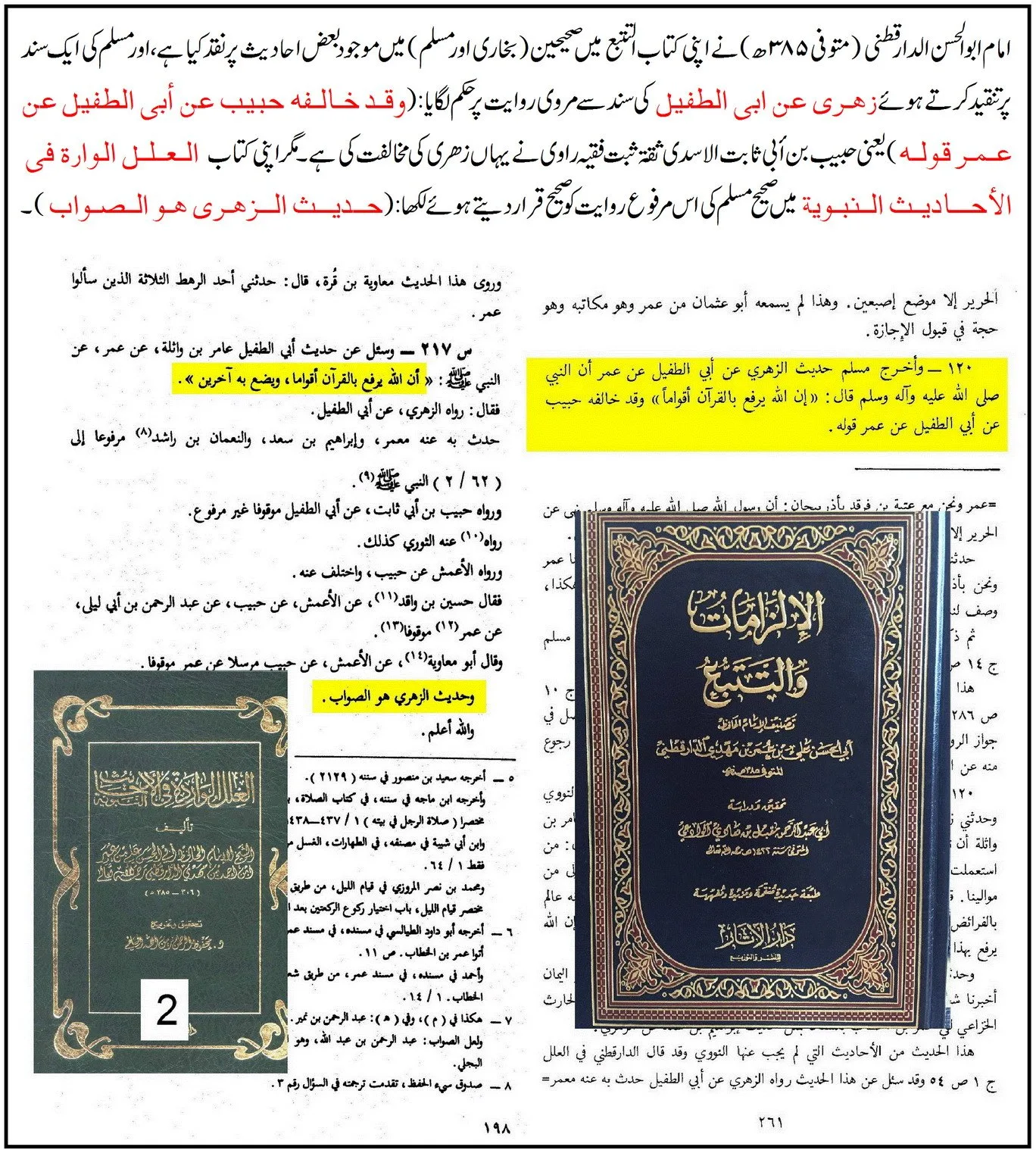
③ Following up on a chain in Muslim, then affirming Al-Zuhri in “Al-‘Ilal”
Daraqutni’s follow-up:
120- وأخرج مسلم حديث الزهري عن أبي الطفيل عن عمر أن النبي (صلى الله عليه وسلم) قال: " إن الله يرفع بالقرآن أقواماً" وقد خالفه حبيب عن أبي الطفيل عن عمر قول
Translation:
Daraqutni said that Muslim narrated the report from Al-Zuhri from Abu al-Tufayl from Umar, while Habib contradicted the narration from Abu al-Tufayl.
Reference: Al-Ilzamat wal-Tatabbu’ lil-Daraqutni
Then Daraqutni himself said in “Al-‘Ilal”:
217- وَسُئِلَ عَنْ حَدِيثِ أَبِي الطُّفَيْلِ عَامِرِ بْنِ وَاثِلَةَ، عَنْ عُمَرَ، عَنِ النَّبِيِّ صَلَّى اللَّهُ عَلَيْهِ وَسَلَّمَ: إِنَّ اللَّهَ يَرْفَعُ بِالْقُرْآَنِ أَقْوَامًا، وَيَضَعُ بِهِ آخَرِينَ.
فَقَالَ: رَوَاهُ الزُّهْرِيُّ، عَنْ أَبِي الطُّفَيْلِ.-------وَحَدِيثُ الزُّهْرِيِّ هُوَ الصَّوَابُ.
Translation:
When asked about the same hadith, Daraqutni said: Al-Zuhri narrated it from Abu al-Tufayl… and “Al-Zuhri’s hadith is the correct one.”
Reference: Al-‘Ilal al-Waridah fi al-Ahadith al-Nabawiyyah
Result:
Here is a later correction compared to the initial tracking by Al-Daraqutni.
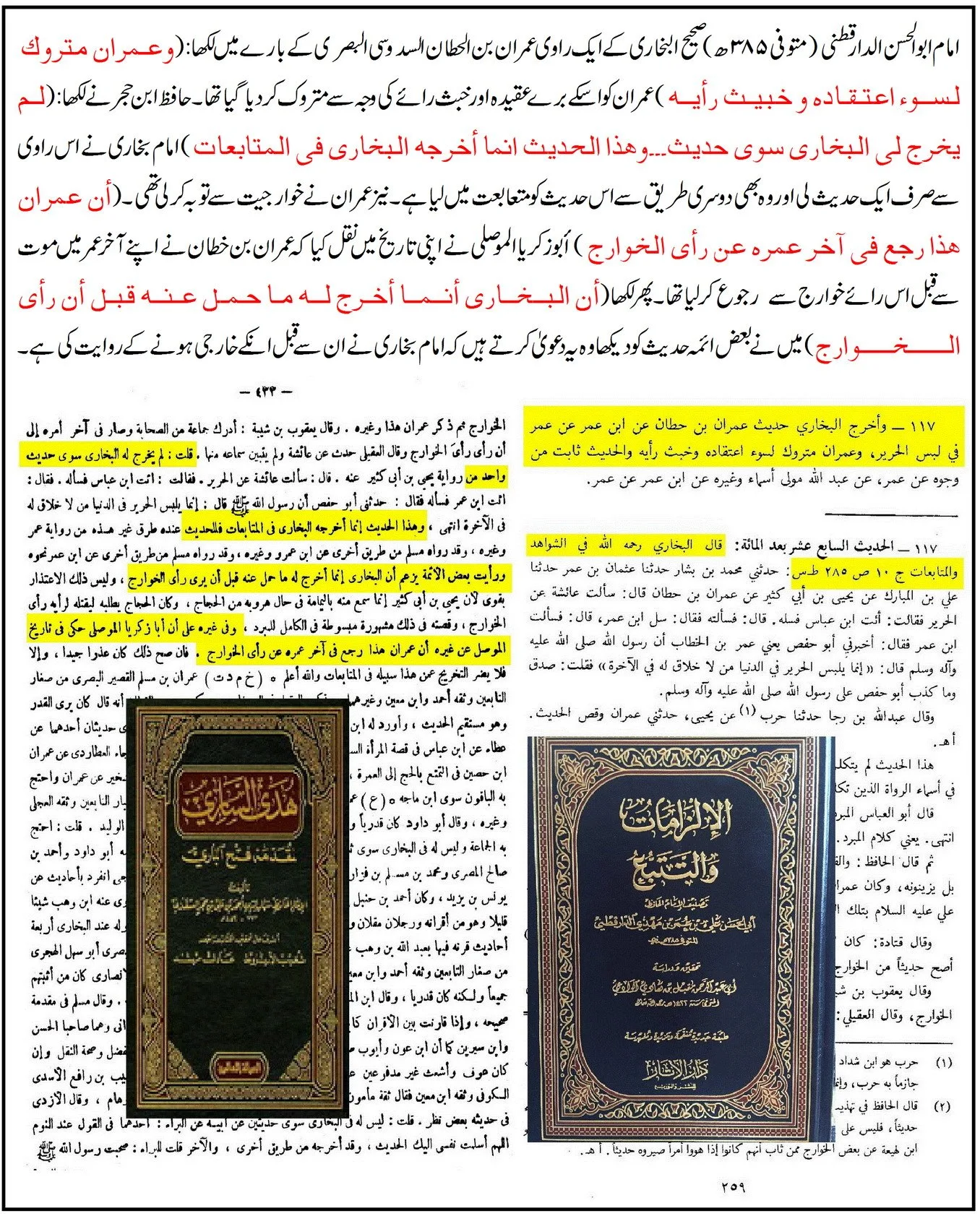
④ Al-Daraqutni's Criticism of Imran bin Hattan, and Ibn Hajar's Explanation that Bukhari took it in Mutaba'at
Al-Daraqutni wrote:
117- وأخرج البخاري حديث عمران بن حطان عن ابن عمر عن عمر في لبس الحرير، وعمران متروك لسوء اعتقاده وخبث رأيه
Translation:
Al-Daraqutni said that Bukhari narrated from Imran bin Hattan, and Imran was considered abandoned due to the defect in his belief.
Reference: Al-Ilzamat wal-Tatabu' lil-Daraqutni
Hafiz Ibn Hajar's Explanation:
قلت لم يخرج لَهُ البُخَارِيّ سوى حَدِيث وَاحِد -------وَهَذَا الحَدِيث إِنَّمَا أخرجه البُخَارِيّ فِي المتابعات فللحديث عِنْده طرق غير هَذِه من رِوَايَة عمر وَغَيره
Translation:
Ibn Hajar said: Bukhari took only one hadith from him, and that too in Mutaba'at; and according to Bukhari, there are other chains for this hadith as well.
Reference: Fath al-Bari
And Ibn Hajar also narrated the report of repentance:
أَن أَبَا زَكَرِيَّا الْموصِلِي حكى فِي تَارِيخ الْموصل عَن غَيره أَن عمرَان هَذَا رَجَعَ فِي آخر عمره عَن رَأْي الْخَوَارِج
Translation:
Abu Zakariya al-Mawsili narrated that Imran repented at the end of his life and adopted the opinion of the Kharijites.
Reference: Fath al-Bari
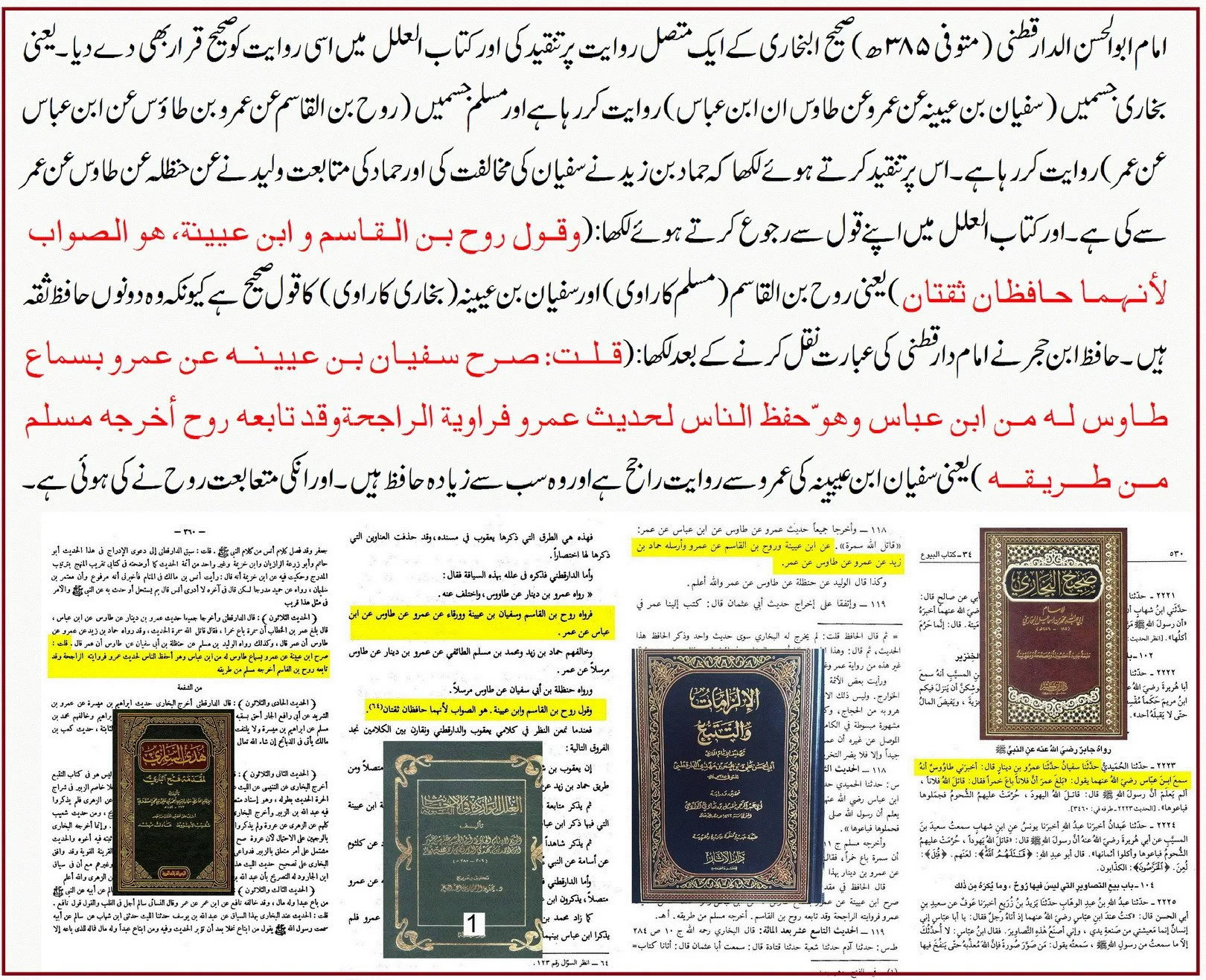
⑤ The Hadith "May Allah Kill Samurah": Al-Daraqutni's Tracking, then Correction in Al-‘Ilal
Al-Daraqutni's Tracking:
118- وأخرجا جميعاً حديث عمرو عن طاوس عن ابن عباس عن عمر: "قاتل الله سمرة". عن ابن عيينة وروح بن القاسم عن عمرو وأرسله حماد بن زيد عن عمرو عن طاوس عن عمر.
وكذا قال الوليد عن حنظلة عن طاوس عن عمر والله أعلم.
Translation:
Al-Daraqutni said that Ibn ‘Uyaynah and Ruh ibn al-Qasim narrated from the chain Amr → Tawus → Ibn Abbas → Umar, while Hammad ibn Zayd narrated it as mursal, and Al-Walid also said the same.
Reference: Obligations and Tracking by Al-Daraqutni
Then Al-Daraqutni said in "Al-‘Ilal":
وَقَوْلُ رَوْحِ بْنِ الْقَاسِمِ وَابْنِ عُيَيْنَةَ.هُوَ الصَّوَابُ لِأَنَّهُمَا حَافِظَانِ ثقتان
Translation:
The opinion of Ruh ibn al-Qasim and Ibn ‘Uyaynah is correct, because both of them are Hafiz and trustworthy.
Reference: The Defects Mentioned in the Prophetic Hadiths
Further explanation by Hafiz Ibn Hajar:
قلت صرح بن عُيَيْنَة عَن عَمْرو بِسَمَاع طَاوس لَهُ من بن عَبَّاس وَهُوَ أحفظ النَّاس لحَدِيث عَمْرو فروايته الراجحة وَقد تَابعه روح بن الْقَاسِم أخرجه مُسلم من طَرِيقه
Translation:
Ibn Hajar said that Ibn ‘Uyaynah explicitly mentioned hearing from Tawus from Ibn ‘Abbas in the narration from ‘Amr, and Ibn ‘Uyaynah was the greatest Hafiz of ‘Amr’s hadith, therefore his narration is stronger, and Ruh ibn al-Qasim also followed this which Muslim has recorded.
Reference: Hadi al-Sari Introduction to Fath al-Bari
Conclusion
(1) A large part of Ibn Abi Hatim's book and the discussions of Al-Khatib are not on "Sahih Bukhari" but rather on Imam Bukhari's "Al-Tarikh Al-Kabir," focusing on technical discussions such as the identification of narrators, kunyah, titles, and differentiation, and in many examples, the original text aligns with Imam Bukhari or the objection arises due to defective transmission/copying errors.
(2) In the "Muwaddah Awhaam al-Jam' wa al-Tafreeq" attributed to Al-Khatib, Al-Khatib himself comments that many of the things collected by Ibn Abi Hatim do not necessarily apply to Bukhari, and some attributions are contrary to the original book.
(3) Imam Al-Daraqutni's "Al-Ilzamat wa al-Tatabbu'" does not mean that the two Sahihs have been invalidated; rather, these are partial criticisms about which scholars like Hafiz Ibn Hajar and Imam Nawawi have clarified that they do not disparage the original intent of Sahih Bukhari, and in many places, other chains of transmission exist. In fact, in some instances, Al-Daraqutni later corrected his earlier criticisms in "Al-‘Ilal" or "Sunan," contrary to his previous objections.
Therefore, objecting to Imam Bukhari's leadership based on the scholarly objections of the Imams or weakening the authority of the Sahihayn is not a correct method of reasoning; rather, it is a result of not understanding the methodology of Hadith knowledge and the research approach of the critical Imams.
Last edited:

