Abu Hamzah Salafi
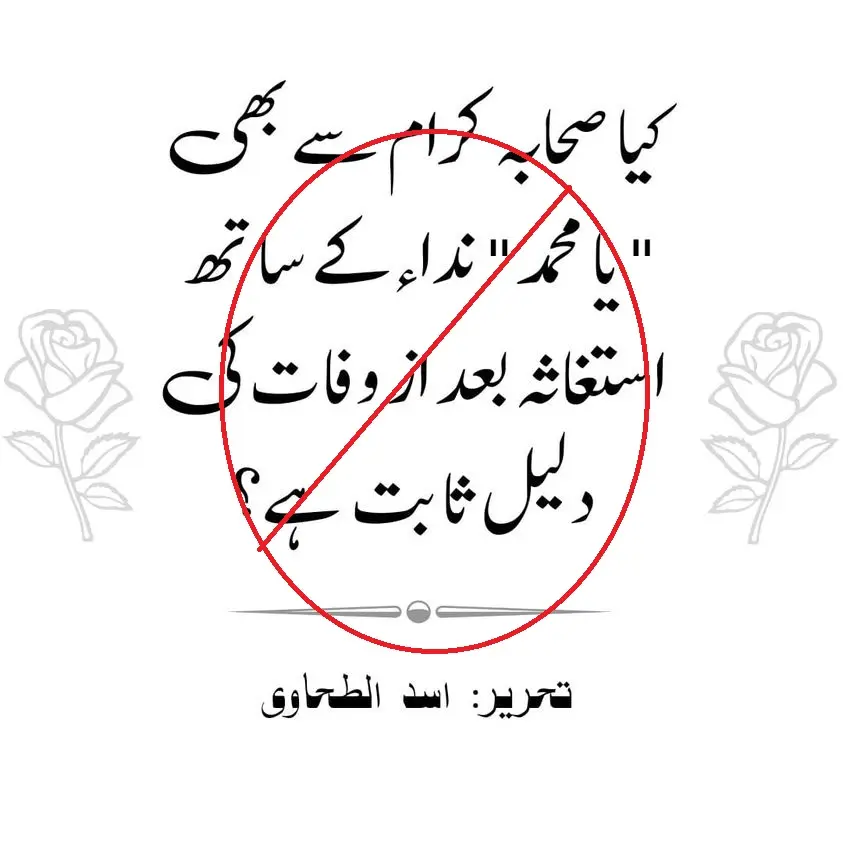
This article has been written in response to those objections in which it is claimed that when the foot of Ḥaḍrat ʿAbdullāh bin ʿUmar رضي الله عنهما became numb (khadar), he said: «يَا مُحَمَّدُ», and from this narration an argument is made for seeking help (istighāthah) from the noble person of the Prophet ﷺ after his passing.Our position is that this narration is weak in its chain of transmission, and it is not correct to derive matters of creed or practice from it, because there are several defects in its chains:
① The fact that Abū Isḥāq al-Sabīʿī was a mudallis and suffered from confusion (ikhtilāṭ).
② The fact that his shaykh is majhūl (unknown).
③ The presence of contradictions and irsāl in the various chains.
In light of all these aspects, this narration does not reach the level of proof (ḥujjah). In this article, we will first cite the original text of the narration and then provide a detailed scholarly response to each objection.
The Original Narration (Al-Adab al-Mufrad by al-Bukhārī)
Arabic Text
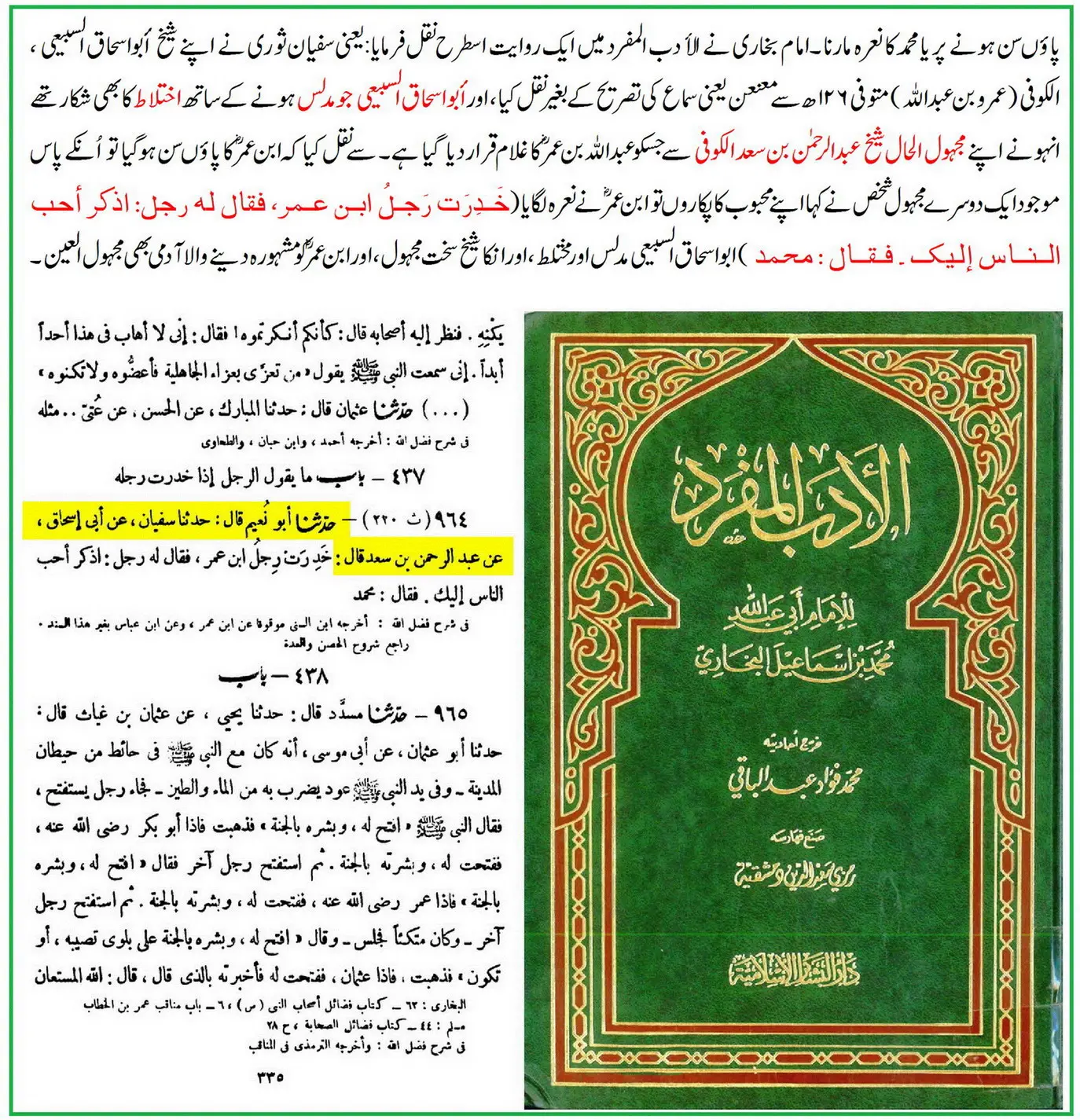
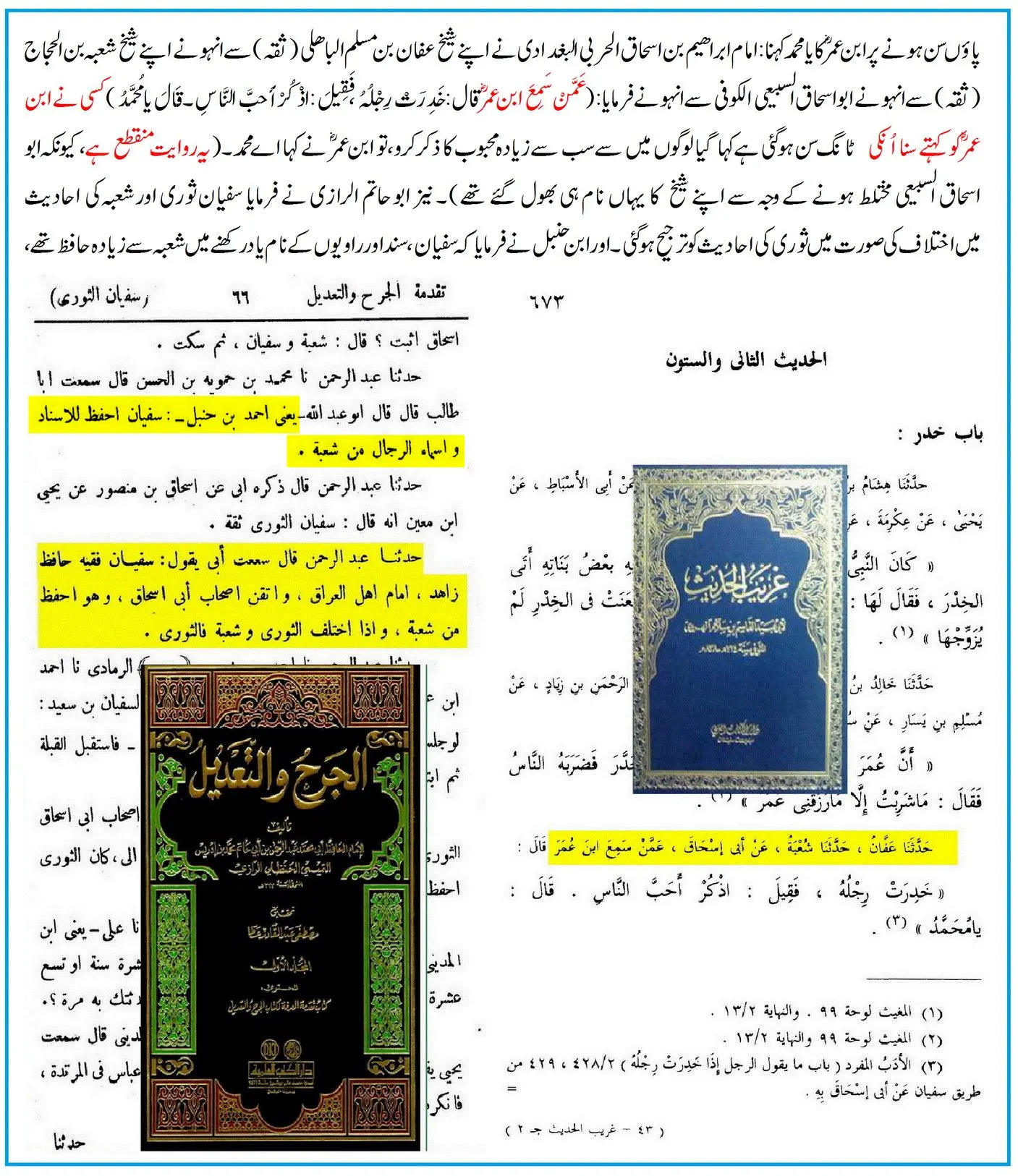
حَدَّثَنَا أَبُو نُعَيْمٍ، قَالَ: حَدَّثَنَا سُفْيَانُ، عَنْ أَبِي إِسْحَاقَ، عَنْ عَبْدِ الرَّحْمَنِ بْنِ سَعْدٍ، قَالَ: خَدِرَتْ رِجْلُ ابْنِ عُمَرَ، فَقَالَ لَهُ رَجُلٌ: اذْكُرْ أَحَبَّ النَّاسِ إِلَيْكَ، فَقَالَ: يَا مُحَمَّدُ.Translation
“Abū Nuʿaym narrated to us, he said: Sufyān narrated to us, from Abū Isḥāq, from ʿAbd al-Raḥmān bin Saʿd, who said: The foot of Ibn ʿUmar رضي الله عنهما became numb. A man said to him: ‘Remember the most beloved of people to you.’ So he said: ‘O Muḥammad.’”Reference: Al-Adab al-Mufrad by al-Bukhārī, Chapter: What a man says when his leg becomes numb.
First Defect: Abū Isḥāq al-Sabīʿī (Mudallis and Mukhtaliṭ)
This narration is transmitted through Abū Isḥāq al-Sabīʿī. The scholars of ḥadīth have mentioned two major defects concerning him:① Abū Isḥāq Was a Mudallis
Ibn Ḥajar al-ʿAsqalānī classified him among the third tier of mudallisin:«مدلس، كثير الإرسال»
Reference: Ṭabaqāt al-Mudallisin by Ibn Ḥajar, p. 36
Translation: “He was a mudallis and frequently committed irsāl.”
In this narration, Abū Isḥāq reports with the word ‘ʿan’ (without explicitly stating that he heard it directly). The narration of a mudallis with ʿanʿanah is not accepted as proof unless explicit hearing (taṣrīḥ al-samāʿ) is established — and no such clarification exists here.
② Abū Isḥāq Became Confused (Ikhtilāṭ)
Imām al-Dhahabī said:«كان من أوعية العلم، إلا أنه اختلط بآخره»
Reference: Mīzān al-Iʿtidāl, 3/270
Translation: “He was among the great vessels of knowledge, but he became confused in his later years.”
Ibn Ḥibbān said:
«اختلط في آخر عمره حتى كان يقلب الأسانيد»
Reference: Al-Majrūḥīn, 2/60
Translation: “He became confused in the latter part of his life to the extent that he would invert chains of transmission.”
③ Conclusion
This narration comes through the ʿanʿanah of Abū Isḥāq, who was both a mudallis and one who suffered confusion. Therefore, according to the principles of ḥadīth, this chain cannot be relied upon without explicit clarification of hearing — which is absent here.Second Defect: The Shaykh of Abū Isḥāq is Majhūl (ʿAbd al-Raḥmān bin Saʿd)
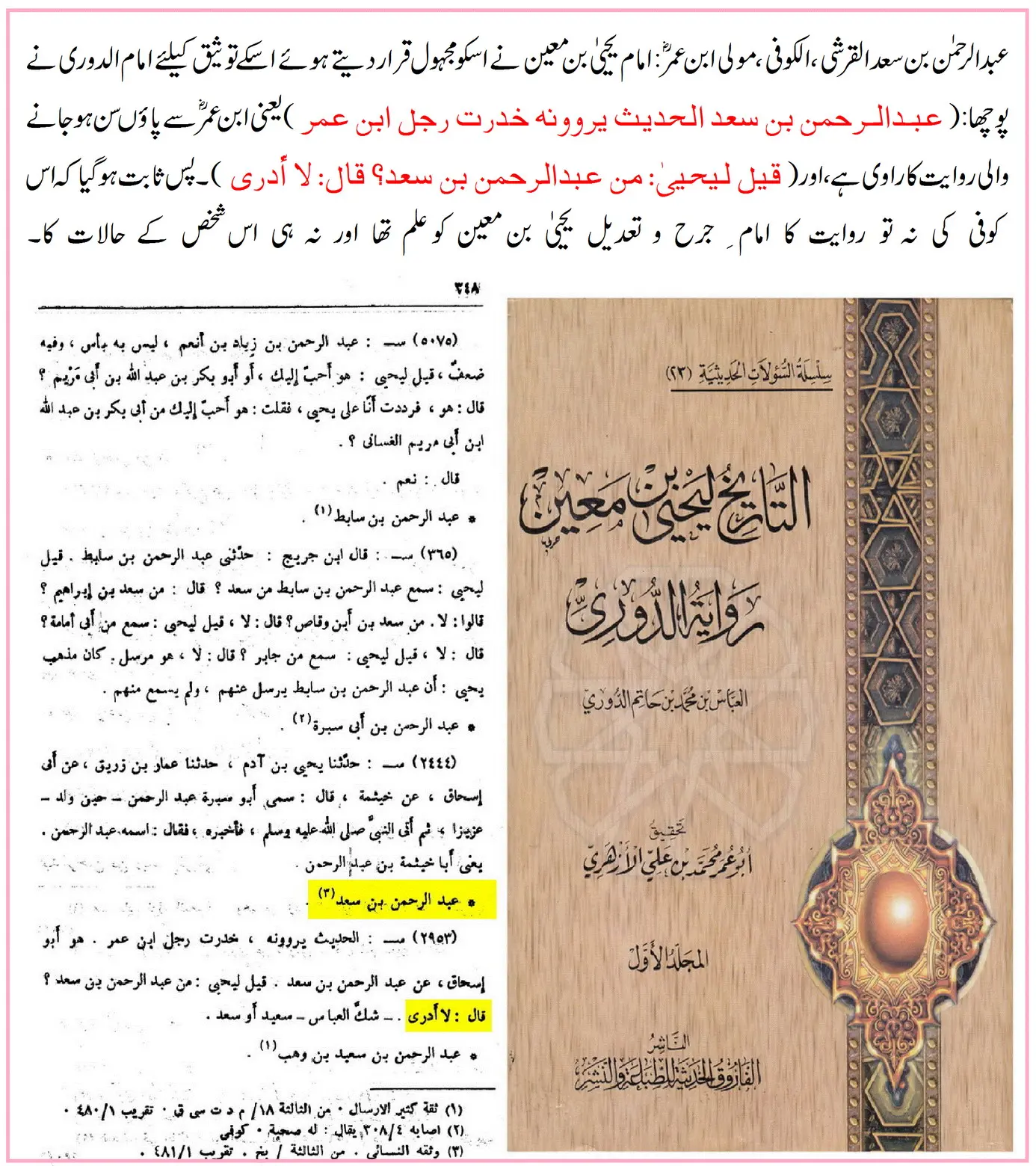
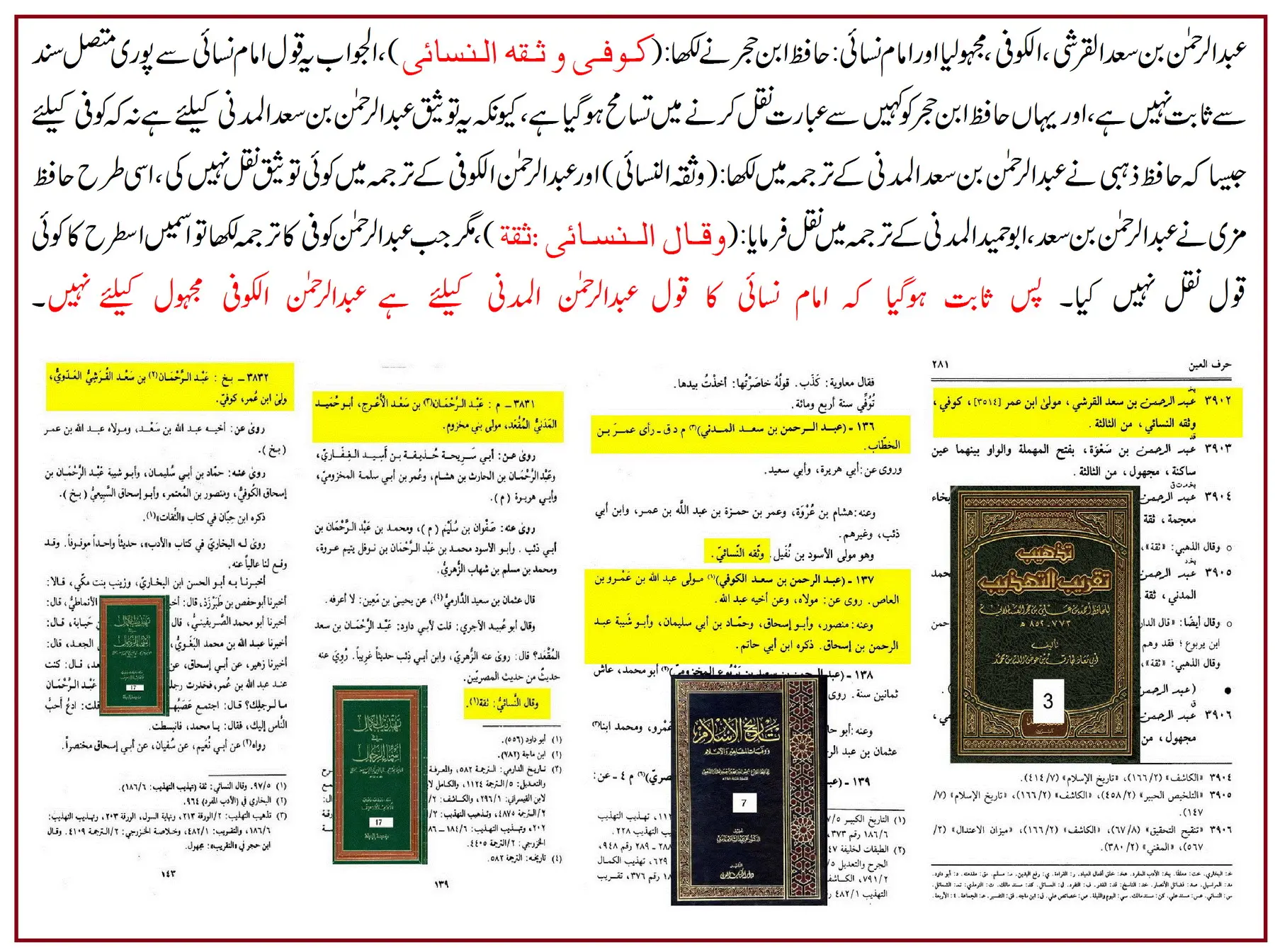
In this narration, the shaykh of Abū Isḥāq is ʿAbd al-Raḥmān bin Saʿd al-Kūfī. According to the scholars of ḥadīth, he is majhūl al-ḥāl (unknown in status), and no معتبر authentication is established for him.① Statement of Imām al-Dāraquṭnī
«يرويه أبو إسحاق السبيعي، واختلف عنه … وهو مجهول»
Reference: Al-ʿIlal al-Wāridah fī al-Aḥādīth al-Nabawiyyah, no. 3140
Translation: “It is narrated by Abū Isḥāq al-Sabīʿī, and there is اختلاف regarding it… and (the shaykh) is unknown.”
② Statement of Imām Yaḥyā bin Maʿīn
«لا أعرفه»
Reference: Tārīkh al-Dūrī ʿan Ibn Maʿīn, 3/450
Translation: “I do not know him.”
③ Statement of Ibn Abī Ḥātim
He mentioned him in Al-Jarḥ wa al-Taʿdīl but did not نقل any criticism or praise.When a narrator is mentioned without jarḥ or taʿdīl, he remains mastūr al-ḥāl (unknown status).
Ibn Kathīr said:
«ذكره ابن أبي حاتم … ولم يحك فيه شيئًا … فهو مستور الحال»
Reference: Tafsīr Ibn Kathīr, 1/457
Translation: “Ibn Abī Ḥātim mentioned him but did not cite anything about him; thus he is mastūr al-ḥāl.”
④ Imām al-Bukhārī
He mentioned him in Al-Tārīkh al-Kabīr without jarḥ or taʿdīl.Ibn al-Qaṭṭān al-Fāsī commented:
«لم يعرف هو ولا ابن أبي حاتم من حاله بشيء، فهي عندهما مجهولة»
Reference: Bayān al-Wahm wa al-Īhām, 5/688
Translation: “Neither al-Bukhārī nor Ibn Abī Ḥātim knew anything about his condition; thus according to them he is unknown.”
⑤ Attribution of Authentication to al-Nasāʾī
Some attribute authentication of ʿAbd al-Raḥmān bin Saʿd to al-Nasāʾī, but this actually refers to ʿAbd al-Raḥmān bin Saʿd al-Madanī, not al-Kūfī.Al-Dhahabī and al-Mizzī نقل al-Nasāʾī’s statement regarding the Madanī narrator, not the Kūfī. Ibn Ḥajar’s attribution to al-Nasāʾī concerning the Kūfī appears to be a leniency.
Conclusion
According to al-Dāraquṭnī, Ibn Maʿīn, al-Bukhārī, and Ibn Abī Ḥātim, ʿAbd al-Raḥmān bin Saʿd al-Kūfī is majhūl.Therefore, this narration passes through an unknown narrator and cannot serve as proof.
Third Defect: Contradictions in the Chains
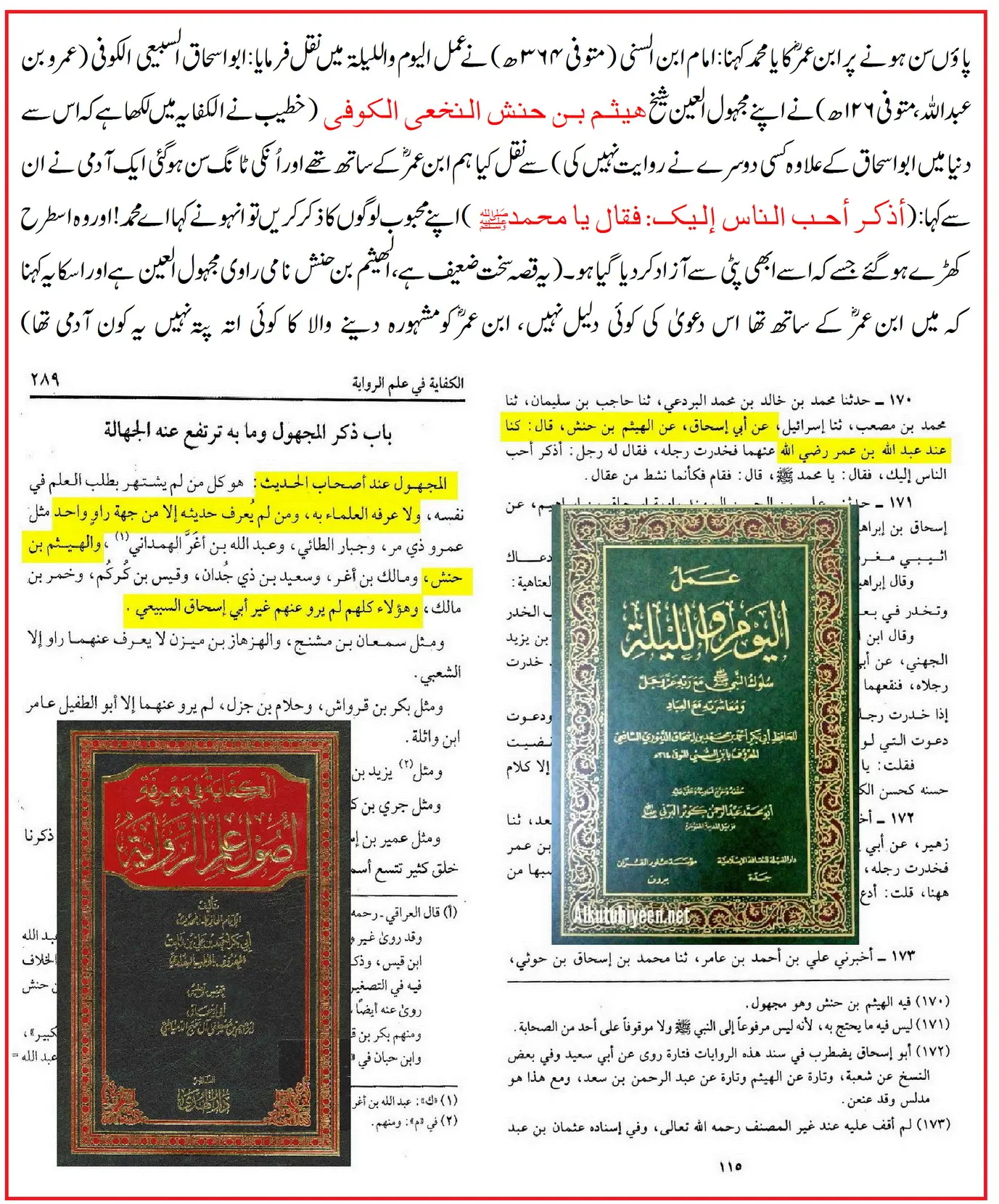
There is severe اختلاف in the various chains of this narration regarding the name of Abū Isḥāq’s shaykh.① Statement of Imām al-Dāraquṭnī
«يرويه أبو إسحاق السبيعي، واختلف عنه؛فرواه أبو بكر بن عياش، عن أبي إسحاق، عن أبي سعد، عن ابن عمر.
ورواه الثوري، عن أبي إسحاق، عن عبد الرحمن مولى عمر بن الخطاب، عن ابن عمر.
وقال زهير: عن أبي إسحاق، عن عبد الجبار بن سعيد، عن ابن عمر.
وقال إسرائيل: عن أبي إسحاق، عن ابن عمر مرسلا.»
Reference: Al-ʿIlal al-Wāridah, no. 3140
Translation
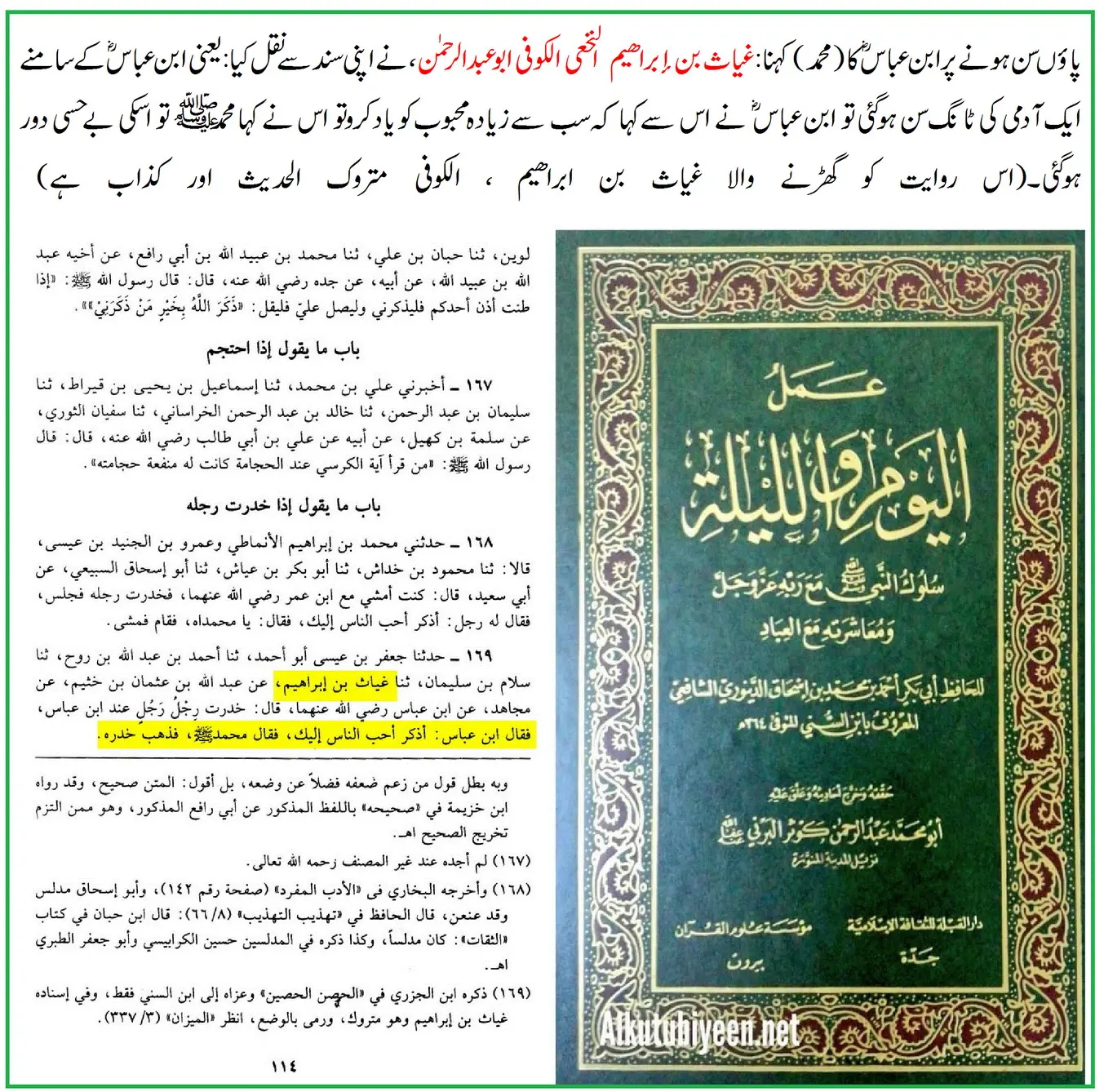
This narration is reported by Abū Isḥāq al-Sabīʿī, and there is اختلاف regarding him:- Abū Bakr bin ʿAyyāsh narrates it from Abū Isḥāq, from Abū Saʿd, from Ibn ʿUmar.
- Al-Thawrī narrates it from Abū Isḥāq, from ʿAbd al-Raḥmān (the freed slave of ʿUmar), from Ibn ʿUmar.
- Zuhayr narrates it from Abū Isḥāq, from ʿAbd al-Jabbār bin Saʿīd, from Ibn ʿUmar.
- Isrāʾīl narrates it from Abū Isḥāq, from Ibn ʿUmar — in mursal form.
② Nature of the Contradiction
Sometimes Abū Isḥāq narrates it from ʿAbd al-Raḥmān bin Saʿd, sometimes from Abū Saʿd, sometimes from ʿAbd al-Jabbār, and sometimes it is reported as mursal.This severe contradiction indicates that the narration is not preserved and that the identification of the shaykh is uncertain.
③ Preference of the Scholars
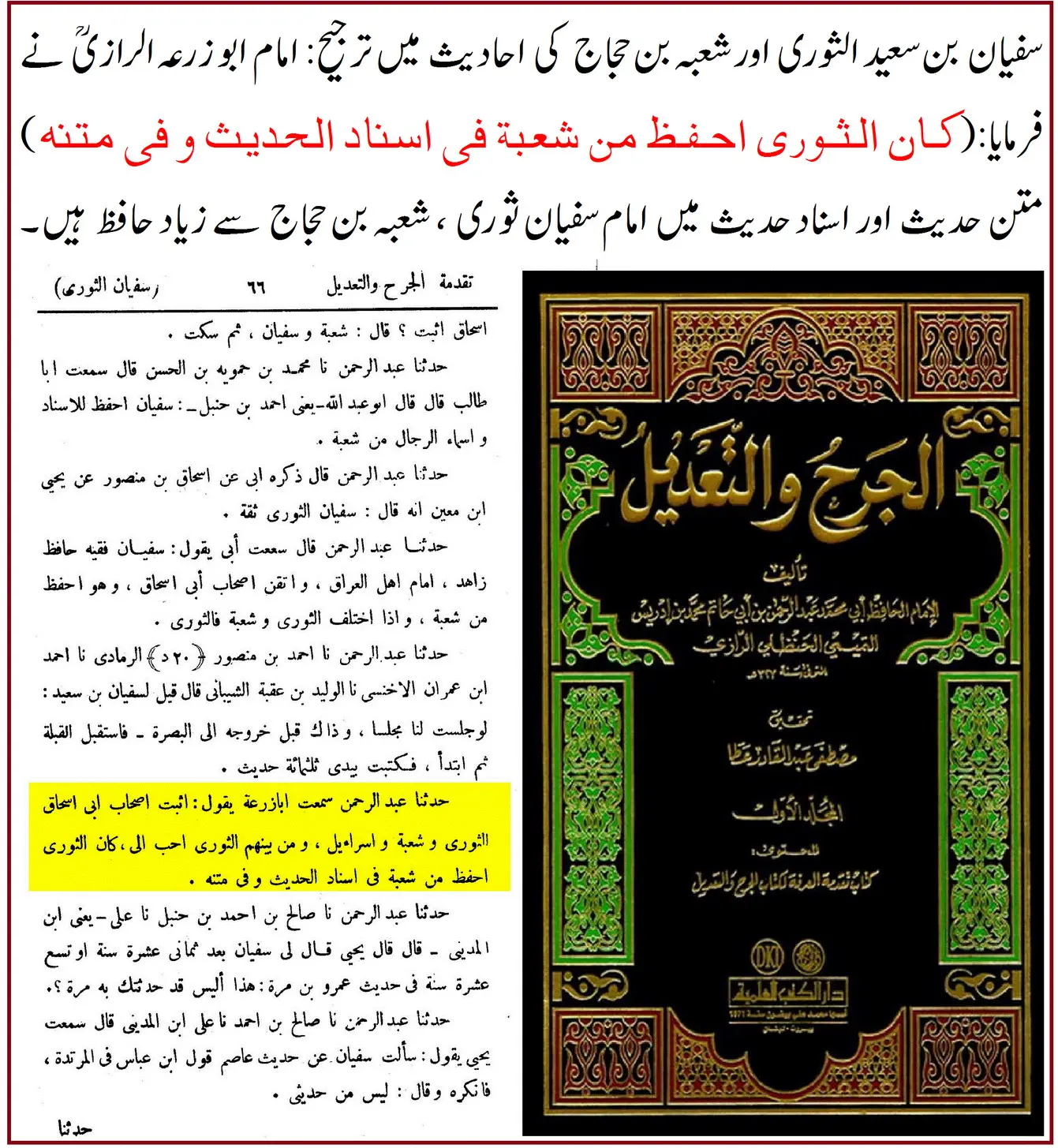
The scholars gave preference to the narration of Sufyān al-Thawrī.Imām Abū Ḥātim al-Rāzī said:
«سفيان فقيه حافظ زاهد، وأتقن أصحاب أبي إسحاق … وإذا اختلف الثوري وشعبة فالثوري.»
Reference: Al-Jarḥ wa al-Taʿdīl, 4/478
Imām Abū Zurʿah said:
«الثوري أحفظ من شعبة في إسناد الحديث وفي متنه.»
Reference: Al-Jarḥ wa al-Taʿdīl, 4/478
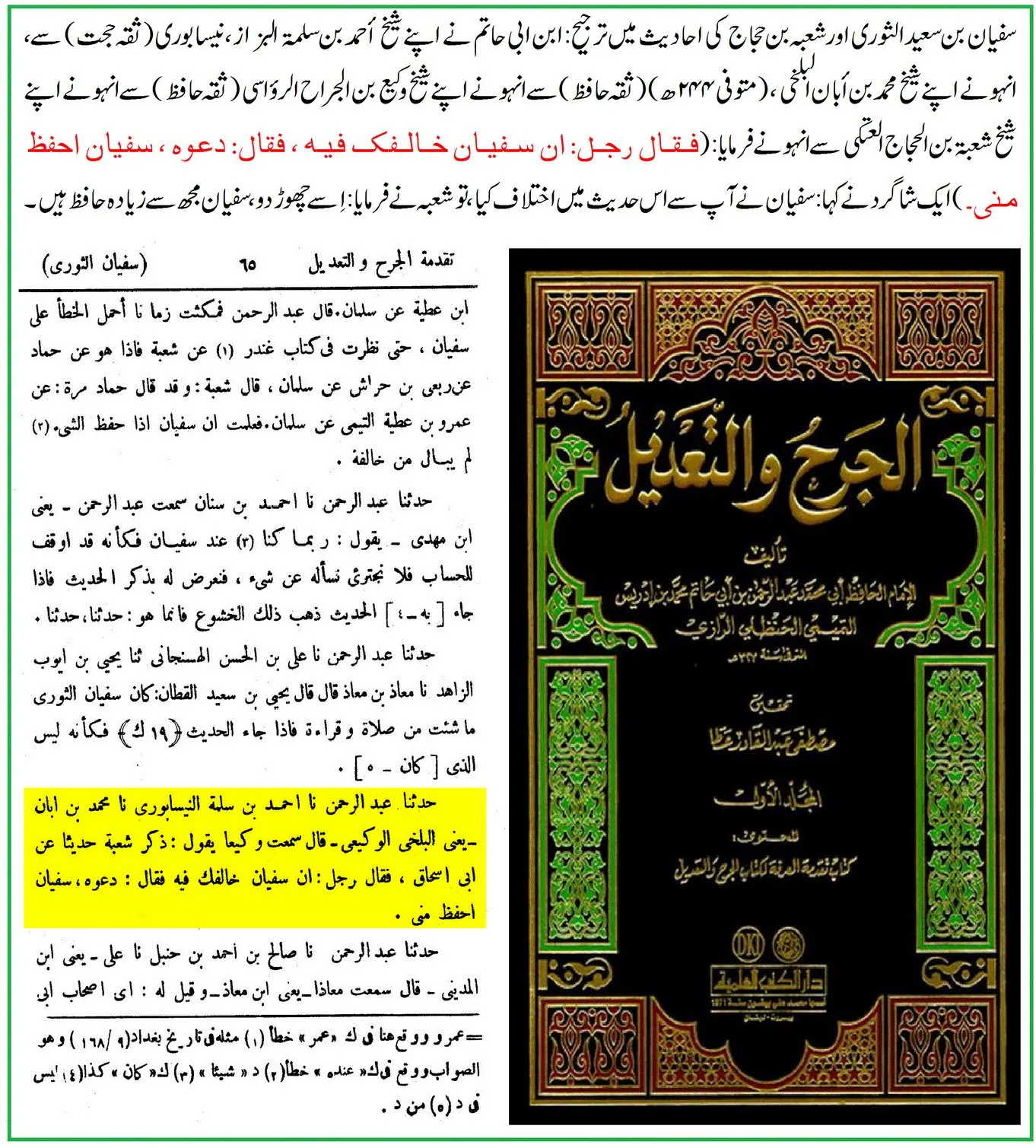
Yaḥyā bin Saʿīd al-Qaṭṭān and Yaḥyā bin Maʿīn said:
«إذا خالف شعبة سفيان فالقَول قول سفيان.»
Reference: Naṣb al-Rāyah, 4/58
Sufyān al-Thawrī’s narration is the one preferred — and it too contains the majhūl narrator.
Thus, even after reconciling the various chains, the narration remains weak, either due to an unknown narrator or due to irsāl.
Final Conclusion
This narration:① Is transmitted through the ʿanʿanah of Abū Isḥāq al-Sabīʿī, who was a mudallis and suffered confusion.
② Contains a majhūl narrator, ʿAbd al-Raḥmān bin Saʿd al-Kūfī.
③ Contains severe contradictions in its chains.
④ The preferred chain still contains the majhūl narrator.
Therefore, this narration is severely weak in its chain and cannot serve as proof for the permissibility of seeking help from the Prophet ﷺ after his passing.
✦ Summary of the Entire Article
Summary
The narration in which Ḥaḍrat ʿAbdullāh bin ʿUmar رضي الله عنهما is reported to have said «يَا مُحَمَّدُ» when his foot became numb is presented by some as evidence for seeking help from the Prophet ﷺ after his passing.We have demonstrated that this narration is severely weak due to multiple defects:
✔ Abū Isḥāq al-Sabīʿī was a mudallis and suffered confusion, and he did not explicitly state hearing in this narration.
✔ His shaykh, ʿAbd al-Raḥmān bin Saʿd al-Kūfī, is majhūl according to leading scholars.
✔ There is severe contradiction in the chains, including irsāl.
✔ The scholars preferred Sufyān al-Thawrī’s narration, which still contains the majhūl narrator.
Conclusion
This narration does not meet the standards of proof from any perspective.It contains a mudallis and mukhtaliṭ narrator.
Its shaykh is majhūl.
Its chains contain severe contradiction.
The majority of scholars did not rely upon it.
Therefore, using this narration as evidence for the permissibility of seeking help (istighāthah) from the Prophet ﷺ after his passing is not correct according to sound scholarly principles.