


Research: Ayas Ahmed (Tahseen), Abdul Quddus, Owais Syed
This article presents a research and critical review of the chain of narration and text of the "Malik al-Dar" narration. Its purpose is to clarify that the defects present in the chains of narration, especially Al-A'mash's tadlis and Malik al-Dar's unknown status, render it unacceptable. In terms of the text, this narration is also weak because it contradicts the Sunnah of the Prophet ﷺ and the practical methods of the Companions, and dreams are not considered evidence in Shariah. Furthermore, according to the principles of Barelvi scholars themselves, this narration cannot be used as evidence for belief or practice. Therefore, the research conclusion is that this narration is weak and is not evidence in any Shariah or theological matter. [See here the research review of 41 weak and fabricated narrations related to intercession]
Text of the narration:
حدثنا أبو معاوية عن الأعمش، عن أبي صالح، عن مالك الدار، قال وكان خازن عمر على الطعام
قال: أصاب الناس قحط في زمن عمر، فجاء رجل إلى قبر النبي صلى الله عليه وسلم فقال: يا رسول الله، استق لأمتك فإنهم قد هلكوا، فأتى الرجل في المنام فقيل له انت عمر فأقرته السلام، وأخير، أنكم مستقيمون وقل له عليك الكيس، عليك الكيس ، فأتى عمر فأخبره فيكي عمر ثم قال يا رب لا ألو إلا ما عجزت عنه.
Translation:
Once during the time of Umar, may Allah be pleased with him, there was a famine (drought). A person went to the Prophet’s ﷺ grave and prayed:
"O Messenger of Allah ﷺ, pray for rain for your Ummah because they have been destroyed."
Then that person came in a dream and was told:
"You are Umar, and I greet you, and your Ummah will be on the right path. And you must have al-kays (the ability to manage matters well)."
After that, the person went to Umar (may Allah be pleased with him) and narrated this dream to him. Umar (may Allah be pleased with him) prayed:
"O Lord! I can only give what is within my power."
 Let's begin – a complete review of the chain of transmission and text of this hadith
First, we will consider the chain of transmission of this hadith, then analyze the text in detail, and, God willing, later we will review more hadiths.
There is one narrator in this hadith, his name is – الاعمش.
 And this is a very important point:
الاعمش is a مُدَلِّس narrator.
Meaning, when he narrates a hadith with the word "عن" but does not specify from whom he actually heard it, his narration is never accepted.

➡ This is the fundamental principle of Hadith that protects the authenticity of narration.
 Now see what the Muhaddithin have said about Al-A'mash:
 Imam Abu Muhammad Abdul Rahman Al-Razi (Hafiz and son of Imam Abu Hatim) said:
 "Al-A'mash practiced tadlis (concealing an intermediate narrator)."
Reference: Ilal al-Hadith, Ibn Abi Hatim Al-Razi, page 14

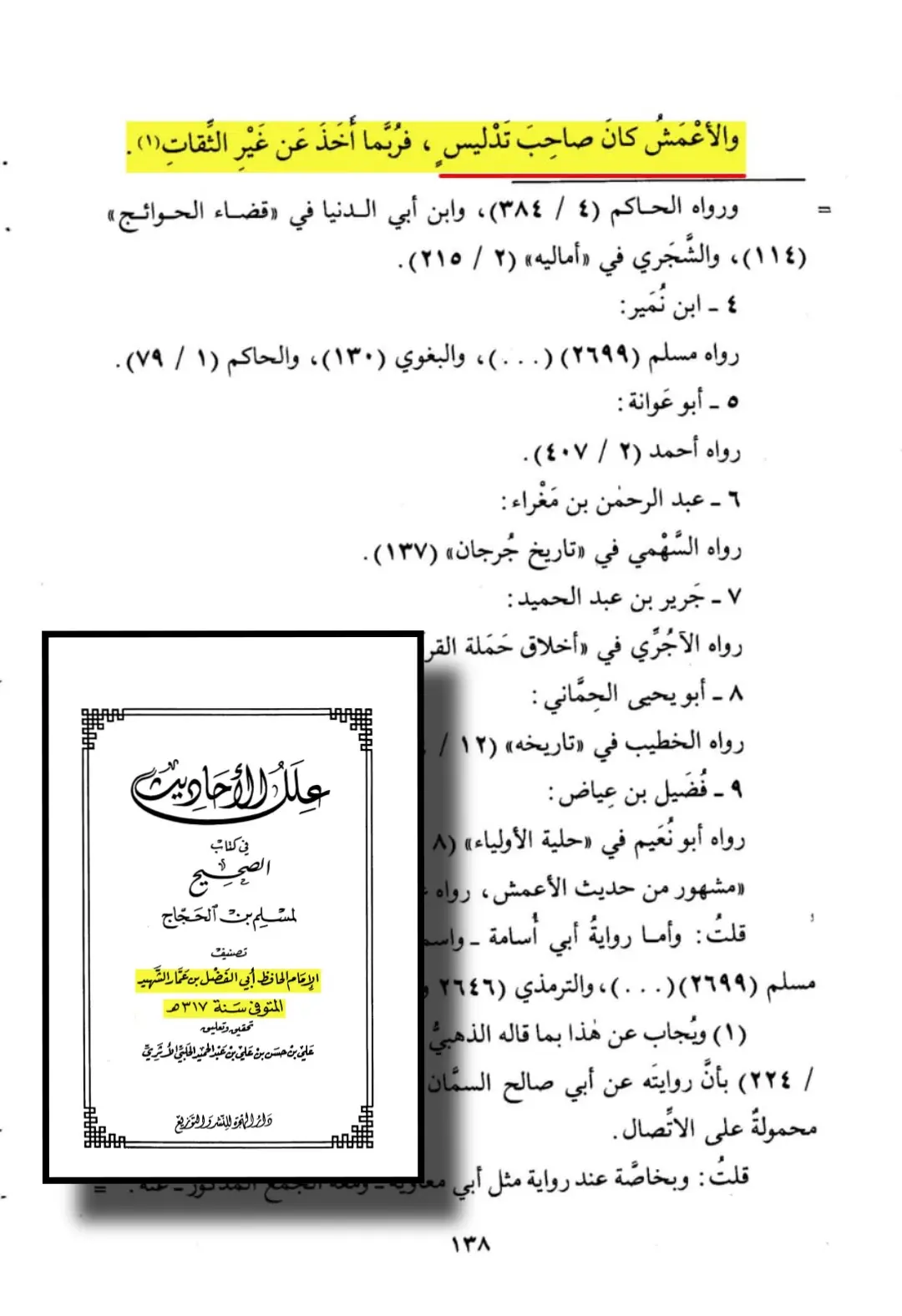
 Imam Al-Hafiz Abu al-Fadl Ibn Amr Al-Shaheed (passed away in 317 AH) stated: "Al-A'mash used to do tadlis, so it is possible that he narrated from a narrator who was not trustworthy."
Reference: Hawayat 'ala al-Ahadith fi Kitab al-Sahih (Muslim bin al-Hajjaj), page 138.
 The Law of Hadith Principles:
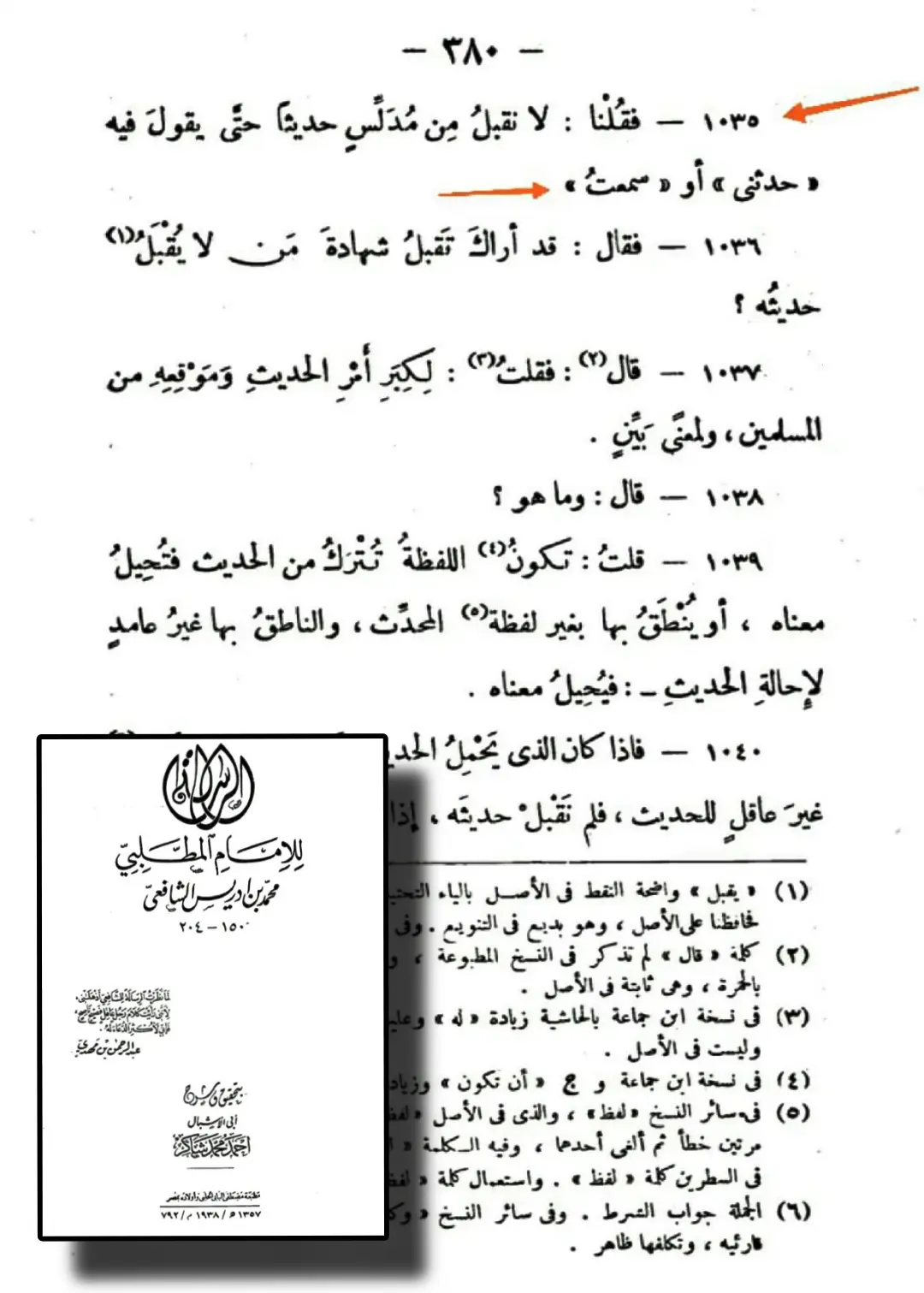
If a narrator who practices tadlis uses only "an" (عن) without clearly stating that he heard from the original narrator, then his narration is never accepted.
 Imam Shafi'i, may Allah have mercy on him, said: "We do not accept the narration of a tadlis unless he clearly says: 'He narrated to me' or 'I heard'."
 Therefore, the narration of Al-A'mash with "عن" is never accepted because he is a mudallis (one who conceals defects in the chain).
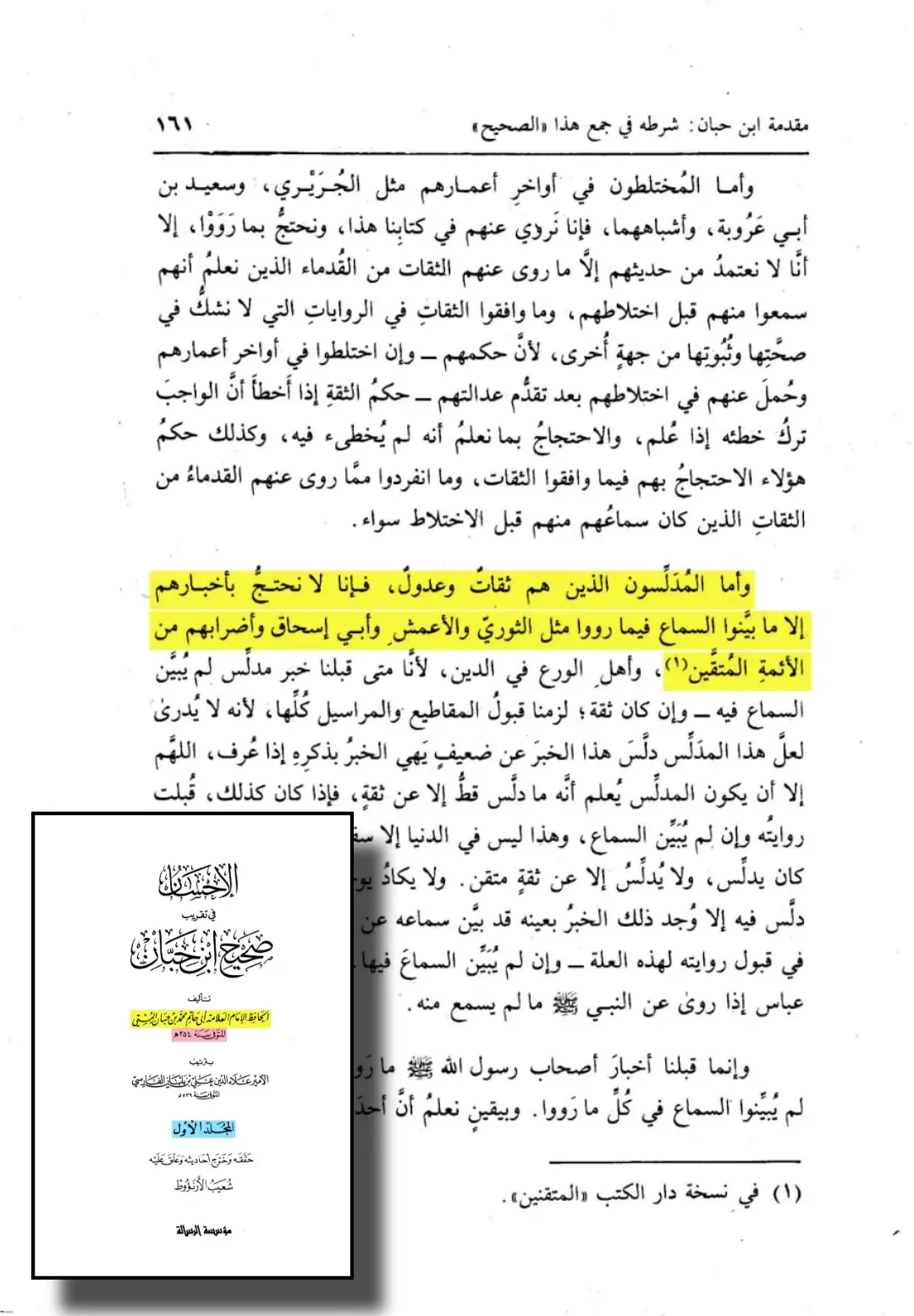
 Imam Ibn Hibban, may Allah have mercy on him, said: "If the mudallis narrator is trustworthy and just, we only accept their narration when they have clearly stated that they heard it directly – like Al-Thawri, Al-A'mash, Abu Ishaq, and other trustworthy scholars."
Reference: Sahih Ibn Hibban, Volume 1, Page 161.
Sahih Ibn Hibban, Volume 1, Page 161.
 Imam Ibn Qattan, may Allah have mercy on him, also wrote: "There is a possibility of discontinuity (discontinuity in the chain) in Al-A'mash's 'an' narration because he is a mudallis."
Reference: Bayan al-Wahm wal-Ihyam al-Waqi'in fi Kitab al-Ahkam, Volume 2, Page 435.
Bayan al-Wahm wal-Ihyam al-Waqi'in fi Kitab al-Ahkam, Volume 2, Page 435.

Al-A'mash's Tadlis and the Barelvi Ijtihad Review
The Barelvi people, on one hand, say that according to Imam Ibn Hajar, Al-A'mash's tadlis is accepted because, according to them, Al-A'mash is a mudallis of the second category. And even when Al-A'mash narrates from Abu Salih with "عن," it is still accepted.
But the main point is that the principle of the early scholars of hadith was that the narration of any __Mudalil__ (one who conceals defects in the chain) is never accepted.They did not have a system of __Tabaqat__ (classes) either; this is an ijtihadi (independent) error of Ibn Hajar because Imam Ibn Hajar himself did not accept the __Tadlis__ of Al-A'mash.
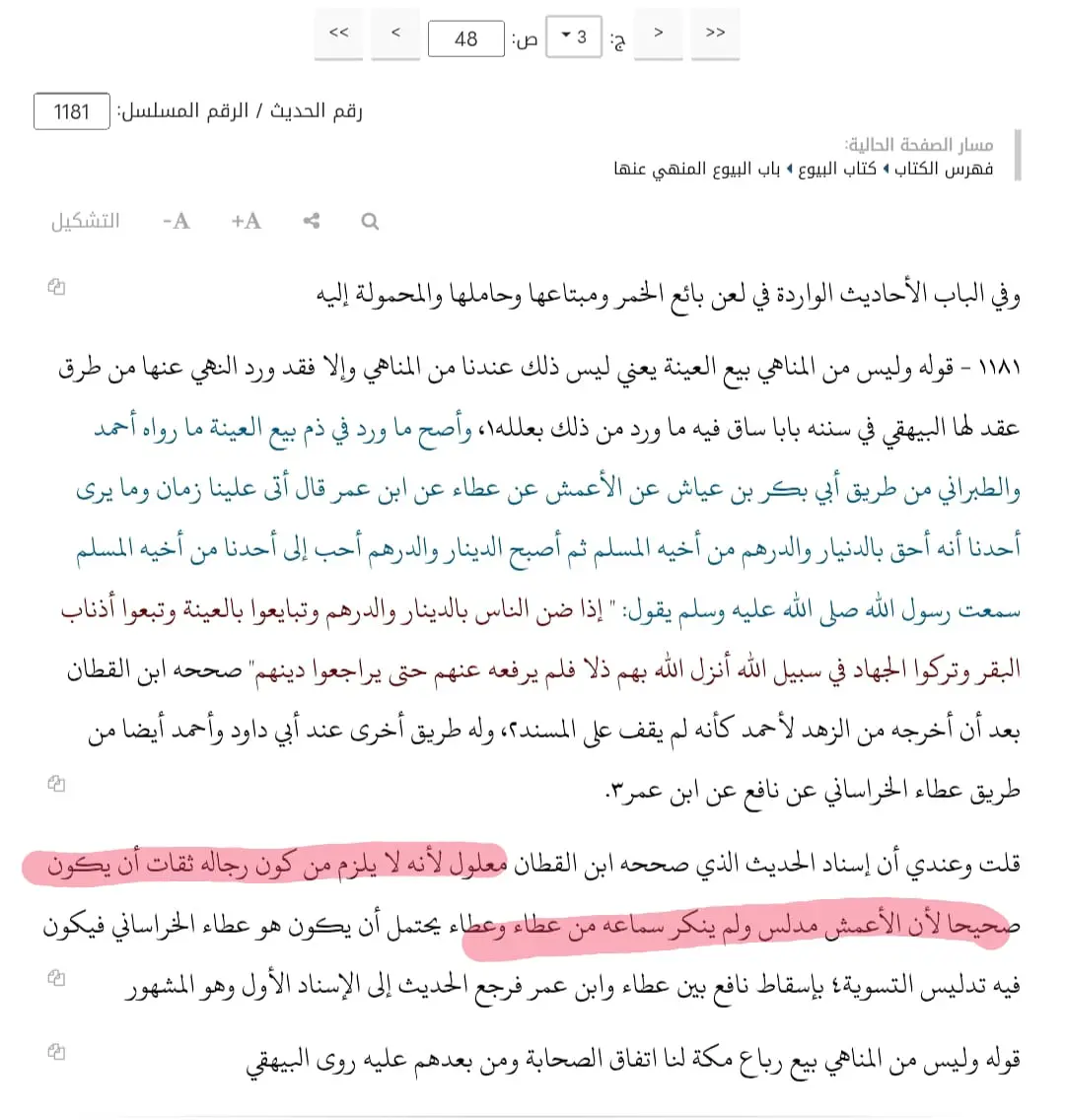
And those who say that certain hadith scholars like Ibn Hajar or Ibn Kathir, etc., have declared this hadith authentic, they are also refuted by Ibn Hajar himself. Ibn Hajar himself critiques a hadith, saying:لأنه لا يلزم من كون رجاله ثقات أن يكون صحيحا لأن الأعمش مدلس ولم ينكر سماعه من عطاء
➡ Translation:
"Just because the narrators (rijal) are trustworthy, it does not necessarily mean that the hadith is authentic. Because Al-A'mash is a __Mudalil__, and he did not establish hearing (sama') from Ata."
Reference: (Takhlees al-Habeer #1181)
⚠ Points to Ponder – Understand the Reality of the Hadith!
 First of all, it is very important to understand:
Ibn Qattan, may Allah have mercy on him, is a famous and well-recognized early hadith scholar.
Yet, Hafiz Ibn Hajar did not accept his authentication (declaring a hadith authentic).
Why?
➡ In light of the principle: Until it is known from whom Al-A'mash heard, this hadith is not considered authentic.
➡ Therefore, it is not sufficient for any narrator to simply say "authentic" for the hadith to be considered authentic here.
As for the hadith being called "authentic," as they have mentioned in the scan, know that in the principles of hadith, the principle always takes precedence; until all defects (flaws) of the hadith are removed, calling someone's hadith authentic does not make it authentic.
♦ Barelvi narrator Abbas Rizvi writes:
"A hadith does not become weak by calling it authentic, nor does it become authentic by calling it weak."
Reference: Reference: Munazare Hi Munazare, page 292.
Reference: Munazare Hi Munazare, page 292.
If there are differing opinions from Ibn Hajar — accepting in one place and rejecting in another — then let us see if the greater narrators than Ibn Hajar consider the hadith with Al-A'mash's tadlees authentic or reject it, and whether the great elders of the Barelvis accepted or rejected his tadlees:
 More interesting point:
Even Barelvi scholars themselves do not accept the hadith in which Imam Ibn Khuzaymah mentioned placing the hand on the chest.
➡ This hadith is considered authentic by Imam Ibn Hibban, but still, Barelvis criticize and reject it.
♦ Mufti Abbas Rizvi (Barelvi Muhaddith) gives a strong statement:
"Saying a hadith is weak or authentic does not make an authentic hadith weak."
Reference: ➡ (Source: Munazare Hi Munazare, page 292)
 It is essential to understand the main point:
Barelvi elders themselves admit that the narration with "‘an" from Al-A’mash is not accepted, yet some people mislead their followers by claiming that this narration is authentic.
Statement of famous Barelvi scholars:
Imam Ibn ‘Uyaynah Al-Hanafi, may Allah have mercy on him, writes: "Al-A’mash is a mudallis (one who conceals the source), and the mudallis’s ‘an’anah (i.e., narration with ‘an) is not accepted until it is known that he heard it directly and clearly stated that he heard it."
Reference: Umdat al-Qari Sharh Sahih al-Bukhari, page 124.
Umdat al-Qari Sharh Sahih al-Bukhari, page 124.
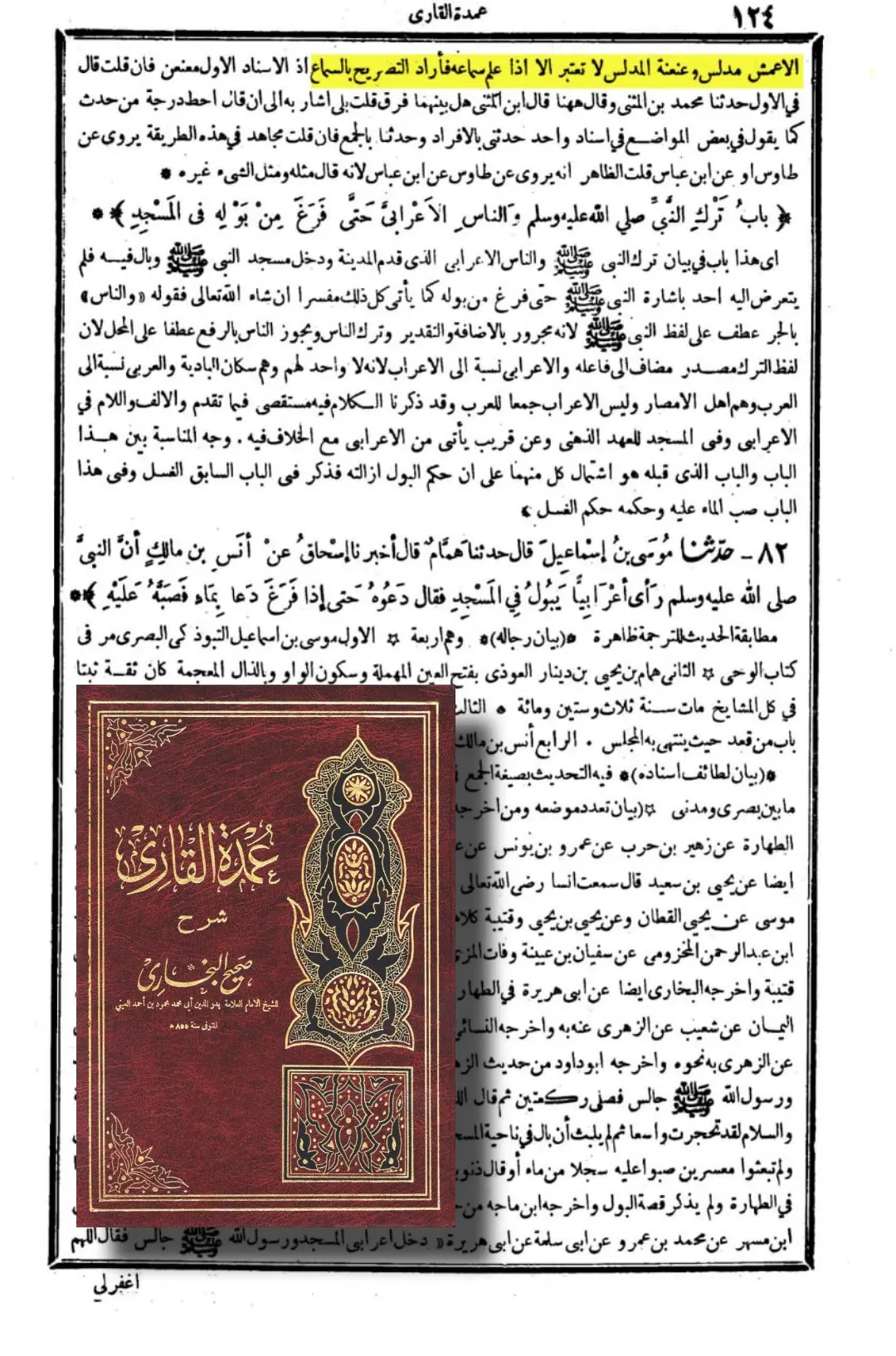 Mufti Abbas Rizvi (famous Barelvi scholar) writes: "In this narration, one narrator is Imam Al-A’mash, who is a great scholar, but he is a muddallis (one who conceals the source). When a muddallis narrates with 'an' (عن), his narration is unanimously rejected."
Reference: Aap Zinda Hain Wallah page 270.
Aap Zinda Hain Wallah page 270.
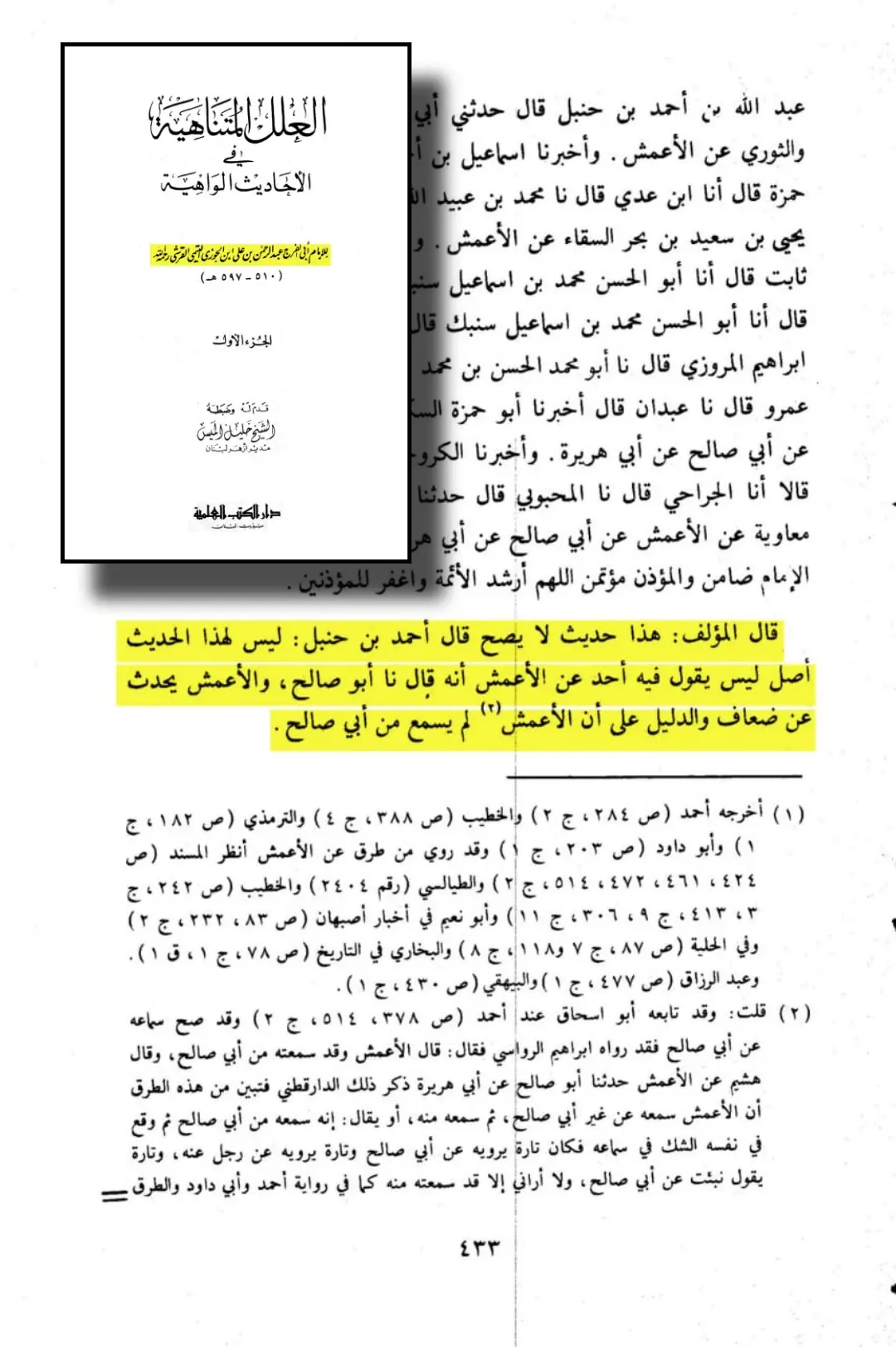
Imam Juzi, may Allah have mercy on him, writes: "This hadith is not authentic according to Ahmad ibn Hanbal; it is not a popular hadith. There is no basis for this hadith because no one has said that Al-A’mash heard it from Abu Salih. Al-A’mash is weak."
Reference: Al-‘Ilal Al-Mutanahiya page 433.
Al-‘Ilal Al-Mutanahiya page 433.
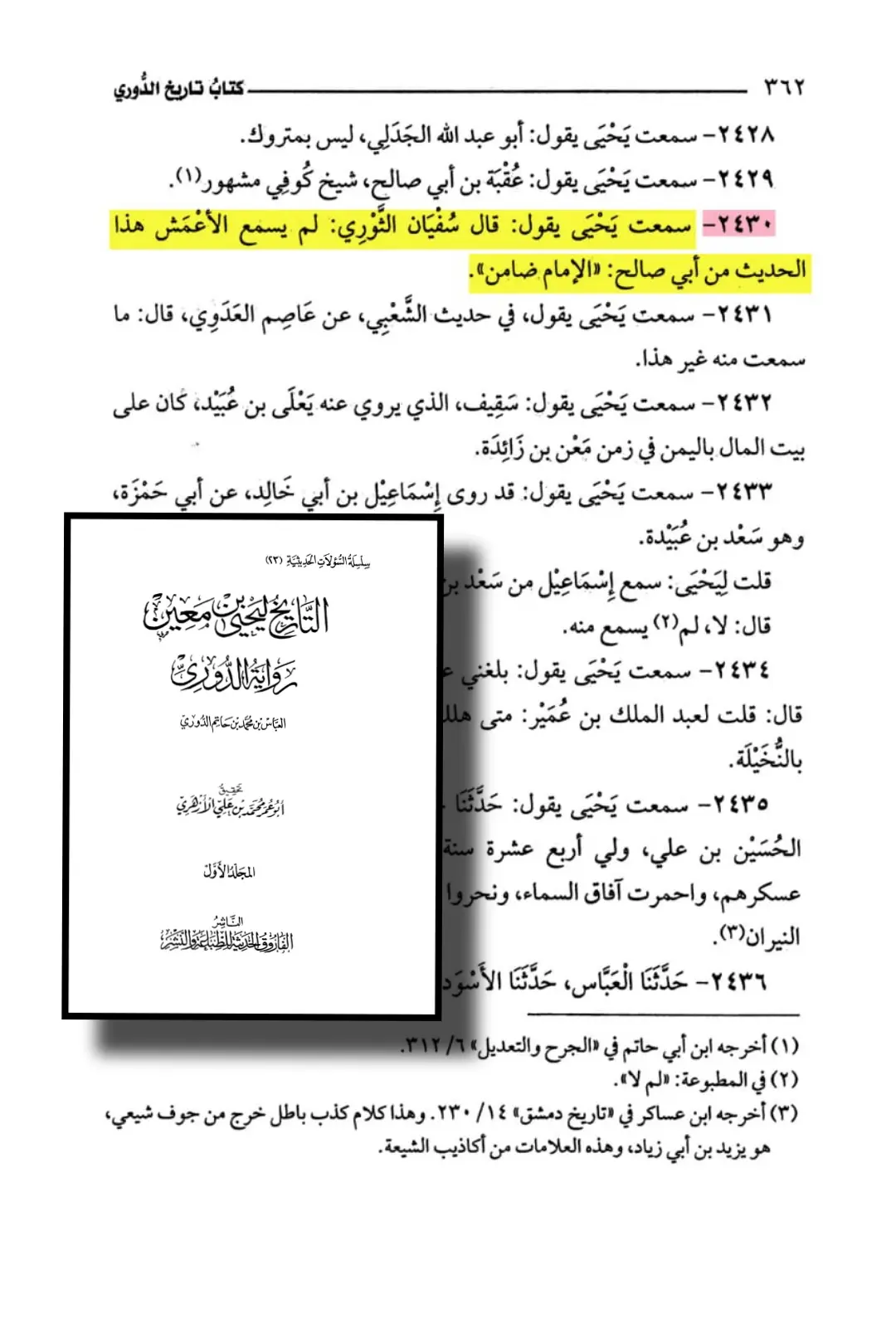
 Sufyan Ath-Thawri, may Allah have mercy on him, says: "Al-A’mash did not hear this hadith from Abu Salih: 'The Imam is the guarantor (The Imam is the guarantor)'."
Reference: Tarikh Yahya ibn Ma’in - page 362.
Tarikh Yahya ibn Ma’in - page 362.
The other narrator of the hadith: Malik al-Dar is unknown
Now let us talk about the condition of the other narrator of this hadith, Malik al-Dar…The condition of this person is completely unknown. This is not proof of whether he is truthful, lying, or trustworthy.
So far, no clear evidence has been found that properly identifies this person.⚠ Even if the chain of narration is completely correct…
Let's assume the chain is perfect… but according to Barelvi principles, this hadith still cannot be used as evidence in creed (Aqeedah).
Ahmad Raza Khan Barelvi himself states:"In matters of creed, a solitary hadith (Ahad report) can never be used as evidence, no matter how authentic it may be."
➡ Therefore, a mutawatir hadith is necessary.
Reference: Fatawa Razawiyya, Volume 5, Page 479.
Fatawa Razawiyya, Volume 5, Page 479.
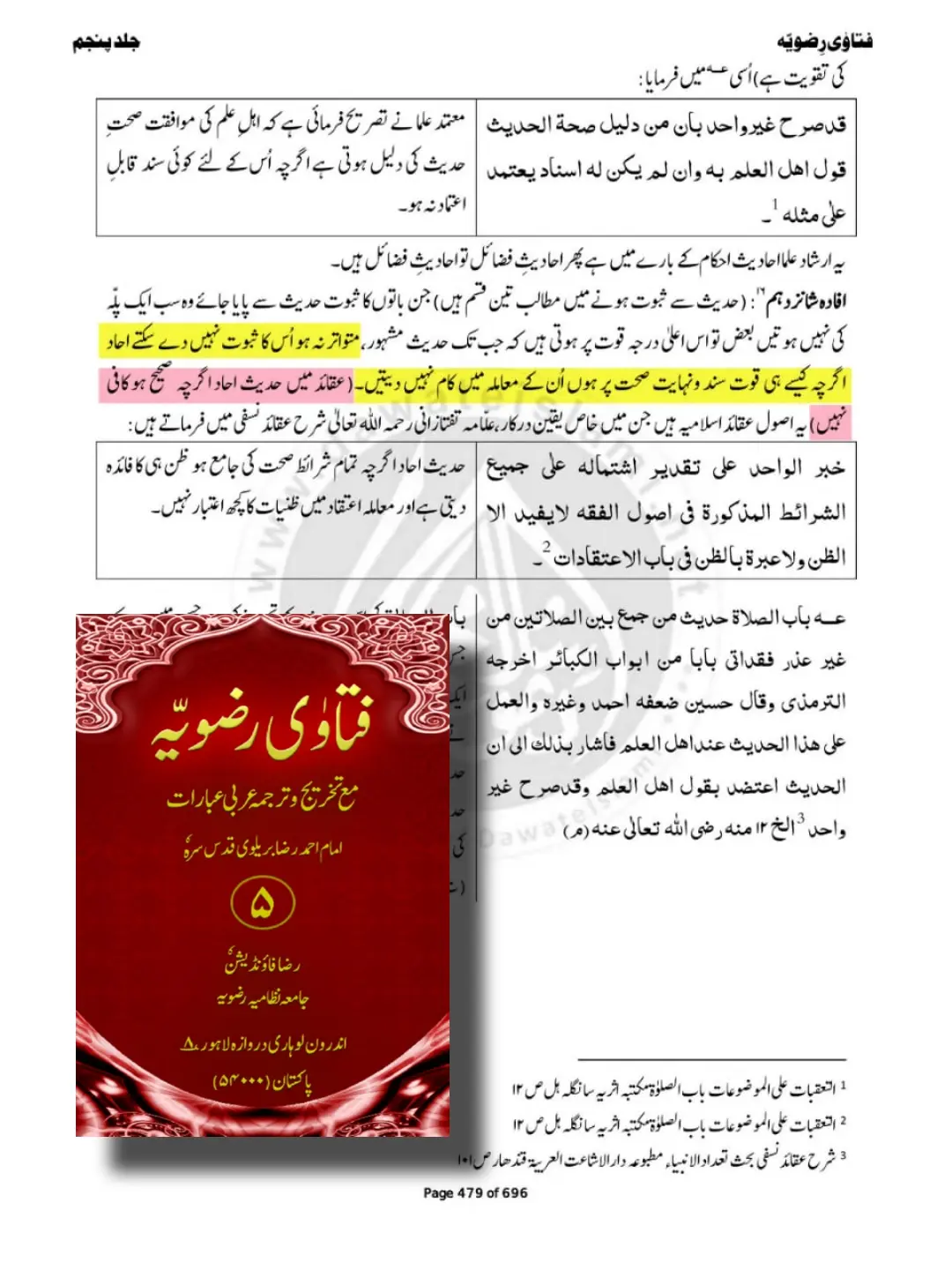
⚠ And this hadith is a solitary report (Ahad), not mutawatir… so where is the evidence derived from?
 ♂
♂♦ Conclusion (Regarding the Chain):
➡ In any case, due to Al-A'mash's tadlis (concealment), this chain can never be accepted.
➡ The condition of Malik al-Dar is unknown.
➡ This hadith itself is against the principles of Barelvi's wali Ahmad Raza.
To accept any hadith as authentic, it is not sufficient that only the chain of narration (isnad) is correct — both the isnad and the text (matn) must be correct.
If a defect (flaw or doubt) is found in either of these two, the hadith is not acceptable.
Al-Hafiz Ibn al-Salah, may Allah have mercy on him, says:
”قولهم : (هذا حديث صحيح الإسناد أو حسن الإسناد) دون قولهم : هذا حديث صحيح أو حديث حسن لأنه قد يقال : هذا حديث صحيح الإسناد ، ولا يصح لكونه شاذا أو معللا“
"The reason they say: 'This hadith is authentic in its isnad' or 'It has a good isnad' — instead of saying 'This hadith is authentic' or 'It is good' — is because it may be said: 'This hadith has an authentic isnad' but it may not be authentic because it is anomalous (shadh) or defective (ma'lul)."
Reference: Muqaddimah fi Ulum al-Hadith (p. 23)
Muqaddimah fi Ulum al-Hadith (p. 23)
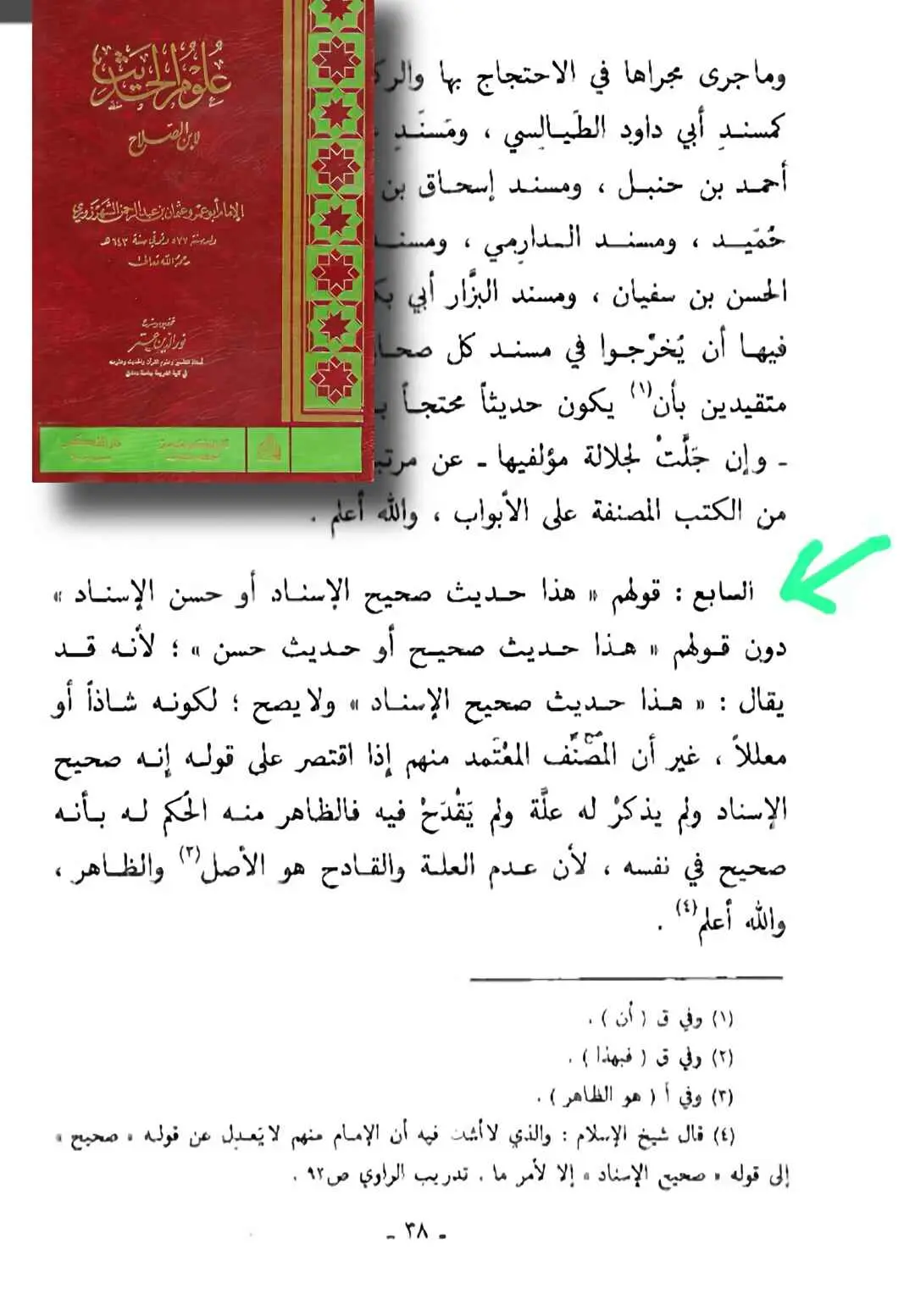
Ibn Hajar and Ibn Kathir only authenticated the isnad, not the entire hadith. Yet, it is established from the opinion of the majority of the muhaddithin that:
> Due to Al-A'mash's tadlis, there is weakness (da'f) in this isnad.
And we have also established that:
* This hadith is against the Barelvi principles.
* According to Ahmed Raza Khan's own rules, presenting this hadith in matters of belief is not correct.
So in this case, this argument is not only weak but also against its own principles. If you accept Ibn Hajar's authentication of the chain, then also accept his entire statement:
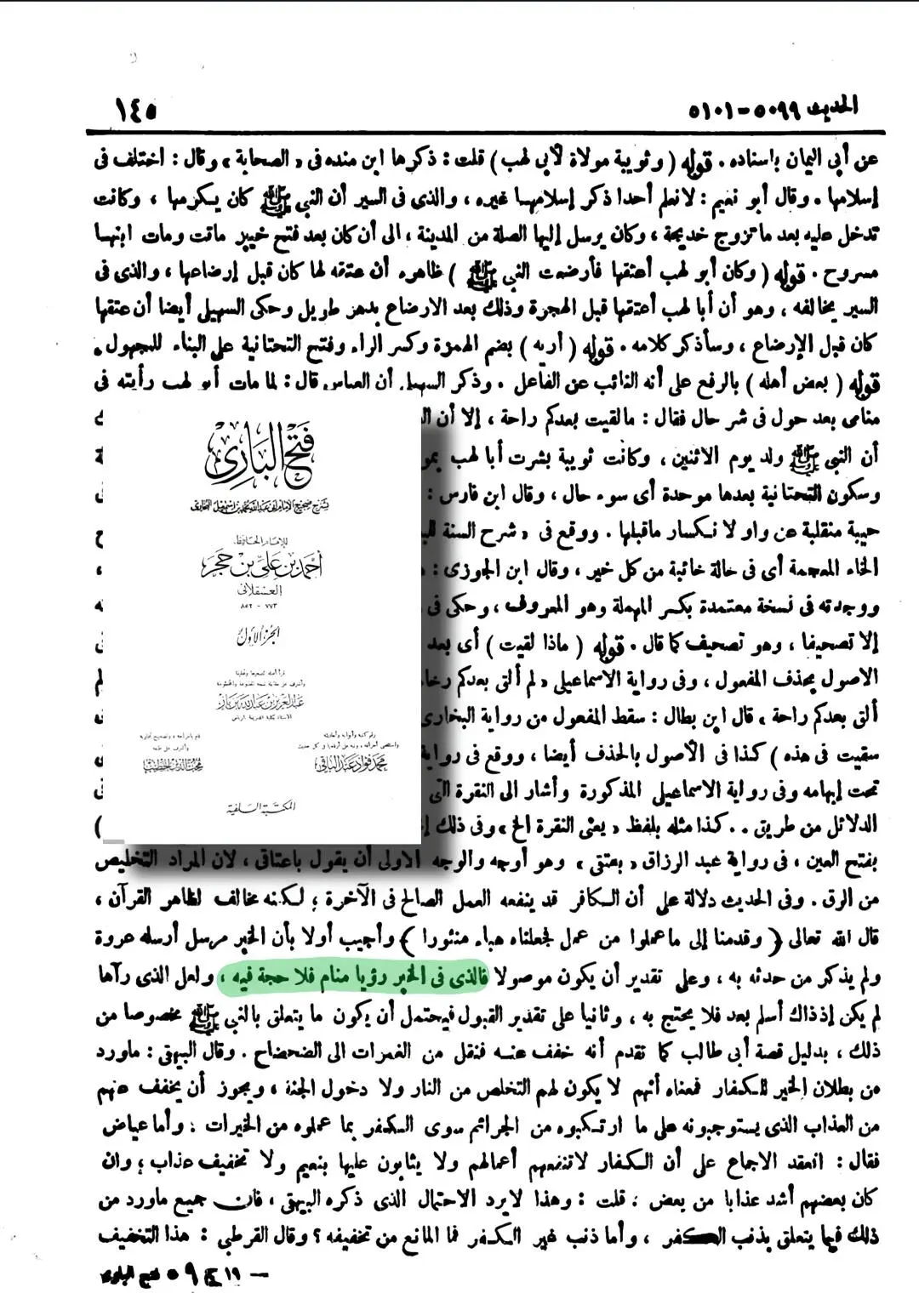
 Ibn Hajar, may Allah have mercy on him, said:
Reference: "رؤيا منام فلا حجة"
"It is only a dream — and there is no proof (evidence) in a dream."
Reference: (Fath al-Bari, Vol. 9, Page 145)
(Fath al-Bari, Vol. 9, Page 145)
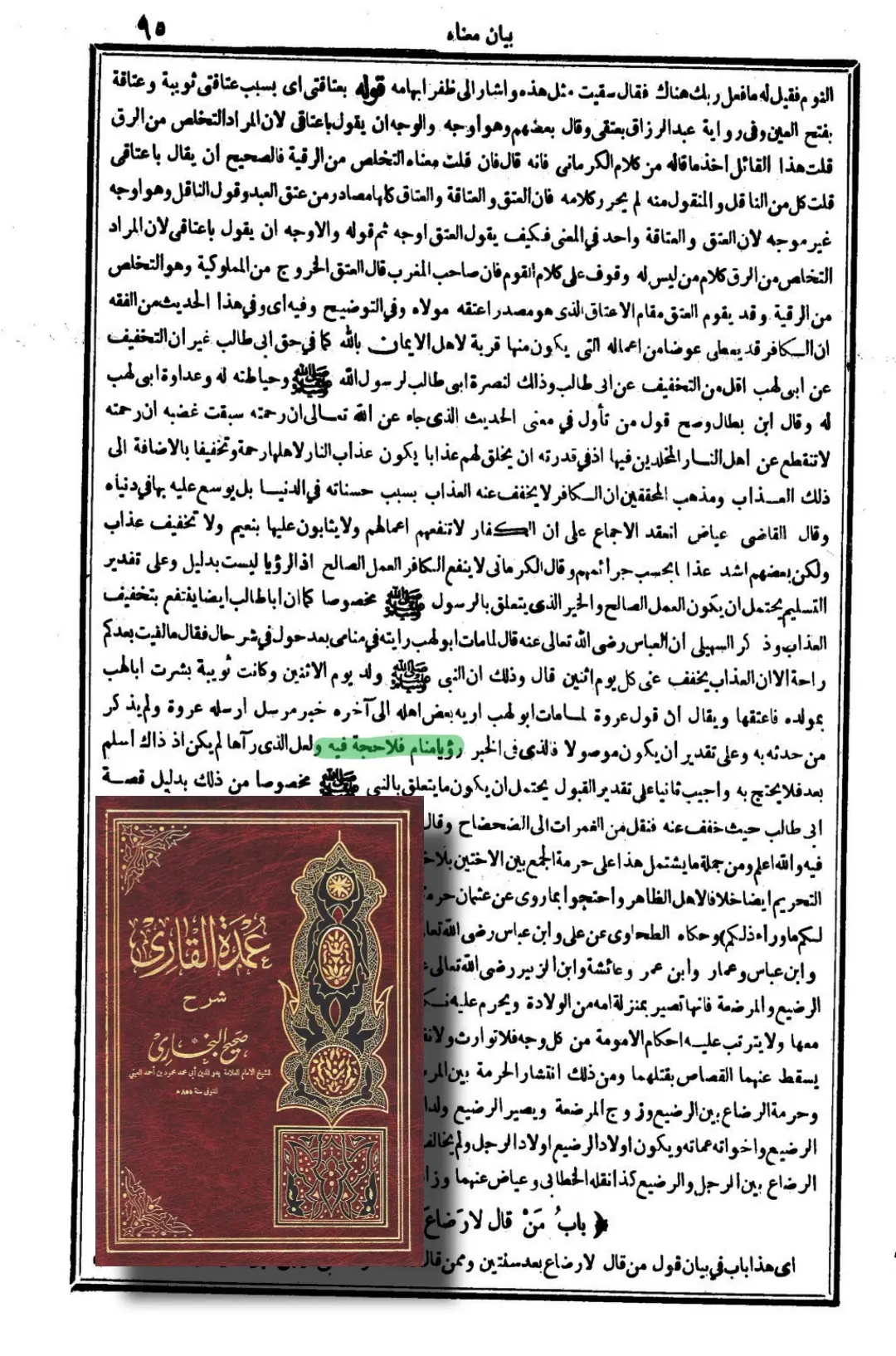
 Allama Al-Ayni also repeated exactly the same statement:
"رؤيا منام فلا حجة فيه"
"It is only a dream, and there is no proof in it."
Reference: Umdat al-Qari, Vol. 20, Page 90
Umdat al-Qari, Vol. 20, Page 90
 Conclusion:
If you are accepting Ibn Hajar's authentication of the chain, then also accept his statement that a dream is not evidence.
Now let us also discuss the text (content).
 The text of the hadith is very weak
The text is completely weak and is entirely against the authentic Sunnah of the Prophet ﷺ.
🌧 The correct method is to pray for rain in times of drought (famine), as established in the Sunnah.
Method of the Sunnah
The Prophet ﷺ himself would go to the Eidgah and pray for rain together with the companions.
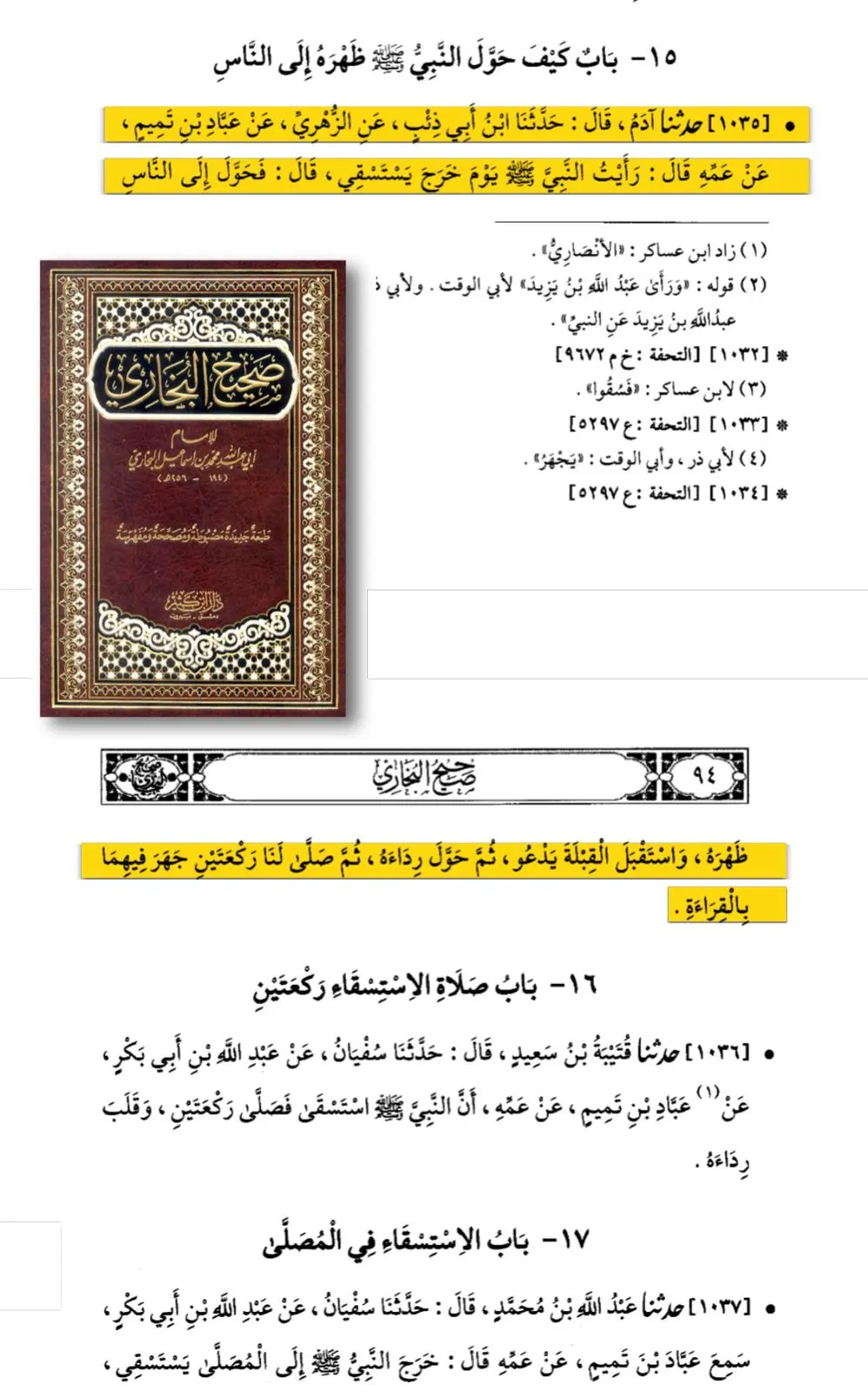
🌧 It is narrated from Abd bin Tamim:
The Prophet ﷺ went to the Eidgah, faced the Qibla, prayed 2 rak'ahs, and turned his cloak inside out.
This is the original method – not to go to someone's grave or wait for a dream to seek help!

Bukhari 1023
It is an insult to Umar (may Allah be pleased with him) and the companionsThis narration also raises questions about the knowledge and character of Umar ibn Khattab (may Allah be pleased with him) and other companions.
We never find any proven practice from the companions that they would go to the Prophet’s ﷺ grave to ask for rain. If this were the correct method, the companions would certainly have done it, but they did not. Rather, the method of the companions itself refutes this hadith. Umar رضي الله عنه himself says:
"O Allah! Earlier, when we used to come to You through the intercession of our Prophet ﷺ, You would grant us rain. Now, when we take the intercession of the Prophet’s uncle, You send down water upon us."
Reference: (Sahih Bukhari 1010)
(Sahih Bukhari 1010)
 Hadith of Jubair bin Mut'im
A woman came to the Prophet ﷺ and he told her to come back later. She said:
"What if I come and do not find you?"
As if she was alluding to his death.
The Prophet ﷺ said:
"If you do not find me, then go to Abu Bakr رضي الله عنه."
Reference: (Sahih Bukhari) 3659
(Sahih Bukhari) 3659
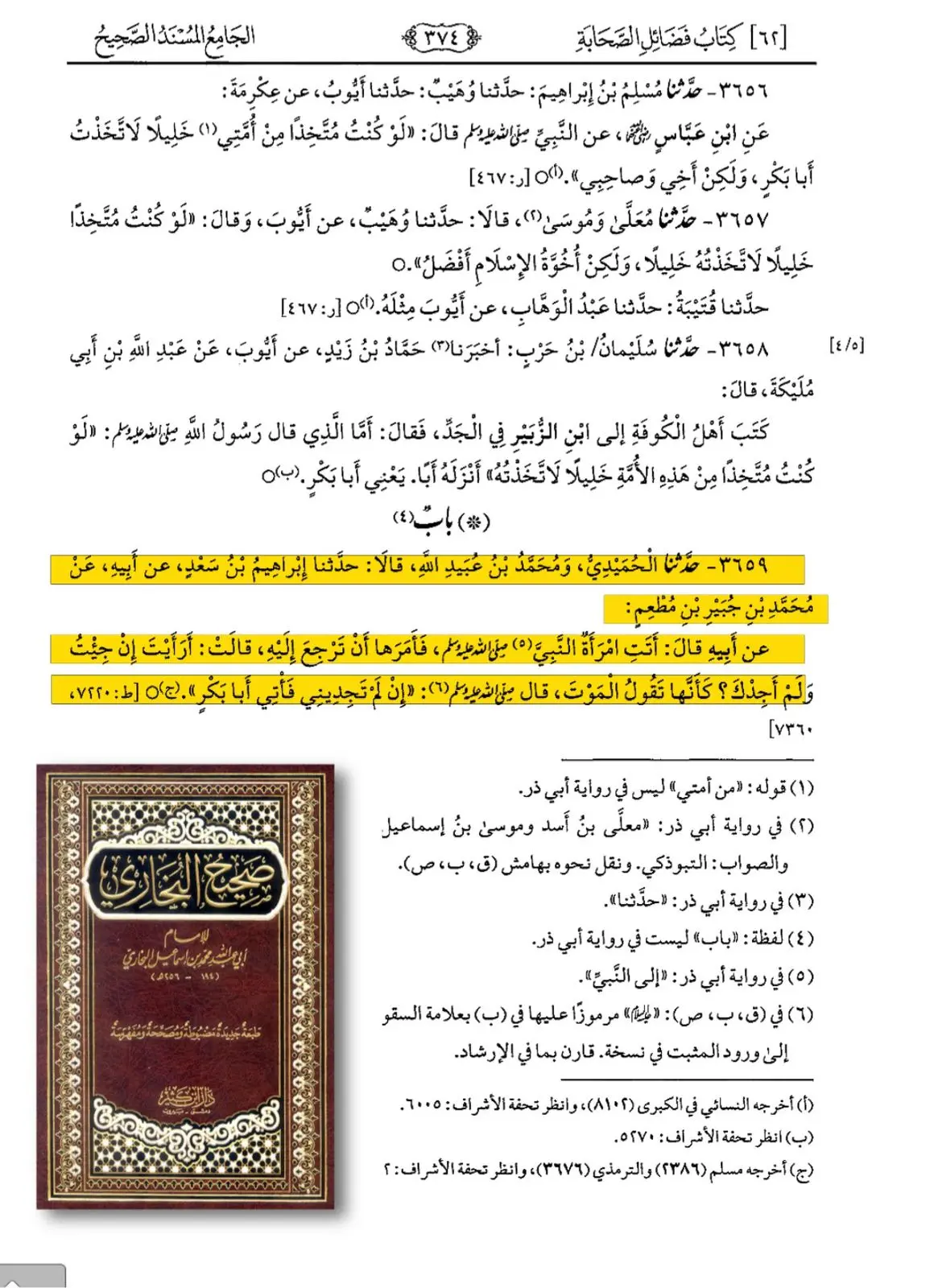 If it were permissible to seek help at the grave, the Prophet ﷺ would surely have said:
"Come to my grave or ask me from wherever you want."
But the Prophet ﷺ always taught an easy and clear method!

Response to the accusation:
 The Barelvi tradition of Malik al-Dar in which a person goes to the Prophet ﷺ's grave and prays is not authentic. This hadith has many issues (problems) in both the chain of narration and the text, as we have proven above. On the other hand, this hadith clarifies the entire matter:
 Hadith:
Abdur-Razzaq, from Muammar, from Ismail Abi Al-Miqdam, from Abdullah bin Ubaid bin Umair, narrated:
"A year of hardship (lack of intellect and food) came upon the people. A man was in the wilderness (village). He went out and led his companions in two (2) rak'ahs of prayer and prayed for rain, then he slept. He saw in a dream that the Messenger of Allah ﷺ came to him and said: 'Convey my greetings to Umar and inform him that Allah has accepted your prayer.'
While Umar رضي الله عنه had also gone out and prayed for rain. (The Prophet ﷺ said to this man): 'Order him (Umar) to fulfill the pledge and strengthen the chain.'
The narrator says: 'That man set out until he reached Umar رضي الله عنه and said: Request permission for the Messenger of Allah ﷺ's messenger (the envoy).'
Umar رضي الله عنه heard him and said: 'Who would lie about the Messenger of Allah ﷺ?'
The man said: 'O Commander of the Faithful, do not be hasty.' Then he told him the whole incident, upon which Umar رضي الله عنه wept."
⚠ Other Weaknesses
And one very big question:
How did this unknown man reach the Prophet ﷺ’s grave?
At that time, the grave was in the room of Hazrat Aisha (may Allah be pleased with her), not in the mosque.
And Umar (may Allah be pleased with him) was also unaware of this man’s action… then how did he approve it? Final Conclusion – Not Acceptable in Any Case
➡ The chain of this hadith is weak.
➡ The text is weak.
➡ There is no proof in creed.
 Under no circumstances can this hadith be used as evidence! The truth has come, falsehood has vanished
Last edited:

