Compiled by: Abū Ḥamzah Salafī
The Ahl al-Ḥadīth have always adhered to one fundamental principle: for any incident or narration to be accepted, the authenticity and reliability of its chain of transmission (sanad) is an essential condition. It is this very principle that has preserved the science of ḥadīth from distortion and fabricated tales.
In light of this principle, the famous story regarding fragrance emanating from the grave of Imām al-Muḥaddithīn, Ḥāfiẓ al-Dunyā Muḥammad ibn Ismāʿīl al-Bukhārī رحمه الله, is also examined. This incident is mentioned in biographical works and is often narrated in public gatherings. However, when its chain of transmission is scrutinized, it is not established.
In this article, we will first present the original chain of the incident and the opinions of the scholars regarding it. Thereafter, we will examine the objections raised by the “Barelwī scholars” one by one and provide detailed responses to their arguments. Thus, it will become completely clear to the reader that this story is weak and unreliable, and that the stance of Ahl al-Ḥadīth is firmly rooted in principles and scholarship.
Analysis of the Incident and Its Chain of Transmission
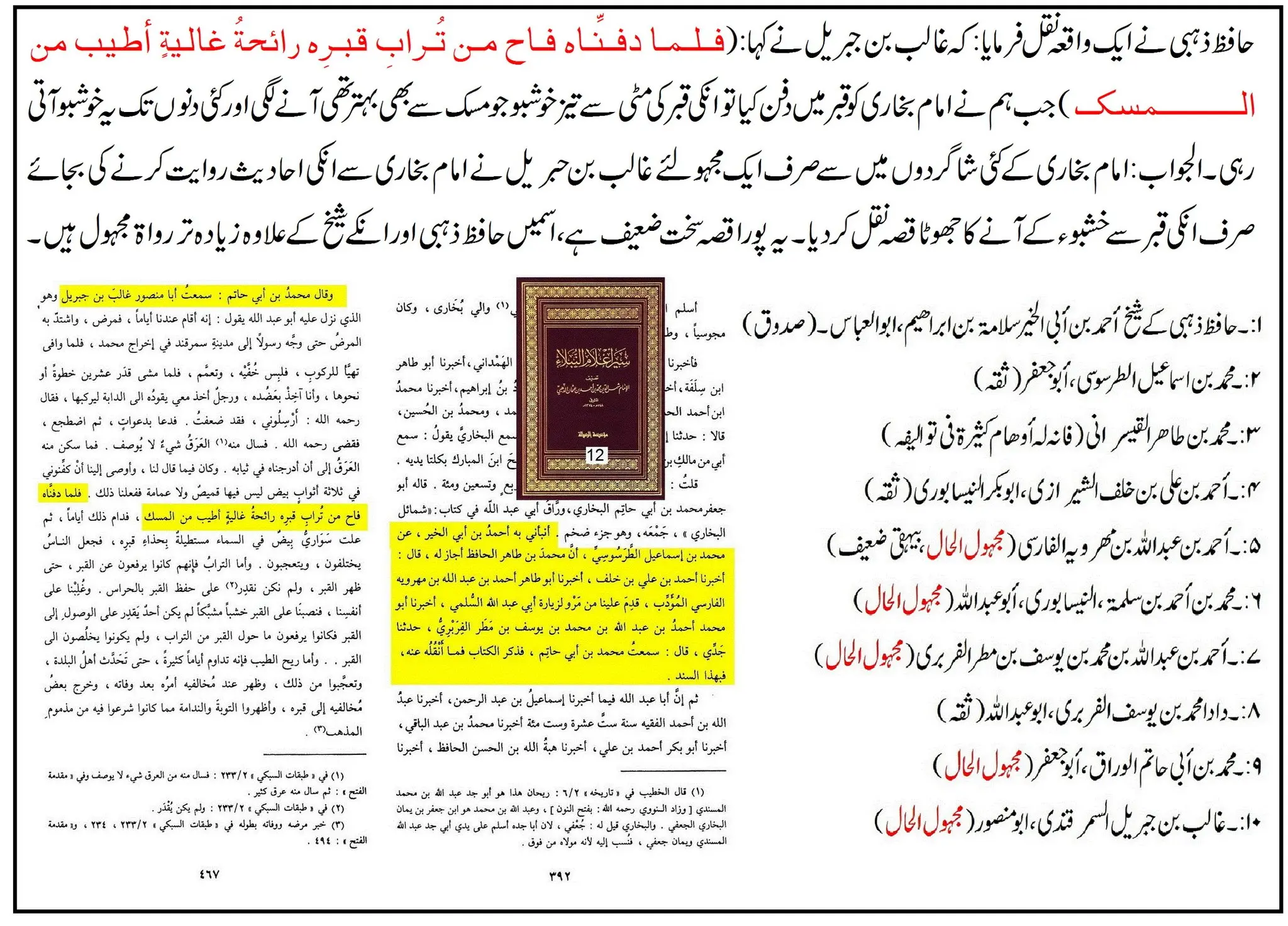
The story of fragrance emanating from the grave of Imām al-Bukhārī رحمه الله was first mentioned by Imām al-Dhahabī رحمه الله in his renowned book: Siyar Aʿlām al-Nubalā’ (12/467)
There, Muḥammad ibn Abī Ḥātim al-Warrāq narrated from Abū Manṣūr Ghālib ibn Jibrīl that when Imām al-Bukhārī رحمه الله was buried, a fragrance more pleasant and delicate than musk began emanating from the soil of his grave. This condition reportedly remained for several days. People came from far and wide to collect soil, until a wooden enclosure had to be placed around the grave to protect it.
This story is also found in other works, such as:
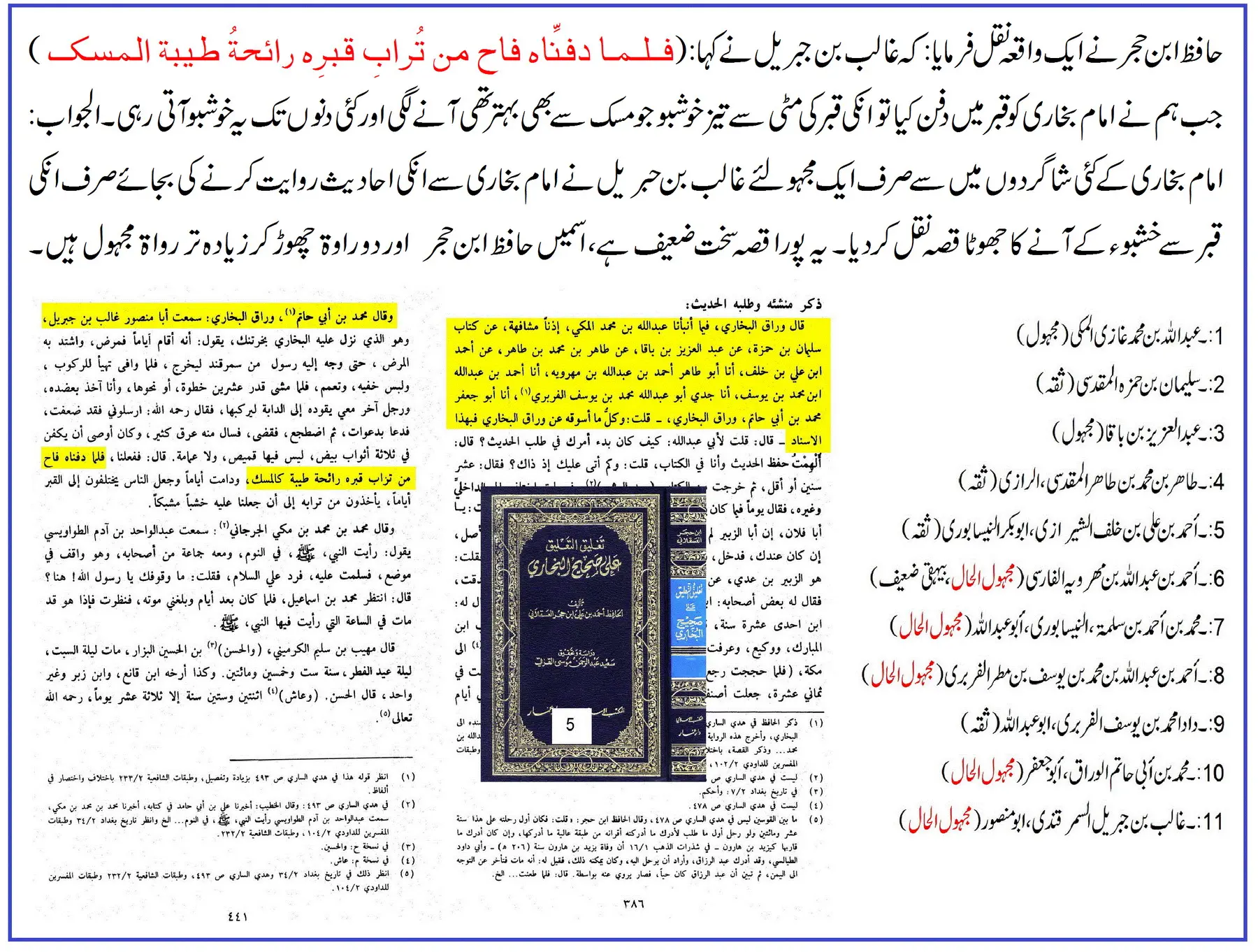
 Taghlīq al-Taʿlīq (5/141) Ṭabaqāt al-Subkī (2/233) Muqaddimah Fatḥ al-Bārī (p. 493) Al-Wāfī bi al-Wafayāt (2/208)
However, in terms of the chain of transmission, this incident is not established.
Examination of the Narrators
① Muḥammad ibn Abī Ḥātim al-Warrāq
He remained close to Imām al-Bukhārī and narrated aspects of his life. However, none of the ḥadīth scholars explicitly declared him trustworthy (thiqqah). In the books of al-jarḥ wa al-taʿdīl, no معتبر authentication is found for him. Therefore, he is considered majhūl al-ḥāl (unknown in reliability).② Ghālib ibn Jibrīl
He is the principal witness of this incident. Yet, no معتبر authentication from any recognized ḥadīth scholar exists for him either. Imām al-Khaṭīb al-Baghdādī merely stated that he was counted among the people of knowledge, but that he had no musnad ḥadīth. Al-Muttafiq wa al-MuftariqThis casts doubt upon his scholarly standing.
③ Disconnection and Obscurity in the Chain
The contemporary ḥadīth scholar, Ḥāfiẓ Zubayr ʿAlī Za’ī رحمه الله, explicitly stated that even the chain from Imām al-Dhahabī to Muḥammad ibn Abī Ḥātim is unknown. Maqālāt (3/580)Principled Point
The principle of Ahl al-Ḥadīth is that whether a narration concerns virtue or a great Imām, if its chain is not authentic, it will be rejected. The status and greatness of Imām al-Bukhārī رحمه الله are unquestionably established, but fabricating or spreading unverified tales about him is not correct.Objections of the Barelwī Scholars and Their Responses
Objection 1
They argue:“Muḥammad ibn Abī Ḥātim al-Warrāq was not unknown. He remained with Imām al-Bukhārī, much of his biography is narrated from him, and scholars accepted his narrations. Therefore, calling him unknown is incorrect.”
Response
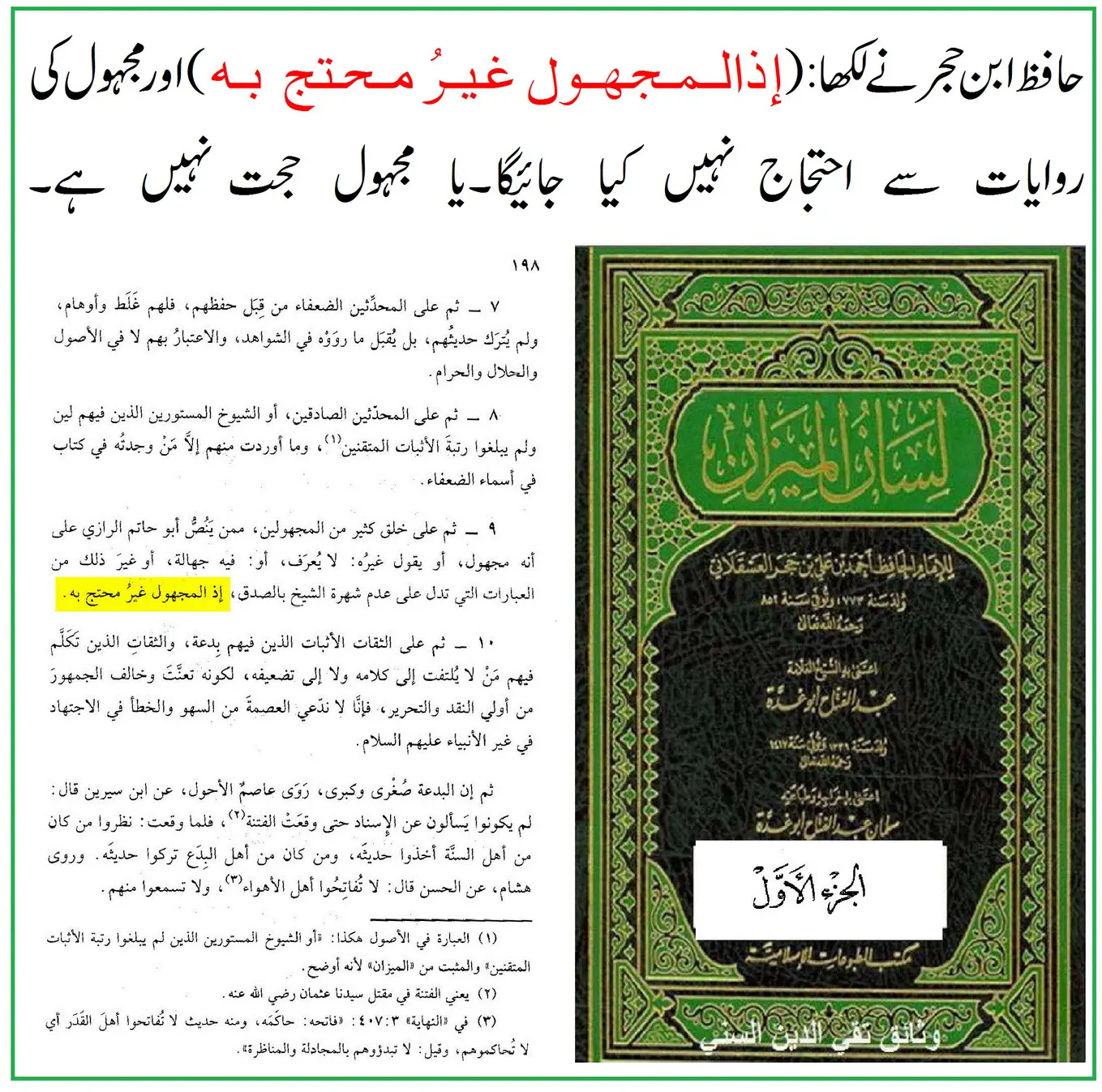
➊ Definition of Majhūl
According to the ḥadīth scholars, a narrator is considered majhūl when his integrity and precision are not established by reliable critics.Ḥāfiẓ Ibn Ḥajar رحمه الله said:
إذ المجهول غير محتج به
“Indeed, a majhūl narrator is not used as proof.”
Reference: Lisān al-Mīzān
➋ Mere Companionship Does Not Establish Reliability
Simply being close to Imām al-Bukhārī does not remove the ruling of being majhūl. Scholars have always required explicit authentication for accepting a narration. Mere association or proximity has never been sufficient proof.➌ Transmission by Scholars ≠ Authentication
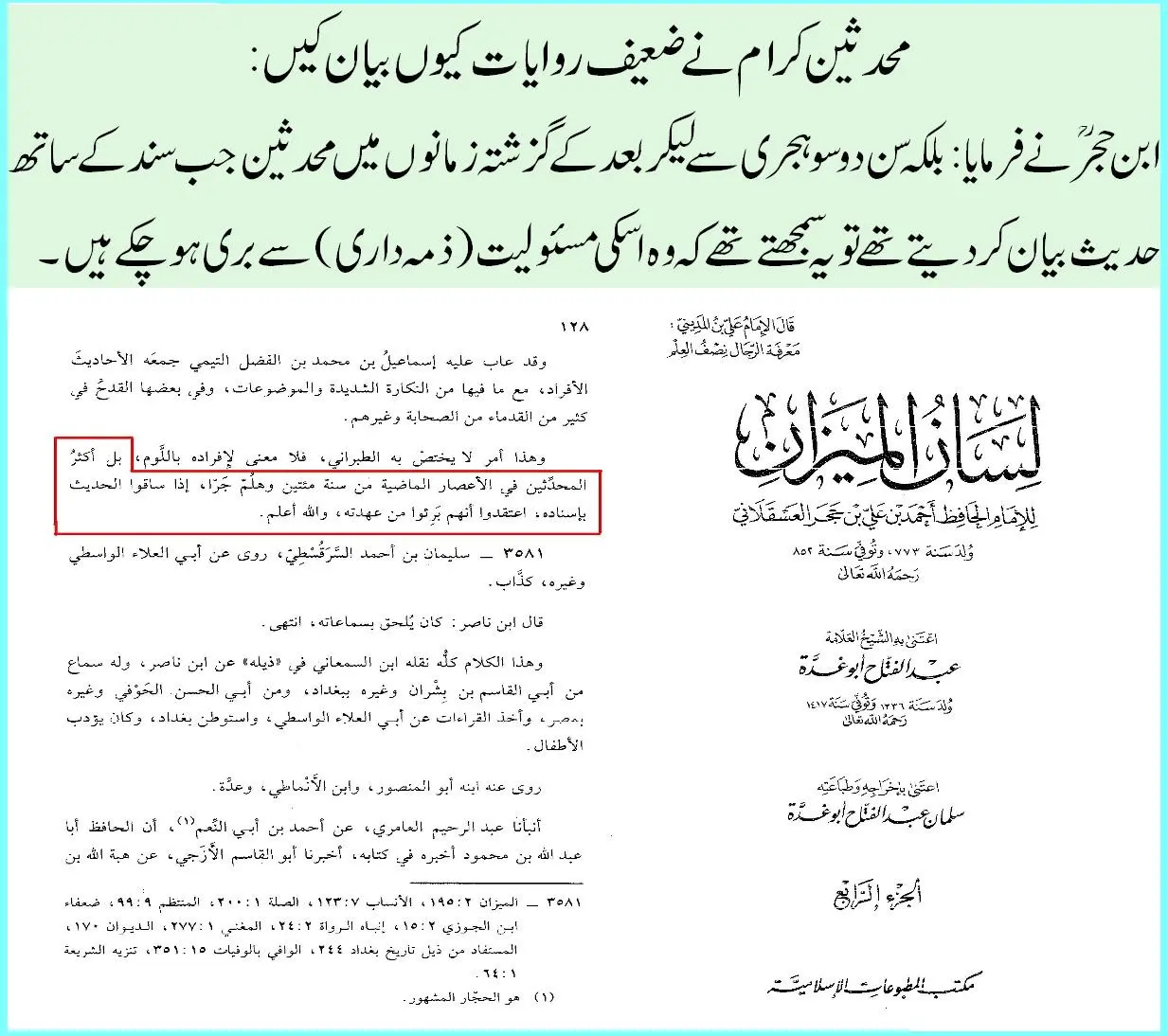
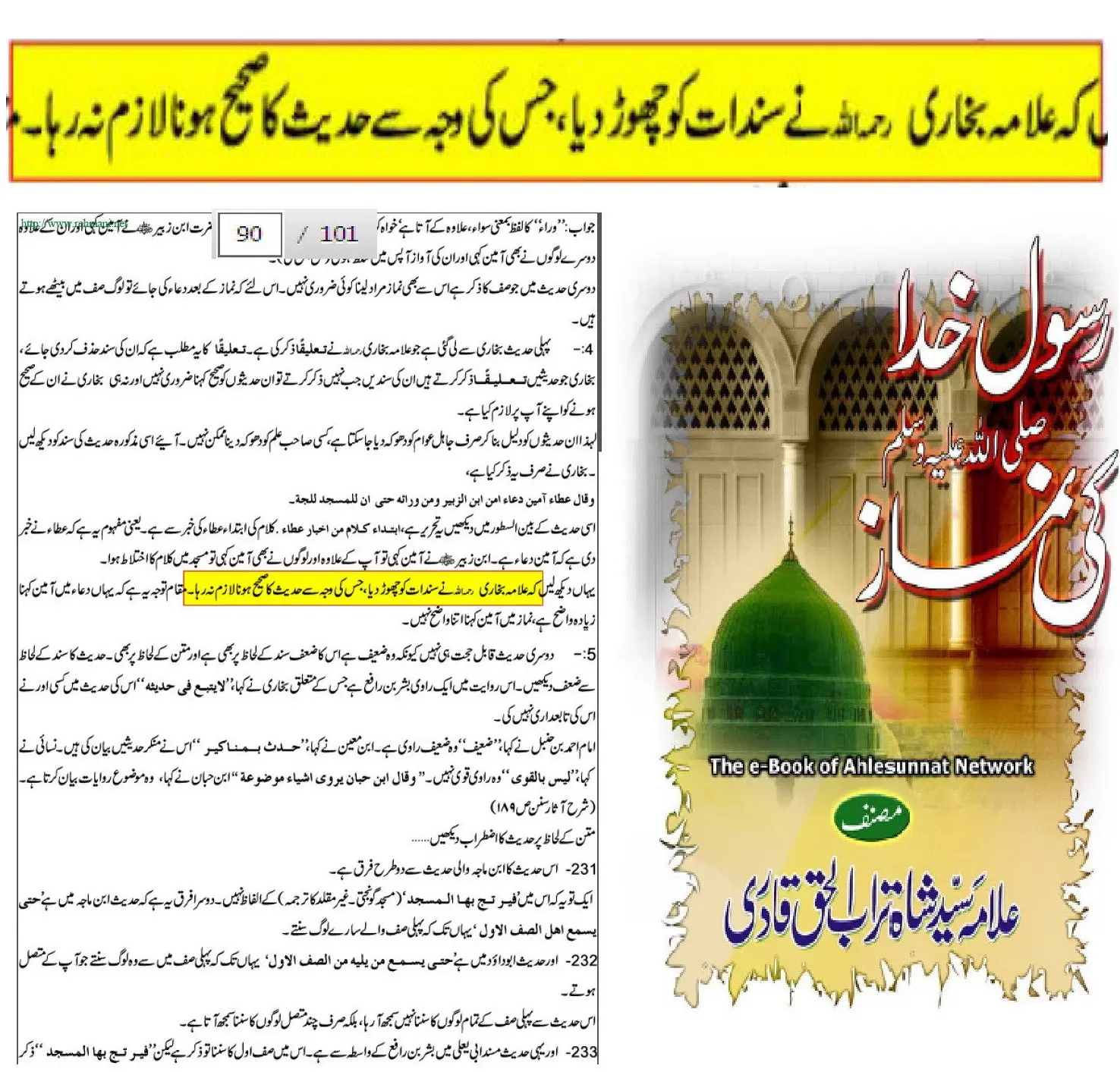
When ḥadīth scholars transmitted a narration with its chain, they absolved themselves of responsibility.Ḥāfiẓ Ibn Ḥajar رحمه الله clarified:
بل أكثر المحدثين … إذا ساقوا الحديث بإسناده اعتقدوا أنهم برؤوا من عهدته
Reference: Lisān al-Mīzān
Meaning: When scholars mentioned a narration with its chain, they considered themselves free of responsibility, even if a narrator within it was majhūl.
➍ Majority of Merits Narrated from Him
It may be correct that much of Imām al-Bukhārī’s biography is narrated through al-Warrāq. However, since he is majhūl al-ḥāl, most of his narrations cannot be used as proof. The greatness of Imām al-Bukhārī does not depend upon narrations from an unknown narrator. Conclusion
No معتبر scholar explicitly authenticated Muḥammad ibn Abī Ḥātim al-Warrāq. Therefore, he is majhūl, and reliance upon his narration is not permissible.Objection 2
They claim that Ḥāfiẓ Ibn Ḥajar رحمه الله mentioned a connected chain to al-Warrāq; therefore, he is reliable.Response
➊ Presence of Multiple Unknown Narrators
In Taghlīq al-Taʿlīq ʿalā Ṣaḥīḥ al-Bukhārī, the chain mentioned by Ibn Ḥajar contains more than five narrators whose reliability is not established.Ḥāfiẓ Ibn Ḥajar رحمه الله himself stated:
إذ المجهول غير محتج به
Reference: Lisān al-Mīzān 5/295
“Indeed, a majhūl narrator is not used as proof.”
Thus, the mere existence of a chain does not imply authentication.
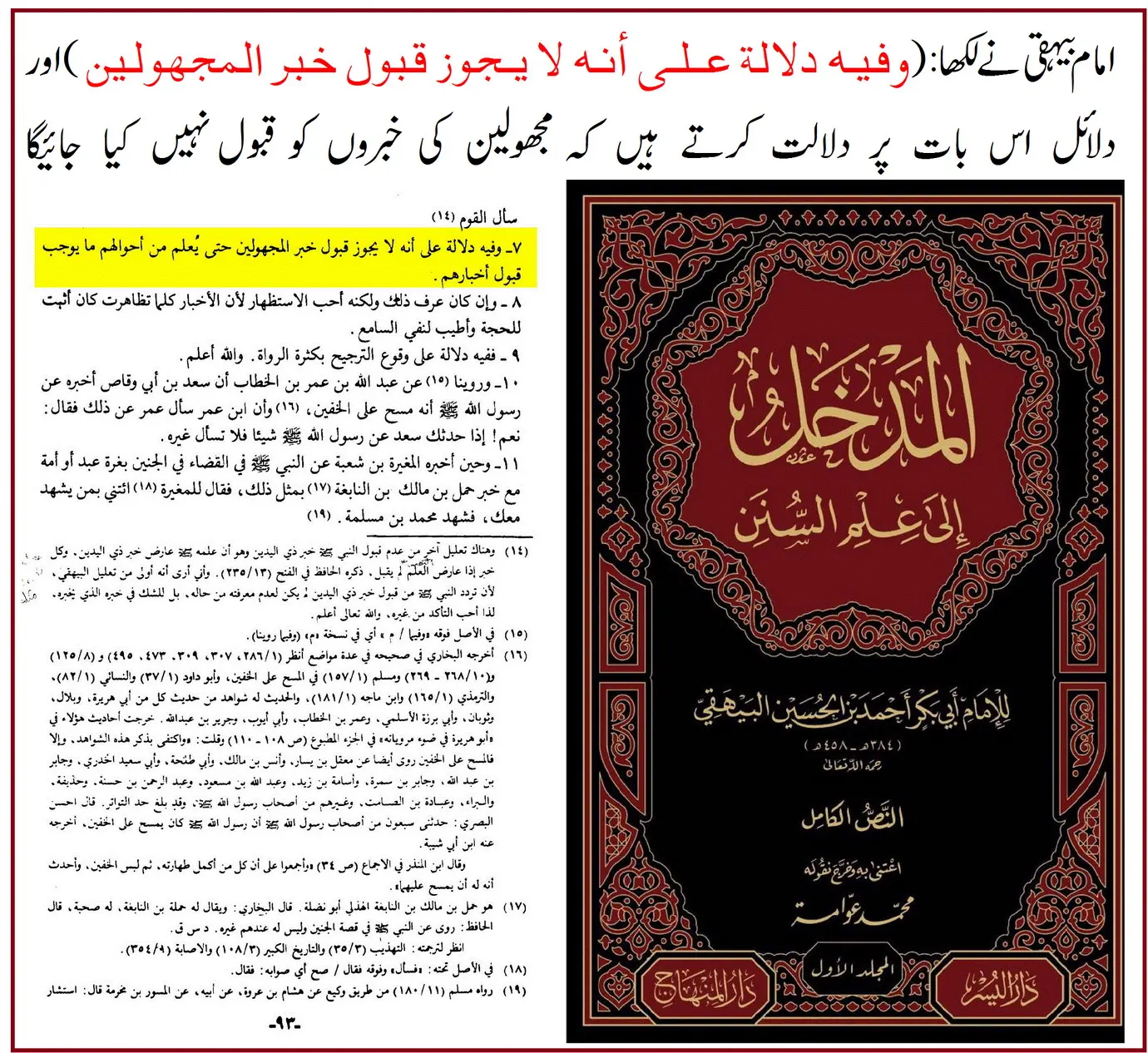
➋ Statement of Imām al-Bayhaqī رحمه الله
فِيهِ دَلَالَةٌ عَلَى أَنَّهُ لَا يَجُوزُ قَبُولُ خَبَرِ الْمَجْهُولِينَ حَتَّى يُعْلَمَ مِنْ أَحْوَالِهِمْ مَا يُوجِبُ قَبُولَ أَخْبَارِهِمْ
Reference: Al-Madkhal ilā al-Sunan al-Kubrā 1/7
“It indicates that the report of unknown narrators cannot be accepted until their conditions are known in a manner that justifies accepting their reports.”
Objection 3
They argue that Imām al-Dhahabī رحمه الله also mentioned al-Warrāq with a chain; therefore, he is reliable.Response
The chain mentioned by Imām al-Dhahabī in Siyar Aʿlām al-Nubalā’ also contains several majhūl narrators whose reliability has not been explicitly affirmed by recognized scholars.Statements of Scholars Regarding Majhūl Narrators
◈ Ḥāfiẓ Ibn Ḥajar رحمه الله:إذ المجهول غير محتج به
Reference: Lisān al-Mīzān
◈ Imām al-Bayhaqī رحمه الله:
لا يجوز قبول خبر المجهولين حتى يعلم من أحوالهم ما يوجب قبول أخبارهم
Reference: Al-Madkhal ilā al-Sunan al-Kubrā
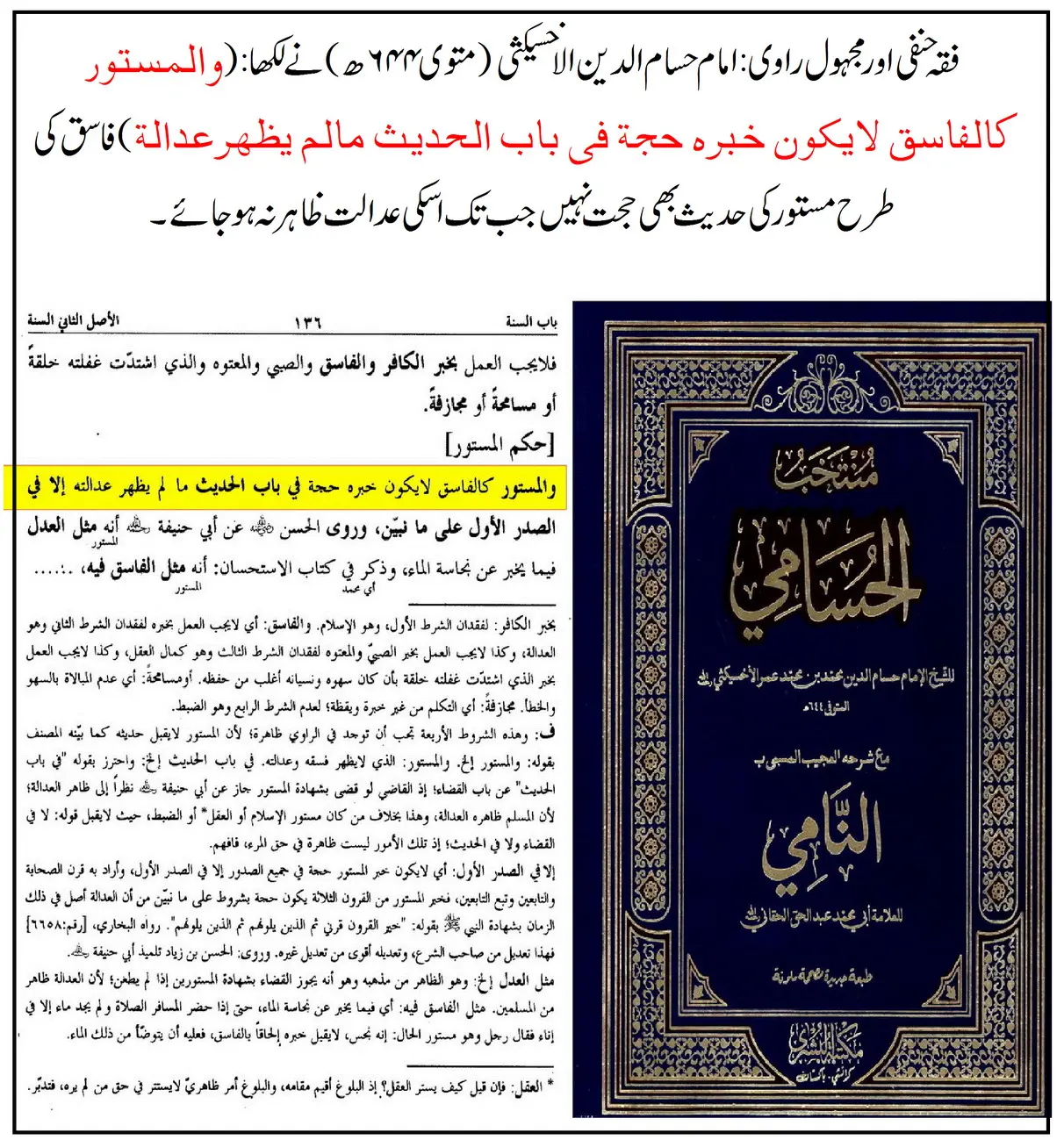
◈ Imām Ḥusām al-Dīn al-Akhsīkathī (Ḥanafī):
“The narration of a majhūl al-ḥāl (mastūr) is not proof until his integrity becomes apparent.”
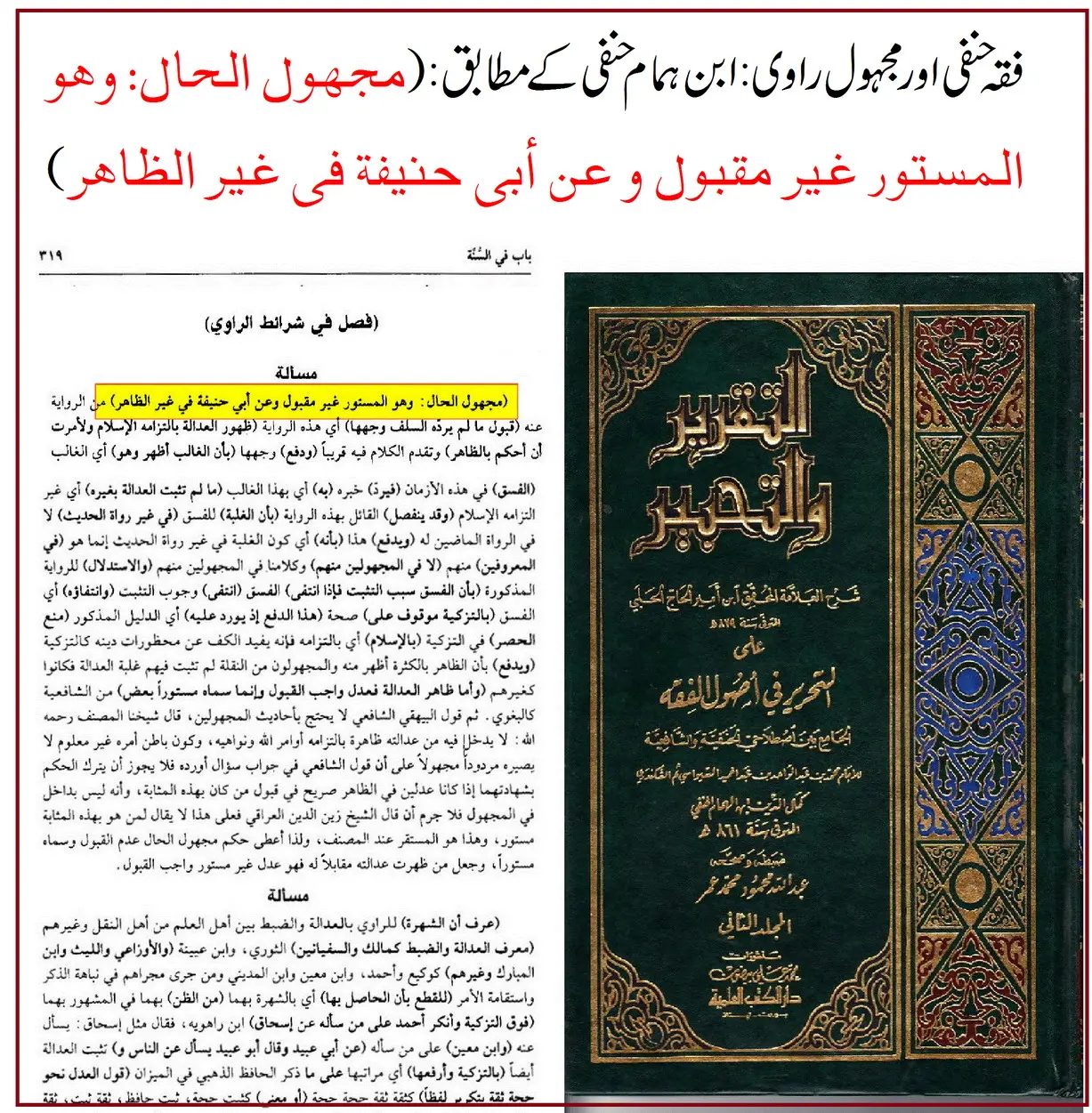
◈ Imām Ibn al-Humām (Ḥanafī):
المجهول الحال راوي مستور، وروايته عند أبي حنيفة غير مقبولة
“A narrator of unknown condition is considered mastūr, and his narration is not accepted according to Imām Abū Ḥanīfah.”
Objection 4
They argue that Ghālib ibn Jibrīl was counted among the people of knowledge according to al-Khaṭīb al-Baghdādī; therefore, the incident cannot be rejected.Response
Imām al-Khaṭīb al-Baghdādī رحمه الله said:لا أعلم له حديثا مسندا، يقال إنه كان من أهل العلم
Reference: Al-Muttafiq wa al-Muftariq
“I do not know of any musnad narration from him; it is said that he was among the people of knowledge.”
This clearly shows that although he was regarded as knowledgeable, he had no musnad narrations. He was not a recognized ḥadīth scholar or authenticated narrator.
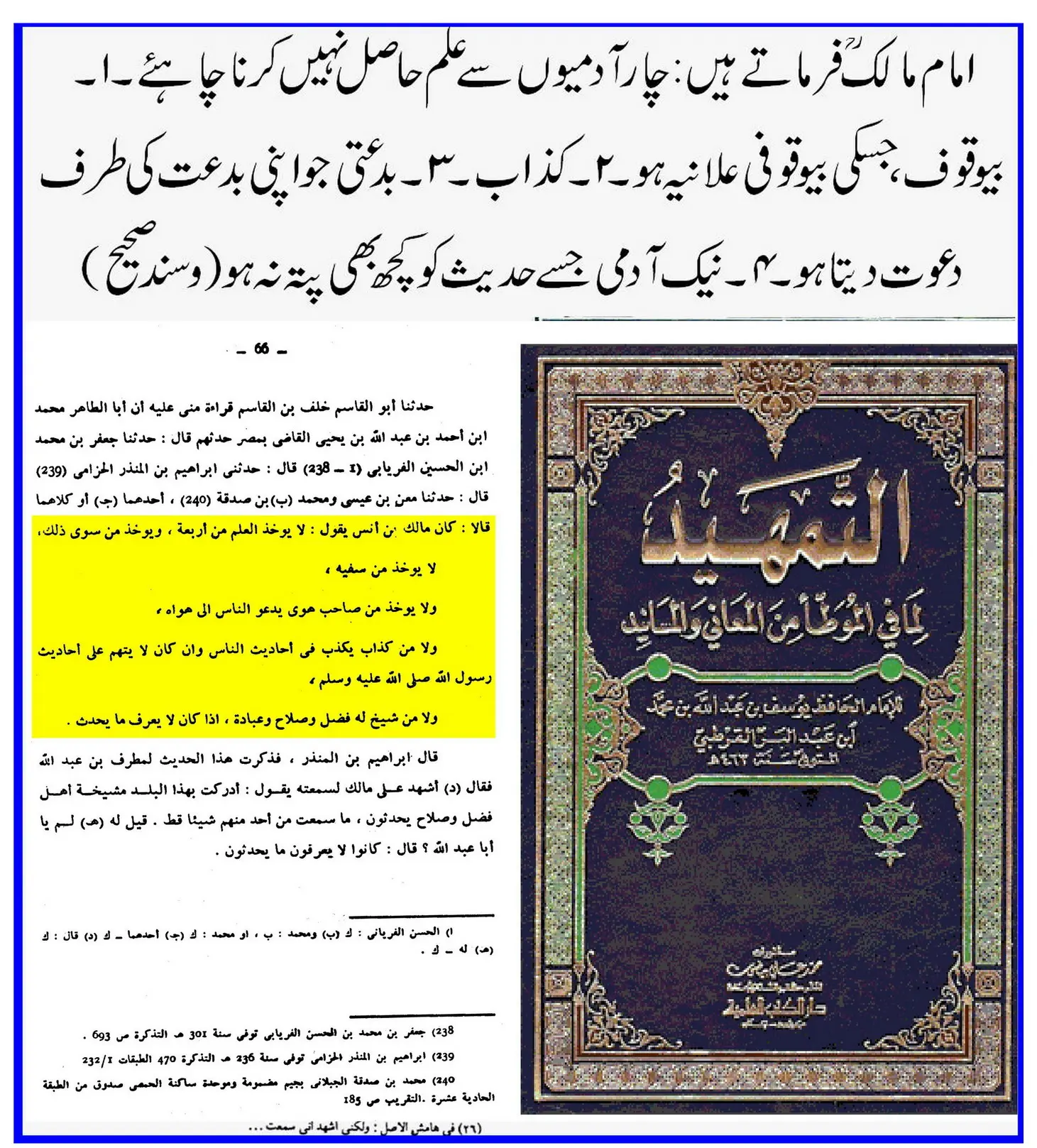
Principle of Imām Mālik رحمه الله
لَا يُؤْخَذُ الْعِلْمُ مِنْ أَرْبَعَةٍ … وَلَا مِنْ شَيْخٍ لَهُ فَضْلٌ وَصَلَاحٌ وَعِبَادَةٌ إِذَا كَانَ لَا يَعْرِفُ مَا يُحَدِّثُ
Reference: Al-Tamhīd 1/59
“Knowledge is not taken from four types of people… including a pious and righteous worshipper who does not know what he narrates.”
Summary and Final Conclusion
① Muḥammad ibn Abī Ḥātim al-Warrāq has not been explicitly authenticated by any معتبر Imām; therefore, he is majhūl.② Ghālib ibn Jibrīl is also not an established narrator; he was merely described as being among the people of knowledge, with no musnad narrations known from him.
③ The report of an unknown or unreliable narrator cannot be used as proof in religion, no matter how famous it may be.
④ The greatness of Imām al-Bukhārī رحمه الله is not dependent upon such unverified stories. His greatest miracle is his book Al-Jāmiʿ al-Ṣaḥīḥ, which has been regarded as the most authentic book after the Qur’ān.
 Final Verdict
The story that fragrance emanated from the grave of Imām al-Bukhārī رحمه الله is not authentically established through a sound chain of transmission. It is not valid as proof because its primary narrators are unknown. Therefore, according to the principles of Ahl al-Ḥadīth, this incident is either false or at the very least unreliable, and no religious argument can be based upon it.