Compiled by: Abu Hamzah Salafi
❖ Introduction
This article is a research-based analysis of how some individuals from the Barelvi school of thought have tried to equate the concept of Abdāl held by Ahl al-Sunnah wal-Jamāʿah (referring to scholars and people of Hadith) with that of the Sufi interpretation (often innovators).
To support this claim, they presented several Marfūʿ narrations, although none of them are authentically established from the Messenger of Allah ﷺ.
 In this research, we will:
❀ Examine each narrated Hadith with its chain and matn (text), quoting the judgments of expert Hadith scholars.
❀ Clarify if the narration is weak, rejected, or fabricated.
❀ Finally, present the true understanding of Abdāl as held by the scholars of Hadith and Ahl al-Sunnah.
 First Narration: From Anas ibn Mālik رضي الله عنه
Original Source: al-Muʿjam al-Awsaṭ by al-Ṭabarānī, Hadith 4101
«لَنْ تَخْلُوَ الْأَرْضُ مِنْ أَرْبَعِينَ رَجُلًا مِثْلَ إِبْرَاهِيمَ خَلِيلِ الرَّحْمَنِ، فَبِهِمْ يُسْقَوْنَ، وَبِهِمْ يُنْصَرُونَ، مَا مَاتَ مِنْهُمْ أَحَدٌ إِلَّا أَبْدَلَ اللهُ مَكَانَهُ آخَرَ»
Translation:
The Messenger of Allah ﷺ said:
"The earth will never be devoid of forty men like Ibrahim, the Friend of the Most Merciful. Through them, people are given rain, and through them, help is granted. Whenever one of them dies, Allah replaces him with another."
✦ Analysis of Chain:
① Ishāq ibn Zurayq al-Rāsibī — Majhūl al-ḥāl (unknown state)
❀ al-Haythamī said:
“Only Ishāq ibn Zurayq narrated it, and I did not find a biography for him. The rest of the narrators are trustworthy.”
Reference: Majmaʿ al-Zawāʾid, 2/3156
② Reliance on al-Thiqāt of Ibn Ḥibbān?
❀ Imām al-Dhahabī:
“One should not be pleased by Ibn Ḥibbān's inclusion of someone in al-Thiqāt, as his methodology is known for accepting unknown narrators.”
Reference: Mīzān al-Iʿtidāl, No. 6020
③ al-Albānī’s Ruling:
“This narration is solely from Ishāq ibn Ruzayq al-Rāsibī, for whom no biography was found in any book of Rijāl. Also, his Shaykh ʿAlī ibn Saʿīd al-Rāzī is weak.”
Reference: Silsilat al-Aḥādīth al-Ḍaʿīfah, 4341
Second Narration: From ʿUbādah ibn al-Ṣāmit رضي الله عنه
Original Source: Musnad Aḥmad, 22751
«الْأَبْدَالُ فِي هَذِهِ الْأُمَّةِ ثَلَاثُونَ، مِثْلُ إِبْرَاهِيمَ خَلِيلِ الرَّحْمَنِ، كُلَّمَا مَاتَ رَجُلٌ أَبْدَلَ اللَّهُ مَكَانَهُ رَجُلًا»
Translation:
"The Abdāl in this Ummah are thirty, like Ibrahim the Friend of the Most Merciful. Whenever one of them dies, Allah replaces him with another."
✦ Analysis of Chain:
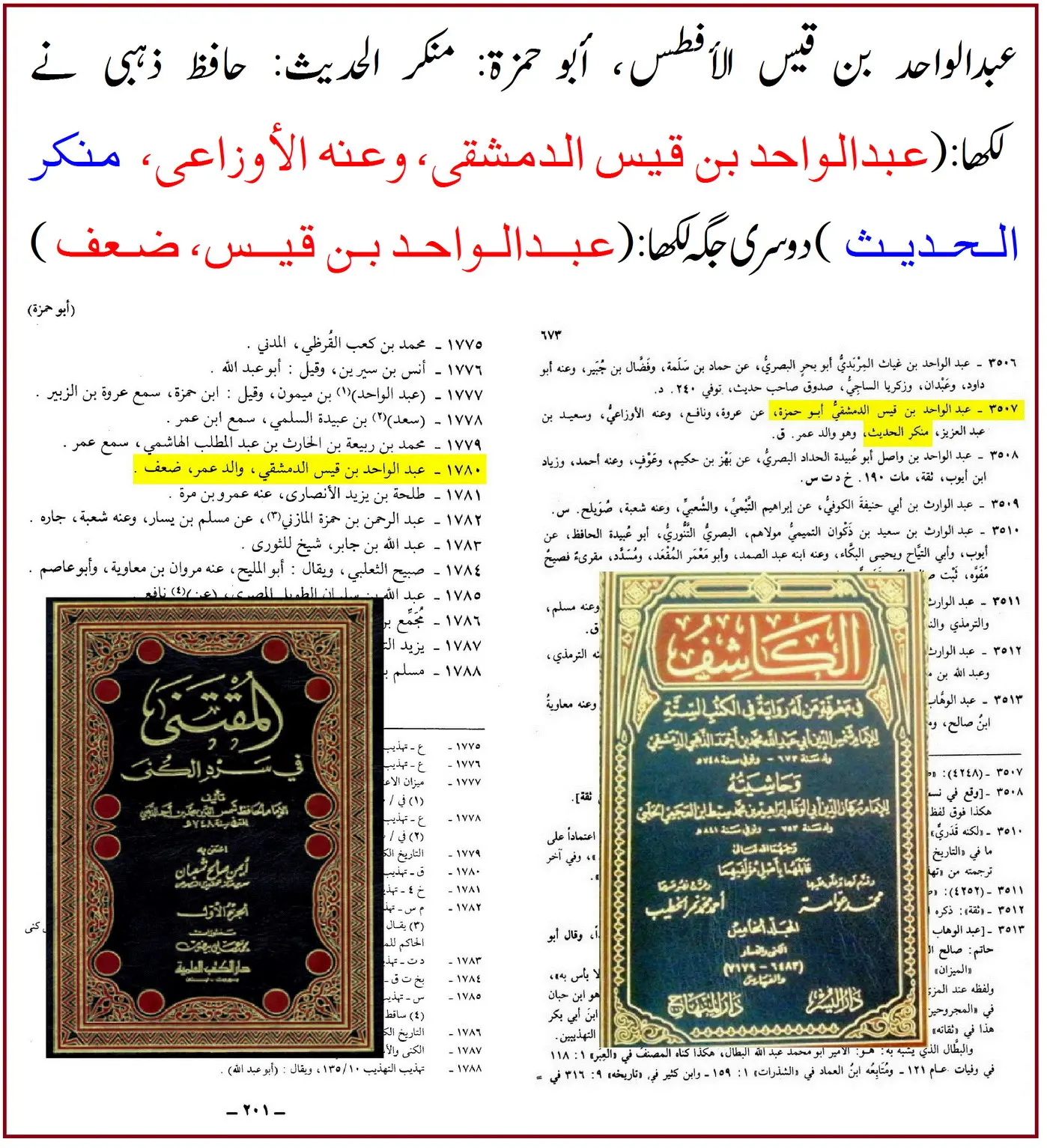
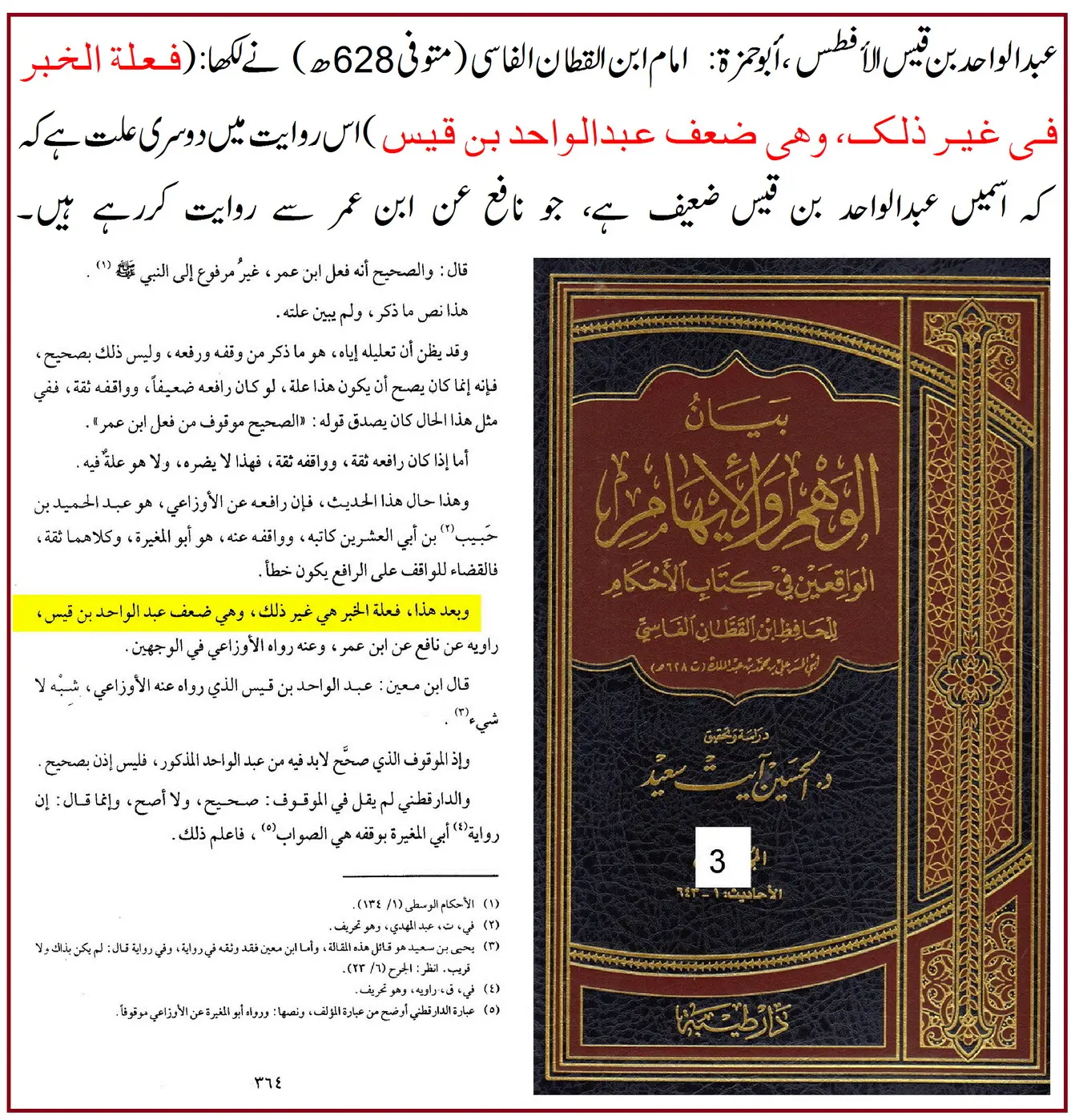
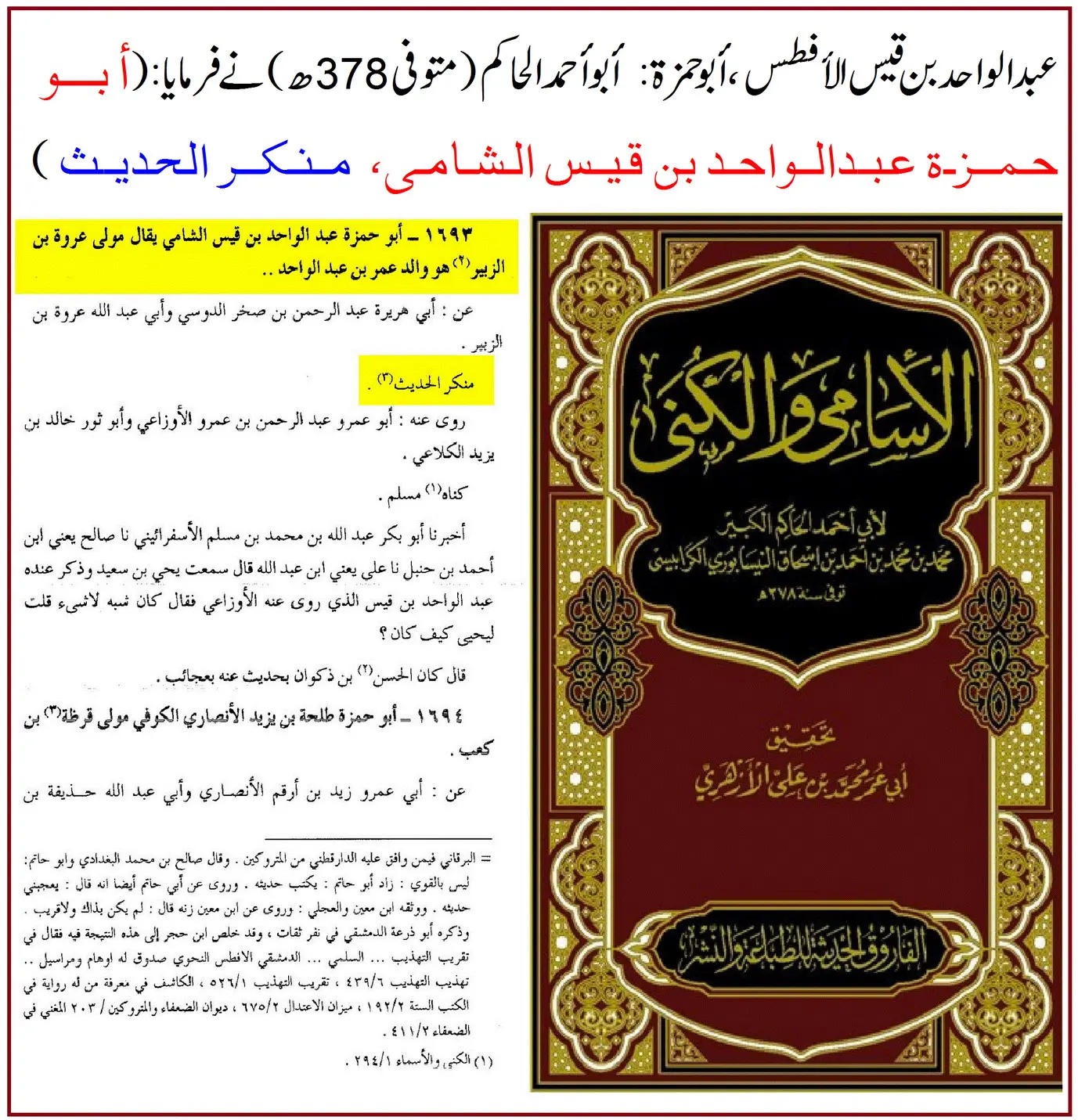
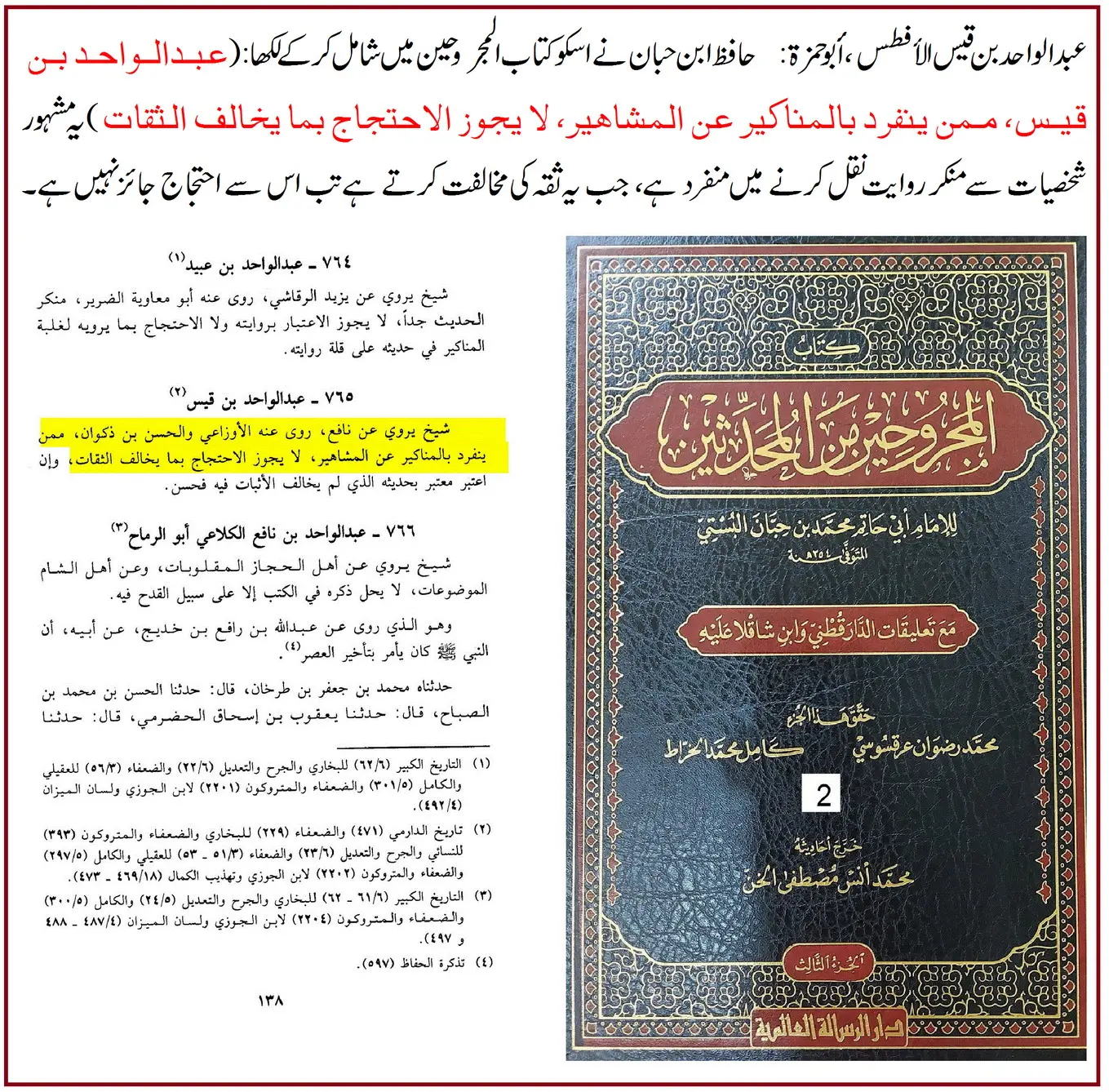
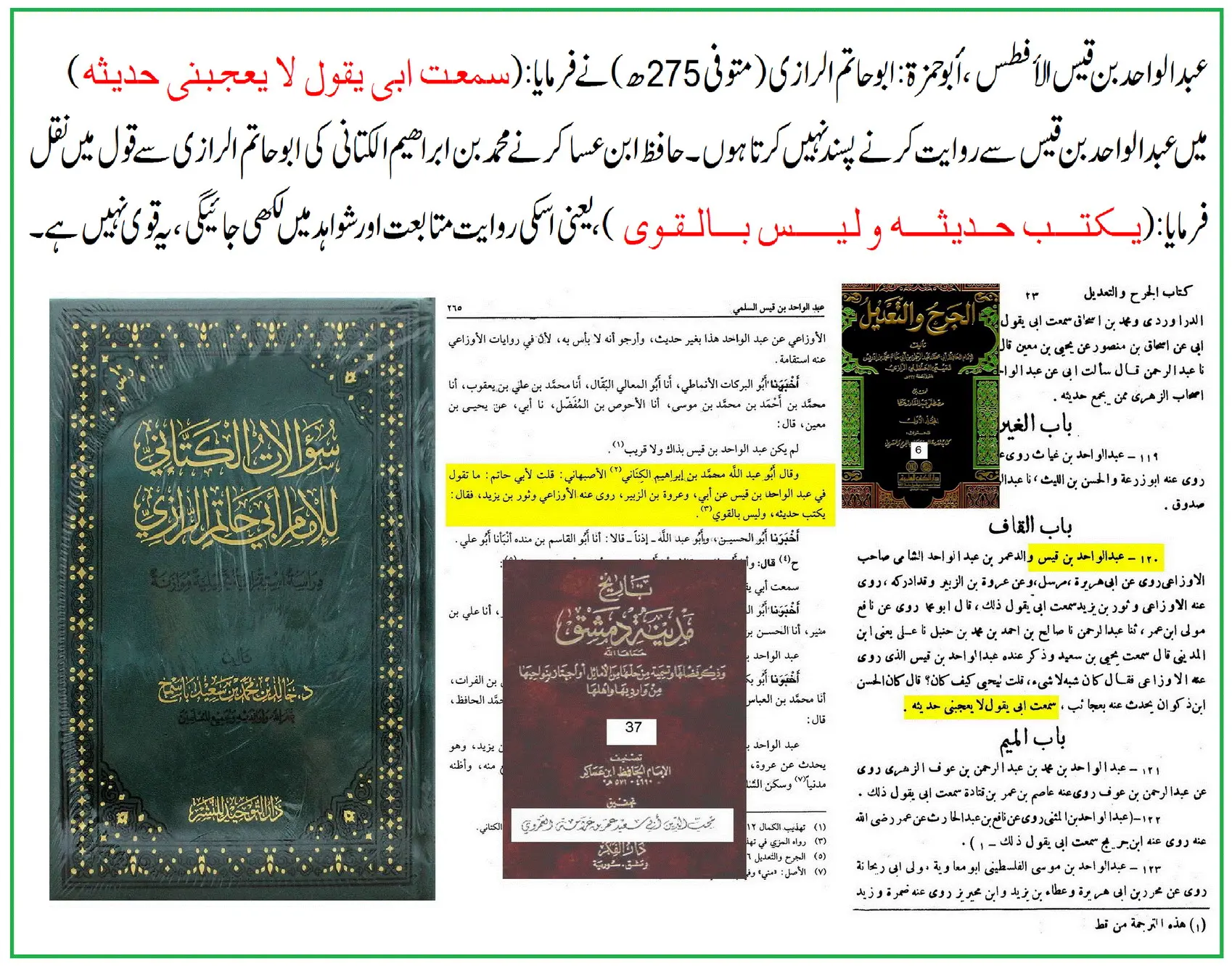
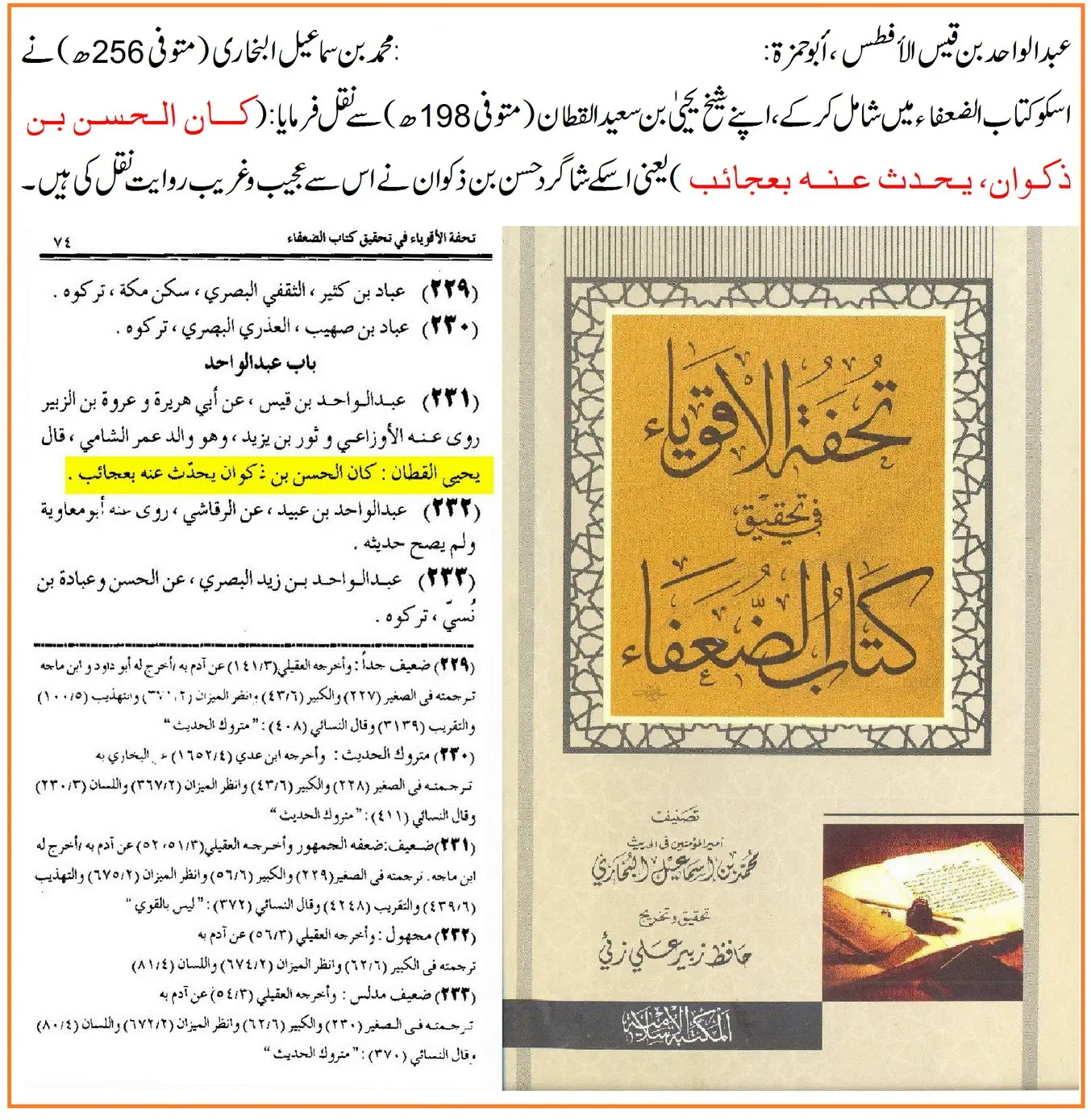
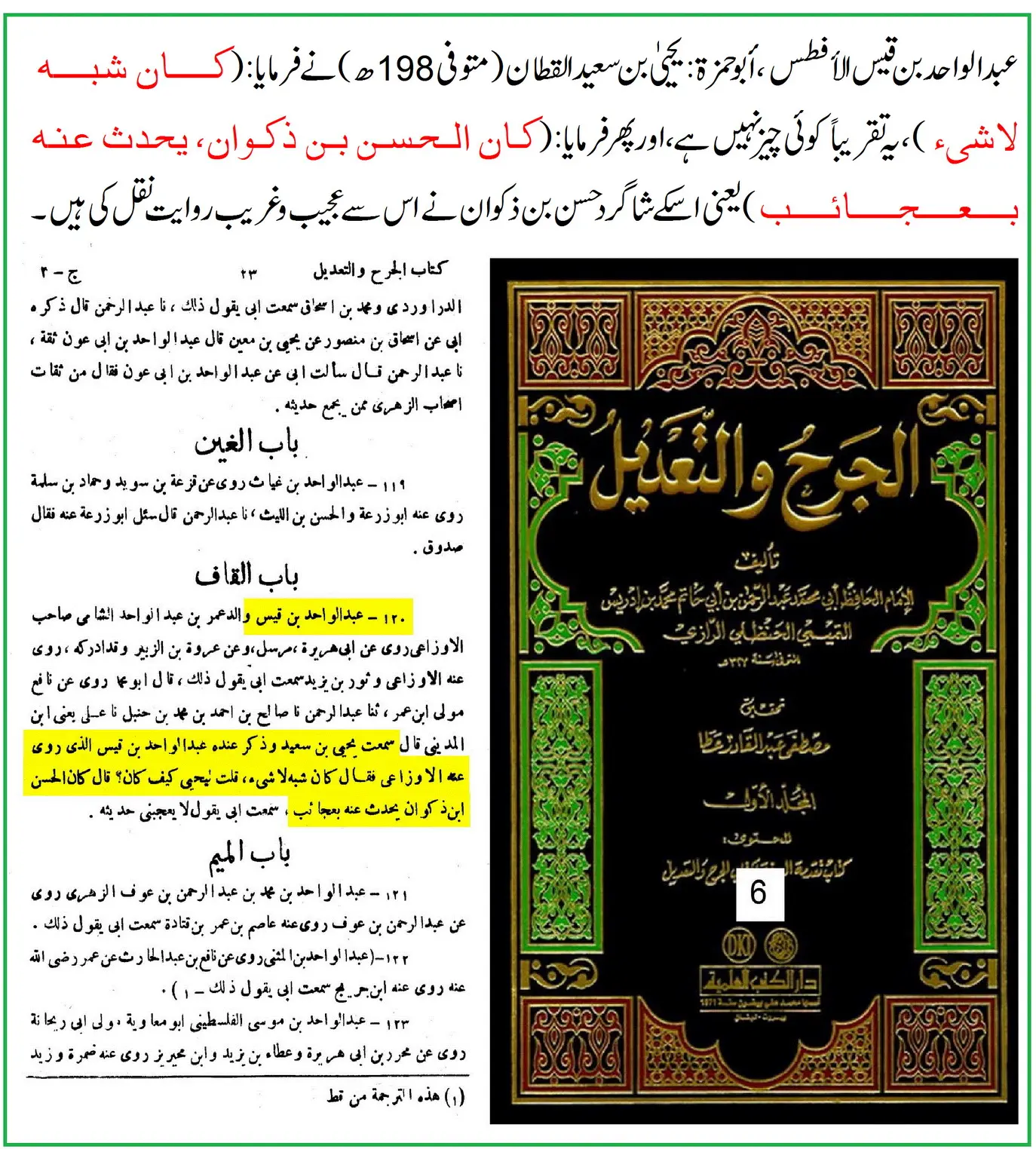
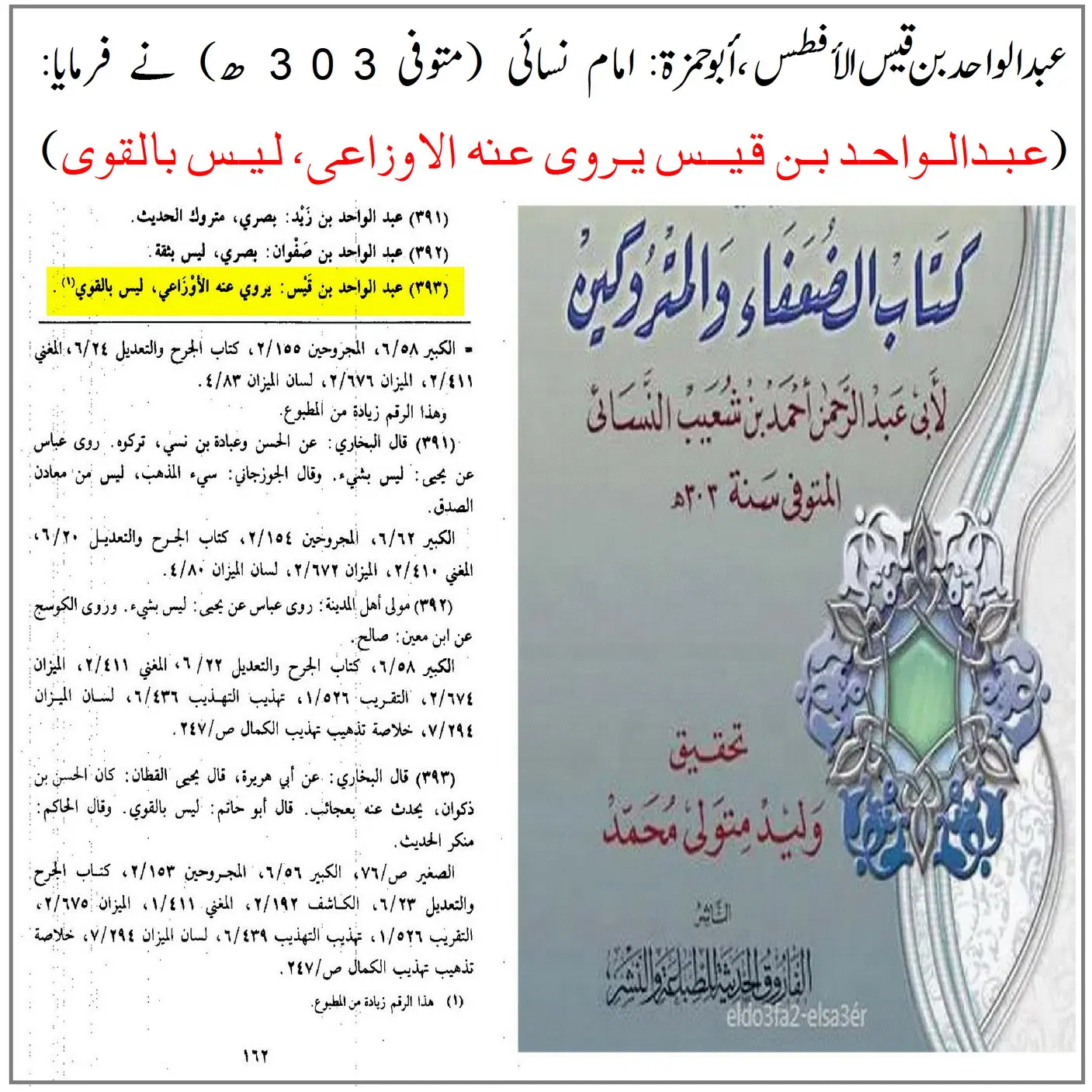
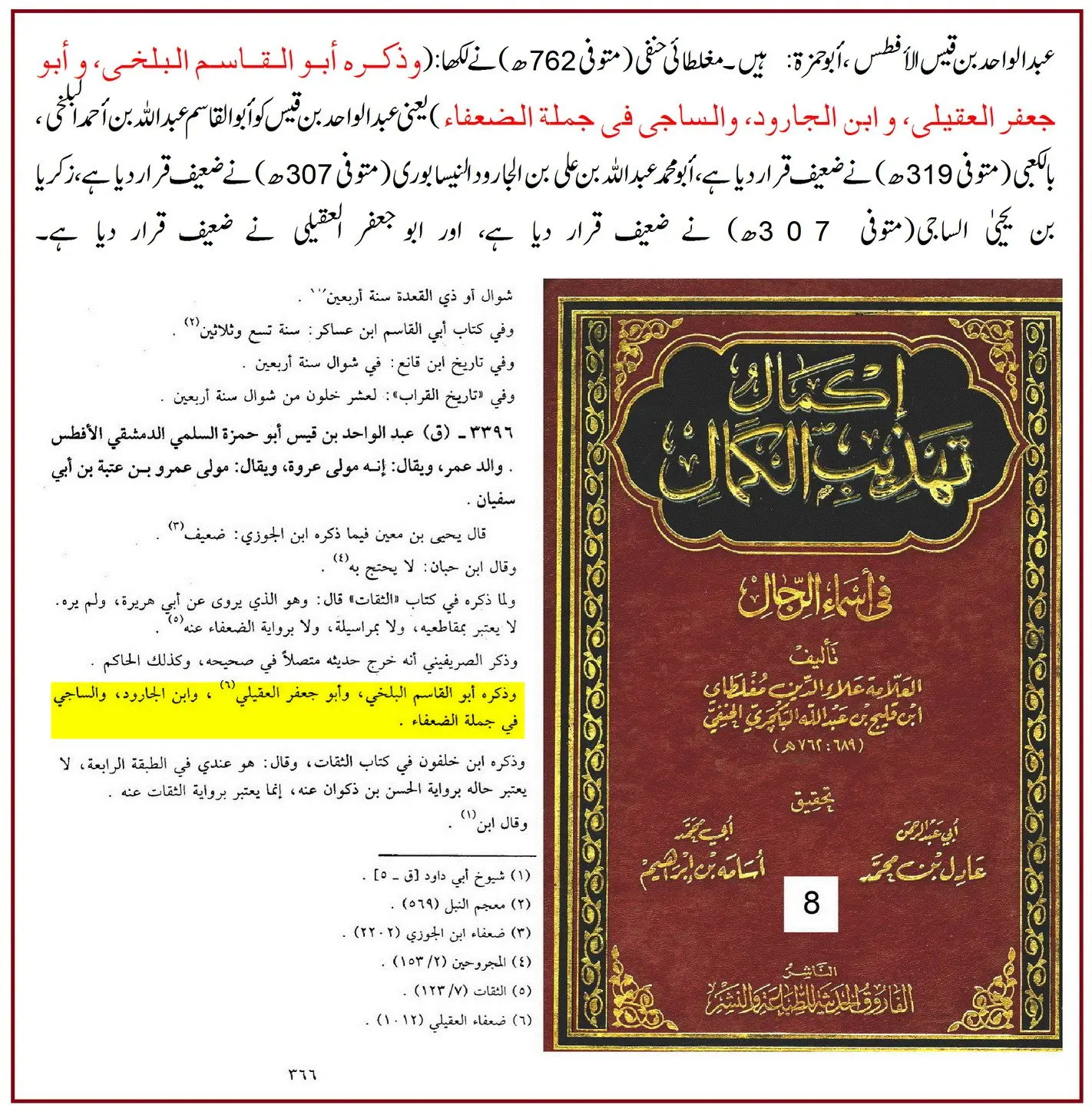
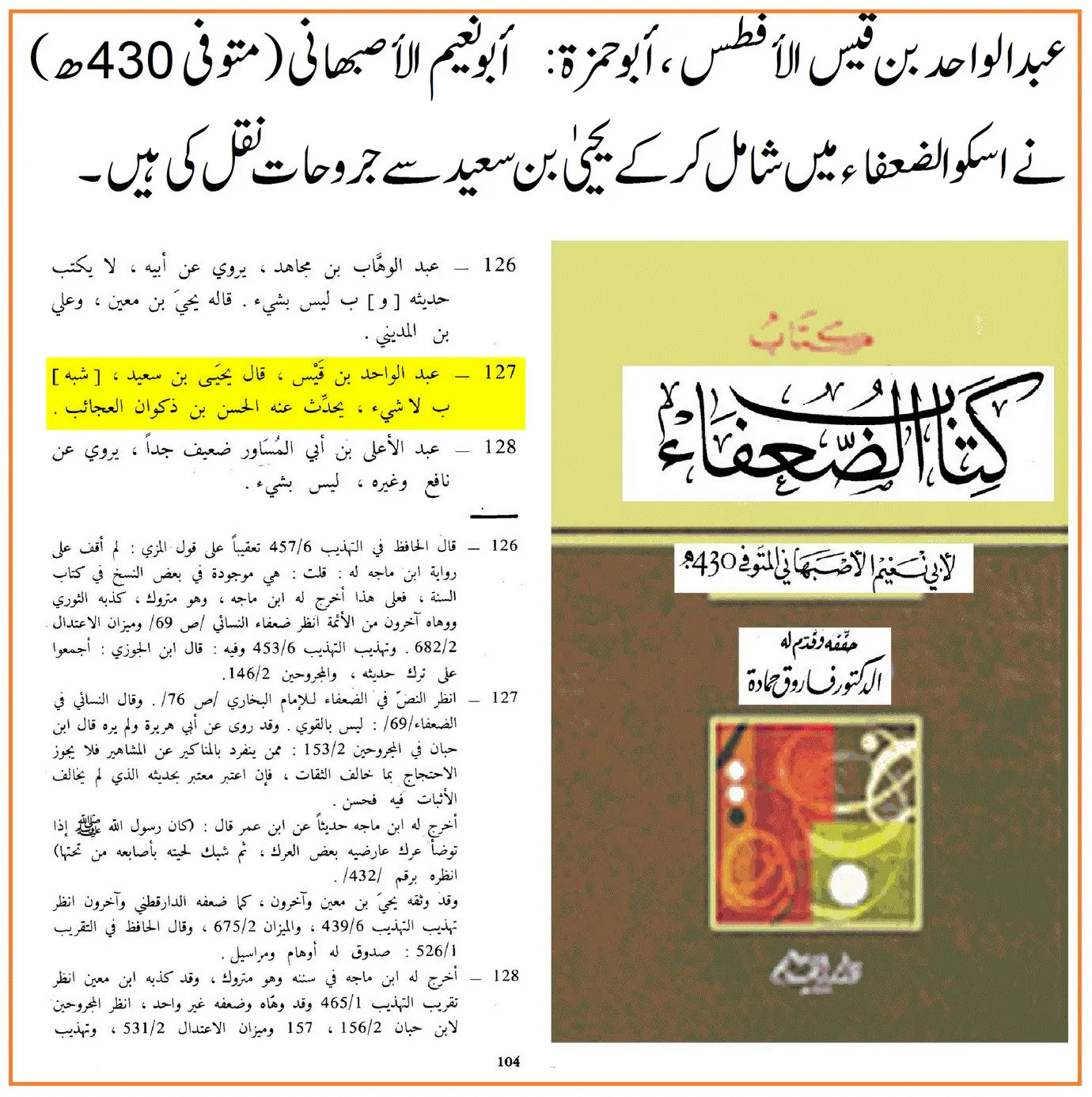
- ʿAbd al-Wāḥid ibn Qays — Declared weak and denier of Hadith (munkar al-ḥadīth)
❀ Imām al-Dhahabī:
“ʿAbd al-Wāḥid ibn Qays... Munkar al-ḥadīth.”
Reference: al-Kāshif, No. 3507
❀ Imām al-Bukhārī:
“al-Ḥasan ibn Dhakwān narrates from him strange reports.”
Reference: al-Ḍuʿafāʾ by al-Bukhārī, No. 236
❀ Ibn Ḥibbān:
“He narrates rejected reports from well-known narrators. His opposition to trustworthy narrators makes his narrations invalid.”
Reference: al-Majrūḥīn, No. 768
[Further Narrations: 3rd to 12th]
Each of the following narrations was thoroughly evaluated and found weak due to reasons such as:
- Majhūl al-ḥāl (unknown narrators)
- Tadlīs (concealing the source of Hadith)
- Irsāl (broken chains)
- Munkar al-ḥadīth (rejected narrators)
- Mawḍūʿ (fabricated reports)
These include:
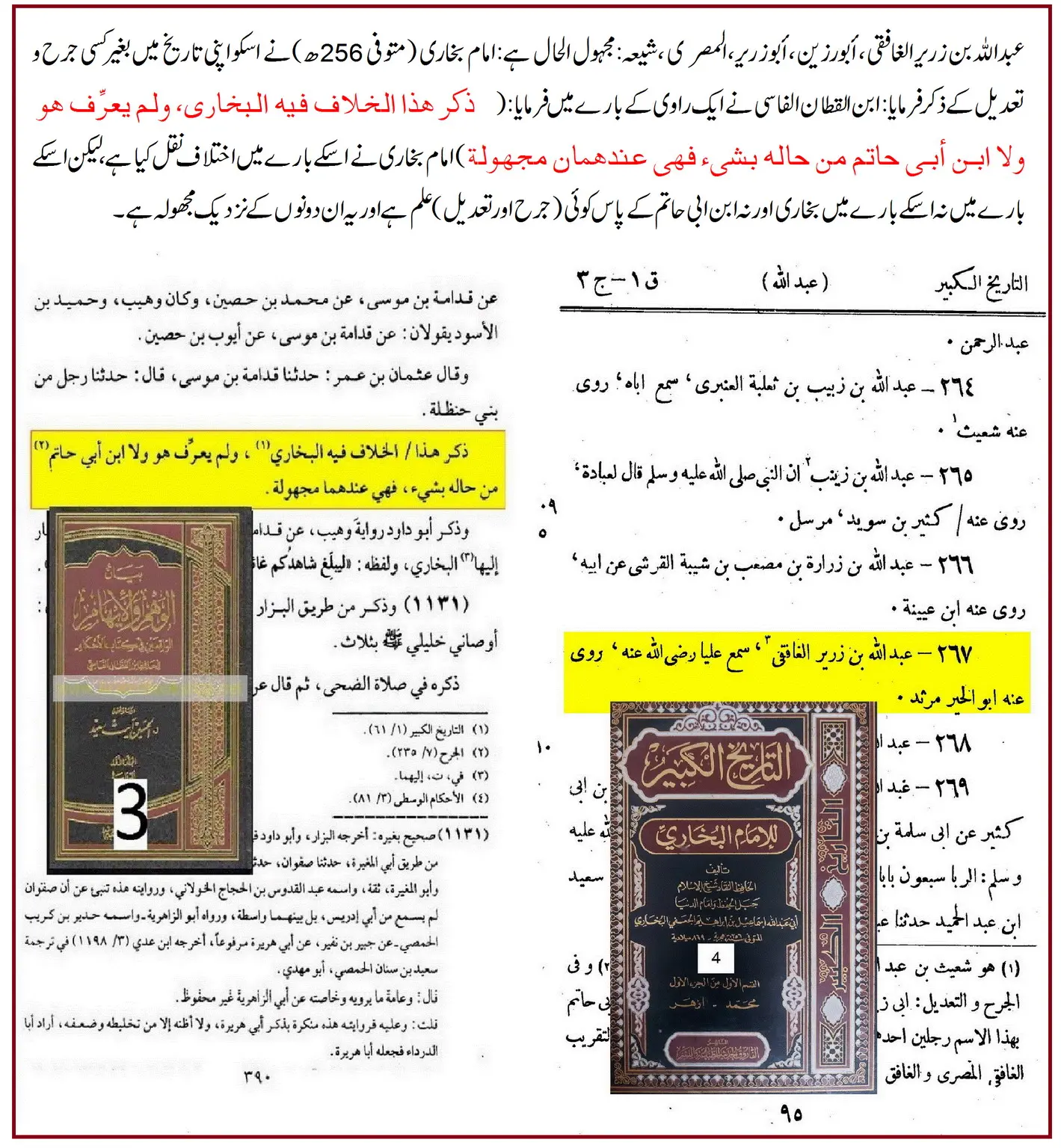
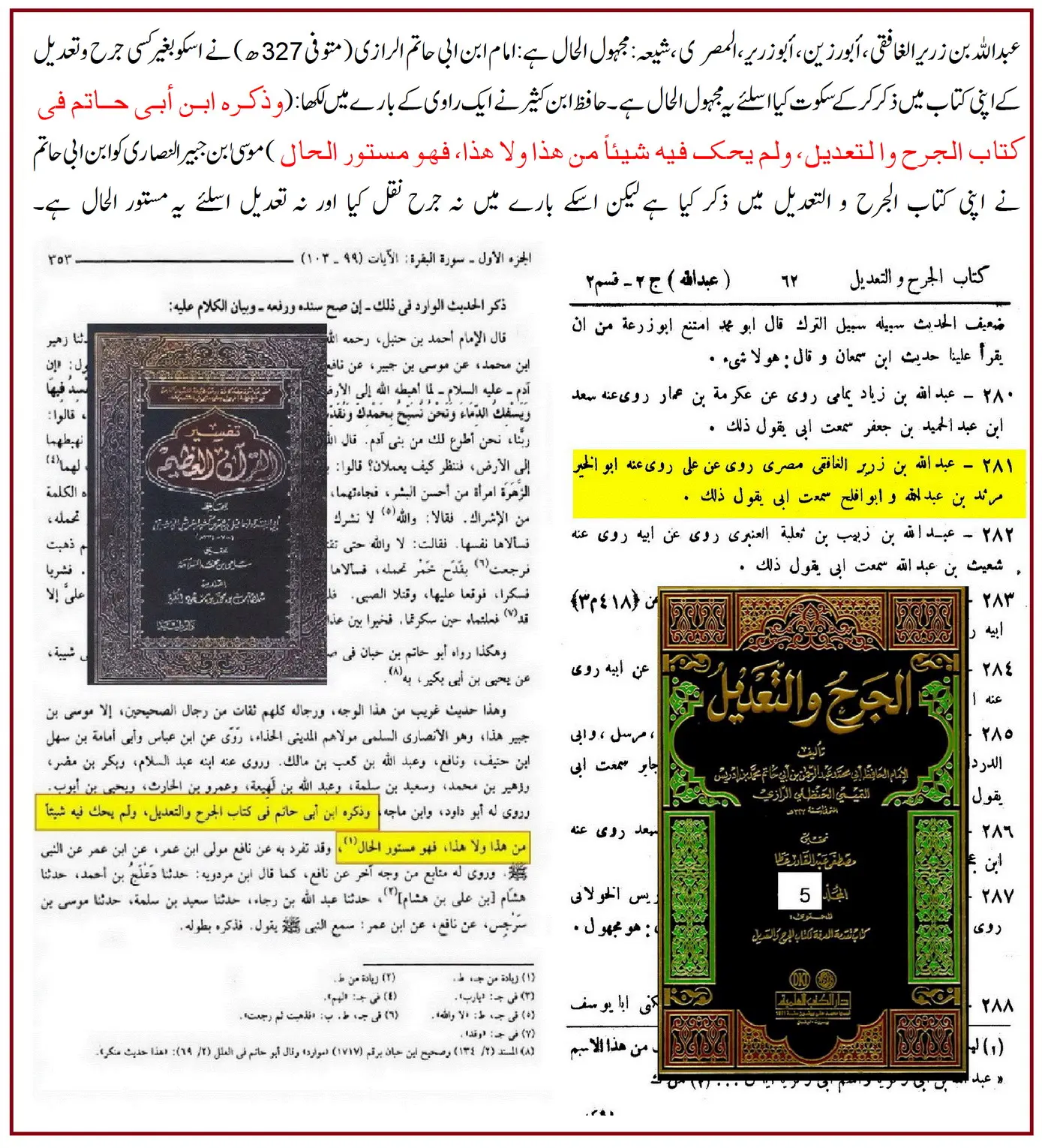
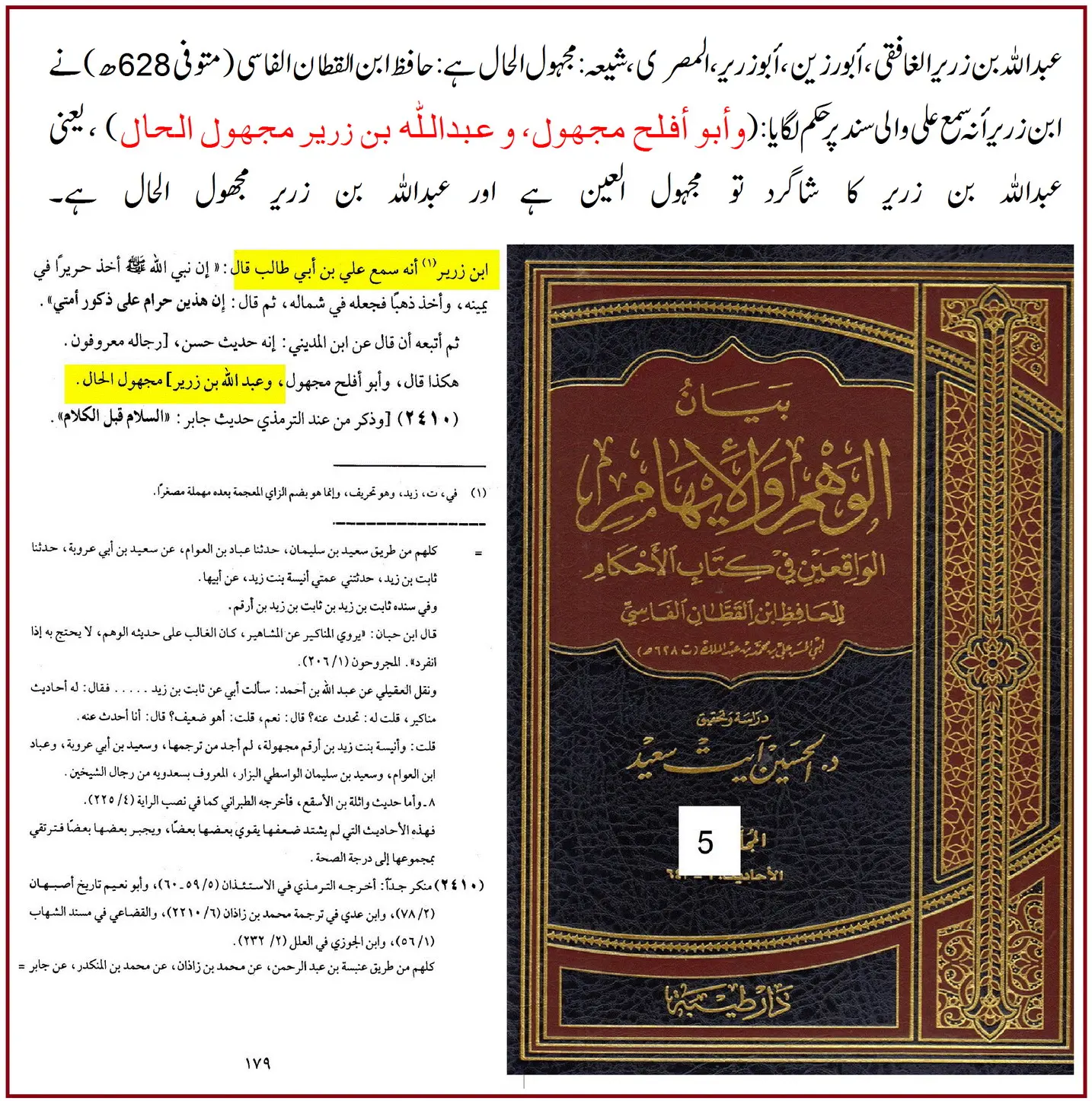
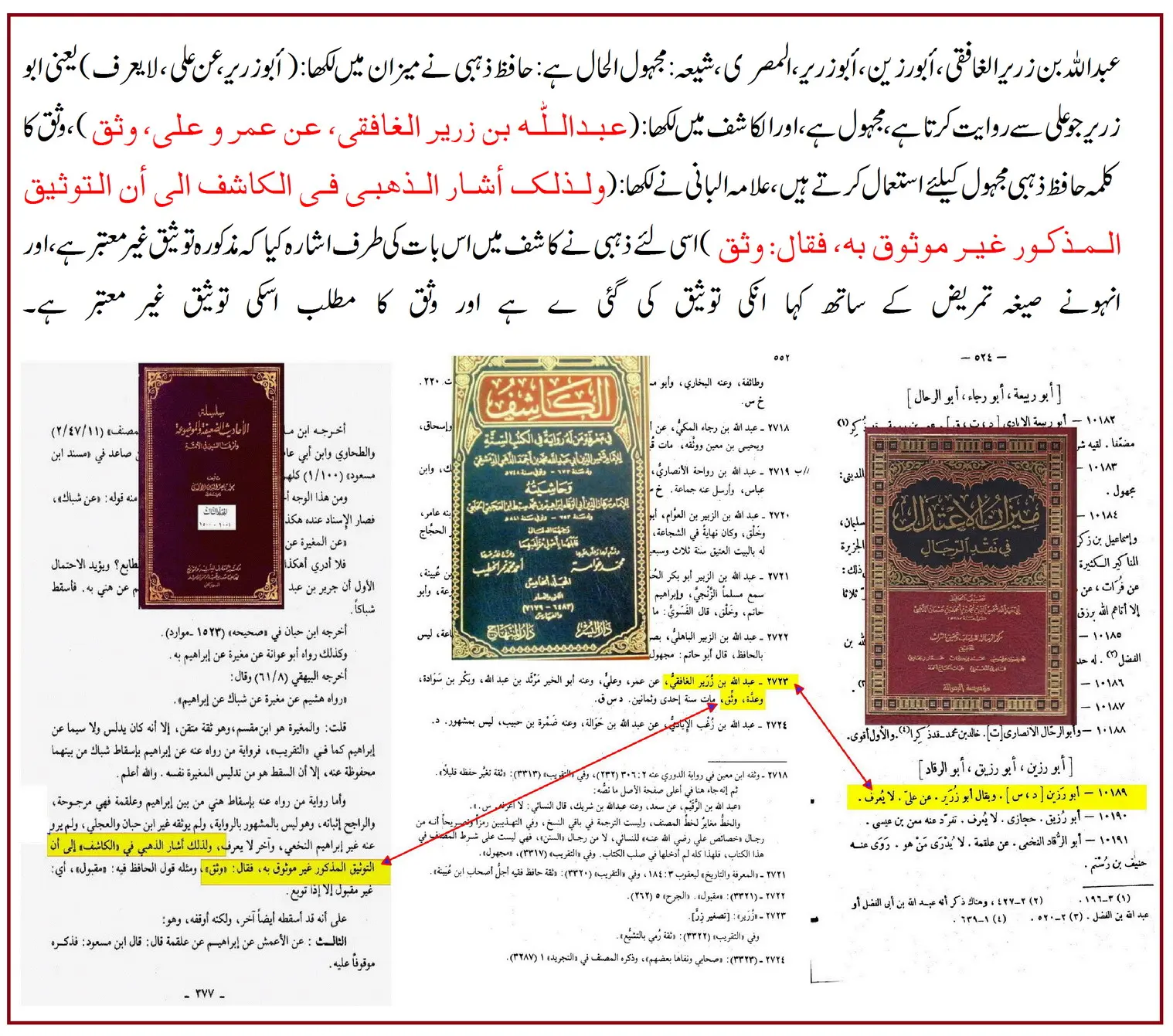
- Narration of ʿAbdullāh ibn Zurayr al-Ghāfiqī
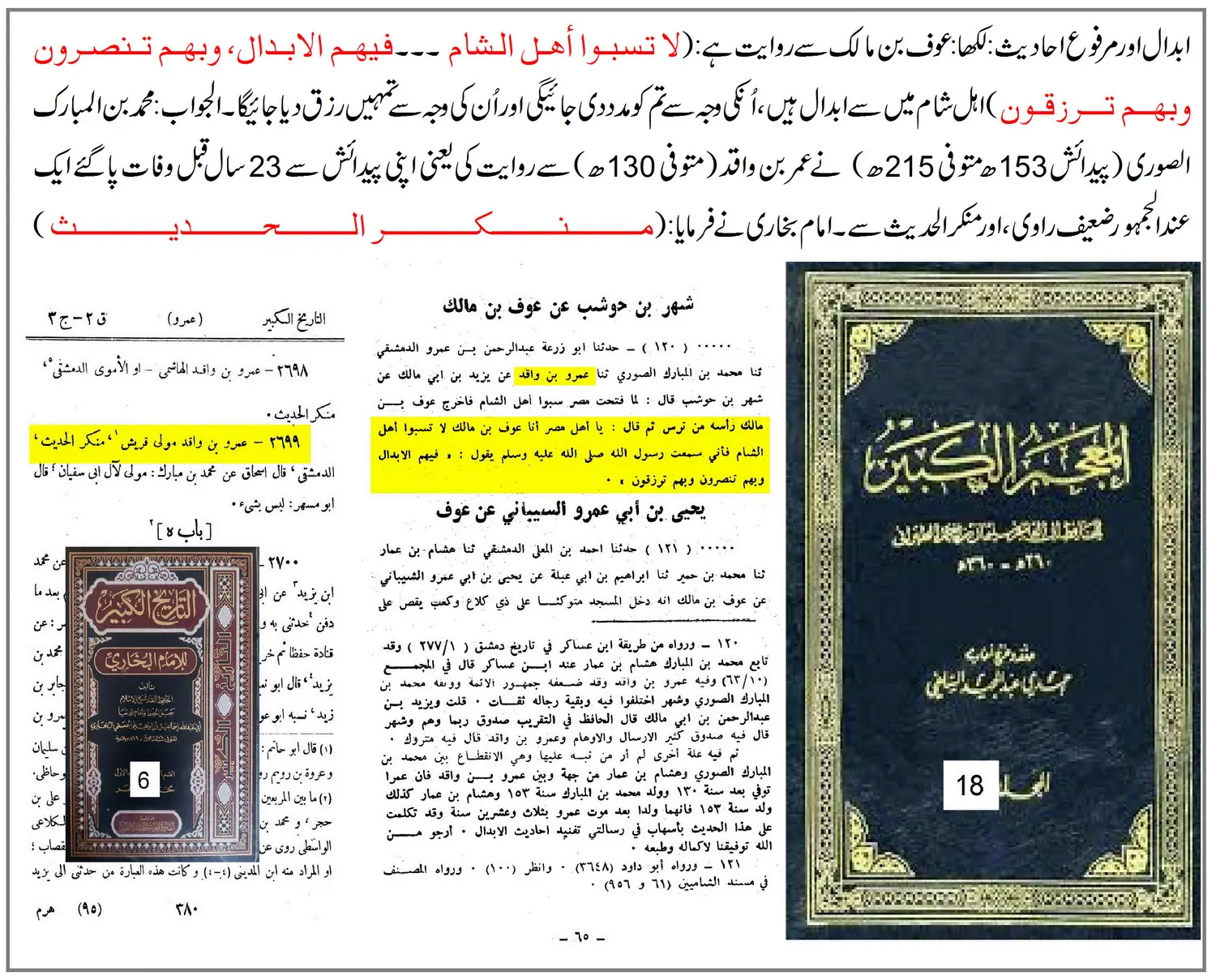
- Narration of ʿAwf ibn Mālik
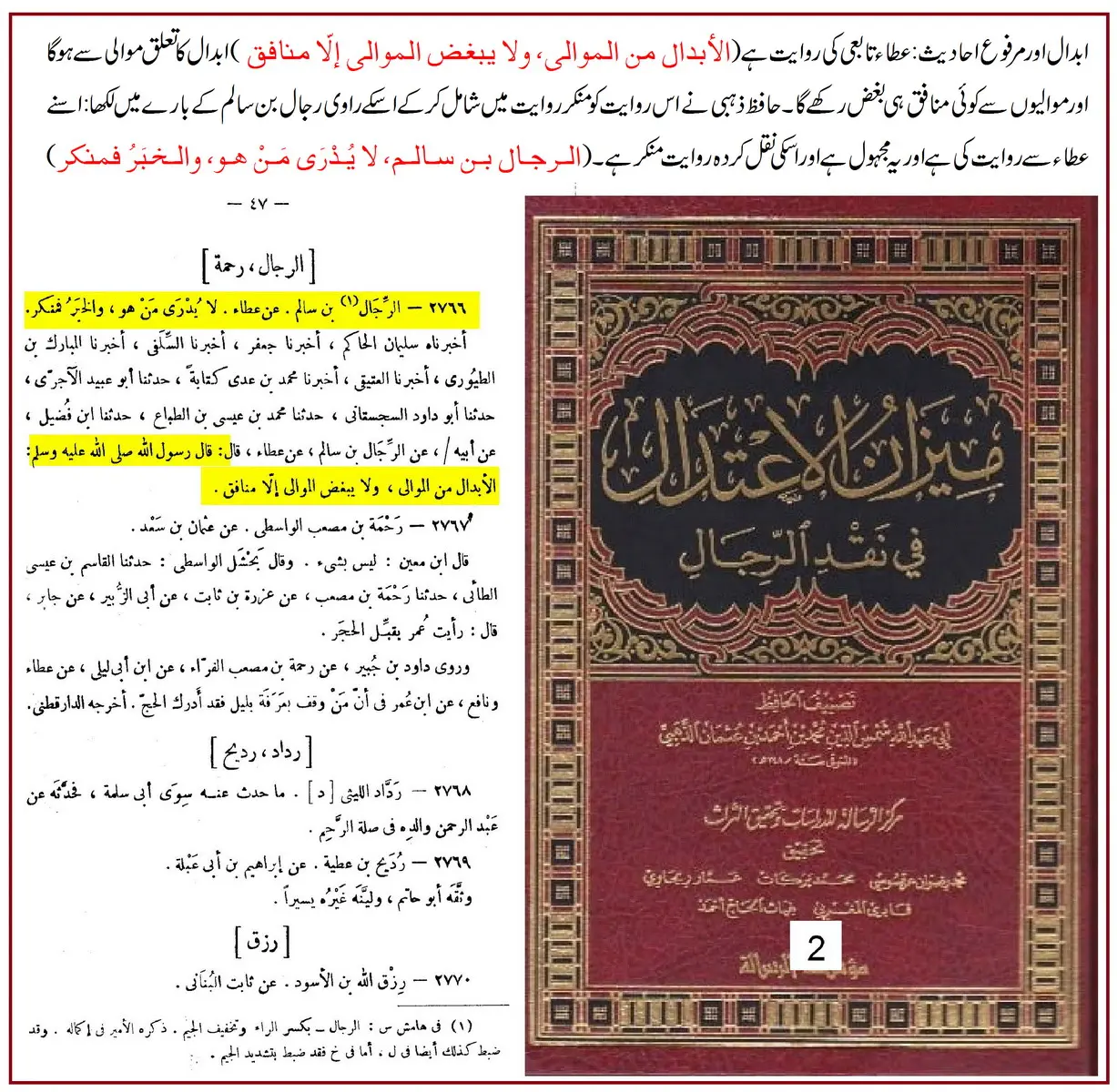
- Narration: “al-Abdāl are from Mawālī...”
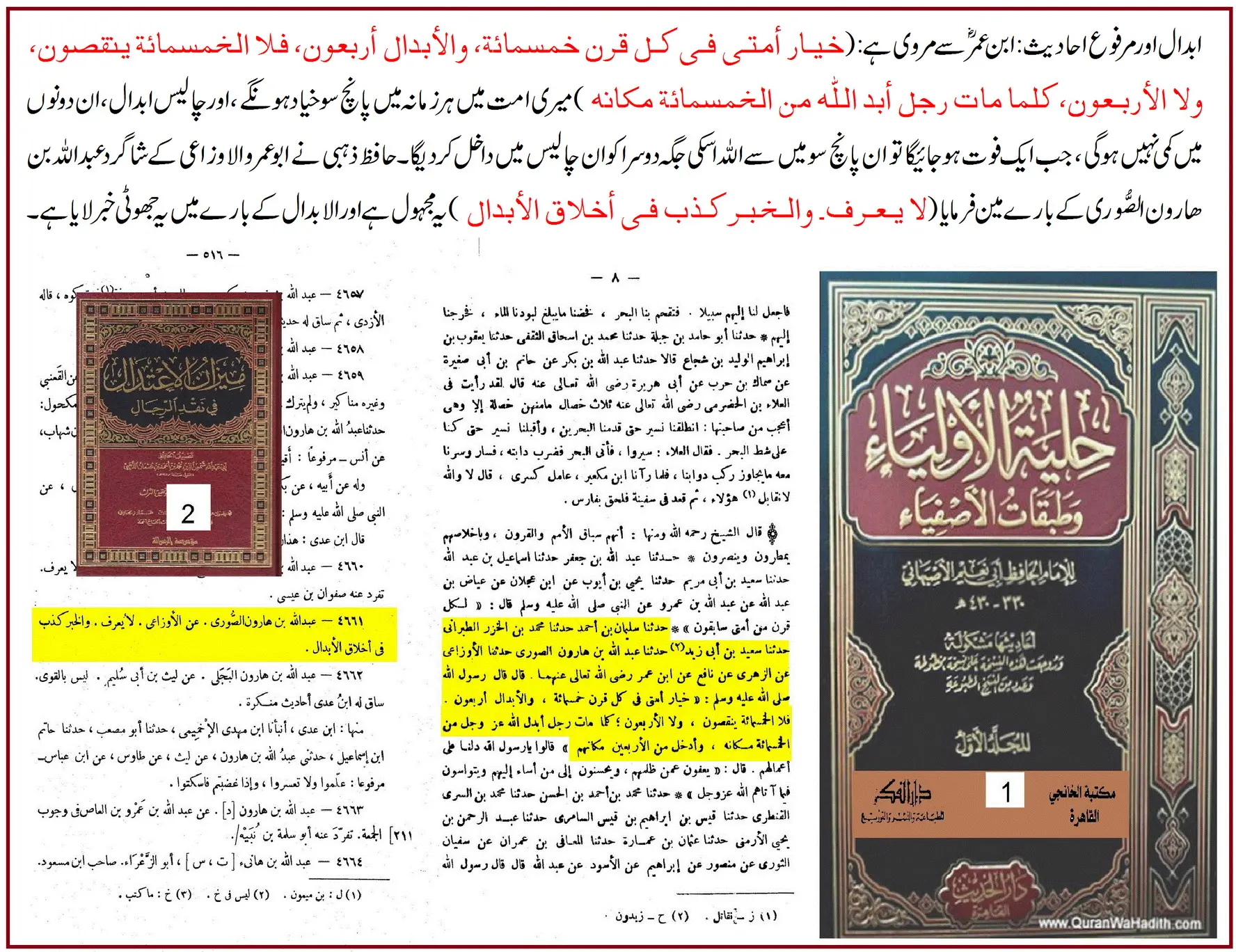
- Narration: “Khiyār Ummatī fī kulli qarn...”
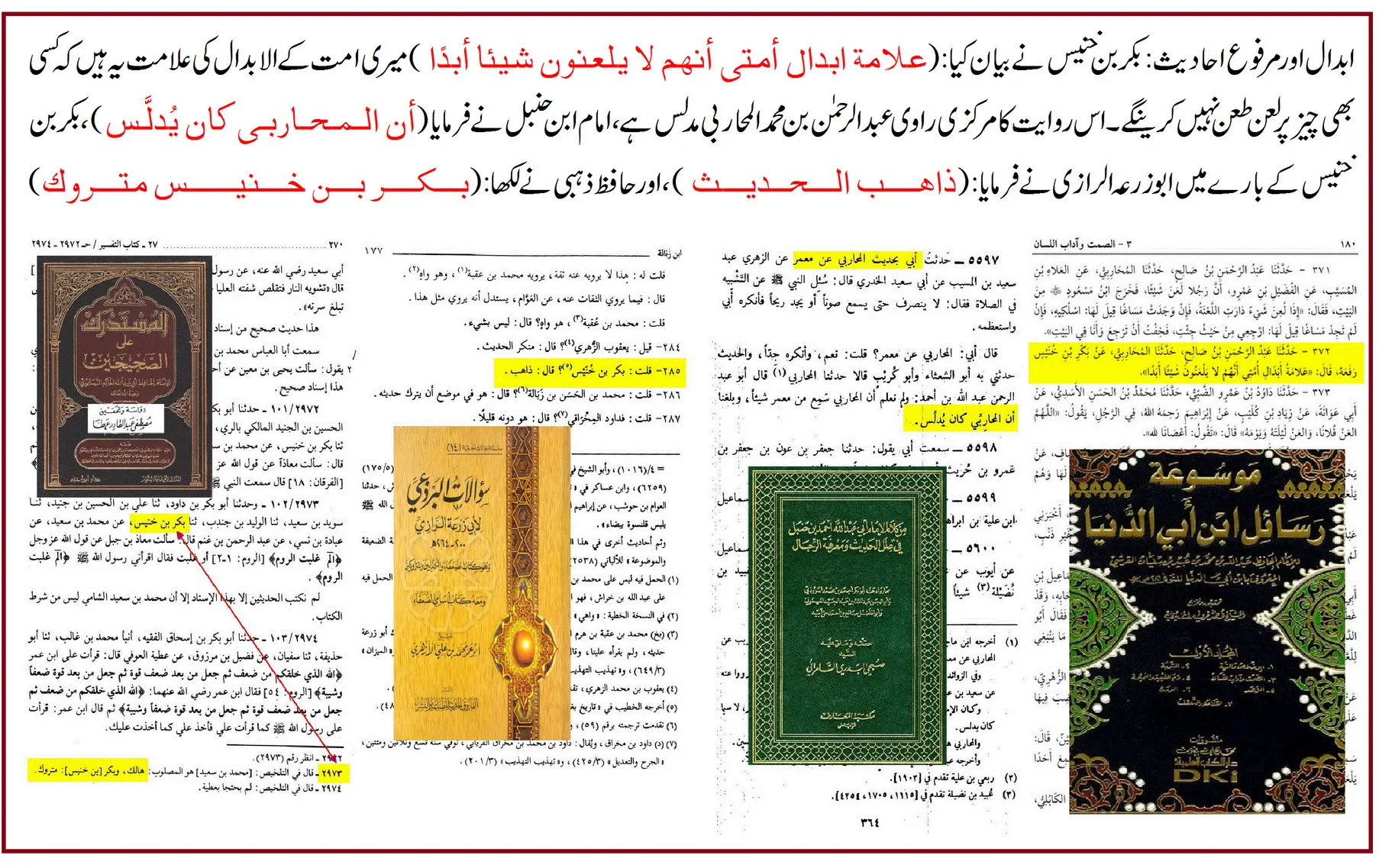
- Narration: “ʿAllāmah Abdāl Ummatī...”
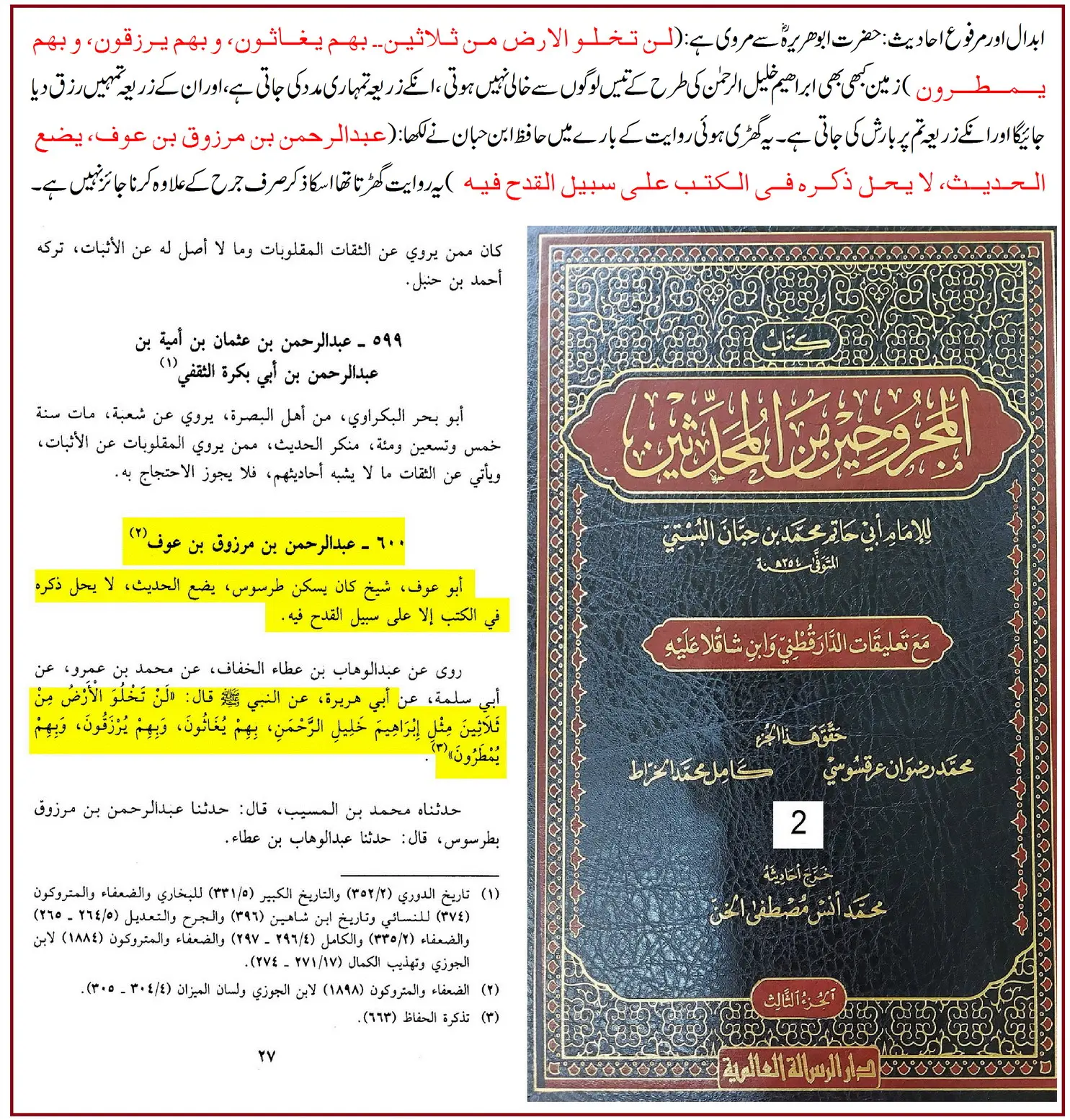
- Narration: “Lan takhlū al-arḍ min thalāthīn...”
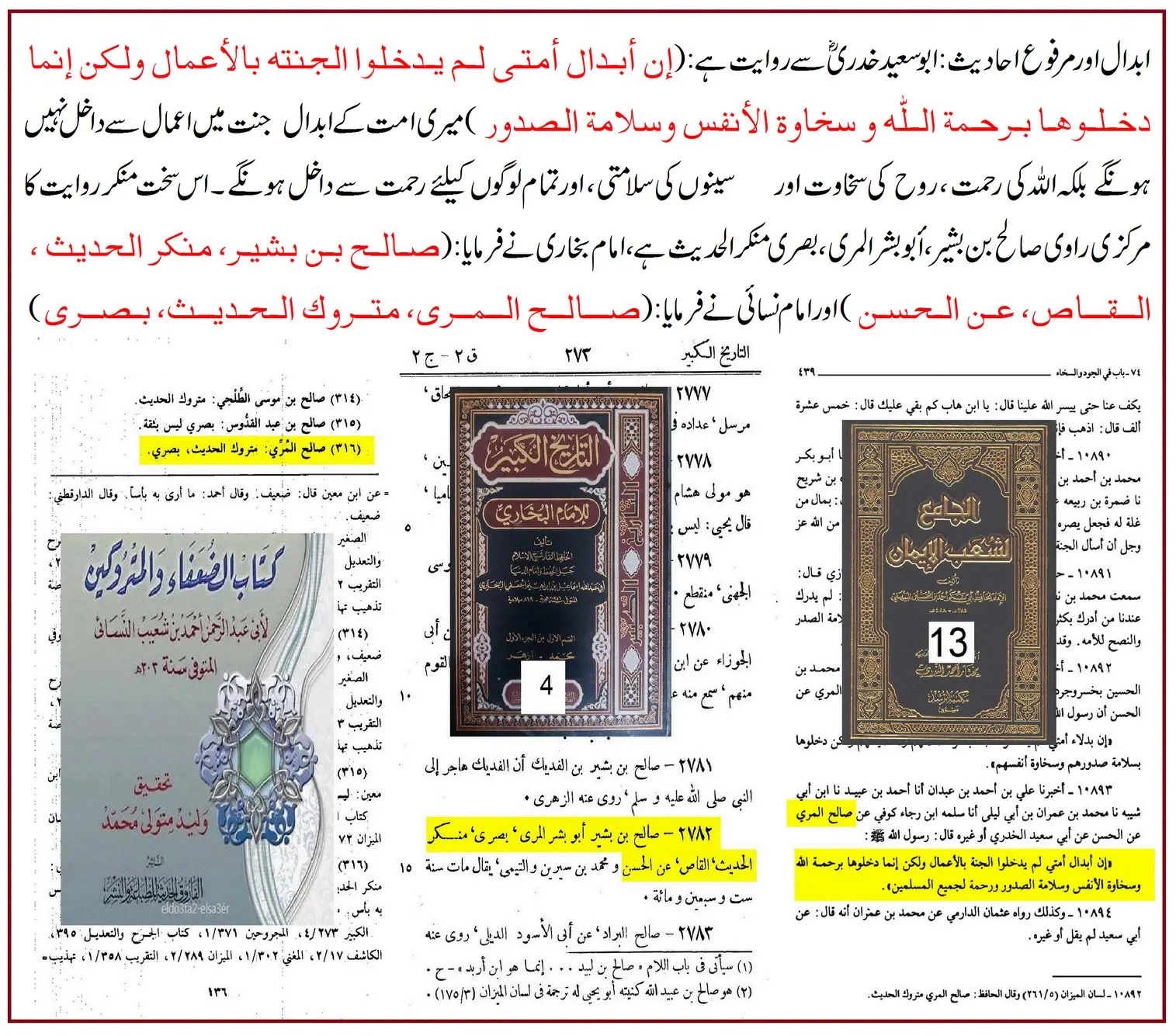
- Narration: “Inna Abdāl Ummatī lam yadkhulū...”
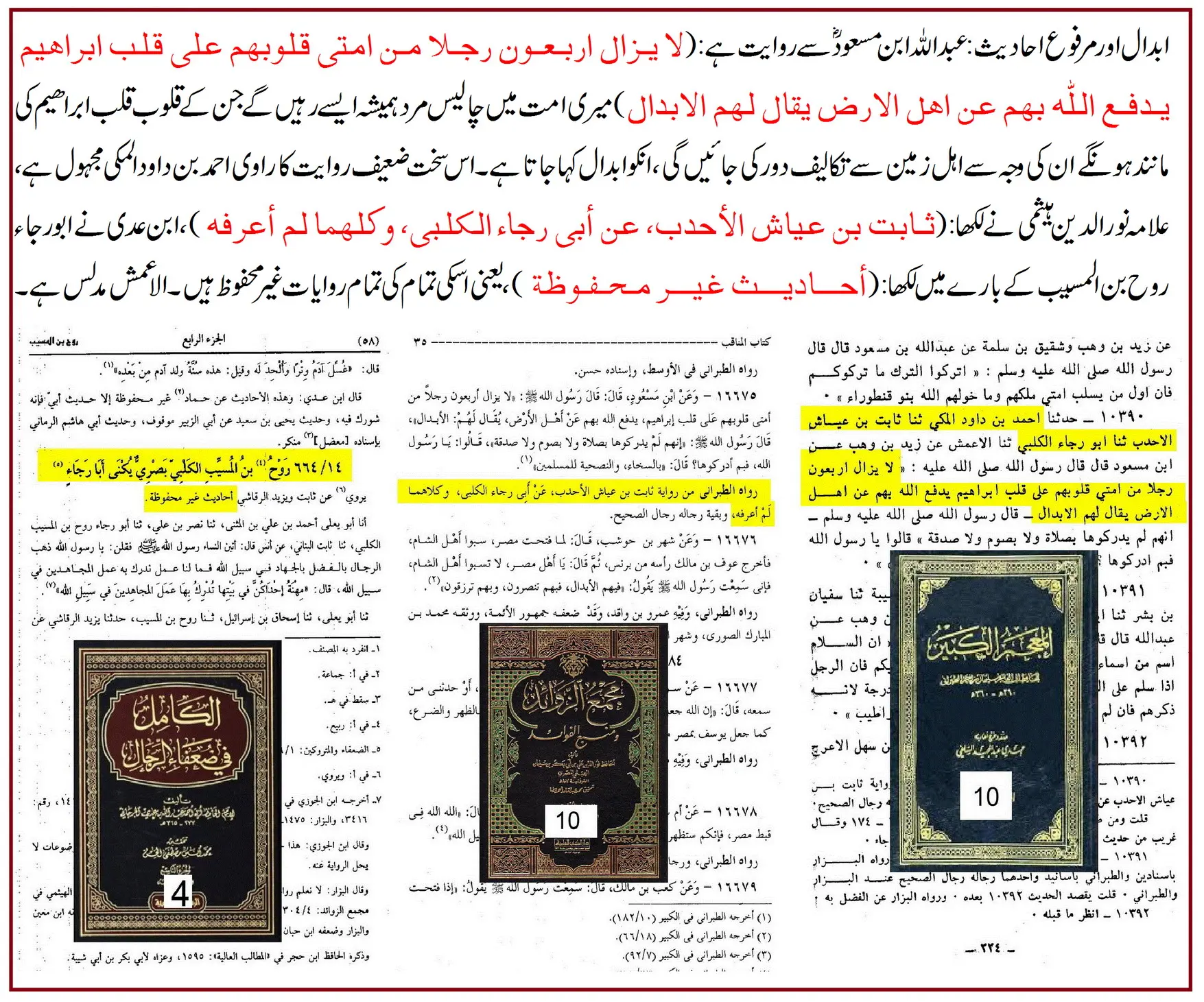
- Narration: “Lā yazāl arbaʿūna rajulan...”
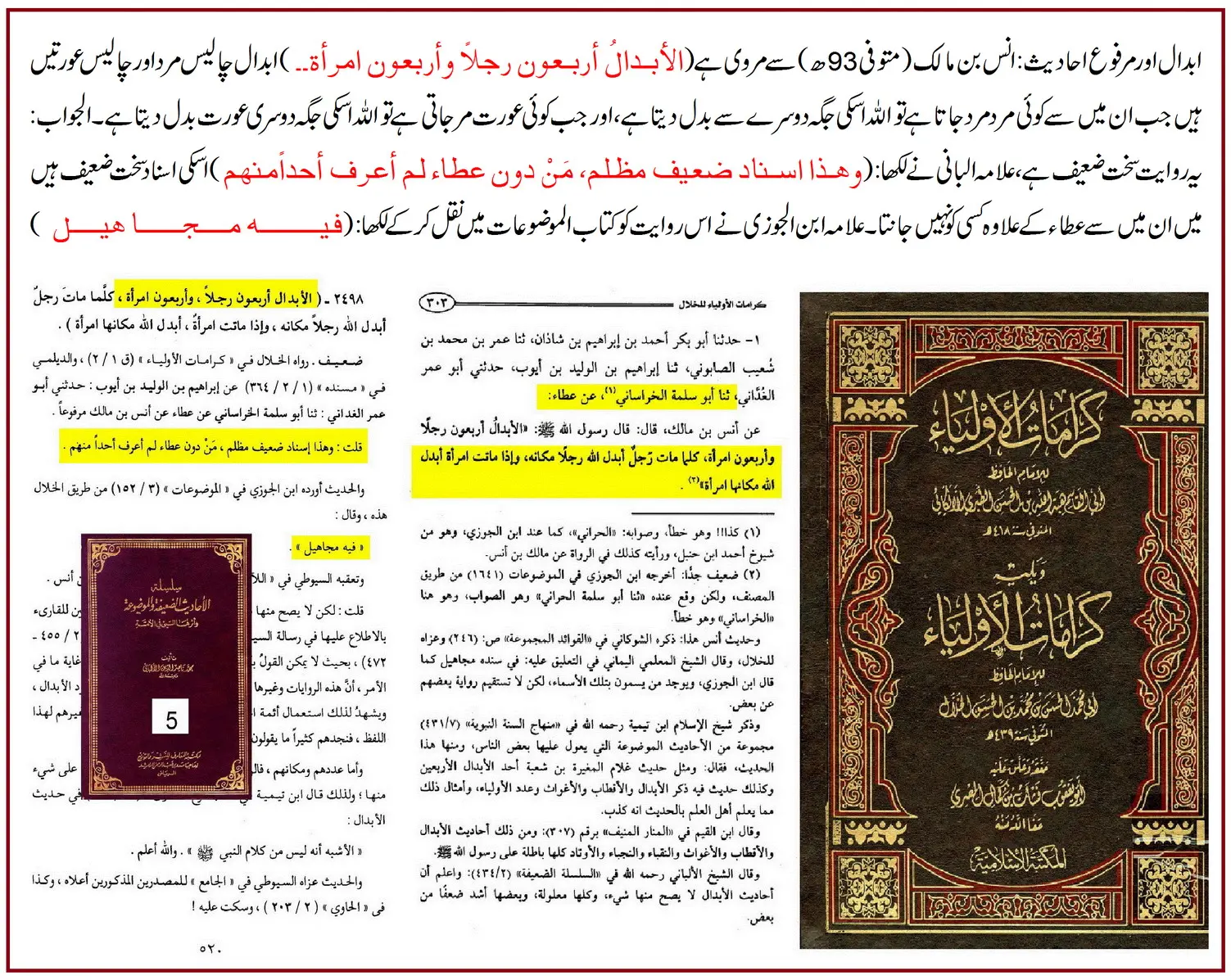
- Narration: “al-Abdāl are forty men and forty women...”
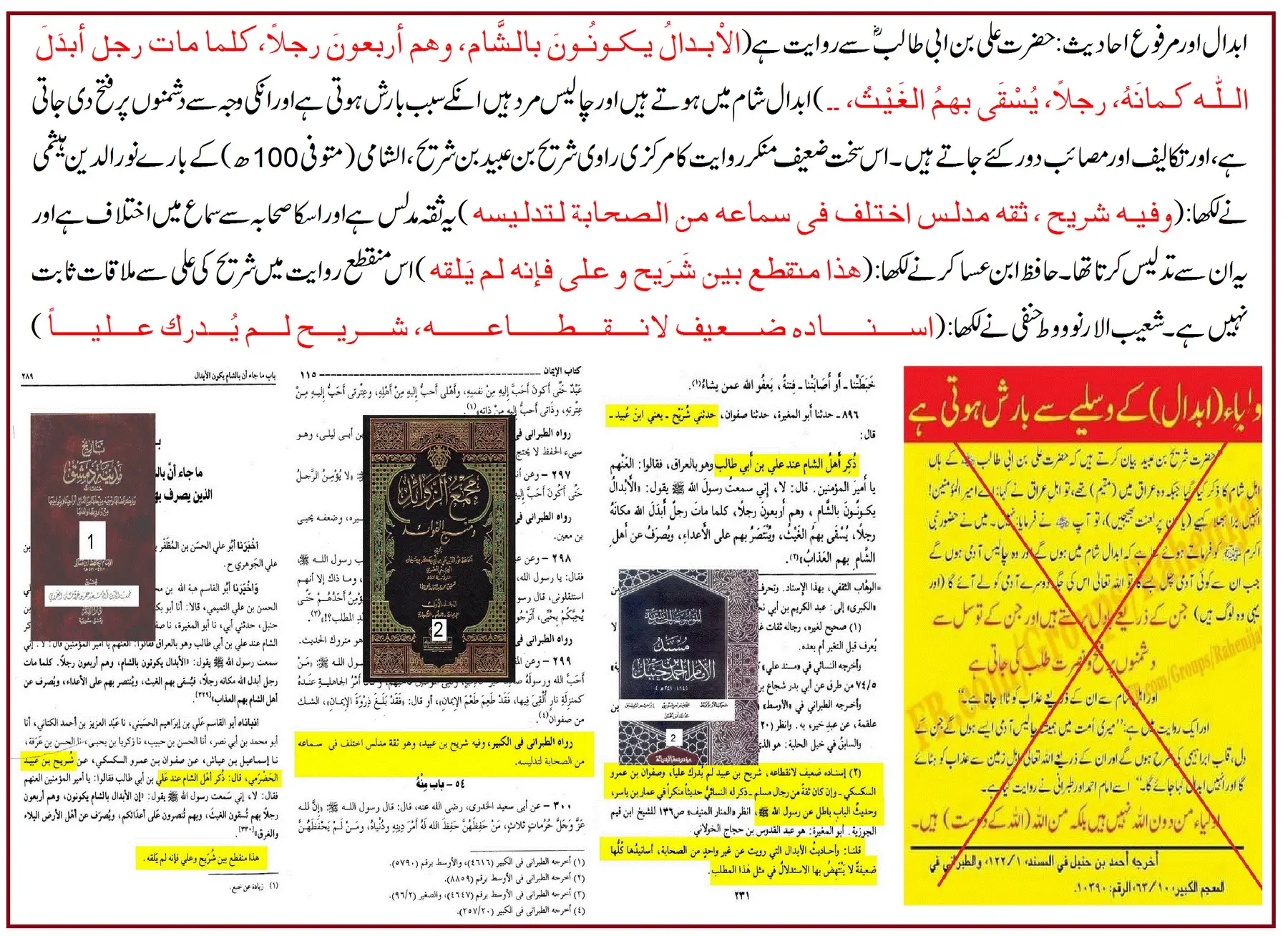
- Narration: “al-Abdāl will be in Shām...”
In every case, the narration fails authenticity according to Hadith sciences.
❖ Verdicts of Scholars on
❀ Muḥammad ibn Darwīsh al-Shāfiʿī (d. 1277 AH):
“All the chains of the narration ‘Abdāl in this Ummah are thirty...’ are weak.”
Reference: Asnā al-Maṭālib
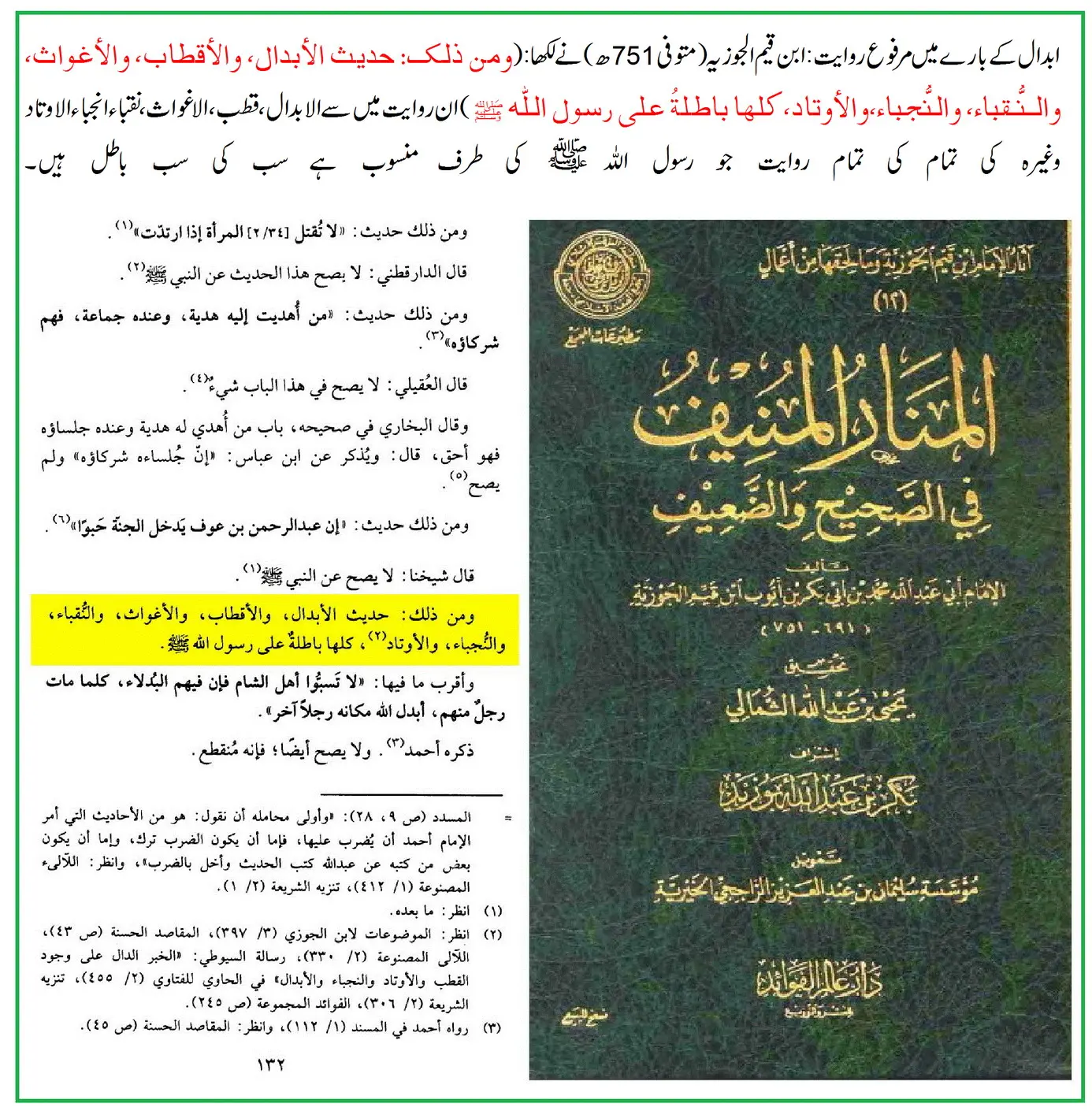
❀ Ibn Qayyim al-Jawziyyah (d. 751 AH):
“All narrations about Abdāl, Aqṭāb, Ghawth, Nuqabāʾ, Nujabāʾ, and Awtād are fabricated upon the Prophet ﷺ.”
Reference: al-Manār al-Munīf, Hadith 307
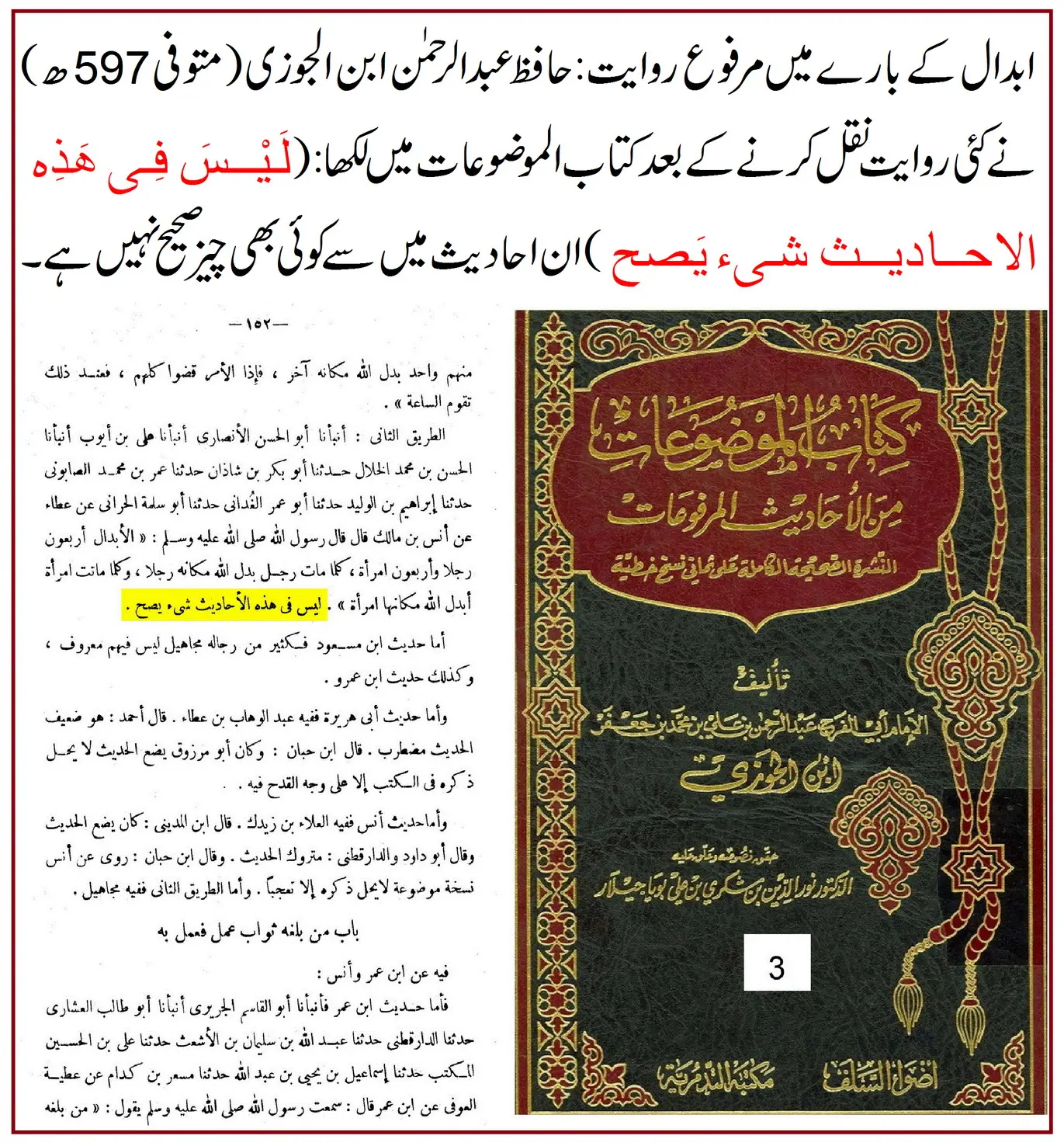
❀ Ibn al-Jawzī (d. 597 AH):
“None of the narrations regarding Abdāl are authentic.”
Reference: al-Mawḍūʿāt
 Sayings of the Scholars — Who Are the
While some cite historical figures being described as Abdāl, these refer to the Abdāl of Ahl al-Sunnah, i.e., the scholars and people of Hadith — not Sufi mystics.
✦ Scholar Definitions:
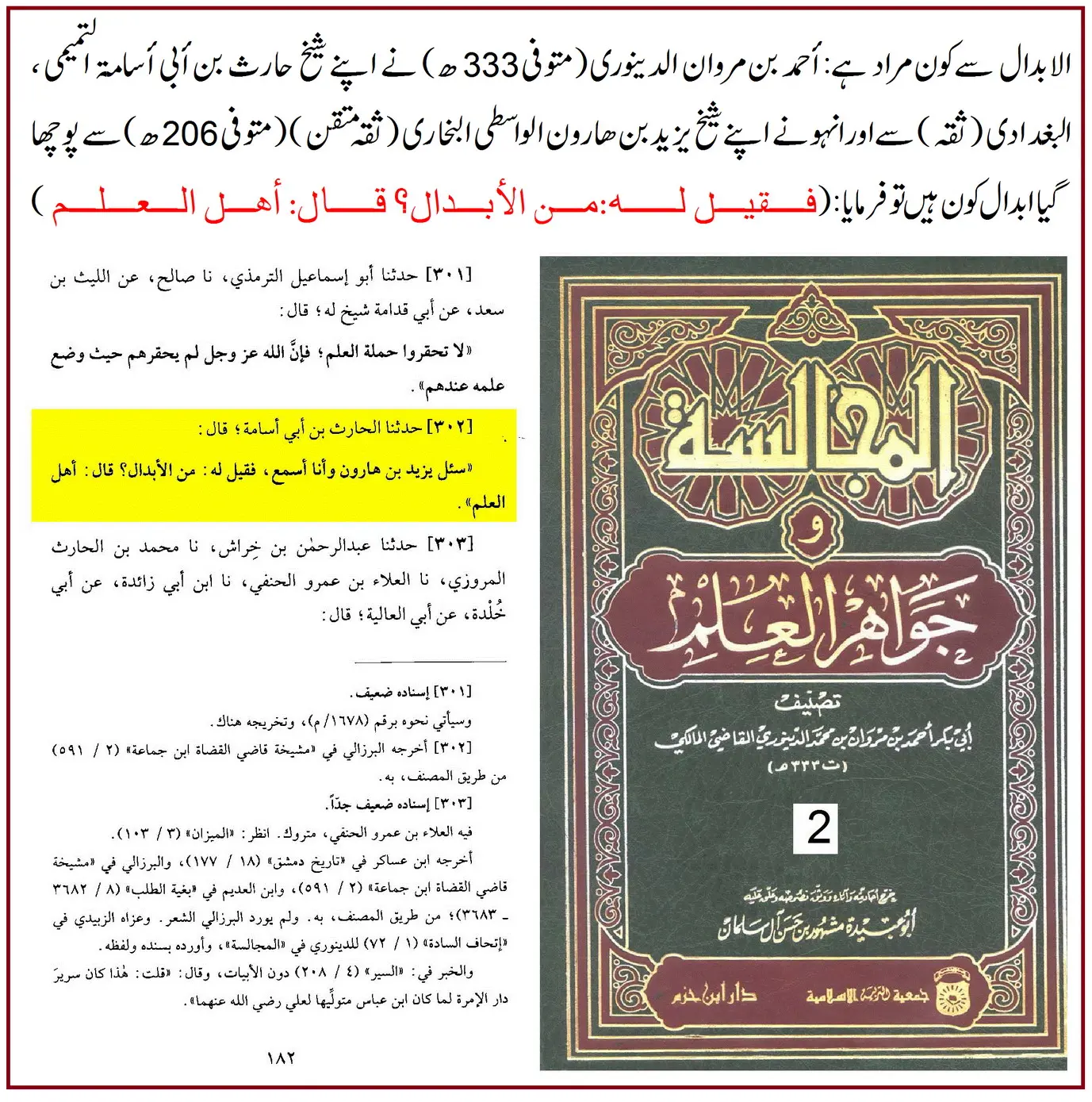
① Yazīd ibn Hārūn (d. 206 AH)
“Who are the Abdāl?”
He replied: **‘They are the scholars.’”
Reference: al-Majālisah wa Jawāhir al-ʿIlm
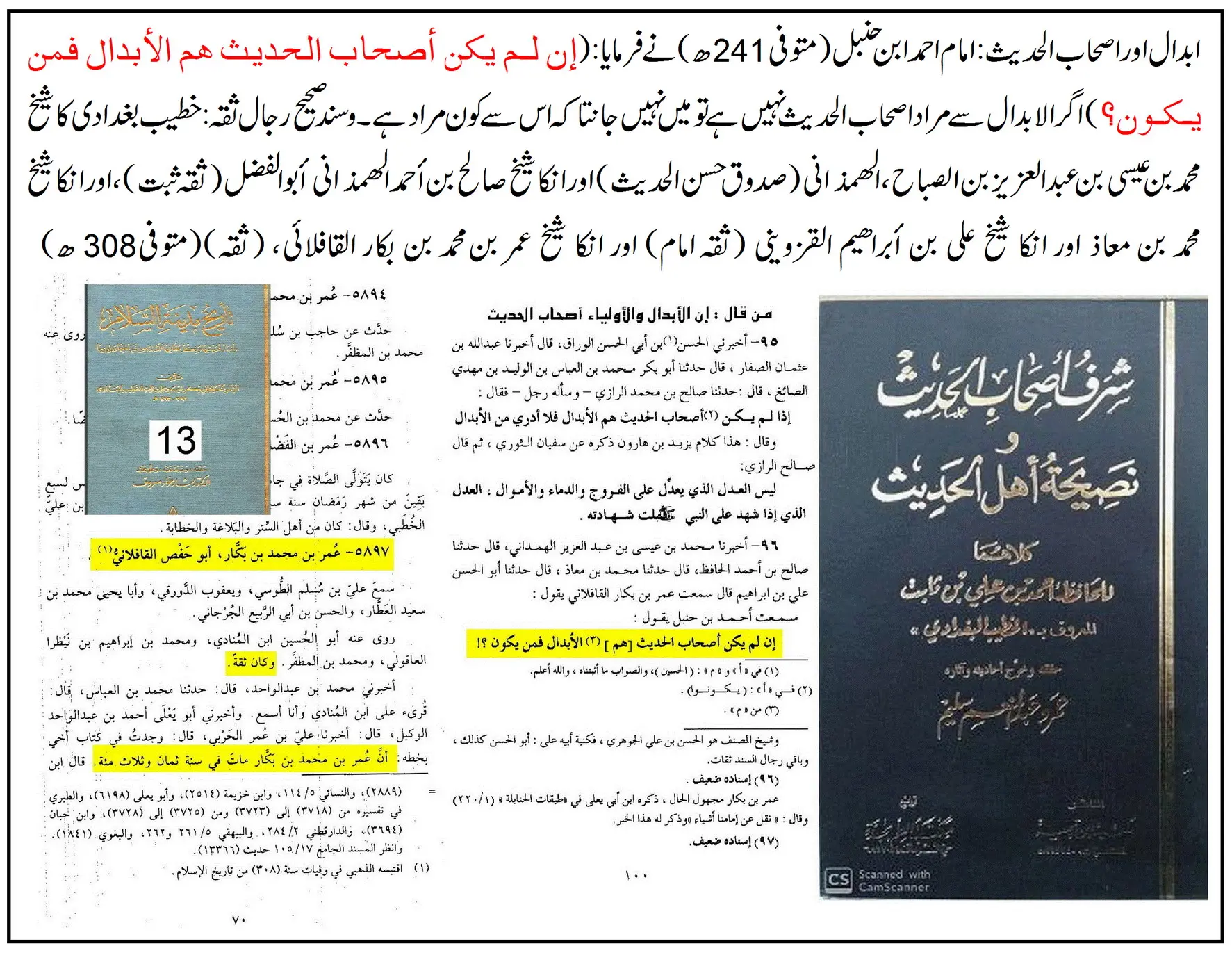
② Imām Aḥmad ibn Ḥanbal (d. 241 AH)
“If the people of Hadith are not the Abdāl, then who are they?”
Reference: Sharaf Aṣḥāb al-Ḥadīth, al-Khaṭīb al-Baghdādī
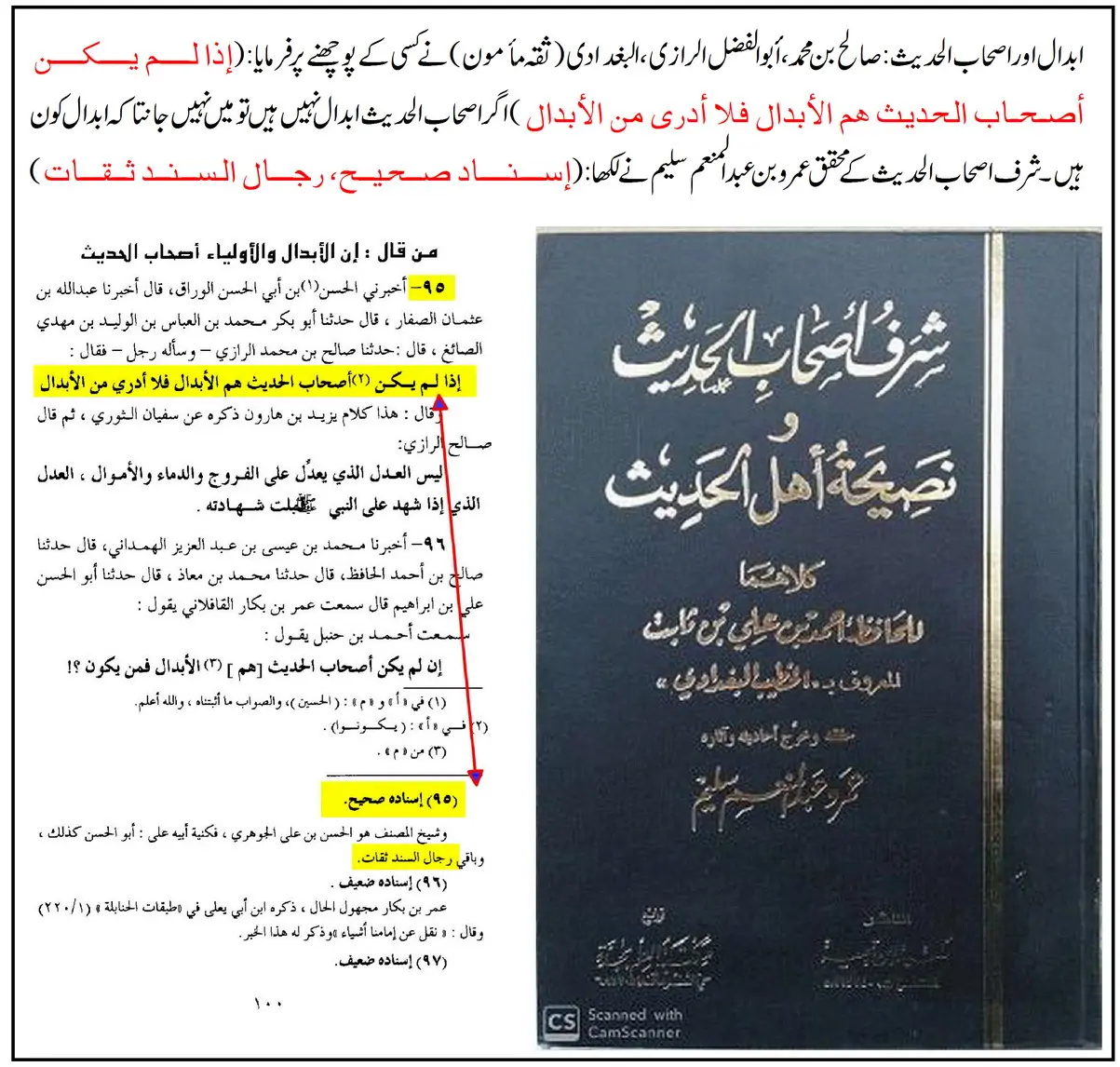
③ Ṣāliḥ ibn Muḥammad al-Rāzī (trustworthy Muḥaddith)
“If the people of Hadith are not the Abdāl, then I do not know who the Abdāl are.”
Reference: Sharaf Aṣḥāb al-Ḥadīth — Authentic Isnad
✦ Summary of Findings
① Some Barelvi individuals tried to conflate Ahl al-Sunnah’s Abdāl (scholars and people of Hadith) with Sufi concepts.
② They presented numerous Marfūʿ narrations, but none are authentic.
③ Chains include weak, unknown, rejected, and even fabricating narrators.
④ Prominent Hadith scholars like al-Bukhārī, Ibn Ḥibbān, al-Nasāʾī, al-Dhahabī, Ibn ʿAdī, and al-Albānī have criticized these narrators or narrations.
⑤ According to Hadith authorities, Abdāl refers to ʿUlamāʾ, Muḥaddithūn, and Aṣḥāb al-Ḥadīth, not Sufi mystics.
 Final Verdict
❀ There is no sound narration about Abdāl from the Prophet ﷺ with an authentic chain.
❀ The true understanding of Abdāl is what has been stated by the scholars of Hadith — that they are learned scholars and preservers of Sunnah.
❀ Deriving beliefs or virtues from weak or fabricated narrations is against the principles of authentic Islamic knowledge.