
◈ Compiled by: Abu Hamzah Salafi
Some Ḥanafī scholars raise an objection to the famous marfūʿ narration in which it is said: “The mosque would shake due to the loud utterance of Āmīn.” They argue that the narration is weak because one of its narrators, Bishr bin Rāfiʿ, has been criticized by some muḥaddithīn. Based on this single narrator, they attempt to dismiss the entire narration and, consequently, the practice of loud Āmīn.
This reasoning is questionable for the following reasons:
① This matter is supported by several other authentic and sound narrations.
② Regarding Bishr bin Rāfiʿ, there are both criticisms and endorsements recorded from the scholars of ḥadīth; many imams have accepted his narrations.
③ A mild or debatable criticism of a narrator does not render all his narrations unacceptable in absolute terms.
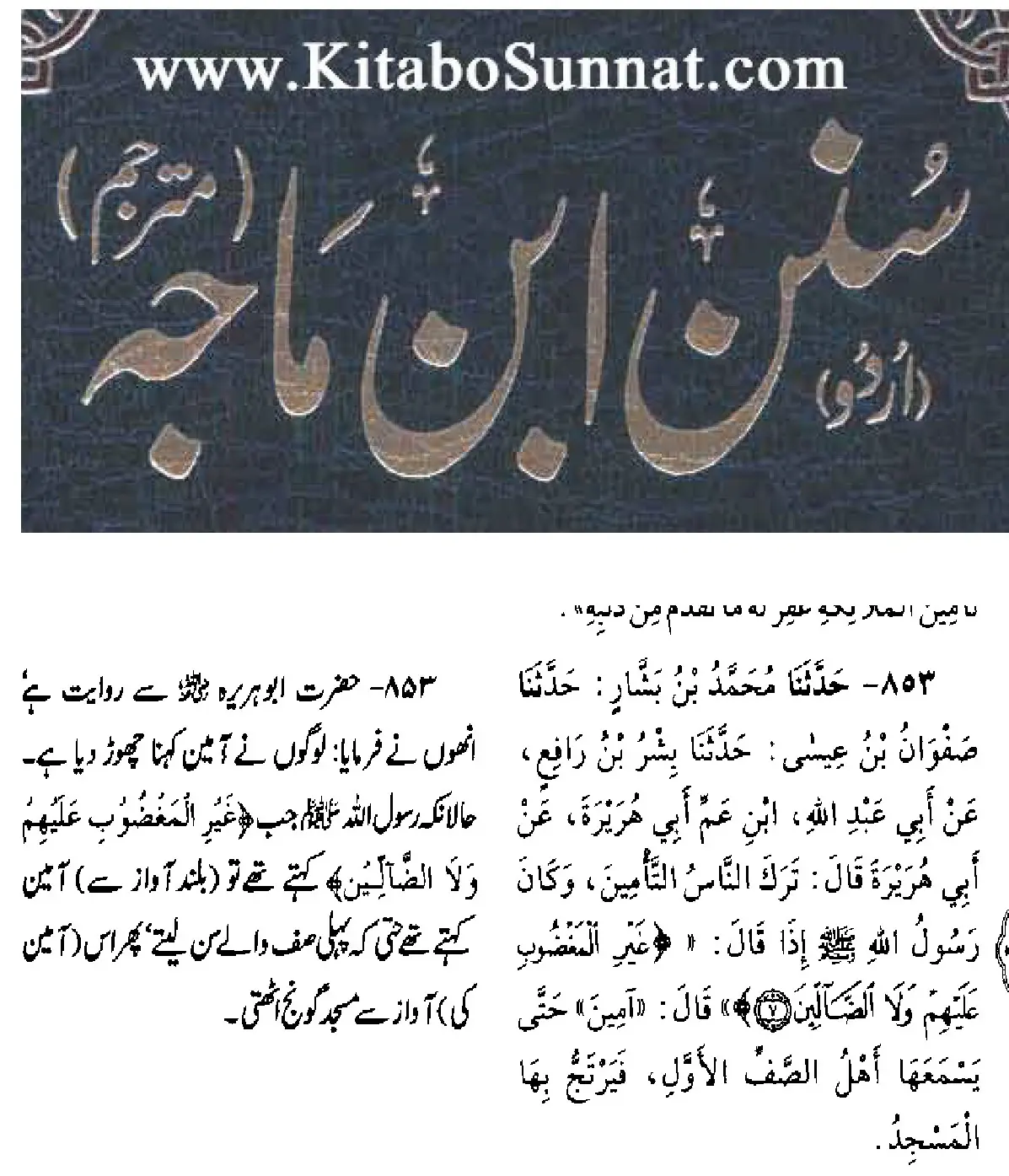
 Ḥadīth No. 853:
Arabic Text:
حَدَّثَنَا مُحَمَّدُ بْنُ بَشَّارٍ، قَالَ: حَدَّثَنَا صَفْوَانُ بْنُ عِيسَى، قَالَ: حَدَّثَنَا بِشْرُ بْنُ رَافِعٍ، عَنْ أَبِي عَبْدِ اللَّهِ ابْنِ عَمِّ أَبِي هُرَيْرَةَ، عَنْ أَبِي هُرَيْرَةَ، قَالَ: تَرَكَ النَّاسُ التَّأْمِينَ، وَكَانَ رَسُولُ اللَّهِ ﷺ إِذَا قَالَ: {غَيْرِ الْمَغْضُوبِ عَلَيْهِمْ وَلَا الضَّالِّينَ}، قَالَ: «آمِينَ» حَتَّى يَسْمَعَهَا أَهْلُ الصَّفِّ الْأَوَّلِ، فَيَرْتَجُّ بِهَا الْمَسْجِدُ
Translation:
It is narrated from Abū Hurayrah رضي الله عنه that he said: “The people have abandoned saying Āmīn. Verily, when the Messenger of Allah ﷺ would recite {غَيْرِ الْمَغْضُوبِ عَلَيْهِمْ وَلَا الضَّالِّينَ}, he would say Āmīn aloud such that those in the first row would hear him, and the mosque would resonate with the sound.”
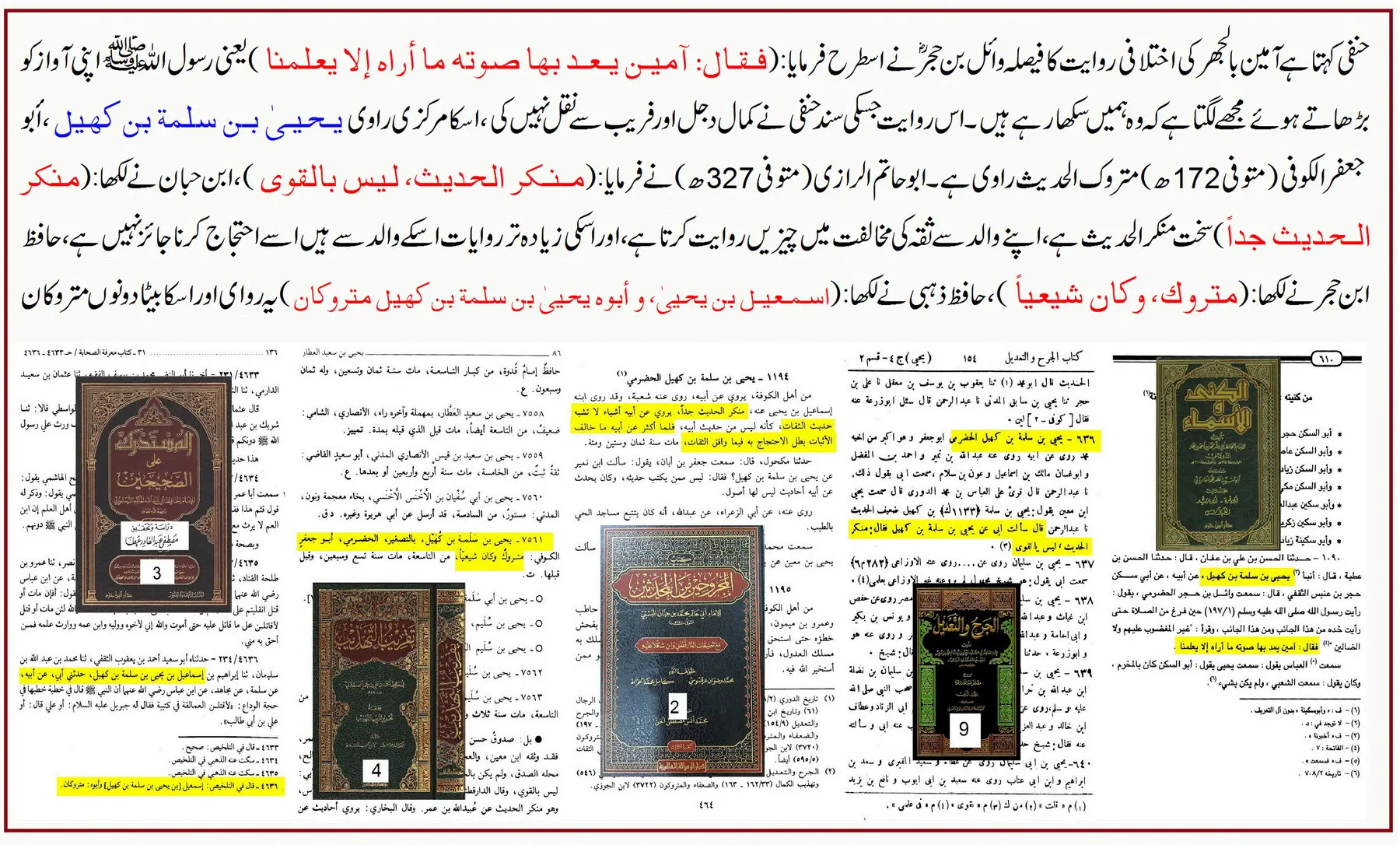
They argue that this narration is rejected because Bishr bin Rāfiʿ is weak — even alleging he narrates fabricated reports. They cite scholars such as Imām al-Bukhārī, Aḥmad, Ibn Maʿīn, al-Nasāʾī, Ibn Ḥibbān, and Ibn ʿAbd al-Barr.
Despite the Ḥanafī objection, numerous leading scholars have validated this narrator or used his narrations in evidence:
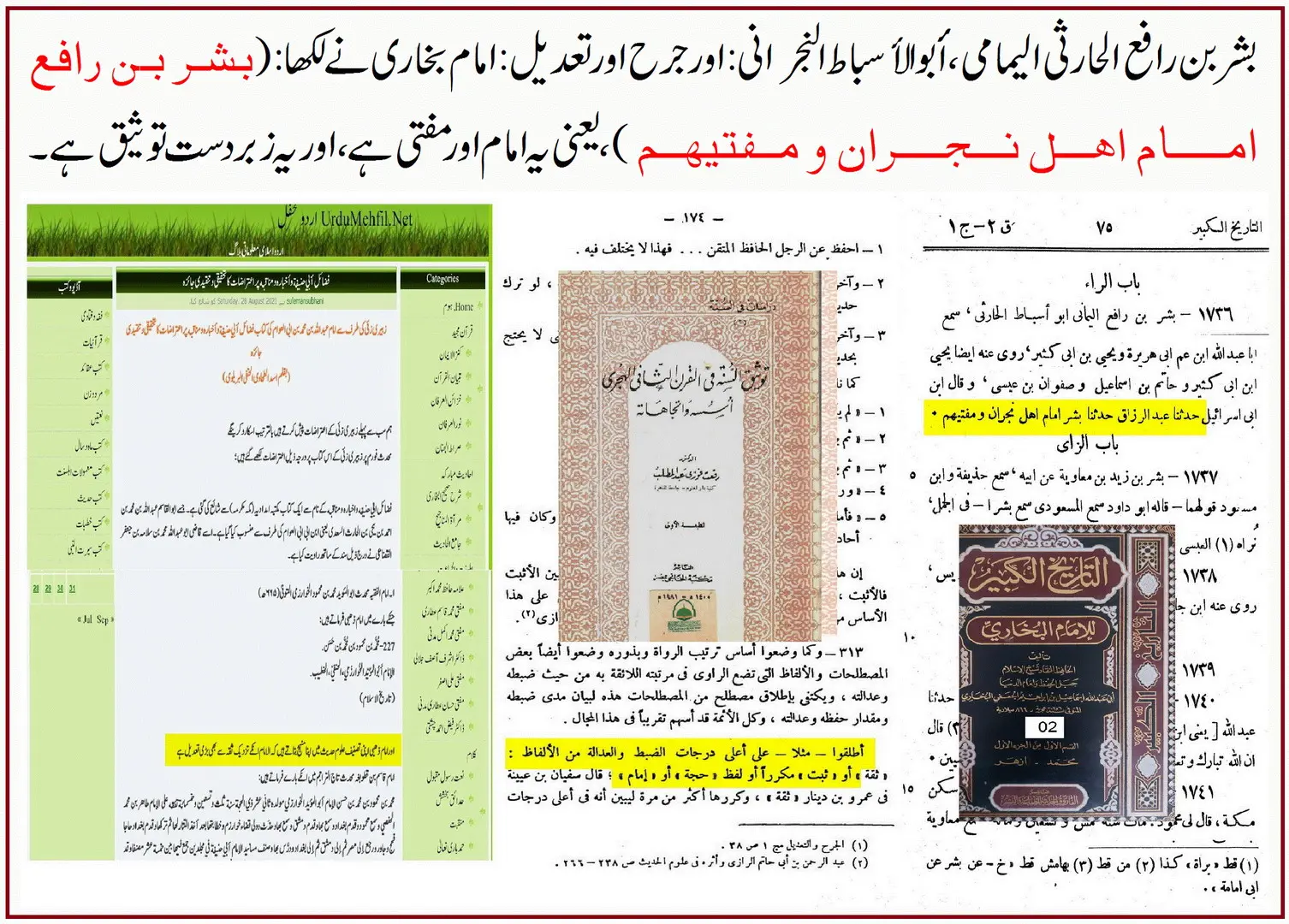
“Bishr bin Rāfiʿ al-Yamānī Abū Asbāṭ al-Ḥārithī... Ibn Abī Isrāʾīl said: ʿAbd al-Razzāq narrated to us saying: Bishr was the Imām and Muftī of the people of Najrān.”
 [Al-Tārīkh al-Kabīr, no. 1736]
✔ The titles “Imām” and “Muftī” indicate strong endorsement, as acknowledged even by Ḥanafīs.
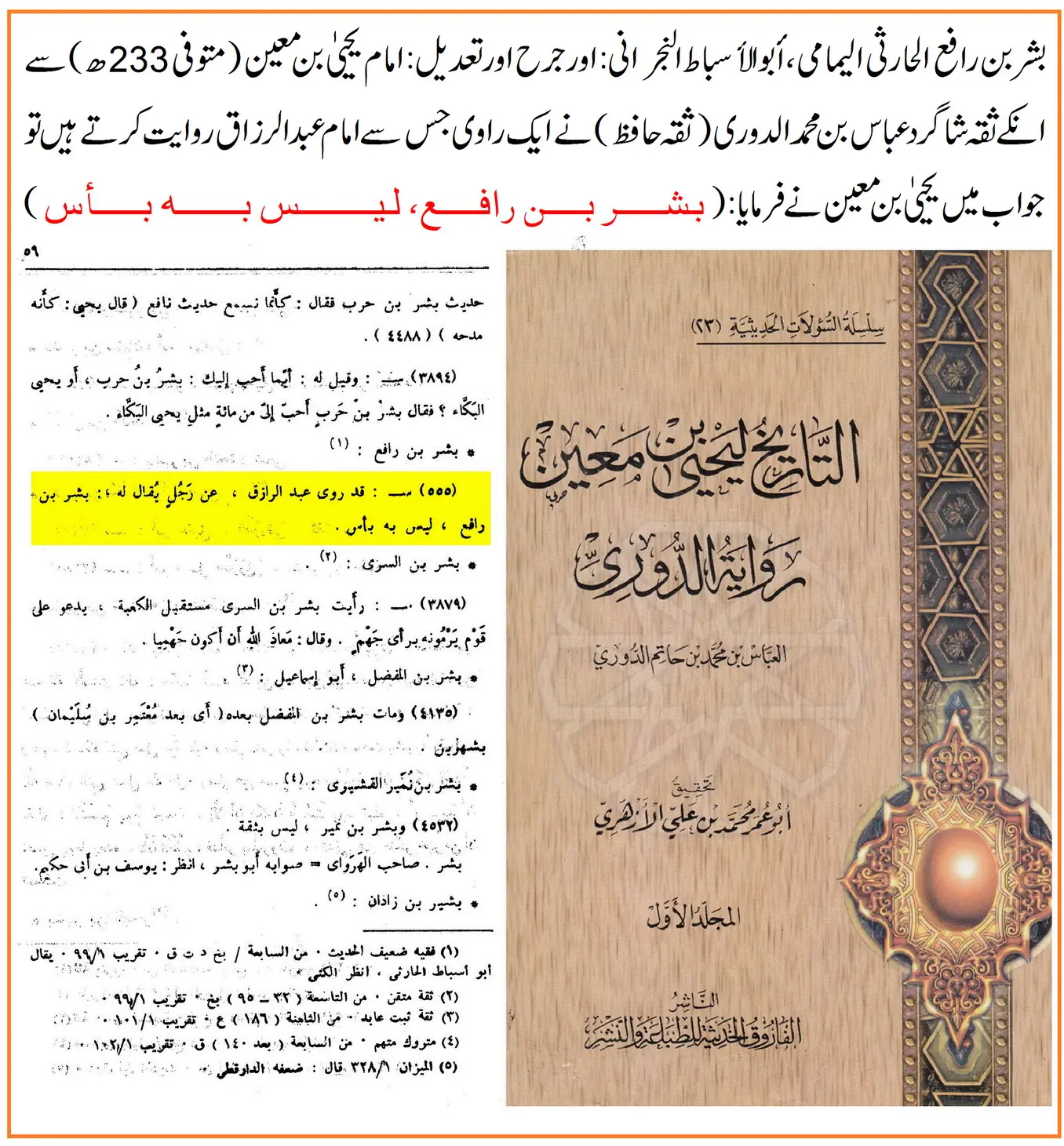
“ʿAbd al-Razzāq narrated from a man named Bishr bin Rāfiʿ – there is no harm in him.”
[Tārīkh Ibn Maʿīn, Riwayah al-Dūrī, no. 555]
✔ The phrase “ليس به بأس” is used for truthful and acceptable narrators.
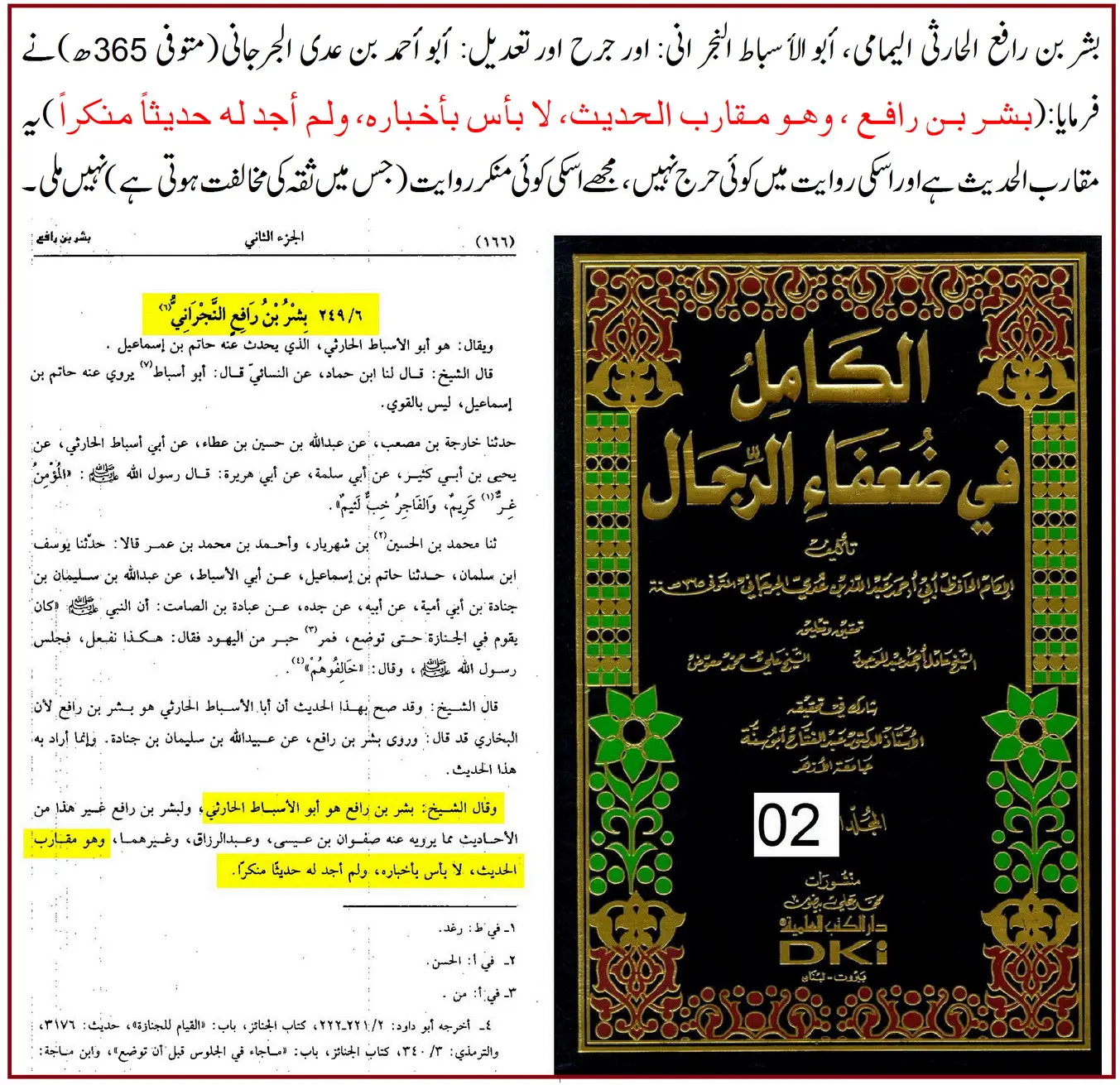
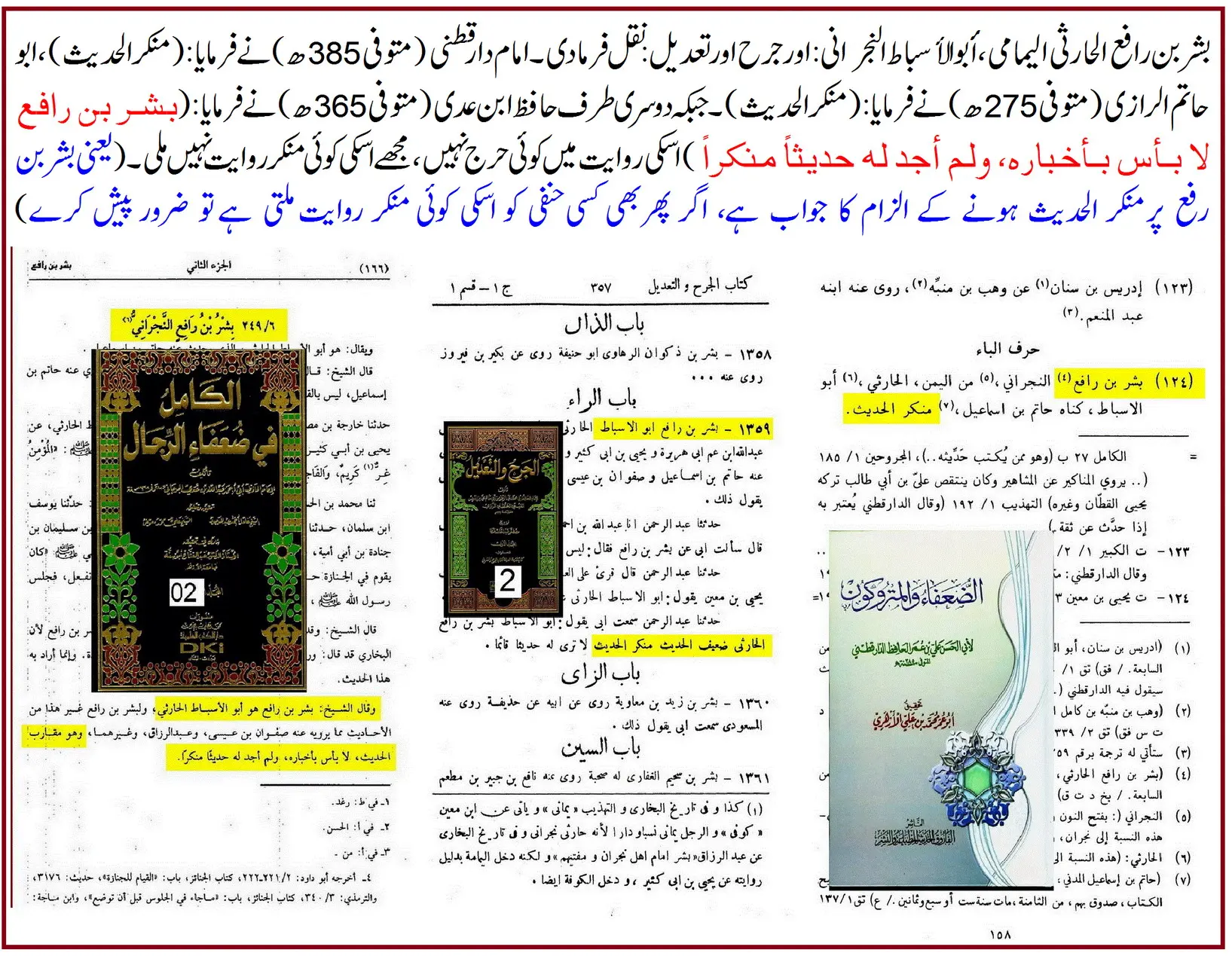
“Bishr bin Rāfiʿ – his ḥadīths are average (muqārib al-ḥadīth), there is no issue with his narrations, and I found no denounced ḥadīth from him.”
[Al-Kāmil fī Ḍuʿafāʾ al-Rijāl, 2/249]
✔ The term “muqārib al-ḥadīth” shows his narrations are recognizable and acceptable, and absence of munkar reports is a positive indication.
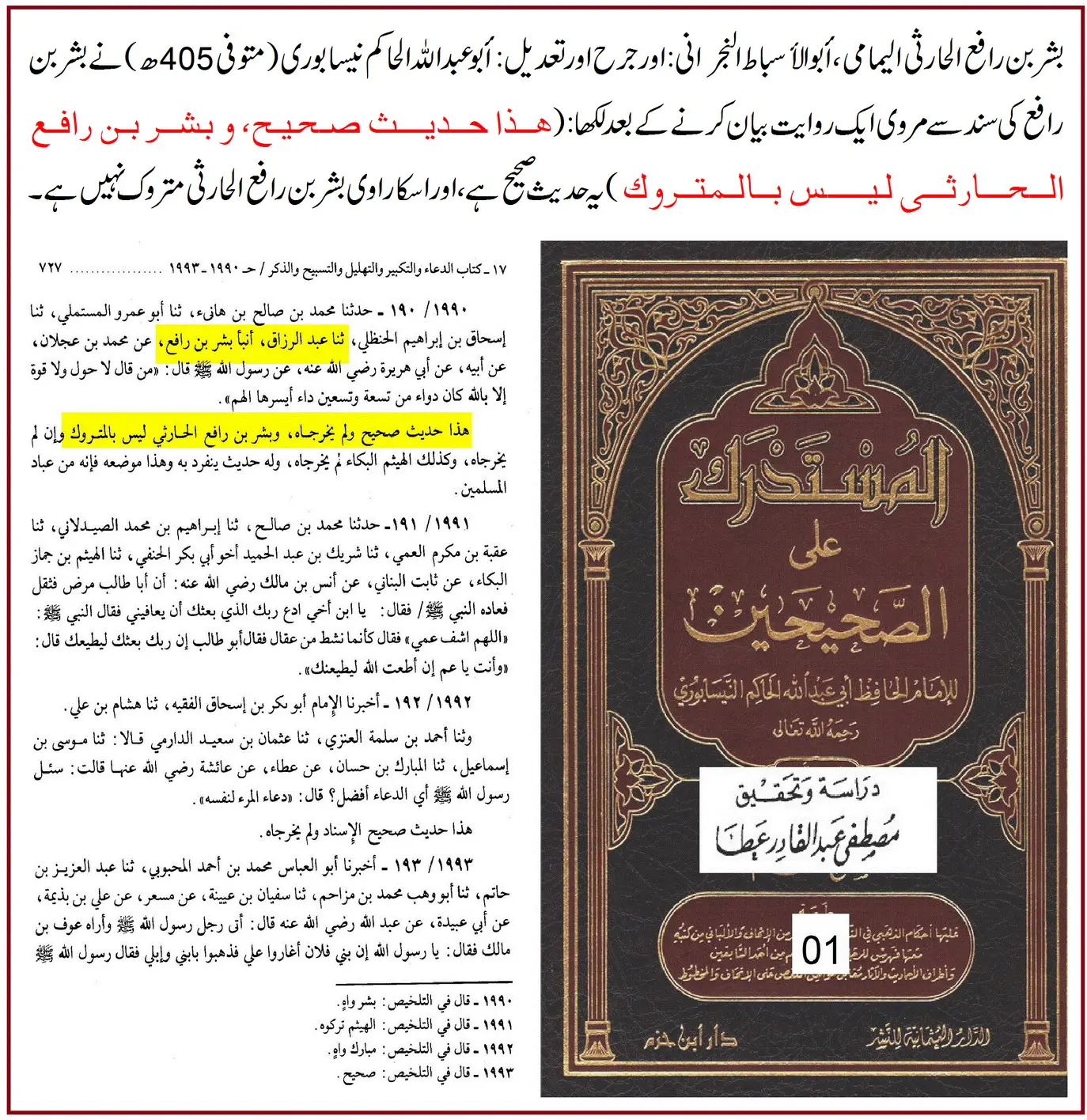
“Bishr bin Rāfiʿ al-Ḥārithī is not abandoned.”
[Al-Mustadrak ʿala al-Ṣaḥīḥayn, 1/1990]
✔ “Not abandoned” implies his narrations are at least usable, especially when other scholars say “lā baʾs bihī”.
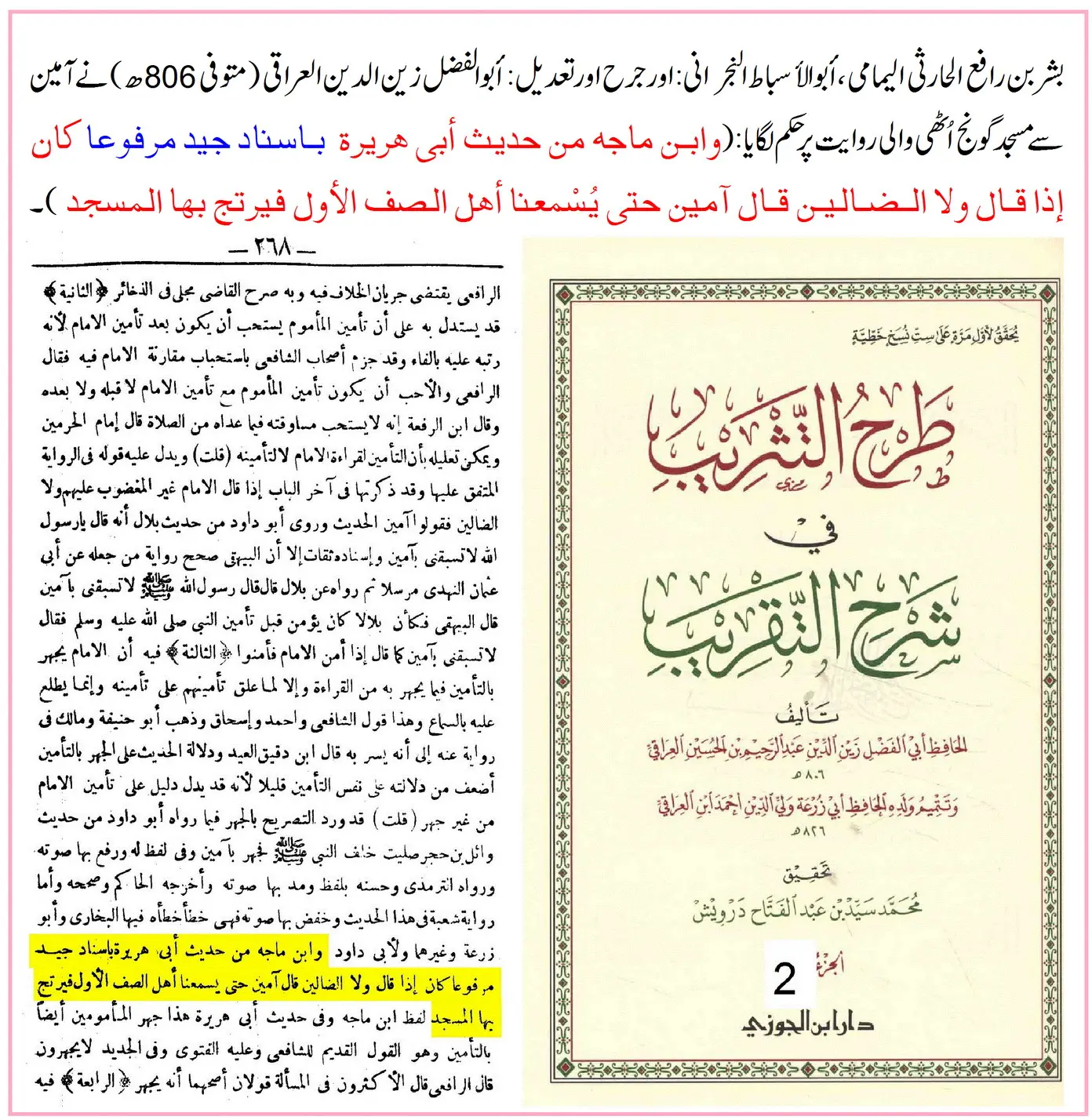
“Ibn Mājah narrates from Abū Hurayrah with a good isnād (bi isnād jayyid): …until the people in the first row would hear and the mosque would shake.”
[Ṭarḥ al-Tathrīb fī Sharḥ al-Taqrīb]
✔ “Isnād jayyid” indicates the ḥadīth is at least ḥasan (sound).
The critic mentions Aḥmad deemed him weak, but neglects the endorsement by other major imams. According to principles of al-Jarḥ wa al-Taʿdīl, an explained criticism must outweigh a majority’s acceptance to be given precedence — which is not the case here.
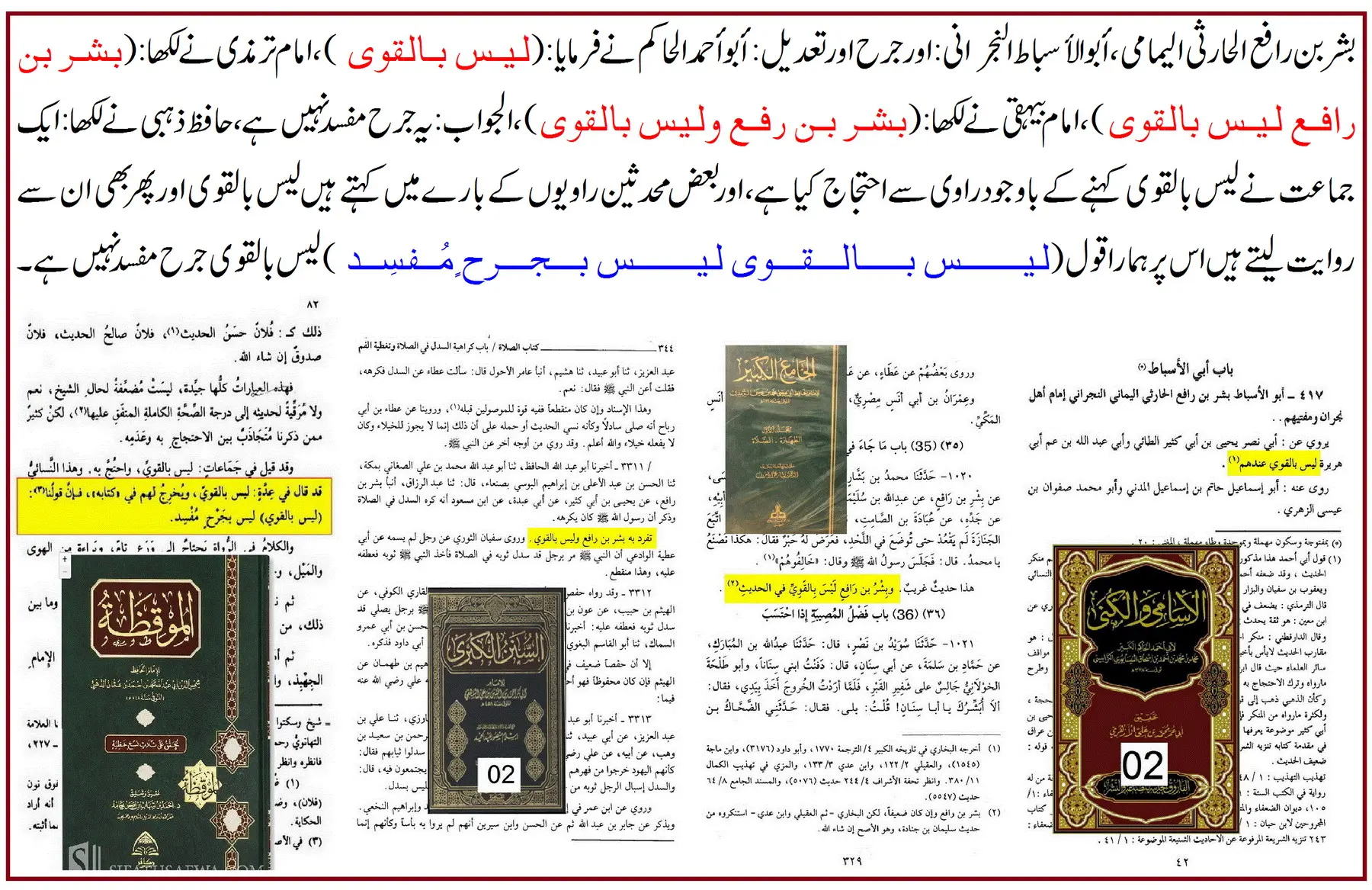
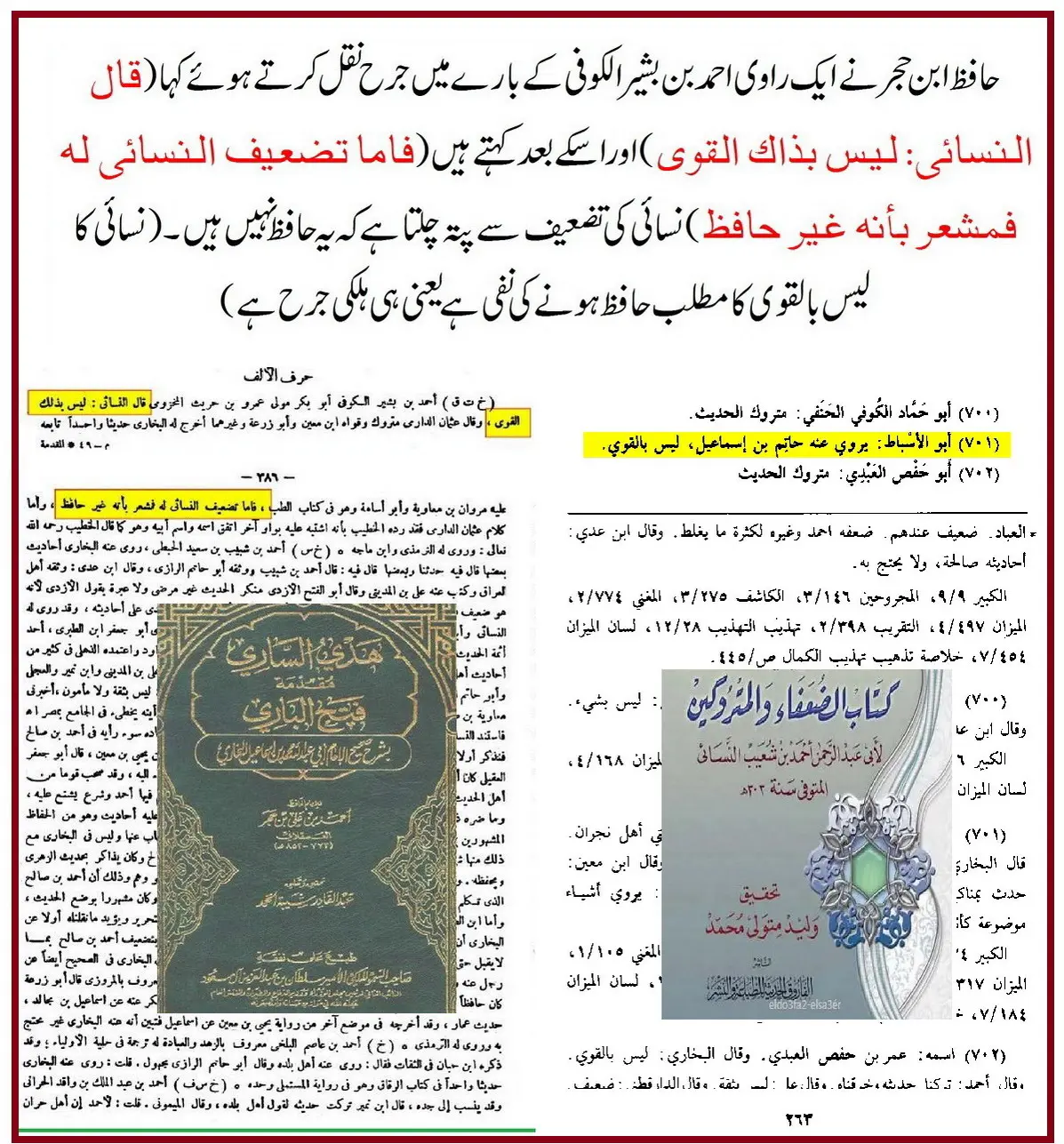
“Abū al-Asbāṭ narrates from him, and he is not strong.”
[Al-Ḍuʿafāʾ wa al-Matrūkūn, no. 670]
✔ This does not constitute discrediting; it generally refers to weak memory, and many scholars still accept such narrators.
✔ Ḥāfiẓ Ibn Ḥajar explains that this implies he is not a ḥāfiẓ, a mild critique.
He is known to be overly strict, even criticizing giants like Imām Abū Ḥanīfah and Qāḍī Abū Yūsuf. Hence, his lone harsh critiques are not authoritative, especially when others affirm the narrator's credibility.
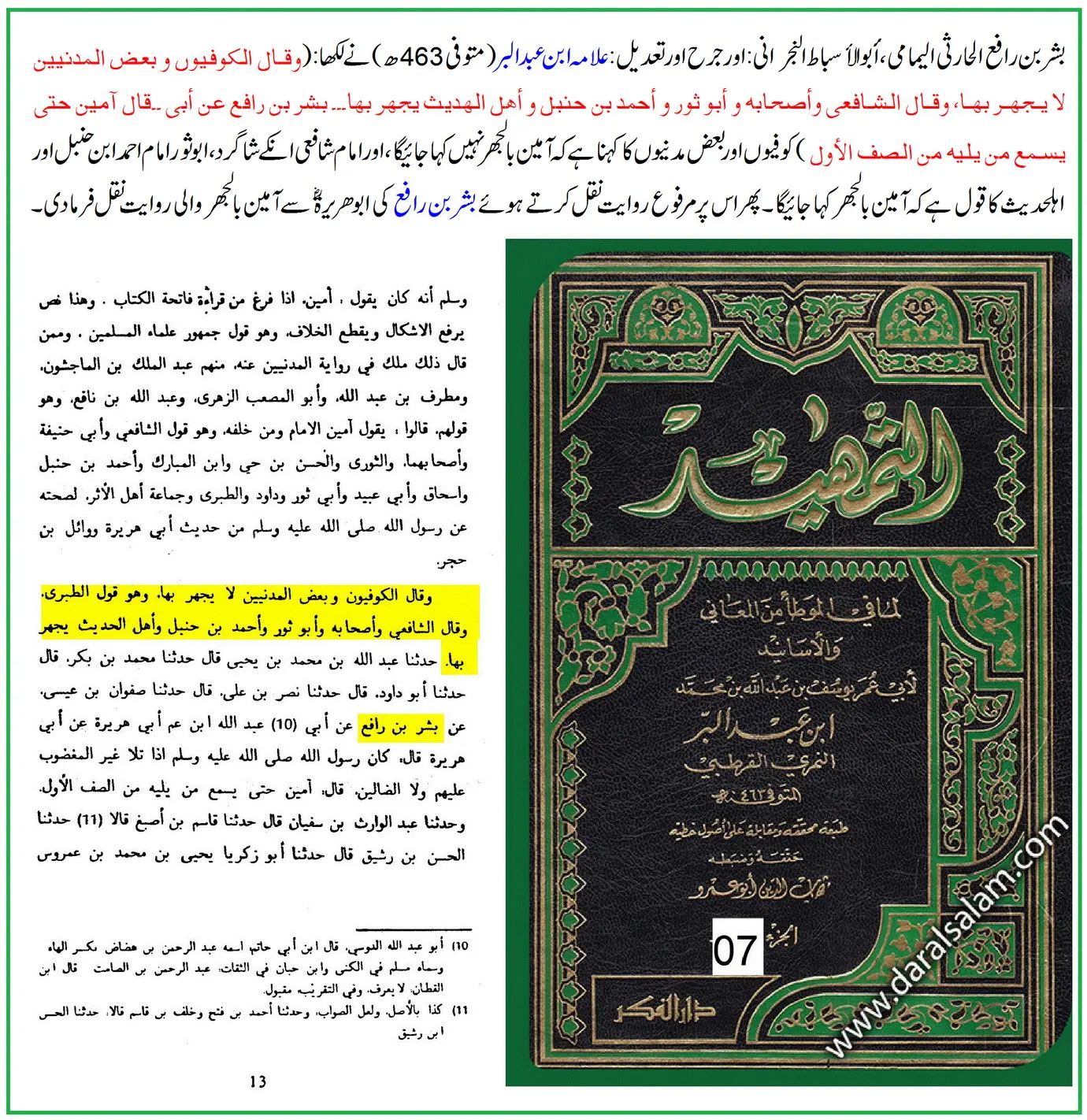
Though he mentions that scholars rejected Bishr's narration, he himself uses this exact narration in his book to support loud Āmīn and argues against the Kufan view:
“The Kūfans and some Madinans say it should not be said aloud... while Imām al-Shāfiʿī, his companions, Aḥmad, Abū Thawr, and the Ahl al-Ḥadīth say it should be said aloud, and this narration through Bishr bin Rāfiʿ is cited.”
[Al-Tamhīd li-mā fī al-Muwaṭṭaʾ min al-Maʿānī wa al-Asānīd]
✔ If he considered Bishr unreliable, he would not use his narration in argumentation.
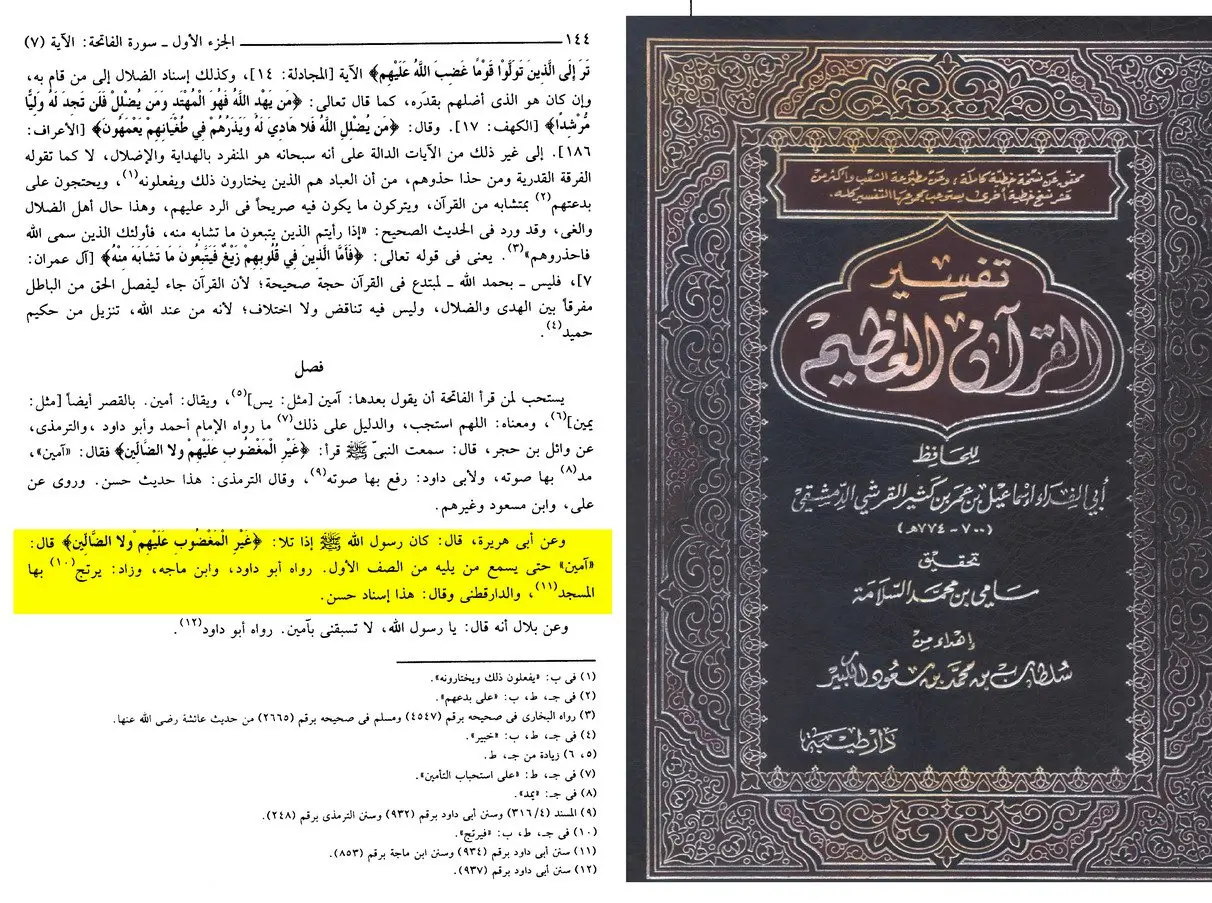
Regarding the loud Āmīn narration: “This isnād is ḥasan (good).”
[Tafsīr Ibn Kathīr, commentary on loud Āmīn]
✔ A direct authentication from a master ḥadīth critic.
This practice is not solely dependent on this one narration.
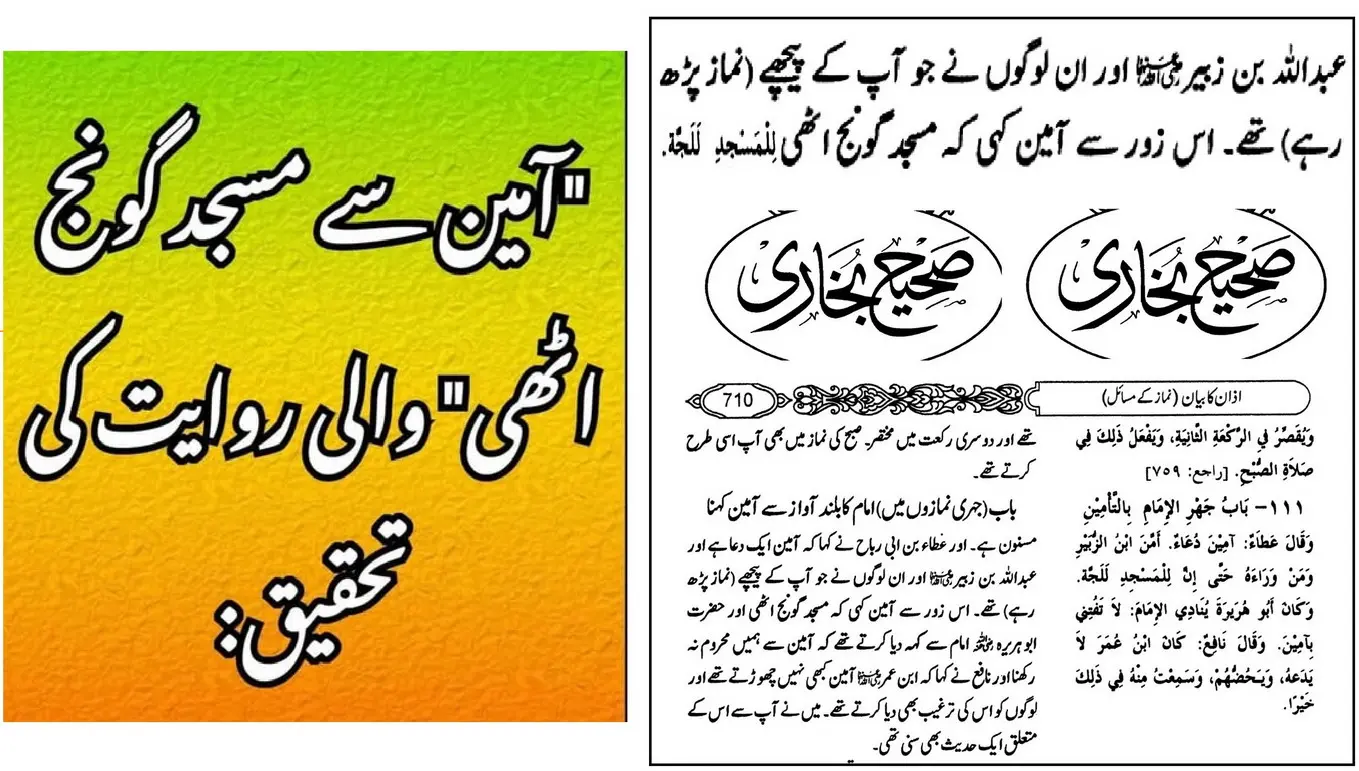
ʿAṭāʾ said: “Āmīn is a supplication. Ibn al-Zubayr and those behind him used to say it so loudly that the mosque would shake.”
[Ṣaḥīḥ al-Bukhārī, Book of Adhān]
✔ Imām al-Bukhārī narrates it with decisive wording, indicating authenticity.
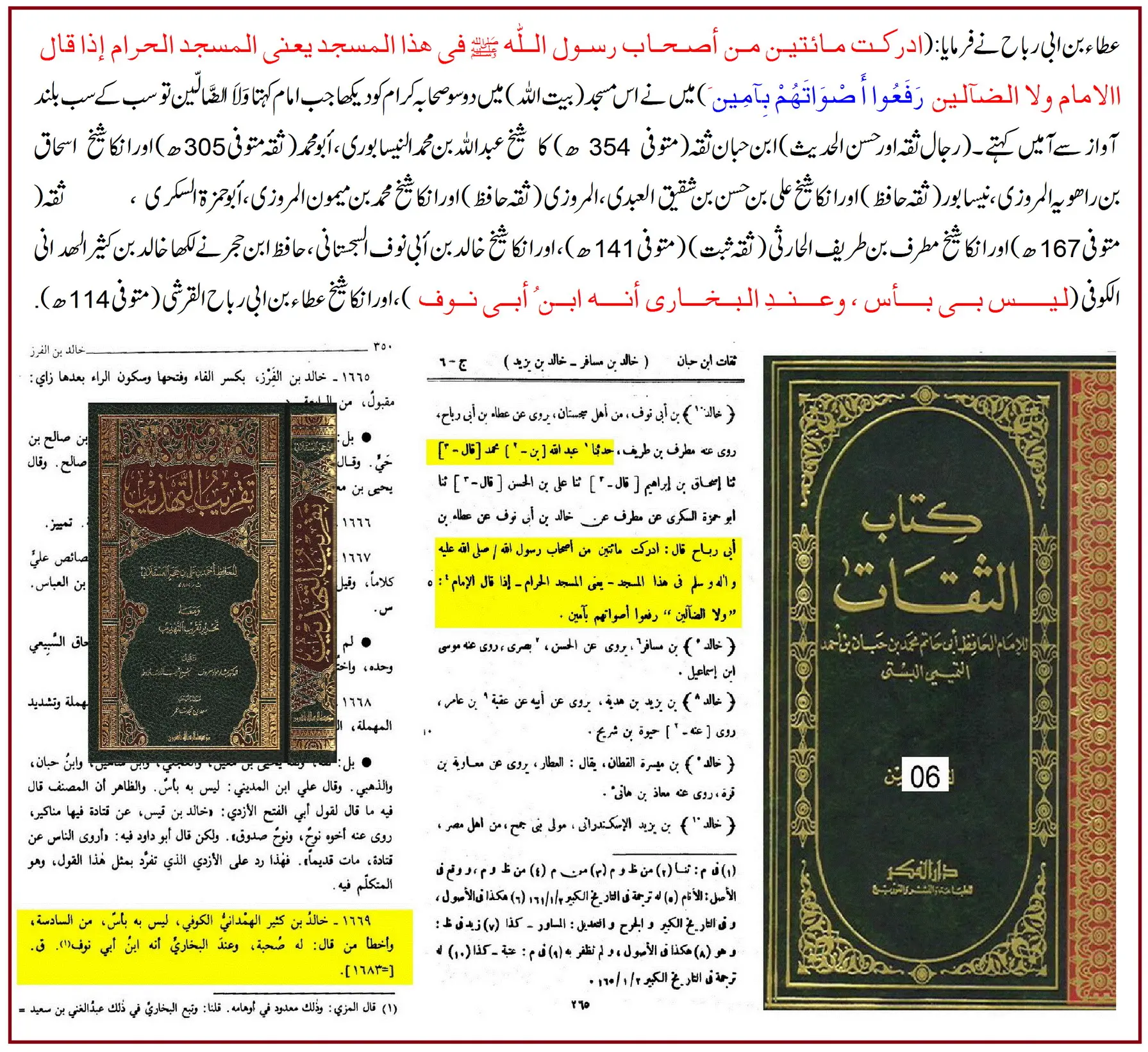
“I saw 200 Companions of the Prophet ﷺ in the Sacred Mosque. When the imām recited {وَلَا الضَّالِّينَ}, they would say Āmīn aloud.”
[Al-Thiqāt of Ibn Ḥibbān]
✔ Chain is authentic – all narrators are reliable.
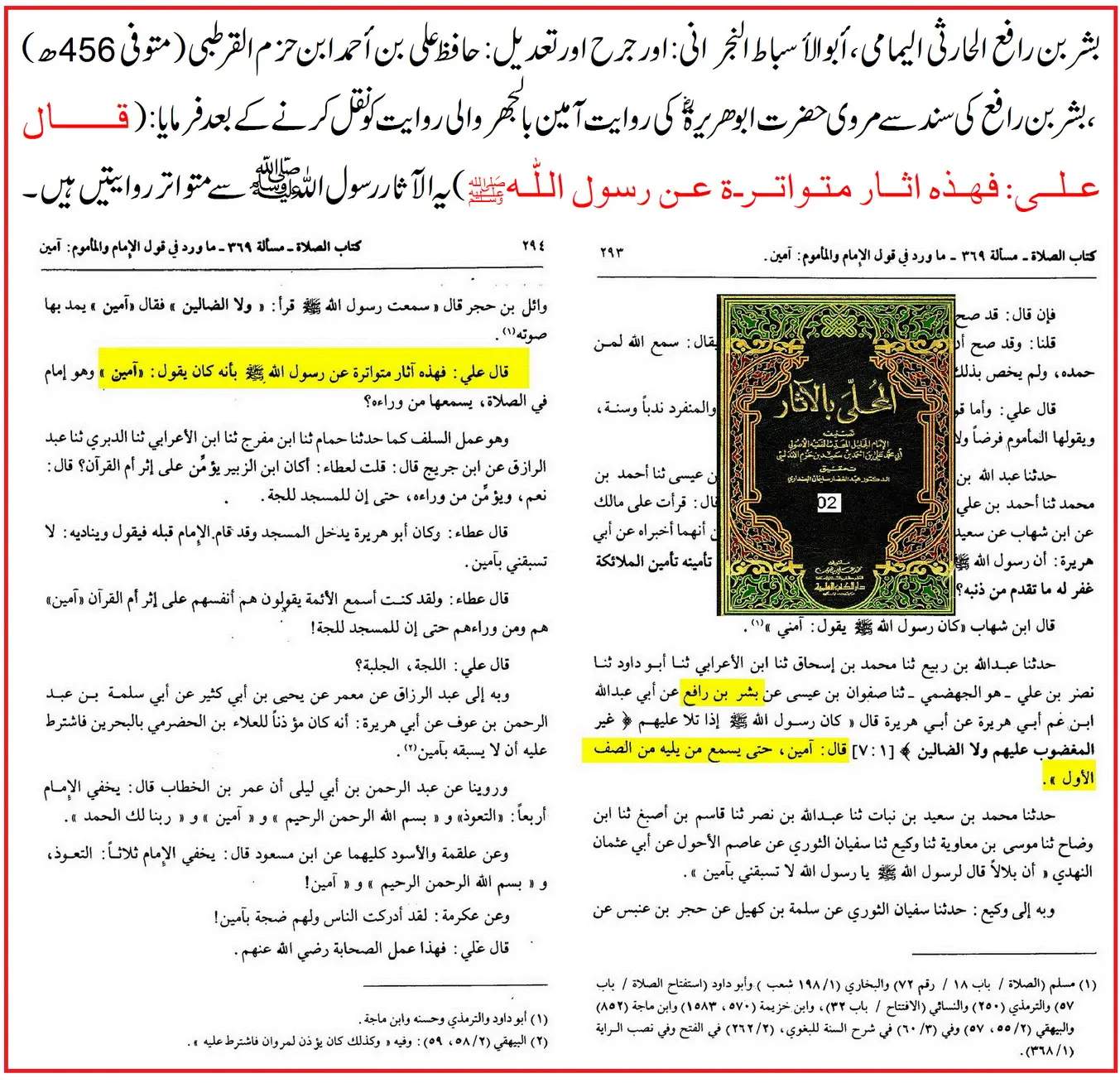
“These āthār are mutawātir (mass transmitted) from the Messenger of Allah ﷺ – that he would say Āmīn as an imām and those behind him would hear it.”
[Al-Muḥallā bi al-Āthār]
“This isnād is ḥasan.”
[Tafsīr Ibn Kathīr]
From this thorough analysis, the following is evident:
① The narration of loud Āmīn from Ibn Mājah is supported by multiple reliable scholars.
② The narrator Bishr bin Rāfiʿ has mixed evaluations, but many leading scholars such as al-Bukhārī, Ibn Maʿīn, al-ʿAdī, al-Ḥākim, al-ʿIrāqī have accepted his narrations.
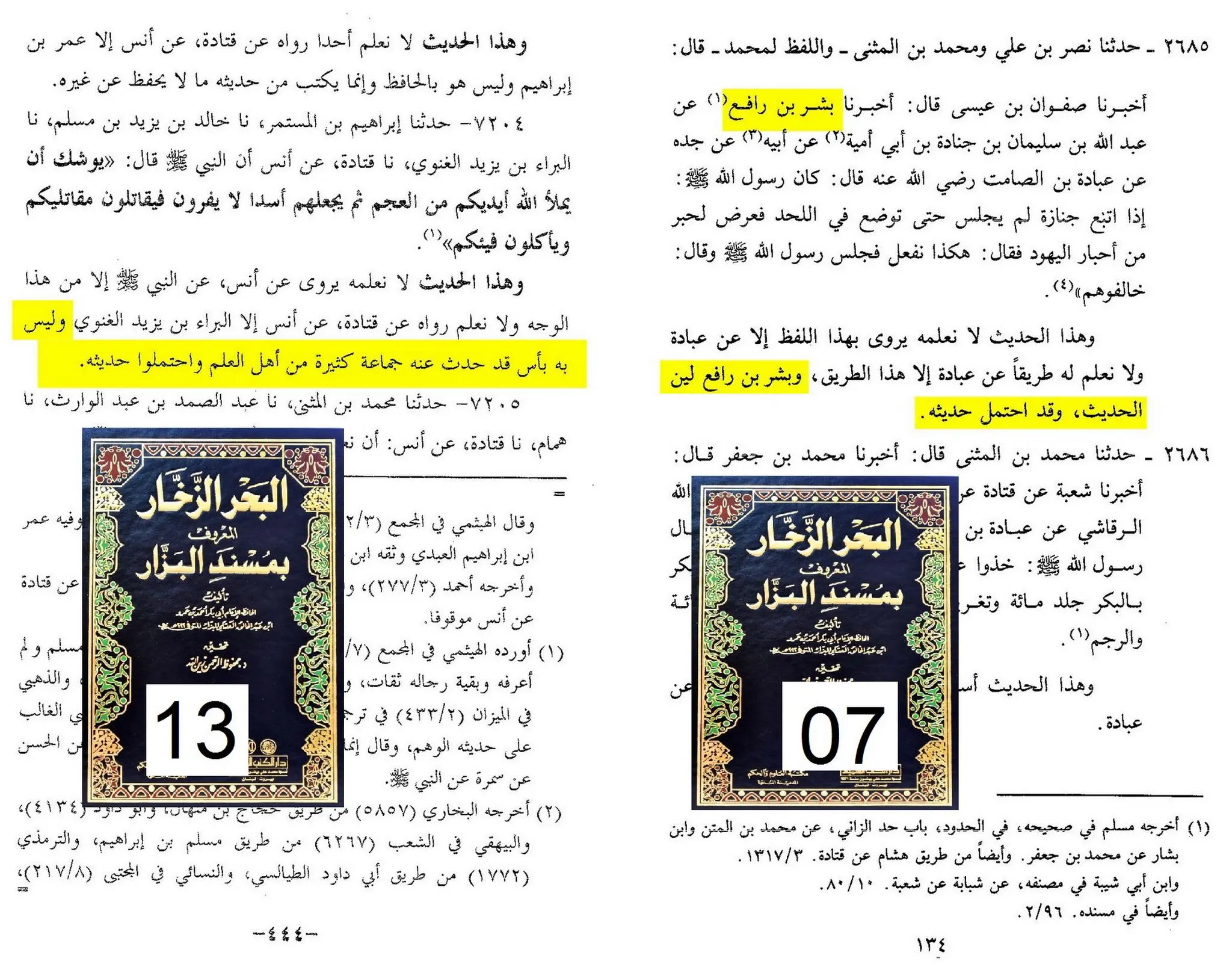
③ Mild criticisms such as “ليس بالقوي” do not invalidate a narrator absolutely, and scholars have used his narrations in evidence.
④ Ibn ʿAbd al-Barr himself used the narration in argument against the Kufan opinion, confirming its value.
⑤ The act of loudly saying Āmīn is not based on this narration alone; it is established by mass practice of the Companions and multiple ḥadīths.
⑥ Scholars such as Ibn Ḥazm considered it mutawātir, and al-Dāraquṭnī authenticated its isnād as ḥasan.
Objection from the Ḥanafīs
Some Ḥanafī scholars raise an objection to the famous marfūʿ narration in which it is said: “The mosque would shake due to the loud utterance of Āmīn.” They argue that the narration is weak because one of its narrators, Bishr bin Rāfiʿ, has been criticized by some muḥaddithīn. Based on this single narrator, they attempt to dismiss the entire narration and, consequently, the practice of loud Āmīn.
Response to This Objection
This reasoning is questionable for the following reasons:
① This matter is supported by several other authentic and sound narrations.
② Regarding Bishr bin Rāfiʿ, there are both criticisms and endorsements recorded from the scholars of ḥadīth; many imams have accepted his narrations.
③ A mild or debatable criticism of a narrator does not render all his narrations unacceptable in absolute terms.
The Primary Ḥadīth – Sunan Ibn Mājah
Ḥadīth No. 853:Arabic Text:
حَدَّثَنَا مُحَمَّدُ بْنُ بَشَّارٍ، قَالَ: حَدَّثَنَا صَفْوَانُ بْنُ عِيسَى، قَالَ: حَدَّثَنَا بِشْرُ بْنُ رَافِعٍ، عَنْ أَبِي عَبْدِ اللَّهِ ابْنِ عَمِّ أَبِي هُرَيْرَةَ، عَنْ أَبِي هُرَيْرَةَ، قَالَ: تَرَكَ النَّاسُ التَّأْمِينَ، وَكَانَ رَسُولُ اللَّهِ ﷺ إِذَا قَالَ: {غَيْرِ الْمَغْضُوبِ عَلَيْهِمْ وَلَا الضَّالِّينَ}، قَالَ: «آمِينَ» حَتَّى يَسْمَعَهَا أَهْلُ الصَّفِّ الْأَوَّلِ، فَيَرْتَجُّ بِهَا الْمَسْجِدُ
Translation:
It is narrated from Abū Hurayrah رضي الله عنه that he said: “The people have abandoned saying Āmīn. Verily, when the Messenger of Allah ﷺ would recite {غَيْرِ الْمَغْضُوبِ عَلَيْهِمْ وَلَا الضَّالِّينَ}, he would say Āmīn aloud such that those in the first row would hear him, and the mosque would resonate with the sound.”
Reference: Sunan Ibn Mājah: 853
Summary of the Ḥanafī Objection
They argue that this narration is rejected because Bishr bin Rāfiʿ is weak — even alleging he narrates fabricated reports. They cite scholars such as Imām al-Bukhārī, Aḥmad, Ibn Maʿīn, al-Nasāʾī, Ibn Ḥibbān, and Ibn ʿAbd al-Barr.
A Scholarly Examination of Bishr bin Rāfiʿ
Despite the Ḥanafī objection, numerous leading scholars have validated this narrator or used his narrations in evidence:
1. Imām al-Bukhārī رحمه الله
“Bishr bin Rāfiʿ al-Yamānī Abū Asbāṭ al-Ḥārithī... Ibn Abī Isrāʾīl said: ʿAbd al-Razzāq narrated to us saying: Bishr was the Imām and Muftī of the people of Najrān.”
[Al-Tārīkh al-Kabīr, no. 1736]✔ The titles “Imām” and “Muftī” indicate strong endorsement, as acknowledged even by Ḥanafīs.
2. Imām Yaḥyá bin Maʿīn رحمه الله
“ʿAbd al-Razzāq narrated from a man named Bishr bin Rāfiʿ – there is no harm in him.”
[Tārīkh Ibn Maʿīn, Riwayah al-Dūrī, no. 555]✔ The phrase “ليس به بأس” is used for truthful and acceptable narrators.
3. Abū Aḥmad al-ʿAdī al-Jurjānī رحمه الله
“Bishr bin Rāfiʿ – his ḥadīths are average (muqārib al-ḥadīth), there is no issue with his narrations, and I found no denounced ḥadīth from him.”
[Al-Kāmil fī Ḍuʿafāʾ al-Rijāl, 2/249]✔ The term “muqārib al-ḥadīth” shows his narrations are recognizable and acceptable, and absence of munkar reports is a positive indication.
4. Imām al-Ḥākim al-Naysābūrī رحمه الله
“Bishr bin Rāfiʿ al-Ḥārithī is not abandoned.”
[Al-Mustadrak ʿala al-Ṣaḥīḥayn, 1/1990]✔ “Not abandoned” implies his narrations are at least usable, especially when other scholars say “lā baʾs bihī”.
5. Imām al-ʿIrāqī رحمه الله on This Ḥadīth
“Ibn Mājah narrates from Abū Hurayrah with a good isnād (bi isnād jayyid): …until the people in the first row would hear and the mosque would shake.”
[Ṭarḥ al-Tathrīb fī Sharḥ al-Taqrīb]✔ “Isnād jayyid” indicates the ḥadīth is at least ḥasan (sound).
Examining the Critical Opinions
1. Imām Aḥmad’s Criticism
The critic mentions Aḥmad deemed him weak, but neglects the endorsement by other major imams. According to principles of al-Jarḥ wa al-Taʿdīl, an explained criticism must outweigh a majority’s acceptance to be given precedence — which is not the case here.
2. Imām al-Nasāʾī’s Statement: "ليس بالقوي"
“Abū al-Asbāṭ narrates from him, and he is not strong.”
[Al-Ḍuʿafāʾ wa al-Matrūkūn, no. 670]✔ This does not constitute discrediting; it generally refers to weak memory, and many scholars still accept such narrators.
✔ Ḥāfiẓ Ibn Ḥajar explains that this implies he is not a ḥāfiẓ, a mild critique.
3. Ibn Ḥibbān’s Statement: "He narrates fabricated reports"
He is known to be overly strict, even criticizing giants like Imām Abū Ḥanīfah and Qāḍī Abū Yūsuf. Hence, his lone harsh critiques are not authoritative, especially when others affirm the narrator's credibility.
4. Ibn ʿAbd al-Barr’s Contradictory Stance
Though he mentions that scholars rejected Bishr's narration, he himself uses this exact narration in his book to support loud Āmīn and argues against the Kufan view:
“The Kūfans and some Madinans say it should not be said aloud... while Imām al-Shāfiʿī, his companions, Aḥmad, Abū Thawr, and the Ahl al-Ḥadīth say it should be said aloud, and this narration through Bishr bin Rāfiʿ is cited.”
[Al-Tamhīd li-mā fī al-Muwaṭṭaʾ min al-Maʿānī wa al-Asānīd]✔ If he considered Bishr unreliable, he would not use his narration in argumentation.
5. Imām al-Dāraquṭnī رحمه الله
Regarding the loud Āmīn narration: “This isnād is ḥasan (good).”
[Tafsīr Ibn Kathīr, commentary on loud Āmīn]✔ A direct authentication from a master ḥadīth critic.
Other Supporting Evidence
This practice is not solely dependent on this one narration.
1. Effect of Loud Āmīn in Ṣaḥīḥ al-Bukhārī
ʿAṭāʾ said: “Āmīn is a supplication. Ibn al-Zubayr and those behind him used to say it so loudly that the mosque would shake.”
[Ṣaḥīḥ al-Bukhārī, Book of Adhān]✔ Imām al-Bukhārī narrates it with decisive wording, indicating authenticity.
2. Testimony of ʿAṭāʾ bin Abī Rabāḥ
“I saw 200 Companions of the Prophet ﷺ in the Sacred Mosque. When the imām recited {وَلَا الضَّالِّينَ}, they would say Āmīn aloud.”
[Al-Thiqāt of Ibn Ḥibbān]✔ Chain is authentic – all narrators are reliable.
3. Ḥāfiẓ Ibn Ḥazm’s Verdict
“These āthār are mutawātir (mass transmitted) from the Messenger of Allah ﷺ – that he would say Āmīn as an imām and those behind him would hear it.”
[Al-Muḥallā bi al-Āthār]4. Imām al-Dāraquṭnī Again
“This isnād is ḥasan.”
[Tafsīr Ibn Kathīr] Conclusion
From this thorough analysis, the following is evident:
① The narration of loud Āmīn from Ibn Mājah is supported by multiple reliable scholars.
② The narrator Bishr bin Rāfiʿ has mixed evaluations, but many leading scholars such as al-Bukhārī, Ibn Maʿīn, al-ʿAdī, al-Ḥākim, al-ʿIrāqī have accepted his narrations.
③ Mild criticisms such as “ليس بالقوي” do not invalidate a narrator absolutely, and scholars have used his narrations in evidence.
④ Ibn ʿAbd al-Barr himself used the narration in argument against the Kufan opinion, confirming its value.
⑤ The act of loudly saying Āmīn is not based on this narration alone; it is established by mass practice of the Companions and multiple ḥadīths.
⑥ Scholars such as Ibn Ḥazm considered it mutawātir, and al-Dāraquṭnī authenticated its isnād as ḥasan.
