
❖ Compiled by: Abu Hamzah Salafi
The purpose of this article is to present a scholarly clarification on the objection that Ṣaḥīḥ al-Bukhārī contains narrations from some bidʿatī (innovator) narrators. Certain individuals claim that Imām al-Bukhārī narrated from two Shiʿah/Rāfiḍī narrators (ʿAbd al-Malik ibn Aʿyan and ʿAbbād ibn Yaʿqūb) and one Murjiʾī narrator (Ayyūb ibn ʿĀʾiḍ), despite listing the latter in his al-Ḍuʿafāʾ. Based on this, it is alleged (we seek refuge with Allah) that there is a contradiction in al-Bukhārī’s methodology (sharṭ aṣ-ṣaḥīḥ).
This article aims to demonstrate:
◈ Al-Bukhārī generally did not use innovators as primary sources of evidence (iḥtijāj), but rather cited them in mutābaʿāt or as maqrūnān bi-ghayrih (combined with others).
◈ It is a well-established practice in ḥadīth sciences to include lesser-grade narrators in supporting chains. This does not invalidate the authenticity standard of a book.
◈ Hence, this matter is not resolved by emotional slogans, but through technical understanding of terms like iḥtijāj, mutābaʿah, and maqrūnān, supported by explicit statements from the scholars.
① Iḥtijāj (Principal Proof):
Using a narrator’s ḥadīth as the main evidentiary chain.
② Mutābaʿah / Maqrūnān bi-ghayrih (Supporting Route):
Citing a second chain with the same content alongside a sound chain, either independently (mutābaʿah) or coupled with a reliable narrator (maqrūnān), making it supportive, not foundational.
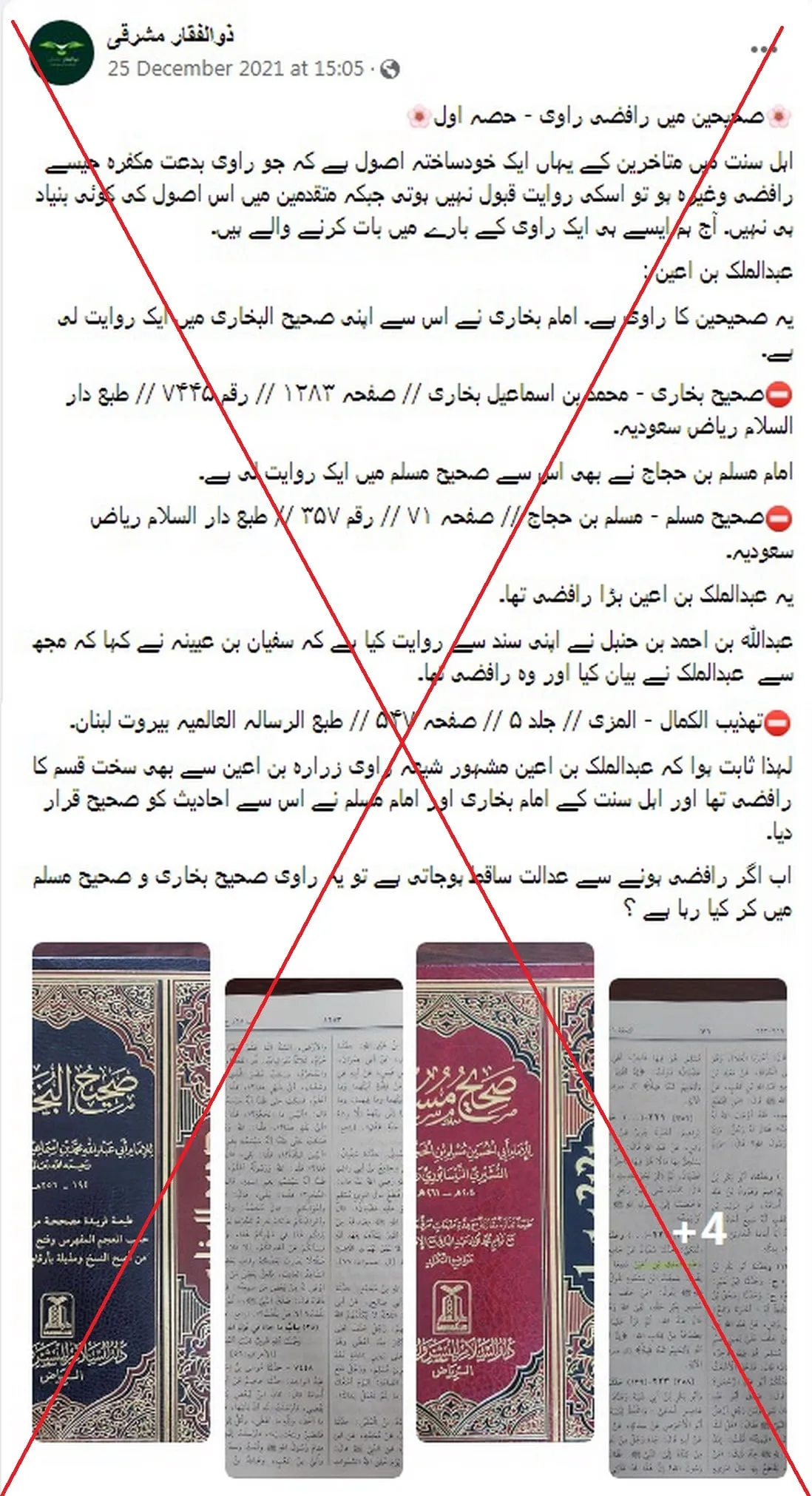
Critics claim he was a Rāfiḍī and yet al-Bukhārī and Muslim narrated from him.
Arabic:
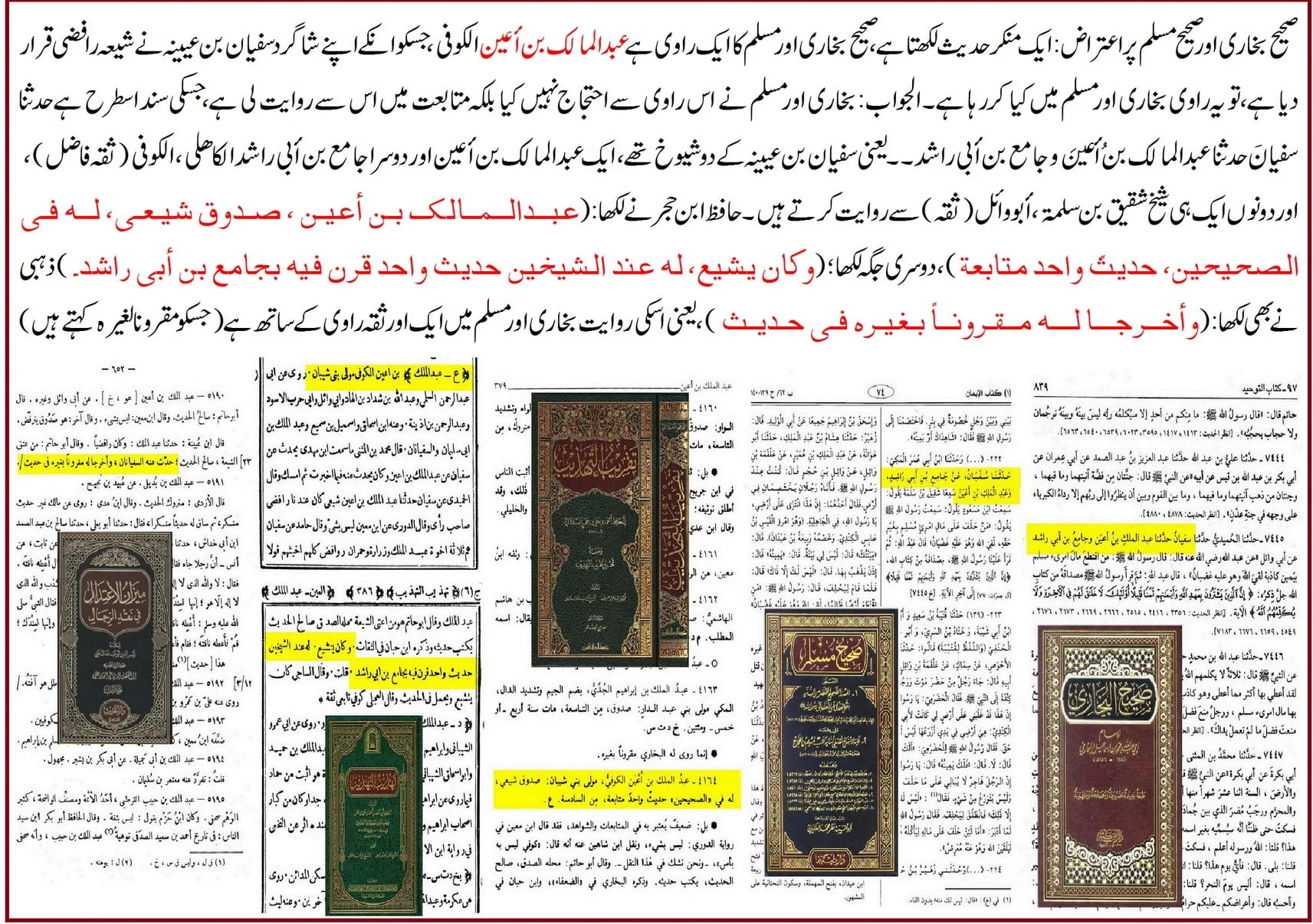
4164- عبد الملك بن أعين ... صدوق شيعي له في الصحيحين حديث واحد متابعة ...
Translation:
ʿAbd al-Malik ibn Aʿyan, a Kufan, reliable (ṣadūq), a Shīʿī, has only one narration in the Ṣaḥīḥayn, and that too is in mutābaʿah.
Source: Taqrīb al-Tahdhīb – Ibn Ḥajar
✔ This clearly proves that al-Bukhārī did not use him as a primary source, but only in a supporting role.
Arabic:
... قرن فيه بجامع بن أبي راشد
Translation:
The narration was cited together with Jāmiʿ ibn Abī Rāshid, indicating he was paired, not standalone.
Source: Tahdhīb al-Tahdhīb – Ibn Ḥajar
Arabic:
وأخرجا له مقرونا بغيره في حديث
Translation:
Al-Bukhārī and Muslim cited him paired with another in a narration.
Source: Mīzān al-Iʿtidāl – al-Dhahabī
✔ All sources affirm his role was supportive, not central.
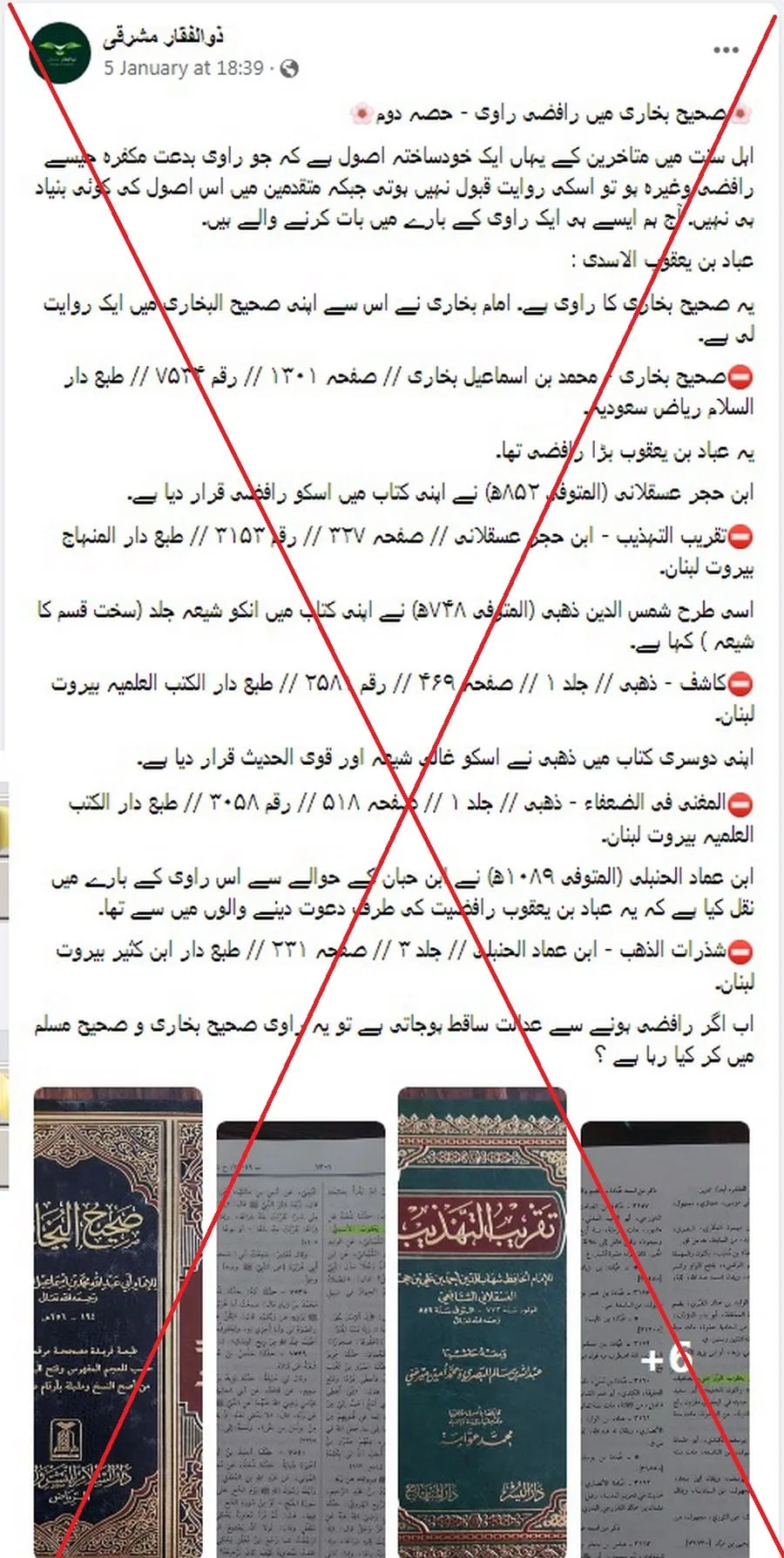
Critics claim ʿAbbād was a Ghālī Shīʿī, yet al-Bukhārī narrated from him.
Narration 1:
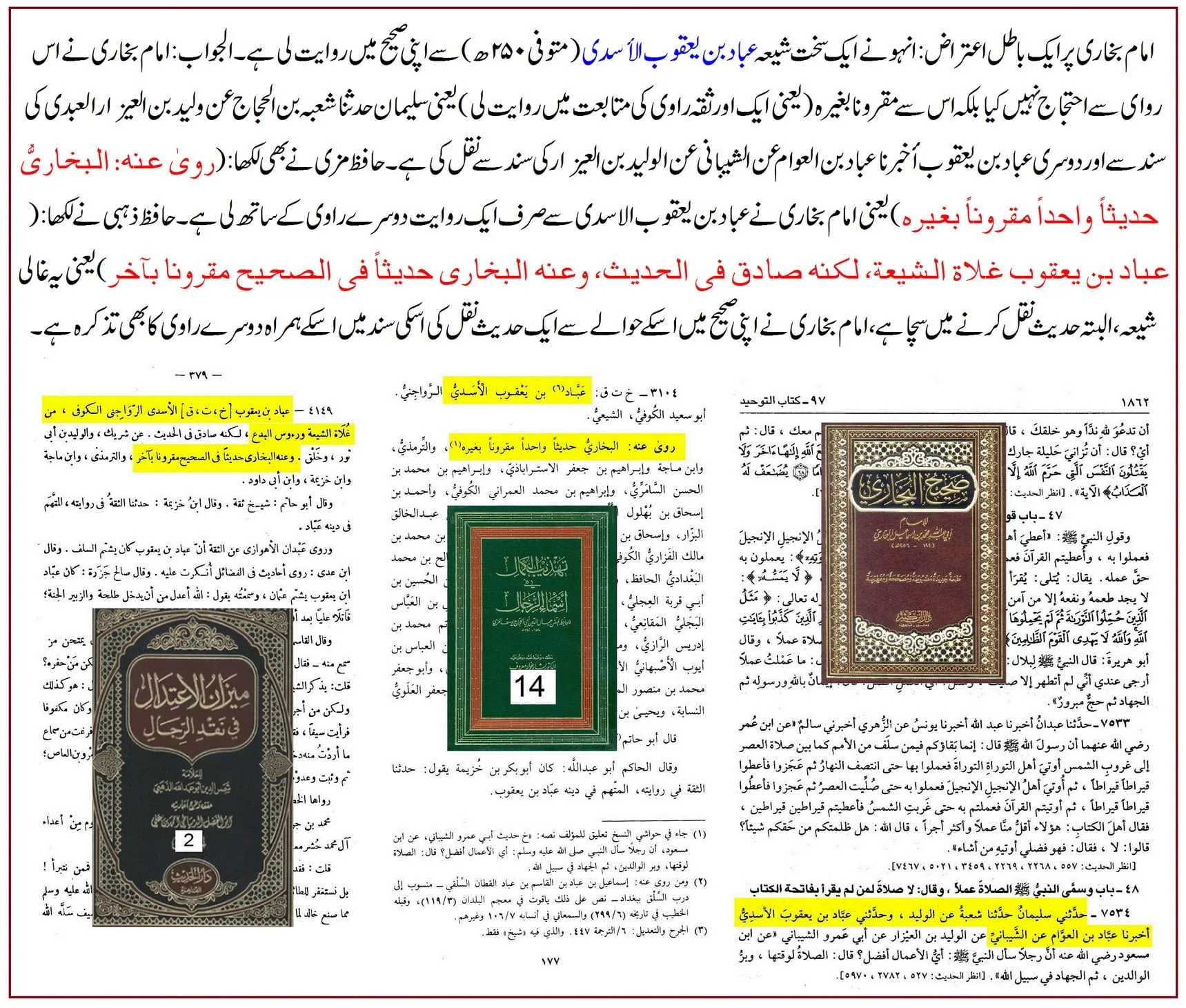
Sulaimān → Shuʿbah → al-Walīd ibn al-ʿAyzār → Ibn Masʿūd رضي الله عنه
Narration 2:
ʿAbbād ibn Yaʿqūb → ʿAbbād ibn al-ʿAwām → al-Shaybānī → Ibn Masʿūd رضي الله عنه
Source: Ṣaḥīḥ al-Bukhārī, Ḥadīth: 7534
✔ Presence of an authentic chain (via Shuʿbah) confirms that ʿAbbād's route was not foundational.
Arabic:
رَوَى عَنه: البخاري حديثا واحدا مقرونا بغيره
Translation:
Al-Bukhārī narrated only one ḥadīth from him, and that too paired with another.
Source: Tahdhīb al-Kamāl – al-Mizzī
Arabic:
من غلاة الشيعة ... لكنه صادق في الحديث ... مقرونا بآخر
Translation:
A leading extremist Shīʿī, yet truthful in ḥadīth; al-Bukhārī cited him alongside another narrator.
Source: Mīzān al-Iʿtidāl – al-Dhahabī
✔ Scholars distinguished innovation from truthfulness, and al-Bukhārī only used him as supportive evidence.
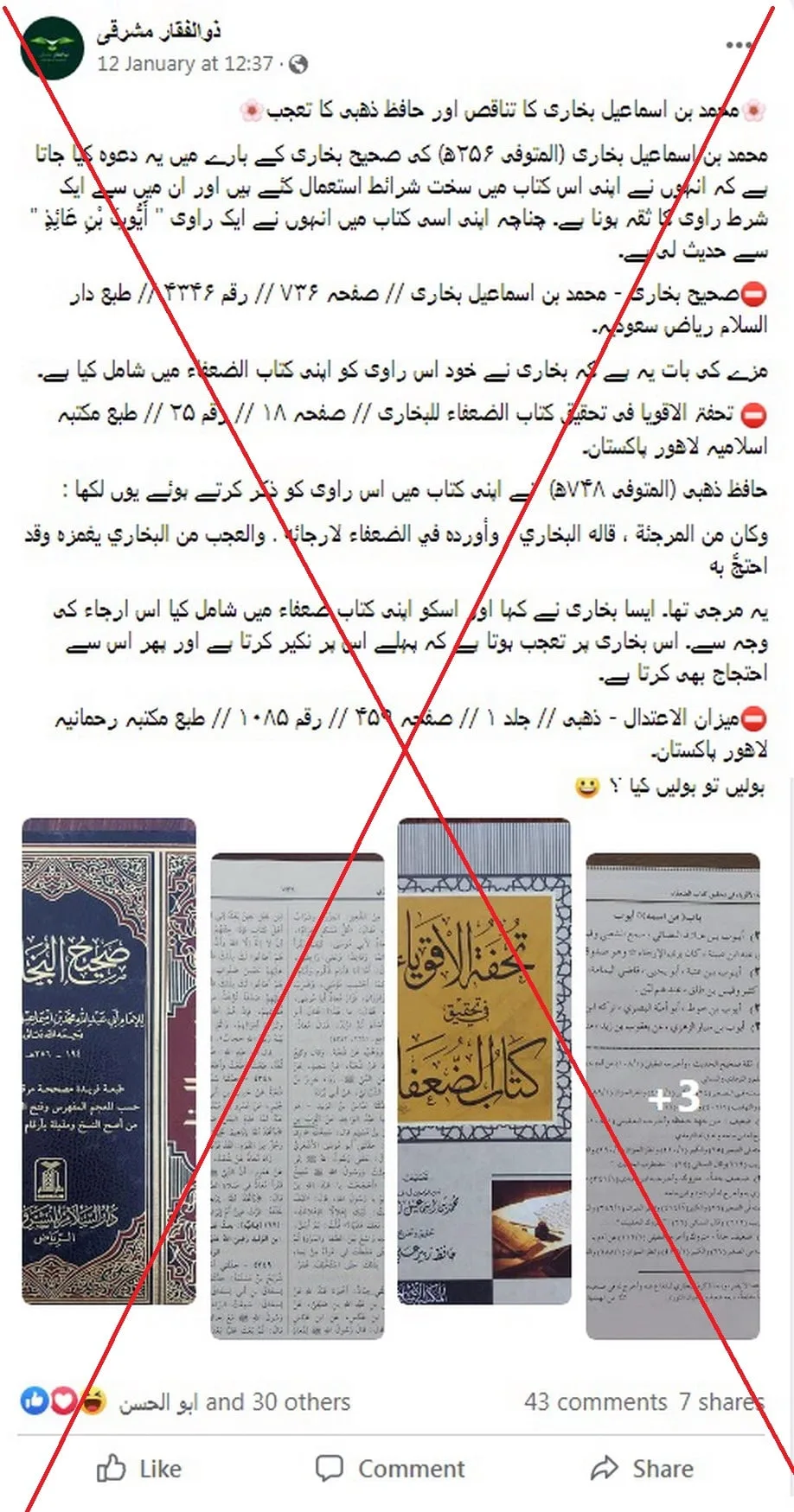
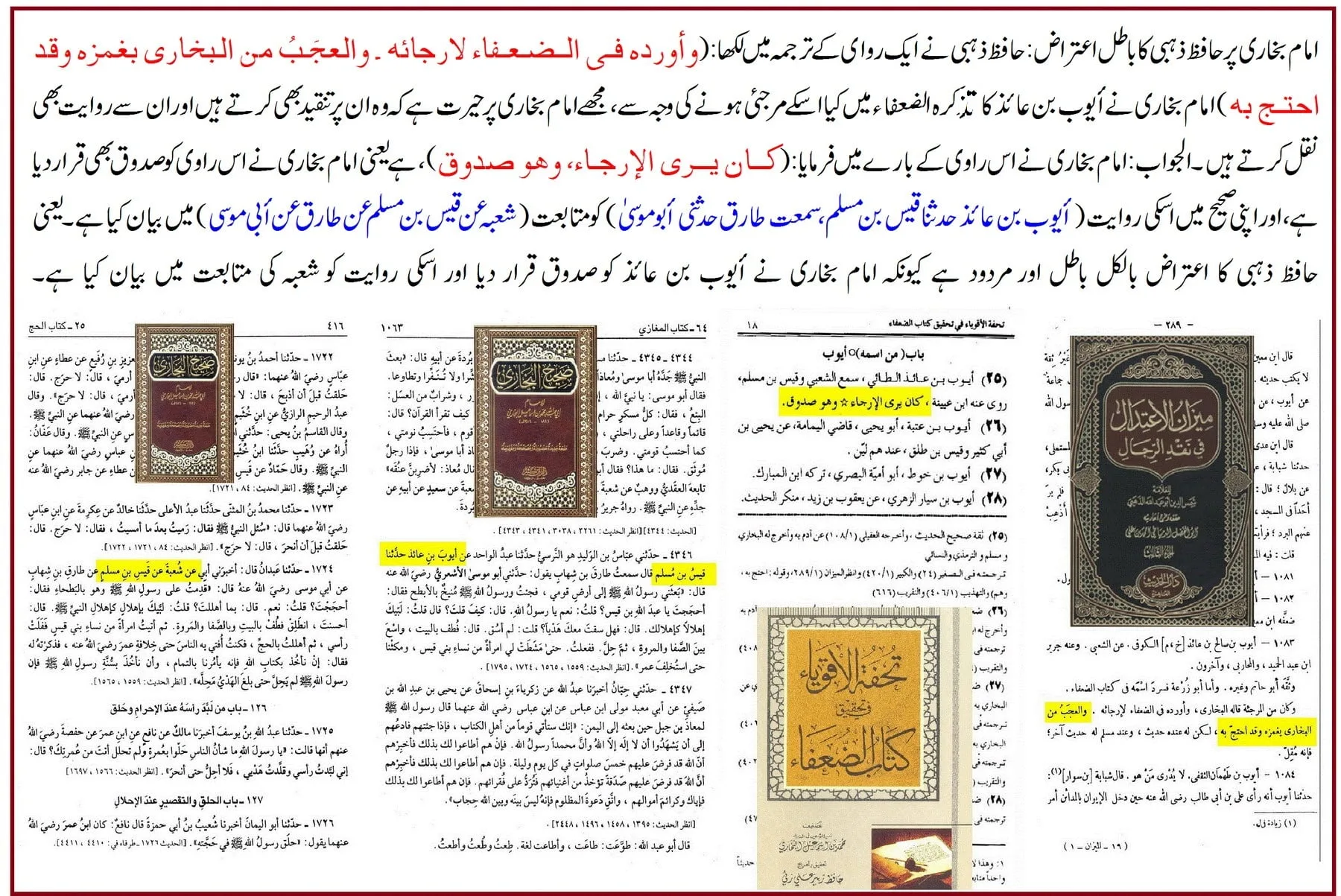
Critics argue al-Bukhārī listed Ayyūb ibn ʿĀʾiḍ in his al-Ḍuʿafāʾ but still used him in Ṣaḥīḥ.
Chain 1:
Shuʿbah → Qays ibn Muslim → Ṭāriq ibn Shihāb → Abū Mūsā al-Ashʿarī رضي الله عنه
Ḥadīth: Ṣaḥīḥ al-Bukhārī, Ḥadīth: 1724
Chain 2:
Ayyūb ibn ʿĀʾiḍ → Qays ibn Muslim → Ṭāriq ibn Shihāb → Abū Mūsā رضي الله عنه
Ḥadīth: Ṣaḥīḥ al-Bukhārī, Ḥadīth: 4346
✔ Presence of a sound primary chain through Shuʿbah confirms Ayyūb’s version is only supporting.
In ḥadīth methodology, including a narrator in al-Ḍuʿafāʾ does not always prohibit narration from him, especially when:
✔ The narration is mutābaʿah or shawāhid
✔ The main chain is strong
✔ The weaker narrator is used only as support
From the above examples of ʿAbd al-Malik ibn Aʿyan, ʿAbbād ibn Yaʿqūb, and Ayyūb ibn ʿĀʾiḍ, we conclude:
① Imām al-Bukhārī narrated from such narrators rarely and in a very limited scope, and usually only in supporting chains (mutābaʿāt or maqrūnān).
② Explicit confirmations from Ibn Ḥajar, al-Dhahabī, and al-Mizzī prove these narrations were not for iḥtijāj, but supplementary.
③ Using weaker narrators in mutābaʿah or shawāhid is a recognized and valid practice in ḥadīth sciences, and does not contradict the authenticity standards of Ṣaḥīḥ al-Bukhārī.
The presence of narrations from certain narrators accused of innovation in Ṣaḥīḥ al-Bukhārī is not an issue to be approached emotionally. Rather, it requires understanding of ḥadīth terminology and scholarly methodology. Based on the evidence presented, the most accurate conclusion is that Imām al-Bukhārī did not rely on these narrators as principal authorities, but used them as supporting routes, which fully aligns with the methodology of the ḥadīth scholars.
The purpose of this article is to present a scholarly clarification on the objection that Ṣaḥīḥ al-Bukhārī contains narrations from some bidʿatī (innovator) narrators. Certain individuals claim that Imām al-Bukhārī narrated from two Shiʿah/Rāfiḍī narrators (ʿAbd al-Malik ibn Aʿyan and ʿAbbād ibn Yaʿqūb) and one Murjiʾī narrator (Ayyūb ibn ʿĀʾiḍ), despite listing the latter in his al-Ḍuʿafāʾ. Based on this, it is alleged (we seek refuge with Allah) that there is a contradiction in al-Bukhārī’s methodology (sharṭ aṣ-ṣaḥīḥ).
This article aims to demonstrate:
◈ Al-Bukhārī generally did not use innovators as primary sources of evidence (iḥtijāj), but rather cited them in mutābaʿāt or as maqrūnān bi-ghayrih (combined with others).
◈ It is a well-established practice in ḥadīth sciences to include lesser-grade narrators in supporting chains. This does not invalidate the authenticity standard of a book.
◈ Hence, this matter is not resolved by emotional slogans, but through technical understanding of terms like iḥtijāj, mutābaʿah, and maqrūnān, supported by explicit statements from the scholars.
✦ Key Terms: What Are
① Iḥtijāj (Principal Proof):
Using a narrator’s ḥadīth as the main evidentiary chain.
② Mutābaʿah / Maqrūnān bi-ghayrih (Supporting Route):
Citing a second chain with the same content alongside a sound chain, either independently (mutābaʿah) or coupled with a reliable narrator (maqrūnān), making it supportive, not foundational.
❖ First Objection: Narration from ʿAbd al-Malik ibn Aʿyan
Critics claim he was a Rāfiḍī and yet al-Bukhārī and Muslim narrated from him.
① Ibn Ḥajar: Only One Narration in
Arabic:
4164- عبد الملك بن أعين ... صدوق شيعي له في الصحيحين حديث واحد متابعة ...
Translation:
ʿAbd al-Malik ibn Aʿyan, a Kufan, reliable (ṣadūq), a Shīʿī, has only one narration in the Ṣaḥīḥayn, and that too is in mutābaʿah.
Source: Taqrīb al-Tahdhīb – Ibn Ḥajar
✔ This clearly proves that al-Bukhārī did not use him as a primary source, but only in a supporting role.
② Ibn Ḥajar: Coupled with Jāmiʿ ibn Abī Rāshid
Arabic:
... قرن فيه بجامع بن أبي راشد
Translation:
The narration was cited together with Jāmiʿ ibn Abī Rāshid, indicating he was paired, not standalone.
Source: Tahdhīb al-Tahdhīb – Ibn Ḥajar
③ al-Dhahabī: Explicit Use as
Arabic:
وأخرجا له مقرونا بغيره في حديث
Translation:
Al-Bukhārī and Muslim cited him paired with another in a narration.
Source: Mīzān al-Iʿtidāl – al-Dhahabī
✔ All sources affirm his role was supportive, not central.
❖ Second Objection: Narration from ʿAbbād ibn Yaʿqūb
Critics claim ʿAbbād was a Ghālī Shīʿī, yet al-Bukhārī narrated from him.
① Al-Bukhārī: Cited via Two Separate Chains
Narration 1:
Sulaimān → Shuʿbah → al-Walīd ibn al-ʿAyzār → Ibn Masʿūd رضي الله عنه
Narration 2:
ʿAbbād ibn Yaʿqūb → ʿAbbād ibn al-ʿAwām → al-Shaybānī → Ibn Masʿūd رضي الله عنه
Source: Ṣaḥīḥ al-Bukhārī, Ḥadīth: 7534
✔ Presence of an authentic chain (via Shuʿbah) confirms that ʿAbbād's route was not foundational.
② al-Mizzī: Only One Ḥadīth and That Too
Arabic:
رَوَى عَنه: البخاري حديثا واحدا مقرونا بغيره
Translation:
Al-Bukhārī narrated only one ḥadīth from him, and that too paired with another.
Source: Tahdhīb al-Kamāl – al-Mizzī
③ al-Dhahabī: Despite Innovation, Truthful in Ḥadīth
Arabic:
من غلاة الشيعة ... لكنه صادق في الحديث ... مقرونا بآخر
Translation:
A leading extremist Shīʿī, yet truthful in ḥadīth; al-Bukhārī cited him alongside another narrator.
Source: Mīzān al-Iʿtidāl – al-Dhahabī
✔ Scholars distinguished innovation from truthfulness, and al-Bukhārī only used him as supportive evidence.
❖ Third Objection: Ayyūb ibn ʿĀʾiḍ and Mention in
Critics argue al-Bukhārī listed Ayyūb ibn ʿĀʾiḍ in his al-Ḍuʿafāʾ but still used him in Ṣaḥīḥ.
① Two Chains in Bukhārī: One with Shuʿbah, One with Ayyūb
Chain 1:
Shuʿbah → Qays ibn Muslim → Ṭāriq ibn Shihāb → Abū Mūsā al-Ashʿarī رضي الله عنه
Ḥadīth: Ṣaḥīḥ al-Bukhārī, Ḥadīth: 1724
Chain 2:
Ayyūb ibn ʿĀʾiḍ → Qays ibn Muslim → Ṭāriq ibn Shihāb → Abū Mūsā رضي الله عنه
Ḥadīth: Ṣaḥīḥ al-Bukhārī, Ḥadīth: 4346
✔ Presence of a sound primary chain through Shuʿbah confirms Ayyūb’s version is only supporting.
② Mentioning in
In ḥadīth methodology, including a narrator in al-Ḍuʿafāʾ does not always prohibit narration from him, especially when:
✔ The narration is mutābaʿah or shawāhid
✔ The main chain is strong
✔ The weaker narrator is used only as support
✦ Summary of Findings
From the above examples of ʿAbd al-Malik ibn Aʿyan, ʿAbbād ibn Yaʿqūb, and Ayyūb ibn ʿĀʾiḍ, we conclude:
① Imām al-Bukhārī narrated from such narrators rarely and in a very limited scope, and usually only in supporting chains (mutābaʿāt or maqrūnān).
② Explicit confirmations from Ibn Ḥajar, al-Dhahabī, and al-Mizzī prove these narrations were not for iḥtijāj, but supplementary.
③ Using weaker narrators in mutābaʿah or shawāhid is a recognized and valid practice in ḥadīth sciences, and does not contradict the authenticity standards of Ṣaḥīḥ al-Bukhārī.
❖ Conclusion
The presence of narrations from certain narrators accused of innovation in Ṣaḥīḥ al-Bukhārī is not an issue to be approached emotionally. Rather, it requires understanding of ḥadīth terminology and scholarly methodology. Based on the evidence presented, the most accurate conclusion is that Imām al-Bukhārī did not rely on these narrators as principal authorities, but used them as supporting routes, which fully aligns with the methodology of the ḥadīth scholars.

