


This excerpt is taken from the book Nūr al-ʿAynayn fī Ithbāt Rafʿ al-Yadayn ʿinda al-Rukūʿ wa Baʿdahu fī al-Ṣalāh by the Muḥaddith of the era, Ḥāfiẓ Zubayr ʿAlī Zaʾī رحمه الله.
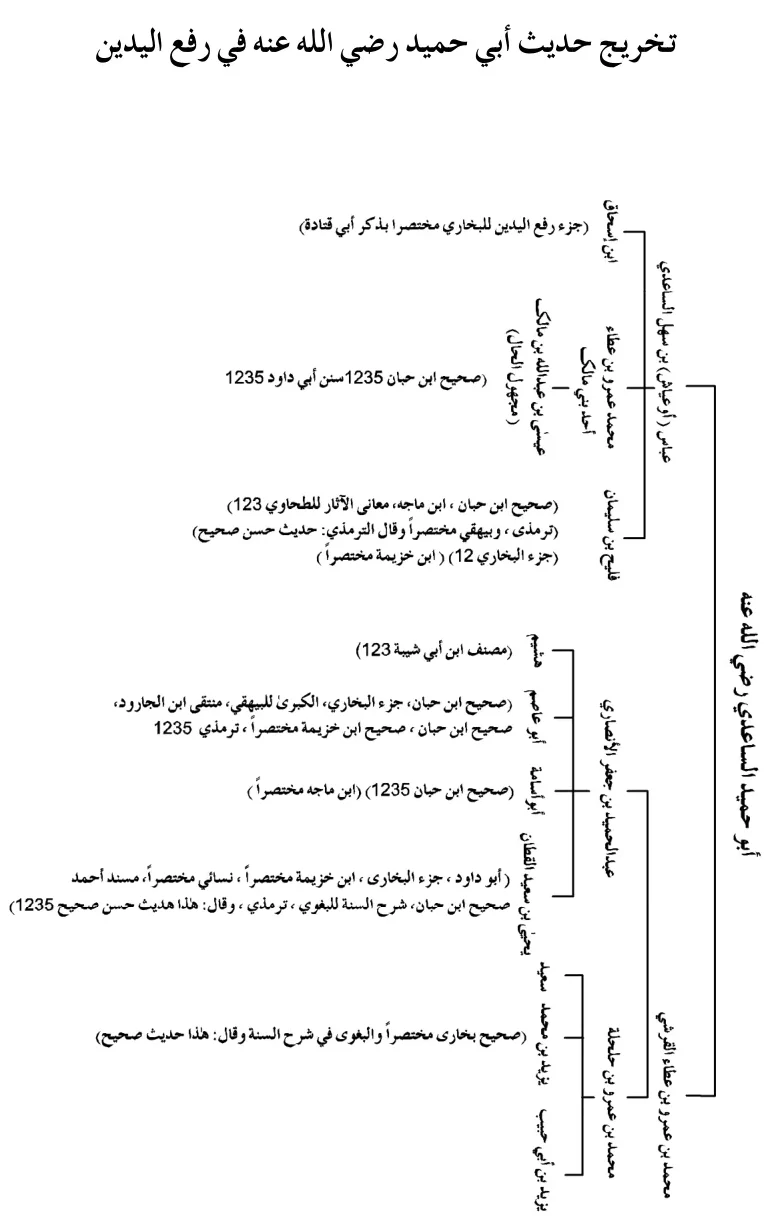
عبد الحميد بن جعفر قال: حدثنا محمد بن عمرو بن عطاء قال: سمعت أبا حميد الساعدي فى عشرة من أصحاب النبى صلى الله عليه وسلم فيهم أبو قتادة، فقال أبو حميد: أنا أعلمكم بصلاة رسول الله صلى الله عليه وسلم قالو: لم فو الله ما كنت أكثرنا له تبعة ولا أقدمنا له صحبة؟ قال: بلى قالوا: فاعرض، قال: كان رسول الله صلى الله عليه وسلم إذا قام إلى الصلوة كبر ثم رفع يديه حتى يحاذي بهما منكبيه ويقيم كل عظم فى موضعه ثم يقرأ ثم يرفع يديه حتى يحاذي بهما منكبيه ثم يركع و يضع راحتيه على ركبتيه معتدلا لا يصوب رأسه ولا يقنع به يقول سمع الله لمن حمده ويرفع يديه حتى يحاذي بهما منكبيه ثم إذا قام من الركعتين رفع يديه حتى يحاذي بهما منكبيه كما صنع عند افتتاح الصلاة فقالوا: صدقت هكذا كان يصلي النبى صلى الله عليه وسلم
They said: “Why? By Allah, you were neither the earliest among us in his companionship, nor did you accompany him more than us.”
He replied: “Yes.”
They said: “Then present it.”
He said: “When the Messenger of Allah ﷺ stood for prayer, he pronounced the takbīr and raised his hands until they were level with his shoulders, placing every bone in its proper position. Then he recited. Then he raised his hands until they were level with his shoulders and went into rukūʿ, placing his palms on his knees, remaining balanced—neither lowering nor raising his head excessively. Then he raised his head and said ‘Samiʿa Allāhu liman ḥamidah’ and raised his hands until they were level with his shoulders. Then when he stood after two rakʿahs, he raised his hands until they were level with his shoulders, just as he did at the beginning of the prayer.”
All ten Companions رضي الله عنهم said: “You have spoken the truth. This is how the Prophet ﷺ used to pray.”
◈ Ṣaḥīḥ Ibn Khuzaymah 1/297, ḥadīth 587
◈ Mukhtaṣar al-Muntaqā of Ibn al-Jārūd pp. 74–75, ḥadīth 192
◈ Jāmiʿ al-Tirmidhī 1/67, ḥadīth 304 – “ḥasan ṣaḥīḥ”
◈ Juzʾ Rafʿ al-Yadayn by al-Bukhārī p. 178, ḥadīth 102
◈ Ibn Taymiyyah: al-Fatāwā al-Kubrā 1/105; Majmūʿ al-Fatāwā 22/453
◈ Ibn al-Qayyim: Tahdhīb Sunan Abī Dāwūd 2/416
Ibn al-Qayyim said:
“This ḥadīth of Abū Ḥumayd is authentic, accepted by the scholars, free from defect. Some people attempted to declare it defective, but Allah cleared it of those claims through the Imāms of ḥadīth.”
Al-Khaṭṭābī also said: “Ḥadīth ṣaḥīḥ.”
[Maʿālim al-Sunan 1/194]
◈ Sahl bin Saʿd al-Sāʿidī
◈ Abū Usayd al-Sāʿidī
◈ Abū Hurayrah
◈ Muḥammad bin Maslamah رضي الله عنهم أجمعين
Ḥāfiẓ Abū Ḥātim Ibn Ḥibbān said:
Arabic Text:
كلا الروايتين محفوظتان
Translation:
“Both narrations are preserved.”
Arabic Text:
من سمع هذا الحديث ثم لم يرفع يديه إذا ركع وإذا رفع رأسه من الركوع فصلاته ناقصة
Translation:
“Whoever hears this ḥadīth and then does not raise his hands when going into rukūʿ and when rising from it, his prayer is deficient.”
Arabic Text:
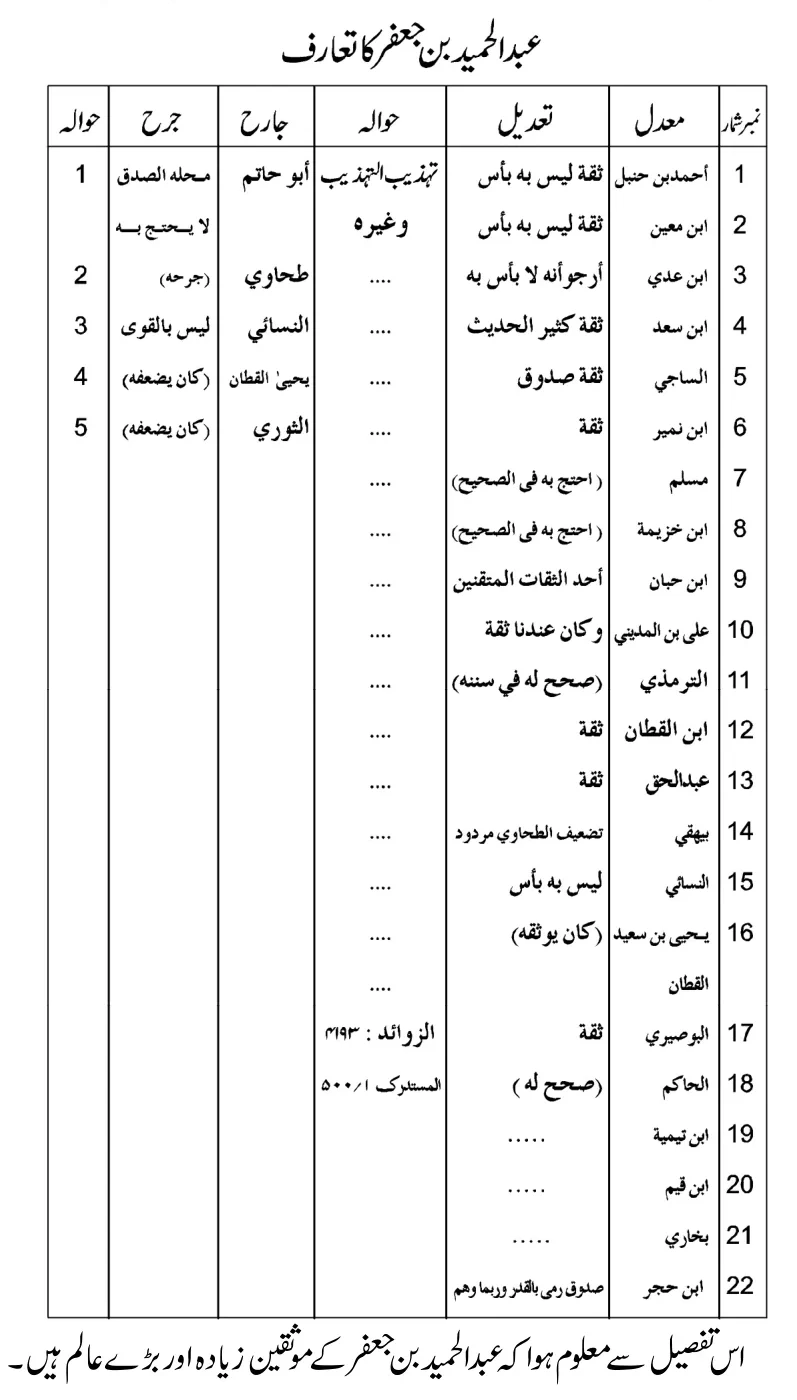
ولكن وثقه أكثر العلماء
Translation:
“But the majority of scholars have declared him trustworthy.”
The later statement of error mentioned by al-Zaylaʿī is rejected because:
① It contradicts the majority.
② It refers to another narration, not the one under discussion.
Thus, ʿAbd al-Ḥamīd bin Jaʿfar is trustworthy.
The criticisms of Abū Ḥātim, al-Nasāʾī, and Yaḥyā bin Saʿīd conflict with the clear authentication of the majority and are therefore dismissed.
Ḥāfiẓ al-Dhahabī explained that when Ibn Ḥibbān gives contradictory rulings regarding a narrator, both statements fall.
The criticism of Sufyān al-Thawrī was due to the issue of Qadar, which Ḥāfiẓ al-Dhahabī decisively refuted.
Many narrators accused of Qadarism are relied upon in the Ṣaḥīḥayn (e.g., Qatādah). Their narrations are not rejected.
Al-Ṭaḥāwī’s criticism was rejected by Imām al-Bayhaqī, and the isolated opinion of Ibn Ḥajar cannot override the clear authentication of Imām Aḥmad and others.
Ḥāfiẓ al-Dhahabī wrote:
Arabic Text:
احتج به الجماعة سوى البخاري وهو حسن الحديث
Translation:
“The scholars relied upon him (except al-Bukhārī), and he is ḥasan in ḥadīth.”
(And Imām al-Bukhārī also authenticated his ḥadīth, as mentioned earlier.)
Ḥāfiẓ Ibn Ḥibbān said:
Arabic Text:
عبدالحميد بن جعفر أحد الثقات المتقنين
Translation:
“ʿAbd al-Ḥamīd bin Jaʿfar is among the precise and trustworthy narrators.”
◈ Abū Zurʿah
◈ al-Nasāʾī
◈ Abū Ḥātim
◈ Ibn Saʿd
◈ Ibn Ḥibbān
Ḥāfiẓ al-Dhahabī said:
Arabic Text:
أحد الثقات
Translation:
“One of the trustworthy narrators.”
The criticism found in Tahdhīb refers to Muḥammad bin ʿAmr al-Laythī, not Ibn ʿAṭāʾ. Hence, Ibn ʿAṭāʾ is unanimously trustworthy.
He clearly heard this ḥadīth from Abū Ḥumayd رضي الله عنه, and he also narrates from him in Ṣaḥīḥ al-Bukhārī, so the claim of disconnection is baseless.
ʿAbbās bin Sahl al-Sāʿidī also corroborated his narration.
Imām al-Nasāʾī said: “Not trustworthy.”
Aḥmad, Ibn Maʿīn, and Ibn al-Madīnī also criticized him.
Although some authenticated him, the majority declared him weak, so minority authentication is rejected.
Thus, this narration is weak.
Even if assumed authentic, the word “rajul” refers to ʿAbbās or ʿAyyāsh bin Sahl, and a specified narrator overrides an unspecified one. Hence, it cannot oppose the narration of ʿAbd al-Ḥamīd bin Jaʿfar.
Arabic Text:
فالطريقان جميعا محفوظان
Translation:
“Both routes are preserved.”
The narration involving an unknown narrator contains a majhūl transmitter and cannot be preferred over the sound narration.
Thus, the claim of iḍṭirāb is false.
This is affirmed by:
① al-Layth bin Saʿd
② Saʿīd bin ʿUfayr
③ Yaḥyā bin Maʿīn
④ al-Tirmidhī
⑤ Ibn Mandah
⑥ al-Bayhaqī
⑦ Ibrāhīm bin al-Mundhir
⑧ al-Dhahabī
⑨ Ibn Ḥajar
⑩ Ibn Kathīr
Claims that he died in 38 AH are based on Haytham bin ʿAdī, a well-known liar, and are decisively rejected.
A decisive proof is his presence at the funeral of Umm Kulthūm bint ʿAlī, which occurred around 54 AH—making earlier death claims impossible.
For a detailed study, see:
“The Famous Ḥadīth of Abū Ḥumayd al-Sāʿidī رضي الله عنه” (same book, pp. 247–273).
Ḥadīth of Abū Ḥumayd al-Sāʿidī رضي الله عنه
The Narration
Arabic Text:عبد الحميد بن جعفر قال: حدثنا محمد بن عمرو بن عطاء قال: سمعت أبا حميد الساعدي فى عشرة من أصحاب النبى صلى الله عليه وسلم فيهم أبو قتادة، فقال أبو حميد: أنا أعلمكم بصلاة رسول الله صلى الله عليه وسلم قالو: لم فو الله ما كنت أكثرنا له تبعة ولا أقدمنا له صحبة؟ قال: بلى قالوا: فاعرض، قال: كان رسول الله صلى الله عليه وسلم إذا قام إلى الصلوة كبر ثم رفع يديه حتى يحاذي بهما منكبيه ويقيم كل عظم فى موضعه ثم يقرأ ثم يرفع يديه حتى يحاذي بهما منكبيه ثم يركع و يضع راحتيه على ركبتيه معتدلا لا يصوب رأسه ولا يقنع به يقول سمع الله لمن حمده ويرفع يديه حتى يحاذي بهما منكبيه ثم إذا قام من الركعتين رفع يديه حتى يحاذي بهما منكبيه كما صنع عند افتتاح الصلاة فقالوا: صدقت هكذا كان يصلي النبى صلى الله عليه وسلم
Translation
ʿAbd al-Ḥamīd bin Jaʿfar said: Muḥammad bin ʿAmr bin ʿAṭāʾ narrated to us and said: I heard Abū Ḥumayd al-Sāʿidī رضي الله عنه among ten Companions of the Prophet ﷺ, among whom was Abū Qatādah رضي الله عنه. Abū Ḥumayd said: “I know the prayer of the Messenger of Allah ﷺ better than all of you.”They said: “Why? By Allah, you were neither the earliest among us in his companionship, nor did you accompany him more than us.”
He replied: “Yes.”
They said: “Then present it.”
He said: “When the Messenger of Allah ﷺ stood for prayer, he pronounced the takbīr and raised his hands until they were level with his shoulders, placing every bone in its proper position. Then he recited. Then he raised his hands until they were level with his shoulders and went into rukūʿ, placing his palms on his knees, remaining balanced—neither lowering nor raising his head excessively. Then he raised his head and said ‘Samiʿa Allāhu liman ḥamidah’ and raised his hands until they were level with his shoulders. Then when he stood after two rakʿahs, he raised his hands until they were level with his shoulders, just as he did at the beginning of the prayer.”
All ten Companions رضي الله عنهم said: “You have spoken the truth. This is how the Prophet ﷺ used to pray.”
Sources
◈ Ṣaḥīḥ Ibn Ḥibbān 3/171, ḥadīth 1864 (and 3/173, ḥadīth 1867 – wording from here)◈ Ṣaḥīḥ Ibn Khuzaymah 1/297, ḥadīth 587
◈ Mukhtaṣar al-Muntaqā of Ibn al-Jārūd pp. 74–75, ḥadīth 192
◈ Jāmiʿ al-Tirmidhī 1/67, ḥadīth 304 – “ḥasan ṣaḥīḥ”
◈ Juzʾ Rafʿ al-Yadayn by al-Bukhārī p. 178, ḥadīth 102
◈ Ibn Taymiyyah: al-Fatāwā al-Kubrā 1/105; Majmūʿ al-Fatāwā 22/453
◈ Ibn al-Qayyim: Tahdhīb Sunan Abī Dāwūd 2/416
Ibn al-Qayyim said:
“This ḥadīth of Abū Ḥumayd is authentic, accepted by the scholars, free from defect. Some people attempted to declare it defective, but Allah cleared it of those claims through the Imāms of ḥadīth.”
Al-Khaṭṭābī also said: “Ḥadīth ṣaḥīḥ.”
[Maʿālim al-Sunan 1/194]
Supporting Narration
With the meaning of Rafʿ al-Yadayn, a narration from ʿAbbās bin Sahl al-Sāʿidī states that the following Companions were also present at that time:◈ Sahl bin Saʿd al-Sāʿidī
◈ Abū Usayd al-Sāʿidī
◈ Abū Hurayrah
◈ Muḥammad bin Maslamah رضي الله عنهم أجمعين
Reference: Ṣaḥīḥ Ibn Khuzaymah 1/298, ḥadīth 589; Ṣaḥīḥ Ibn Ḥibbān 3/174, ḥadīth 1868; Juzʾ Rafʿ al-Yadayn by al-Bukhārī p. 37, no. 5 – isnād ḥasan
Ḥāfiẓ Abū Ḥātim Ibn Ḥibbān said:
Arabic Text:
كلا الروايتين محفوظتان
Translation:
“Both narrations are preserved.”
Reference: Ṣaḥīḥ Ibn Ḥibbān 3/170 under ḥadīth 1863
Statement of Imām Ibn Khuzaymah
Muḥammad bin Yaḥyā (the trustworthy Imām) said:Arabic Text:
من سمع هذا الحديث ثم لم يرفع يديه إذا ركع وإذا رفع رأسه من الركوع فصلاته ناقصة
Translation:
“Whoever hears this ḥadīth and then does not raise his hands when going into rukūʿ and when rising from it, his prayer is deficient.”
Reference: Ṣaḥīḥ Ibn Khuzaymah 1/270, ḥadīth 589
Status of ʿAbd al-Ḥamīd bin Jaʿfar
Al-Zaylaʿī al-Ḥanafī said:Arabic Text:
ولكن وثقه أكثر العلماء
Translation:
“But the majority of scholars have declared him trustworthy.”
Reference: Naṣb al-Rāyah 1/344
The later statement of error mentioned by al-Zaylaʿī is rejected because:
① It contradicts the majority.
② It refers to another narration, not the one under discussion.
Thus, ʿAbd al-Ḥamīd bin Jaʿfar is trustworthy.
The criticisms of Abū Ḥātim, al-Nasāʾī, and Yaḥyā bin Saʿīd conflict with the clear authentication of the majority and are therefore dismissed.
Ḥāfiẓ al-Dhahabī explained that when Ibn Ḥibbān gives contradictory rulings regarding a narrator, both statements fall.
Reference: Mīzān al-Iʿtidāl 2/552
The criticism of Sufyān al-Thawrī was due to the issue of Qadar, which Ḥāfiẓ al-Dhahabī decisively refuted.
Reference: Siyar Aʿlām al-Nubalāʾ 7/21
Many narrators accused of Qadarism are relied upon in the Ṣaḥīḥayn (e.g., Qatādah). Their narrations are not rejected.
Al-Ṭaḥāwī’s criticism was rejected by Imām al-Bayhaqī, and the isolated opinion of Ibn Ḥajar cannot override the clear authentication of Imām Aḥmad and others.
Ḥāfiẓ al-Dhahabī wrote:
Arabic Text:
احتج به الجماعة سوى البخاري وهو حسن الحديث
Translation:
“The scholars relied upon him (except al-Bukhārī), and he is ḥasan in ḥadīth.”
Reference: Siyar Aʿlām al-Nubalāʾ 7/22
(And Imām al-Bukhārī also authenticated his ḥadīth, as mentioned earlier.)
Ḥāfiẓ Ibn Ḥibbān said:
Arabic Text:
عبدالحميد بن جعفر أحد الثقات المتقنين
Translation:
“ʿAbd al-Ḥamīd bin Jaʿfar is among the precise and trustworthy narrators.”
Reference: Ṣaḥīḥ Ibn Ḥibbān 3/72, ḥadīth 1864
Introduction of Muḥammad bin ʿAmr bin ʿAṭāʾ
He is a central narrator of the six canonical books. He was declared trustworthy by:◈ Abū Zurʿah
◈ al-Nasāʾī
◈ Abū Ḥātim
◈ Ibn Saʿd
◈ Ibn Ḥibbān
Ḥāfiẓ al-Dhahabī said:
Arabic Text:
أحد الثقات
Translation:
“One of the trustworthy narrators.”
Reference: Siyar Aʿlām al-Nubalāʾ 5/225
The criticism found in Tahdhīb refers to Muḥammad bin ʿAmr al-Laythī, not Ibn ʿAṭāʾ. Hence, Ibn ʿAṭāʾ is unanimously trustworthy.
He clearly heard this ḥadīth from Abū Ḥumayd رضي الله عنه, and he also narrates from him in Ṣaḥīḥ al-Bukhārī, so the claim of disconnection is baseless.
ʿAbbās bin Sahl al-Sāʿidī also corroborated his narration.
Narration of ʿAṭṭāf bin Khālid
Al-Ṭaḥāwī presented the narration of ʿAṭṭāf bin Khālid in opposition. Its chain includes ʿAbdullāh bin Ṣāliḥ, who is criticized.Imām al-Nasāʾī said: “Not trustworthy.”
Aḥmad, Ibn Maʿīn, and Ibn al-Madīnī also criticized him.
Reference: al-Jawhar al-Naqī 1/309
Although some authenticated him, the majority declared him weak, so minority authentication is rejected.
Reference: Majmaʿ al-Zawāʾid 2/7
Thus, this narration is weak.
Even if assumed authentic, the word “rajul” refers to ʿAbbās or ʿAyyāsh bin Sahl, and a specified narrator overrides an unspecified one. Hence, it cannot oppose the narration of ʿAbd al-Ḥamīd bin Jaʿfar.
Claim of Iḍṭirāb (Contradiction)
Some claim contradiction due to multiple chains. This claim is rejected because Ibn Ḥibbān clearly stated:Arabic Text:
فالطريقان جميعا محفوظان
Translation:
“Both routes are preserved.”
Reference: al-Iḥsān 1863
The narration involving an unknown narrator contains a majhūl transmitter and cannot be preferred over the sound narration.
Thus, the claim of iḍṭirāb is false.
Death of Abū Qatādah رضي الله عنه
There is consensus among the scholars of history that Abū Qatādah رضي الله عنه passed away in 54 AH.This is affirmed by:
① al-Layth bin Saʿd
② Saʿīd bin ʿUfayr
③ Yaḥyā bin Maʿīn
④ al-Tirmidhī
⑤ Ibn Mandah
⑥ al-Bayhaqī
⑦ Ibrāhīm bin al-Mundhir
⑧ al-Dhahabī
⑨ Ibn Ḥajar
⑩ Ibn Kathīr
Claims that he died in 38 AH are based on Haytham bin ʿAdī, a well-known liar, and are decisively rejected.
A decisive proof is his presence at the funeral of Umm Kulthūm bint ʿAlī, which occurred around 54 AH—making earlier death claims impossible.
Final Note
Ḥāfiẓ Ibn al-Qayyim provided a detailed, conclusive refutation of all objections to this ḥadīth in Tahdhīb Sunan Abī Dāwūd, delivering decisive answers to the opponents.For a detailed study, see:
“The Famous Ḥadīth of Abū Ḥumayd al-Sāʿidī رضي الله عنه” (same book, pp. 247–273).

