الحمد لله، والصلاة والسلام على رسول الله.
Yes, it is authentically established that
a number of major scholars of the Salaf criticized
Abu Hanifah an-Nuʿmān in matters of
hadith, fiqh methodology, and creed (especially irjāʾ).
This criticism is recorded by the reliable Imams of al-Jarh wa-t-Taʿdīl with
authentic chains.
Below is a
documented collection of these statements, translated and referenced properly.
 1. Criticism of Ibn al-Mubārak regarding Abu Hanifah's book
النص:
قال عبد الله بن المبارك:
مَنْ نَظَرَ فِي كِتَابِ الْحِيَلِ لِأَبِي حَنِيفَةَ أَحَلَّ مَا حَرَّمَ اللَّهُ، وَحَرَّمَ مَا أَحَلَّ اللَّهُ.
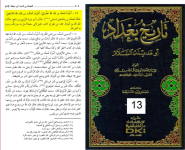
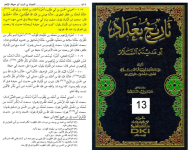
[تاريخ بغداد 13/379]
Translation:
Ibn al-Mubārak said:
Whoever looks into Abu Hanifah's book al-Ḥiyal will end up making the haram halal and the halal haram.
Chain status:
All narrators are
thiqah.
 Isnā d is sahih.
2. "Abu Hanifah was weak in hadith"
النص:
سَمِعْتُ ابْنَ الْمُبَارَكِ يَقُولُ:
كَانَ أَبُو حَنِيفَةَ مِسْكِينًا فِي الْحَدِيثِ.
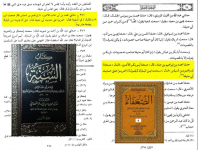
[الجرح والتعديل لابن أبي حاتم 2/450]
Translation:
Ibn al-Mubārak said:
Abu Hanifah was poor in the field of hadith.
Authentication:
Ibn Abi Hatim narrates it with a
sahih chain.
Albani also authenticated it in
Irwāʾ al-Ghalīl 1/207.
3. "Abu Hanifah was an orphan in hadith"
النص:
سَمِعْتُ ابْنَ الْمُبَارَكِ يَقُولُ:
كَانَ أَبُو حَنِيفَةَ فِي الْحَدِيثِ يَتِيمًا.
[المجروحين لابن حبان 3/66، الكامل لابن عدي 7/13]
Translation:
Ibn al-Mubārak said:
Abu Hanifah was like an orphan in hadith.
Chain:
Ali ibn Khushram: thiqah
Ali ibn Ishaq as-Samarkandi: thiqah
Multiple authentic chains.
4. Ibn al-Mubārak: "Leave the hadith of Abu Hanifah"
النص:
سَمِعْتُ ابْنَ الْمُبَارَكِ يَقُولُ:
اضْرِبُوا عَلَى حَدِيثِ أَبِي حَنِيفَةَ.
[الضعفاء الكبير للعقيلي 3/432، السنة لأحمد 1/230]
Translation:
Ibn al-Mubārak said:
Strike out and leave the hadith of Abu Hanifah.
And Imam Ahmad narrated that Ibn al-Mubārak advised shortly before his death:
Abandon the narrations of Abu Hanifah.
5. Accusation of
النص:
سُئِلَ ابْنُ الْمُبَارَكِ: هَلْ كَانَ فِيهِ مِنَ الْهَوَى شَيْءٌ؟
قَالَ:
نَعَمْ، الْإِرْجَاءُ.
[المعرفة والتاريخ للفسوي 2/790]
Translation:
Ibn al-Mubārak was asked:
Did Abu Hanifah have any innovation?
He replied:
Yes, irjāʾ.
Chain: sahih.
6. Ibn al-Mubārak: "Abu Hanifah was not a scholar"
النص:
قِيلَ لِابْنِ الْمُبَارَكِ: أَكَانَ أَبُو حَنِيفَةَ عَالِمًا؟
قَالَ:
مَا كَانَ بِخَلِيقٍ لِذَاكَ، تَرَكَ عَطَاءً وَأَقْبَلَ عَلَى أَبِي الْعَطُوفِ.
[المجروحين لابن حبان 2/67]
Translation:
Ibn al-Mubārak was asked:
Was Abu Hanifah a scholar?
He said:
He was not deserving of that. If he were, he would not have left Ata' ibn Abi Rabah and turned to Abu al-ʿAtuf (Jarrah ibn Minhāl, a liar and drunkard).
7. Harsh criticism of his excessive qiyās
النص:
سَمِعْتُ ابْنَ الْمُبَارَكِ يَقُولُ فِي مَسْأَلَةٍ لِأَبِي حَنِيفَةَ:
قَطْعُ الطَّرِيقِ أَحْيَانًا أَحْسَنُ مِنْ هَذَا.
[السنة للإمام أحمد 1/259]
Translation:
Commenting on one of Abu Hanifah's opinions, Ibn al-Mubārak said:
Sometimes highway robbery is better than this.
8. Condition of Abu Hanifah's gatherings
النص:
قَالَ ابْنُ الْمُبَارَكِ:
مَا رَأَيْتُ مَجْلِسًا يُذْكَرُ فِيهِ النَّبِيُّ ﷺ فَلَا يُصَلَّى عَلَيْهِ إِلَّا مَجْلِسَ أَبِي حَنِيفَةَ.
[تاريخ بغداد 13/396]
Translation:
Ibn al-Mubārak said:
I never saw a gathering in which the Prophet ﷺ was mentioned but no salat was sent upon him except in Abu Hanifah's gathering.
9. Ibn al-Mubārak: "We left him after knowing him"
النص:
سُئِلَ ابْنُ الْمُبَارَكِ: إِنَّكَ تَذْهَبُ إِلَى قَوْلِ أَبِي حَنِيفَةَ؟
فَقَالَ:
لَيْسَ كُلُّ مَا يَقُولُ النَّاسُ يُصِيبُونَ فِيهِ، كُنَّا نَأْتِيهِ زَمَانًا وَنَحْنُ لَا نَعْرِفُهُ، فَلَمَّا عَرَفْنَاهُ تَرَكْنَاهُ.
[الانتقاء لابن عبد البر ص 149]
Translation:
Ibn al-Mubārak said:
Not everything people say is correct. We used to attend him when we did not know him, but when we came to know him, we left him.
10. Complete abandonment of Abu Hanifah by Ibn al-Mubārak
النص (قاضي عياض):
قال الشيرازي:
وكان أولًا من أصحاب أبي حنيفة ثم تركه ورجع عن مذهبه.
وقال ابن وضاح:
ضرب آخراً في كتبه على أبي حنيفة ولم يقرأه للناس.
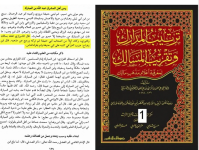
[ترتيب المدارك 1/157]
Translation:
Shirazi said: Ibn al-Mubārak was originally among Abu Hanifah's companions, then he abandoned him and left his madhhab.
Ibn Waddah said: At the end of his life, Ibn al-Mubārak struck out Abu Hanifah's name from his books and did not narrate his views to the people.
11. Criticism of Imam Yahya ibn Maʿīn
11A. "His hadith should not be written"
النص:
لا يكتب حديثه.
[cited in الكامل لابن عدي 7/2473, تاريخ بغداد 13/450]
Translation:
Yahya ibn Maʿīn said:
His (Abu Hanifah's) hadith is not to be written.
Chain: sahih.
11B. "He was weak in hadith"
النص:
كان يضعف في الحديث.
[الضعفاء الكبير للعقيلي 4/285]
Translation:
Yahya ibn Maʿīn said:
He was considered weak in hadith.
Chain: sahih.
The above demonstrates that
numerous major Salafi Imams of the early generations such as:
- Abdullah ibn al-Mubārak
- Yahya ibn Maʿīn
- Imam Ahmad (narrating criticism)
- Ibn Hibban
- al-Aqili
- al-Fasawi
- al-Khateeb al-Baghdadi
- Ibn ʿAbd al-Barr
all reported significant and repeated
jarḥ upon Abu Hanifah in:
Hadith mastery
Methodology of fiqh (excessive qiyās and hiyal)
Creed (irjāʾ)
Unreliable teachers
Weakness of his hadith narrations
This is
fully documented in the authentic books of al-Jarh wa-t-Taʿdīl and the histories of the Salaf.